Defining Your Urban Promise: Why Hold a Festival Downtown?
Introduction
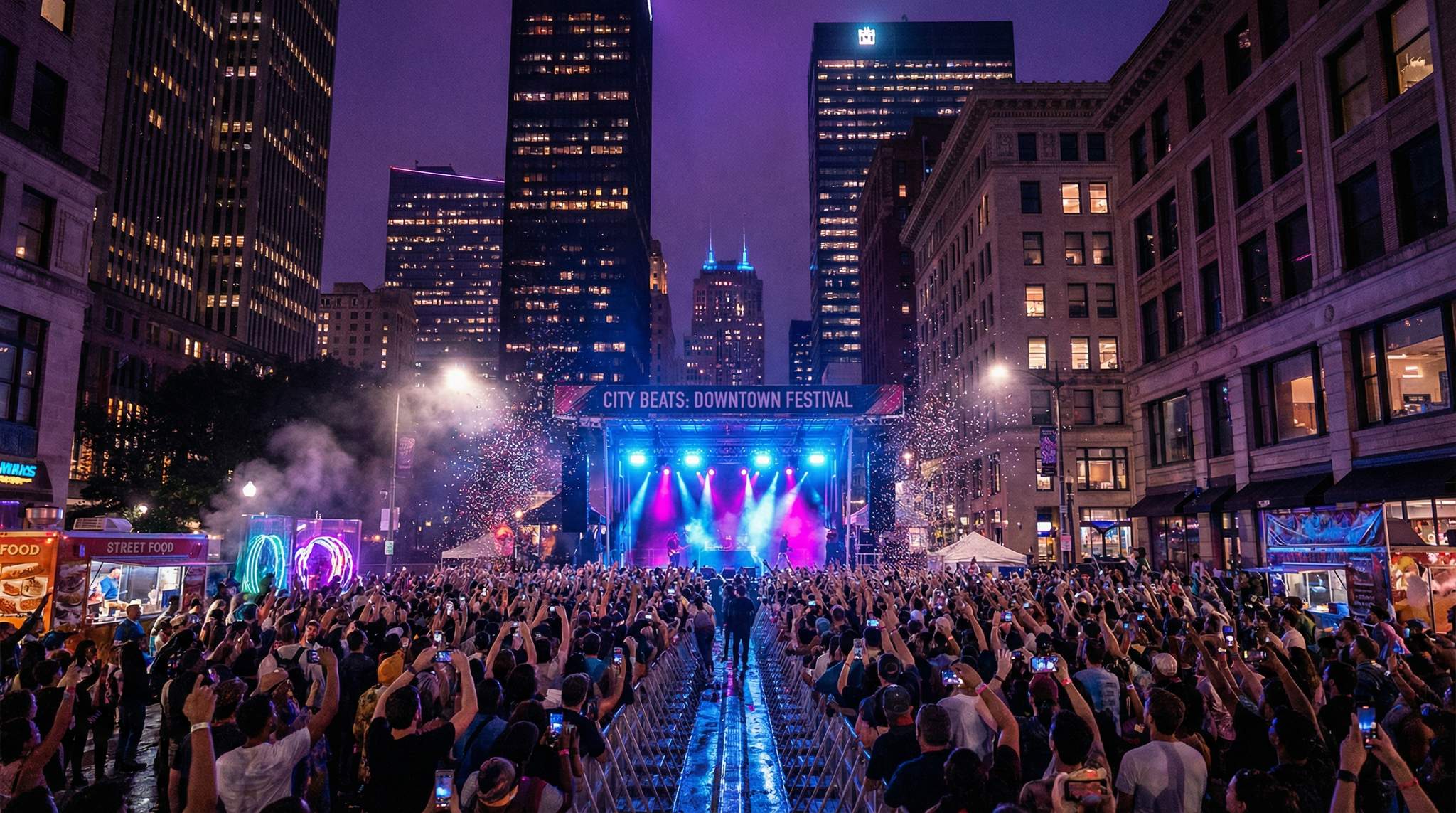
An inner-city festival offers something no remote field or rural park can replicate – the electric atmosphere of an urban landscape. When festival producers choose downtown settings, they tap into a city’s unique energy and make the city itself part of the show. From the glow of neon-lit skyscrapers to the rhythm of late-night streets, an urban festival can deliver an experience that’s deeply embedded in local culture. But to truly leverage those advantages, a producer must clearly define the festival’s “urban promise” – the compelling reasons festival-goers will prefer a downtown event over a countryside escape. Understanding those urban draws and integrating them into every aspect of planning, programming, and promotion is key to convincing audiences that the city is not just the backdrop, but the headline of the festival experience.
In this guide, an experienced festival organizer shares practical wisdom on articulating the value of a downtown festival and making the most of what a city has to offer. We’ll delve into why holding a festival in the heart of a city can be magical – exploring iconic streetscapes, transit convenience, vibrant food scenes, and nocturnal culture – and how to weave these urban elements into your programming, partnerships, and messaging. Whether you’re planning a boutique block party or a massive inner-city multi-stage event, these insights apply across different scales and cities around the globe (from New York to New Delhi, Melbourne to Mexico City). Let’s explore how to make the urban environment your festival’s greatest asset.
The Unique Allure of a City Festival
Every festival needs a clear identity – a promise of what makes it special. For city-based festivals, that identity is often interwoven with the city’s own character and infrastructure. Unlike a destination festival in a distant field, a downtown event offers instant context and authenticity. The cobblestone streets, historic architecture, skyline views, and bustling sidewalks become part of the festival’s fabric. Attendees aren’t just going to a show, they’re immersing themselves in the urban vibe.
Consider how iconic streetscapes can set your festival apart. Imagine an outdoor concert with the Eiffel Tower or Sydney’s Opera House in the background – the location alone creates a once-in-a-lifetime ambience. Even lesser-known cityscapes can add charm: a music stage tucked between colonial-era buildings in Mexico City’s Zócalo, or an art installation sprawled across the graffiti-lined lanes of Melbourne. These settings tell a story and offer built-in spectacle that no blank field can rival. Use the city as a stage – plan performances in front of notable landmarks, or design stage backdrops to frame the skyline or city hall. Such integration not only looks stunning in photos (great for marketing!) but also roots the event in a sense of place. Festival-goers often choose a city festival because it promises that authentic urban scenery and cultural context.
Free Tool: Size Your Festival Site
Zoned capacity planning for arena, campsite, parking and entry lanes — against UK Purple Guide and NFPA density standards. Finds your bottleneck zone.
Beyond visuals, there’s an energy in cities – a 24/7 buzz – that feeds into the festival atmosphere. Crowds strolling from stage to stage may pass street performers on the corner, join impromptu dance circles on closed-off avenues, or spill into local bars when the official events pause. This serendipity and spontaneity are uniquely urban draws. An inner-city festival can feel like the entire metropolis is celebrating along with you. For example, during the Notting Hill Carnival in London, the whole neighborhood comes alive with sound systems and food stalls, blurring the line between festival grounds and the city streets. This immersive city-wide celebration is something a fenced-off remote venue simply cannot offer. When you articulate your festival’s appeal, emphasize the one-of-a-kind urban immersion: the idea that “the city itself is part of the ticket.”
Doorstep Convenience: Accessibility & Transit
One of the strongest selling points for a downtown festival is how easy it is to attend. In major cities like New York, London, Tokyo, or Berlin, countless potential attendees live or work nearby or can arrive by public transit in minutes. There’s no need for a long drive out of town, expensive parking in a field, or arranging a long weekend away – an urban event can fit into attendees’ regular life seamlessly. This convenience can significantly broaden your audience: students, young professionals, tourists already in town, even families might be more inclined to pop into a city festival when they don’t have to plan a long expedition.
Planning a Festival?
Ticket Fairy's festival ticketing platform handles multi-day passes, RFID wristbands, and complex festival operations.
Public transportation and walkability are major advantages you should highlight. Many cities have trains, subways, buses, or trams that stop near the festival site. Embrace this in your planning and promotion:
– Promote transit options in your attendee guide and website. For example, the Montreal Jazz Festival encourages visitors to take the metro, and the city’s transit authority has even extended subway service for big festival nights in the past. If local authorities permit, consider subsidizing free or discounted transit rides for ticket-holders – a gesture that both reduces traffic congestion and earns goodwill from attendees.
– Ensure the festival schedule aligns with transit timetables. If your city’s last train is at midnight, wrap up main stage acts by 11 PM or provide clear info on after-hours bus services. Some festivals partner with rideshare companies or offer shuttles to key transit hubs to make the end-of-night journey smoother.
– Emphasize “no car needed” in your marketing. Urban audiences appreciate the freedom of not worrying about driving or parking. In cities like Singapore or Paris, attendees can hop on a train, enjoy the festival with a couple of drinks, and ride home safely – a strong incentive over remote festivals where DUI risks or long drives home are concerns.
Another convenience is the abundance of accommodation and amenities around downtown. Unlike a camping festival where attendees brave tents (or an expensive hotel miles away), a city festival offers real beds each night. Tourists can book hotels of all budgets within walking distance. Locals can simply head home on the last train. Communicate this benefit clearly: for instance, “Make a weekend of it – stay at a nearby hotel or crash in your own bed; no camping gear required!” Comfort and flexibility can sway those festival-goers who might skip an event if it’s too logistically difficult.
Additionally, city infrastructure means ample restaurants, ATMs, pharmacies, and other comforts right at hand. If someone forgets their raincoat, there’s a shop around the corner. Hungry for something beyond festival fare? The city’s eateries are open. This safety net of urban infrastructure enhances the overall experience – and it’s a key part of the downtown festival promise you’ll want to convey.
Culinary Capital: Leveraging the Local Food Scene
Ask festival veterans what stands out from their favorite events, and along with the music or art, they’ll often rave about the food. Urban festivals have a distinct edge here: they can tap directly into the city’s vibrant culinary scene. Many great cities are known for their street food or diverse dining options – and incorporating those flavors can turn your festival into a foodie paradise.
Free Tool: How Many Staff Do You Need?
Get a starting headcount for security, stewards, scanners, bar staff and first aid from your crowd size, event type and risk level.
How can you make the most of this urban asset?
– Invite local food vendors and famous eateries to be part of the event. Instead of generic carnival food stands, curate a lineup of neighborhood food trucks, beloved local restaurants, and up-and-coming chefs. For example, Austin’s SXSW festival is as much about tacos and BBQ brisket as it is about tech and music – attendees wander between sessions with local food truck bites in hand, getting a literal taste of Austin’s culture. By highlighting regional specialties (be it New York pizza slices, Mumbai chaat, or Mexican tacos al pastor), you turn dining into a cultural experience.
– Consider creating a food market or culinary corner within the festival grounds showcasing different cuisines that reflect the city’s diversity. A city like London or Singapore, known for multicultural food scenes, can offer everything from dim sum to curry, giving festival-goers a world tour on their plate. This not only delights attendees’ taste buds but also involves local small businesses, earning you community goodwill and possibly sponsorships from foodie brands or local breweries.
– Schedule food-themed programming. Host chef demos, eating contests, or pairing events as part of the festival schedule. Urban audiences love interactive experiences like wine tastings from local urban wineries or cocktail-mixing classes led by a famed city bartender. For instance, the Melbourne Food & Wine Festival integrates city restaurants in its programming, turning the entire city into a sprawling dining festival for a week. Even if your event isn’t primarily a food fest, a city setting allows you to layer in these gourmet experiences.
Don’t forget to communicate this delicious advantage! In your marketing materials and press releases, tout the fact that attending your festival is also a chance to explore the city’s culinary highlights. Phrases like “Savor the city while you enjoy the music” or “A festival feast featuring [City Name]’s best bites” can paint a mouth-watering picture. In essence, food becomes a selling point that sets your downtown event apart from a rural one (where options might be limited to whatever food trucks traveled there).
Need Festival Funding?
Get the capital you need to book headliners, secure venues, and scale your festival production.
After Dark: Embracing Nightlife and Culture
Cities rarely sleep – and that can elevate a festival into a round-the-clock adventure. Urban festivals can leverage their location to tap into the late-night culture that parks or countryside can’t offer. When the main stage lights go down, the city’s bars, clubs, theaters, and streetscapes can keep the experience going for those who want more.
Here’s how to make the most of a city’s nocturnal energy:
– Plan official after-parties or late shows at nearby venues. Partner with local nightclubs, music halls, or rooftop bars to host post-festival events. This keeps the momentum alive and provides extra value to attendees (perhaps offering discounted entry with a festival wristband). Major festivals like Barcelona’s Sónar by Night or Miami’s Art Basel afterparties are legendary, turning the host cities into all-night playgrounds. Even smaller festivals can do this: a film festival might coordinate midnight screenings at an indie cinema downtown, or a comic convention could team up with a themed bar for a cosplay night.
– Highlight the cultural offerings that only a city provides. For multi-day events, encourage attendees to explore after-hours museum nights, gallery openings, or theater shows that coincide with your festival. Some city tourism boards work with festivals to create “festival fringe” events – e.g., late-night jazz jams at a local cafe or pop-up street art installations – extending the cultural menu beyond your official program. The presence of these options can be a selling point: “When the festival stage closes, your night’s just beginning. Dance till dawn in the city that never sleeps.”
– Use city landmarks illuminated at night as part of the spectacle. An urban skyline lit up after dark, or historic buildings aglow with special lighting (think of Sydney’s Vivid Festival, where projections transform downtown architecture into art), can make evenings magical. Coordinate with city officials or building owners to light up prominent structures during your festival dates, if possible, and tell attendees to watch for these urban “Easter eggs” after dark. It creates a sense that the entire city is in on the celebration.
Safety is paramount for late-night activities, so also work closely with transit authorities for extended service (as mentioned earlier) and with local police or security teams to ensure well-lit, safe corridors for people walking between venues at night. Promote these safety measures in communications so guests feel confident enjoying the city after hours. When done right, the blend of festival programming and organic city nightlife yields an unforgettable 24-hour experience – a major differentiator for an inner-city festival.
Weaving the City into Festival Programming
To truly deliver on the urban promise, the festival’s programming should actively integrate the city. Don’t treat the city as just a location; make it a core element of the experience. Here are some strategies to achieve that:
– Site-specific performances and art: Use the city’s spaces creatively. Perhaps a string quartet performs on a historic courthouse steps at midday, or a DJ spins on a hotel rooftop overlooking downtown. Consider arranging art installations down an alleyway or dance performances in a train station foyer as part of your program. During Paris’s Nuit Blanche, for example, the city becomes an open-air gallery for one night, with artworks scattered throughout neighborhoods. Your festival can adopt a similar approach on a smaller scale, encouraging attendees to explore the city to find different attractions.
– Multiple venues & neighborhood activation: Instead of confining everything to one fenced area, an urban festival can utilize multiple venues across a district. Think pub crawls with live bands in different bars, or a film festival using several theaters around downtown. The Edinburgh Festival Fringe famously turns an entire city into a network of venues – from grand theaters to tiny pub backrooms. While that scale is huge, even a modest festival might link three or four locations. This not only spreads the economic benefit around but gives attendees the thrill of moving through the city to catch events, reinforcing that city exploration aspect.
– Local talent and community groups: Weaving the city in means involving its people too. Feature local musicians, artists, cultural groups, and community organizations within your lineup. Inner-city neighborhoods often have rich artistic communities – giving them a platform connects the festival to its locale. For instance, a downtown Los Angeles festival might include a set by an East LA mariachi troupe or a K-town dance crew demonstration, reflecting the city’s cultural mosaic. Audiences love authenticity, and locals will appreciate seeing their culture represented.
– Urban storytelling: Frame parts of your program around the city’s identity or stories. Is there a historical tour that can be adapted into an interactive festival event? For example, at a Singapore arts festival, organizers created a nighttime walking tour performance through Chinatown, blending history with live theater. Or a festival in Rome might have an “ancient ruins sunrise yoga” session, turning a tourist spot into a participatory event. These unique programming elements double as sightseeing, making the city itself a protagonist in your festival narrative.
Grow Your Social Following With Every Sale
Require social media follows, shares, or playlist adds to unlock presale access or special pricing. Turn every ticket purchase into audience growth.
When curating your schedule, ask: Could this happen anywhere else? If the answer is no – because it’s uniquely tied to the city – you’re on the right track. Those are the moments that people remember and talk about, because they feel exclusive to that festival and that city.
Urban Sponsorships and Community Partnerships
A downtown festival doesn’t only draw attendees – it also attracts the interest of local businesses, brands, and civic organizations in a way remote events might not. Tapping into these for sponsorships and partnerships can bolster your budget and deepen the festival’s urban integration.
Consider these opportunities:
– Local business sponsorship: Cities are full of companies eager to reach urban audiences. Restaurants, breweries, hotels, and retail shops near your festival site have a stake in the increased foot traffic and tourism your event brings. Engage them early – a nearby cafe might sponsor your VIP lounge in exchange for exposure, or a local craft brewery could run an official beer garden featuring their brews. In return, they might offer discounts to festival-goers or help promote the event to their customers. Such partnerships emphasize that your festival benefits the community, not just uses the space.
– City and transit partnerships: Often, city governments or transit authorities become partners for large events. They might provide logistical support (street closures, sanitation, police presence) or even funding through arts grants or tourism boards. For instance, the City of Montreal invests millions of dollars in its major downtown festivals, recognizing they attract millions of visitors and serve as a major economic driver (montreal.ctvnews.ca). Similarly, transit agencies might sponsor free shuttle services or offer branded transit passes for the event, as it showcases the convenience of their network. When you secure such partnerships, tout them – it shows audiences that your festival is woven into the city’s fabric and has official support.
– Cultural institutions and clubs: Team up with museums, galleries, theaters, and nightlife venues. Perhaps a museum offers reduced entry for festival wristband holders during the event week, or a famous club hosts your closing party. Sponsorship doesn’t always mean money; in-kind support like venue space, cross-promotion, or contributing programming (e.g., a museum curates an exhibit as part of your festival) can be just as valuable. It’s a win-win: the institution gets exposure to your audience, and your festival gains urban authenticity and resources.
– Community and resident relations: An often overlooked “partnership” is with the people who live and work downtown. Inner-city festivals can face resistance if locals feel disrupted. Proactively work with neighborhood associations and local residents – perhaps offer free or discounted tickets to those in the immediate area, or invite them to a dedicated “community night” preview of the festival. Show that you value their support. This goodwill can turn skeptics into ambassadors and adds to the narrative that the festival isn’t just in the city, but for the city.
By aligning with urban stakeholders, you also strengthen your festival’s story. In press releases and social media, mention these collaborations: “Sponsored by [Local Brewery] – enjoy the city’s favorite craft beer at our shows” or “In partnership with [City Transit], making your journey to the festival car-free and easy.” These points reassure potential attendees that the festival is well-integrated and supported, enhancing credibility and appeal.
Marketing the City as the Headliner
When it comes to promoting an inner-city festival, your marketing should make the city a star attraction. You want potential attendees to feel the FOMO of not just missing the festival, but missing out on experiencing the city in this special way. Here’s how to articulate that message:
– Visual storytelling: Use images and videos in your promotional material that showcase the festival against the urban backdrop. Footage of crowds dancing with skyscrapers in the background, or colorful installations on city streets, will instantly differentiate your event from generic festival imagery. For example, marketing for Ultra Music Festival in Miami often highlights the downtown skyline lit up behind the stages, giving a sense of the high-energy urban environment.
– Messaging that highlights urban perks: In copy and slogans, weave in the city advantages. Phrases like “Experience [City Name] like never before,” “Downtown turns into our playground,” or “Where music meets the metropolis” communicate that the location is central. Be explicit about the conveniences too: “No camping, no driving – just hop on the train and join the party.” Spell out the selling points: “world-class stages by day, world-class city by night,” or “festival vibes with all the comforts of the city.”
– City pride and cultural hooks: Tailor your outreach to tap into local pride. Urban dwellers love their cities. If your festival is in, say, Mexico City, incorporate the city’s identity – maybe your graphics use iconic local art or symbols like the Angel of Independence statue. Engage local influencers or city-based social media groups to spread the word, framing the event as “a celebration of what makes our city special.” This can galvanize local attendance. Meanwhile, for out-of-town marketing, present the festival as a festival-tourism package: “Come for the festival, stay to explore the city’s famous nightlife and food scene.” This dual appeal can sway someone debating between your city event and an out-of-town festival.
– Transparency about logistics: Make sure all communication (website FAQ, info emails) clearly tout how easy it is to get there and enjoy. List the many transit options, nearby hotels, city attractions to check out during the day. Provide maps showing the festival in relation to downtown landmarks. The goal is to eliminate any guesswork or anxiety about attending an urban event. If people see that it’s simpler than a destination festival (“I don’t have to pack camping gear or rent a car!”), that can be a tipping point.
– Testimonials and stories: If you have past years of the festival, use attendee testimonials that mention the city atmosphere. Quotes like “I loved how the whole city felt alive during the festival” or “Never been to [City] before – the festival gave me the perfect excuse to finally visit, and it was incredible” can be powerful social proof. If the festival is new, perhaps highlight similar case studies: share a blog post or video of another city festival success (e.g., how downtown Detroit’s Movement Festival revitalized the city vibe) to build excitement for your own.
In all these efforts, maintain an authentic and enthusiastic tone. As an experienced producer might say, audiences can tell when a festival truly cares about its locale. Show genuine love for your host city in your marketing, and that passion will attract attendees who are ready to fall in love with the city too.
Free Tool: Project Your Bar Revenue
Per-head spend benchmarks by event type turned into projected bar and food revenue, with a stock-mix estimate and gross-margin line. Free calculator.
Balancing Challenges: Urban Logistics and Risk Management
Producing a downtown festival isn’t all easy rides and neon lights – it comes with its own set of challenges, which seasoned organizers anticipate and manage. Addressing these proactively as part of your planning (and even communicating some aspects to attendees) further solidifies trust in your event. Key considerations include:
– Permitting and regulations: City events often face complex permit requirements – for street closures, noise levels, crowd capacity, sanitation, etc. While this doesn’t directly sell the festival to audiences, your smooth handling of permits ensures the show can go on without last-minute hiccups. As advice, start permit applications and city negotiations early. Engage sound engineers to map out how to contain noise within legal limits or schedule louder acts earlier in the evening if there’s a strict night curfew.
– Infrastructure strain and solutions: Large crowds can strain downtown infrastructure (cell networks, public transit surges, etc.). Work with mobile providers to set up temporary cell towers (so guests can still Instagram those skyline stage shots!), and coordinate with transit for extra capacity. Many big city events also create traffic management plans – even if you encourage transit, expect some cars and ride-shares. Inform attendees of road closures and recommended drop-off points to avoid gridlock. Your communications can highlight these preparations: for example, letting people know, “We’ve added extra entry gates and partnered with City Transit for more frequent trains – all to make your arrival smoother.” This assures them you’re on top of logistics.
– Security and community safety: An open urban environment means you must integrate with city police and emergency services closely. Develop a robust security plan that covers both the festival grounds and surrounding areas where attendees will roam. This might involve hiring additional security staff to patrol between venues or having clear signage guiding people to safe routes. Especially in messaging to local stakeholders or risk-averse attendees, emphasize measures like on-site medical tents staffed by city hospitals or dedicated safe zones. Knowing that “the city has our back” can reassure everyone that an inner-city festival can be as secure as any gated campground event.
– Neighbor and local business relations: We touched on community partnerships, but from a risk perspective, be mindful of noise, litter, or other disturbances in the area. Have a cleanup crew in action throughout and after the event (often city festivals impress residents by leaving the streets cleaner than before). Provide a hotline for residents to call with issues during the festival – showing you’re responsive can defuse tensions. And if something does go wrong (like an unexpected road closure angering motorists, or a stage soundcheck waking up a neighborhood early), be swift and transparent in addressing it. Issue apologies or fixes publicly; audiences and cities are remarkably forgiving when you take responsibility and resolve issues.
By thinking through these challenges, you not only ensure a safer, smoother festival, but you also create material you can later use in case studies or debriefs with sponsors and city officials to show how effectively the festival managed the urban setting. It’s all part of demonstrating that the city is a benefit, not a hindrance, to the experience.
Conclusion
An inner-city festival can deliver an unparalleled blend of culture, convenience, and excitement – if a producer consciously shapes the event around those strengths. Defining your “urban promise” means pinpointing what makes your chosen city irresistible and making that the soul of your festival. It’s about turning iconic streetscapes into stages, local commutes into part of the fun, food stalls into cultural journeys, and city nights into festival afterglows. The city becomes more than a venue; it becomes a co-star, acting alongside your performers and installations to create magic.
For the next generation of festival producers, the advice is clear: embrace the city wholeheartedly. Use its sights, sounds, and spirit to enhance every aspect of your event, from programming choices to marketing messages. When an attendee leaves your festival saying, “I’ve never seen the city like that before,” you’ve succeeded in making the urban environment central to the experience. That is the essence of the urban promise – a promise of discovery, connection, and vibrancy that only a city festival can fulfill.
Key Takeaways:
– Make the City the Star: Choose downtown locations that showcase iconic architecture or streets – let attendees feel they’re part of the city’s story, not just a fenced-off event. Design stages or attractions that deliberately incorporate skyline views, historic landmarks, or active city streets.
– Highlight Convenience: Use the advantages of transit and infrastructure as a selling point. Promote public transport options, nearby lodging, and the fact that no one has to drive for hours or camp in mud. Emphasize how easy and accessible the festival is for locals and travelers alike.
– Leverage Urban Culture: Infuse the local food scene, art, and nightlife into your festival. Partner with beloved restaurants, bring in local artists, and plan after-party events at city venues. Offer experiences that celebrate the city’s culinary diversity and 24/7 energy.
– Integrate Community & Partners: Collaborate with city stakeholders – from transit authorities to neighborhood businesses. Secure sponsorships that resonate with the urban context (e.g., local craft breweries or city tourism boards) and work with community leaders to ensure the festival benefits residents and businesses.
– Effective Urban Marketing: In all communications, frame the festival as an urban adventure. Use imagery of cityscapes and crowds, messaging that underscores the unique downtown experience, and stories that highlight both the event and the host city’s charm to entice potential attendees.
– Plan for City Logistics: Be proactive about the challenges – obtain permits early, manage noise and crowd control diligently, bolster connectivity and transit plans, and coordinate closely with city services for security and cleaning. A well-run festival enhances the city’s reputation and sets the stage for future editions.
– Deliver on the Promise: Finally, ensure that once attendees arrive, the city’s magic is palpable. From the moment they step off the train to the moment they’re dancing under neon-lit skyscrapers, the festival should fulfill the promise of a one-of-a-kind urban experience that they couldn’t get in any field or countryside.
Frequently Asked Questions
Why should festival producers choose a downtown location?
Downtown settings offer an electric atmosphere and unique energy that remote fields cannot replicate. Organizers can leverage iconic streetscapes and skylines as built-in backdrops while utilizing existing infrastructure like public transit and hotels. This accessibility attracts diverse audiences, including locals and tourists, who appreciate the convenience of attending without camping or long drives.
How can organizers integrate the city into festival programming?
Organizers can weave the city into programming by using site-specific locations like historic steps or rooftops for performances. Utilizing multiple venues across a district creates a sense of exploration, while featuring local talent and community groups ensures authenticity. Additionally, incorporating urban storytelling or tours turns the city itself into a central character of the event.
What are the culinary advantages of holding a festival in a city?
Urban festivals can tap directly into a city’s vibrant food scene by inviting beloved local restaurants and food trucks instead of generic vendors. Creating food markets that showcase diverse regional cuisines or hosting interactive events like chef demos and cocktail classes turns the dining experience into a cultural highlight that rivals the music or art.
How does public transit benefit downtown festival logistics?
Public transportation significantly broadens a festival’s audience by making the event accessible to students, professionals, and tourists without the need for cars or expensive parking. Aligning schedules with train timetables and promoting car-free convenience reduces traffic congestion and DUI risks, allowing attendees to enjoy the event safely and easily return to their accommodation.
How should you market an inner-city festival effectively?
Marketing should position the city as the headliner by using visual storytelling that features skylines and urban crowds. Promotional materials must highlight logistical conveniences like easy transit and nearby hotels to reduce attendee anxiety. Tapping into local pride and framing the event as a celebration of the city’s unique culture helps attract both residents and tourists.
What after-dark opportunities do urban festivals provide?
Downtown festivals can extend the experience by partnering with local nightclubs, rooftop bars, and theaters for official after-parties or late shows. Leveraging illuminated city landmarks adds visual spectacle, while coordinating with transit authorities for extended service ensures safety. This allows attendees to explore the city’s nocturnal culture and entertainment options long after the main stages close.