Introduction
Rock and metal festivals are often seen as wild, adults-only events – full of thunderous music, late-night mayhem, and edgy antics. But in reality, many rock & metal festivals have evolved to welcome families and children without losing their soul. The next generation of rock fans is already toddling around in noise-cancelling headphones on a parent’s shoulders. Creating a family-friendly environment isn’t just a nice gesture – it’s an investment in building tomorrow’s fans. By making a festival safe, comfortable, and engaging for all ages, festival organisers can ensure parents and kids alike have an unforgettable time. This guide shares veteran insights and real-world examples on how to produce a family-friendly rock festival, from scheduling and logistics to safety protocols and community goodwill.
Adjust Schedules: Early Headliners = Happy Families
One of the biggest challenges for parents at rock festivals is the late-night schedule. Young children can’t easily stay up until midnight for a headlining act. Savvy festival producers address this by adjusting set times to include family-friendly “rock windows” earlier in the day. This might mean putting one of the marquee acts on in the early evening rather than last. For example, BottleRock Napa Valley in California ends its shows by 10 p.m. due to local curfews – a side benefit is that families get to see headliners like Guns N’ Roses or Foo Fighters at a reasonable hour before kids hit their bedtime. In the UK, Download Festival (a major hard rock/metal event) has daytime slots featuring popular bands and even afternoon mini-sets so that younger fans don’t miss out. The key is to balance the schedule: provide high-energy performances during daylight or early evening for families, then let the late-night hours be an optional bonus for those able to stay. By creating an earlier headliner window, you cater to parents’ schedules and still keep the hardcore night-owl fans satisfied with after-hours acts or DJ sets.
Real-world tip: Consider dedicating a portion of the festival day specifically to families. Some events have tried “family mornings” with gentler acoustic rock sets or interactive performances before the heavier bands start. Lollapalooza in Chicago, for instance, opens gates around 11 a.m. and runs Kidzapalooza – a kids’ music and activity area – through the afternoon, so families can enjoy live music together and comfortably leave by early evening. Early programming can include cover bands that play rock classics at lower volumes, or even cameo appearances by headliners doing one-off daytime sets (unplugged jams or Q&As) appropriate for kids. The goal is to give younger fans their moment with the festival’s stars without keeping them out late. Parents will thank you when they don’t have to choose between seeing the top act and keeping their kids on a healthy schedule.
Mind the Language and Content: Rock but Respect
Rock and metal have a reputation for colourful language and mature content – it’s part of the rebellious charm. But when you’re inviting families into the fold, it pays to set clear language guidelines and tone expectations. Festival organisers should communicate with performers and hosts beforehand about the all-ages audience. You’re not trying to censor artists’ self-expression, but a polite request to “keep it PG-13 when possible” during daytime sets can go a long way. Many bands are happy to oblige if they know kids are rocking out in front. For example, at family-friendly community rock festivals (like local city “Rock in the Park” events), emcees often remind the crowd and artists that little ears are present. This can encourage performers to swap out a few F-bombs for clever alternatives or at least give a tongue-in-cheek warning before a not-so-kid-friendly song.
Free Tool: Size Your Festival Site
Zoned capacity planning for arena, campsite, parking and entry lanes — against UK Purple Guide and NFPA density standards. Finds your bottleneck zone.
At larger festivals, it might not be feasible to sanitize every lyric – and you shouldn’t ruin the show’s authenticity – but do warn parents in advance about which acts or stages may have explicit content. Clear signage and programme notes (“Mature themes and language expected during Band X’s set at 9 PM”) let families make informed choices. The Aftershock Festival in the U.S., for instance, openly advertises itself as all-ages but also gives a disclaimer that the environment may include strong language and mature themes, advising parental discretion. Taking this honest approach wins trust: parents appreciate knowing what to expect. Some festivals take it further by structuring stages by content – e.g. a “clean lyrics” stage or comedy tent in the afternoon with kid-appropriate acts, and a separate late-night stage for the uncensored heavy-hitters. If an artist has particularly provocative theatrics (graphic imagery or horror elements in their show), consider scheduling them post-9pm when most young children will have left, or offering an alternative attraction for families during that slot.
It’s not just onstage language – the overall messaging and visuals around the festival should be considered too. Review your festival signage, merch designs, and video screen content for anything excessively graphic that could upset children. Keep the classic rock ’n’ roll vibe, but perhaps avoid, say, extremely gory imagery on the big screens in the afternoon. Encourage vendors to mind their language when interacting with attendees as well (train food and merch staff to keep chat family-friendly). These small tweaks ensure that families never feel the festival is an inappropriate environment. Remember, you’re not dulling rock’s edge – you’re just rounding off the corners a bit so the kids don’t get cut.
Planning a Festival?
Ticket Fairy's festival ticketing platform handles multi-day passes, RFID wristbands, and complex festival operations.
Kid-Friendly Facilities: Stroller Routes, Shade and More
A family-friendly rock festival isn’t just about the music – it’s about the physical environment too. Parents with babies or toddlers in tow face practical hurdles that solo festival-goers don’t. One crucial consideration is accessibility for strollers (prams/buggies). Festival grounds that are just mud and mosh pits can be a nightmare to navigate with wheels. To welcome families (and improve accessibility overall), design your site with clear, navigable paths. If your venue is a field, consider laying down temporary trackway mats or identifying existing paved paths as “stroller routes” on the festival map. Clearly mark these routes with signage so parents know the best way to move between stages without getting stuck in dense crowds or rough terrain. Download Festival’s organisers introduced an official “buggy route” at Donington Park after seeing many rock dads and mums struggling through mud – a simple map addition that directs parents along the smoothest, safest way to key areas. Good accessible routing helps not only strollers but also wheelchair users, so it’s a double win for inclusivity.
Shade and rest areas are another must. Loud music and sun can tire out even the hardiest mini headbanger, so plan some quieter zones where families can recharge. Pop-up shade tents, picnic tables under canopies, or indoor chill-out lounges give kids a break from sensory overload. For example, Glastonbury Festival in the UK – known for its massive scale – dedicates an entire Kidzfield with covered areas, play tents, and seating where children and parents can escape the hustle. At rock and metal events, you might not have space for a full kids’ carnival, but even a modest family tent with some beanbags, coloring books, and a cooling fan can be a sanctuary for a tired parent and a cranky toddler. Place it away from the loudest stages (sound bleed should be minimal) and ideally near toilets and water sources.
Speaking of toilets: ensure you have baby changing facilities and family bathrooms available. This could mean designating a couple of the portable toilets as “Parent and Child” with a fold-down changing table and extra space inside. Announce their locations on the map so parents aren’t scrambling in an emergency. Some festivals partner with sponsors (like a diaper brand or family service) to set up a proper changing station or nursing area – a great idea to provide privacy for breastfeeding and a clean, safe spot for infant care. For instance, at Download’s “Mini Moshers” family camping area, they provided a tent specifically for baby changing and feeding, acknowledging that headbanging is much more enjoyable when your infant has a clean nappy and a full belly.
Also, don’t underestimate the power of small comforts: free water refills to mix baby formula or just keep kids hydrated, earplugs or protective earmuffs for kids on sale (or giveaway) at info booths, and a stash of plasters (band-aids) for scraped knees at the first aid tent. By proactively meeting families’ basic needs – mobility, shade, hygiene, and health – you show that everyone is welcome. Happy kids mean happy parents, and that means they’ll stay longer and spend more time rocking out instead of leaving early due to a meltdown.
Free Tool: Project Your Bar Revenue
Per-head spend benchmarks by event type turned into projected bar and food revenue, with a stock-mix estimate and gross-margin line. Free calculator.
Manage Alcohol Areas: Smart Zoning for Adult Beverages
Beer and rock festivals often go hand in hand, but a family-friendly festival should handle alcohol with extra care. That means marking alcohol-permitted areas clearly and sensibly so that those who want to party can do so without impacting those who don’t. In many countries, minors are not allowed in certain alcohol-serving zones by law – use that to your advantage to create a balanced layout. For example, Governor’s Ball in New York introduced a “Sober Ball” section, an alcohol-free space providing a breather from the usual festival bar scene. Families flocked to it as a safe haven where they didn’t have to worry about inebriated fans nearby. Similarly, many rock festivals have beer gardens or separate fenced bar areas: consider placing these a bit off to the side of main thoroughfares or next to the loudest stage (where fewer young kids will linger anyway). This way, folks who want a drink can find it easily, but parents with children can also easily steer clear if they wish.
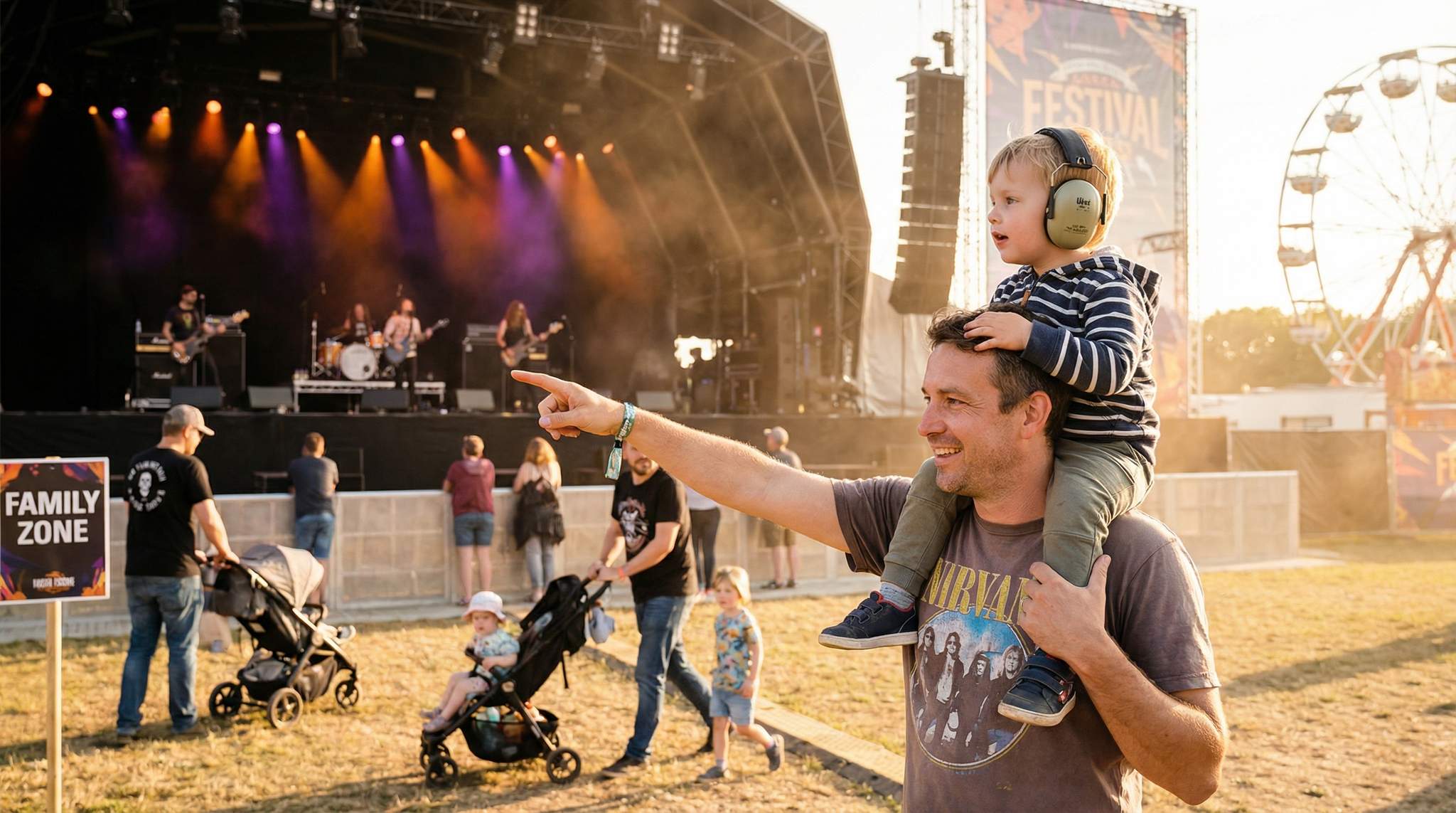
Designate “family zones” where alcohol isn’t allowed at all – for example, a standing area near the sound booth or a section of the lawn could be a booze-free family viewing area. Mark it with signage like “Family Viewing Area – no alcohol past this point.” This simple step prevents a lot of accidental jostling or spilled pints on kids. The rest of the festival can still have normal alcohol rules; you’re just carving out spots where families have peace of mind. Festivals like Rock am Ring in Germany and Soundwave (formerly in Australia) have had informal family viewing sections by default, simply because parents with kids tend to cluster in certain low-key spots. Formalizing that with a sign and a security person to gently enforce it (ensuring no one stumbling drunk wanders in) can make a huge difference.
Need Festival Funding?
Get the capital you need to book headliners, secure venues, and scale your festival production.
Also pay attention to how alcohol sales are handled. Use wristbands or ID checks to ensure underage attendees can’t purchase drinks – this not only keeps you legal, it reassures parents that teens at the festival aren’t being served freely. Avoid overly aggressive alcohol promotions during family-heavy hours; for instance, maybe hold off the whiskey shots contest until later in the night. And train bartenders to refuse service to anyone who is excessively intoxicated – families will feel safer knowing the festival staff is monitoring unruly behaviour. Aftershock Festival in California launched a “SoberShox” program with support meetings and a sober tent each day, which doubled as a chill zone for anyone seeking a break from the booze-fueled atmosphere. The message is that enjoying rock music doesn’t have to equal getting drunk, and that welcome is extended to those too young to drink or those just not interested.
In short, sensible alcohol zoning and policies let the good times roll for those who want to imbibe, while keeping the environment comfortable and secure for attendees with children. It’s all about physical separation and clear communication: draw the lines on your festival map, put up those “21+ only beyond this point” signs, and make sure security is friendly but firm in enforcement. That way, a parent can relax with a soda in the family section without worrying that the person next to them will slosh beer onto their toddler during the encore.
Train Your Team: Lost Child Protocols and Caring Staff
Even at the most well-prepared event, kids can get lost or separated from their parents – and it’s absolutely terrifying when it happens. Having trained staff and a solid reunification protocol is not optional; it’s essential. Every festival staff member – from security guards to info booth volunteers – should know exactly what to do if they encounter a lost child or a frantic parent looking for one. Develop a clear plan and drill it before the festival gates even open.
First, set up a dedicated “Lost Children” center or tent on-site. This could be part of the medical tent or an information booth, but it’s often better as its own clearly-marked area (“Lost Kids Station”) located centrally and prominently on the map. Staff it with people who have passed background checks and ideally have some childcare experience or at least a friendly demeanor. Equip the station with a radio to call out to security teams, some chairs, water, and a couple of toys or stuffed animals to comfort a scared little one. Now, train your staff: if a crew member finds a child wandering alone, they should immediately contact event security control with a description of the child and then gently escort the child to the Lost Children center. Under no circumstances should a lone staffer just “leave” a found child or fail to report it up the chain.
Go Cashless With RFID Technology
Enable contactless payments, faster entry, and real-time spending analytics with RFID wristbands and NFC-enabled ticketing for your events.
Similarly, if a panicked parent approaches any staffer saying their kid is missing, that staffer should know to get on the radio at once – many festivals use a code (like “Code Adam” or a specific alert phrase) to mobilize all personnel to look out for the child. Time is of the essence, and a coordinated search beats a parent running around in circles. Have a reunification protocol where once a lost child is found by staff, all other teams are notified so they can inform the searching parent where to go. For instance, “Child of John Doe found; reunite at Lost Kids Tent by Stage 2.” Make sure only the genuine parent/guardian can retrieve the child – check their ID or use matching wristbands if you issued them.
Many family-focused festivals issue wristbands for children at the gate, where the parent can write their phone number or name. This is a cheap and effective safety net. Encourage parents upon entry to stop by an info booth and pick up a free child ID wristband if you have them, or even simple stickers for the inside of a kid’s shirt with parent contact info. At Glastonbury, for example, stewards hand out wristbands to parents of young kids so that every year dozens of temporarily lost children are quickly reunited with a phone call or radio message. In big crowds (and rock festivals can be tens of thousands strong), these measures are a lifesaver.
Crucially, educate your staff on empathy and communication. A lost child scenario is emotional – staff should remain calm, comforting, and patient. Train them to get down at eye level with kids, speak softly, and perhaps distract the child with a friendly question about their favourite band or a high-five, anything to ease their anxiety until parents arrive. On the flip side, reassure the worried parents that you have procedures in place and are fully mobilized to help. The way your team handles these situations can make or break a family’s festival experience. A horror story of an unhelpful security guard or a disorganised search will spread fast; but so will a success story where a child was found within minutes due to the festival’s preparation. Show that you take child safety seriously – mention your lost child plan in the program or on the website so attendees know ahead of time. Being upfront about it not only provides peace of mind, it also subtly reminds parents to keep an eye on their kids (and maybe snap a quick photo of their child’s outfit each morning, which is a pro tip in case they need to describe them to staff).
In addition to lost child situations, train staff and volunteers in overall family-friendly customer service. They should be ready to answer questions like “Where’s the nearest toilet with a changing table?” or “Is there a quiet spot to nurse my baby?” If you expect families, prepare a short FAQ for frontline staff about these common needs. Also, make sure medical staff are prepared for child-specific issues (like giving basic first aid to a child who trips, or handling a lost kid who might be too young to know their parents’ phone number). A little extra training in child & infant CPR or first aid for your medics and security teams can go a long way.
By building a culture of awareness and readiness among your crew, you transform your festival from a chaotic rock ’n’ roll free-for-all into a well-oiled machine that can gracefully handle the curveballs that kids inevitably bring. Parents will notice and feel an immense sense of relief knowing that if something goes wrong, the festival staff has their back. That trust translates into positive word-of-mouth and loyal repeat attendees.
Creating a Kid-Friendly Culture Without Losing the Rock
Some longtime rock fans may worry that making a festival family-friendly could dilute the rock and metal spirit. But experience has shown that you can welcome kids while keeping the festival’s identity intact – it’s about respect and balance. In fact, many heavy music communities pride themselves on being inclusive and looking out for one another. Embracing families is just an extension of that ethos. Think of the sight of a child on a parent’s shoulders, grinning ear to ear with mini ear-defenders on, pumping their fist to Iron Maiden – it doesn’t make the moment any less metal, if anything it warms hearts and strengthens the community feeling.
Turn Fans Into Your Marketing Team
Ticket Fairy's built-in referral rewards system incentivizes attendees to share your event, delivering 15-25% sales boosts and 30x ROI vs paid ads.
To cultivate this culture, lead by example from the top. Encourage your festival MCs or the artists to occasionally shout out the kids in the crowd (“How are our young rockers doing over there?!”) – this acknowledges their presence in a positive way. Some bands even like to bring kids on stage for a special moment. There have been heartwarming instances, such as a teenager invited to play drums with The Killers during their festival set, or Dave Grohl of Foo Fighters pulling a young fan from the crowd to strum guitar. These moments create lifelong memories and signal that the festival truly welcomes the next generation.
Many festivals have started programmes to actively involve youth, not just as spectators but as participants. Download Festival’s Rock Kids initiative (the “family friendly circle pit” with foam and confetti) is one example where kids can dance and rock out in their own fun way, supervised by staff and away from the intense mosh pits. Some events run workshops for kids – like instrument lessons, rock music camp activities, or even “tour” backstage – during daytime hours. The non-profit group AfterShock Fam at the Aftershock Festival ran a “Kidz DJ Cafe” to teach children DJ skills as a side attraction. By giving kids engaging activities, you’re not only entertaining them but also inspiring their musical interests. You might just be nurturing a future headliner for your festival!
However, being family-friendly also means knowing your limits and setting boundaries. It’s okay to decide that infants or very young toddlers might be better off staying home for certain events. For instance, the legendary Wacken Open Air metal festival in Germany technically allows all ages but openly advises parents that bringing children under 7 is strongly discouraged due to the extreme noise and crowd size. Your festival can take a similar stance if applicable: set an age recommendation or require guardians to sign a waiver if they insist on bringing a baby into a loud environment. This isn’t to exclude families, but to ensure safety. Sometimes the most family-friendly thing you can do is say, “Perhaps not this event, not this year,” and suggest they return when the child is a bit older. If you frame it as concern for the child’s well-being (hearing protection, etc.), most parents will understand and appreciate the honesty.
For those families who do come, show them respect and they’ll become your festival’s ambassadors. Parents talk – in PTA meetings, on mom/dad blogs, in Facebook groups – and if your rock festival amazed them with its thoughtfulness toward kids, you can bet they’ll spread the word. Communities might even organize family group outings to your event next year. On the flip side, if a family has a bad experience (no accommodations, a dangerous incident, or feeling unwelcome), that story will spread too and could tarnish your reputation. So make “family-friendly” an authentic part of your festival brand if you choose to go that route. It should be reflected in your marketing (photos of parents with kids on your website gallery, a mention that kids under X age get in free, etc.), in your on-site execution, and in your post-event surveys.
Remember that today’s child skipping through the festival holding their parent’s hand is tomorrow’s die-hard rock fan. Treat them well now and they’ll have lifelong affection for your event. Many of us fell in love with rock music because someone took us to a show or festival when we were young – it’s a formative experience. By facilitating that in a safe and positive way, you’re not only doing right by your community; you’re also ensuring the longevity of the rock & metal scene itself. After all, those kids will grow up, form bands, attend more festivals, and keep the cycle going. Building tomorrow’s fans respectfully is about nurturing passion for the music while protecting the vulnerable. It’s the ultimate long play – one that keeps the spirit of rock alive across generations.
Frequently Asked Questions
Are rock and metal festivals safe for children?
Rock and metal festivals can be safe for children when organizers implement specific family-friendly measures. Events like Download Festival and Lollapalooza create secure environments through designated family zones, alcohol-free areas, and strict safety protocols. Parents should look for festivals offering ear protection, shade, and clear lost-child procedures to ensure a positive and secure experience.
How can festivals adjust schedules for families?
Festival organizers accommodate families by scheduling “rock windows” with popular acts in the early evening rather than late at night. Events like BottleRock Napa Valley end shows by 10 p.m., while others offer daytime sets or “family mornings.” This allows children to see headliners before bedtime while reserving late-night hours for adult attendees.
What is the protocol for lost children at festivals?
Effective lost child protocols involve a dedicated “Lost Children” center and staff trained in rapid reunification procedures. Festivals often issue wristbands to children at the gate containing parent contact information. When a child is found, staff immediately alert security control and escort the child to a safe zone until verified parents arrive to retrieve them.
How do festivals manage alcohol around children?
Festivals manage alcohol consumption near children by creating designated “family zones” where alcohol is prohibited. Organizers often use physical separation, such as fenced beer gardens or “Sober Ball” sections, to keep drinking away from family viewing areas. Strict ID checks and wristbands prevent underage access while ensuring a comfortable environment for all ages.
Are music festivals stroller friendly?
Many family-oriented festivals improve accessibility by designating specific “stroller routes” on maps to help parents navigate crowds and terrain. Organizers often lay down temporary trackway mats over grass or mud. Clear signage for these paths, along with accessible viewing areas, ensures parents with buggies can move safely between stages without getting stuck.
How do festivals handle explicit lyrics for kids?
Organizers address explicit content by requesting artists keep daytime sets PG-13 or by providing advance warnings about mature themes. Signage and program notes allow parents to avoid specific stages during adult-oriented performances. Some events create separate “clean lyrics” stages or schedule provocative acts later at night to protect younger audiences from graphic language.
What amenities should family-friendly festivals provide?
Essential family amenities include baby changing stations, nursing areas, and accessible family bathrooms. Festivals like Glastonbury provide shaded “chill-out” zones or dedicated tents where families can escape sensory overload. Providing free water refills, ear protection, and basic first aid supplies for children helps maintain comfort and hygiene throughout the event.
What activities are available for kids at rock festivals?
Family-friendly rock festivals often feature dedicated programming like “Kidzapalooza” or instrument workshops to engage younger fans. Activities can range from interactive music lessons and face painting to “family circle pits” with foam and confetti. These zones allow children to participate in the festival culture safely while giving them a break from the main crowds.