In a global festival setting, a simple language lapse can become a serious risk. A volunteer’s confusion over a safety instruction due to language differences is more than an inconvenience—it can compromise safety. Festivals bring together crew, artists, and attendees from all over the world, so communication gaps are inevitable. Without planning for multilingual communication, misunderstandings can ripple through everything from logistics to emergency response, potentially derailing even the best-laid plans.
The Impact of Language Barriers in Festival Production
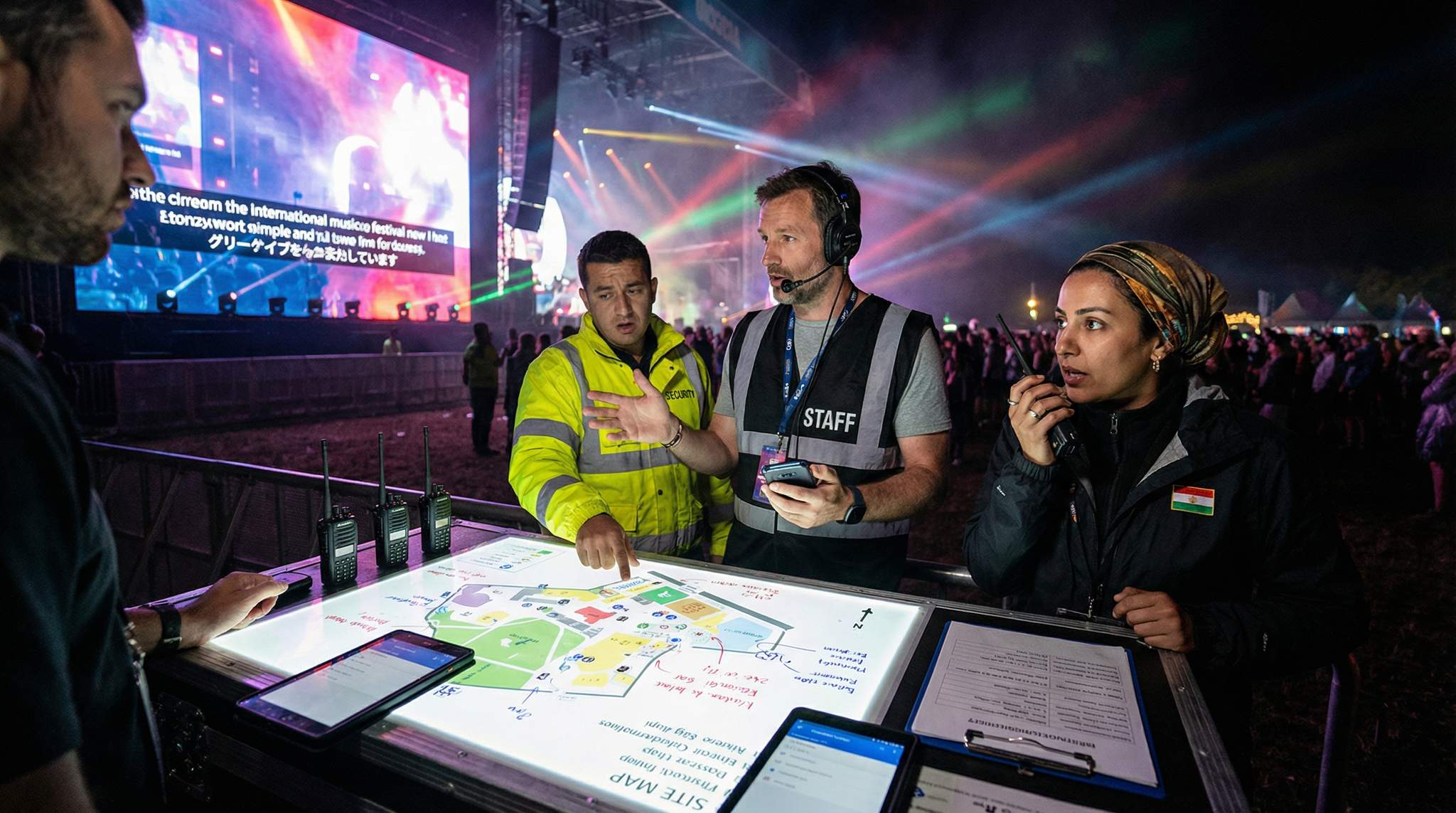
Language differences can affect nearly every aspect of festival production. From collaborating with local authorities to coordinating an international crew, miscommunications due to language barriers can cause delays, errors, or safety incidents. For example, a production team might use English as its working language, while local vendors and security staff speak the local language—leading to confusion unless proactively addressed.
It’s essential to recognize that language is more than just a communication tool; it carries culture and context. As event management experts have noted in guides on mastering communication in event production, language is not just a means of communication; it is a vessel of culture, identity, and emotion. Ignoring this can result in team members feeling excluded or critical details being “lost in translation.”
Translating Safety Plans and Key Documents
One of the first steps in bridging language gaps is translating essential documents. Every critical piece of information—safety plans, emergency procedures, medical protocols, site maps, and even contracts—should be available in the local language (and any other major language of your crew or audience). This ensures that local emergency services, government officials, and on-ground staff can read and understand the festival’s plans without ambiguity.
Free Tool: Size Your Festival Site
Zoned capacity planning for arena, campsite, parking and entry lanes — against UK Purple Guide and NFPA density standards. Finds your bottleneck zone.
Never assume everyone will “figure it out” from an English version. Instead, engage professional translators who are familiar with industry terminology so that nothing is misinterpreted. For example, a detailed safety plan translated into the host country’s language can be shared with local police and fire departments, enabling faster approvals and clearer cooperation. It also shows respect for the local partners and helps avoid legal or compliance issues that could arise if documents aren’t understood.
Pro tip: Don’t forget to translate signage and public-facing information as well. Attendees and staff alike should find maps, directional signs, safety notices, and schedules in the relevant languages. Using universally recognized symbols (like ? for first aid or ? for restrooms) alongside text can also help bridge understanding for international guests.
Multilingual Signage and Attendee Communication
In international festivals, signage and announcements must speak the language of your audience. If you expect a significant portion of attendees or staff who speak a different language, invest in bilingual or multilingual signs. Clear pictograms and color-coded signs (for exits, information points, medical tents, etc.) can transcend language barriers at a glance.
For instance, a festival welcoming both local attendees and travelers might print all entrance, exit, and safety signs in both the local language and English. Festival apps, websites, and printed materials (like program booklets or maps) should offer multiple language options too. This not only improves the attendee experience but also reinforces safety — people need to understand where to go and what to do in an emergency without having to ask. During shows or emergency announcements, consider having messages delivered in more than one language, or at least in the language most understood by the crowd. Clarity in attendee communication reduces confusion and helps everyone feel included in the experience.
Interpreters and Bilingual Staff for Operations
Human interpreters or bilingual team members are invaluable for real-time communication. Hire interpreters or identify bilingual staff for critical roles and meetings. For example:
- Production Meetings: If your core production team speaks English but the local contractors (stage builders, electrical crew, caterers) speak another language, have an interpreter present in planning meetings and daily briefings. This ensures questions and concerns are fully understood both ways.
- Radio Communication: Decide on a primary language for radio calls (often it’s English in international festivals), but make sure teams that aren’t fluent have a liaison who can translate key messages on the fly. It can help to develop a small glossary of common terms and codes translated into the languages of your team. For instance, if a stage manager calls for a crew to “hold” a performance in English, local staff should immediately recognize what that means in their own language.
- Customer Service & Entry Gates: Staff your info booths, ticketing counters, and entry gates with some bilingual personnel if you expect international attendees. They can assist lost attendees or handle issues without a frustrating language barrier.
Having multilingual capability among staff fosters smoother teamwork. It also signals to everyone that the festival is inclusive and professional. A local stagehand will perform more confidently if instructions are given in a language they fully understand. Similarly, international artists and vendors feel more at ease when they know someone can speak their language if issues arise.
Free Tool: Project Your Bar Revenue
Per-head spend benchmarks by event type turned into projected bar and food revenue, with a stock-mix estimate and gross-margin line. Free calculator.
Clear Communication Protocols to Avoid Misunderstandings
Even with translations and interpreters, it’s vital to establish clear communication protocols that minimize confusion. Here are some best practices:
- Establish a Common Language: Determine which language will be used for official communications and radio calls, and stick to it. Make sure everyone knows this. If needed, provide basic language training or cheat-sheets for key phrases (like “emergency exit,” “all clear,” or “medical assistance”).
- Use Simple, Unambiguous Language: Avoid idioms, slang, or complex jargon that might be misunderstood. Speak in clear, short sentences. For example, instead of saying “we’re in a pickle on Stage B,” say “we have a problem on Stage B – need assistance.”
- Repeat and Confirm: Practice the repeat-back method. If one manager gives an instruction in English and a crew chief speaks Spanish, have the crew chief repeat what they understood in their own words (in English or translated via interpreter) to confirm accuracy. This double-check can catch misunderstandings before they become issues.
- Radio Etiquette and Codes: Develop a set of simple codes or signals for urgent matters. For instance, code words for different types of emergencies can be easier to convey than long explanations across languages. Teach everyone what these codes mean in pre-event training. Additionally, speak slower than usual over radios when accents or language fluency varies among receivers.
- Document Key Protocols Bilingually: If you have a show stop procedure, evacuation protocol, or other critical SOP (Standard Operating Procedure), write it out in both languages and hand it to team leads. In the heat of the moment, referring to a written protocol in one’s native language can ensure proper execution under stress.
By implementing these protocols, you create a safety net where if language differences cause a blip in communication, the structure in place catches it.
Planning a Festival?
Ticket Fairy's festival ticketing platform handles multi-day passes, RFID wristbands, and complex festival operations.
Beyond verbal exchanges, robust festival communication strategies often incorporate non-verbal acoustic alerts to cut through high-decibel environments. When radios fail or language barriers persist, standardized sound alerts become invaluable. For instance, some site managers adapt the universal whistle signals used in scout and guide programs—such as a long blast for ‘halt’ or rapid short blasts for ’emergency gathering’—to manage stagehands or security personnel. Training your multilingual crew on these simple, universally understood audio cues ensures that critical safety commands are recognized instantly, regardless of the listener’s native tongue.
Emergency Communication Without Borders
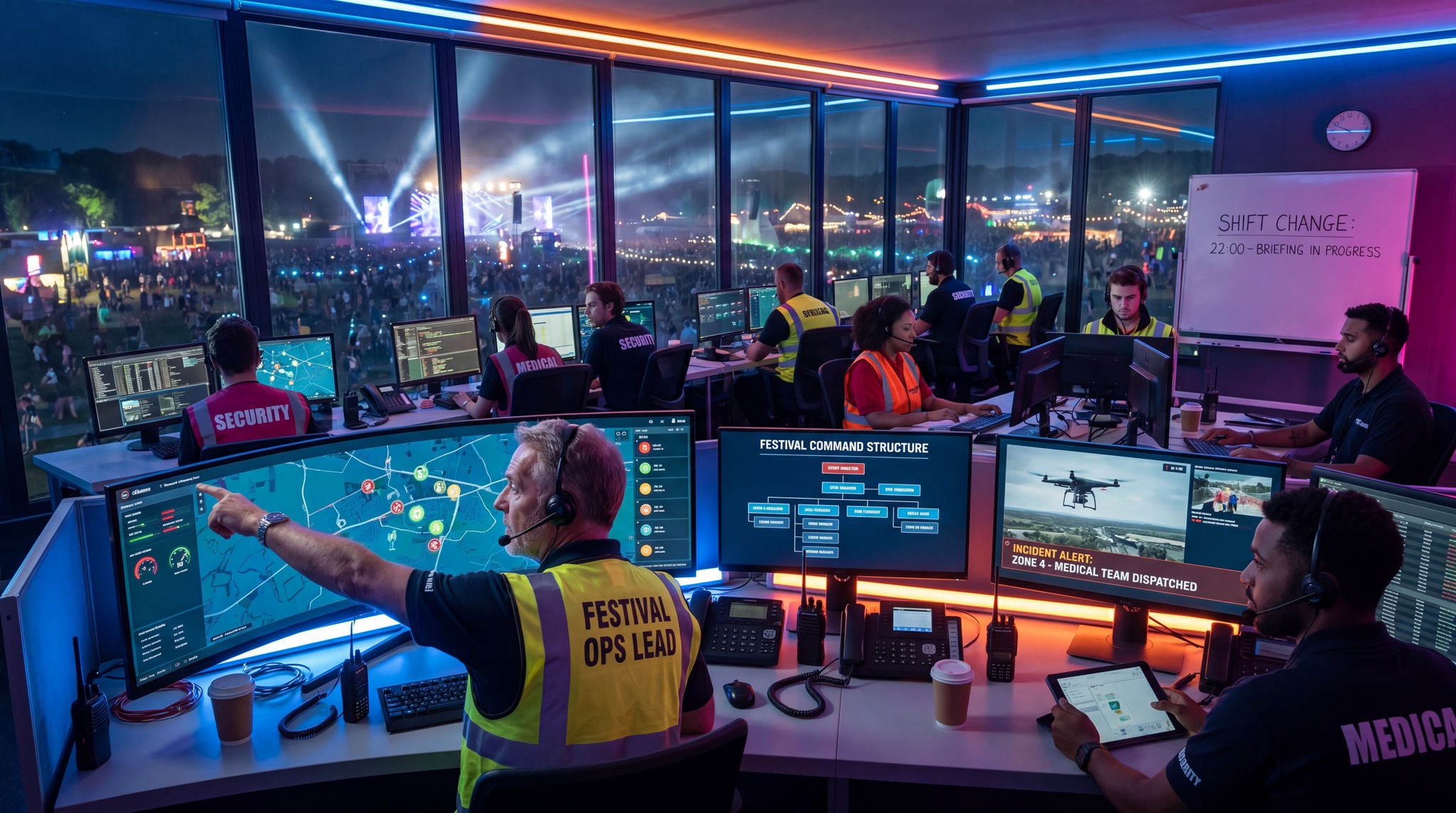
In a festival crisis—like severe weather, a medical emergency, or a security threat—every second counts, and there is zero room for miscommunication. Emergency instructions must be instantly understood by all relevant parties. Imagine trying to coordinate an evacuation when half your security team is processing what was said in a language they’re not fluent in. Crisis management experts emphasize in guides on overcoming language barriers in emergency situations that effective communication can literally mean the difference between life and death.
To prepare:
- Brief Local Emergency Services in Advance: Meet with police, fire, and medical services ahead of the festival to establish an emergency plan. Use interpreters as needed to ensure they understand your festival layout and procedures, and you understand their requirements or commands. Having translated briefs and diagrams to hand over to them can save precious time in an incident.
- Equip Teams with Tools: Provide two-way radios or communication apps that have translation features if available. Even simple technology like translation apps on smartphones can help when trying to convey detailed information under pressure, though these should supplement, not replace, human translators.
- Multi-Language Emergency Announcements: If an urgent announcement must be made to attendees (like clearing an area for an evacuation or weather delay), deliver it in the primary local language first, then in a second language (e.g., English) if a large portion of the crowd is international. Rehearse these announcements in advance. The clarity of these messages is crucial to avoid panic.
- Emergency Drills with Language in Mind: Conduct safety drills or tabletop exercises that specifically test communication across languages. This could reveal unexpected gaps—for example, a volunteer who didn’t grasp a signal or a misinterpreted word that could cause chaos. Use what you learn to adjust your plans and translations.
Embracing Multilingual Collaboration
Overcoming language barriers isn’t just about risk management—it also enhances collaboration and festival spirit. When a production embraces multilingual communication, it builds trust within a diverse team. Local crew members see that organizers respect their language and culture, while international staff and artists appreciate the efforts to include everyone. This mutual respect can improve morale and efficiency; people are more willing to go the extra mile when they feel heard and understood. Moreover, the audience experience is richer when festival-goers of different backgrounds all feel welcome and informed.
Accept Payments Across 13 Countries
Local currency processing via Stripe, Razorpay, Xendit, Paystack, and OXXO across 13 countries with region-specific payment methods.
At successful global festivals, it’s common to see a mix of languages being spoken over radios and stages running like clockwork because the team prepared for it. The world’s most seasoned festival producers treat language planning as a core part of logistics. They know that glossy stages and big-name headliners mean little if a simple miscommunication can jeopardize safety or derail a schedule.
In summary, paying attention to language and communication in international festivals is not an optional courtesy—it’s a critical component of production. By proactively breaking down language barriers, a festival organizer ensures that everyone on the team and in the crowd can focus on what they came for: the show and the shared experience.
Need Festival Funding?
Get the capital you need to book headliners, secure venues, and scale your festival production.
Frequently Asked Questions
What documents should be translated for international festivals?
Essential documents requiring translation include safety plans, emergency procedures, medical protocols, site maps, and contracts. Providing these in the local language ensures local emergency services, government officials, and on-ground staff understand critical information without ambiguity, preventing legal issues and facilitating faster cooperation during incidents.
How can festivals improve signage for international audiences?
Organizers should invest in bilingual or multilingual signs and utilize universally recognized pictograms for essential areas like exits and first aid. Color-coded signage helps transcend language barriers, while festival apps and printed materials should offer multiple language options to ensure attendees can navigate safely without confusion.
Why are bilingual staff important for festival production?
Bilingual staff and interpreters bridge critical communication gaps during production meetings, radio calls, and customer service interactions. They ensure instructions are fully understood by local contractors and international crews, preventing safety incidents caused by misinterpretation while fostering a more inclusive and professional environment for artists and vendors.
What protocols help avoid miscommunication in multilingual crews?
Effective protocols include establishing a single common working language, using simple and unambiguous terms, and employing the repeat-back method to confirm understanding. Teams should also develop specific radio codes for urgent matters and document standard operating procedures in multiple languages to ensure proper execution under stress.
How should festivals prepare for emergencies with language barriers?
Preparation involves briefing local authorities with translated plans and establishing protocols for multi-language public announcements. Organizers should conduct safety drills that specifically test cross-language communication, use translation technology to supplement human interpreters, and ensure all urgent messages are immediately understood to prevent panic and ensure rapid evacuation.
How do language barriers impact festival safety?
Language differences can compromise safety by causing confusion over instructions, delaying emergency responses, and leading to critical details being lost in translation. Misunderstandings between international crews and local authorities can result in logistical errors or accidents, making proactive multilingual planning essential for risk management and successful event execution.
How can non-verbal cues improve festival communication?
Non-verbal cues, such as standardized acoustic alerts or visual hand signs, are essential components of effective festival communication. In extremely loud environments where radios are ineffective, organizers often utilize universal audio cues—similar to whistle signals in scout and guide traditions—to convey immediate commands like ‘stop work’ or ‘evacuate.’ These universally understood signals bypass language barriers entirely, ensuring rapid response from a diverse, multilingual crew.