Events and Programming
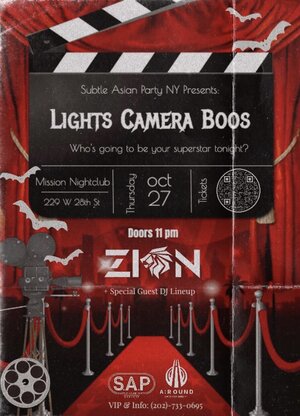
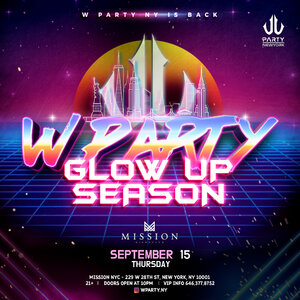
Mission NYC is an active, indoor Chelsea nightclub whose calendar centers on Friday and Saturday dance events, touring electronic artists, open-format DJs and Asian American nightlife programming. Expect combinations of EDM, house, melodic bass, trap, hip-hop, Top 40 and K-pop remixes rather than conventional seated concerts. Some nights feature a recognizable headliner; others are resident-DJ parties, cultural celebrations, album-release events or promoter-led takeovers.
The publicly indexed 2021–2026 record illustrates that range. Recent bookings have included Nitti Gritti, YETEP, Autograf, Juelz, Pauline Herr, Squired, MVSE, Modern Machines, DJ Musubi, DJ Chen, KLAXX, Hoang, Kastra, Manila Killa, XENITH, Ezzek, RL Grime, Castor & Pollux and SABAI. Special programming has included an all-Asian-DJ Lunar New Year celebration, K-pop takeovers and a Stray Kids album-release dance and listening party. The venue also lists Deniz Koyu, Matisse & Sadko, Julian Jordan, Morten, Dada Life, Breathe Carolina, Jay Park and ZICO among artists it has hosted.
Weekly club nights are more frequent than the limited concert records suggest, because resident-DJ and guest-list parties are not always indexed as concerts. The safest expectation is a high-volume weekend dance night with bottle-service tables around an open floor. As of August 25, 2026, the venue remains open under the Mission name, but no named 2027-or-later performance had been publicly indexed in the sources reviewed. The live event listing accompanying this guide should therefore be treated as the current source for what is actually on sale.
Tickets and Booking
Advance tickets are most important for touring DJs, holiday weekends, K-pop events and other named takeovers. Regular weekend admission may also be handled through a guest list or at the door. Public visitor reports commonly place basic admission in the roughly $20–$50 range, although pricing can vary by event, arrival time and guest-list status. Headline shows and major holidays may cost more, while some early-entry promotions reduce or waive the cover.
Buy only through the sales channel identified by the venue or event organizer, check whether the ticket is timed and read the entry conditions before paying. Presales can appear before public release, and popular electronic bookings may sell quickly because the club is much smaller than an arena or concert hall. A ticket remains subject to age, identification, security and dress requirements; it should not be treated as permission to ignore the door policy.
About Mission NYC
Mission occupies the ground-floor nightlife and event space at 229 West 28th Street, between Seventh and Eighth Avenues. It opened on March 3, 2018, as the successor to Circle, the influential Korean nightclub whose Times Square-area run had made it an unofficial gathering place for generations of Korean and Asian American New Yorkers. Mission’s founders deliberately moved closer to Koreatown and retained Circle traditions such as fruit platters with table service, fashion-conscious presentation and an emphasis on community.
The venue sits inside the Caxton Building, a 12-story commercial structure completed in 1917 and designed by William M. Farrar. The building began as a printing-related property and was later converted to office use. Its ground floor already had nightlife history before Mission: the approximately 500-capacity Shadow Nightclub operated there until legal and neighborhood disputes led to its shutdown in the early 2010s. Mission later became closely associated with the building’s RUMI event space.
Mission resumed programming after the pandemic and underwent a substantial reworking around 2025. The current venue describes itself as “completely reimagined,” while post-renovation visitors reported that the DJ booth and dance-floor orientation had changed, with additional emphasis on visual production and VIP space. Detailed architectural credits for that remodel have not been published, so claims about its designer or construction cost should be treated cautiously.
Seating and Layout
Mission is primarily a standing-room club. Published specifications describe approximately 9,000 square feet, a usual standing capacity of about 600 and private-event configurations reaching 650 standing or approximately 250 seated. Those larger seated figures describe event-space layouts rather than a normal nightclub setup. Mission nights generally use a main dance floor, built-in DJ or performance stage, surrounding bars, VIP tables and an elevated or mezzanine viewing area.
The center of the main floor provides the most immersive sound and visual experience, but it becomes crowded after peak arrival. The front edge of the raised VIP level offers a broader view when access is included with a reservation. For more personal space, try the rear or side edges of the floor, understanding that pillars, moving guests and table-service traffic can affect sightlines. Seating is scarce outside reserved booths, so general-admission guests should expect to stand and dance for most of the night.
Sound, Lighting and Production
Production is one of Mission’s strongest features. The shared event space publishes a Funktion-One audio system, Funktion-One PSM 318L and 318H booth monitors, FFA amplification and BSS BLU-160 processing. In-house DJ equipment includes Pioneer DJM-900 Nexus mixers, CDJ-2000NXS and NXS2 players, Technics SL-1200 MK5G turntables and a Yamaha TF1 console. Touring performers should still confirm the equipment assigned to their specific date.
Visual production includes roughly 700 square feet of configurable LED displays, P3.9 panels, full-HD front-of-house and upstage feeds, a dedicated DJ wall and video mapping. The lighting inventory lists Martin beam fixtures, Chauvet washes and spots, Elation moving lights and strobes, LED bars, blinders, pixel tape and hazers controlled through grandMA2 and Madrix systems. CO2 jets and a stage-fired confetti effect support headline-style moments in a comparatively intimate room.
Getting There and Parking
The closest subway is 28 Street at Seventh Avenue, served by the 1 train at all times and the 2 during late-night service. The club entrance is only a short walk west along West 28th Street. The 28 Street Broadway station, served by Broadway local services depending on the day and hour, is several blocks east. Penn Station is approximately a five-to-ten-minute walk and provides subway, Long Island Rail Road, New Jersey Transit and Amtrak connections. Nearby buses include the M7 and M20.
Neither nearby 28 Street subway station is fully wheelchair accessible. Travelers needing a step-free route can use the accessible 1/2/3 complex at 34 Street–Penn Station or the accessible 34 Street–Herald Square complex, then continue at street level. Elevator availability can change, so check operating status shortly before traveling.
Mission has no private parking lot. Paid garages are scattered along West 28th, 29th and 30th Streets, but rates fluctuate with reservation method, vehicle size and nearby events. A realistic Manhattan range is roughly $20–$40 for an evening special and $45–$65 for overnight parking, with additional SUV or oversize fees. Street spaces are limited and frequently subject to loading, meter and temporary restriction signs. Rideshare passengers should use a legal curbside stop on West 28th Street without blocking the entrance line.
Inside the Venue
Entry normally involves an identification check, security screening and bag inspection. Mission is generally a 21-and-over venue, and a physical government-issued photo ID or passport is expected; photographs and digital copies may be rejected. Small purses, clutches and clear totes are the safest choices. Outside food, drinks, weapons, pepper spray, laser pointers, illegal substances and unauthorized professional camera equipment are prohibited.
The club has multiple bars, restrooms, a dance floor, table-service areas and a coat check. Recent accounts frequently describe the coat check as mandatory for larger outerwear and quote a charge around $4, although that amount can change. Drinks are priced at Manhattan nightclub levels: visitors have reported cocktails and shots around $18–$30 and premium-priced bottled water. Table service traditionally includes cut fruit, reflecting the venue’s connection to Korean club culture.
Recent reviews are sharply mixed. Positive accounts praise the DJs, kinetic atmosphere, lighting, upgraded room, helpful table staff and predominantly Asian American crowd. Negative accounts repeatedly mention inconsistent door decisions, security interactions, expensive drinks, mandatory coat check and reduced dance-floor space after the renovation. Arriving early, dressing conservatively within the stated code and keeping receipts can reduce several common sources of frustration.
Nearby Amenities
Koreatown begins only a few blocks northeast, making it the natural destination for dinner or post-club food. Pocha 32 offers Korean pub dishes and late weekend hours, while Anytime Kitchen and Shanghai Mong are options for groups seeking food and soju well after midnight. For cocktails away from the club environment, Porchlight is farther west on West 28th Street. Hours change, particularly after midnight, so allow time for a wait on busy weekends.
Nearby hotels include Hotel Hayden on West 28th Street, the Fairfield on the same block east of Seventh Avenue, the Courtyard on West 30th Street and the Renaissance New York Chelsea on West 25th Street. These are convenient for visitors who want to avoid a late cross-city trip after a 4 a.m. closing.
What Makes Mission NYC Special
Mission matters less as an architectural monument than as a cultural successor. Circle had served as a social center for Korean and Asian American nightlife, and Mission carried that identity into a larger Chelsea room closer to Korea Way. Its programming gives Asian American DJs, promoters and audiences a visible Manhattan platform while also booking internationally recognized electronic artists. K-pop events, Lunar New Year celebrations and Korean-style table traditions reinforce that purpose.
No reliable public study quantifies Mission’s employment, tax or neighborhood spending impact. Its practical contribution is nevertheless visible in regular weekend foot traffic between Chelsea, Penn Station and Koreatown, with guests using nearby restaurants, hotels, garages and late-night transportation. That impact should be understood as a reasonable local inference rather than a published economic estimate.
Visitor Tips and Information
The dress code is commonly described as smart, stylish or elegant. Avoid athletic outfits, jerseys, tracksuits, sweatpants, shorts, flip-flops, work boots, dirty or heavily ripped clothing and hats. A collared shirt, neat dark jeans or trousers and clean dress-oriented shoes are the lowest-risk choices. Fashionable sneakers may be accepted inconsistently, and admission remains subject to management judgment.
Published event-space information identifies a ground-level entrance, wheelchair access and accessible restrooms. The accessible main-floor area is the safest option for guests with mobility needs; public information does not clearly establish step-free access to every elevated VIP section. Guests needing a specific table position, companion space or route should arrange it before the event.
Bring a physical ID, payment card, some cash for variable door or coat-check arrangements and high-fidelity earplugs. Avoid carrying a large bag or valuable coat if possible. Arrive before midnight for a shorter line and more floor space; the room often becomes busiest around 1 a.m. Payment reports conflict—some sources describe cashless bars while visitors mention cash door charges—so carrying both payment options is sensible.
Frequently Asked Questions
Is Mission NYC still open?
Yes. As of August 25, 2026, Mission is operating at 229 West 28th Street under the same name. Its current presentation describes the club as reimagined following a renovation, and recent 2026 visitor reports confirm ongoing events. The exact weekly schedule changes, so use the current live event listing rather than assuming that every Friday or Saturday has identical programming.
What is the capacity of Mission NYC?
Mission’s commonly published nightclub capacity is approximately 600 people. The associated 9,000-square-foot event space is marketed for configurations of up to 600–650 standing guests or about 250 seated guests. Actual attendance limits can be lower depending on the stage, VIP tables, barriers, production equipment and room division selected for a particular event.
Is Mission NYC a concert venue or a nightclub?
It is primarily a nightclub with enough production infrastructure to present headline DJ performances and special events. Most shows use a standing dance-floor format rather than rows of seats. The calendar ranges from regular open-format club nights to ticketed EDM appearances, K-pop parties, cultural celebrations, album-release events, private functions and multimedia productions.
How old do you have to be to enter Mission NYC?
Mission events are generally restricted to guests aged 21 or older. Bring an unexpired, physical government-issued photo ID or passport. A photograph, photocopy or digital ID may not be accepted. Age rules are occasionally set by an individual organizer, but visitors should never assume an exception unless the specific event information clearly states one.
Does Mission NYC have assigned seating?
No. Standard tickets normally provide general-admission standing access to the club and dance floor. Seats are concentrated in reserved VIP or bottle-service sections rather than assigned theater rows. If sitting is essential, arrange an appropriate table or accessibility accommodation before attending; ordinary admission should be purchased with the expectation of standing for several hours.
What time should I arrive at Mission NYC?
Arrive between the stated door time and midnight if you want a shorter line, easier bar access and more room on the dance floor. The crowd often builds after midnight and can become dense around 1 a.m. Guest-list benefits may also have an arrival deadline, so arriving late can mean paying a higher cover even when your name was submitted.
Does a Mission NYC ticket guarantee admission?
A legitimate ticket confirms that you purchased admission, but entry still depends on meeting the event’s age, identification, security and dress requirements. Arrive before any timed-entry cutoff and make sure the purchaser’s information matches the event instructions. Door personnel can refuse entry for invalid ID, prohibited items, intoxication or failure to comply with venue policies.
What should men wear to Mission NYC?
The lowest-risk outfit is a collared shirt or polished sweater, dark trousers or neat jeans and clean dress shoes or understated fashion sneakers. Avoid jerseys, tracksuits, sweatpants, shorts, flip-flops, work boots and hats. Visitor reports indicate that graphic T-shirts and athletic footwear may be judged inconsistently, even when the rest of the outfit appears neat.
What should women wear to Mission NYC?
Fashionable nightlife clothing, dresses, coordinated separates, neat trousers and polished footwear generally fit the stated smart-and-elegant code. Choose shoes that remain comfortable while standing and dancing. Very casual sportswear, beach footwear and heavily distressed clothing create the greatest risk at the door. A compact bag is also easier to screen and manage in a crowded room.
Can you bring a bag into Mission NYC?
Small purses, clutches and clear totes are the safest options, and all bags may be searched. Large backpacks, luggage and bulky totes should be left elsewhere unless an individual event explicitly permits them. Do not carry outside drinks, glass, weapons, pepper spray, illegal substances, professional camera equipment or anything that could delay security screening.
Does Mission NYC have a coat check?
Yes. Visitor reports describe an on-site coat check that may be compulsory for bulky coats or outerwear. A frequently reported charge is around $4 per item, but the amount and payment method can change. Keep the claim ticket secure and avoid checking valuables, medication, identification or anything needed during the event.
Is Mission NYC wheelchair accessible?
Published venue information identifies a ground-level, step-free entrance, an accessible main-floor area and accessible restrooms. Information about step-free access to every raised or mezzanine section is less clear. Guests using mobility devices should plan around the main floor and arrange any required companion position or VIP-table access before the event.
What is the closest subway to Mission NYC?
The closest station is 28 Street on the Seventh Avenue line, just east of the venue and normally served by the 1 train. The 2 also stops there during late-night operation. Broadway’s 28 Street station and the Penn Station subway complexes are also walkable. The nearby 28 Street stations are not fully accessible; use 34 Street for step-free service.
Where can I park near Mission NYC?
There is no venue-owned lot. Use a commercial garage on West 28th, 29th or 30th Street and confirm its closing time before leaving the car. Evening specials commonly fall around $20–$40, while overnight parking can reach $45–$65 before taxes or oversize fees. Do not rely on street parking without reading every posted restriction.
Does Mission NYC take cash or cards?
Published information describes cashless bar and table-service transactions, but visitor reports mention cash covers and coat-check payments. Bring a major payment card or contactless wallet plus a modest amount of cash. Review your tab before signing, retain the receipt and close any open bar tab before leaving rather than trying to resolve a discrepancy later.
Does Mission NYC sell food?
Mission is not primarily a restaurant. The building has an event catering kitchen, and private functions may include full food service, but ordinary club nights focus on drinks and table service. Korean-style fruit platters are a longstanding bottle-service tradition. For a full meal, Koreatown’s restaurants on and around West 32nd Street are the most convenient option.
Should I wear earplugs at Mission NYC?
Yes, particularly if you plan to stay close to the DJ booth or remain for several hours. Mission uses a powerful Funktion-One system in an enclosed room, and visitor discussions specifically recommend hearing protection. High-fidelity music earplugs reduce volume while preserving more clarity than basic foam plugs and are easy to carry through security.