About Grand Theatre
Salem’s Historic Grand Theatre is an indoor, 402-capacity performing arts and event venue at 191 High Street NE, on the southwest corner of High and Court streets. The theater forms part of a larger mixed-use complex containing restaurants, offices, meeting rooms, a ballroom, and the former Odd Fellows lodge spaces. It remains open under the Grand Theatre name, with live programming managed by To The Ceiling Entertainment.
The Independent Order of Odd Fellows built the complex in 1900 as Chemeketa Lodge No. 1, combining a lodge hall with a street-level opera house. Designed in the Romanesque Revival tradition, the building gave Salem a more accessible theatrical alternative to upstairs opera houses. The Grand opened on November 29, 1900, with the Julius Grau Opera Company performing John Philip Sousa’s comic operetta El Capitan. It was wired for electricity from the beginning and soon presented touring theater, music, vaudeville, educational programs, and moving pictures—the latter documented as early as 1901.
The complex expanded in 1921 with a stylistically compatible annex designed by architect Morris Whitehouse. That addition once accommodated a hotel, café, billiards parlor, and motor-stage terminal. The theater briefly operated as the Heilig in 1925–26 before returning to the Grand name. Silent films were accompanied by musicians and theater organs, while sound movies later shared the schedule with afternoon stage shows. A prominent bell tower was lost after a 1937 snowstorm, but the restored exterior still carries a replica of the Grand’s early electric sign.
Competition from newer movie palaces, changing film distribution, television, and declining attendance eventually led to closure in the late 1950s. Various revival efforts followed, including the restoration of a stage during the 1980s. Carole Smith acquired the property in 2000 and helped return the long-neglected building to active use. The Meduri family purchased it in 2015, beginning another substantial modernization while preserving its historic identity. The Odd Fellows buildings have been listed on the National Register of Historic Places since 1988.
Events and Programming
The Grand’s recent programming shows a clear evolution. In 2021 it hosted local musicians for Make Music Day and welcomed audiences back to musical theater with Annie. Professional company Enlightened Theatrics followed with productions such as Seussical in 2022, combining paid professionals, local performers, and youth education. The company continued presenting several stage productions annually before ending operations after 2023.
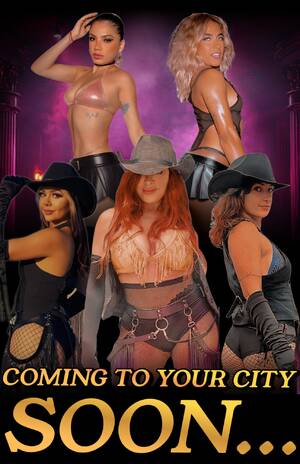
New management broadened the calendar from 2024 onward. Recent bookings have included regional rock and Americana, tribute concerts, songwriter showcases, singalongs, stand-up comedy, improv, cult-film screenings with live guests, candlelight concerts, wrestling, burlesque, dance nights, paranormal experiences, family entertainment, and theatrical productions. Past examples range from an Oregon country-music showcase and an acrobatic-cat production to touring comedians, Evil Dead: The Musical, and interactive events for local musicians.
As of August 13, 2026, the announced calendar extends into November 2026. It combines weekly comedy open mics and improv classes with blues, indie folk, metal, hip-hop, tribute bands, dance, cabaret, touring comedy, interactive bingo, professional wrestling, holiday ballet, and family-oriented shows. No verified public programming for 2027 or later had yet been announced, so claims about a future season beyond 2026 would be premature.
Most ordinary concerts and comedy events fall around $15 to $30 before fees. Day-of-door prices are frequently several dollars higher than advance prices. Elaborate family productions, assigned premium seating, or touring attractions may run approximately $25 to $70, while limited meet-and-greet or VIP packages can exceed $100. These ranges reflect recent programming rather than a fixed venue-wide price structure.
Tickets and Booking
Tickets are generally sold online through the official listing for each event. Some shows offer door sales when capacity remains, but advance purchase is the safer choice in a 402-seat room, especially for nationally touring comedians, unusual family attractions, tribute acts, and limited-run theatrical productions. Seating may be assigned or general admission, so read the ticket description carefully before purchasing.
The venue does not publish consistent walk-up box-office hours. Event pages commonly distinguish an advance rate from a higher day-of-show rate, making early purchase the best strategy even when a performance is unlikely to sell out. The Grand’s stated policy is that completed sales are final, with no refunds or exchanges, except when the venue cannot provide the purchased product or service.
Seating and Layout
The current published capacity is 402. The traditional layout contains 288 seats across 15 main-floor rows and 114 seats in five balcony rows. Historic records listed 744 seats, but later remodeling created the smaller, more comfortable room used today. Both floors have restrooms, and the concession area is near the theater entrance.
For comedy, acoustic music, and speakers, central main-floor seats give the closest connection to the stage. The front half of the balcony provides a broader view that can be preferable for dance, musicals, projected visuals, and productions using the full stage. Some general-admission concerts preserve standing or dancing space near the stage, while assigned-seat events use the full floor and balcony. Exact configuration is determined show by show.
The Grand does not publish authoritative stage width, depth, proscenium, loading-door, or rigging measurements for visitors. Its intimate scale works particularly well for music, comedy, lectures, small-to-medium theatrical productions, and community showcases. One recent visitor felt that a large staging-intensive cultural production exceeded the room’s strengths, so audiences attending major touring ballet or opera should set expectations for a compact historic house rather than a full-scale performing arts center.
Getting There and Parking
The public theater entrance is listed at 191 High Street NE, Salem, Oregon 97301. Some records use 187 High Street NE for the larger complex and its offices, but visitors attending a show should look for the theater frontage near Court Street and the restored Grand sign. The venue faces the Marion County Courthouse and is within walking distance of the Oregon State Capitol, Salem Center, Riverfront Park, and much of downtown.
Salem’s Downtown Transit Center is at 220 High Street NE, approximately one short block north of the theater. Most local routes and several regional express services converge there. Cherriots Local operates seven days a week; the regular one-ride fare is $1.60, a day pass is $3.25, and passengers age 18 or younger ride free under the youth-fare program. Late-show guests should confirm that their return route runs late enough or arrange a rideshare backup.
Free customer parking is available in designated areas of the Chemeketa, Liberty Square, and Marion parkades, all within a manageable downtown walk. A small lot next to the building may be reserved for particular Grand events, but availability should not be assumed. On-street downtown parking costs $1.50 per hour from 8 a.m. to 8 p.m. Monday through Saturday. Street parking is free after 8 p.m., all day Sunday, and on legal holidays.
No permanent rideshare lane is publicly identified. The practical approach is to use a legal curb space on High or Court Street without blocking the entrance, bus operations, crosswalks, or courthouse traffic. Allow extra time during downtown parades, Capitol events, and Friday or Saturday dining hours, when nearby curb spaces fill quickly.
Inside the Venue
The auditorium combines a traditional stage, sloped main floor, balcony, and classic theater atmosphere with updated production infrastructure. More than $1 million in documented improvements has included lighting and sound upgrades, HVAC, aisle and house lighting, stage work lights, video equipment, security systems, a new stage floor, and a remodeled sound booth. Projectors, microphones, sound, and lighting packages are also offered for certain rentals. Exact speaker, console, microphone, lighting-fixture, and rigging inventories are not publicly specified.
A concession stand is positioned by the theater entrance, and the operation holds authorization for on-premises alcohol sales. Selection and service vary by event; visitors have mentioned themed drinks at some performances. Touring artists may sell merchandise, but there is no permanent merchandise store, published coat-check service, or guarantee of public Wi-Fi. Restrooms are available on both theater levels.
Lobby doors often open about an hour before a performance and auditorium doors around 30 minutes before showtime, although this is not a universal rule. Security screening, late-seating, re-entry, photography, and bag procedures can change with the performer or promoter. Because no comprehensive public house policy covers every event, bring only a small bag, avoid outside food and alcohol, and arrive early enough to resolve questions before the lights go down.
Nearby Amenities
The Grand is unusually convenient for a complete downtown evening. Encore is immediately adjacent, while Paradiso occupies part of the historic complex at 195 High Street. Within several blocks, options include Adobe for Latin-inspired dining, The Cozy Taberna for shared plates and cocktails, Pintxo’s for Spanish-style small plates, and Coin Jam for casual food, drinks, and arcade games. Reservations are sensible for weekend pre-show dining.
Downtown lodging includes The Holman Riverfront Park Hotel and The Grand Hotel Salem, both within an approximately 10-minute walk. Salem’s late-night dining choices are more limited than its pre-show options, although several downtown bars remain open later on weekends. If a show ends after 10 p.m., confirm kitchen hours before the performance and arrange a rideshare in advance if bus service no longer fits your schedule.
What Makes This Venue Special
The Grand is neither a modern arena nor an ornate movie palace on the scale of Salem’s nearby Elsinore. Its distinction is intimacy: a roughly 400-person room occupying the city’s oldest surviving theater space. Audiences can experience regional performers, touring artists, comedy, and experimental productions without traveling to Portland, while artists receive a stage larger than a bar but more personal than a major auditorium.
Its layered history is visible throughout the complex—from Romanesque Revival masonry and the restored electric sign to exposed brick, original wood beams, lodge rooms, and the former hotel and bus-terminal annex. The building has survived changing entertainment technologies, decades of uncertain use, and repeated restoration campaigns without becoming a static museum. It continues doing what it was built to do: gathering Salem residents together.
The Grand’s economic impact has not been published as a single verified dollar figure. Its cultural value is clearer: it has supported professional theater, youth training, local musicians, independent producers, touring entertainers, community celebrations, and nearby restaurants. Current operators have described their goal as making downtown Salem a stronger entertainment destination, and recent calendars demonstrate a deliberate mix of local, regional, and national talent.
Visitor Tips and Information
Wheelchair accessibility, accessible restrooms, and ADA seating are confirmed, and many ticket listings provide a process for requesting accessible placement. Because the building includes historic stairways and a balcony, guests who cannot use stairs should request main-floor seating rather than assuming every section is step-free. Reliable public information does not confirm elevator access to every theater level.
Many events are all ages, but comedy, burlesque, nightlife, and shows involving adult themes may be restricted to guests 18 or 21 and older. There is no general dress code; casual clothing is normal, while theatrical, holiday, and candlelight performances sometimes attract dressier audiences. Bring your ticket, photo identification if required, and only essential belongings. Service animals should be accommodated, but pets are not appropriate unless an event expressly allows them.
Recent reviews commonly praise the intimate atmosphere, friendly staff, clean restrooms, reasonable ticket prices, and the feeling that virtually every seat is close to the performance. Feedback comes from a relatively small sample and should not be treated as universal, but it consistently suggests that the Grand’s strongest qualities are its welcoming scale and unusual variety.
Frequently Asked Questions
Is Salem’s Grand Theatre still open?
Yes. Salem’s Historic Grand Theatre remains open and is actively presenting events in 2026. Its current calendar includes concerts, comedy, improv, dance, wrestling, cabaret, interactive entertainment, and holiday productions. The theater is managed as a live-events venue within the larger Historic Grand complex, which also contains restaurants, offices, meeting rooms, and rental spaces.
Why do some listings show 187 High Street and others show 191?
The Historic Grand occupies several connected addresses along High Street. The theater operation currently identifies 191 High Street NE as its entrance, while 187 High Street NE is associated with offices and the larger complex. For a performance, look for the theater doors and Grand sign at the corner of High and Court streets rather than relying solely on the building number.
Is the Grand Theatre indoors?
Yes. The principal auditorium is a fully indoor, climate-controlled theater with main-floor and balcony seating. The building received a new HVAC system during its 2015–16 improvements. Outdoor music has occasionally taken place in front of the historic doors for citywide celebrations, but standard ticketed concerts, comedy shows, films, and plays take place inside.
How many people does the theater hold?
The venue’s current published capacity is 402 people. The conventional arrangement includes 288 main-floor seats and 114 balcony seats. Actual sellable capacity can be lower when a production reserves seats for equipment, creates an accessible seating area, installs a technical position, or leaves floor space open for dancing or general-admission standing.
Does the Grand have wheelchair seating?
Yes. The venue confirms wheelchair accessibility, accessible restrooms, and ADA seating requests for many events. The safest choice is to arrange accessible seating before purchasing or immediately afterward, particularly for assigned-seat shows. Main-floor placement is preferable when stairs are a concern because public information does not clearly verify step-free access to every balcony location.
Are all performances seated?
No. Traditional theater, comedy, dance, family productions, and some concerts use assigned or fully seated layouts. Other music events are general admission and may preserve space in front of the stage for dancing. Always check whether a ticket specifies a row and seat. General admission normally means arrival order affects your viewing position, even when chairs are provided.
Can children attend events at the Grand?
Children may attend shows marked all ages, including many concerts, theatrical productions, dance performances, and family attractions. Other events may carry an 18-plus or 21-plus restriction because of language, themes, alcohol service, or performance content. Age rules belong to the individual production, not the building as a whole, and should be checked before buying a child’s ticket.
When should I arrive before a show?
Plan to reach the venue 30 to 45 minutes before showtime. Some productions open the lobby one hour before the performance and the auditorium 30 minutes before. Early arrival provides time for parking, ticket scanning, concessions, restroom visits, and accessible-seating assistance. Certain tightly timed attractions restrict late admission, so arriving after the listed start can risk missing part of the event.
Is parking free near the theater?
Designated customer spaces in Salem’s downtown parking garages are free. On-street parking is metered at $1.50 per hour from 8 a.m. to 8 p.m. Monday through Saturday, then free after 8 p.m. Street parking is also free throughout Sunday and on legal holidays. Check posted signs because loading zones, reserved spaces, and time limits still apply.
Can I take the bus to Grand Theatre?
Yes. Salem’s Downtown Transit Center is roughly one block north at 220 High Street NE and serves numerous local and regional routes. Local service operates seven days a week. A standard ride costs $1.60, while a day pass costs $3.25. For late concerts, check the timing of your return trip because evening frequency and final departures vary by route.
Does the venue sell food and drinks?
A concession stand is located near the theater entrance, and alcoholic beverage service is available at appropriate events. The exact selection varies and may include event-themed drinks. Do not expect a full dinner inside the auditorium; the surrounding blocks and the Historic Grand complex contain several restaurants suited to pre-show dining. Outside alcohol should not be brought into the building.
What is the Grand Theatre’s bag policy?
No detailed, universal bag-size policy is publicly posted for every Grand Theatre event. To avoid delays, carry a compact purse or small personal bag and leave backpacks, oversized totes, weapons, outside alcohol, and unnecessary equipment at home. Touring promoters may impose additional screening or restrictions, particularly for comedy, nightlife, and nationally touring productions.
Can I take photographs or record the performance?
Photography and recording rules vary by artist and production. Casual phone photographs may be permitted before a show or during designated moments, while theatrical productions, comedy sets, films, dance, and copyrighted touring attractions may prohibit photography or video entirely. Keep flash disabled and follow announcements from staff. Professional cameras should not be brought without advance authorization.
Are tickets refundable?
The Grand’s published policy states that completed sales are final and that refunds or exchanges are generally unavailable. A full refund is provided if the venue cannot deliver the purchased product or service. Because performer illness, postponements, and promoter rules can create special circumstances, retain the original ticket confirmation and wait for event-specific instructions before disputing a changed performance.
Does the theater have a coat check?
A permanent public coat-check service is not advertised. Wear or carry a coat that can fit comfortably at your seat, particularly during Oregon’s wet winter months. Avoid large umbrellas and bulky bags where possible. For private rentals, storage arrangements may differ, but ticketed-event visitors should assume that personal items must remain with them throughout the performance.
Is the Grand Theatre really haunted?
The building has inspired paranormal stories and has hosted ghost-history presentations, seasonal haunted attractions, and investigative experiences. Those programs reflect local folklore and the atmosphere of a 1900 structure with former lodge, hotel, theater, basement, and terminal spaces. They do not establish supernatural activity as fact, but they have become a distinctive part of the Grand’s modern event identity.
Can the Grand Theatre be rented for a private event?
Yes. The theater can be rented for concerts, plays, films, weddings, memorials, lectures, meetings, training sessions, and presentations. The wider complex also offers a 2,800-square-foot lodge room, an 1,800-square-foot ballroom, a street-level Brick Room, and smaller conference rooms. Available sound, lighting, projection, bar, staffing, and setup services depend on the rental package.