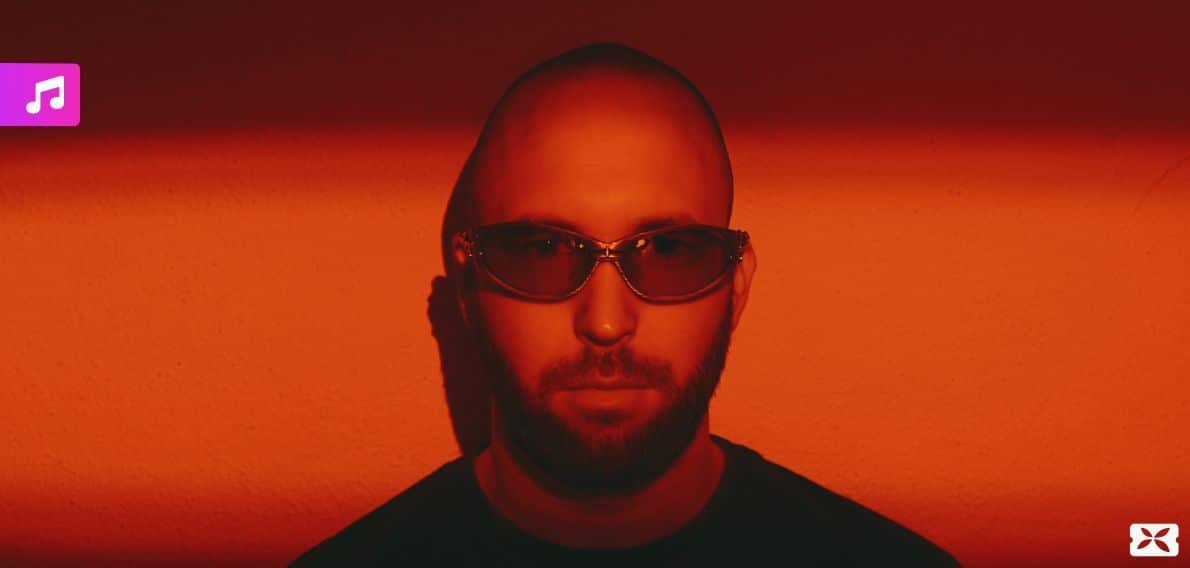
Workforce Kicks off Conversation on Streaming Algorithms via His Latest EP
‘Nothing Iz Sacred’ EP defies the notion of crafting music solely to cater to digital streaming platform algorithms.

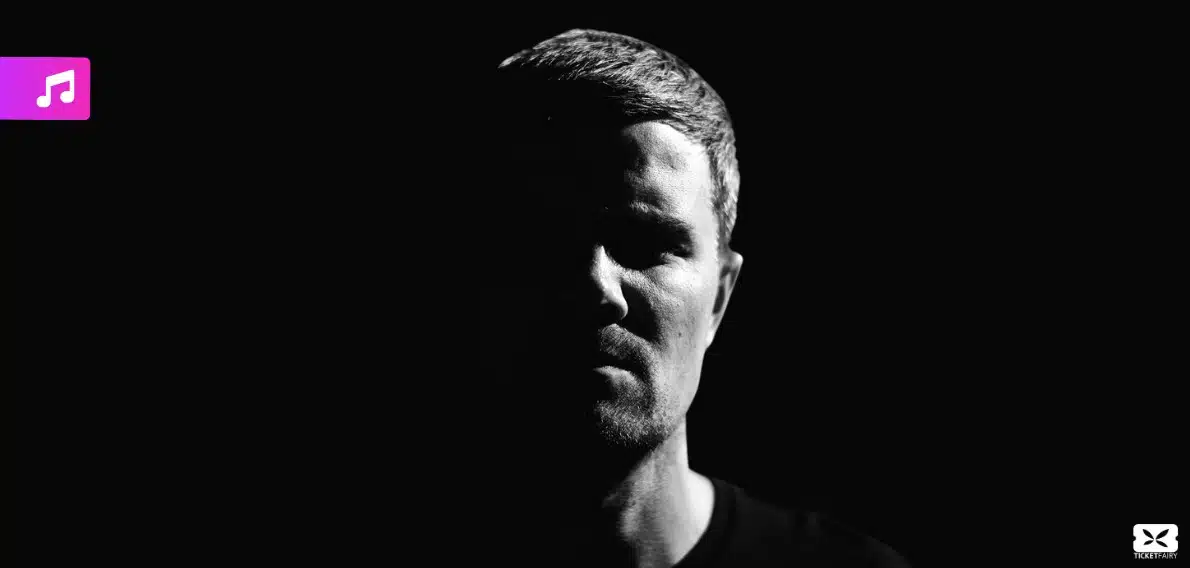
‘Nothing Iz Sacred’ EP defies the notion of crafting music solely to cater to digital streaming platform algorithms. Instead, it serves as a bold declaration—a call to reclaim artistic control and ensure that the music itself resonates, not the dictates of streaming apps.
Remember the days when discovering music felt like an adventure? When YouTube acted like a time machine that could transport you to any era, any genre, with just a few clicks? SoundCloud and Bandcamp were havens for underground artists and hidden gems. The platforms were the pinnacle of music exploration of unknown talents, and all the result of the crate digging felt like a big win that rewarded your curiosity and patience.
But those days seem like a distant memory now. The rise of tech-driven streaming services like Spotify, Apple Music, and TikTok promised to make music more accessible than ever. While they’ve undeniably revolutionized how we consume music, they’ve also taken a sinister turn to reduce the listening experience to a game of algorithms. What once felt like a journey has become a passive feed dictated by data-driven recommendations.

The Looming Throes of Algorithm-Driven Music for an Artist
For artists, this shift has been equally transformative and rather devastating. In the past, musicians could pour their hearts into their craft without worrying about technicalities like playlist placements and algorithm optimization. Today, the pressure to conform to these digital platforms is overwhelming. Artists are increasingly compelled to tailor their music to fit algorithmic preferences, whether that means crafting shorter songs for TikTok, optimizing metadata for searchability, or chasing trends to stay relevant.
While this model has undoubtedly benefited a select few, it’s left the vast majority of artists struggling to be heard. Independent musicians, in particular, face an uphill battle getting their work heard which is often buried beneath a flood of algorithmically favored content. The result? A homogenization of music, where creativity takes a backseat to commercial viability, and the soul of artistry is often sacrificed at the mercy of data.
The impact of algorithm-driven streaming platforms isn’t limited to artists; it’s also reshaping the very way we, as listeners, engage with music and these applications. Whether you’re a casual listener, a dedicated fan, a superfan, or even a DJ, the pressure to cater to algorithms is inescapable. Crowds have become so conditioned to viral hits and algorithmically curated playlists that anything outside that framework risks being dismissed or ignored. This shift isn’t just changing how we consume music; it’s fundamentally altering the relationship between artists, listeners, and the music itself.
Are We Really Discovering New Music on Spotify and TikTok?
Take the role of DJs, for example. Once revered as tastemakers and curators, and don’t get me wrong, they still are, but they are increasingly pressured to play what’s already popular rather than introducing audiences to something new. Crowds, trained by platforms like TikTok and Spotify to expect instant gratification, often respond lukewarmly to anything that isn’t already familiar or trending. This creates a vicious cycle where DJs are forced to prioritize algorithm-approved tracks over deeper cuts or emerging artists, stifling creativity and diversity in the process.
For fans and listeners, the situation is equally worrying. Instead of actively seeking out new music or diving into an artist’s discography, we’re spoon-fed playlists tailored to our listening behavior. These platforms use data to predict what we might like, but they limit our exposure to anything outside of our established preferences. It feels less like an adventure and more like a passive scroll through a pre-approved menu.

Even if you decide to break free from the pre-arranged playlists and curated recommendations of streaming apps, venturing out to discover music on your own terms, you’ll still find yourself at the mercy of algorithms, only this time, their influence becomes more subtle, more insidious.
For instance, when you search for a specific artist or genre, the results you see are often dictated by an algorithm that prioritizes popularity, relevance, or even paid promotions. The “related artists” or “similar tracks” sections? Those are algorithmically generated, designed to keep you within a certain framework of what the platform deems appropriate or appealing. Even when you think you’re digging deep, the suggestions you encounter are still influenced by a system that prioritizes certain types of music or artists over others.
This isn’t just a small problem of convenience or consumption; it’s a systemic issue disrupting the entire music scene. Independent artists, niche genres, and underground movements are struggling to gain traction because they struggle to fit into the algorithmic mold. Scenes that once thrived on word-of-mouth, grassroots support, and organic discovery are now fighting an arduous battle against the tidal wave of algorithm-driven content. The diversity and richness of music culture are in jeopardy of being flattened into a one-size-fits-all model that prioritizes virality over artistry.
The consequences of this algorithmic dominance are far-reaching. It’s not just about what we listen to; it’s about what we don’t listen to. Music that doesn’t fit the algorithm’s criteria; whether it’s too experimental, too niche, or simply not optimized for streaming, risks being overlooked entirely. This creates a feedback loop where only certain types of music are promoted, while others are pushed to the margins.
The Surging Risk of Disconnect With the Drum & Bass Underground
What prompted this thought is Workforce’s new release titled ‘Nothing Iz Sacred,’ and the ‘Distorted, Unlistenable’ version in the EP that got me thinking, drum & bass has always been a genre rooted in the underground; a space where the music itself took center stage, not the artists or the hype surrounding them. But in recent years, the genre’s relationship with digital streaming platforms (DSPs) has become increasingly complicated, and Workforce’s ‘Nothing Iz Sacred’ EP, particularly its ‘Unlistenable’ version, has sparked a much-needed conversation about the cost of catering to algorithms.
For decades, drum & bass thrived as a champion of the underground. Tracks were often long, intricate, and designed to take listeners on a journey, whether on the dancefloor or through a pair of headphones. Labels and artists prioritized creativity and authenticity, and platforms like Bandcamp became a sanctuary for fans looking to support the music they loved directly. Bandcamp Fridays, in particular, was a highlight for the community, a time when fans and artists came together to celebrate new releases and keep the underground spirit alive.

But the rise of DSPs like Spotify, Apple Music, and TikTok has shifted the landscape dramatically. These platforms have become the primary way for artists to get their music heard, but they come with a catch: to succeed, you have to play by their rules. This often means shortening tracks to fit algorithmic preferences, crafting music that’s more likely to land on playlists, or even chasing trends to stay relevant. For drum & bass, a genre that once prided itself on its independence and creativity, this shift has been particularly jarring.
It results in a growing tension between the commercial and the underground. While the genre has always walked a fine line between accessibility and authenticity, the scales have tipped noticeably in favor of the former. Labels and artists are increasingly pressured to produce music that fits the mold of what DSPs want, often at the expense of their artistic vision. Tracks are getting shorter, drops are becoming more predictable, and the focus is shifting from innovation to optimization.
This isn’t just a creative issue. In a world where visibility on streaming platforms can make or break an artist’s career, it is starting to feel like a survival issue. Who can blame them? The algorithm-driven model is cutthroat, and falling off the grid can mean losing your livelihood. But as Workforce’s ‘Nothing Iz Sacred’ EP asks: what if we don’t give these platforms what they want? What if we find new ways to ensure that everyone, artists, fans, and the genre itself, goes home with something meaningful, rather than just playing the game?
Workforce Is Here to Reclaim Artistic Control With New EP
The ‘Unlistenable’ version of the EP is a bold statement in this regard. By defying the conventions of what makes a track “streamable,” Workforce challenges the notion that artists must cater to algorithms to succeed. It’s a reminder that drum & bass, at its core, has always been about pushing boundaries and breaking rules. The EP is a manifesto, a call to arms for artists and fans alike to reclaim the genre’s underground spirit.
The idea of releasing an “Unlistenable” version of an album or EP is a fascinating concept, especially in the context of drum & bass or any genre that thrives on pushing boundaries. Workforce’s decision to create an “Unlistenable” version of his ‘Nothing Iz Sacred’ EP could be interpreted in several ways, and it opens up a lot of room for discussion about art, music, and the listener’s experience.
- Challenging the Listener: By labeling a version of his EP as “unlistenable,” Workforce might be intentionally challenging the listener’s expectations and patience. In a world where music is often designed to be instantly gratifying, this could be a statement against the commodification of art. It forces the audience to engage with the music on a deeper level, even if it’s uncomfortable or difficult to digest.
- Artistic Experimentation: The “unlistenable” version could be an exercise in artistic freedom. It might explore extreme sound design or unconventional structures that defy traditional drum & bass norms. In this sense, the “unlistenable” label might not be literal but rather a playful or provocative way to describe something that deviates from the mainstream.
- Accessibility: The term “unlistenable” might also be a critique of how music is consumed today. In the age of streaming platforms and algorithms, music is often reduced to background noise or playlists designed for maximum accessibility. By creating something intentionally difficult, Workforce could be making a statement about the value of music as an art form rather than just entertainment.
At the end of the day, drum & bass is more than just a genre; it’s a culture, a community, and a way of life. And if we let algorithms dictate its future, we risk losing everything that makes it special. Workforce’s ‘Nothing Iz Sacred’ EP is a reminder that the power to shape the genre’s future lies not in the hands of DSPs, but in the hands of the artists and fans who make it what it is. It’s time to take that power back.
So, where does Drum & Bass go from here? The answer lies in finding a balance that allows artists to thrive in the digital age without sacrificing their creativity. This might mean exploring alternative platforms, building stronger connections with fans, or simply refusing to play by the rules set by DSPs. It’s not an easy path, but as Workforce’s EP proves, it’s a necessary one.
Discovering New Music and Supporting Artists
Imagine this: instead of being fed a constant stream of algorithmically curated tracks designed for quick dopamine hits, you’re immersed in music that truly resonates, music that exudes emotion, tells a story and connects with you on a deeper level. Imagine the thrill of discovering something new, not because a platform told you to, but because you took the time to explore, to dig, and to connect with the art form in a meaningful way. Now, imagine rekindling the joy of music discovery by attending live shows, losing yourself in the energy of a DJ set, and coming home inspired to dive even deeper into the sounds that moved you.
This is what music, whether it’s drum & bass, hip-hop, techno, or any other genre has always been about. It’s about connection, community, and the shared experience of being moved by sound. But somewhere along the way, we’ve allowed algorithms to take the wheel, reducing music to a commodity and listeners to passive consumers; a culture where being “up to date with trends” often trumps the emotional and cultural value of the music itself.
As fans, we have a responsibility to change this. Artists are out there, pouring their hearts into their craft, but many feel unsupported in the face of an industry that prioritizes streams over artistry. They’re making moves, taking risks, and challenging the status quo, but they can’t do it alone. It’s time for us to step up and reclaim the joy of music as a collective experience, not just an individual one dictated by a random software program.
Here’s how we can start:
- Attend More Shows: There’s nothing quite like the energy of a live performance. Whether it’s a small underground club or a massive festival, being in the room where the music happens is an experience that no algorithm can replicate. It’s where you’ll discover new artists, hear tracks in their purest form, and connect with others who share your passion.
- Listen Actively: When you’re at a show or listening to a DJ set, really listen. Pay attention to the tracks that move you, the transitions that surprise you, and the moments that give you chills. Then, take that inspiration home with you and dig deeper. Who’s the artist behind that track? What else have they created? This is how you build a deeper connection with the music.
- Support Artists Directly: Streaming platforms may be convenient, but they often pay artists pennies. If you love an artist’s work, support them directly. Buy their music on Bandcamp, grab a vinyl, or contribute to their Patreon. Every little bit helps, and it shows artists that their work is valued.
- Rediscover the Joy of Digging: Remember the thrill of finding a hidden gem? That feeling isn’t gone; it’s just waiting for you to seek it out. Spend time exploring independent platforms, digging through crates (physical or digital), and sharing your discoveries with others. Music is meant to be shared, not hoarded.
- Challenge the Algorithm: Don’t let a platform dictate your taste. If you find yourself stuck in a loop of the same recommendations, break free. Create your own playlists, explore genres you’ve never tried, and seek out music that challenges you. The algorithm only knows what you’ve already listened to; it’s up to you to show it something new.
Drum & bass, like all genres, thrives on passion and community. It’s a genre built on the idea that music is more than just sound. But to keep that spirit alive, we need to take charge as fans. We need to show up, support the artists we love, and create spaces where music can flourish on its own terms.
The joy of music is found in the moments that move us, the connections we make, and the communities we build. It’s time to bring that joy back. Let’s make music collective again. Let’s make it human again. Because at the end of the day, no algorithm can ever replace the power of a shared experience, a killer drop, or a track that speaks to your soul.
For more new music releases and industry topics, keep up with TFword on: Instagram | Facebook | X
You May Also Like:
Samples Used in Popular Drum & Bass Tracks You Need To Know
Bass Music Acts to Watch Out for in 2025
How to Build a Thriving Drum & Bass Scene in India Feat. The Untitled One