About Everybody’s
Everybody’s was a downtown Auckland bar and eatery housed in the historic Imperial Building (44 Queen Street, Fort Lane). It opened in late 2011 as part of the refurbished Edwardian-era theatre complex and drew its name from the 100-year-old “Everybody’s Theatre” that originally occupied the space . Today, visitors would have found an atmospheric, split-level venue blending exposed heritage brick and plasterwork with modern finishes. A soaring ceiling and remnants of ornate mouldings hint at its theatrical past . The venue encompassed several areas – a main ground-floor bar with high tables and stools, a relaxed dining room and lounge, an open-air courtyard, and an upstairs mezzanine with comfy booths. In total it offered up to around 1,200 patrons across all spaces . The menu featured “Modern European inspired” share plates and mains (notably beef cheeks, pork and lamb dishes, and innovative bar snacks) meant to suit all tastes . In its prime, Everybody’s was regarded as a hidden gem of the CBD laneway scene, filling a once-dormant block with food, drinks and nightlife. (As of 2024 it is listed as permanently closed .)
Events and Programming
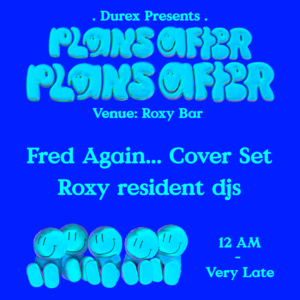
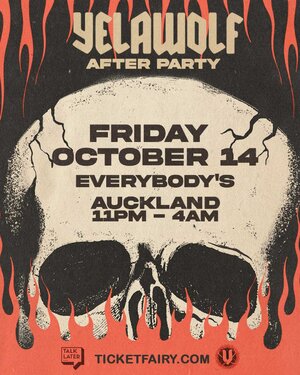
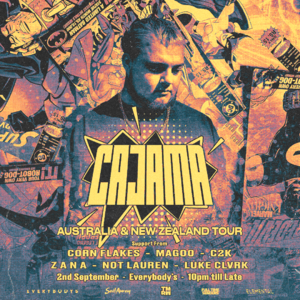
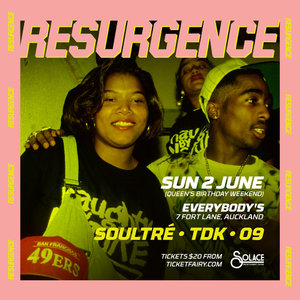
Everybody’s was wired for live entertainment: DJs, bands and performance nights were a regular feature. It staged a mix of club nights, private parties, media after-parties and festival fringe events. For example, it hosted Auckland events like George FM’s “Club Classics” afterparties and was known as an official Pride venue (“Everybody’s Downtown” by name) holding drag and electronic nights called MISBEHAVIOUR . The ticketed calendar included everything from international DJ gigs to local indie concerts. Past line-ups have included US rapper Yelawolf (for an official afterparty in Oct 2022) and UK DJ Cajama (Sept 2022) www.ticketfairy.com . Other notable events were club showcases such as “Bassline” (June 2021) and music festivals as late as 2019 www.ticketfairy.com . In short, Everybody’s programming spanned weekly electronic and dance nights, weekend parties and one-off shows. Ticket prices varied by act – often a modest cover (around $10–$20) for club DJ nights, and up to $30–$50 for larger concerts – with free or low-cost entry on most ordinary evenings. (At peak times, covers applied at the door. Most events sold tickets through local outlets or the venue’s box office.)
Tickets and Booking
Because Everybody’s was essentially a bar and club space, everyday entry generally did not require advance tickets. On non-event nights visitors could walk in on a first-come basis, with no cover charge for casual drinking and dining. For special events (live music, DJs, or Pride promotions) tickets went on sale ahead of time through Auckland ticketing channels and the venue’s signage. Popular shows often sold out, so early booking was recommended. Regular patrons typically watched the venue’s website or local event listings for announcements. If available, a limited number of tickets could also be bought at the door on event nights. For table dining or large group bookings (birthday parties, corporate bookings, etc.), reservations were advised via the official booking line – service was primarily delivered at the table by waitstaff. In practice, depositing a quick call or email (listed on the venue’s website) secured tables for dinner; walk-ins were accommodated when space permitted. Ticket pricing varied by event level. Many club nights had low or no cover after 10pm, while headline acts could cost ticket-holders on the order of several tens of dollars.
Seating and Layout
The layout was casual and flexible. On the ground floor a long timber bar ran along one side, with mix-and-mingle bar-leaner tables and stools nearby. Opposite were lounge areas with armchairs and bench seating around low tables. Because the floorplan opened onto an inner courtyard, the ground level felt airy during the day. Upstairs was a raised mezzanine purely for dining and lounging: plush semicircular booths and banquettes ringed the walls, all equipped with service buzzers for drinks. The upstairs level afforded a bird’s-eye view of the bar below (although at full volume that echo could make it a bit noisy up there). A spiral staircase in the lane led up to this first-floor area. For events, most audiences stood on the main floor – the stage area or DJ booth was at the far end of the room. Those wanting a quieter sit-down experience could opt for a booth upstairs with a semi-private feel. Patrons on the floor often gathered in clusters around high tables or along the bar, which provided a good vantage of the performance area. In practice the best views of any live show were either directly in front of the DJs/stage or from the raised rear platform. (Guests were generally advised to avoid crowding the bar exit area if noisy, as that is a thoroughfare.) The split-level design meant acoustics could carry upward; some felt the upper booths could get loud during big gigs. Advice: baggy gear or shoes that cover the fixed lip running into the venue (mentioned in a few reviews) are safer to avoid tripping on the step entering the main space.
Getting There and Parking
Everybody’s sat in the heart of Auckland’s CBD at 7 Fort Lane (Imperial Lane), just off Queen Street between Fort Street and Federal Street. It is a short walk from Britomart Station (approximately 8–10 minutes) and the downtown ferry terminals. Queen Street itself is served by many frequent bus routes day and night – for example, central-city Link buses (free inner-city service) stop nearby. The popular express SkyBus from the airport has a stop at Victoria Street (near the ferry terminal), within five minutes on foot. Rideshare apps and taxis can drop off on Federal Street or Queen Street close by (the lane entrance is somewhat tucked away, so follow signage for “Imperial Lane/Everybody’s” once there). Street parking is very limited, so most visitors use city carparks. For example, the Victoria Street West car park (on the adjacent city block) offers cheap rates after hours ($2.50 per hour evenings and weekends) . The nearest 24/7 parking building is Wilson Parking at 27 Fort Street (about a 5-minute walk), with rates from roughly $8 per half-hour on weekdays . Several other commercial garages lie within a block radius (e.g. Civic Square carpark) at similar prices. Like all CBD venues, public transport is recommended – trains and buses run until around midnight, and if staying later rideshares or night buses can be used. NZ buses typically stop running around 11pm in the city center, so plan accordingly. Footpaths are well-lit but note Fort Lane itself is a narrow pedestrian laneway; it’s safe at night but mind your surroundings. Note that the venue’s main door opens onto a small alley, so look for a subtle sign or the lanterns marking the bar.
Inside the Venue
Upon entering, guests encountered standard security measures. ID checks were common after 10pm (patrons must be at least 18 years old to drink alcohol). All visitors (especially after-hours clubbers) should carry valid photo ID (NZ driver licence or passport for locals, preferably passport for foreign guests) due to strict liquor laws. The basic bag policy was to allow standard purses and backpacks, but large rucksacks or outside food/drink were prohibited. Cameras and phones were fine as long as pictures remained personal – flash photography during shows was sometimes discouraged out of courtesy. Inside, cell coverage was strong (Auckland’s city centre gets excellent 4G from all carriers), so digital tickets or messaging works without issue. Free venue Wi-Fi was often available, though many guests also relied on the city’s public mesh network (Auckland City免费的Wi-Fi) or personal data. The atmosphere combined rustic charm with a bustling bar vibe: exposed-brick walls, low ambient lighting by night, and polished wooden tables. The main bar offered full table service to upstairs booths (via call buttons) and counter service downstairs. A wide drinks menu included boutique beers, craft wines and creative cocktails. The eatery side served shareable plates – think gourmet sausages, bread boards, charcoal-grilled meats and vegetarian options – until late evening. Traditionally, happy hour ran in the early evening (4pm–6pm) with rotating specials (e.g. $1 oysters and discounted drinks), though patrons should verify deals via social media or staff on the day. Restrooms were located downstairs; note one review mentioned staff closing the upstairs bathrooms during peak times, forcing walk-down to ground floor facilities . Those with mobility needs found it mostly accessible: the ground floor had wide doorways and at least one elevator to reach the mezzanine, and a disabled toilet was available. (The entrance has a small step from the lane into the bar, however, which may require assistance.)
Nearby Amenities
The entire Fort Lane/Imperial Precinct is a dining and nightlife hub. Adjacent to Everybody’s is the sophisticated Roxy restaurant (same building, first floor) featuring fine dining outings . At ground level of the laneway sits Elske patisserie – a European-style bakery known for pastries and coffee – perfect for pre-dinner drinks or a morning treat. Within a block are many popular cafes and bars: for example, just steps away is The Pint Shop (craft beers), and on nearby Queen Street there are numerous eateries ranging from rock-star barbecue joints to upscale sushi bars. A short walk up Queen Street brings you to the vibrant Britomart precinct (with its ferry connections, hotels and restaurants). Within five minutes walking distance are the Viaduct Harbour bars and restaurants – a favourite for pre-show dining on seafood or pizza. Inside the CBD, some standout choices include how “White + Wongs” for Asian fusion, “Monsoon Poon” for Thai cuisine, or “Federal Delicatessen” for deli-style comfort food, all under a 10-minute walk. For sweets or coffee, in addition to Elske one can try nearby cafes like Remedy or Ozone. If staying in town, several hotels are very close: e.g. the SkyCity Grand, Pullman Hotel, or Cordis Auckland – all within 5–10 minutes’ walk. Because Auckland is compact, one can often walk from the central train station (Britomart) in under 10 minutes via Queen Street. If arriving by ferry (to downtown), Everybody’s is also a 5–7 minute walk. Late-night post-show, cabs and ride-shares line the street corners near the laneway; some hotels even offer shuttle services back to the suburbs for big events (so ask your driver or concierge).
What Makes This Venue Special
Everybody’s earned a unique place in Auckland’s cultural scene for several reasons. Architecturally, it is housed in a heritage-protected, century-old structure – in fact, the Imperial building was once New Zealand’s first cinema – that was painstakingly restored. The juxtaposition of its “decayed glamour” (opaline plasterwork, blackened brick from old theatre fires) and modern lounge décor is eye-catching . Its semi-hidden entrance off the narrow laneway gave it a speakeasy feel and made visiting feel like discovering a secret spot. Culturally, it became a symbol of the revitalized laneways of downtown Auckland, part of a trend that drew inspiration from cities like Melbourne and New York . Locally, it was beloved for hosting both casual after-work crowds on weekdays and lively dance parties on weekends – “something for everybody,” as the name implies. It also gained a reputation as an LGBTQ+-friendly venue: during annual Pride celebrations it was branded “Everybody’s Downtown” and served as a hub for drag and queer dance nights . Long-time patrons recall legendary nights spent dancing under the open sky of the courtyard or on the mezzanine overlooking the DJs. Its sister venues Roxy (upstairs) and nearby bars by the same owners added to a consistent nightlife network, but Everybody’s itself was known as the more relaxed, all-ages (early evening) and later-night spot. In reviews, visitors often noted “awesome atmosphere” and treasured menu items as memorable. In short, Everybody’s was more than just a bar – it was a showpiece of downtown history turned into a social hotspot. (Its 2024 closure was widely lamented in the city for exactly this reason .)
Visitor Tips and Information
Accessibility: Everybody’s generally met modern accessibility standards. The main entrance has a small step, but an alternate entrance/ elevator in the lane provides step-free access to the ground floor. An elevator connects to the mezzanine and a wheelchair-accessible toilet is available. As mentioned, the venue is on the second floor of a historic building, so be prepared for one short flight if needed. If you require assistance or have concerns, let a staff member know on arrival.
What to Bring: Always carry valid photo ID (18+ rule after dark) and some cash (small bills) or credit card for drinks and food. Bags and coats can be left in a free cloakroom (when busy, the coat rack is discreet at the back). Dress code is smart-casual – there’s no strict uniform, but clubgoers often wear neat jeans or evening wear, especially later at night. You may bring a small camera or smartphone for photos, but professional cameras require management approval. Outside food/drinks are not allowed. Due to the floor level change at the entrance, moderate heels or sensible shoes are recommended to avoid tripping on the lip.
Age, Safety, and Policies: Everybody’s enforced an 18+ age limit after dark (the legal drinking age). Under-18s were usually welcome for early lunches or family dinners before 8pm, but asked to leave by late evening. Bags were typically patted down at the door on busy nights, and any prohibited items (illegal substance, glassware from outside) would be refused. Smoking is banned indoors by law – there was a small sheltered outdoor area for smokers in the courtyard. Staff took safety seriously: if the venue filled up, security controlled entry via a guest-list or wristbands for events. The venue had camera surveillance in public areas. Common mistakes: failing to book dinner ahead on weekends (leading to long waits), or expecting quiet conversation during peak DJ sets. It’s also wise to check event end-times – the bar usually stopped serving alcohol by 1:30am (standard Auckland last call) and music cut off by 2am. Tipping is appreciated in NZ (around 10% for table service) but not mandatory. Lastly, it’s a friendly place – feel free to ask the bartender about the menu or daily specials.
Frequently Asked Questions
Is Everybody’s still open?
As of early 2024, Everybody’s is permanently closed . It ceased operations on 20 Feb 2024 after 12 years in business, citing tough conditions and its owner’s liquidation. Therefore it is no longer available for visits or events.
Where exactly was Everybody’s located?
Everybody’s was located at 7 Fort Lane (Imperial Building) in Auckland’s CBD, with its entrance off Federal Street near Queen Street . It sat on the ground floor of the historic Imperial Building (accessed via a small alley), roughly a 5-minute walk from the Sky Tower or a 10-minute walk from Britomart Station. The address is often listed as 44 Queen Street (the building’s Queen Street intersection) in some guides.
How do I get to Everybody’s by public transport?
Everybody’s was easily reachable via Auckland’s central transit. Take any train to Britomart Station or any CBD bus line to Queen Street, then walk south on Queen St and turn onto Fort Lane/Imperial Lane (between Fort and Federal streets). The venue was about 800 m from Britomart (roughly an 8-minute walk). CityLink loop buses also stopped very close by. For airport access, SkyBus or train to Britomart and walk the short distance. Once off transit, follow signs that point to “Imperial Lane” to find the entrance.
Were there parking options near Everybody’s?
Paid parking was available nearby. The closest carpark is on Fort Street – Wilson Parking’s 27 Fort Street garage –, about a 2–3 minute walk (rates around NZ$8 per half hour) . The Victoria Street West car park (across Queen Street) offered cheaper evening and weekend rates (around $2.50/hr) . Civic Square and other on-street metered parking lie within a block (though spots fill up quickly). Many guests preferred public transport or ride-share/taxi drop-offs in the standing zone near the intersection of Fort and Federal streets.
What kind of events were held at Everybody’s?
The venue hosted a variety of nightlife events. Regular programming included DJ parties, live music shows, theme nights and festival after-parties. It also ran private corporate and birthday functions. Notable events included Auckland Pride club nights (MISBEHAVIOUR) , radio station aftershows, and concerts by touring DJs and artists (e.g. Cajama UK, Yelawolf’s after-party) www.ticketfairy.com . In off-hours it operated as a restaurant and bar, so many weekdays were simply dinner+drinks with no cover charge.
What were the opening hours of Everybody’s?
In its final years the venue was typically open Tuesday through Saturday. The bar opened around 4pm (or early evening on some days) and ran until late at night . (The upstairs dining area often opened slightly earlier or offered weekend lunch service, but heartofthecity notes its hours as Monday closed, Tue–Sat 4pm–late .) Special event nights could extend later. Always double-check on the day (or call ahead) as schedules occasionally changed for private functions or holidays.
What was the interior layout like?
Everybody’s interior was split-level. The ground floor had the main bar counter, a lounge area and dance space, plus an adjoining open-air courtyard. Upstairs was a mezzanine with semi-private booths and tables. Roughly, downstairs was used for standing or casual seating, while upstairs provided booth-style seating for dining. A notable feature was a pole-dancing pole next to a table (one reviewer specifically mentioned it) – an unusual touch in a bar. Because of this layout, guests often stood on the main floor for live music (closer to the DJs/stage) and used the upper level booths for table service and conversation .
Was Everybody’s wheelchair accessible?
Yes. The venue was wheelchair-friendly with elevator access. The ground floor was level and one elevator reached the upstairs mezzanine. Wheelchair-accessible restrooms were available on-site . Keep in mind that the entrance has a small curb, so it’s helpful to use the ramp in Imperial Lane or ask staff for assistance. Overall, people with mobility needs reported being able to enjoy the space and events with little obstruction.
Did Everybody’s have age restrictions or a dress code?
Everybody’s generally enforced a minimum age of 18 after hours. During the late-night and club events (especially after 8pm), patrons had to be over 18. Earlier in the evening (for dinner service) it was more family-friendly. The dress code was smart casual – there was no strict uniform but slippery shoes and casual clubwear were common. In practice, entry was refused for anyone too intoxicated or improperly dressed (e.g. wearing no shirt, swimwear, or oily sports clothes). It’s wise to avoid work boots or very loose garments tripping hazards, given the venue’s steps and dark lighting.
What kind of food and drink did Everybody’s serve?
Everybody’s was both a bar and a bistro. The full bar served craft beers, wines and signature cocktails. On the food side, the menu was “modern European” share-plates – think gourmet sausages, cured meats, rustic breads, cheeses, salads and larger mains like lamb rack or pork belly. Many dishes were meant for sharing (“grazing”), and vegetarian/gluten-free options were available. They also ran happy hour specials (for example advertised $1 oysters at times ) to complement drinks. Essentially, you could go there for a casual lunch or dinner, or stick around for cocktail hours and club night snacks.
Why was it called “Everybody’s”?
The name is a nod to the venue’s theatrical heritage. Originally, the address was home to the Everybody’s Theatre, one of the early picture theatres in Auckland . When the space was transformed into bar/restaurant in 2011, the owners salvaged the old theatre’s name. So “Everybody’s” honors that 1911-era cinema that once stood on the site. It also captures the inclusive vibe (something for everyone).
Who owned and ran Everybody’s?
Everybody’s was developed and operated by Pack & Company, a well-known Auckland hospitality group. They also ran The Roxy upstairs and other City eateries like Northern Steamship and Neighbourhood . The team included chef Sean Marshall creating the menu. After 2013, Pack & Co took sole stewardship of the Imperial Lane complex (including Everybody’s). Financial difficulties later led to the ownership’s liquidation in 2024, which in turn shuttered Everybody’s .
Was Everybody’s an LGBTQ-friendly venue?
Yes – Everybody’s had a very inclusive reputation. In fact, during Auckland Pride it was branded “Everybody’s Downtown” and hosted the popular MISBEHAVIOUR dance nights for the LGBTQ+ community . Throughout the year it welcomed a diverse crowd and was known to be friendly and supportive of all patrons regardless of orientation.