About Ink Bar
Ink Bar is a cozy dance-club tucked away on Karangahape Road (K’Road) in Auckland. Opened in July 2000, it operated for 25 years as a cornerstone of the city’s underground music scene. The bar has an intimate, low-lit vibe and specialises in electronic club music (house, techno and related genres). Despite its modest size – roughly 100–150 people – Ink’s powerful, expertly tuned sound system and pulsing back-to-back-on-stereo dance floor make it feel larger than life. Signature design features include a simple concrete dancefloor, a small lounge area, and a charming covered courtyard out back. Prominent local promoters (including its founders John Collie and later Andrew “Andy” Meek) steered the club’s independent spirit, so Ink remained free of gimmicks like bottle service or strict dress codes. Over the years it played a key role shaping Auckland’s nightlife. Fans praise Ink for its warm atmosphere, world-class DJs and sense of community – a safe space where people come purely for the music and vibe. The club has a wheelchair-accessible entry and toilets, and while no longer operating today, it is still fondly remembered as one of Auckland’s most unique and authentic dance venues.
Events and Programming
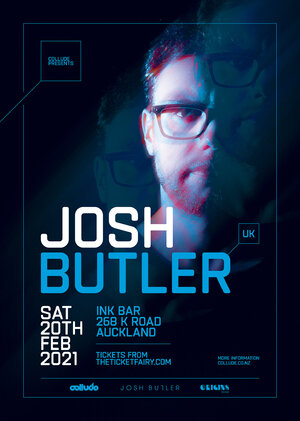
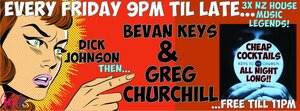
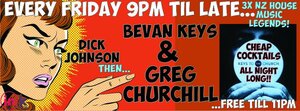
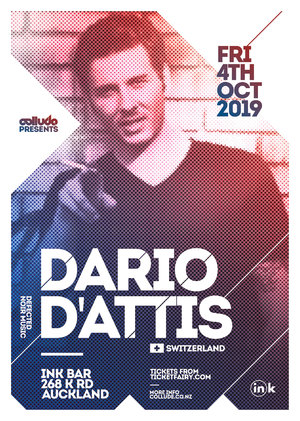
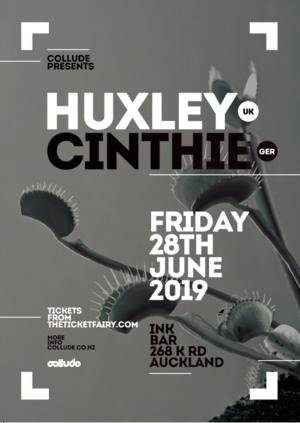
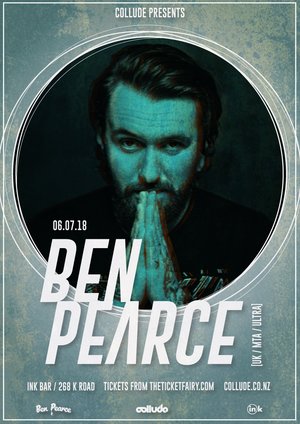
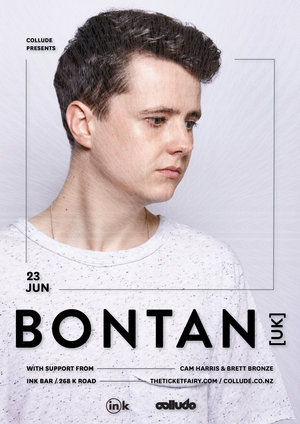
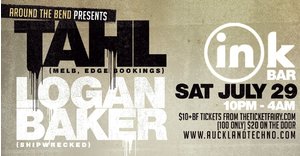
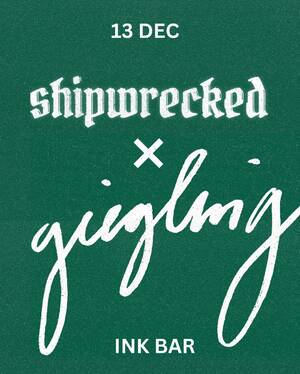
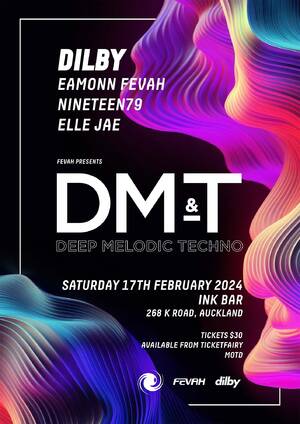
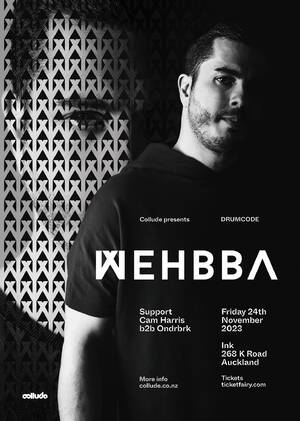
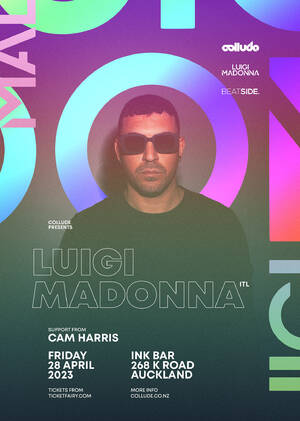
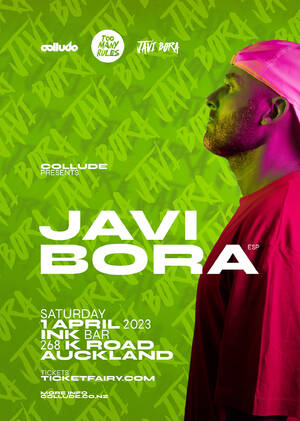
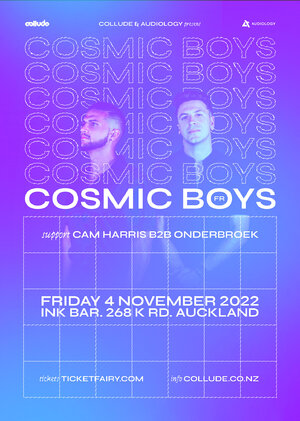
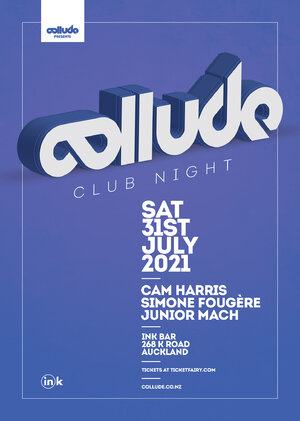
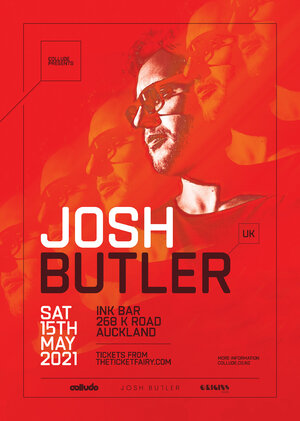
Ink Bar hosted live DJ sets almost every weekend of the year. Friday and Saturday nights were the heart of its schedule. Regular weekly events included house and tech-house nights featuring top local DJs. A legendary Friday night night was the “Keys to the Church” party (run by resident DJs Greg Churchill, Bevan Keys and Dick Johnson), drawing loyal crowds with driving house beats and cheap early cocktails. There were also drum-&-bass gatherings – for example State of Mind NZ’s monthly “Bad Habits” DnB night – and special one-off events. The club often partnered with local labels and collectives: for instance, it staged annual showcases like the Natural Rhythms night (celebrating NZ music in May) or Black Wax (100% vinyl) events. Many Auckland-based producers and DJs made regular appearances – names like Ana Teles, Felipe Martinez, Andy Vann, and Greg Churchill became synonymous with Ink. International guest DJs occasionally graced the decks too (UK-and Germany-based techno stars such as Herman Saiz and DJ Hell played there, to name a couple), but mostly the lineup celebrated homegrown talent. Audiences could expect top-quality underground music (from deep house grooves to peak-time techno), friendly crowds, and sets that ran late into the early morning. Typically tickets or door cover were quite affordable – usually around NZ$10–20 – reflecting the venue’s local, community focus. (On many nights cover was slashed or free before midnight, with standard prices kicking in after.) In addition to dance parties, Ink stage special occasions like birthday bashes (Ink’s own birthdays were a big deal) and album-release parties. The calendar was filled out year-round with themed club nights, label launches, and label showcases, making Ink a go-to spot whenever you wanted a serious underground club experience.
Tickets and Booking
Tickets for Ink Bar events were typically sold through local ticketing services or directly at the door of the club. For higher-profile nights (like anniversary parties or international headliners), advance tickets were available from New Zealand event websites or via under-the-grid listings (e.g. Undertheradar, Resident Advisor, local promoters’ sites). Fans recommend booking early for big events, as Ink’s small capacity meant many popular nights could sell out. Standard cover charges were modest (NZ$10–20), reflecting the laid-back, all-ages price of a community club. In practice, many people simply arrived at the door on event nights and paid on arrival. Sometimes the venue offered a “skip-the-line” perk, where arriving before a certain time (often 10 or 11pm) could waive a cover charge or lock in drinks deals. There was no formal membership required; entry was first-come-first-served. When tickets were needed in advance, expect a small booking fee on top of the face price. If an event did not sell out, tickets might also be available at the club’s door, but for busy Saturdays or special parties it’s wise to purchase ahead. Information on ticket releases and presales was usually announced on the club’s social feeds or event calendars, so checking online listings for upcoming Ink shows helped ensure you don’t miss out. Overall, popular shows at Ink often cost less than a typical mainstream club – most guest-list or pre-sale tickets ran around $15–20, and sometimes even a basic $10 cover at the door got you in for a night of top DJs.
Seating and Layout
Ink Bar’s interior has a simple, functional layout designed for dancing. The entrance leads down a short staircase directly into the compact dancefloor area. There are no reserved seats or booths on the floor—most guests stand or dance. Along the back or sides of the room you’ll find a few bar-height tables and stools, plus a small lounge seating area near the DJ booth for those taking breaks. The main attraction is the wide, open dancefloor, with powerful speakers flanking the DJ. A raised platform or loft was sometimes used for DJ gear or lights, but crowd space is mostly flat. One special feature is the outdoor courtyard: through a back door you can step into a covered, partly open-air lounge area. This courtyard usually has a retractable awning, heaters, and seating, making it useful for smokers or anyone needing fresh air – you can chat with friends there without missing the beat, then pop back into the main room when you’re ready. Best views of the DJ and dancefloor tend to be slightly off-center, where the sound is balanced, rather than too close to the speakers. (Standing exactly beside the subs will give ear-splitting bass but hard to hear higher frequencies.) Near the bar and tables is quieter, but of course farther from the DJ. In general, think of Ink as all general admission: stand wherever you like. The vibe is up close and communal – no balconies or VIP ropes – and the flat floor plan encourages dancers to weave through the crowd. One tip from regulars is to position yourself where you can see the DJ monitors; that way you see the mix cues and feel more connected to the performance. On very crowded nights, the room can fill up solid, so arriving early (just after doors open) is recommended to grab your spot on the floor. Avoid the corners too far from the speakers if you want the full impact of the sound. Acoustically, the club is known as having a top sound system, but the small interior can get hot and a bit humid at peak – something to keep in mind if you’re considering where to stand.
Getting There and Parking
Ink Bar’s address is 268 Karangahape Road, Newton, Auckland , on the southern side of K’Road near the intersection with Surrey Crescent. It sits above the railway line, about a 5-minute walk inland from Queen Street. The easiest way to reach Ink is by public transport: multiple Auckland bus routes run along Karangahape Road and nearby routes (Symonds Street/Pitt Street) every few minutes from the city centre. For example, CityLink and OuterLink buses circulate on K’Road (the X1 and InnerLink), and buses from west Auckland into the CBD also pass nearby. The InnerLink (circle bus) loop has stops on Karangahape Road. If you’re coming from Britomart or the city rail stations, a quick bus ride or even a 15–20 minute walk (via Wellesley or Newton Road) will get you there. Route planners can help pick the best line. If you drive, note that street parking on K’Road is very limited or prohibited – as of late 2023, Auckland Transport removed all daytime street parking in favor of bus lanes. Your best bet is one of the nearby car parks. There is a large pay-and-display carpark on nearby Victoria Street (the Civic Parking building) about a block to the south. A smaller K’Road carpark (formerly activated market carpark) on the north side of K’Road can also take overflow cars. Wilson (airport) or Victoria Park carparks are a 5–10 minute walk away. Because on-street spots vanish early, many visitors park in a downtown parking garage or even newmarket and bus in. After the event, rideshare (Uber/Lyft) drop-offs work well: most drivers will swing by on Karangahape Road or nearby Sky City/Queen Street, but expect to queue in the updated bus lanes if you’re calling it late. Walking directions: from Queen Street head west up Swanson/Greys Ave, or from K’Road’s top at Pitt Street walk a couple of blocks. Crowds often spill onto the sidewalk, so leave a bit of extra time. Taxis and late-night buses serve DNA (CityLink OuterLink) lines all night, but in the early hours it’s wise to book a ride or have carpool plans since the streets become quiet then.
Inside the Venue
On arriving at Ink Bar, you’ll pass a metal doorman (especially on busy nights) and a quick ID check – it’s strictly 18+ with photo ID required. Bags are usually glanced through and metal wands may be used. Once inside, the atmosphere is deliberately unpretentious: dim lighting, exposed brick walls, a low ceiling, and club lighting focused on the dancefloor. The bar is typically at the side or rear of the main room and stocks a selection of beers, ciders, spirits and simple cocktails. You can expect standard bar prices (often around NZ$10–12 for a beer or rum mixer, slightly higher for cocktails). There is no kitchen or hot food served; however, the courtyard sometimes features a small snack machine (chips, chocolates) or occasional pop-up eats during special events. Ink did not have a formal coat-check desk, but there is usually a small area (like a rack or shelf) where you can hang a jacket. A helpful tip from visitors is to keep personal items with you, as the crowd gets tight. The music is the star: huge speakers filling the room with crystal-clear sound. Many long-time patrons comment on the “cutting-edge” sound system and how it faithfully reproduces the beat. The lighting setup is modest (mostly coloured spotlights and strobes pointed at the floor), so visuals are functional rather than theatrical. Phones are generally allowed but discouraged from flashing lights on the crowd. Bathrooms are located near the dancefloor – usually one men’s and one women’s side (sometimes each down its own flight of stairs). Women’s loos in particular have been noted as pretty small; occasional queues form after the music peaks. (Regulars advise using them early or late to avoid the rush.) The venue has wheelchair access at the back entrance and an accessible toilet stall, so those with mobility needs can get in. Inside, the crowd is friendly and security is relatively light-touch – doormen are mainly there to check IDs and ensure nobody re-enters after leaving. Ink Bar operates a casual “no drama” house rule; unruly behaviour is rare but not tolerated. Overall, expect a laid-back entry process and a high-energy interior. If you plan to meet people upstairs or near the bar, note that it gets very loud on the floor, so the small lounge and courtyard are good meeting points. The courtyard serves as the smokers’ zone by law, and it’s equipped with seating and sometimes heaters – you’re allowed to drink out there, but you must actively smoke or just chest (which many do) to avoid leaving litter. The bouncers roam inside to keep things safe without being overbearing; many attendees say the security staff are friendly. For connectivity, phone reception can be spotty underground, and Ink did not offer guest Wi-Fi, so plan accordingly (maybe tell friends a reliable outside spot to meet up if needed). As a whole, stepping inside Ink Bar is about immersing in the music. You’ll feel the bass from the dancefloor, with pulsing lights and DJs mixing live on Pioneer turntables or CDJs. The bartenders juggle drinks under club lighting – it’s not the place for quiet conversation, but the staff are experienced at handling busy Friday/Saturday crowds. During downtime, merchandise or promo flyers for upcoming events might be on the bar or tables. Finally, note that Ink Bar was R18 with no exceptions – at the door they carefully checked IDs, so nobody under 18 was admitted. There is no VIP section or bottle service: every guest is treated the same. This egalitarian setup, along with friendly bartenders behind the neon-lit bar, is part of Ink’s charm.
Nearby Amenities
The Karangahape Road area surrounding Ink Bar is full of dining and nightlife options, which makes it convenient for pre- or post-club activities. If you arrive early and want dinner, K’Road offers a diverse mix: try the European-style plates at Tequila (Spanish cuisine), authentic Indian at K’Bar Curry, or the lively Mexican vibe of La Boca Loca just a few doors down. There are also casual cafes like Mojo Coffee and fast eats (kebab shops, pizza by the slice) in case you want something quick. For pre-club drinks, popular local watering-holes include Neck of the Woods (an ‘80s-themed bar upstairs), Whammy Bar for divey live-jam sessions, or Cassette with its casual lounge vibe. After Ink closes (usually around 4am), the city centre is waking up: head a couple of blocks down K’Road to small late-night cafes or koi meal vendors. Britomart and Queen Street host 24-hour food trucks and diners if you’re still hungry on the way home. In terms of accommodation, there are several hotels and hostels within easy walking distance. Budget travellers might choose Hotel K’Road or Haka House (a backpacker hostel literally across the street). Mid-range options a few minutes’ walk include the Holiday Inn Express (off Mercury Lane) or the Mercure Auckland Queen Street, both of which offer modern rooms near the action. The higher end Auckland City Hotel and Sofitel on Wellesley St are about 8–10 minutes away on foot. Free public Wi-Fi is available at Britomart Station (15 minutes’ walk) and in many cafes along K’Road. When planning your evening, remember that public transport, while frequent, thins out after midnight. The InnerLink bus loops all night around downtown (stop #13641 on K’Road is the nearest), so you can hop on toward the SkyCity Casino or Britomart if you miss a taxi. Taxis and rideshares congregate around K’Road and Queen Street as well – though parking for pickup/drop-off is enforced (no-stopping zones with cameras). Overall, you can grab a bite or a safe early drink just a street or two away, find late-night eats near Victoria Park, and have plenty of hotel options for any budget. Locals suggest arriving early for dinner or organising a pre-game meetup at a nearby bar, since the queue at the club can grow long once the music starts.
What Makes This Venue Special
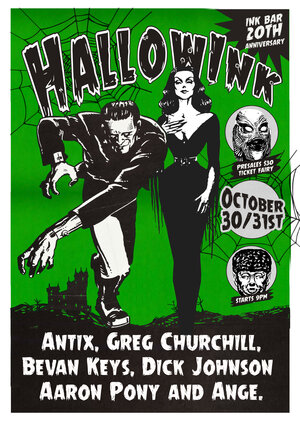
Ink Bar earned its unique reputation for several reasons. Architecturally, it occupied an old heritage building’s basement, giving it a slightly industrial feel with brick walls, black ceilings and vintage club lights – a stark contrast to slick modern clubs. The retractable-roof courtyard was a particularly rare feature: having an outdoor seating area right off the dancefloor let clubbers mingle or smoke without completely leaving the party. Culturally, Ink’s significance is enormous: for over two decades it was considered the heart of Auckland’s underground dance scene. Local club veterans credit Ink with launching new DJ careers and uniting different music crowds in one inclusive space. Many legendary nights and classic sets happened there – residents like Bevan Keys, Greg Churchill and Andy Vann still talk about making the dancefloor jump night after night. The venue also stood out because the owners (notably Andy Meek) were from the dance community itself – they cared about music and people, not profit margins. As a result, Ink never changed owners or decor significantly, retaining its idiosyncratic charm. It hosted milestone events like its 10th, 20th and 25th birthday parties (the 25th in 2025 being a massive reunion), which felt more like huge family gatherings than corporate affairs. Despite lacking Muse/common branding, Ink always managed to attract international DJs to its booth – a testament to its sound system and vibe. It also had local traditions like serving an NZ tonic (often a gin-and-orange back in the day) to celebrate birthdays. In terms of acoustics and production, industry people often praised Ink’s sound rig as one of the best in such a small space: a big, punchy bass stack delivering crystal-clear mid and high frequencies, which kept the energy as if you were in a big club. This, combined with the sweaty, packed crowd and nothing-but-music philosophy (no lasers or distractions), meant nights felt authentic and communal. For returning customers and first-timers alike, the feeling “you’re part of something real” made Ink Bar special. Finally, in an era when many historic New Zealand clubs have vanished, Ink stood as a surviving “old soul” – a place where countless Aucklanders went dancing over the years. Even after its closure in 2025, it’s remembered fondly and often mentioned in the same breath as iconic lost venues like Unity and Tribeca. In short, what made Ink beloved was a mix of its personal history, loyal DJ residencies, community atmosphere and a commitment to underground music – qualities that gave it a character no new nightclub could easily replicate.
Visitor Tips and Information
Accessibility: Ink Bar had a wheelchair-accessible entrance (ramp and wider door) and an accessible toilet. The main club area was on one level (after stepping down inside), so once in, most spaces were reachable by wheelchair, though it can get crowded. What to Bring: Always carry valid photo ID (driver’s licence or passport) for the R18 age check. Cash is handy for cover and small tips, although card is usually accepted at the bar. Dress code was very casual – trendy club clothes or smart-casual is fine (jeans, sneakers, tees or shirts). There was no need for formal wear or dress shoes; Ink’s vibe was more about the music than outfits. Bag Policy: Large backpacks or sports bags were discouraged for security reasons; smaller bags or none at all made entry smoother. Arrival Time: On most nights doors opened around 9–10pm (fridays slightly earlier, Saturdays around 10pm), but the place really filled up by midnight. If you want to avoid a long line and potentially snag a drink deal or waived cover fee, show up before 11pm. Entry and ID: The door staff were friendly but strict: no ID meant no entry. The club’s policy did not allow under-18s under any circumstances. Smoking: Smoking indoors was banned (it’s the law), but the outdoor courtyard served as a smoking lounge – do feel free to step out for a cigarette without losing your friends. Photography: Casual phone photos were usually tolerated, but professional cameras or flash photography might be asked to stop if it blinds the DJs or other guests. In general, preserve the vibe by limiting your phone use on the dancefloor. Peak Hours: Expect the loudest and most crowded period between midnight and 3am. If that’s overwhelming, consider taking breaks in the courtyard or by the bar during those hours. Getting Cash: There was no ATM inside, so plan ahead. A cash-out from a bank machine before you reach the club is best. Bar staff normally accepted cards and NZ dollars. Insider Advice: Many reviews recommended earplugs for the heavy bass if you plan to stay late. Also, it’s wise not to lean your drinks on the dance floor – spilled floorshoes are common. Drink responsibly: Ink was known to get sweaty and hot, and there were a few steps down from the entrance, so staying aware of your footing was important. Common Mistakes to Avoid: Don’t expect easy parking on K Road (it’s not there – see Getting There above). Don’t try to sneak anyone underage in. Don’t wait too late to queue (the doorman watches capacity closely). And definitely don’t bring beachwear or sneakers expecting a pool party – Ink was firmly a dance venue. Additional Tips: Stick close to the dance floor if you love the music, but if you need a breather just step into the lounge or courtyard for a quick rest. The bartenders occasionally had signature late-night cocktails or promotions – asking about ’house’ specials on arrival might get you a bargain. Treat the staff and fellow patrons with respect, and you’ll find the crowd is welcoming; Ink regulars are famously friendly. Keep in mind the final set usually ends by 4am out of licence, so plan your last call accordingly. Lastly, check the weather before you come: if it’s warm outside but cool late-night, a light jacket could be useful for the courtyard, but you’ll likely warm up fast on the dance floor itself. These simple tips will ensure a smooth, fun visit to Ink Bar’s vibrant underground party.
What is the capacity of Ink Bar?
Ink Bar holds roughly 100–150 people. It’s a small club by design, meant to feel intimate. On busy nights it can feel packed, so arriving early is advised if you want more personal space.
Is Ink Bar still open in 2025?
Ink Bar closed permanently in May 2025 after a 25-year run. Its final anniversary was celebrated at a new venue, The Mothership, opened by the same owners. However, all historical information above reflects how it operated when open.
Where exactly is Ink Bar located?
The official address was 268 Karangahape Road (often called “K’Road”), Auckland CBD. This is in the Newton neighbourhood of central Auckland, about two blocks west of Queen Street. The venue sat on the south side of K’Road opposite the railway yards.
Which public transport do I use to reach Ink Bar?
Many buses stop on or near Karangahape Road. For example, the CityLink, OuterLink, and Inner Link services run along K’Road; buses from Ponsonby or Newmarket also pass by. The closest train station is Britomart (about 15-minute walk), but taking a short bus from Britomart to Karangahape Road is easier. Use an Auckland bus app or AT Metro planner under “Karangahape Rd @ Ink Bar”.
Is there parking available at Ink Bar?
On-street parking on Karangahape Road itself is not available (buses run there all day). Nearby paid parking includes the Wilson carpark on Victoria Street (just two blocks away) or the Sky City/City Parking facilities on Wellesley Street. Street parking is easier late at night off major bus routes, but generally public or private lot parking is safest.
Do I need to buy tickets in advance?
Major events at Ink often offered advance tickets (online booking via NZ event sites). For many regular club nights, tickets could be purchased at the door for a cover charge (typically NZ$10–20). If a headliner or special party was on, it’s wise to buy ahead. Otherwise, arriving at the venue before midnight usually lets you pay on arrival without missing out.
What is the usual ticket price or cover charge?
Ticket prices and cover charges at Ink Bar were relatively low for a club. Most club nights had around a NZ$10–15 cover, with special events (like anniversaries or big-name DJs) reaching NZ$20 or slightly more. Some nights offered free entry before a set time (eg before 11pm). Advance booking fees (if any) were minor – roughly a couple of dollars on top of the face value.
Is there a seating area inside Ink Bar?
Ink Bar had some seating, but it was limited. There were a few high stools and a small lounge near the bar, but the main room was virtually standing-room only. Most guests danced on the open floor. The best “seats” were actually in the outdoor courtyard – benches there provided a break from the dancefloor but still within earshot of the music.
What kind of music is played at Ink Bar?
Ink Bar was known for electronic music, especially underground house and techno. On most nights you’d hear local and international DJs spinning deep, tech-house, electro and techno tracks. Occasionally on special nights or Fridays you might also hear genres like drum-and-bass or disco throwbacks, but at its core Ink’s policy was cutting-edge dance music for clubbers.
Does Ink Bar have a dress code?
The dress code at Ink Bar was very relaxed. Casual clubwear was perfectly fine – jeans, t-shirts, dresses, sneakers, etc. It was more important to be comfortable for dancing than to wear formal attire. That said, any costumes or outfits should still fit indoors club rules (no offensive designs). Overall, think neat casual rather than gowns or business suits.
Is Ink Bar wheelchair accessible?
Yes. Ink Bar had a street-level entrance with ramp access and wide doors. Inside, the club floor was all on one level (after the initial step down) and there was a disabled restroom as well. So guests in wheelchairs could enter, use the bar and dancefloor area, and access the washroom. The outdoor courtyard also had flat access. Staff were generally helpful to ensure people could move around safely.
Is smoking allowed inside Ink Bar?
No. Smoking indoors was banned by law. Ink Bar’s solution was its outdoor courtyard space: guests who wanted to smoke went out there. The courtyard had some cover (a retractable roof) and heaters, so smoking or vaping there was comfortable. You could also hang out there for a breather between songs without leaving the club entirely.
Are cameras allowed on the dance floor?
Casual smartphone photos (with flash off) were generally tolerated, but professional cameras or video-recording equipment were typically not allowed without prior permission. Because Ink’s vibe was very much about the live music experience, large tripods or bright flashes were discouraged. If you’re just snapping a few friendly shots on your phone, that’s usually okay.
Is there a coat check at Ink Bar?
Ink Bar did not have a formal cloakroom or paid coat check most nights. There was typically a small rack or area by the entrance to hang a coat or bag if you wanted, but it was unattended. Basically, any coat-check service (often offered at big events) would be a promoter’s call. In general, guests carried only what they needed, as space was at a premium on the dance floor.
Are children allowed at Ink Bar?
No. Ink Bar was restricted to patrons aged 18 and over. All events were R18 with strict ID checks at the door. No minors (even with parents) were permitted inside. This was standard for nightclubs in New Zealand.
What payment methods are accepted at the bar?
The bar accepted cash (NZ dollars) and major cards. While cash was always handy for cover and tips, the bartenders had card machines for purchases. Note that in busy times, card machines could be slow or offline, so it was useful to have some NZ$20s and $10s on hand.
Are there late-night food options nearby?
Yes. After Ink Bar shuts (around 4 am), a few nearby spots remain open. A number of takeaway food trucks sometimes park near Victoria Park late at night, offering burgers or pizza. On K’Road itself there were kebab and pizza shops open past midnight. For a sit-down early breakfast or late dinner, the nearby Britomart and Auckland CBD hotel-zone have 24-hour cafes and diners.
What hotels are close to Ink Bar?
A short walk from Ink Bar are several hotels. The Ibis Styles Auckland (at 42-52 Pitt Street) and Holiday Inn Express on Hobson Street are under 10 minutes away by foot. On K’Road itself there’s Hotel K’Road and Bergen Backpacker. For higher-end stays, the Mercure Auckland or Sofitel on nearby High Street are a block or two over. All are in central Auckland, typically 5–15 min walk from Ink’s entrance.
What years was Ink Bar active?
Ink Bar opened in July 2000 and remained an active club for 25 years. Its final night was in May 2025, when the owners announced its closure. During that time, it became a legendary venue in Auckland’s scene.
Can I charge my phone at Ink Bar?
Ink Bar did not offer public charging stations or outlets for guests. Phone reception can also be spotty underground. It’s best to charge up before arriving and carry a battery pack if you need to stay connected.
What replaced Ink Bar after it closed?
After Ink Bar closed in 2025, the promoters opened a new venue called The Mothership at 7 Shortland Street in Auckland’s CBD. The Mothership features a larger space and aims to carry on Ink’s underground music legacy with a state-of-the-art sound system.


![Collude: A Friend Of Marcus [Last Night on Earth] flyer](/uploaded/thumbnails/db_file_img_21492_300xauto.jpg)