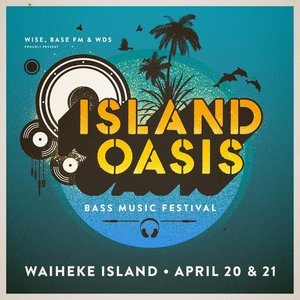
About Island Oasis
Island Oasis is a boutique outdoor music festival set on Waiheke Island, part of Auckland’s Hauraki Gulf. Launched in 2019, this one-day festival brought cutting-edge bass, jungle, drum’n’bass and house music to the island for the first time. Unlike city clubs, Island Oasis takes advantage of Waiheke’s rural charm – it’s hosted in a scenic valley with ocean views of Rangitoto and Matiatia Bay . Ahipao, the island event estate, provides both indoor shelter and open-air “garden oasis” space where up to 1,000 people can gather . The venue blends farmhouse charm with modern design: wooden floors, copper lighting and an industrial bar indoors, opening to grassy lawns and groves outdoors . In this tranquil seaside setting, the festival crowds can dance to heavy bass under the sky. For locals and visitors, Island Oasis is notable as Waiheke’s first large-scale bass music event – earning notice for bringing a vibrant new musical experience to New Zealand’s “best island” . It’s distinguished by its tropical atmosphere, art installations and late-night sets in a natural amphitheatre, making it a unique highlight in Auckland’s summer festival calendar.
Events and Programming
Island Oasis typically runs in the New Zealand summer (often around Easter), offering a full afternoon-into-night program. The inaugural 2019 edition was held April 20, featuring over 24 hours of music across three stages . That festival mixed styles from soul and hip-hop to jungle, dubstep, house and techno. Lineups have included Kiwi and international DJs – for example 2019 featured acts like Unsub, Skelta, Dark 1, Alexis K and Deep Frequency , covering drum & bass, techno and jungle. A media preview enthused that attendees could “be basking in island sunshine” while jamming to jungle, house and techno beats on three stages . Local soundsystem culture is well represented: Island Oasis partners with Base FM (Waiheke’s community radio) and local promoters to showcase regional talents alongside visiting international DJs . In 2023 the festival returned (under the same name) with a bass-heavy lineup. Sets by renowned local artists like Optimus Gryme and Paige Julia (celebrated drum’n’bass and dubstep DJs) slotted into the late-night schedule www.ticketfairy.com . Each act typically plays hour-long sets – for 2023 the schedule ran from early afternoon to after midnight (for example, one schedule listed DJs like EJ and Yoshka starting at 3–4pm, and headliners like Optimus Gryme and Hodgee after 10pm) www.ticketfairy.com . Past lineups also included New Zealand drum’n’bass act Concord Dawn (at previous afterparties) and genre-spanning names like Freq Nasty and Melodownz www.ticketfairy.com . In short, Island Oasis programming is eclectic but leans strongly into energetic dance music (dubstep, ska, UKG, funk, drum’n’bass, jungle, house and techno), often mixing established stars with up-and-coming local DJs.
In addition to music, Island Oasis events feature festival-style amenities. Organisers have highlighted things like onsite catering and bars, free drinking water refill stations, art installations and roaming performers . For example, the 2019 preview noted free water and food vendors on-site, plus a special camping zone for an extra NZ$15 . Likewise, recent editions offer full production: large sound systems, colourful stage lighting and video projections immerse guests in the party. The vibe is communal and relaxed – with most people on their feet dancing or reclining on the grass. Performances can blend genres, so you might hear soul and funk on the afternoon stage, then shift to neurofunk drum’n’bass or jungle as night falls. Overall the programming is designed for a “day-to-night” island escape, bringing a festival atmosphere to this otherwise quiet coastal landscape.
Tickets and Booking
Tickets to Island Oasis typically go on sale online through festival ticketing platforms (such as Humanitix or Ticketfairy) well ahead of the event. In past years, organisers have offered early-bird specials and packages. For example, the initial 2019 festival sold early-bird tickets for about NZ$30 and general admission for NZ$35 . There were also combi-tickets bundled with ferry and shuttle transport, often in the $99 range inclusive of fees and transfers www.ticketfairy.com . By contrast the 2023 event’s press listings show single-day tickets (with no ferry) around NZ$40–$50, and VIP options available. On-island outlets have sometimes sold tickets too – one announcement mentioned The Barn (Waiheke liquor store) and local cafe/gas stations (Doubleshot, Hotshot) offering physical tickets . Always check official Island Oasis social media or Auckland event listings for the current year’s ticket details, as venues and combinations change. VIP or club packages may include perks like upgraded viewing areas or afterparty access. For popular dates (limited weekend or Easter events) it’s smart to book as soon as tickets are released – early-bird deals are usually cheaper and may sell out. Note that some ticket options may include transport (ferry and/or bus) – these often go first and can save money, since Waiheke logistics are a key part of attending the festival.
Box office on the day is uncommon; most sales are online only. If available, door sales (if the event isn’t sold out) are typically more expensive. For final confirmation, look for announcements from the Island Oasis promoter or partner radio station (Base FM). While no single dedicated Island Oasis website exists, Auckland event calendars and festival guides list the event and ticket links. For planning, also check ferry schedules and island accommodation Charlotte options when booking tickets.
Seating and Layout
Island Oasis is an open-air festival with no fixed seating. General admission is typically standing-room (or lawn) only. The ground layout at Ahipao/Waiheke events generally places one main stage for headliners and one or two smaller stages for earlier parts of the day. There are no traditional seats; festivalgoers stand or bring their own fold-up chairs or picnic rugs. VIP ticket holders (if offered) usually get access to a reserved platform or roped-off zone near the stage – in 2019 there was mention of a VIP area and even a raffle entry, though details vary by year. In 2023, “VIP Afterparty” tickets were available, implying a separate space post-midnight. In general, the closer you are to the stage, the louder and more intense the sound. If you want the best audio, standing fairly near front-center is ideal, but it can be crowded. If you prefer a bit more space, the sides or rear of the crowd still hear high-quality PA sound (these festivals use professional line arrays to cover the field). Since Ahipao has both lawn and a Hall interior, some people float between dancing outside and chilling indoors where you can sit and talk. Unique to this venue, there are also some shade and palm-tree spots near the bar (great for watching the sunset with a drink in hand). In short, there’s no bad “seat” at Island Oasis, but crowd stamina may be best if you stake out either a central front spot or a cool vantage on the perimeter fields.
For sightlines, keep in mind stages can be elevated – any children or shorter guests might stand on the grassheds right by the stage to see over the crowd. On uneven ground areas, wear stable shoes (no high heels on grass). Acoustic effects: at open festivals bass can reverberate through your body – bring earplugs if you’re sound-sensitive. Avoid standing directly under front subwoofers for long periods to prevent hearing fatigue. Food and merchandise stalls are usually placed to the side or rear of the main gathering, so those areas tend to have lines and slightly less music volume.
Getting There and Parking
Island Oasis’s location on Waiheke means your journey starts with a ferry. From Auckland city you can catch a Fullers360 passenger ferry from downtown (often near Queens Wharf) to Matiatia Wharf on Waiheke Island (about a 35–40 minute ride) . There are frequent services in summer, and organisers often sell or suggest specific ferry slots (for example, a promotion mentioned a 2pm sailing Saturday, returning Sunday afternoon www.ticketfairy.com ). If you have a car, one can also take Sealink or Fullers car ferries from Half Moon Bay (East Coast Bays) to Kennedy Point on Waiheke – but note Ahipao is nearest Matiatia, so the passenger ferry is more convenient. On Waiheke, most attendees simply walk from Matiatia to Ahipao – it’s only a couple of hundred metres along a level path. In fact, festival descriptions boast that Ahipao is "literally a couple of minutes walk from where your waka will pull up" www.ticketfairy.com (waka being Māori for canoe/ferry boat). This makes drop-off by water taxi or ferry easy. There is no dedicated carpark inside Ahipao’s gates for thousands of cars; the organisers have previously offered limited parking passes (often only a few bucks or free if you carpool with 4+ people ). In practice, most visitors don’t drive onto the island unless they stay for other activities – instead they use public transport and shuttles.
If driving on the mainland, plan ahead for parking near the ferry terminal. Downtown Auckland has paid parking near the wharves or in nearby lots; or you can park in suburbs and ride a bus to downtown. On Waiheke, general street parking around the wharf is limited, especially on event days. Ride-sharing apps (Uber, Ola) and Waiheke taxis (e.g. Waiheke Heli or Waicabs) operate, but taxis are often busy during big events. There is an island bus link, but the festival is best accessed from Matiatia – on event day extra shuttle buses sometimes run straight from Matiatia to the venue (check announcements). Rideshare drop-off could be arranged at Matiatia Wharf or on Wharf Road near Ahipao. Remember to check the last ferry times: typically a late service runs around midnight or shortly after www.ticketfairy.com . For example, one 2023 event attendant was reminded the "last ferry home is 12:30am" www.ticketfairy.com , so planning a return or a campsite reservation is wise. The ferry is the main public transit option; there is no rail or metro to Waiheke.
Inside the Venue
Upon arrival at Island Oasis, expect a quick entry check. Organisers usually have bag searches (no outside alcohol or weapons) and require patrons to show tickets or IDs. If your ticket included wristband admission, make sure it stays on all day. Once inside Ahipao’s grounds, you are in a mixture of grass field and patio spaces. There’s a central bar area for cocktails and beers (Ahipao has a full bar and previously set up a special “AhiPao cocktail bar” for sunset hours www.ticketfairy.com ). Multiple food trucks and pop-up stalls are around – past events mentioned onsite catering like pizza, burgers and snack vendors. Ahipao also partners with local chefs, so catering can be gourmet (their site boasts world-class dining options and even festival‐style pizza trucks ). Vegetarian and vegan options are widely available at most Waiheke festivals, typically including falafel, veggie burgers and fresh fruit stands (though check the latest menu when you arrive).
Sweet water: one free drink perk at Island Oasis is water refills. Hydration stations or dispensers will be set up (the 2019 preview promised “free water” for attendees ). Bring a refillable bottle to get free tap fill-ups. Bars accept credit cards, but it’s advisable to carry some cash as backup (mixed ATMs can be busy). Inside, there are portable toilets (for men, women, and often disabled facilities). Lines can get long at peak times (before the headline set and just after break), so time your breaks between acts. Ahipao’s building likely has some indoor restrooms if needed, but expect them to be more private and cleaner.
Atmosphere: the mood is relaxed and inclusive. People wear summer festival attire – from shorts and tees to boho dresses or even hiking gear. A local touch: many attendees wear kaftans or carry native bush-styled parasols, blending with Waiheke’s beachy vibe. The lighting transitions from daylight to dusk glow lamps and eventually to stage floodlights and lasers at night. Seating is limited: aside from the grassy area, there are a few lounge zones near the deck and bar with stools or benches for cooling off. There’s no dedicated coat check (partly because it’s warm); guests typically arrange belongings in backpacks or fanny packs. Merchandise: DJs often sell CDs or shirts at small tables backstage or at the end of major sets. Security staff are present but friendly – just keep track of your group and meet-up spots. Phone reception on Waiheke can be spotty when crowds are heavy; some attendees recommend arranging a meeting point (like "the big tree by the bar" or similar landmarks) in case you get separated from friends.
Nearby Amenities
While Island Oasis itself is meant to be self-contained, Waiheke has plenty of amenities within travel distance if you plan to arrive early or stay late. At Matiatia (Waiheke’s main ferry terminal) are a few basic cafes and a liquor store (bottle-o) where you can top up on snacks or wine before heading to the festival. If you arrive a day early, Waiheke offers restaurants, bars and pubs ideal for pre-show dining. Oneroa Village (about 10 minutes’ drive or a short local bus ride from Matiatia) is the island’s hub: options include comfort food at Cable Bay Vineyard, Mediterranean fare at Casita Miro, fine dining at Mudbrick or peppy bistro eats at The Oyster Inn. For a quick bite before the ferry, consider Dragonfired Pizza (famous wood-fired pizzas) or Charlie Farley’s cafe. Evening concert-goers might hit Island Bay Beach Bar, or for sunset cocktails head to TeHera Reserve viewing platform.
Accommodations: Waiheke has hotels, boutique B&Bs and holiday rentals – however, many book out around festival dates. Popular spots include Oneroa Inn or waterfront villas. For budget travellers, the Oneroa Motor Camp (motel-style cabins) or Sleeper in Oneroa hostels are options. If Island Oasis spans late, some attendees camp on the fields (only if allowed) or sleep in cars/hippy tents (organisers once sold $15 camping passes ). Alternatively, ferry schedules often have late-night services, so you can cram back to Auckland if needed.
Late-night transport: After the party, remember ferry times. As noted above, the last Fullers ferry usually departs just after midnight www.ticketfairy.com . After that, rideshare might be hard to find and taxis taxi queues form. If you’re stranded, one local trick is to walk up the coast road toward Oneroa and catch the nightly shuttle bus (if running) or a late taxi from the village. In peak summer, extra late buses are sometimes scheduled. Plan your exit strategy in advance: know when the last ferry is, or reserve a room if you don’t want to rush home.
What Makes This Venue Special
Island Oasis at Ahipao stands out on many fronts. First, the location is pure paradise: a sheltered garden with ocean vistas. The festival’s backdrop of green hills and the sea is rare for an Auckland event, giving it a “tropical oasis” feel even though it’s just 35 minutes by ferry from downtown . The combination of organic vineyard-like landscape and modern staging creates a striking contrast. Architecturally, Ahipao’s contemporary-rustic design (barnwood and glass) adds charm; you party under copper lanterns one minute and under the stars the next . Secondly, there’s history and community resonance: Island Oasis has become a sought-after hometown event for Waiheke locals, who often volunteer or DJ, and for Auckland clubbers craving a dose of nature. The festival’s founders tapped into a local tradition of outdoor wine tastings and club nights, melding them into a massive dance party unique to the island. Notable moments include the first sunset mixes over the water (frequently shared on social media) and any surprise guest mixes that spill from one stage to another late at night.
For artists, the venue is special too – performing with the open sky and the sound of waves in the distance is a highlight. DJs often comment on the view and the warm crowd. There’s also a cultural dimension: by hosting heavy bass music on Maui (Waiheke’s Polynesian name), Island Oasis bridges the gap between mainstream electronic scenes (usually city-based) and the island’s laid-back vibe. It’s one of a kind: no other Auckland venue offers this mix of high-octane music with a beachy, bohemian ambience under vine-covered pergolas. For audiences, it’s a legendary escape – a place to dance on grass, watch a lightning-lit sky and feel part of a like-minded community away from concrete arenas.
Visitor Tips and Information
Arrival and Gear: Treat day(s) on Waiheke as an adventure. Arrive early if you want to enjoy the beach or island walks before the show. Bring NZ ID if you plan to drink. Dress for weather: summer days on Waiheke are hot, so wear sunhat and sunscreen, but nights can cool off by the water – a light jacket or long sleeves helps. Comfortable shoes are a must (the ground is dirt, grass and gravel). Since this festival is outdoors, umbrella hats or ponchos might save you if a sudden shower hits. What to pack: A refillable water bottle (water fountains available) , earplugs (for intense bass sets), a small backpack for layers and phone/lighter. Leave valuables at home. Check jacket and blanket if you plan a chill-out break.
Policies: Island Oasis usually enforces a strict prohibited list: no outside glass bottles, no large umbrellas (for safety), and no professional cameras or drones for daytime (some events allow small consumer photography but always ask security). Drink vendors are plentiful, so outside alcohol is typically banned. The site is fenced and controlled, so do not try to sneak in after-hours. Generally, don’t bring illegal substances; the festival runs under nationwide laws and police patrol nearby roads. For minors: Events in recent years have often been restricted to 18+ www.ticketfairy.com , so check the age limit in the event details. If the festival is family-friendly (some early editions were all-ages), small children must stay in safe areas. (Note: Ahipao’s indoor sections are not designed for children’s play.)
Accessibility: Ahipao advertises an accessible interior with ramped entry, but remember this is a grass field event. Wheelchair access on the outdoor lawn is limited by uneven terrain – if mobility is an issue, email the organisers in advance to confirm. Generally, the main bar area and restrooms in the building should accommodate wheelchairs. Hearing-impaired guests often bring good earplugs or earmuffs; the open-air setting can actually be less ear-splitting than a brick-walled club because sound disperses. For quiet needs, island quiet zones by the trees can be sought.
Getting Ready: Check in advance if the festival has any theme (e.g. tropical or rainbow attire). Many Kiwis embrace a “beach rave” costume with leis or neon. As always, keep track of your group – draw a map or pick a statue/palm tree as a meeting point. Cashless: increasingly, DJs stall and bar accept cards via EFTPOS. But smaller vendors might be cash only, so bring some cash for food. Finally, respect the island: Waiheke is a farming and residential area. Stay on event paths, use rubbish bins, and remember the area must be left tidy. The community impact of Island Oasis is positive (tourism and trade for local businesses ), so be courteous towards locals on your way out.
Frequently Asked Questions
What is the capacity of Island Oasis and does it sell out?
Island Oasis events have been capped at around 1,000 people due to venue limits . Tickets can sell out if demand is high, especially at early-bird prices. For safety, organisers may cap or split ticket releases. In practice, it’s wise to book in advance once announed.
How much do Island Oasis tickets cost?
Prices vary by year and package. Past events had earlybird tickets around NZ$30–$35, and general admission at about NZ$35 . Some tickets include ferry or shuttle. VIP and afterparty options cost extra (e.g. NZ$40–$65). Check the current announcement for exact pricing and any service fees.
Where can I buy tickets for Island Oasis?
Tickets are usually sold online via official ticketing sites (the 2019 event used Ticket Fairy and Humanitix). Look on festival listings or Island Oasis social pages for links. In past years, local outlets on Waiheke (The Barn liquor store, Doubleshot Cafe, etc.) also sold tickets in person . There is typically no box office at the festival itself, so don’t count on buying at the gate unless organisers announce it.
What is the seating or viewing setup?
Island Oasis is a general admission, standing/dancing event in a park-like setting. There are no fixed seats. You can stand close to the stage or find a spot on the grassy lawn. Ahipao also has an indoor bar area with some seating. VIP ticket holders (if offered) usually get a dedicated viewing section or lounge. Bring foldable chairs or cushions if you want to sit on the lawn during quieter acts.
Is Island Oasis suitable for children?
Recent events have been 18+ (due to alcohol service and late hours) www.ticketfairy.com . If a family-friendly day version is held, organisers will say so clearly. As it stands, plan on it being an adults’ event. Also, the outdoor terrain is uneven, which may be challenging for strollers or children. Check the current event details for any age policies before bringing kids.
What are the entry and bag policies?
Expect security at the gate. Common restrictions include no outside glass, no large umbrellas, and no professional cameras or drones. Small handheld cameras and phones are fine for personal snapshots. Most festivals allow empty refillable water bottles – indeed, free water stations are provided . You’ll go through a quick bag check (“search on entry”). Pack light because you’ll be on your feet all day. Prosthetic earpieces and medical equipment are allowed as needed.
What time do doors open and how long do events last?
Event times vary, but Island Oasis typically starts in the mid-afternoon. For instance, a 2019 edition opened at 4pm . Headlining music then runs into late evening or past midnight, depending on the schedule. The exact door time and end time will be on your ticket or the event page. It’s best to arrive near opening if you want to catch all the acts, since crowd will be lighter at the start.
How do I get to Island Oasis without a car?
The venue is built around Waiheke’s main ferry landing. From Auckland CBD, catch the Fullers360 ferry to Matiatia Wharf (35–40 min) . The festival site is just a short walk (a few minutes) from that wharf www.ticketfairy.com . Water taxis also run from downtown to Waiheke. On Waiheke, you may walk or find local buses/taxis from the ferry. There’s generally no need for a car on the island for this event – in fact, parking is limited. Check for special festival shuttle buses as well.
Where can I park my car if I drive?
If you drive to Auckland, park near the ferry terminal (there are paid lots downtown or suburban parking). On Waiheke, because Ahipao is close to the main wharf, most guests avoid parking there. The festival has sometimes sold a few parking passes or offered discounted car ferry bundles . Without a pass, your best bet is to park around Matiatia Wharf (the island’s main terminal) or Seven Eleven/Oneroa Taxi stands, then walk. Do NOT park in resident-only spots. Alternatively, take the car on the Sealink ferry and park at Kennedy Point, but then you’d need a taxi to Ahipao – generally not worth the hassle.
What food and drink is available inside?
There will be a bar serving beers, wines (mostly local vineyards), cocktails and soft drinks. Expect a good variety of food stalls – in past events pizza trucks (like Dragonfired pizza), burgers, chips/fries, coffee stands, and vegetarian or gluten-free offerings. Waiheke chefs often collaborate to provide quality festival food. Free water stations are guaranteed, so bring a refillable bottle (marked on site). No outside alcohol is allowed, so if you have a picnic in mind, drink it before entry.
Is Island Oasis wheelchair accessible?
Ahipao’s indoor areas (dining hall, bar) are wheelchair accessible. However, the outdoor dance fields are natural terrain (grass, dirt) which may be difficult for wheelchairs or strollers. There may be a ramp to the main stage viewing area. If you need special assistance, email the organisers ahead to confirm accessible entry routes. Some attendees recommend arriving early to avoid crowds that could clog pathways.
Can I bring my own drinks or coolers?
No – like most festivals, Island Oasis prohibits outside alcohol and glass containers. Security will ask you to dispose of any booze at the gate. Absolutely no coolers or packs of beer allowed. Only sealed water bottles (up to 500ml) or empty bottles for refills are permitted. Remember: there are plenty of drinks to buy inside at reasonable festival prices.
Do I need cash inside the festival?
Most vendors (food stalls and bars) will accept credit/debit cards, especially since 2020. However, it’s smart to bring some NZ$ cash just in case (for tips, ATM lines, or small vendors). There’s no ATM on site, so rely mostly on cards but carry at least $20–$50 cash if you’re cautious. Phones and devices should have enough battery for e-pay, or bring a backup battery pack if needed.
Is re-entry allowed if I leave the venue?
Typically, no. Once you exit Island Oasis, you’ll have to pay again to re-enter. There’s no wristband re-scan after the first check. Since it’s an island venue and tickets are limited, organisers rarely allow free re-entry. Plan to stay until the end or take a break inside (you can walk around the grounds freely). If you absolutely must leave mid-event, factor in the cost and hassle of buying another ticket.
What clothing and items should I bring/not bring?
Dress casually and comfortably. Hats and sunglasses are good. Since it’s outdoors, bring sunscreen and possibly a change of clothes (if you’ll swim or dance shirtless). Closed-toe shoes are recommended for dancing safely. Don’t wear stiletto heels (they sink into grass). Umbrellas and picnic blankets are fine. Items to avoid: weapons, illegal drugs (Kiwis do occasional dispensary checks), large bottles, glass, fireworks or any gear that could harm others. A small bag or hydration pack can hold phone, wallet, a light jacket, and snacks. For cameras: a smartphone or small point-&-shoot is OK, but if you have a heavy DSLR, be ready to put it away if staff says no pro cameras.
What time is last call or closing?
Island Oasis usually runs until the final act finishes or regulation curfew kicks in. Bars typically close around 11pm–midnight by law, but the music can continue later. For example, the 2023 event’s schedule had music until 12:30am www.ticketfairy.com . After final sets, the venue clears out gradually. Keep an eye on announcements (often the MC or DJ will count down the last song around closing time, or a clock will show end time).
Will the festival run if it rains?
Almost certainly yes – outdoor events in NZ rarely cancel for light rain. Bring a waterproof layer or poncho just in case (it can still be warm). If there is severe weather (e.g. a storm warning), organisers will post updates on social media or at entry. The indoor bar area at Ahipao provides refuge if showers start. Note that rain will make grass muddy, so appropriate footwear is wise. In wet conditions, festival staff may temporarily pause outdoor performances for safety, but usually the show goes on.
Are animals or pets allowed?
No. Island Oasis is a loud, crowded event and is not pet-friendly. Service animals only (and even those can be stressed). The grounds are fenced and farmed, and animals could be harmed by the crowds or water stations. Please leave pets at home or in appropriate boarding facilities.