About REC
Rec (short for “Recreation Records”) was a hybrid venue and flagship music spot in downtown Auckland’s Britomart precinct . Housed in a restored 19th -century heritage building at 38 Customs Street East (the historic Nathan Building), it combined an independent record shop, café/bar and live performance space . By day visitors could browse vinyl and new releases while enjoying coffee, burgers and toasted sandwiches (served with chips and pickles) . By night Rec turned into a lively concert club – “a thumping concert venue” – hosting DJs and bands several nights a week . It quickly earned a reputation as a friendly, music-centric hangout and was featured as a top nightlife spot in city guides . Note that Rec closed permanently in 2021 as the building was refurbished .
Events and Programming
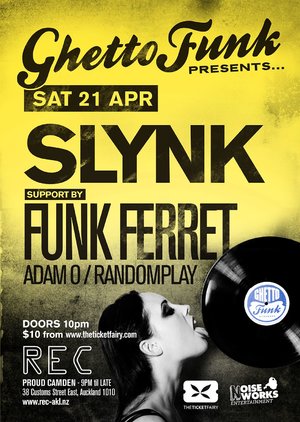
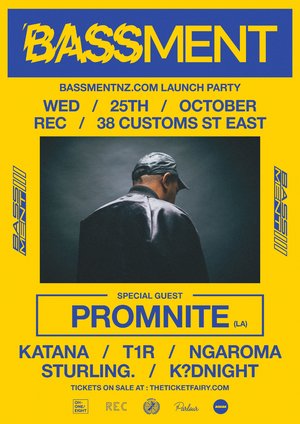
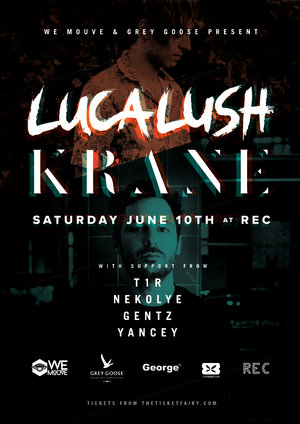
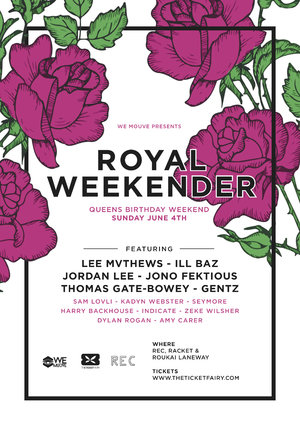
Rec programmed a mix of niche and mainstream music nights. Local bands and DJs shared the stage with international acts, focusing on indie, electronic, funk and drum’n’bass sounds. For example, drum’n’bass icon DJ Marky performed a three-hour set at Rec in March 2018 www.ticketfairy.com . The venue typically hosted shows about three nights per week, plus special club nights . Lineups ranged from live rock or funk bands to late-night DJ parties curated by promoters like Ghetto Funk and AudioBoom. Events were advertised through Facebook and ticketing sites; shows were usually all-ages (no strict 18+ entry) www.ticketfairy.com . In its active years (roughly 2017–2020) Rec became known for eclectic programming, but no new events have been held there since it closed.
Tickets and Booking
Tickets for Rec events were typically available online through event pages or boutique ticketing companies, or at the door if not sold out. The venue itself did not have a 24-hour box office – it relied on event promoters and online sales. For popular concerts (special DJs or touring bands) tickets often went on sale weeks in advance, while smaller local gigs sometimes offered walk-up entry. Prices varied with the artist and night: club jam sessions and local shows often cost only a modest $10–$20, while major touring acts or dance parties ranged $30–50 or more. Exclusive “early bird” or member prices were occasionally offered on social media. Fans were advised to follow Rec’s socials for presale notices and to arrive early for door sales. (These practices were typical of Auckland’s smaller venues.)
Seating and Layout
Rec was essentially a general-admission club – there were no fixed orchestra seats or assigned places. The space opened onto an open dance floor in front of a raised stage; a few tall tables and bar stools lined the sides or rear. For the best view, patrons often gathered near the stage at front. The café/record-store area sat to one side during the day, but at night the music area dominated. Acoustics were intimate (very “closer to the band” sound), and lighting was typical of club shows (colored stage lights, occasional disco effects). In short: it was mostly standing-room. If seated relaxation was needed, the high-top tables around the edge were relatively quieter spots. Avoid standing too far back near the bar if you want full sound – the crowd naturally compresses forward for shows.
Getting There and Parking
Rec’s location in Britomart made it very central. The address was 38 Customs Street East, Auckland CBD , just a block from the waterfront. The venue was a short walk (5 mins) from Britomart Train Station (Downtown Rail Link), which connects the City Rail Link (to Newmarket/Onehunga) and suburban lines. Many city bus routes stop along nearby Queen Street and Hobson Street. The downtown ferry terminal at Queens Wharf is a 10-minute walk, and ferries run from Waiheke, Devonport, etc. For drivers, the **Downtown Carpark** (Union/Fort St) was the closest lot – around $2.50 per hour ($15.50 max on nights/weekends) . Street parking in the CBD is limited and metered. Rideshare or taxi drop-offs/pickups typically used Customs or nearby Fort/Hobson Streets. Pedestrians from Queen St can cut through Commerce or Vulcan Lane over to Customs. Because of city traffic and narrow event queues, allow extra time on weekend nights.
Inside the Venue
Inside, Rec had a cozy, retro-industrial vibe. The refurbished brick interior featured record racks, posters and a modest stage at one end. Entry involved a check at the door (ID required for alcohol sales; note that many shows were advertised “all ages” www.ticketfairy.com , so under-18s could attend but could not drink). Staff typically hung coats or small bags near the entrance (a formal coat check was not prominent). During the day the front area doubled as a café/record shop: espresso machine hissing, couches or crate seats for browsing vinyl. At night most tables were cleared for standing room. The bar served both alcoholic and non-alcoholic drinks in glassware; by afternoon it offered coffee and light café fare, and by evening cocktails, beer and wine. Food service covered a full menu (see Nearby Amenities FAQ). Restrooms were in the back (standard men’s/women’s). Free Wi-Fi was sometimes available (as is common in Britomart cafés), though cell reception in the brick basement was usually fine. Live shows had a simple sound system (noisy, dance-floor filling) and basic colored stage lighting. Photography with phones was allowed for personal use, but large cameras or recording gear were likely turned away unless pre-approved by promoters.
Nearby Amenities
Britomart is a dining and nightlife hub. Pre-show dining or drinks options abound just steps from Rec. Nearby choices included casual spots like BurgerFuel or Mexicali (gourmet burgers/tacos) and cafés such as Rough or Kokako for coffee. Fancier sit-down restaurants (Mr. T, Oyster & Chop, etc.) line the precinct too. Right next door on Customs/Galway you’ll find a few bars – for example Cassette Nine (street above on Vulcan Lane) and World Bar & Bistro (famous cocktail bar in beefier space). The adjacent Takutai Square and Commercial Bay complex also offer multiple eateries. As for lodging, The Hotel Britomart (boutique) is on Galway St, and hotels like SkyCity Grand or Cordis are a 10-min walk. Visitors often arrive 30–45 min early to grab a meal or drink nearby. After-hours, note that buses in central Auckland thin out after midnight; plan taxi/rideshare for late departures. The Britomart precinct is generally lively but watch for late-night construction or wet pavements, and use marked pedestrian crossings in the dark.
What Makes This Venue Special
Rec’s charm lay in its “triple threat” concept and nostalgic feel. Few Auckland venues doubled as a record store by day and club by night . This celebrated viewer-curated expeience – customers could discover new vinyl, chat about music over coffee, buy a burger and then stick around for a live show. Its location in the heritage-listed Nathan Building added character – high ceilings, exposed brick and vintage decor gave it authenticity. Artists and punters praised the sense of community: the same people might browse albums in the afternoon and then dance to them on stage in the evening. Rec helped bridge Britomart’s retail district with the city’s live-music culture. The menu (burgers, sandwiches and craft beers) was unusually robust for a small club , making it feel more like a music café than a dark bar. In short, Rec was beloved for its warm “come as you are” atmosphere, its support of Kiwi music, and the rare vibe of sipping a milkshake in the morning and seeing a DJ spin at 10pm – all under one roof.
Visitor Tips and Information
Accessibility: As a refurbished heritage building, Rec had mostly level floors inside, but may have had a short step at the door. It likely did not have elevators, so wheelchair users should check entry conditions in advance. Britomart as a precinct is progressively wheelchair-friendly (wide footpaths and lifts at train/ferry stations); for specifics, contacting venue staff was recommended (when Rec was open). Age Policies: Most Rec shows were “all ages” www.ticketfairy.com , but sold alcohol only to 18+. Young teens could attend concerts with parents, but no alcohol served to minors. What to Bring: Carry a photo ID (for bar purchases), cash or card for drinks and merchandise, and a small jacket (Auckland nights can get chilly). Camera phones were fine; large professional cameras or recording devices were not allowed without permission. Feel free to bring headphones - clubs can be loud. Arrival: Doors usually opened 15–30 minutes before showtime. For popular acts, get there early or grab advance tickets. Bags and Security: Expect a quick bag check. No formal coat-check, but staff usually helped stow small bags. Behavior: Rec had a relaxed dress code (casual attire and sneakers were common). Friendly staff and audience meant a laid-back vibe; just be respectful, queue patiently for bar orders, and enjoy the music. Avoid blocking the door or stage during shows, and remember Metro-level laws (no vaping or smoking indoors).
Frequently Asked Questions
What kind of venue was REC?
REC was a combined record store, café/bar and live music club in Auckland’s Britomart district . By day it sold vinyl records and food (coffee, burgers, sandwiches ), and by night it hosted concerts and DJ events in its performance space .
How did I get tickets for shows at REC?
There was no separate ticket booth at REC. Attendees typically bought tickets online as soon as events were announced (via social media or event pages). For smaller gigs, tickets could sometimes be purchased at the door if the event wasn’t sold out. In practice, fans monitored REC’s announcements well in advance and often booked early online to guarantee entry.
What were ticket prices like at REC?
Ticket prices at REC varied with the performer. Local jazz/rock band nights were inexpensive (often under $15), while bigger touring acts or international DJs could run $30–60. Club nights and DJ sessions typically charged in the $10–25 range. Many events offered early-bird or special rates. In short, the range was roughly $10 for casual club dates up toward $40+ for headline concerts.
Where exactly was REC located?
REC was in the heart of Auckland’s Britomart area. The full address was 38 Customs Street East, Auckland City (postcode 1010) . That is on the corner of Customs and Galway streets, just off Queens Wharf. It’s adjacent to shopping and some office buildings, beside the Britomart Transport Centre. Visitors could easily walk there from Queen Street or from the ferry and train stations in Britomart.
Is there parking available near REC?
There was no dedicated REC parking lot. However, a public carpark (Downtown Carpark at Union Street/Fort Street) was a short walk away – roughly $2.50 per hour with a $15.50 maximum in the evenings . Street parking in downtown Auckland is scarce and time-limited. Your best bet was the downtown lot or nearby Wilson/parklot garages. Nightlife areas also allow rideshare drop-offs (Uber, taxi) near Customs and Fort Streets.
What public transport serves REC?
REC was very transit-accessible. Britomart Train Station (the central rail hub) is a 5-minute walk via Galway or Commerce Streets. Many city buses on routes along Queen, Symonds and Hobson Streets stop within a few blocks. Ferries to and from Waiheke, Devonport and other wharves dock at Queens Wharf, also only a brief walk. In short, a visitor could use train, bus or ferry and reach REC on foot in 5–10 minutes once in Britomart.
Does REC have reserved seating or general admission?
All shows at REC were general admission (standing room and a few high-top tables) . There were no major reserved seats. Attendees queued for entry and then chose their spot on the floor. If you preferred sitting or a table, some seating was available at the back/cafe area, but the best views were on the dance floor near the stage. For sold-out shows, arriving early was key to getting a good spot.
Is REC an all-ages venue?
Yes, most events at REC were billed as “All Ages” www.ticketfairy.com , meaning youths could attend with guardian supervision. As a café by day it was family-friendly, and even nighttime concerts did not require patrons to be 18+ (though an ID was needed to buy alcohol). However, some late-night dance parties at similar clubs occasionally impose an 18+ age limit – for REC, always check the event details. During REC’s run, its policy tended toward inclusivity of younger music fans.
What was the dress code at REC?
There was no strict dress code at REC. The atmosphere was very casual and laid-back – patrons typically wore jeans, T-shirts or simple nightwear. Club-goers might wear a bit more polished attire if DJing or at concert premieres, but overall most people dressed like they would for any Auckland bar or café. High heels and fancy outfits were unnecessary; comfortable clothing was the norm at REC.
Can I bring my own food or drink into REC?
No outside food or alcohol was allowed inside REC. The venue had a full kitchen and bar running, and they required that patrons purchase onsite food/drinks. They even had a reputation for good burgers and sandwiches . Bringing your own snacks or beer would violate their policy. Non-alcoholic drinks and water were fine, and free water was usually available at the bar.
Did REC have a merchandise or record store?
Absolutely – the venue itself was half retail store. During daytime hours (and after shows), REC’s “Recreation Records” shop was open. You could browse and buy new and secondhand vinyl, band T-shirts, posters and music gear . In other words, merchandise wasn’t just concert T-shirts – they stocked a curated collection of local Kiwi music on vinyl along with international imports. In brief: REC was a record store, so merchandise and records were front-and-center.
Was REC wheelchair accessible?
Being in a heritage building, REC had some limitations. There was usually one small step into the entrance from the sidewalk. Inside, the café/floor area was flat with space for a wheelchair to sit. There was no elevator, so if the stage or upper areas were raised or split-level, they wouldn’t be accessible. In practice, patrons with mobility needs would have found the main main-floor areas reachable, but should check event specifics. For any special assistance, contacting the venue (while it was open) or an event organizer ahead of time was recommended.
Are children allowed at REC?
Yes – many families brought teens to afternoon record-shopping sessions and even early evening shows. REC was generally child-friendly (especially at plus, no tobacco/ vaping indoors). Children could visit during café hours or concerts (since events were mostly all-ages www.ticketfairy.com ), but parents needed to supervise them at all times. Drinks were 18+ anyway, so kids usually stayed at tables or with parents during any performance.
What happened to REC – is it still open?
REC is no longer open . It closed permanently around 2021 during a precinct refurbishment . The heritage building that housed it (the Australis/Nathan complex) is being converted into offices and retail space. So the record shop and music venue are gone. Fans of the concept must now visit other Auckland live-music bars; REC itself is part of local history.
Why was it called REC?
“REC” was an abbreviation. It stood for “Recreation” or “Recreation Records,” reflecting its dual role as a place to “re-create” oneself with music and as a record store brands . The name hinted at putting music on “record” and the idea that the venue was an entertainment/recreation spot for music fans. The branding (often stylized as “REC • Records”) played on this theme of record collecting drive.
What was the capacity of REC?
REC was relatively small by concert standards – an intimate club space. It could hold roughly a couple of hundred people (perhaps 150–250 standing). The exact number varied by layout, but it was certainly under 300. This small size contributed to its close-up atmosphere (no bad seats). For sold-out shows, the limited capacity meant quick sell-outs and a packed crowd on the floor.
All information compiled from venue listings and local sources (see citations).