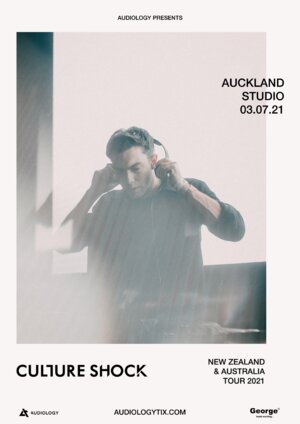
About Studio
Studio the Venue is a storied live music nightclub and event space located at 340 Karangahape Road in central Auckland. Housed in a restored Art Deco–style building (originally opened in 1914 and reborn as the Vogue Theatre in 1939), it blends vintage charm with high-tech club production . Holding roughly 1,000 people at full capacity (with flexible layouts accommodating as few as 300–400) www.ticketfairy.com , Studio stands out as one of the largest and most distinctive venues on K� Road. All events are 18+ (R18) and the venue has been influential enough to earn industry accolades (for example, NZ’s Best Large Venue in 2016). With its iconic balcony levels, high stage, and classic décor, Studio is not just a concert hall but a piece of Auckland’s cultural history – a place where generations of Kiwis have gathered for music, dancing and nightlife . Its long heritage (known over the years as Para Rubber, Don’t Tell Mama’s, The Staircase and The Case before becoming Studio in 2008 ) gives it a unique atmosphere. Locals love it for energetic live shows and club nights that make the venue feel like the heart of Auckland’s entertainment scene.
Events and Programming
Studio’s calendar is packed year-round – you’ll usually find something going on every week. This includes touring international headliners, local bands and solo acts, plus DJ-driven dance parties and themed club nights www.ticketfairy.com . The venue is known for an eclectic mix: past shows have featured 1980s synth-pop legends like Gary Numan, British punk icons Buzzcocks, indie rockers Big Country and Lemonheads, and even classic hip-hop acts such as Naughty by Nature www.ticketfairy.com . At the same time, Studio champions Kiwi talent – from hip-hop crews (e.g. SWIDT) to reggae and drum-&-bass outfits – making it a hotspot for local music fans www.ticketfairy.com . In addition to one-off concerts, Studio hosts recurring club nights and branded events. Frequent visitors might catch the New Zealand tour of Ministry of Sound, London Hard House alumni nights, or student and school-break parties with DJs and light shows. On a busy month you might see a rock band one night, a 90s throwback dance party the next, then an all-ages electronic club night (for 18+, of course) later in the week. Ticket prices vary by event: smaller local gigs or indie shows often cost around NZD $20–$40, whereas international headliners and special festivals can run from $50 up to $100 or more www.ticketfairy.com . Many events offer discount presales or tiered VIP packages, so it pays to buy early. Given the venue’s popularity, big shows tend to sell out, so fans keep a close eye on announcements and snag tickets as soon as they’re on sale www.ticketfairy.com www.ticketfairy.com .
Tickets and Booking
Tickets for Studio events are sold nearly always online. There’s no permanent box office window at Studio, so you’ll purchase tickets through the event promoter or the venue’s own outlets. Check official event listings, the Studio web site or promoters for on-sale dates. Studio often uses platforms like Flicket or Moshtix, and sometimes its in-house ticket portal (“Studio the Ticket”) for sales www.ticketfairy.com . When a show is announced, tickets usually go quickly, so it’s best to buy as early as possible. You may find early-bird or presale pricing deals, which are a bargain compared to last-minute tickets. If a concert isn’t sold out, limited door sales may be available on the night – these are cashless only (split bands prefer card or phone tap) and strictly first-come, first-served www.ticketfairy.com . On event day, have your e-ticket ready on your phone (or a printed copy if you must), and arrive early enough to avoid the last-minute rush. Remember Studio’s R18 rule: staff will check photo ID (NZ driver’s licence, passport or 18+ card) for every ticket holder www.ticketfairy.com . In short, plan ahead: watch official channels for ticket links, buy through approved sellers, and bring both your ticket and ID to the venue. This ensures a smooth entry without the need to rush or queue too long at the door www.ticketfairy.com .
Seating and Layout
Studio is essentially a converted theater-turned-nightclub, so it feels mostly like one big standing-room dance hall. The main floor (ground level) is a large open area in front of the stage – during shows it becomes the dance floor or mosh pit. The stage is raised and wide, giving good visibility even for people at the back of the crowd www.ticketfairy.com . Surrounding that floor are two balcony levels: a lower mezzanine and an upper gallery that wrap around the room. Each balcony level has its own bar and a few bench-style seating areas along the walls, but these are usually used for leaning or relaxing, not fixed audience seating www.ticketfairy.com . Generally, events are unseated General Admission, so you stand or move as you please. If you want a prime spot near the performers, head to the front of the ground floor early. This area fills up quickly at sold-out shows and can be quite crowded and energetic www.ticketfairy.com – great for dancing, but not so quiet. If you prefer a more spacious vantage, go upstairs. The balconies are slightly elevated, offering a bird’s-eye view of both stage and crowd www.ticketfairy.com . Sightlines upstairs are very good (thanks to the venue’s original theater design, you won’t get blocked by pillars) www.ticketfairy.com , so you can watch the performance and the floor rippling below at the same time. On the balconies some people stand along the railing or sit on stools by the bar for a breather. Keep in mind Studio rarely sets up rows of chairs – unless it’s a special seated event, show-goers should be prepared to stand throughout. If you need a seat, the safest bet is to arrive early and politely ask staff if any small chairs can be put aside or use the lounge stools by the bar.
Technically, Studio is well-equipped for great audio-visual shows. Regular attendees praise the “impressive sound system” and bass-heavy output www.ticketfairy.com . The acoustics of the rectangular hall, with high ceilings and wooden surfaces, mean the music feels full and powerful everywhere. The lighting rig is similarly elaborate – expect bright spotlights, colored gels, strobes and laser effects depending on the night, plus haze machines on many dance nights. This adds to the club atmosphere but can be intense: if you are sensitive to strobe or laser lights, be aware that Studio’s production is designed to be immersive. In summary, Studio’s layout prioritizes a live-show vibe over seating comfort – think packed dance floor or a lively balcony bar scene, rather than theater-style rows. For the best experience, come ready to stand and move with the crowd; the venue’s multi-level design ensures even those at the back or up high feel just as part of the action as anyone at the front.
Getting There and Parking
Studio is in the Auckland CBD at 340 Karangahape Road (commonly called “K� Road”), just west of the Victoria Park precinct. If driving, be aware that on-street parking on K� Road itself is metered (usually time-limited during the day) . After hours (often after 6pm) parking may be less restricted, but always check signs. There are a few pay-and-display car parks nearby: for example, the multi-storey car park on Lorne Street (a couple of blocks south on Queen St) or covered lots along Wellesley Street. These can be mid-priced but useful on busy nights. Otherwise many fans simply drop off and pick up using taxis or ride-shares (Uber, etc.) – Studio’s entrance is easy for a car to pull up to, and many cab ranks are close by on Queen Street. Bike racks and scooter parking are available along K� Road if you cycle.
Public transport is very convenient. Multiple Auckland bus routes run through or past Karangahape Road. The nearest major stop is Karangahape Road/Queen Street, serviced by frequent buses along Queen St and cross-town lines (e.g. routes 105, 55, 78 and InnerLink services). From central train stations, you can walk (Britomart to K� Road is about a 10–15 minute stroll up Queen St) or catch a connecting bus on Queen St or Hobson St. Alternatively, there’s a nearby train station at Mount Eden (on the Western Line) – from there it's a 10-minute walk or a short bus ride north to reach K� Road. Evening and weekend NiteBus services run on key routes through downtown to suburbs, which can get you home after a late show. In practice, many people take a City Link or InnerLink bus from Queen St and hop off at Karangahape Road, or simply walk uphill for a few minutes if they’re already near the city center.
Walking directions: Studio is on the north side of K� Road, between Mercury Lane and Shoreland Drive. If coming from Queen Street, head west on Wellesley Street then continue as the road becomes Karangahape Road. From Britomart you’d walk up Queen St, then onto Mercury Lane, turning right onto K� Road. Because K� Road is a popular nightlife strip, it’s pedestrian-friendly and well-lit at night. Taxis will drop you at the corner of Karangahape and Wellesley or right outside Studio’s door. As with any inner-city venue, give yourself extra time if traveling around rush hour or during major events.
Inside the Venue
Stepping into Studio, expect a nightclub atmosphere layered over an old theatre shell. After ticket scanning and an ID check in the foyer (staff verify every guest’s age for R18 events www.ticketfairy.com ), you enter a large dim-lit room. The main floor is a flat expanse around the stage; to your sides and rear are stairways up to balconies. The interior carries touches of its heritage – for example, you might spot vintage murals or decorative trims on the balcony fronts – but it’s primarily a party space now, with dark walls, neon lights and trusses above the stage holding speakers and beams. The crowd is often male/female mixed and dressed for clubs (think dressed-up casual). As a visitor, dress comfortably but remember the venue’s policy: no bare feet or “rubber sandals” (flip-flops) . Shorts, jeans, sneakers or boots are all common.
Beverages: There are full-service bars on the ground floor and each balcony level. Bar menus cover standard nightclub fare: draft beers, bottled cocktails, wine and spirits. Prices are moderate (NZ$8–12 for a beer or basic cocktail, higher for premium drinks). All bars are cashless – only cards or mobile pay. No alcohol or outside food is allowed through the door; if you’re hungry, eat in the neighborhood beforehand or during intermissions (factoring that kiosks may be sparse inside). The venue does not cook meals, but snacks like chips are usually on offer. Drinking fountains or free water taps might not be available (like most clubs), so it’s wise to hydrate beforehand.
Amenities: Restrooms are on each level – the wheelchair-accessible toilets are on the main floor (as noted in Studio’s accessibility information ). Coat and bag check is provided (often complimentary or a small fee) – this is handy during peak winter or if you’re carrying a jacket. Lost property is handled via the venue’s office days later. Merchandise tables (band/artist T-shirts or CDs) typically set up in the foyer or along the side during concerts – you’ll see sellers near the stage or downstairs entrance.
Atmosphere: During a show the venue is often packed and loud. The stage lights strobe and sweep across the audience in blues and greens (for electro nights) or red spotlights (for rock gigs). Fog and lasers are common, so if you’re sensitive to flashing lights or smoke, maybe stand back on a balcony. The sound system fills the space intensely; common wisdom from locals is “it thumps really well here,” so if you plan to chat it up, know it’s a headphones-on dance floor.
Technology: Studio is well-equipped for complex shows. Expect a professional setup: large PA speakers flanking the stage, subwoofers for bass, a sophisticated lighting rig and a sizeable stage. Event organizers can access comprehensive tech specs (sound consoles, lighting channels, stage dimensions, etc.) via the venue’s production staff if needed. This means it supports everything from full rock concert production (drum risers, instrument rigs, live vocals) to DJ setups with turntables or control decks.
To sum up, inside Studio you’ll find: lively crowds, pounding music and full drinks service – in a nostalgic setting. It’s not a place to expect lounge chairs or restaurant service; instead, it’s meant for standing, dancing and socializing. Key spots: the back of the ground floor or the balconies are friendly for a semi-quiet drink; front-of-stage is prime if you want to get up close to the performance. Finally, security at exits, friendly staff behind the bar, and “safer spaces” badges on door supervisors are part of the experience, ensuring everyone can enjoy the night responsibly.
Nearby Amenities
Karangahape Road is one of Auckland’s livelier streets, so you’ll find plenty to do before or after a show. For dining, options include casual cafes, sandwich bars and ethnic eateries along the length of K� Road. A few nearby spots: on the western end look for sushi and Thai restaurants, while closer to the city end there are pizza places, burger joints and 24-hour kebab shops. Most restaurants on K� Road wind down by 9–10pm, so plan an early dinner for big concerts. If you arrive hungry late, the Queen Street area (a short walk east) has ample choices in Food Courts or Chinatown.
For pre-show bars and pubs: the neighborhood has a mix of laid-back lounges and sports bars. The Kingslander (corner of Huntly St) is known for craft beer and burgers, The Crown (corner of Wellesley) is a friendly pub with sports on TV, and David Lange Park has a gazebo where some street musicians might play while you grab a drink. There’s also a small collection of nightlife venues around, like Mercury Lounge and San Fran (both on Mercury Lane), where you can continue the party after Studio shuts. Late-night cafes or donut shops on Queen Street often stay open for remaining patrons.
Hotels: Several downtown hotels are within a 5–10 minute walk. The City Centre Wellington (hotels on Queen St and College Hill) or the Museum Art Hotel on Sturdee St are near Karangahape Road’s top end. On the other end, Mandarin Oriental (near The Strand) and Ibis Terminal (if you want Auckland Airport-style access) are a little farther but connected by frequent buses. For something more “local,” budget travellers sometimes use hostel inns or new boutique “pod” hotels on Queen Street, all quite walkable. Many visitors also stay in Ponsonby or Grey Lynn and take a quick taxi up K� Road for evening events.
Arrival advice: On busy nights, traffic on Queen Street can bottle up about 15 minutes before an event. Aim to arrive at least 30 minutes early if you want to avoid the crowds. After the show, late-night transport options include Auckland’s NiteBus network (N conduction routes from Britomart via Queen Street north/south) or any rideshare services driving home along K� Road. If you’re staying in the CBD, a 10-15 minute walk to the highway is an easy way to keep moving. Overall, having open, well-lit sidewalks and city surroundings makes K� Road a safe area to walk around even after midnight, as long as you stay in groups.
What Makes This Venue Special
Studio’s magic comes from its blend of old and new. Architecturally it’s one of Auckland’s few surviving art-deco theaters, and much of that character remains. The high proscenium arch over the stage, the wood-paneled balconies and ornate railing trim give the place a timeless feel www.ticketfairy.com . Fans often mention a nostalgic vibe – you might feel like you’re at a movie palace stepping back in time, even as modern lasers shimmer overhead. This contrast (history meets cutting-edge nightclub tech) is unique.
Culturally, Studio has been a keystone of K� Road’s entertainment for over 15 years . It has hosted countless milestones: anniversaries of local bands, after-parties for music festivals (like Big Day Out years or NZ Music Month events), and niche community nights (some reports noted its history as a gay club under names like The Staircase and The Case ). This legacy means the venue is woven into many Aucklanders’ memories. Even today, it supports emerging New Zealand talent by putting them on the same stage where international stars have played.
For performers, Studio is beloved because of the crowd’s energy. Longtime patrons say the place “pumps” – concerts here often feel like big house-parties with passionate audiences squeezing every drop of excitement. One guide specifically called it where “Auckland’s live music culture thrives” www.ticketfairy.com . For example, club promoters value the multiple balconies (great for VIP or lounge guests) and the reliable club-standard sound system – these let them throw anything from drum-&-bass raves to retro dance nights with confidence.
Beyond the building itself, Studio’s community impact is significant. It consistently ranks highly on local venue lists and even tourism sites highlight it as a must-see for nightlife . Its location on K� Road means it also helps sustain the K� Road precinct’s eclectic vibe – people come for a show and end up supporting nearby cafes, bars and shops. Economically, it attracts visitors into this part of Auckland, which might otherwise see fewer after-dark crowds than Queen Street.
In short, what makes Studio special is its personality. It retains the grandeur of its Vaudeville-era origins while embracing the raw energy of a modern nightclub. Famous NZ bands and overseas DJs alike enjoy playing here for its old-school ambience combined with new-school tech. Audiences love it because it feels both iconic and intimate – a historic shell where “good times” live on night after night. This blend of heritage and hype is what keeps Studio the Venue at the top of many locals’ lists for a night out.
Visitor Tips and Information
Accessibility: The main entrance (at ground level) is wheelchair-accessible . Inside, the ground floor is flat with views of the stage, two bars, and restrooms. However, the balconies are only reachable by stairs, so patrons with mobility needs should request ground-floor access in advance if needed. Studio has at least one accessible toilet on the ground floor.
Age and ID: Studio is strictly 18+ for all events. Bring a valid photo ID (NZ driver’s licence, passport or OneCard 18+ card) or you will be turned away www.ticketfairy.com . Expired IDs are not accepted. Even if an event looks family-friendly, no minors are admitted (no exceptions, even with adults).
Entry and Queues: Doors typically open about an hour before showtime, but check your ticket for exact times. Lines can form early, especially for big names. A tactic is to arrive 30–45 minutes early to settle in the queue. Have your ticket (on phone or printed) ready to speed entry. Once inside, security may frisk bags, so pack light. Studio is cashless at bars and often at entry gates too, so have a credit/debit card or mobile pay method handy for any purchases.
Bags and Code Check: Large backpacks or suitcases are not allowed. A coat check is provided (usually free or a nominal fee) – it’s recommended to use it for jackets, large bags or anything you won’t need during the show. Small purses or fanny packs are fine. Dress code is casual but smart: shoes must be worn (no bare feet or beach flip-flops as per house rules ).
Seating and Comfort: Expect to stand. The only seats are a few stools or couches near the bars. If you need a break, head to the balconies or edges where there is more room. Some shows allow bringing a small portable seat, but in general plan to be on your feet. Ladies and gentlemen’s toilets are clean and well-marked. It can get hot when the dance floor is packed, so dress in layers or use the coat check.
Photography and Phones: Casual smartphone photos and videos are usually fine, but professional cameras or tripods may not be allowed (ask security if in doubt). Check the event’s specific policy. Use your phone for music or navigation apps outside – inside Studio there’s no guaranteed Wi-Fi (mobile signal may be weak). Many people take advantage of balconies to get a quick text or photo away from loudspeakers.
Smoking and Refreshments: No smoking is allowed indoors (it’s illegal). Some nights there may be a short break where patrons step outside to smoke on K� Road (keep an eye out for signs). You must not bring food or drink in. Inside bars offer snacks (chips, nuts, etc.) and all alcoholic beverages. The venue often sells bottled water at the bar – it’s wise to stay hydrated during dancing.
Before/After the show: If you plan to arrive early, note that many K� Road cafes close by 9pm. For pre-show meals or drinks, you’ll find some restaurants on nearby side streets open later. After shows, Auckland trains and some late buses run until around midnight; otherwise, taxis/ride-shares are best. K� Road sidewalks are lit and patrolled at night, but as always keep your group together when walking home.
Common Mistakes: Don’t wait until the last minute to get tickets or arrive; Studio shows sell out. Don’t bring large, prohibited items or expect an on-site box office. And because it’s R18, leaving your minors at home is a must. One final tip from locals: check in and follow Studio’s social media or ticketing site for any door time or artist lineup changes – they sometimes run late or announce surprise support acts.
What is the capacity of Studio the Venue?
Studio can hold roughly 1,000 people at full capacity (mostly standing-room). In a smaller configuration (blocking off the back floor), it can accommodate a few hundred. Specific capacities: around 600-1000 overall, 500-600 on the main floor, and 300-500 in a single room layout www.ticketfairy.com .
Where is Studio located and how do I get there?
Studio is at 340 Karangahape Road in Auckland’s city centre (K� Road, near the top of Queen St). It’s on street level with visible signage. You can walk from Queen Street via Mercury Lane, or take any bus that stops on Karangahape Road/Queen Street (many city buses run through that stop). Britomart train station is a 10-15 minute walk via Queen St. Taxis and rideshares can drop you right at the venue’s entrance. Street parking and nearby car parks are also options (check on-street parking signs).
Are tickets sold at a box office or only online?
Studio does not have a permanent box office. Tickets must be bought online through authorised sellers (event promoters’ websites, Flicket, Moshtix, or Studio’s official portal). You should purchase tickets in advance when they go on sale. If a show isn’t sold out, limited door sales may happen, but they are cashless only and on a first-come basis www.ticketfairy.com . To avoid disappointment, plan ahead and buy through official channels.
What forms of ID are accepted and is the venue 18+?
Studio events are strictly 18 and over (R18). You need a valid photo ID: a current NZ driver’s licence, passport, or Kiwi18+ card (the Australian licence is also usually accepted). If your ID has expired or is not one of these, it won’t be accepted . There’s zero tolerance – no under-18s allowed, even with parents .
Is Studio wheelchair accessible?
Yes, but only the ground floor is wheelchair-accessible . The main entrance has step-free access, and you can view the stage, bars and toilets from the flat ground level. However, balcony areas are up stairs, so guests in wheelchairs will stay on the main floor. If you need accessibility assistance, consider contacting the venue ahead of time to arrange your spot on the ground level.
Is there parking near Studio?
Street parking on Karangahape Road is available but limited (meter and pay-and-display). Usually there are 2-hour limits during the day, with inexpensive rates. Several paid car parks are within a few blocks (for instance the Lorne St parking on Queen St, ALH carpark off Wellesley St). After-hours street parking may be easier but always double-check signs. Many visitors use a rideshare or park a bit further away to catch a bus or train for the final leg.
What is the best way to reach Studio by public transport?
Several bus routes pass near Studio. The Karangahape Rd / Queen St stop (just east of Victoria Park) is served by frequent city buses and cross-town routes. For example, Route 105 (OuterLink), Route 78 (via Karangahape itself), and others will get you nearby. From Britomart, it’s a 10-15 minute walk up Queen St then turn onto Mercury Lane. Britomart station is the main hub; from there you can also catch the free InnerLink bus. There’s no direct train line to K� Road, but you could take a train to Mount Eden and hop on a bus for the short last leg.
Are cameras or recording devices allowed?
Small personal devices (like smartphones or compact cameras) are typically fine for casual photos. However, professional camera equipment (large DSLR/mirrorless with detachable lenses, video cameras, tripods) is usually not allowed without permission. Each event can have its own policy (some bands forbid photos entirely). When in doubt, ask a staff member upon entry. Regardless, all patrons must follow any instructions the venue staff give on photography.
Is there a dress code?
Studio’s dress code is fairly casual but forbids some attire. No bare feet or beach flip-flops are allowed . The venue suggests comfortable casual clothes – jeans, shorts, skirts, T-shirts, sneakers, and casual shoes are all fine. During winter it can be cold outside, warm inside, so layer up with a jacket you can check. If you plan to dance hard, wear something you can move easily in. As always, keep safety and courtesy in mind: no offensive slogans or gang-related clothing.
Does Studio have a coat or bag check?
Yes – Studio provides coat/ bag check near the entrance. It’s often free or a small fee. We recommend using it on cold nights or when carrying bulky items, since large bags are not allowed inside. For small purses or clutches, you'll carry them with you on the dance floor. Checking your coat frees you to enjoy the show without juggling belongings.
Where can I pick up tickets or will-call at Studio?
Most tickets are e-tickets that you should buy in advance. Studio doesn’t operate a walk-in box office, but if you have tickets to collect (“will-call”), staff will set up a desk in the foyer on event night. If instructed to pick up tickets at the door, bring the credit card you used and your ID, as per usual will-call practice. Otherwise, it’s always smoother to have tickets sorted before you arrive.
What food and drink options are available?
Inside Studio you can only buy beverages. Each level has a bar serving beer, wine and cocktails. They may also sell small snacks (chips, candy). No full meals or hot food is served. If you need dinner or a substantial snack, eat before you come. Nearby K� Road has eateries, but note most close by 10pm. Water is usually sold on tap bottles at the bars (costing just the price of the bottle), so bring cash or card for that. Outside food/drink (and all weapons/drugs) are prohibited by venue rules.
Is smoking allowed inside Studio?
No – by law no one can smoke inside the venue. If you want to smoke, you’ll have to step out on the street (there may be occasional set-breaks where people do so). Always follow staff instructions for any smoking areas or breaks, and be mindful of the busy street outside.
Is food available at Studio?
Studio does not have a kitchen or restaurant service – only bar snacks. You should eat beforehand if you expect a full meal. Have a bite in one of K� Road's nearby restaurants or cafes (just remember many close by 10pm) or grab food on your way from the city centre. After the show, there are 24/7 eateries on Queen Street if you’re hungry late.
What is the “White Room” at Studio?
The “White Room” is a recently-renovated area inside Studio (upstairs) designed as a versatile blank space. It’s perfect for smaller events, meetings, product launches or DJ sets. The room is painted white with a modern and clean look, separate from the main hall. It seats a few dozen in theatre style or hundreds standing, and has its own sound and lighting setup. At club nights, it sometimes hosts a secondary performance or after-party in a more intimate setting.