About Scratchouse
Scratchouse was a small live music club in Austin’s Red River Cultural District, known for its intimate vibe and booming sound. Located at 617 East 7th Street (in the former Holy Mountain club) , it opened in 2016 under new management and quickly became one of the city’s few dedicated hip-hop and electronic-music venues . The venue was designed as an all-ages (18+) dance club with a flat floor and a low stage, so even those in back felt close to the action. Scratchouse prided itself on a custom Bass Boss sound system that delivered powerful, clear bass – “you truly hear the music” in this one-of-a-kind space . It showcased local and international talent in a way no other Austin club did.
Despite its hip reputation, Scratchouse faced humble beginnings and limited capacity (on the order of only a few hundred people). Its unassuming facade and casual interior were a stage for underground rap, reggae, EDM and DJ-driven nights rather than big-budget tours. In mid-2020, however, the venue announced it would close permanently due to rising rents and pandemic losses . Scratchouse ceased operations in 2020, ending a brief but memorable chapter in Austin’s music scene.
Events and Programming
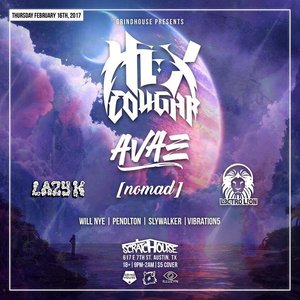
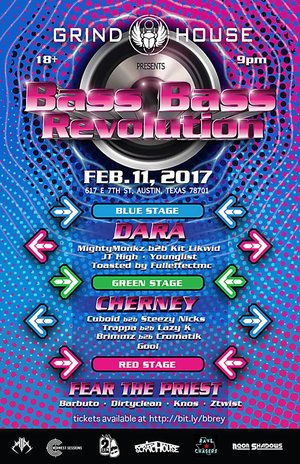
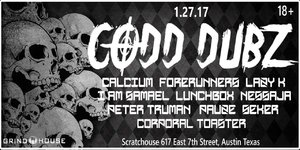
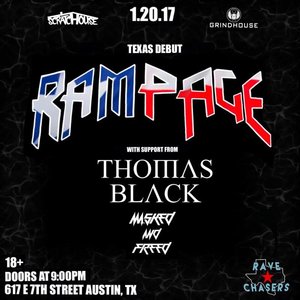
When it was active (2016–2020), Scratchouse hosted a wide range of hip-hop and dance events. Local promoters often took over shows, booking Austin-based rappers, DJs and beatmakers for energetic nights. The club even had a small outdoor “backyard” area used for block parties and festivals – for example, it hosted the all-day One2One Fest in December 2016, featuring dozens of Austin acts www.ticketfairy.com . Typical events included rap showcases and DJ parties, often on weekends. Scratchouse rarely drew crowds as large as Stubb’s or Moody Theater, but its events were packed by fans of indie hip-hop and electronic music seeking something edgier than Austin’s more mainstream clubs.
Most nights at Scratchouse were billed as 18+ and carried modest cover charges (often in the low double digits). Shows usually ran until midnight or 2 AM. There were no fixed-season concerts; instead, patrons could check weekly event listings for new local rap acts or visiting DJs. Opening acts were often local artists or producers, so even smaller events gave up-and-coming musicians a stage. Because the space was so intimate, tickets (when available) tended to sell out quickly. In general, Scratchouse programming favored underground and hip-hop culture events over live rock band shows.
Tickets and Booking
With Scratchouse now closed, there are no current ticket sales or events. Historically, tickets were sold online or through promoters’ event pages, and sometimes at the door on event nights. There was no permanent box office building – fans usually bought tickets via third-party sellers or ticketing apps . Presales for popular nights mainly went through social media or mailing lists run by local promoters. For example, a show might be advertised with a link on Facebook or Instagram. Advance prices were typically affordable (often under $15), and last-minute or door sales depended on remaining capacity. Because the venue was small, many patrons found it easiest to secure tickets well in advance via the announced sales channels. In all cases, payment was with credit/debit digital ticketing or cash at entry.
Seating and Layout
Scratchouse had a simple club layout. The main floor was open and flat, with no assigned seating – people queued near the stage or spread out on the dance floor. There were a few high-top tables and stools toward the back or sides, but most attendees stood or danced. A low stage at the front was just a few feet above floor level, so even people near the back could see performers. Light wall-mounted railings sometimes allowed people to lean off the dance floor. Because of this open configuration, the highest-energy spot was right in front of the stage, but even the far side of the room felt close. From anywhere inside, guests could hear and feel the powerful Bass Boss system, which filled the room with deep bass and punchy mids . Some patrons with sensitive hearing might have sought the edges near the bar, where the sound was slightly less intense.
Acoustically, Scratchouse was tuned for club music rather than live band clarity. The flooring and low ceiling gave a raw, pumping sound. Stage lighting was modest – mostly colored spotlights and strobes – giving the venue a dark, underground feel. There were no balconies or overhangs, so sightlines were generally clear. Areas right up by the speakers could get very loud, so conversely, filling the club (low capacity) meant bass and volume were always felt in the floor. In short, Scratchouse offered a very up-close concert experience: no seat would be bad unless someone tall stood in front of you!
Getting There and Parking
Exact location: Scratchouse’s address was 617 East 7th Street in downtown Austin. This is just west of I-35 and one block south of the Sixth Street entertainment area . To drive, take I-35 to the East 5th or 7th Street exits and head east into downtown. The club entrance was on East 7th between Red River Street and Trinity Street.
Parking: Street parking in the Red River district is scarce. There are some metered spots along 7th Street and nearby blocks, but meters enforce time limits. Paid parking lots are a safer bet. For example, a small lot at 1121 E. 7th St (a couple blocks southeast of the venue) often charges around $8–$10 for a few hours . Another option is the East 6th Street Garage or surface lots near Sixth Street, about two blocks north. We recommend arriving early to find a spot or use a pay lot, and plan for a short walk.
Public transit: CapMetro bus service runs near the venue. Routes like #1 (running up Red River) and #10 (7th/South First) stop within a block of 7th & Red River. Additionally, the Red Line commuter train’s Plaza Saltillo station is about 1.5 miles west (a 10–15 minute walk or quick rideshare away). Taxis and rideshares (Uber/Lyft) can easily drop off on East 7th Street at Red River next to the club. Long-term airport or rail travelers should note that Scratchouse is right in downtown, so it has many transit connections but limited parking.
Inside the Venue
Upon entering, you’d encounter a security/photo-ID check (21+ to drink, 18+ entry). The club’s interior was dark and industrial-chic – bare walls, minimal décor, and colored lights. To the side was a bar counter serving beer, liquor, and basic cocktails. Drink service was typically quick, with tap beers and shot/pour choices; during busy shows there could be a line. Staff kitchen or food service was not offered (guests usually ate beforehand).
The atmosphere was casual and energetic. Toilets (restrooms) were behind the bar area – typically one men’s and one women’s room. There was a small coat-check at the entrance (for a fee) on colder nights, but many shows didn’t have it. Patrons often draped coats on backs of chairs or held them. There were a few merchandise stands or greeting tables if touring artists sold t-shirts or CDs, but that was up to each promoter. No venue Wi-Fi was advertised, so most people relied on cellular data.
The vibe inside Scratchouse was lively. On a packed night, the music (and bass) could be very loud – earplugs are a good idea for long sets. The flooring sometimes vibrated with deep sub-bass. People danced throughout, and phones usually came out for selfies or short videos. Photography was not formally restricted (many fans Instagrammed performances), but professional flash or tripod setups were uncommon. Overall, expect a sweaty-closet feeling combined with dance-club friendliness: people chatted in the back, but the main focus was on the stage.
Nearby Amenities
Bars and Clubs: Scratchouse was surrounded by famed nightlife spots. Across Red River to the north is Cheer Up Charlies (known for queer and indie music events). Two blocks east is Buffalo Billiards (a bar with pool tables). The historic Scoot Inn (Austin’s oldest honky-tonk) is a short walk away on 4th Street. For late-night cocktails after the show, people often head to the Rainey Street bars (such as Bangers Sausage House & Beer Garden ) just a few blocks south.Restaurants: There are many good food options nearby. On East 6th Street (one block north) you’ll find Torchy’s Tacos , Voodoo Doughnut and Thai Fresh . A couple of blocks west is the famous Franklin Barbecue (plan extra time if you go there). If you don’t want to stray, the venue was a block from a few food trucks and small cafes. In short, pre-show dining choices range from late-night tacos to craft pizza to upscale sit-down across downtown.Hotels: For out-of-town visitors, the area has several lodging choices. The East Austin Hotel sits on Rainey Street (a 5-min walk south). A few blocks west on 6th are the JW Marriott and Hilton Austin (downtown conference hotels). The quirky Austin Motel lies just west of I-35. Downtown hostel and AirBnB options are also plentiful due to the proximity of Sixth Street and the Austin Convention Center.Other: If you arrive early, you could explore the Red River Cultural District’s music heritage – the neighborhood has many mural artworks and neon signs. For late-night food, taquerias are on nearly every corner of downtown. Taxis and ride-shares are usually easy to find after midnight, but rides can surge during busy weekends, so plan accordingly.
What Makes This Venue Special
Scratchouse carved out a unique niche in Austin’s scene. Unlike the city’s larger rock venues, this club was built for bass-heavy jams and an immersive dance-club environment. Its custom BASSBOSS speaker system made low-end frequencies physically felt, a feature few venues emphasized . Architecturally it was unremarkable (no tiered seating or balconies), but the bare, graffiti-ed walls and flickering lights gave it an authentic underground club feel.
Most importantly, Scratchouse held cultural significance. It was a rare stage where local hip-hop, EDM and international DJs coexisted, reflecting the diversity of Austin’s music community. Fans and artists often described it as an incubator for up-and-coming talent. Many Austin rappers and DJs got one of their first major Austin gigs here rather than in a bigger but more genre-specific club. The friendly, close-up setting meant everyone from performers to audience shared sweaty dance-floor air – a raw, communal experience. For these reasons, Scratchouse earned praise as a “one-of-a-kind” spot that injected fresh energy into the Red River district . Musicians who played there often missed its sound and atmosphere. In short, both artists and fans loved Scratchouse for its intense sound, intimate size, and commitment to alternative music styles.
Visitor Tips and Information
Accessibility: The venue was on street level with a small entrance step, so it was generally wheelchair-accessible (though older venues sometimes have one or two steps). There were accessible restroom options. For special needs, it’s best to contact the venue in advance to ensure accommodations.What to Bring: Always carry a photo ID (government-issued) – the bar checked IDs thoroughly (18+ admission). Dress is casual (jeans and tee are fine). Bring cash for drinks and cover charge; some shows were cash-only at the door or bar. A smartphone for tickets or event info is handy. If you are sensitive to loud bass, earplugs are recommended.What’s Allowed: Phones and small cameras were generally okay, but avoid blocking others’ views with large devices. Bags were usually checked or discouraged – only small purses or clear bags passed without problem. Outside food or drinks were not allowed. Smoking inside was forbidden (no on-premise smoking; the venue sometimes had a short outdoor smoking area).Rules: Cover your balcony (fire code likely limited crowds), be respectful of performers, and note that policy differences might exclude minors or late arrivals after, say, midnight. Since Scratchouse specialized in rap/EDM, moshing could happen – if you prefer to avoid crowds, standing slightly off to the side near the bar is a safer bet. Keep in mind the club was not suited for dressy attire; arrive and blend in with the easygoing, Williamsburg-style crowd.Timing: Doors typically opened around 7–8 PM for music, with most shows starting 30–60 minutes later. If it’s a popular event, lines often form early (30–60 minutes before doors). Late-night food and transit: last CapMetro buses run near midnight on weekdays (later on weekends), and downtown taxis/rideshares are plentiful any time.Emergencies: Cell reception is good; 911 response to downtown clubs is reliable. Drink responsibly, and designate a meet-up spot if in a group. The Drill Inn (620 E 6th St) is a nearby 24-hour diner if you need late-night snacks or a quiet break.
Frequently Asked Questions
What kinds of music were played at Scratchouse?
Scratchouse primarily featured hip-hop, rap, DJs and electronic dance music. It was billed as a hip-hop venue , though you could also find R&B, reggae, and EDM nights. The focus was on beat-driven genres and local underground artists rather than live rock or country bands.
How much did tickets to Scratchouse cost, and where could I buy them?
With Scratchouse now closed, tickets are no longer available. When it was open, shows generally cost around \$5–\$15. Tickets were sold online through concert ticket sites or at the door. There was no fixed box office – information and ticket links were usually posted on the event’s social media or third-party seller pages . Fans often bought tickets in advance via those online links.
What was the capacity of Scratchouse?
Scratchouse was a very small, intimate club. The capacity was on the order of a few hundred people (rough ballpark for an underground dance club). In practice this meant events often felt packed when a couple hundred fans showed up. There was no seating for most events, so capacity essentially equaled the number of standing guests.
Was Scratchouse still open in 2023?
No. Scratchouse closed permanently in mid-2020. According to reports, the owners cited high rent and COVID-19 financial strain as the reasons . There have been no concerts there since. The venue has not reopened under that name.
What was the dress code at Scratchouse?
The dress code was completely casual . Jeans, t-shirts, hoodies and sneakers were typical. It was an underground club vibe, so no formal attire was required or expected. Come in whatever you would feel comfortable dancing in.
How old do you have to be to go to Scratchouse?
Scratchouse was an 18+ venue for most shows. All patrons needed to show a valid ID at the door. (Some rare special events might have been all-ages with parental guidance, but generally it was strictly 18 and up www.ticketfairy.com .)
Was there seating at Scratchouse?
Scratchouse mainly had standing-room only. There were a few high-top tables and stools in the back, but most people stood or danced. It was essentially general admission (no reserved seats). So for the best views, you usually had to get near the stage early, since floor space was open.
Does Scratchouse have any outdoor patio or backyard area?
The club itself was indoors, but it did have a small outdoor space (a “backyard”) used occasionally for special events or festivals. For example, a one-day local music festival (One2One Fest) was held partly in Scratchouse’s backyard in 2016 www.ticketfairy.com . However, the outdoor area was not walk-in beer-garden style for regular shows.
What parking is available near Scratchouse?
Street metered parking is very limited. Nearby paid lots work best. For example, a small pay lot at 1121 E. 7th St (around the corner) existed, typically charging about \$10 for a few hours . Other pay lots are on East 6th Street or Sixth Street (further north). Arriving early helps in finding parking; late guests often resorted to rideshare or taxi.
Is Scratchouse wheelchair accessible?
Scratchouse had a street-level entrance and no deep steps, so it was relatively accessible. The club was compact, and ADA-compliant restrooms were usually available. However, as an older small club, it may not have had elevators (it was mostly one main floor). If you have specific accessibility needs, checking with the venue in advance (via archived contacts) would have been best.
Was there coat check at Scratchouse?
There was sometimes a coat check near the entrance for a small fee (especially in cold months). It varied by show. If coat check was not staffed, people typically held coats or left them on chairs. In general, you should assume minimal storage facilities in a small club.
How can I get updates or tickets for Scratchouse events?
With the venue closed, there are no updates or tickets now. When it was open, fans followed Scratchouse’s social media pages or local promoters on Instagram/Facebook for announcements. Official event pages (and sometimes Eventbrite or Ticketmaster) were used to sell tickets. Always check the event’s official listing; avoid unofficial resellers. Today, interested fans would need to look for any successor venue in the same location.
Why did Scratchouse close?
According to local news reports, Scratchouse permanently closed in mid-2020 due to business pressures. The owners specifically cited rising rent and the economic impact of the COVID-19 shutdown as the reasons . These factors made it impossible to keep the venue operating.