About Garuda Wisnu Kencana Cultural Park
Garuda Wisnu Kencana (GWK) Cultural Park is a vast open-air venue on Bali’s southern Bukit Peninsula (Ungasan, South Kuta, Badung). Spanning roughly 60 hectares , it’s dominated by the monumental Garuda Wisnu Kencana statue – a 75-meter sculpture of the Hindu god Vishnu riding the mythical bird Garuda (121 meters tall including its base) . This makes it one of the tallest statues in the world. The imposing statue and surrounding park embody Bali’s cultural heritage and Indonesia’s national pride: visitors are greeted with panoramic views of the limestone cliffs and ocean from the park’s high elevation. Festival spaces, plazas and plazas (including the Lotus Pond and Plaza Garuda) showcase Balinese art, sculpture, and mythic symbolism alongside lush gardens and walking paths .
GWK is not just a statue – it’s a full cultural complex envisioned as a future icon of Bali. The park includes performance venues, arts displays, galleries, and even lodging/rental areas. For example, a Bali tourism report notes that “GWK Cultural Park offers not only a magnificent landmark but also countless tourist attractions,” from daily traditional music and dance to cultural museums, shopping complexes, and dining areas . In effect, GWK was created to celebrate Indonesian culture and Bali’s Hindu heritage on a grand scale. It was conceived in the early 1990s by sculptor I Nyoman Nuarta and approved around 1997, but construction paused during the late-1990s economic crisis. The project was relaunched in 2013 and ultimately completed in 2018: Philippine President Joko Widodo officially inaugurated the statue in September 2018, lauding it as a symbol of Indonesia producing a “brand-new masterpiece” . Today, GWK is one of Bali’s most iconic attractions, drawing global visitors to experience its towering statue, cultural performances, and sweeping vistas .
Events and Programming
GWK Cultural Park hosts a mix of traditional Balinese performances and modern events. Daily activities include traditional music and dance: for instance, a Barong dance (the beloved lion-demon dance with gamelan orchestra) greets visitors in the park’s Street Theater area every day . The amphitheater is also home to the famous Balinese Kecak (fire) dance: visitors can enjoy the rhythmic chanting “cak-cak-cak” and fire lit by dozens of villagers in the sui-generis nightly Kecak performances. Other signature Balinese performances like the Joged Bumbung (a lively bamboo dance) and the classical Legong court dance are staged regularly . In fact, travel guides specifically highlight Kecak, Bumbung and Legong as must-see GWK shows . One review notes that the park even holds a “traditional dance … every hour” for visitors , so there is almost always some performance to catch while exploring.
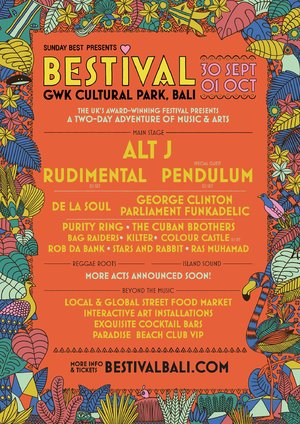
In addition to these cultural performances, GWK is increasingly a venue for concerts, festivals and special events. For example, in late 2024 the park launched a new fusion show called “Bararong” – a combination of the Kecak fire dance and the Barong story – performed Wednesdays through Saturdays at 6:00 PM . Major music festivals have also used GWK’s amphitheater and open plazas: in December 2023 the international Djakarta Warehouse Project (DWP) EDM festival drew huge crowds at GWK, marking its 15th anniversary with global DJs . Independence Day festivities are hosted there too – for example, on August 17, 2025 GWK will hold a “Pesta Rakyat” celebration with live music and fireworks . Over the years the park has even welcomed multi-generational music fests: a 2016 Viral Fest Asia packed over 8,000 music fans into GWK’s grounds (with 27 pop and rock acts from across Asia) .
Typical programing spans from morning cultural shows to evening concerts. Aside from special events, the amphitheater schedule usually includes nightly Kecak performances (often timed around sunset). The Street Theater hosts Barong, Legong and bamboo (“bumbung”) dances frequently throughout the day. For big international concerts (EDM, rock, pop), many tickets sell out in advance. Pricing varies by event, but casual dance shows like Kecak are often included with general admission. For example, the new Bararong show tickets were only about IDR 100,000 (≈US$6–7 ). Overall, expect GWK to feature both island-heritage programs (gamalan, Trance ritual dances, etc.) and large-scale modern performances with multimodal production.
Tickets and Booking
Entry tickets are sold at the park entrance ticket counters or online in advance. General admission currently ranges around IDR 125,000–175,000 for adults and about IDR 100,000–125,000 for children . (Prices often vary by nationality or with package deals.) One review confirms a recent park entry fee of 120,000 IDR, which included a complimentary drink, museum access, and even performances inside the park . Notably, children under about 100 cm tall typically enter free , making GWK quite family-friendly. Tickets can be purchased on the spot – or to avoid lines, it’s highly recommended to buy online. (Several guides advise “buy your tickets online – save yourself the queue” .) For popular shows (like the Bararong dance or any scheduled concerts), you’ll often need to reserve ahead of time via GWK’s official site.
Ticket sales usually open weeks in advance for major events. Onsite, there are multiple ticket booths and electronic turnstiles, so lines move quickly . If using a smartphone at the gate, even gate staff will suggest buying via the GWK website or mobile app at the entrance . In addition to standard entry, some attractions require extra fees: for instance, there is a surcharge (about IDR 40,000 per person) for riding the internal shuttle up to the statue, and another fee to go inside the statue tower . These are clearly posted at the ticket counter. In summary, standard park entry is quite affordable, and many performances (legong, bamboo dance, Kecak) are essentially part of the entry package, but large shows or guided tours may cost extra.
Seating and Layout
GWK’s layout includes several distinct areas and venue spaces. The centerpiece is the multi-level Statue Plaza and Lotus Pond around the giant statue. The Lotus Pond lawn (approximately 4,200 m²) is an open amphitheater-style field – surrounded by limestone walls – often used for large concerts or events . It can accommodate roughly 7,500–10,000 people . Nearby is Plaza Garuda (about 2,500 m², ~1,000 capacity) : a paved courtyard east of the Lotus Pond, with the Garuda head sculpture overhead. To the north of the park lie the Street Theater (a semi-enclosed building for Barong/Legong shows) and the main Amphitheater. The amphitheater itself is a modern semi-open-air auditorium (about 1,200 m²) with tiered concrete seating for roughly 800 spectators . For smaller performances or festivals, the so-called Festival Park (another lawn area south of Lotus Pond) offers an open-air concert field of around 5,000 m² and 12,500-person capacity . In short, seating varies from fixed tiers in the amphitheater to wide grass lawns for general admission at concerts.
The best viewing spots depend on the event. For performances in the amphitheater (e.g. the fire Kecak dance), front-center rows near the stage give the clearest sight and acoustics. In general-admission areas like the Lotus Pond or Festival Park, there are no reserved seats – arrive early to stand near the stage or find a patch of grass. (A note: one travel tip says scooter parking is cheap (IDR2,000) and you can let someone hold your spot on the lawn by parking close .) For panoramic photos, many visitors snap the statue itself with Bali’s scenery. Additionally, GWK offers a unique indoor vantage: inside Garuda’s chest there is an observation deck (touted as the highest viewpoint in Bali) where visitors may get a glassed-in view of the park and coast . Admission into the statue (and up to the observation point) requires that extra fee, but rewards visitors with one-of-a-kind scenic views. In summary, GWK’s layout combines traditional theatre seating for dance shows with large open-air lawns for events, so audiences have both stadium-style and free-form options for viewing performances.
Getting There and Parking
GWK Cultural Park is located at the end of Jalan Raya Uluwatu in Ungasan, Bali (South Kuta, Badung Regency) . It’s about a 30-minute drive from Ngurah Rai International Airport (Denpasar) via the Bali Mandara Toll Road. The park address for navigation is “GWK Cultural Park, Jalan Raya Uluwatu, Ungasan, Badung, Bali 80364” . Google Maps or a Bali taxi app will get you there easily. Public buses also serve the area: the Trans Sarbagita (Denpasar’s big blue buses) has a line that runs down the Bukit Peninsula and stops at GWK . (On the Sarbagita route maps, look for the “GWK Cultural Park” stop.) Rideshare services like Grab or Gojek are very common in Bali – simply request a car or go-jek to “GWK Cultural Park” and the driver will drop you off at the park entrance.
Onsite parking is plentiful for cars, motorcycles and buses. Motorcycle parking is very cheap (around IDR 2,000) . For cars or tour buses, there are tiered parking lots on the hillside below the main gate. From the parking area, complimentary shuttle buggies run frequently (about every 5 minutes) to the front entrance . One guide notes that after parking “there’s a short walk to the shuttle bus stop. These run every 5 minutes and will drop you off near the ticketing counter” . (If you prefer to walk instead, plan about 5–10 minutes uphill from the parking to the entrance.) Thus, even disabled visitors can easily reach the gate via these shuttles. In short, arrival is convenient: drive into GWK’s parking, hop on a free cart to the plaza, and you won’t have to haul your bags far.
Inside the Venue
Once inside GWK, expect an expansive open-air campus. There is a wide entry plaza with ticketing booths and turnstiles. Security checks are routine (mostly bag screenings). After entering, you’ll find directional signs and staff guiding visitors. The main boulevard leads up past food kiosks and gift shops (as one reviewer noted, you’ll pass “a street with shops on both sides” on the way to/ from the statue ). To the left is the amphitheater, to the center is the monument plaza and Lotus Pond, and to the right are various cultural theaters and exhibits.
A highlight of the park is the base of the statue itself. On the ground floor of the statue is a small museum/gallery area: one traveler mentions a “museum of sorts on the ground floor with very interesting miniature statues all telling their own story” . This exhibits Balinese mythology related to Vishnu and Garuda. From there you can ride elevators or stairs up inside the statue to panoramic viewing platforms. These statue climbs have extra fees (as noted above) but offer unique garden and coastal vistas.
Facilities inside are visitor-oriented. Restrooms and drinking fountains are spaced around the main plaza. The paths are paved and wheelchair-accessible wherever possible. A staffed information desk can help with schedules and maps. The park atmosphere is family-friendly – strollers and wheelchairs are common and shuttle carts help with the terrain. One tip: it can get very hot on the limestone hilltops, so look for shady pavilions near the amphitheater and museum to rest. ATMs are available near the entrance, and souvenir shops sell local crafts, clothing and GWK-branded items as you wander. For refreshments, grab bottled water or Indonesian snacks at the street-side kiosks, or visit one of the cafes/casual restaurants in the plazas (for example, a popular “Jendela Bali” café sits on the hilltop). In short, inside GWK you’ll find all basic amenities: security and ticketing up front, then an easy network of shuttles and walkways connecting the performance theaters, statue complex, restaurants and shops.
Nearby Amenities
The GWK area has plenty for dining or lodging. Immediately adjacent to the park are several restaurants and cafes with panoramic views – one famous spot is “Jendela Bali,” a hillside bistro known for its steak and drinks. Many visitors also pick up quick meals at the food court stalls and drink stands lining the main tourist plaza . Just outside the park gate on Uluwatu Street you’ll find casual warungs (local eateries), gelato shops, and specialty coffee bars. If you drive a bit further (2–3 km), Ungasan Village and Jimbaran Bay offer a wide range of dining from beachside seafood BBQ in Jimbaran to Balinese local cuisine in Ungasan. The immediate vicinity also has a few mini-marts for water and snacks.
Nearby hotels are plentiful in southern Bali. No lodging is on site, but within a 10–15 minute drive are luxury resorts like AYANA and Four Seasons (in Jimbaran), or mid-range hotels in Ungasan (e.g. Sudamala Suites). Budget guesthouses and villas cluster along the Uluwatu-Jimbaran corridor. If you time your GWK visit for sunset, many guests combine it with a Jimbaran seafood dinner afterward. (Alternatively, Kecak dance at Uluwatu Temple is only ~2 km beyond GWK.) In short, you won’t need to travel far before or after a GWK visit: the shores of Jimbaran and dozens of hotel and dinner options along the Bukit Peninsula are just minutes away. For late-night departure, note that Bali ride-share apps and taxis operate until airport closing time, and the airport (Denpasar) is only about 25 km down the toll road to the north.
What Makes This Venue Special
GWK’s uniqueness lies in its blend of monumental art, sacred symbolism and large-scale event infrastructure. Architecturally it stands apart – the statue itself is a work of cultural art as well as engineering (crafted in copper and gold mosaic work) and is among the world’s tallest. Visitors often marvel that the Vishnu-and-Garuda statue dwarfs other famous monuments (it even surpasses in height the Statue of Liberty or Christ the Redeemer). The design incorporates storytelling sculptural details: for example, Vishnu’s four hands hold a lotus, mace, conch and discus, representing Purity, Strength, Divine Speech and the Cosmic Mind . This sculptural ensemble symbolizes themes of preservation and freedom (Vishnu is the “Preserver” in Hinduism, Garuda the symbol of loyalty and strength). In Balinese tradition, Garuda is also Indonesia’s national emblem, so the site connects local identity with heritage spirituality.
Beyond the statue, GWK sits in a breathtaking natural setting: perched atop limestone karst cliffs with views over southern Bali’s coastline. As one guide notes, the entrance walkway offers spectacular scenery while immersive Balinese music and dance plays through the park’s speakers . Visitors genuinely experience Bali’s “rich culture and celebration” here. Legendary moments have already taken place: the park was the site of the 2018 IMF-World Bank meetings opening, and it hosts annual Indonesian national celebrations and international festivals. Nearby folklore comes to life each night in the amphitheater: for instance, every evening brave locals reenact a scene of Rama searching for Sita (an epic story), with the villagers’ voices chanting in register as if “Akka akka akka” (the Indonesian Kecak) . In short, people love GWK because it’s both grand (guinness-worthy statue and stadium) and deeply cultural (traditional rituals in a natural setting). Artists relish performing here for the dramatic backdrop, and audiences treasure the chance to enjoy Balinese devotion and dance with the sweeping sky overhead.
Visitor Tips and Information
Accessibility: GWK is largely wheelchair- and stroller-friendly. There are paved paths, ramps, and a free shuttle service from the parking lots to the main entrance . For within-park travel, a paid shuttle buggy (about IDR40,000 round-trip) goes up to the statue area – “worth it if you’re tired” . Children under about 100 cm tall enter free , and senior visitors can also take advantage of the buggies to avoid the stairs. What to Bring: Plan for the sun and walking. Bring sunscreen, a hat, and bottled water (shops do sell water, but it’s wise to carry some) . The Bukit wind can be strong, so leave umbrellas and hats secure. Also bring a camera/phone for photos – many stops like the statue base and Lotus Pond are iconic photo spots. Cash (small change) is handy for parking (IDR2,000 for scooters ), snacks, and any onsite purchases. Don’t rush – a guide notes people typically spend 2–3 hours here . Dress Code and Comfort: There is no formal dress code, but most guests wear casual, modest attire (covering shoulders/legs is a respectful choice near temple areas). Wear comfortable walking shoes – “It’s not a flip-flop kind of place” with many stairs and gravel paths. Light layers or a shawl can be useful if an indoor hall or shrine requires covering knees or shoulders. If visiting midday, remember Bali can be very hot – one visitor cautions that “the surrounding park is huge and it can get very hot as there is limited shelter” . Thus, come early or late when it’s cooler, or take breaks under shade. The park’s official recommended best times are during the dry season (May–September) in early morning or late afternoon .Food & Drink: Snacks and meals are available on-site. Lightweight bites and local snacks (springrolls, fruit, glam) are sold at kiosks in the plaza. For lunch or cocktail breaks, the Jendela Bali café offers a full menu with views, and a few outdoor terraces serve Indonesian and international dishes. Talenthours: note that many tour groups come in mid-morning, so eateries can get busy around 11 am–1 pm. You are welcome to bring bottled water and snacks, but alcohol and glass bottles are typically discouraged. (One trustworthy guide says “bring water…you’ll need it” .)Guided Tours: GWK offers guided tours in multiple languages for a deeper cultural experience (ask at the info desk). Self-guided audio guides are also an option. Audio headsets can be rented at entry for commentary on the statues and performance schedule. People with mobility issues can request the park shuttle at any time. For safety: the park is well-lit and staffed until closing (10:00 PM ), but paths can be dark at night – plan your exit before sunset if possible.Avoid Common Mistakes: Don’t underestimate the size! Many visitors try to rush through in under an hour, but that leaves out the museum and shows. Take time to watch at least one dance, admire the carvings, and stroll the lotus pond. Also, keep an eye on your kids – there are some high ledges and market stalls. Photography is allowed almost everywhere (tripods are fine except during shows). No drones are allowed over people, so skip any flying cameras. If you climb the statue, modest behaviour is expected (for example, remove hats if inside prayer areas). Finally, be prepared for stairs: even with ramps, you will encounter steps to reach the statue’s galleries.Weather Policies: GWK is mostly outdoors and operates rain or shine. Shows continue in light rain (the amphitheatre has a roof), but heavy storms may pause performances. If rain is likely, carry a poncho or waterproof jacket – a small foldable one can be stowed easily. In rainy season, bring a small towel or change of clothes for children, and remember that some pathways can get slippery. There is no formal cloakroom, so you’ll carry any wet jackets or umbrellas with you.
What is the entrance fee for Garuda Wisnu Kencana Cultural Park?
As of late 2025, adult tickets are roughly IDR 125,000–175,000, and child tickets around IDR 100,000–125,000 . This basic fee includes park admission and standard cultural shows. Children under about 100 cm tall usually enter for free . For major events or private tours, additional charges apply. Tickets can be bought at the park or online in advance.
How do I get to GWK Cultural Park and where can I park?
GWK is located at Jalan Raya Uluwatu in Ungasan (South Kuta, Bali) . By car or taxi, use the Bali Mandara Toll Road to reach Ungasan. The park’s entrance is well-signposted. There are large free parking lots for cars, motorcycles and buses. A free shuttle buggy regularly runs from the parking area up to the main entrance . If using public transit, the Trans Sarbagita bus service includes a stop at GWK . For short trips, Grab/Gojek rides can drop you off at the gate.
What seating or viewing options does GWK Park have?
GWK offers both formal seating and open fields. The Amphitheater is a semi-open auditorium with tiered concrete benches seating about 800 people . The Lotus Pond lawn (4,200 m²) and Festival Park greenfield are open‐lawn standing areas that can accommodate thousands (reports suggest ~7,500–10,000 in Lotus Pond and ~12,500 in the Festival Park) . For the best view in the amphitheater, sit near the center front. During large concerts on the lawns, arrive early to stand close to the stage; otherwise, any spot on the grass has a clear sightline. Unique to GWK, visitors can also **climb inside the statue** for an observation gallery in Garuda’s chest (for an extra fee) to see panoramic views .
Are there age or accessibility restrictions at GWK Cultural Park?
GWK is family-friendly and wheelchair-accessible. Young children (under ~100 cm tall) usually get in free , and the park has paved paths and ramps for strollers or wheelchairs. A shuttle buggy (around IDR 40,000 round-trip) helps visitors reach the statue plaza if needed . Guides and maps are provided, and restrooms are wheelchair-accessible. In short, no strict age limits exist – visitors of all ages are welcome.
Can I bring food, drinks, or equipment (like tripods) into the park?
You may bring bottled water, light snacks, cameras and even tripods into GWK. In fact, guides advise to “bring water (or buy some)” and to wear sunscreen and sturdy shoes . Outside food and personal beverages are generally permitted (many visitors carry water due to Bali’s heat). Alcohol is typically allowed only if purchased on site. Professional camera tripods are allowed for photo/video, but drones are not permitted over the crowds. Just ensure valuables are secure; the park is well-staffed, but as always keep an eye on your belongings.
What are the park’s opening hours and best times to visit?
GWK is open daily from 8:00 AM to 10:00 PM . Shows like Kecak dance usually start in the early evening. The best time to visit (to avoid crowds and heat) is either early morning right at opening, or late afternoon/early evening. One guide suggests planning 2–3 hours for a full visit . Since Bali is tropical, the dry season (May–September) offers the most pleasant weather .
How long should I plan to spend at GWK Cultural Park?
A thorough visit typically takes 2–3 hours, especially if you want to see the museum, walk the gardens, and catch a performance . Don’t try to rush it in under an hour. If you’re a culture buff or staying for a concert, you could easily spend most of the day here. Plan extra time (and sunscreen!)—one warning is that people often regret seeing GWK in too short a visit duration .
Is there parking on site and what does it cost?
Yes, GWK has on-site parking. Motorcycle parking is very inexpensive (around IDR 2,000) . Car parking is also available for free or a small fee (most reports say it’s complimentary). After you park, you can walk or take a free shuttle to the entrance . If you do use the shuttle up to the statue, note that there’s a round-trip fee of about IDR 40,000 . Overall parking is easy and close to the venue.
Are there facilities for eating and resting inside the park?
Yes. GWK has restrooms, seating areas and eateries scattered throughout. Near the entrance and around the plazas you’ll find snack stands and mini English-language restaurants (including the hilltop Jendela Bali café) serving Indonesian and Western food. As one reviewer notes, “shops and restaurants” line the main plaza area . Benches and small pavilions offer places to rest. Shops (selling souvenirs and water) are plentiful along the walkways . Note that Bali’s sun can be strong inside the park, so it’s wise to sit in shaded areas and take drink breaks.
Is going inside the statue and the chest viewpoint allowed?
Yes – the statue has an observation gallery in Garuda’s chest, but it costs extra. Visitors report buying a park ticket (IDR ~120K) and then paying an additional IDR 40,000 to ride the internal shuttle up. Another fee (usually a small extra charge) is required to climb inside the statue itself and access the chest-view platform . If you pay these fees, you can take an elevator or stairs inside the statue for sweeping 360° views of Bali’s south coast. It’s a unique experience (often billed as the highest viewpoint in Bali ) and well worth it if you have the time.