About Lightning Society
Lightning Society is a unique co-living and event space in Bushwick, Brooklyn. Housed in a renovated three-story 1931 building (streeteasy.com ) at 245 Varet Street (near White Street), it functions as a creative clubhouse and community hub. More than a typical music venue, Lightning Society is built around a “social wellness” ethos and “generative communities” of like-minded people (www.eventsfy.com ). It hosts dozens of small-scale gatherings each year that emphasize human connection, creativity and learning. Signature features include an interior “Blue Room” lounge and an open-air rooftop deck, as well as contemporary industrial decor and cozy seating throughout. The venue is relatively intimate (the three floors are configured for small audiences rather than stadium crowds), making events feel personal and collaborative. Since its founding in the early 2020s by a local co-living collective (lithub.com ), Lightning Society has become a beloved creative hotspot in Brooklyn, known for blending residential living space with public cultural programming.
Events and Programming
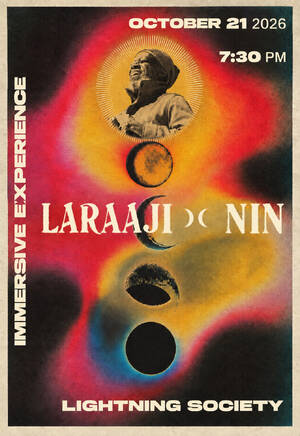
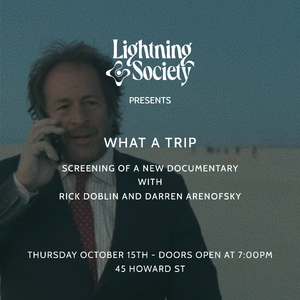
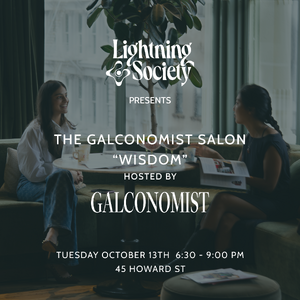
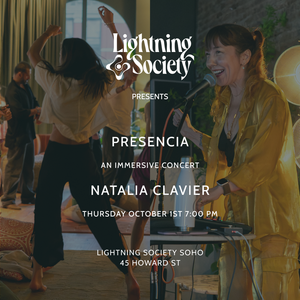
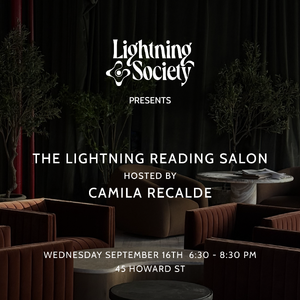
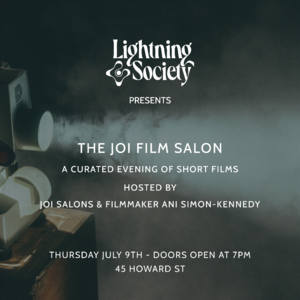
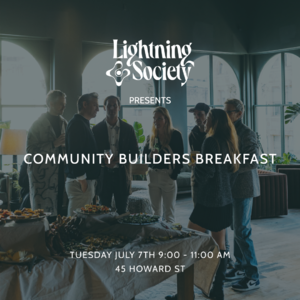
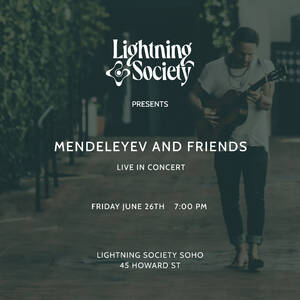
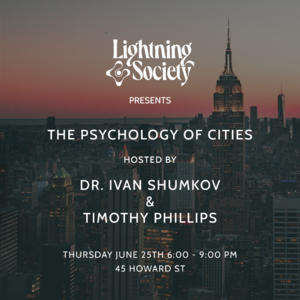
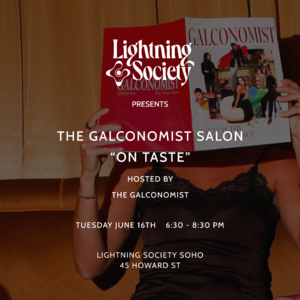
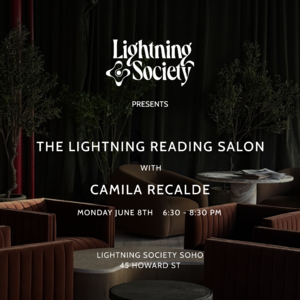
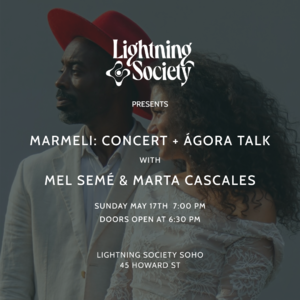
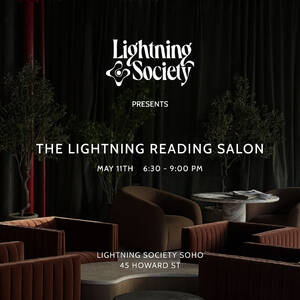
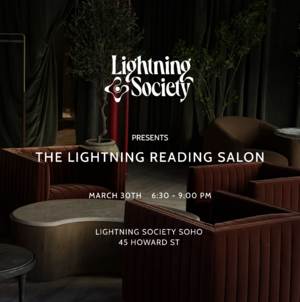
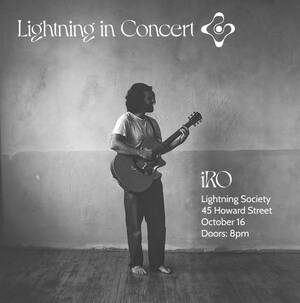
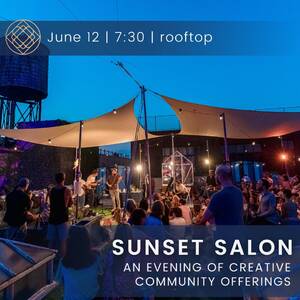
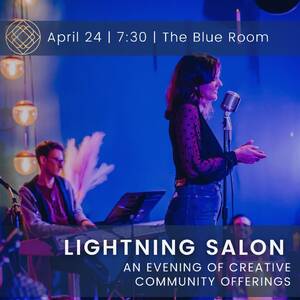
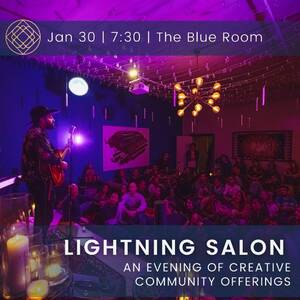
Lightning Society offers a diverse calendar of events, from live music and DJ sets to workshops, talks, and open-mic nights. One regular series is the monthly Lightning Salon – a “creative salon” or open-mic night held in the cozy Blue Room. These evenings invite community members to perform music, poetry, comedy or other art in a coffeehouse-style format (www.ticketfairy.com ). In warmer months there’s also a Lightning Sunset Salon on the rooftop, transforming the open deck into a summer stage. For live music, the venue runs Lightning Sessions , a recurring rooftop concert series. These intimate shows (often selling out) feature singer-songwriters and small bands, and encourage audience interaction – as one event page describes, “Lightning Society invites you to an intimate rooftop concert with world-class music” and the chance to “connect with and learn from the artists” in a social setting (www.ticketfairy.com ).
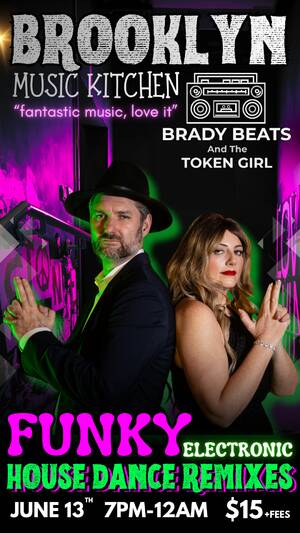
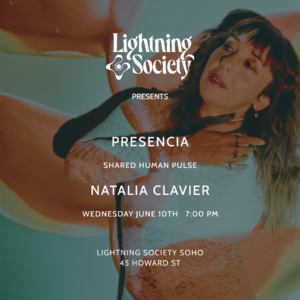
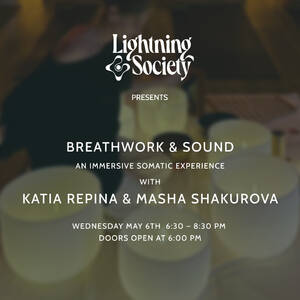
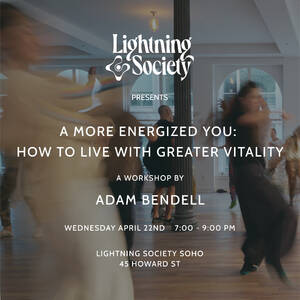
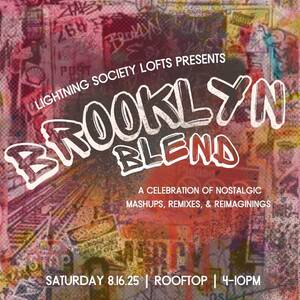
Past programming highlights show Lightning Society’s eclectic range. For example, a community-themed rooftop party (“Brooklyn Blend”) celebrated the city’s mash-up culture, and a summertime pre-party with Calling All Magical People (CAMP Festival) had a “summer camp” theme (www.tickettailor.com ). Workshops on wellness, design, and personal development are also part of the mix – reflecting the venue’s stated mission to host public events on topics from wellness “to art and design” (www.eventsfy.com ). You’ll find everything from vinyl listening sessions, storytelling salons, and group sing-alongs to craft markets and cooking demos. Programming often changes week to week, so it pays to check Lightning Society’s announcements or social feeds. In general, look for events most evenings and weekends: creative salons are usually on a regular weekly or monthly schedule, while larger rooftop parties and concerts pop up seasonally. Ticket prices vary by event – open-mic salons are often free or donation-based, while concerts and parties might range roughly from $10 to $25. Some major events may have tiered pricing (“early bird” versus door) or limit attendance, so booking in advance is recommended.
Tickets and Booking
Tickets for Lightning Society events are typically sold online through the venue’s announcements or partner ticketing sites (such as TicketFairy/TicketTailor). Each event listing will indicate whether to reserve a spot or purchase a ticket. Many creative-community events like the Lightning Salon are free for attendees or rely on voluntary contributions. By contrast, live music shows and themed parties usually have a set ticket fee. For example, special concerts or rooftop parties may sell out quickly – one summer concert mentioned that “tickets are available” and noted discounted early-arrival tickets (www.ticketfairy.com ). In practice, the best strategy is to watch Lightning Society’s social media or mailing list and grab tickets as soon as they’re announced. There is no traditional “box office” on site, so onsite tickets (if available) will be handled by staff at the door. For very popular events, arriving early is wise since space is limited. Among those who’ve attended, a common tip is to snag tickets immediately online or even contact the organizers if an event fills up.
Seating and Layout
Lightning Society’s layout is informal and general-admission. The building’s interior is essentially open and non-theatrical. On one level upstairs (“Blue Room”), you’ll find a staged area at one end and eclectic furniture – couches, chairs, maybe low benches – arranged facing it. This Blue Room is an intimate lounge space, so the “best seats” are just up front on the floor or a couch with a clear view of the performer. There is no raked seating or assigned seats: arrive early if you want a particular spot. In practice, any seat in the front half of the room is good for hearing and seeing a solo performer. The back or side corners of the Blue Room can be acoustically dull or crowded, so it’s generally better to stand or sit closer to the middle.
The rooftop level is an open-air bar and lounge. It typically has a small stage or just a designated front area by the stairwell. The view is casual – tables, stools, or just standing space – and often overlooks the skyline. There’s typically no formal seating, so your choice is to stand in the crowd or grab a chair at a side table. Since the crowd size is usually modest, you can generally get near the front of the stage even at the last minute. In either area, if you prefer a guaranteed clear view, plan to be near the front/center. Acoustic sound quality is generally very good (the speakers and classic sound system are set up for these small rooms), so you won’t lose much sitting in the second row. Areas to avoid: on the rooftop, sitting too far to the extreme ends or corners will partly lose sight of the stage area; in the Blue Room, standing behind a pillar or near the bar can block your view. Overall, Lightning Society is an intimate, casual venue – think small club or living room style – with standing room or scattered seating, rather than fixed rows of chairs.
Getting There and Parking
Location: Lightning Society is at 245 Varet Street, Brooklyn, NY 11206 (in the Bushwick/East Williamsburg area near White Street). The entrance is on Varet Street between White and Meserole; look for a modest townhouse with a Lightning Society sign. This is a few blocks north of Flushing Avenue.
Public Transit: The venue is well connected to NYC transit. The closest subway options are the L train at Lorimer/Morgan Avenues (about a half-mile west) or the L at Graham/Montrose (about 0.6 mile). The J/M trains at Halsey Street (0.5 mile east) or at Myrtle–Wyckoff (on the L/M line, about 0.8 mile south) also serve nearby. In plain terms, take the L or J/M into Bushwick/Bedford area and walk. From the Lorimer L stop, for instance, you would walk north on Lorimer, left on White, and arrive. From the Halsey J stop, walk north a few blocks on Broadway, then right on Flushing Ave and left on Varet. There are also several MTA bus routes within walking distance: for example, the B46 bus runs on Myrtle and Flushing Avenues and stops a few blocks from Varet, the B39 runs along Flushing Avenue, and the B57/47 run on nearby Broadway and Myrtle. Rideshare or taxi drop-off can pull up on Varet or White; we recommend specifying “Varet & White St” to avoid confusion.
Parking: There is no dedicated parking lot. Street parking on Varet and surrounding blocks is metered or permit-restricted, and can be very limited, especially in the evening. If driving, your best bet is one of the nearby pay lots or garages. For example, private lots at 21 Cook Street or 46 Cook Street (just a couple blocks south) allow hourly parking (~$10–15/day via reservation apps). These tend to be valet-operated. Expect to pay standard New York rates; on-street parking (metered) is roughly $1–3 per hour depending on location and time of day. For venues events it’s often easier to take transit or a car service. If you do Uber/Lyft, use the address 21 Cook St, which is just adjacent; the driver can let you out at the corner of Cook/Varet. (Some GPS systems have trouble finding 245 Varet.)
Inside the Venue
Entry & Security: At the door you’ll check in with staff. For ticketed events they will scan your ticket or check your RSVP. If the event is 21+, an ID is required. Basic security or bag checks may occur, but the atmosphere is friendly and casual. Doors typically open 15–30 minutes before showtime (check your event info for precise times). Re-entry policies vary; if you step outside, confirm with staff if you can come back in (some small-venue nights do allow brief re-entry, others do not).
Atmosphere: The vibe at Lightning Society is relaxed and creative. Expect a diverse crowd of students, artists, tech professionals and neighbors. The interior design leans artsy/industrial: exposed brick walls, reclaimed-wood tables, string lights or lanterns, and colorful local artwork. Lighting is usually low and warm – lamps, candles or Edison bulbs create an intimate feel for evening shows. When a show starts, the lights may dim further. The crowd is generally attentive and polite; people clap and cheer enthusiastically for each performer. It’s common for audiences to engage with musicians after the set. The staff are usually members of the community and very approachable. Between acts you might mingle by the small bar or chat at the coffee table seating.
Food & Drink: There is a small bar area. You can purchase soft drinks, coffee/tea (at early shows) and alcoholic beverages (beer, wine, cocktails) on-site. Prices are typical New York “venue” prices: expect around $5–10 for a beer or soda, $10–12 for cocktails. (No outside alcohol is permitted.) Lightning Society does not serve full meals, so most patrons eat nearby or before arriving. Some events bring in snacks or allow small food vendors, but generally food options are limited to finger-food type items (popcorn, chips, light bites) if at all. We recommend dining in the neighborhood first or grabbing dinner at a nearby restaurant. There is usually water available, and pour-your-own water jugs for patrons. A couple of stools at the bar allow seating while enjoying a drink, but most people gather around high tables or simply stand. (If a full sit-down meal is desired, there are no tables to order food to your seat.)
Facilities: Restrooms are available on the first floor (commonly one men/one women). They are clean but basic; bring hand sanitizer or be prepared for typical NYC venue facilities. There is no coat check – you can hang coats on available chairs or hold them. In colder months, the stairwell can be chilly, so keep your layers handy. Wi-Fi is not specifically advertised, and cell service can be spotty on-site, so plan accordingly (some patrons use brief moments between acts to check messages).
Production: The stage area has a basic sound system and microphone(s). Sound quality is generally good due to the small size; however, keep in mind the Blue Room’s sound is geared for acoustics and the rooftop is open-air (so you will hear more ambient noise outdoors). Lighting is minimal but effective: often a spotlight on performers and string lights around the room or on the rooftop. Feel free to photograph or film modestly (no flash on stage), but know that professional photos/videos may be taken by the venue for promotion. Indeed, event pages often note “professional photography will be taken” and that entering implies consent (www.ticketfairy.com ) (www.ticketfairy.com ). Most patrons happily snap their own pictures. Power outlets are sparse, so anyone needing to charge a device should plan ahead.
Nearby Amenities
Restaurants & Bars: The area around Lightning Society has a lively food and drink scene. Just a short walk north on Flushing Avenue and east on Meserole you’ll find coffee shops and casual eateries. Noted spots include a neighborhood café (e.g. Neighbors’ Café on Troutman) and local pizza joints. A few blocks west on Meserole offer several restaurants: Latin, Mediterranean, new American, and upscale casual. Directly to the west on Bushwick Avenue are craft bars and breweries – for example, a well-known New York craft brewery is within walking distance. If you turn south onto Broadway, there are dive bars and taco stands along the avenue. In general, Bushwick is known for artisanal breakfast and pizza, small ethnic restaurants, and cocktail lounges. (Pro tip: some folks grab dinner at a popular diner or taco spot a few blocks away before shows, as late dining around midnight is limited – most eateries close by 10–11 pm.)
Hotels: There are few large hotels in Bushwick itself. Visitors often stay in nearby neighborhoods. Williamsburg is just across the Brooklyn-Queens Expressway, a 5–10 minute drive or quick subway ride away, and has many boutique hotels (Pod Brooklyn, The Williamsburg Hotel, etc.). In Manhattan, budget-friendly chains (Holiday Inn Express, YOTEL, etc.) are a 20-minute ride over the bridge. For something unique, some travelers even book short-term guest rooms in Bushwick homes or use Airbnb in the area to be close to the community vibe. If convenience is key, staying near the L or J/M train line is advisable (for example, near Lorimer or Halsey stations).
Pre/Post-Show Planning: Arrive a bit early to grab a coffee or snack in the neighborhood; some Brooklynites recommend a nearby bakery or brewery open in the late afternoon. After the show, public transit is generally reliable. The L train runs 24/7 from Morgan/Lorimer, and the J/M run all night on weekends. Rideshare services are also plentiful in this part of Brooklyn. If you’re celebrating late, note that the area itself is relatively quiet at night; for a nightcap, you may want to head toward Williamsburg nightlife on Bedford Avenue (about a 10-minute drive) or back into Manhattan. Always check the subway service notices, especially on weekends, but in practice it’s easy enough to get home after an evening of Lightning Society events.
What Makes This Venue Special
Lightning Society stands out because it’s more of a community clubhouse than a traditional performance hall. Its identity is rooted in fostering creative, personal connections. Rather than the dark anonymity of a big club, the space feels like an upscale living room with a stage. This intimacy is literal: for example, Lightning Sessions concerts are described as “intimate rooftop concerts” where the audience can “connect with and learn from the artists” (www.ticketfairy.com ). Performers often mingle freely with listeners in the lounge after their set. There’s a real sense that everyone is part of one ongoing cultural conversation. Moreover, Lightning Society’s mix of uses – co-living space by day, event space by night – makes it organically social. Founders and regulars often know each other, so familiar faces reappear at each salon or workshop.
Architecturally, the venue’s converted rowhouse aesthetic is a draw. It retains vintage charm (hints of original molding, a pitched roof) with modern art installations and fairy lights. The rooftop is particularly memorable – you get a bright cityscape backdrop during day events and twinkling skyline lights at night. Because the building is only three stories tall, you feel like you’re part of the neighborhood rather than separated. Another unique feature is the eclectic decor: expect local paintings, crystals, bookshelves, and eclectic furniture that feel hand-picked by the community. It never presents a corporate or themed motif; instead, the design reflects its “social wellness” mission with cozy nooks and communal tables that invite conversation.
Lightning Society’s cultural impact is growing. Even before opening, the founder was interviewed as part of a trend in co-living in Bushwick (lithub.com ). Its events (like the now-famous “Coach Jackson’s Rooftop Pep Rally”) have become local traditions. Artists often say the venue energizes them – they get to perform in daylight on a rooftop or chat over coffee after playing, which is rare in NY club life. Audience members love that the space is inclusive and eclectic. Everyone from indie musicians to poets to DJs volunteers to host or perform. In short, Lightning Society is special because it breaks the mold: it merges homey community vibes with professional events, giving artists and attendees a “third place” where they literally build relationships through culture. The heartfelt mission – “bringing community back to urban living” – translates into a tangible, supportive environment that keeps people coming back.
Visitor Tips and Information
Accessibility and Restrictions: The building has no elevator, so check in advance if stairs might be an issue. (The Blue Room is up one flight and the rooftop up another.) Many events are all-ages friendly, but some late-night parties are 21+ only – those will be clearly noted and require ID at the door. Seating is general admission, so there’s rarely any assigned seating; come early if you want a particular spot. The dress code is casual/creative – no formal attire is required, but wear comfortable shoes (you might stand or step in uneven spaces). One regular advice: Bring a light jacket or shawl. The rooftop, even in summer evenings, can get cool or windy.
What to Bring/Not Bring: You should have your printed or digital ticket. ID is a must for any event serving alcohol or with an age limit. Large bags are discouraged; if you bring a backpack or tote, be prepared for a quick check at the entrance. Cameras and phones are fine for personal use (many attendees take photos), but don’t expect to do serious video filming without permission. Outside food and drink are not allowed, except perhaps water; budget time to eat nearby if you’re hungry. If you plan to perform or speak, bring all your gear (instrument, slides, props) in a manageable bag; the community is welcoming to performers, but the staff often handle logistics on their end.
Arrival and Waiting: The lobby or first-floor common area has some seating, but don’t be surprised if early arrivals stand or chat on the sidewalk until doors open. If the event is ticketed and there’s a line, arrive at least 10–15 minutes before showtime to ensure you get in. Lightning Society events often start right on time, so plan to be punctual – late arrivals risk missing acts or entry. If it’s raining or extremely hot, the door staff may hold everyone just outside before letting them in, since seating is limited. Once inside, you can stay during intermissions; the vibe encourages mingling with other guests.
Attendee Etiquette: Remember this is a community space. Be respectful of other guests and the performers. Clap and cheer politely; no loud rowdy behavior is expected at a Lightning Society show. Feel free to say hello to the organizers (they often mingle), and if a performer takes questions or chats after the set, the crowd is typically encouraging. Photography is allowed but without flash for stage events. Since events are often recorded, avoid talking over the performance and enjoy the moment. If you do smoke or vape (some rooftop events permit it outside), do so away from the stage area and dispose of butts properly.
Additional Tips: Check the venue’s website or social media for any special policies. For example, some themed nights might encourage costumes or accessories – if you see a theme announced (as with the CAMP pre-party “summer camp” theme (www.tickettailor.com )), feel free to participate, but it’s certainly not required. Always bring cash or a card if you want drinks; Lightning Society takes cards at the bar, but cash can be handy to tip or buy vendor merch if any. Finally, embrace the unexpected – part of the charm here is its spontaneity. Most importantly, enjoy the community atmosphere. Lightning Society isn’t just a place to watch a performance; it’s meant to be an interactive, inspiring experience where every visitor is part of the show.
How do I buy tickets for Lightning Society events? Are tickets available at the door?
Most Lightning Society events require advance tickets, which are typically sold through the venue’s online listings or partner ticket platforms (e.g. TicketFairy, TicketTailor). Check Lightning Society’s social media or website for event announcements that link to ticket sales. A few open-mic salons might be free entry, but concerts and parties usually cost around $10–20. If an event isn’t sold out, a limited number of tickets may be held at the door for last-minute buyers. However, for popular shows we strongly recommend buying online and arriving early, as there’s no formal box office and door tickets are not guaranteed.
What subway or bus lines serve Lightning Society, and is there on-site parking?
Lightning Society is best reached by public transit. Nearby subway stations include Lorimer/Morgan (L train) and Halsey (J/M trains) – both are about a 10-minute walk from 245 Varet St. The L train at Graham Ave is also an option if you don’t mind a slightly longer walk. Several BX, B, or Q busses stop within a few blocks as well (for example, the B46 on Myrtle/Flushing). GPS or MTA apps can route you precisely. As for parking, there is no dedicated lot. Street parking exists but is limited (meters and alternate-side rules apply). For driving, nearby pay garages (e.g. on Cook Street) cost around $10–15 for the evening. Most locals prefer the subway or ride-shares (Uber/Lyft) – a ride-share driver can drop off right outside on Varet Street.
Does Lightning Society have assigned seating or general admission? What are the best spots?
All Lightning Society events are general admission (unassigned). In the indoor Blue Room, there is flexible seating (couches, stools, etc.) but no reserved rows. For the best view, try to sit or stand near the front center of the room. The back or corners can be crowded or just out of direct sight of the stage. On the rooftop deck, seating is limited (high tables or barstools) and many people simply stand. Here again, the stage is small, so you can usually see well from anywhere near the front. If you want a guaranteed close-up experience, arrive early and claim a front-row spot. Because the spaces are relatively small, even being a few rows back often gives a good view and sound. In short: first come, first served – early birds get the best vantage point.
Is Lightning Society wheelchair accessible?
Unfortunately, Lightning Society’s event spaces (Blue Room and rooftop) are not wheelchair accessible. There is no elevator or ramp between floors. Events involve stairs to reach performance areas. The ground floor does have some common areas but performances and bar service are upstairs or on the roof. If accessibility is a concern, please contact Lightning Society directly before visiting. They may be able to suggest accommodations or let you know which events (if any) are on the ground floor in an accessible space. In general, expect that seating and stage viewing require navigating one or more flights of stairs.
What is the seating arrangement in the Blue Room and on the rooftop at Lightning Society?
The Blue Room is arranged like a casual living room with scattered chairs, couches, and small tables facing a performance area at one end. It is intimate but not tiered, so the floor is mostly level. You can grab any open seat or stand around the outer edges. The rooftop has a loose lounge layout: a small stage area (sometimes with a low riser) backed by speakers, and high tables or bar stools at the sides. There is a low railing around the perimeter, but otherwise it’s open to the sky. Attendees usually gravitate to stand or linger near the front of the stage. Since in both spaces sightlines are unobstructed by walls, you can see performers from almost any position as long as you aren’t blocked by a pillar or the balcony edge.
Does Lightning Society have a coat check or storage?
There is *no* formal coat check at Lightning Society. Guests typically leave coats and backpacks under their seats or hang them on available chairs. Some attendees keep coats on their lap or wear them if it’s a short performance. In cool weather, the venue may offer limited hanging space near the entrance (hooks or racks) but it’s not guaranteed. The venue is small and staff do not provide secure storage, so it’s best to keep valuables with you. If you must bring a larger bag or jacket, plan to hold onto it. The setting is friendly, but treat the space with the same caution you would for any small private venue.
What is Lightning Salon and how can I participate?
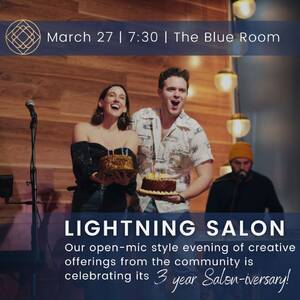
The Lightning Salon is Lightning Society’s monthly open-mic style event, usually held in the Blue Room. It’s essentially a community showcase where attendees can perform music, poetry, dance, short plays, comedy, or any creative act for a friendly crowd (www.ticketfairy.com ). To participate, you typically submit a request in advance (Lightning handles sign-up for performers) and perform a 1–6 minute piece. Audience tickets for a Salon are often offered at no charge or a nominal fee. If you’re not performing, you can attend as a hopeful audience member; no advance ticket is needed for most Salon nights (it’s “coffeehouse” style). For exact details, look for Lightning Society’s announcements announcing “Lightning Salon” and follow any submission instructions. It’s a very inclusive and supportive environment for new and experienced performers alike.
Are outside cameras or recording devices allowed?
Photography and phone video by guests is generally allowed and common at Lightning Society. Audience members often take photos for memories or social media. However, flash photography during a performance is discouraged. Note that Lightning Society frequently hires or allows professional photography/videography for promotional purposes – their event pages usually state “professional photography will be taken” and by attending you consent to it (www.ticketfairy.com ) (www.ticketfairy.com ). In short, feel free to snap a picture of the stage from your seat, but do not use big tripods or intrusive gear. If you plan to do anything extensive (like filming the whole show on video), it’s best to ask permission first. Standard digital cameras and phones are fine for casual pictures.
Is there an age restriction at Lightning Society?
Lightning Society events have mixed policies. Many public events are all-ages , meaning anyone (including children) can attend. This is common for daytime or artistic events (like salons or concerts). Occasionally a special rooftop party or concert is labeled 21+ (and then ID is checked). Always check the specific event page: if it says “all ages,” all are welcome. If it says “21+” or “Adults only,” minors cannot enter. The venue itself is technically open to all behind the doors, but since it serves alcohol and is a residential-type building, they limit some nightlife events. Where alcohol is served, expect age ID checks at the bar.
Can I buy food or lunch inside Lightning Society?
No, Lightning Society does not offer full meals or a kitchen for diners. Inside, they only serve drinks (coffee, tea, beer, cocktails) and sometimes very light snacks (popcorn, chips). If you want dinner or a meal, you should eat at a nearby restaurant before the event. The surrounding neighborhood has many eateries within a short walk – see our other tips for restaurant suggestions. You can bring your own water bottle, but the bar sells bottled water on-site. Essentially, plan to dine out and treat Lightning Society as a drink-and-entertainment spot, not a dinner venue.
What is the typical ticket price range for shows?
Ticket prices vary by event. Lightning Society’s open-mic salons are often free or “pay what you wish.” Standard concerts and creative events typically range from about $10 to $30. Many summer parties and specialty events might be around $15–25. Youth and student discounts are not commonly advertised, but some events are explicitly marked as “pay what you can.” In general, Lightning Society aims to keep its events affordable compared to larger clubs. If a show has a high-profile artist or elaborate production, expect the higher end of the range. Always check the event listing for the exact price – they will also note if there are tiered fees like early-bird specials.
Is Lightning Society indoor or outdoor, and what happens if it rains?
Lightning Society has both indoor and outdoor spaces. The Blue Room on the upper floor is fully indoors (with walls and a roof), so that part of the venue is unaffected by weather. Many events use that indoor lounge especially in winter or rain. The rooftop deck is open-air – if it rains or there are high winds, outdoor events may be moved inside or rescheduled. The venue typically notifies ticket holders in advance if a rooftop show must move. If you attend an event listed as rooftop, it’s wise to check on the day-of (via their social channels) for any “rain plan.” For sealed tickets, expect same-ticket admission indoors if relocated. In summary: the venue is mixed; come prepared for indoor seating, and treat rooftop events as weather-permitting.
Does Lightning Society require a membership or ID to attend?
No special membership is required for Lightning Society’s public events. Lightning Society does have a private membership program (notably for an upcoming SoHo club), but the Brooklyn location’s community events are open to anyone who buys a ticket or RSVP (and is of age if required). That said, you should bring a valid government ID if the event is 21+ or if you plan to buy alcohol. If you’re just attending an all-ages show, no ID is needed except to prove age at the bar. Bottom line: you don’t need to be a “member” to enjoy Lightning Society’s Brooklyn shows – just treat it like any public venue where you need tickets and sometimes ID for drinks.
Where are the restrooms located inside Lightning Society?
Restrooms are on the first floor, near the main entry. There are usually one men’s and one women’s restroom (single-stall each in a small venue house). Signs will direct you. The upstairs areas (Blue Room and rooftop) do not have separate bathrooms, so plan restroom visits either before the show or during a break when the floor staff can let you downstairs. The blue-room bar area may have additional nearby facilities if needed. In any case, restroom lines are rarely long because the crowd is small and people plan for it. As always in NYC venues, go early to avoid missing any of the performance.
Are children or minors allowed at Lightning Society events?
Children and teenagers are welcome at most Lightning Society shows, as many events are family-friendly (especially in daylight or acoustic settings). Lightning Salon and most Lightning Session concerts are explicitly "all ages," meaning kids can attend with a ticket. (You’ll often see young teens and even children at art or performance nights.) However, some special events are adult-only – if so, the event description will say “21+.” For those events, minors are not admitted and ID is checked. If unsure, always confirm before buying tickets. In summary: all-ages events allow families, but double-check the event listing since any alcohol-heavy party may exclude minors.