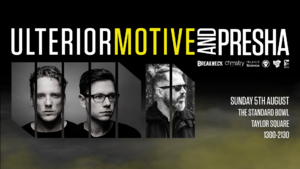
About The Standard Bowl
The Standard Bowl was a unique hybrid venue in Sydney’s Darlinghurst: a miniature bowling alley, bar and live music club all rolled into one . Perched on Level 3 of the historic Kinselas Hotel (Standard Hotel) building at 383 Bourke Street , it offered four bowling lanes alongside arcade games, pool tables and a stage. The space was fitted out in a gritty, retro-industrial style – complete with full-length 1950s-inspired murals and neon signage – giving it a warehouse-chic vibe .
Co-owner Paddy Coughlan (of The Standard Hotel) and partner Matt Rule conceived the venue after visiting New York’s Brooklyn Bowl , saying Sydney needed a place where beers, bowling and bands could meet on equal footing . The result was a deliberately casual, “nothing-standard” kind of hangout (as one review put it ) where punters could knock down pins and dance in the same crowd. With room for roughly 500 people , it became a landmark on Oxford Street/Yorkshire-inspired nightlife, aiming to stand out from ordinary pubs and nightclubs by offering free live shows alongside the bowling fun.
Events and Programming
The Standard Bowl hosted a rotating cast of local bands and DJs rather than big-ticket headliners. It opened in April 2014 with a free three-night launch party featuring indie acts like Wolf & Cub, The Greta Mob, PALMS and Jenny Broke the Window . Throughout its run it mostly booked up-and-coming Australian rock, indie and alternative bands (often Queensland or Melbourne artists on tour), along with regular club nights and DJ sets playing rock, funk or electronic tunes until the early hours . In other words, gigs were typically unsigned/local bands and free-form disco parties – a “laid-back” gig lineup rather than a corporate roster. DJs usually spun after the live sets ended, and theme nights or all-genre party raves were common.
As many local reviewers note, a defining feature was that almost all shows were free entry (hence “punters can bowl, see live bands – the best part? It’s all free” ). With no advance ticket required for most events, guests could simply walk in on event nights (the focus was on drawing casual crowds, not restricting access). Occasionally rare special events or external promoters might charge a cover or release tickets in advance, but by and large Standard Bowl shows didn’t need formal booking fees. In practice, the venue’s calendar was promoted on gig guides and social media (e.g. City Hub Sydney, The Standard’s own pages), and doors opened around 8–9pm on gig nights. For popular free events, arriving early was key, since busy crowds could fill up the space quickly.
Tickets and Booking
In keeping with the venue’s ethos, there was usually no ticketing at The Standard Bowl – most nights were free entry. Audiences would often just show up on the night. For the odd time an event did sell tickets (for example a special festival party or band night through a promoter), tickets were typically available on the venue’s website or local ticketing platforms a few weeks in advance. In general, there was no on-site box office or phone charge – it functioned like a bar rather than a traditional theatre. Anyone planning to catch a gig here should watch the official channels (social media or local music sites) for updates, but in most cases just turn up when the bar opens. Door covers when charged were modest (often under $20), but again this was uncommon.
Seating and Layout
Inside, The Standard Bowl was mostly one large open room with no reserved seating – it was general admission standing and roaming. The bowling lanes themselves took up the back half of the floor, parallel to the stage. There were no fixed rows of seats; at most low benches along the alley edges. So the best “seats” depended on your preference: up front on the floor for the best view and sound, or down by the far lanes if you wanted to bowl while you watch. Acoustically it is described as having a “top-notch sound system” , so even standing further back near the bowling lines you could hear well.
According to critics, the venue had a true warehouse/industrial feel: a high ceiling, exposed brick or metal beams, and scattered vintage games. For example, Time Out noted there was a full mezzanine level above one side of the space dedicated to games – pinball machines and pool tables – where people could play between sets . That mezzanine wrapped around one side of the stage, so the venue could flexibly host gigs (with everyone standing/bowling on the main floor) or just nightlife events. In short, there was no “bad” spot, but the main stage area filled quickly. If you wanted to bowl, the lanes imparted a novelty viewing angle (watch a band from inside an alley!). If you just wanted the full gig experience, leaning near the edge of the stage or the bar side was ideal.
Getting There and Parking
The Standard Bowl’s address was 383 Bourke Street in Darlinghurst , just off Oxford Street near Taylor Square. It’s in the heart of Sydney’s inner-city nightlife district. For public transport, there were several options. Kings Cross Station (on the Eastern Suburbs/Illawarra line) is the closest train stop, roughly a 10-minute walk. Many city-bus routes also serve Oxford and Darlinghurst Roads – for example, Sydney Buses routes 311, 333, 352, 373 and 389 all run nearby . (In Moovit’s guides you’ll see those bus numbers listed for Darlinghurst along with T2/T4/T9 train lines .) There is no dedicated on-site parking lot, since it’s a dense part of the city. Short-term metered street parking is very limited. In practice most patrons take public transit, a taxi or rideshare to arrive. If driving, the nearest public car parks are a few minutes away by foot – for example a covered lot at 100 William Street (about a 3-min walk) or at 75 Crown Street (5-min) – both of which charge a few dollars per hour . These provide the quickest parking options, though it’s usually easier to drop off and grab an Uber at the front door if traffic is heavy. Rideshare drop-offs conveniently unload on Bourke Street in front of the venue.
Inside the Venue
Upon arrival, doormen typically checked ID and might do a light bag search (it was an 18+ licensed venue). Guests were politely asked to lock up any large bags or oversized items, since the space was more nightclub than family bowling alley. The atmosphere inside was lively and dimly lit, with neon and pinball lights adding ambience. The main bar served standard pub fare – beer, wine, spirits and cocktails (some with fun pop-culture names) – and operated late every night of events. There was no real kitchen beyond snack-type items (on busy nights it was smart to have eaten beforehand). Restrooms were located along the back wall near the bowling lanes (and downstairs in the hotel below for wheelchair access). A small coat rack or closet may have been available near the entrance, but on most nights patrons kept coats/bags by the alley or at the bar. A merchandise stand occasionally popped up during bigger gigs, but in general there was no permanent store; it was mainly a bar. Wireless internet was not a focus (expect just spotty mobile data coverage). The vibe was casual – standard nightclub rules applied (no outside alcohol, no weapons, no smoking inside). Smartphones and point-and-shoot cameras were commonly used by concertgoers (no strict photography ban, but obviously flash photography for bands was discouraged). In-house lighting was basic club stage lighting supplemented by neon. The house PA was described as very good (one reviewer even called the sound system “top-notch” ), so live music sounded solid. Clocking the live mix toward the dancefloor meant you could often juggle a game of bowling without missing the beat.
Nearby Amenities
The Bowl’s neighbourhood offered plenty to do before and after shows. Nearly every kind of dining is within easy reach on nearby Oxford Street and side streets. (The Kinselas Hotel’s own ground-floor pub/restaurant, for example, had made-to-order meals and basic pub grub to fuel you). Popular nearby eateries include Asian fusion and Thai restaurants on Cleveland and Flinders/Lachlan St, plus casual oysters, pizza and burger spots along Oxford and Crown Street. In the mood for drinks? You could pre-game at the bar downstairs (often called Middle Bar on Level 2) or try any of the dozens of craft beer and cocktail venues along Oxford St. For a quick snack or a bottle shop run, convenience stores and liquor stores are sprinkled on the surrounding blocks. The area also has a few small hotels if you’re visiting Sydney, plus many late-night cafés and kebab shops open past midnight – useful for a post-gig bite. Taxis queue at Taylor Square (a block away) for late-night transport. In short, standard accommodation, dining and bar options in Darlinghurst are all within walking distance, so you’ll find something to suit any pre-show or post-show plan. (Tip: as Sydney tends to get busy around last-call, leaving a little early for transit or cabs is wise.)
What Makes This Venue Special
The Standard Bowl stood out for its one-of-a-kind mashup of entertainment. Unlike a standard caryard-sized bowling club or a dark basement dive, it combined the two worlds: you could bowl while catching a live band or DJs while sipping cocktails. Its very existence was a local experiment – Sydney’s first real “bowling + live music” venue. It embodied the owners’ mantra of being an “evolving space” – constantly changing lineup and ambiance, rather than sticking to one format . This philosophy helped it capture the imaginations of Sydney indie music fans. For the local scene it was a fresh alternative to conventional pubs and clubs: you might go there after an Oxford St gig to keep the night rolling. Iconic opening events (Wolf & Cub headlining the launch, plus freebies like PALMS and Jenny Broke the Window) immediately made it a talking point . Over its run it played host to a who’s-who of up-and-coming Australian acts, fostering a community of repeat punters. The design details – from its “Big Lebowski–style” cocktail list and dance-club gloss to that rugged graffiti-meets-neon décor – gave it a quirky personality beyond being “just a music venue” . In short, both audiences and bands loved it as a novelty: you couldn’t find another live music spot in Sydney where you bowled your own bowling ball between bands. Its celebration of local music (often free) and playful vibe made it memorable, even legendary, to those who went. Even if you were expecting a basic bowling night, the unexpected live band or industrial styling always made it feel like something special.
Visitor Tips and Information
Accessibility: The Standard Bowl was on level 3 of the building, and it did not have a wheelchair ramp (access was via stairs or lifts servicing the Kinselas bar below). Patrons with mobility needs should note that entry is through the same lobby as The Standard pub and then up a flight of stairs. If you need assistance, it’s best to call ahead of time. Otherwise, be prepared to climb.
What to Bring: ID and cash/card are essential. It’s an over-18 venue, so bring a valid photo ID (passport or driver’s licence). If you plan to bowl, wear comfortable shoes (sneakers are fine, they provided rental bowlers’ shoes if needed). Ear plugs can help if you’re sensitive to loud music, although the system is well-mixed. Outside drinks/food were not allowed – you must buy drinks inside. A small bag or backpack is okay, but large luggage or professional camera gear might be declined at entry.
Common Mistakes: Don’t assume tables or seats will be free. It’s mostly standing room. Also note that bowling lanes are part of the pub floor, so if a band is playing you’ll have to play and listen at the same time – it’s meant to be casual. Another tip: wear clothes you don’t mind getting a bit scuffed if you bowl (bowling balls can scuff shirts if they slip). Finally, check the show schedule in advance. Since most events were free, sometimes smaller gigs could start late or change without notice. Follow the venue’s or promoters’ announcements in case of lineup updates.
Age & Dress Code: There was no formal dress code – casual attire was normal (jeans, tee shirts, sneakers). It was not a suit/fancy night club, but do keep it hip-cool. Men often wore collared shirts and women whatever they liked; the main thing was full shoes (sandals with cotton socks or sneakers are fine for bowling). Because it’s a licensed bar, no one under 18 was admitted (so expect a strict card-check if you look young). There were no major “style police” – just dress up a bit if you want to feel part of the scene.
Other Basics: The venue could get packed by 10pm on gig nights, so arriving earlier than peak time helps get a lane or a good spot. Coat-check areas were minimal, so keep your coat with you. The toilets were located near the lanes (follow the signs). Most people went downstairs first into the pub if there was a line. After last call (around 3 am), there was a strict “all out” since the venue literally shuts inside a pub. And if you leave the building after the show, remember that Oxford St nightlife continues around you (so plan transport accordingly – nearby buses or taxis at Taylor Square can be crowded after 3 am). Overall, treat it like a friendly late-night club: mind your belongings, have some ID, enjoy bowling with your mates and a band!
Is The Standard Bowl still open or permanently closed?
As of late 2022, The Standard Bowl is permanently closed. Listings show the venue has ceased operations . There are no current events or bookings under that name. Visitors are often redirected to the Kinselas Hotel/Standard pub below or related venues (like Middle Bar) in the same building. If planning a night out, check current pubs or clubs in Darlinghurst instead.
How do I get tickets or book a lane at The Standard Bowl?
Most events at The Standard Bowl were free entry, so no tickets or advance booking was required. Guests could simply arrive when a show or bowling night was scheduled. (On the rare occasion of a special ticketed event, tickets would have been sold via the venue’s website or promoters – but that hardly ever happened.) There was no online ticket platform; you just turned up at the door on the event night. Relatedly, you couldn’t pre-book lanes – it was first-come, first-served unless it was a private function.
What is the capacity of The Standard Bowl?
The venue could hold about 500 people at full capacity. Listings for The Standard Bowl explicitly note a capacity of 500 . This includes all the standing room on the main floor and bowling lanes (it didn’t have fixed seating). So it was a medium-sized intimate venue by concert standards.
Where exactly is The Standard Bowl located?
The Standard Bowl was at 383 Bourke Street, Darlinghurst NSW 2010 , on Level 3 of the Kinselas/Standard Hotel building. Close cross streets include Oxford Street and Flinders Street (Taylor Square). It’s in inner-city Sydney, so you’d use Darlinghurst/Near North Sydney public transport. Today the address is still the same (though as noted, the venue itself is closed).
Are there good parking options at the venue?
Street parking around Bourke Street is very limited (mostly metered, short bays). Nearby pay parking lots can be found on William Street and Crown Street a few minutes’ walk away. For example, a covered lot at 100 William St (3 min walk) was about $2 for 2 hours, and one at 75 Crown St (5 min) about $4 for 2 hours . Since parking isn’t convenient, most people took public transit, taxi or rideshare. Rideshare drop-off right outside is generally easier than finding a spot.
What are the transport options to Darlinghurst and The Standard Bowl?
Darlinghurst is served by many buses along Oxford Street (routes 311, 333, etc.) and nearby train stations. For example, Sydney Trains’ Eastern Suburbs/Illawarra Line (T4) stops at Kings Cross, about a 10–15 min walk from Bourke St . City Circle trains (T2) and other lines can connect to Kings Cross or Martin Place; then take a short bus or walk. Buses like the 311, 373 or 389 go from Central Station through Darlinghurst . There is no nearby light rail stop. For crowds after hours, Taylor Square and Oxford St have taxis and rideshares available.
What’s the best way to see the stage and bowl in the venue?
Since The Standard Bowl had no formal seating, “best” depends on your aim. If you mainly want to watch the band, stand near the stage area on the floor so the sound is clearest. If you’re there to bowl, you can grab a lane and still hear the music (the PA was very good ). There were small benches along the lanes too. The mezzanine upstairs was for games, not viewing. A general rule is: front and center of the room for best concert view; farther back or under the mezzanine if you want a lane or more space. But there were no obstructed views – the layout let bowlers and music fans mix freely on the same floor.
Are minors or kids allowed into The Standard Bowl?
No. The Standard Bowl was strictly an 18+ licensed venue (same as a pub or club). You had to show proof of age (ID or driver’s licence) at the door. Children and teens were not permitted, even if a parent was present. It was explicitly an adult-oriented environment (bowling without kids, with booze and late-night music) .
What drink and food options are available inside?
Inside The Standard Bowl was basically a full bar, similar to a pub. You could buy beer, wine, spirits and cocktails from the bar on the main floor. The cocktail menu was playful (some references even mentioned a “Big Lebowski” vibe ). Food beyond standard bar snacks was limited; they mostly served chips, nuts or simple snacks. If you wanted a meal, the easiest option was The Standard Hotel’s downstairs bistro (same building) before heading up, or a nearby restaurant. Many people ate in the hotel/pub downstairs and then came up to bowl and drink at the Bowl.
Did the venue have a coat check or lockers?
There was no formal coat check like at a theatre. On most nights people just kept jackets and bags with them. The crowd was casual, so it was common to drape a coat on your chair by the lane or carry a small bag. In busy showtimes the staff would simply ask you to hold your own coats or leave them by the wall. If you have a lot of gear, it was best to use the entry foyer closet (the management sometimes provided a spot behind the bar) or bring only what you need for the night.
Is The Standard Bowl wheelchair accessible?
Unfortunately, The Standard Bowl was not fully wheelchair accessible. It sat on the third floor (access from the main foyer via stairs) and did not have a dedicated ramp or accessible lift into the club. (An elevator in the building stops at the ground-floor pub, but from there you still needed stairs to reach the Bowl.) Patrons requiring step-free access would have found it difficult.
What should I wear to The Standard Bowl?
Dress was casual. There was no strict dress code – think “gang for a night out” or hip clubwear. Typical patrons wore jeans, sneakers or low heels and a nice top/shirt. As long as you met ID requirements and weren’t in beachwear or sportswear, you’d fit right in. If you plan to bowl, comfortable shoes are recommended (regular sneakers or bowling shoes provided by the bar). Keep in mind it can get warm dancing or bowling, so lighter layers are fine. Overall, smart casual was the norm – no need for formal attire.
Are outside drinks or food allowed from home?
No. The Standard Bowl had a full liquor licence, so BYO drinks or food from outside were not permitted. Security would check bags at entry and you were not allowed to bring in outside alcohol. Food (beyond small snacks) was similarly off-limits. If you needed water, the venue provided cups or you could step out to the street. Basically, plan to buy all your drinks (or any snacks) inside.
Where can I find more information or event schedules?
When it was operating, event info was usually posted on local gig listings or social media rather than a single central site. People often checked music event sites (like City Hub Sydney or BandsInTown) for “Standard Bowl” listings. Since the venue is now closed, its site no longer lists events. If you’re curious about past events, you might find old listings on archived pages (or on sites like Muzeek和 ). For current gigs, you’d look at other Sydney venues’ schedules.