About U-Bar, Dunedin
U-Bar (Union Bar) is the student union pub for the University of Otago in Dunedin, located at 640 Cumberland Street. It’s run by the university’s students’ association and has been a cornerstone of campus social life for years. The venue is famous for its high-energy student nights – think live bands, DJs and parties every Wednesday through Saturday evening (www.otago.ac.nz ). As the official Union Bar, it’s fully licensed to 3:00 am (www.otago.ac.nz ) and welcomes patrons of all ages (under-agers simply can’t drink alcohol). U-Bar is notable for its friendly, ‘anything-goes’ student vibe and has become one of the last surviving focal points of Dunedin’s once-booming student pub scene (www.critic.co.nz ) (www.otago.ac.nz ). In fact, the University has described the old “ReFuel” (now U-Bar) as “the University-owned pub… already on campus” designed to keep students safe and social in one place (www.critic.co.nz ). This historical role – along with $5 pint deals and loud live music nights – has cemented U-Bar’s status as a beloved local institution in the North Dunedin student quarter.
Events and Programming
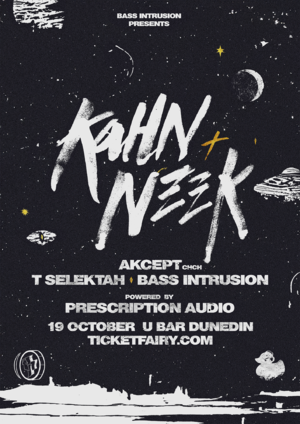
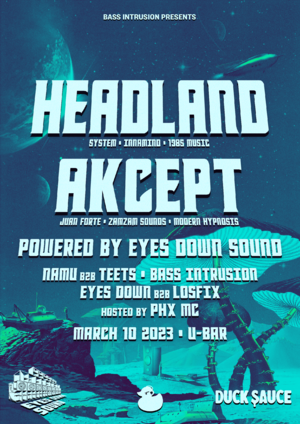
U-Bar’s calendar is packed with student-oriented events. The most iconic weekly event is the Wednesday “Wednesday Social” or “Pint Night”, featuring cheap beer jugs and often a live band or DJ. According to local student media, U-Bar (then called ReFuel) used to host $5 pint nights (www.critic.co.nz ), and those bargain nights remain a big draw. Outside of Wednesdays, the club hosts a range of live music and club nights every Thursday to Saturday: student bands from Otago or visiting up-and-coming acts often play onstage, alongside high-energy local DJ sets. On special occasions it puts on themed parties – for example, a St. Patrick’s Day event in 2025 was advertised – plus charity fundraisers (one bass-music fundraiser in 2020 even charged just $4 per ticket (www.ticketfairy.com )) and open-mic or quiz nights run by campus clubs. U-Bar has hosted touring electronic artists including New Zealand and international DJ acts (Bass Intrusion shows with UK drum’n’bass duo Kahn & Neek in late 2024, for instance) as well as drum’n’bass and bass music legends like Akcept on tour (www.ticketfairy.com ) (www.ticketfairy.com ). Most events are aimed at students, with typical ticket prices very affordable (often single-digit dollars for club nights). Smaller shows can be free or just a cheap cover charge, while larger or special events might be $5–$15, reflecting the student-focused nature of the venue (www.ticketfairy.com ). In short, U-Bar’s programming is all about student life: weekly socials with live music and DJs, plus occasional bigger gigs – it truly is the heart of Otago’s live student entertainment (www.otago.ac.nz ) (www.critic.co.nz ).
Tickets and Booking
Tickets for U-Bar events are usually sold through the University of Otago Students’ Association or at the door. There isn’t a public box office in the usual sense, so the best approach is to watch student social media or campus noticeboards for announcements. For big shows and club nights, tickets often go on sale a few weeks in advance via the student association’s channels or event pages – check university/student websites or newsletter listings. In many cases, tickets can simply be bought at the door when the event starts, as long as it’s not sold out. Because U-Bar caters to a student crowd, event organizers tend to keep prices low: for example a 2020 charity rave at U-Bar was only $4 per ticket (www.ticketfairy.com ). One-off concerts or DJ shows may cost $5–$15 as noted above, while regular social nights might have no cover charge beyond buying drinks. Any presale or “early bird” ticket deals would typically be publicised well in advance, but many attendees simply line up on the night. If an event is likely to sell out (big-name performers or festivals), it’s wise to get tickets early once on sale. Students should watch out for OUSA membership discounts or wristband deals on campus – sometimes the students’ association will offer special pricing to fellow students or early-bird prices. In general, minor students are allowed in, but anyone who looks under 18 should be prepared to show ID at the door as with any bar (though it is officially an “all ages” venue for non-drinking attendees (www.ticketfairy.com )).
Seating and Layout
U-Bar is primarily a standing/dancing venue. Inside there’s a main open floor space facing a small stage or performance area. The layout is typical of a nightclub: a large central dancefloor with sound equipment and lights, a bar counter around one side, and a few scattered tables or stools along the edges. There are no reserved seats or theatre-style rows – it’s general admission and close-packed when busy. The stage or DJ booth is usually at one end of the room, so the best views are directly in front of it or towards the center of the floor. That said, those sensitive to crowds or bass may prefer the periphery (near side walls or back) where it’s a bit more spacious. The official bar counters run along the walls, so any stool or ledge by the wall gives a seat-like spot. Acoustically, the sound is pumped loud (as one student photographer noted, “U-Bar lighting is not ideal — but the crowd is always lively” (www.critic.co.nz )). The built-in sound system is serviced by in-house technicians (www.otago.ac.nz ), so the bass can be heavy. If the event has large SLAs (sound levels), the people at the very front will feel the impact most strongly, whereas standing a bit further back or off to one side can give better perspective and slightly clearer sound. Overall, U-Bar’s setup is simple: a ground-level club space with standing room, a low ceiling, and a bustling dancefloor. Veteran attendees usually head for the center of the dancefloor or right up at the stage for prime action, while others hang back by the bar area. One seating tip: the small raised platform in front of the DJ booth (if any) can serve as a makeshift vantage point on awkward nights. In short, there really aren’t “bad” areas – most of the bar is open – but keep in mind it fills quickly on a big night, so early arrival helps get a good spot. (Photography buffs have noted U-Bar’s lighting is pretty dim – so it feels great for atmosphere, but not great for photos (www.critic.co.nz ).)
Getting There and Parking
U-Bar is easy to reach. It’s located at 640 Cumberland Street in the Dunedin North area (the University of Otago campus). Address it as “University Union Bar, 640 Cumberland” for GPS. In terms of public transit, several Orbus routes stop very close by. For example, the main routes 14, 5, 50, 8 and 37 all run through the campus area (moovitapp.com ). You can catch these buses from the city centre (Octagon) or other parts of Dunedin; look for stops on Clyde Street/Richmond Street near Great King or Bund? mainly within a few blocks of the Bar. The nearest bus stop names are the “Clubs & Socs” stop or “Cumberland St” stop (just a 5-minute walk away) (moovitapp.com ). As one real-time guide notes, the Cumberland St stop is only 240 m (4 min walk) to the bar (moovitapp.com ). Taxis and rideshares (Uber, Ola, etc.) can easily drop you off at the Cumberland St entrance or the nearby St David Street turnaround – it’s right on a busy street. If driving, be prepared for limited on-street parking. Cumberland St and neighbouring streets are metered (mostly 2-hour parking, pay-and-display). Free late-night or weekend parking rules vary, so plan on coming early or using public transport. Paid parking lots within walking distance include Queens Gardens and Moray Place car parks (both about 10–15 min walk) or even the underground parking at the university buildings. For example, the Thomas Burns Street car park (near the Law Courts) offers 2-hour parks for about $8 NZ (www.parkopedia.co.nz ). Alternatively, a short 10–15 minute walk will get you up to Albany Street/Great King Street where there are more long-stay public carparks. Overall we recommend taking the bus or taxi late at night; if you do drive, expect to pay a few dollars per hour in nearby car parks (parked street-side is usually ~$2–$4 per hour and limited to a couple of hours). Walking from the city centre (“Octagon”) is also an option – it’s roughly 15–20 minutes on foot along Dundas/Cumberland Street from downtown.
Inside the Venue
On arrival, you’ll enter through the University Union building foyer and be buzzed into the bar area. Security staff will check your ID (if you look under 25) – remember that while the venue is all-ages for entry, anyone buying alcohol must be 18+. Expect a quick security wand or bag check at the door; large backpacks or outside food/drinks are not permitted. Inside, U-Bar is dim and energetic. The walls and ceiling are often black or dark, with colourful club lights and strobes sending shafts of light over the crowd. There are a couple of small lounge nooks with padded benches along the sides, but most patrons stand or dance in the main space. At the rear or side is the large bar counter – this serves beer, wine, spirits and soft drinks. (They typically serve standard pub fare – pints of lager or cider, mixers – and occasionally jugs or late-night snacks, but don’t count on a kitchen menu beyond bar-size nibbles.) The bartenders are friendly students or staff who know the regulars, and the bar can get busy on a good night. Restrooms are located just outside the bar (still inside the union building) – expect lineups after the headliner. U-Bar has coat racks by the entrance but no formal cloakroom; on a cold night you’ll likely just hang your jacket on a rail or carry it. The sound system is professionally run by the in-house technicians every night (www.otago.ac.nz ), so the bass is thumping. If you stand right next to the big speaker stacks, it’s very loud; further back the sound is still full but a bit clearer. There is usually little to no Wi-Fi available for public use, so data reception may be weak in the basement. However, cell phone signals (4G) generally work ok, especially on the edges of the dancefloor. If you want photos or video, small handheld cameras and phones are fine (some photographers do shoot gigs here (www.critic.co.nz )), but avoid tripods or professional flash units – they may ask you to put them away. You’ll notice many students wearing casual club attire (jeans, sneakers, T-shirts, hats), but on theme nights people might dress up (e.g. funky costumes or clubbing outfits). As a walking tip: if loud music bothers you, U-Bar provides earplugs at the bar – feel free to grab a pair. Overall, inside U-Bar it’s loud, warm, and crowded – exactly the lively student pub atmosphere it’s known for.
Nearby Amenities
U-Bar sits in a lively part of North Dunedin, with plenty of choices for pre-show dining and post-show fun. Within a few minutes’ walk you’ll find casual student eateries like pizza shops, burger joints, and kebab houses – perfect for grabbing a quick meal before a night out. For example, Domino’s Pizza and Burger Fuel are a block or two down Cumberland. If you prefer sit-down, there are cheap local restaurants and cafes on Cumberland and George Streets, serving everything from Thai and Indian to sushi ($10-15 dishes) for a pre-show meal. Right across the street is the corner Dairy and liquor store (for grabbing water or snacks). For coffee or breakfast before an early show, try the campus café “Te Makarini” or the Kuratorium Coffee on Albany. As night winds down, the central Octagon and George Street are just a 15-minute walk away for late-night bars or 24-hour fast food such as KFC or McDonalds. The area around U-Bar has no shortage of other bars and clubs too – the Castle Street district (five minutes away) is packed with pubs like The Castle, The Bog, and Café Tango if you want to continue the night elsewhere. In terms of lodging, the central campus area has student halls and a few backpacker hostels within easy walking distance, while mainstream hotels (travel lodges, boutique hotels, etc.) are concentrated a bit farther south on Great King Street and St Andrews Street (about 5–10 minutes’ drive). If arriving early, nearby attractions include the Botanic Garden (good for a stroll to pass time) and the Dunedin Public Art Gallery downtown a 20-minute walk away. Public transit and taxi stands make it easy to get to other parts of city after a show – for example, there’s a late-night bus back to the CBD, or taxi ranks on Great King Street not far away. In summary: you won’t go hungry around U-Bar, with fast-food spots and local cafes galore; and it’s well-connected by hotels, buses and late-night rides so getting home after the gig is straightforward.
What Makes This Venue Special
U-Bar’s special status comes from its role as Otago’s true student bar. Unlike most city pubs, it’s owned by and catered to students – a fact that gives it a unique culture. Many locals describe it as a “home away from home for scarfies” (student slang) because of that community feel (www.1news.co.nz ). It’s historically significant as one of the last vestiges of Dunedin’s famed student pub culture. In the 2000s many classic student bars (The Gardies, The Bowler, Controllers, etc.) closed or were absorbed, but U-Bar survived by reinventing itself under student control. University and student leaders explicitly aimed to keep it open as a “safe place to socialise” on campus (www.critic.co.nz ). The building itself is nondescript, but inside there’s a warm social vibe – students say “U-Bar always has a really fun bunch of people in the crowd” (www.critic.co.nz ). Live music-wise, it’s one of the few Dunedin venues that can handle amplified bands and club sound, so local up-and-coming musicians and DJs love playing here. One local community leader remarked U-Bar was “one of the only options left for tours coming through town” after other venues closed (www.1news.co.nz ). Its décor is typical of a nightclub rather than a fancy historic bar, but that makes it special – it’s a “home base” for the student scene, not a polished gig hall. Patron traditions like the Wednesday $5 pint night (famously mentioned in student press (www.critic.co.nz )) and annual theme parties keep the college spirit alive. In summary, U-Bar is special because it embodies Otago’s student culture: friendly crowds, catchy live acts, and house-friendly prices combined in a core part of campus history. Artists and students rave about the “vibes” here, which are hard to replicate anywhere else in Dunedin (www.otago.ac.nz ) (www.critic.co.nz ).
Visitor Tips and Information
Accessibility: The venue is on the ground level of the union building, so entry is step-free at the main door. There are wide ramps into the campus union area. Inside, U-Bar itself is flat with no steps, but keep in mind the facility is older: the only toilet inside is likely a single unisex accessible toilet near the lounge, and crowded nights may make navigation tricky for wheelchairs. Staff can usually help find a place to stand or sit close to the entrance. What to bring: Bring your student ID (or any photo ID) – you won’t need it at door if you look over 18, but bouncers check if you look suspiciously young. A few dollars in cash is handy for drinks or lock-ins, though most bars take cards now. Earplugs are a good idea if you’re sensitive to loud music. Age and dress: U-Bar has no strict dress code beyond “casual clubwear.” Hats and jerseys are fine – on theme nights people often wear crazy costumes or hockey jerseys. Anyone can come in (even under 18), but no minors may buy alcohol. So if you’re under 18, you can still attend just for the music and atmosphere (often at no extra cost). Doors and entry: Music usually starts around 9pm, but big events often have queues by 8:30pm. If it’s standing-room only, arrive early to get a spot. On busy nights there might be a short line outside; bouncers will typically check IDs and may do a quick bag search for safety. Photography with phones/cameras is generally permitted — just be mindful and step aside if security asks. Prohibited items: Outside drinks or food, firearms, or glass containers are not allowed. Smoking inside is banned by law (as in all NZ pubs), and there isn’t an indoor smoking area, so expect $50 fines if caught. Restrooms and coat check: There’s usually no cloakroom – you’ll either wear your coat or drape it over a chair. Restrooms are through the hallway outside U-Bar’s main area (the union’s facilities). On packed nights expect lines, so plan ahead. Connectivity: Wi-Fi inside is spotty at best, so don’t count on it. Mobile phones generally work (on Vodafone/One NZ networks), though reception can wane deep in the crowd. Etiquette: Security is friendly but firm; help them keep the night safe (they’ll intervene if someone’s very drunk or fights start). No flash photography during band sets. In general, just behave respectfully – U-Bar has a reputation for being safe and fun precisely because everyone looks out for each other (as one photographer praised: U-Bar “feels the nicest and safest” place to shoot live music (www.critic.co.nz )). Insider tip: Keep an ear out for the bar’s in-house DJs (often students) – they spin all the latest tunes on dance nights. And ask regulars about the secret (if not-so-secret) cozy spot on the far side of the room – one of the best spots to catch a moment with friends away from the busiest crush. Finally, don’t hesitate to chat up the sound engineer “Samuel” if you want lighter/more light on stage – he runs the lighting rig and is known to help photographers! (www.critic.co.nz )
How do I buy tickets for U-Bar events?
Ticket sales are usually handled through the university student association or directly at U-Bar on event nights. Watch OUSA social media or campus posters for announcements. Many student nights are free or have tickets sold at the door (advance tickets are only needed if explicitly stated). If it’s a ticketed show, purchase online via the uni’s event site or get them at the bar/union office when announced.
How much do tickets usually cost?
U-Bar events are budget-friendly. Student socials often cost nothing or just cover the drink special. Small club shows might be a few dollars. For example, a charity drum’n’bass night recently had $4 tickets (www.ticketfairy.com ). Bigger gigs (visiting DJs or bands) might charge $5–$15. Overall, expect much cheaper prices here than typical city venues – it’s oriented toward student budgets.
When do tickets go on sale and sell out?
Events are usually announced a few weeks in advance. The biggest shows sometimes sell out quickly, so keep an eye on student newsletters or FB events and book early if it’s limited capacity. However, many nights are walk-up – if tickets are left, they’re sold at the door until the venue fills. It’s safest to arrive early on popular nights to avoid disappointment.
What is the capacity and seating arrangement?
U-Bar is mostly standing-room only. There’s no fixed seating or assigned seats – it’s a general-admission club space. The capacity is in the low hundreds (enough to hold a big student crowd). In practice this means you stand on the dancefloor or near the walls. During shows, front-of-stage is prized, but even back-of-room will have a good view as it’s an open layout.
What are the best spots inside for viewing and sound?
For the closest experience, stand near the front center by the stage or DJ booth. The sound is loudest up front (some people wear earplugs there). If you prefer to hear the music clearly and have a little space, stand a bit to the sides or mid-room. There are a couple of bench-lined areas along the walls – these give a seat if you get there early, but seating is very limited. Wherever you stand, be prepared for a lively crowd. Avoid standing directly in front of the large bass speakers if you don’t like strong vibrations.
How do I get to U-Bar by public transport?
Many Dunedin bus routes serve the university area. Buses 14, 5, 50, 8, and 37 (among others) all stop near the University Union (moovitapp.com ). Get off at the Cumberland Street stop (about a 4 minute walk from the bar) or at the Great King/George Street stops (also ~5 minutes away) (moovitapp.com ). Check the ORC (Orbus) schedules – the Route 14 “City to University” is especially frequent. Late nights you might need to walk from a route that still runs or use a taxi. Don’t forget you can also walk 10–15 minutes from downtown city centre or Octagon via Dundas and Cumberland Street.
Is there parking available nearby, and what does it cost?
Street parking on Cumberland and surrounding roads is metered (usually 2-hour limits). Expect to pay about $2–$4 per hour and do your best to find a spot early – spaces fill up by evening. For longer stays, nearby council car parks (like Queens Gardens or Lower Moray Place) offer pay-by-the-hour options. For example, the Thomas Burns Street car park is a large lot a 10-minute walk away, ~$8 for a 2-hour stay (www.parkopedia.co.nz ). On very late nights and weekends parking restrictions are often relaxed, but plan on paying if you arrive early. Many people simply use bus or rideshare to avoid the hassle of parking downtown.
Can minors enter U-Bar?
Yes – U-Bar is officially “all ages” for entry (www.ticketfairy.com ). Under-18s are welcome to attend shows (often free on student nights), but obviously they cannot purchase alcohol. If you plan to stay in the non-alcohol area, you just enjoy the music. Anyone looking under 18 will be ID-checked if buying drinks. So minors can go for the concert experience, but it’s ultimately a licensed bar – so legal drinking age applies for anyone buying beer or spirits.
What should I bring and not bring?
Bring a photo ID if you plan to drink. Cash is handy for quick drink purchases (cards are accepted for most drinks). Earplugs are often available at the bar if you request them (some students bring their own). Do not bring cameras with large tripods or bottles and outside food/drinks, as security will ask you to stow those. Also, because U-Bar can get crowded, keep belongings light – large backpacks are discouraged. Wear closed-toe shoes as it’s a standing venue (and you never know when that dancefloor will get wild).
Is U-Bar wheelchair accessible?
The bar is on ground level and the entry is barrier-free, but keep in mind it’s part of an older building. There are ramps into the Union building, but there is only one restroom inside (it’s a large unisex toilet which should accommodate a wheelchair). On busy nights the room can be very crowded, so circulation is tight. In short, a wheelchair user can access the space to watch a performance, but it may not be fully ADA-compliant. If you need assistance, venue staff are usually helpful – it’s best to contact the university union office in advance for specific arrangements.
What food and drink options are available?
U-Bar is primarily a bar, so expect a selection of beer, cider, wine, spirits and standard bar cocktails. There are usually cheeseboards or bar snack platters available on big nights, but no full kitchen. (Some evenings the union kitchen might run a sausage sizzle outside, but don’t count on regular hot food inside.) Alcoholic drinks come in pints or jugs smoothies on “jug nights,” and non-alcoholic soft drinks are also sold. If you’re hungry, it’s best to eat at a café or takeaway before arriving – there’s only light snack fare at U-Bar itself.
Are cameras allowed during shows?
Yes, casual photography (phones or small point-and-shoot cameras) is generally fine. Many student photographers freely snap gigs here (www.critic.co.nz ). The bar staff and technicians are used to it, provided it doesn’t disrupt the show. Professional camera setups (large DSLRs, tripods, ring flashes) need permission from the U-Bar technicians beforehand. In any case, don’t use bright flash in people’s faces, and if security/ staff ask you to stop or move, it’s best to comply quickly.
What is ‘Pint Night’ at U-Bar?
“Pint Night” (usually a Wednesday) is a longstanding Otago University tradition at U-Bar. The bar sells pitchers of beer at a steep discount (historically jugs of beer for $5 (www.critic.co.nz )) and often features live music or DJs. It draws a big student crowd looking for a cheap drink and dance mid-week. If you attend, expect very busy conditions and the lowest published beer prices of the week – just know the bartenders may ask for all-cash jugs on these occasions.