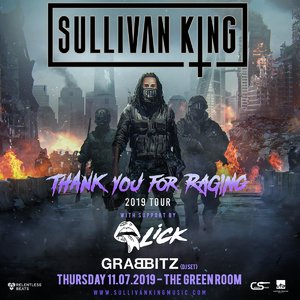
About The Green Room
The Green Room in downtown Flagstaff, Arizona was a popular live music bar and club known for its eclectic, neighborhood-friendly vibe. Housed at 15 N. Agassiz St (near historic Route 66 and Aspen Avenue), this cozy venue packed an immersive concert experience into a modest space. With a reported capacity of roughly 500 people , it was bigger than a tiny dive but still intimate. Locals delighted in its rotating lineup of DJs, theme nights, and live bands, calling it the “quintessential local bar” with “superb libations” and a mix of music styles . Regulars praised the friendly staff and lively atmosphere, complete with pinball machines in the corner . The owners even described The Green Room as a place that offers “a fun and safe environment” for visitors to relax and hang out .
Opened in the 2010s, The Green Room became a hub of Flagstaff’s downtown nightlife, attracting everything from karaoke and neon-lit DJs to touring indie rock and hip-hop acts. It wasn’t a historic castle or giant arena – rather, it was a converted garage/bar space with a small stage against one wall, a plain-but-functional bar along the side, and a painted mural or two tasting of local flair. Despite its unassuming décor, the club earned a loyal following among Northern Arizona University students and locals looking for something offbeat. (Fun fact: a few reviewers even jokingly mention that it felt like surrounded by “dive bar chic” while still hosting quality concerts.)
By early 2020, like many venues nationwide, The Green Room suspended operations. It eventually closed around the pandemic peak – its online concert log now simply reads “Closed 2020” . However, the story doesn’t end there. In late 2023 the space re-opened under new management and a new name: Yucca North (see below). For historical purposes we still call it The Green Room here, but visitors should be aware the legacy continues as Yucca North, a craft-beer-and-arcade bar on the same block .
Events and Programming
The Green Room offered something on almost every night of the week. Concerts featuring touring bands (often indie, punk, metal, hip-hop, electronic or folk acts) were mixed with theme nights and community events. For example, in June 2015 the schedule included Seattle underground hip-hop show Grieves with Grayskul , while in early 2020 punk band Tacocat and folk-punk act AJJ made stops there . Regular weekly happenings included free trivia nights and open karaoke on Mondays, a country-style “Honky Tonk Tuesdays” DJ night, and a funk/EDM DJ party called “Soulective” every Wednesday . These recurring nights often had no cover charge, making The Green Room a go-to spot for affordable local entertainment; Fridays and weekends were more likely to have a paid show with a $5–$15 cover, depending on the act.
Beyond live music, the venue hosted occasional theme parties, dance events, ladies’ nights and even paint-and-sip socials. Booking focused on diverse genres: one week you might find an ’80s cover band, the next a heavy metal tribute night or a DJ spinning hip-hop and dance tunes. Tour stops by rising bands (from Seattle, Phoenix, or elsewhere) were common, as Flagstaff is on the loop between larger markets. Most tickets were general-admission and affordable (many shows fell in the $10–$15 range), though outlier events (bigger names or private parties) could go higher. If in doubt, patrons typically checked local event calendars or the venue’s Facebook page a few weeks ahead of time. For popular concerts, tickets often sold out early, so early advance purchase – or arriving before doors opened – was advised.
Tickets and Booking
The Green Room did not have a traditional box office like a large theater; tickets for concerts were usually sold online or at the door. Local promoters and the venue’s social media would announce ticket links 1–4 weeks before a show. In many cases, you could purchase advance tickets via a ticketing website (often with a modest service fee) or use a local event calendar site. There was no big ticketing platform exclusive to The Green Room, but check those local listings. For casual nights (karaoke, trivia, general DJ nights) there was typically no entry fee – you just showed up and might pick up a drink at the bar.
For a headlining show, tickets tended to range roughly from $10 up to $20 at face value, depending on how big the act was. (On resale sites tickets could be higher, but face-price tickets were rarely more than a couple dozen dollars.) If you see an advertised opening of doors time, showing up before that time was wise: popular shows might sell out and late arrivals could have to wait or buy standing-room-only spots. Doors often opened about 30–60 minutes before showtime. If you were a local NAU student or in the know, sometimes event listings offered a discounted admission or even a guest list – often hunting through the venue’s social feeds or community forums might turn up promo codes.
Note that The Green Room did not have assigned or reserved seating: all tickets were general admission. When buying tickets, there were no “best seats” to choose in advance (see below on layout). There were also no VIP packages or presales like you’d find at huge clubs. So the main tip is simply: check online a week in advance (the Flagstaff community calendar sites or radio ads often listed Green Room shows), and when tickets go on sale, get them quickly. Most shows could also be covered by credit/debit cards, but since it was a small club/bar, having some cash was handy for entry fees, tips, or if credit machines hiccuped at the door.
Seating and Layout
The Green Room’s configuration was entirely general admission, meaning no fixed seats or theater rows. Inside, patrons found a small stage at one end of the rectangular room, with the rest of the floor open for dancing and standing. Around the edges there were a few high-top tables or stools, and a long bar along one side wall. The seating chart (as listed for its successor Yucca North) is labeled simply “General Admission” , which reflects the layout under The Green Room name as well. Four hundred to five hundred people could jam onto that dance floor area, especially if packed, but it never felt like a football crowd – more like a standing-room nightclub.
For the best experience during a show, many fans of The Green Room say the front of the crowd is prime. Standing a bit to the left or right of the stage gave a good mix of audio balance and view. The sound system was decent for the space, so anywhere in the main floor had direct sound – but note, being closer means louder bass. If you prefer to hear vocals clearly, sometimes a spot a few rows back or near the sides (but still near the front) helped avoid the direct blast of subwoofers. There were no balconies or mezzanines – it was one flat level.
If you arrive early, spots near the stage or by a side wall might let you prop against something. However, some small tables at the rear and by the bar area let you sit or set your drink if you caught a break between songs. (Those tables tended to get claimed fast on busy nights.) Avoid standing right against the stage with tall speakers if you’re sensitive to heavy bass, and likewise avoid the far back corner by the door if you want to feel truly “in” the show. In short: anywhere on the dance floor will see and hear the band – just pick front/center for immersion, sides for a bit of quiet space, or back if you expect to be moving in and out.
Acoustically, The Green Room had a raw, live feel – meaning echo or reverb was minimal, but it was loud and lively. The low ceiling and simple surfaces kept the sound focused. On a packed night the ambient noise of the crowd was high, so conversations had to be shouted. But fans expected this: it’s a concert bar, not a lounge. The lack of fixed seats means you should stand or dance, so comfortable shoes are a plus.
Getting There and Parking
Location: The Green Room’s address was 15 N. Agassiz St, Flagstaff, AZ 86001, on a quiet side-street just north of the main downtown strip (Aspen Avenue/Route 66). It’s in the historic railroad/downtown district of Flagstaff, near the corner of Agassiz and Aspen. The Monte Vista Hotel and the downtown Visitor Center are within a few blocks to the west, and NAU is about a mile to the north. Google Maps and GPS both recognize the venue by that address.
Driving & Parking: Downtown Flagstaff has metered, paid parking managed by the city’s ParkFlag program. As of recent guidance, on-street parking in this area costs about $1 per hour . Payment is via nearby pay kiosks or a mobile app (check signage for instructions on each block). If you’re coming on a typical concert evening (say Friday or Saturday night), note that meters stop enforcing at 8:00 pm on Fridays and at 5:00 pm on weekends – meaning parking is generally free on street spaces during late shows, especially after 5pm or on Sunday. Still pay attention to signs, as some lots or areas have time limits or winter snow rules (overnight street parking may be banned November–April).
Several municipal lots and garages are a short walk away. For example, there’s a city lot at 111 W. Aspen (just half a block from The Green Room) and the Lumberyard lot on south San Francisco Street (2 blocks east). The Lowell García Park (Phoenix Avenue) lot is a few blocks south. Many private lots are sprinkled downtown as well; if you opt for a paid lot, rates are usually around $5–$10 for the evening. Check for easy signage with a big “P” to locate these. If you park on-street, remember your license plate is your parking ticket – kiosks will prompt you to enter it or scan a QR code to pay.
Public Transit: Flagstaff’s Mountain Line buses serve downtown. The City’s main transfer hub is at 1 East Route 66 (the train station), only a block or two southeast of The Green Room. Buses such as Route 2 (Blue Line) and Route 66 (Red Line) travel through downtown Flagstaff via Route 66/Aspen and San Francisco Street. If you’re coming from Northern Arizona University, Mountain Link Route 10 (Maroon Line) runs from NAU down through downtown (stopping near Beaver & Phoenix) roughly every 20 minutes during peak times . If you arrive at Amtrak/Flagstaff Station or the Greyhound bus station (same building at 1 E. Route 66), The Green Room is just a 5–10 minute walk north on Beaver, then west on Aspen.
Airport/Shuttle: Flagstaff Pulliam Airport is about 8 miles south of downtown. From there you can take a rental car, taxi or shuttle service into town. If driving from the airport, follow I-40 West, then exit onto Humphreys Street or Butler Avenue to get downtown. Ride-share (Uber/Lyft) and taxi services can drop you right at the front of The Green Room on N. Agassiz Street. In winter conditions with ice or snow, plan for a longer drive time from the airport.
Walking and Cycling: If you’re already downtown, The Green Room is easily walkable from many hotels or attractions. There are City of Flagstaff bicycle racks in the area if you bike – just look for metal “airplane” bike rack-shaped structures. The neighborhood is generally pedestrian-friendly, but use marked cross-walks, as traffic on Route 66/Aspen and San Francisco can move briskly.
Inside the Venue
Upon entering The Green Room, you passed a small foyer with the bar back towards the rear and a low stage set against the far wall. Pre-show, staff would typically check your ID at the door. For most concerts, The Green Room was 21-and-over; occasionally an 18+ show was held (notated in advance on tickets). Always bring a valid ID (driver’s license or passport) since even younger crowds had to be carded for age-restricted events.
Security & Entry: There was usually one or two bouncers at the door for bigger shows, mainly to enforce age limits and capacity. Bags or backpacks were often subject to a quick glance or light search – standard procedure to keep things safe. Avoid bringing large backpacks or outside alcohol, as these were typically not allowed. Cameras were usually okay if they were the small personal type; professional cameras or ones with detachable lenses might require prior arrangement.
Atmosphere & Layout: Inside, the vibe was casual and slightly rowdy. Neon band posters or local art might have decorated the walls, giving it a DIY, artsy feel. Lighting was dim, aside from bright stage spotlights during performances. In between acts or on non-show nights, the venue might dim the lights and play music from a DJ booth. The sound system was geared for live music – decent speakers on either side of the stage made the band's vocals and instruments clear throughout the bar (just bring earplugs if you’re sensitive!).
Food & Drink: The Green Room was mainly a bar, so food options were very limited. There was no kitchen cooking up burgers or pizza, just the bartender occasionally offering free popcorn or peanuts. The drink menu was your typical bar fare. Beer taps always featured local and regional brews (Arizona craft beers were a highlight) . You could also get standard cocktails (short drinks, shots) and non-alcoholic options (sodas, water). The bartenders were known to mix up pretty much any drink the recipe called for, but don’t expect smoothies or exotic cocktails – think “dive bar classics.” Meal-wise, it was best to eat either beforehand or afterward; in fact, some concertgoers would grab a burrito or pizza at nearby restaurants (see Nearby Amenities) before lining up.
Special Features: In one corner The Green Room famously had one or two vintage pinball machines and possibly other arcade games – a nod to its retro-dive charm. Patrons often wandered over for a quick game between sets. Near the stage you might see a small merchandise table where touring bands displayed T-shirts and CDs for sale. There was usually no coat check, so cold-weather gear tended to hang on coat hooks by the bar or on your chair if any sat-down tables were available. Keep that in mind on chilly nights – you may have to carry your coat if the show is packed.
Restrooms & Facilities: Restrooms were located inside the club (usually one men’s room and one women’s room, both marked clearly). Expect them to be tight and busy during breaks – typical old-bar “everyone squeezes by everyone” scenario. The water from the sinks was chilly and it was advisable to bring hand sanitizer or wipes just in case. Bottled water was likely sold at the bar if you needed to hydrate during a long show.
Accessibility: The Green Room was in an older building, and unfortunately it likely had steps at the entrance and possibly narrow doorways, so wheelchair accessibility was limited. The ParkFlag site notes “Disabled access: Unknown” . If mobility is a concern, it would be wise to call ahead or ask the management if they can accommodate you on the night of the event (some venues will set up a ramp or a ladder assist if arranged in advance). Inside, it was a flat floor, so once inside you could move about freely, but crowded shows would still be a challenge to navigate. Conversely, if you have hearing difficulties, be aware the music can be loud, and if you have vision issues, keep in mind lighting can be dim and pathways tight.
Nearby Amenities
Restaurants & Eateries: The Green Room’s downtown location made it convenient to grab food before or after a show. For instance, nearby on Aspen Avenue (just a block away) you’ll find FLG Terroir, a bistro/wine bar serving upscale American bistro fare (ideal for a sit-down dinner). Right across the street is MartAnne’s Breakfast Palace (famous for giant burritos and pancakes) – open early but also serving dinner fare. A few doors down at 111 E. Aspen is Petit Marché, a cozy little market/café with gourmet sandwiches, coffee and pastries . For Mexican food, Swaddee Thai Cuisine is just a block north, or try a pizza joint like Pizzicletta one block south on San Francisco. There is a burger pub (Brix Southwest Eatery) a couple blocks east on Aspen as well. In short, you are steps from plenty of eateries catering to many tastes, making it easy to grab a quick bite even if you arrive hungry at showtime.
Bars and Nightlife: If you’re making an evening of it, downtown Flagstaff has other watering holes within easy walking distance. Across the street, Karaoke or country fans might stroll next door to Monte Vista Lounge. Just two blocks east on Aspen, you’ll find bars like Buffalo Park Mexican Cantina or the low-key lumberyard bar. And of course, The Orpheum (Flagstaff’s large, historic theater) is nearby for concert or comedy events of its own. But The Green Room specifically served those craving a rock bar vibe: think loud music over quiet pub talk. After a show, some patrons wandered to 66 Brewing or Lumberyard Restaurant + Saloon for late-night drinks, all of which are within 5-10 minutes walk.
Hotels: For visitors planning an overnight stay, there are several hotels and motels within a one-mile radius of The Green Room. The historic Hotel Monte Vista (now simply “Hotel Monte Vista”) sits on West Route 66 (1 W. Birch), only a 2-block walk from The Green Room. The downtown Hotel Weatherford (near Aspen and Leroux) is also famous for its vintage saloon and is about 4 blocks southwest. A Holiday Inn Express / Suites is just a few blocks northeast (on Butler Ave), and if you’re okay with a short drive, larger chains like Drury Inn or Little America are around a mile away. Because downtown parking is tight, some fans even stayed at NAU’s University Plaza or local bed-and-breakfasts and took a short taxi or bus ride. In any case, many choices nearby let you experience downtown nightlife easily on foot.
Shopping & Services: If you arrive early and need any supplies, there’s a Circle K gas station only a short walk away, plus a Walgreens at Aspen & Leroux. The Downtown Flagstaff Visitor Center (a block south on Route 66) also has maps, water bottles and local souvenirs. For concertgoers interested in vinyl or music gear, Arizona Music Pro on San Francisco Street is right there, and it often stocks local band records or promo stickers. Need a caffeine fix? Third Rock Coffee (Route 66) and Macy’s Coffee (Aspen) are close by for a quick brew either pre- or post-show. In short, downtown Flagstaff is bustling in the early evening, so you can cover errands, meals, and sight-seeing all within walking distance of The Green Room.
What Makes This Venue Special
The Green Room stood out in Flagstaff’s small-city nightlife for its decidedly non-corporate personality. It wasn’t a glitzy nightclub or an old-timey tavern, but rather a “hidden gem” where creativity happened in an underdog setting. Flagstaff isn’t a big metropolis, and for many years The Green Room was one of just a couple of young-skewing live music spots right downtown (the other being The Kickstand). That gave it cultural importance: it nurtured local bands, hosted touring indie acts, and offered theme nights that united different subcultures (rock fans checked out an occasional hip-hop show, country fans tried out a pop-punk night, etc.).
Patrons often mention “legendary nights” or “wild Halloween parties” as part of local lore. One memorable aspect was how the venue embraced things you don’t usually see at a standard bar: live DJs spinning everything from 70’s funk to EDM on a Wednesday night, or kids in costume at special events. This experimental spirit, combined with its unpretentious reputation, made both artists and audiences love it. The walls may not have been historic, but every act that stepped on stage – from hometown heroes to surprise big-name up-and-comers – left a mark. Even the tech setup (sound, stage lighting) punched above its weight given the modest budget, showing how a passionate owner and community support can elevate an ordinary bar into a real music venue.
Local reviews and word-of-mouth often highlight the “friendly staff” and “good music” as reasons to keep going back . For example, a regular wrote that The Green Room “always has a mixture of sounds” and that the tap list featured local craft beers, which made community members proud . The presence of pinball machines and the ability to sometimes bring drinks to the dance floor (rules varied per show) gave it a living-room feel. During Flagstaff’s annual music and arts events (like the Firefly Gathering in June), The Green Room often added its own fringe shows – such as underground hip-hop acts or tribute bands – giving it a reputation as a place where something fun and different could pop up at any moment.
Architecturally, the venue didn’t win awards, but it had heart. Some longtime locals even recollect that the space used to be an auto repair shop or warehouse before conversion. Sitting at the base of the San Francisco Peaks, The Green Room offered sweeping views of downtown from just outside the door, while inside you’d feel cocooned in funky, sweaty party energy. All these eclectic elements – a divey bar, a dance floor, vintage flair – combined to form a venue that truly mattered to Flagstaff’s cultural scene. It became more than just a place to see a concert; it was where friends gathered, memories were made, and local music felt alive. Its closing in 2020 left a gap, which the community has since hoped to see filled (as indeed happened with the new Yucca North). But for years it held a unique spot as a grassroots music hub in the heart of Northern Arizona.
Visitor Tips and Information
Arrival Time: Aim to arrive early, especially for popular acts or first-time listeners. Doors typically open 30–60 minutes before the show; arriving right at door time can secure you a good spot. If it’s a free night (trivia/karaoke), you can usually stroll in anytime during the event without lines.
Dress Code: Very casual. The Green Room welcomes jeans, boots, band tees, and sneakers. Some folk come in hiking attire (Flagstaff is outdoor-friendly!), but most dress like they’re headed to a bar. Avoid fancy or formal wear; it’s that kind of place. Also, layers are sensible in Flagstaff’s mountain climate – it can be warm and packed inside, but chilly on the way home or in the parking lot. Just keep your coat easily stowed for the concert.
What to Bring: Always bring your photo ID (for the bar and age checks). Cash can be handy for the entrance fee (though cards often worked too), tips, or the arcade games. A small bag or clear pouch for your essentials is fine (nothing bulky). Earplugs are a thoughtful idea if you like personal headphone volume control – concerts here can be LOUD in the front row. If it’s crowded, you might also bring a small water bottle (although you can buy bottled water at the bar). Most guests also suggest a comfortable grip – a good idea to stretch a bit if you plan to dance hard.
Accessibility & Assistance: As mentioned, if mobility or special needs are a concern, call ahead. Otherwise, most concert nights are standing-room, so plan accordingly. The restrooms can be hard to access if the crowd is dense. But staff were generally helpful, and if someone needed a bathroom break, others often held spots. If you have ADA requirements, try to let the promoter know in advance – they might reserve an area near the back for wheelchair users.
Photography & Recording: Personal snapshot cameras and phone cameras are generally OK (no professional gear with big lenses unless you have press passes). Flash photography isn’t promoted (it can blind performers), so keep your phone on no-flash mode during the show. It’s always polite to not obstruct others, so if you’re recording video, film quickly and lower it so taller people aren’t bothered.
Good Vibes Only: The Green Room had a reputation for a friendly crowd, but as in any bar or club, respect is key. It’s a place for dancing and moshing sometimes, but pushing is discouraged and the staff will intervene if things get too rowdy. In fact, many patrons noted the “friendly staff” as a plus . So tip the bartenders well, listen to any house rules (such as no re-entry if asked), and enjoy the show. People often find it’s easy to make new friends on the dance floor or line at the bar – Flagstaff crowds tend to be relaxed and welcoming.
After the Show: Cover bands or headliners sometimes ended late (10–11pm or midnight on weekends), but bar hours in Flagstaff allowed it. Late-night dining spots on Aspen might still be open afterward. If you need a ride back to your hotel or campus, flagstone sidewalks and Uber (if available in Flagstaff) are your friends. A quick walk south on Beaver Avenue brings you to the lighted streets where Uber drivers often wait; otherwise, a short taxi ride from downtown corners is easy. Downtown sidewalks were well-lit, but if you’re walking back on a cold or snowy night, remember it does get quite cold after hours!
Common Mistakes to Avoid: Don’t assume The Green Room is a huge complex. It fills up fast. If you wait too long, you might be stuck in street queues or even see a temporary “at capacity” sign. Also, avoid treating it like a quiet lounge – conversation requires shouting at a concert. And don’t overlook the cover fee: free events are great, but paid shows might strictly enforce payment at the door. Finally, double-check the date and time of the show – Flagstaff weather can sometimes force reschedules, as has happened in winter. The local event listings or the venue’s (or Yucca North’s) social media are the best source for any last-minute changes.