About Gisborne Soundshell
The Gisborne Soundshell is an open-air amphitheatre on the city’s eastern waterfront. City officials describe it as a “sloping grassed amphitheatre” or natural “acoustic bowl” with a permanent stage, dressing rooms, toilets and box office . It sits on Centennial Marine Drive by Midway Beach (Awapuni) and holds up to about 15,000 people . In practice it’s all general-admission lawn; visitors spread out on grass or bring fold-up chairs. The setting—with the Pacific Ocean and Gisborne’s bays—gives it a relaxed seaside vibe that locals value. The name “Te Whare Puoro o Tūranga” (seen in council materials ) means “house of music” in Māori, reflecting its cultural role for the Turanganui-a-Kiwa region.
The Soundshell’s stage is usually roofed, protecting performers from sun or rain, while the audience sits on an open grassy hillside. This natural design gives surprisingly good acoustic coverage without needing walls. Unlike indoor venues, the entire bowl is exposed to weather – summer sun or occasional coastal breezes. In fair weather the amphitheatre is famous for its beach-side sunsets. Because of its size and layout, it’s used mostly for large events (music festivals, cultural gatherings, community concerts, etc.), rather than daily performances. The entire venue is owned and operated by the Gisborne District Council, which markets it for hire via the Gisborne Theatres部门.
Events and Programming
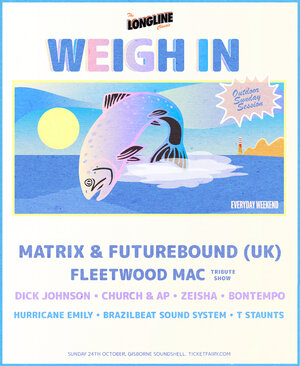
Nearly all of Gisborne’s biggest outdoor concerts and festivals happen at the Soundshell. Typical events are music shows – from New Zealand pop, reggae and roots acts to touring Kiwi artists – as well as large free community gatherings. For example, the summer “Summer Frequencies” reggae/hip-hop festival is held there each January . In January 2025, acts like Tomorrow People, Sons of Zion and Katchafire performed at the Soundshell for Summer Frequencies . Another annual party (the Longline Classic) took over the Soundshell on Labour Weekend, featuring DJs and live bands on two stages www.ticketfairy.com . Big-name Kiwi performers (Mitch James, Home Brew, etc.) have also appeared in one-day festivals here .
In addition to concerts, the Soundshell hosts civic and cultural events. For instance, a Cyclone Gabrielle community concert (“Tū Whitia – Stand & Shine” on 2 March 2024) drew thousands of residents for an afternoon of entertainment and family activities . Council-funded events like this often feature local stars and children’s fun (bouncy castles, games) on the adjacent playground . Smaller charity or Māori cultural gatherings may also use the space. However, there are no regular plays or smaller indoor shows here – just the large-scale outdoor programs. In summary: expect big concerts or festivals year-round (especially in summer), plus occasional free civic events every few years; check the Gisborne Theatres listings for current schedules.
Tickets and Booking
Tickets for Soundshell events are sold through official channels. The Gisborne Theatres website or local event promoters will announce shows and outlets. In person, the Gisborne iSite visitor centre (corner of Grey/Childers Streets) sells tickets Monday–Sunday 8:30 am–5:00 pm . Many events go on sale weeks or months ahead; popular festivals often sell out in advance. For example, the Summer Frequencies FAQ notes that “there will be no tickets available for gate sales if the event is sold out prior” , so plan ahead. Ticket prices vary widely by event – local concerts may be modest ($20–50+), while major 2-day festivals or VIP packages can cost more. General admission is usual, but many events also offer VIP or reserved options (see seating below). When booking, look for tiered pricing (GA vs VIP vs day passes) on the event’s site. In short: buy early when tickets are announced (often online), and you can also purchase in person at the iSite. Keep an eye on local media or social media to know when new shows are announced.
Seating and Layout
The Soundshell has no fixed seating – it’s essentially a large open lawn sloping down toward the stage. Most concert-goers stand or sit on blankets and folding chairs on the grass. The natural amphitheatre shape means nearly every spot has a clear view of the stage. The stage itself is raised and usually roof-covered, so view lines are generally good even from the back of the lawn. Acoustic coverage is surprisingly strong given the outdoor setting; the hillside helps project sound upward. For best experience, early arrivers often claim front-right of center to face the stage directly. Mid-slope is ideal for a panoramic sound, and back-of-lawn is fine for a picnic-style vibe.
Some events offer special areas: fenced VIP or “gold circle” zones right at the front. For example, the Longline Classic 2023 had a VIP lounge area beside the stage with a private bar and facilities www.ticketfairy.com . Otherwise, all general attendees share the lawn. (In general admission shows, friends may stake out a section together.) Acoustic and sightlines are uniform, so even lawn seating provides a good experience. With the grassy floor, you may want to bring a blanket or portable chair. There are no boxes, balconies, or indoor theatre sections – just the main stage with grass bowl seating. If a show is rain-or-fine, check weather: many events require walking through damp grass if it rains, but the performance almost always goes on (see below).
Getting There and Parking
The Soundshell’s address is 87 Centennial Marine Drive, Gisborne . It sits at Midway Beach (Awapuni suburb), about 5 minutes by car east of downtown Gisborne. You can drive or ride along Marine Drive (Highway 35) from the city centre out to the venue. Street parking is limited around Centennial Marine Drive; nearby beach/path carparks (Watson Park/Adventure Playground) often overflow on big event days. For major festivals, organizers usually arrange special parking and shuttle buses from farther away rather than rely on street parking. For example, The Longline Classic (2023) offered bus shuttles on a 30-minute loop from four pick-up points around Gisborne (Okitu, Kaiti Mall, council carpark and Mangapapa) www.ticketfairy.com .
Public transit up Centennial Marine Drive is limited. The local “GizzyBus” Route 3 (Ka Mua, Ka Muri) runs from Bright/Gladstone terminal through central Gisborne, out past Awapuni Road and along Centennial Marine Drive . These buses are wheelchair-friendly (low-floor design) . Note, however, that GizzyBus operates only on weekdays (no service on weekends) , so it won’t be available for most evening concerts or weekend festivals. Rideshare services (Uber, local taxis) do operate in Gisborne – a driver can drop you off on Centennial Marine Drive right at the venue entrance. For accessible travel, plan ahead: route 03 buses handle wheelchairs, and on bigger events special shuttle buses sometimes include accessible stops. In summary, driving or event shuttles are the most reliable options for weekends, while weekday afternoon arrivals could use bus #3.
Inside the Venue
Arrive through the main entrance on Centennial Marine Drive (or Awapuni Road side entrance if directed). At ticketed events, expect standard festival entry procedures: bag checks and metal detectors for security. The soundshell grounds are grassy and unfenced except at the stage. The atmosphere is very informal – people spread out blankets, catch up with friends, and often picnic on the lawn. Many attendees bring sunhats or umbrellas for shade, and warm layers for evening shows. There is no cloakroom, so pack light (leave valuables in your car). You can bring blankies and low-profile lawn chairs. Photo snapshots and phones are fine – but note that many events ban professional cameras or video gear (for example, Summer Frequencies specifically disallowed cameras with detachable lenses or audio recorders ).
Facilities on site are basic but essential. There are permanent toilet blocks near the stage (and a few disabled-accessible stalls) , plus backstage dressing rooms. For large events, organisers usually add portable toilets too. Expect minimal permanent shelter apart from the stage – everything else is open sky. The adjacent “Adventure Playground” park (just behind Watson Park fields) is often opened to audiences, especially during family events . You’ll sometimes see vendors selling food, drinks or merchandise. For example, at the Tū Whitia community concert (Mar 2024) there was a free village-style sausage sizzle and sponsored giveaways for fans . Otherwise, larger concerts typically feature scattered food trucks or bar stands near the entry or sides of the stage area. (Note that any outside alcohol will not be allowed in – see Policies below.) If you get hungry, you may have to queue at a food truck or bring your own snacks – small coolers or picnic baskets are common for day shows.
Nearby Amenities
The Soundshell is in a mostly open park area by the beach. Nearby on Centennial Marine Drive itself there are no cafes or shops (it’s mostly parking and parkland). For dining or drinks before/after your visit, head back into Gisborne city centre (5–10 min drive). On Grey Street and Childers Road in town you’ll find a variety of restaurants, pubs and cafés for pre-show meals. Popular local spots (within a few blocks) include The Works (gourmet burgers), Portofino (Italian), Tamarind (Thai) and waterfront fish-–chip or seafood outlets. If you want a drink, there are bars along Gladstone Road (waikato).
For families, the venue adjoins Watson Park (large sports park) and its Adventure Playground. Kids can enjoy playground equipment, a lake and trails there before a concert . The playground often hosts extra activities (bouncy castles, face-painting) during special events. If you need overnight lodging, beachfront and city options are nearby. On Marine Drive itself there’s Whispering Sands Beachfront Motel (oceanfront apartments) . In the city centre you have choices like the Portside Hotel, Radfords on Peel or various motels and B&Bs. Rideshare or taxis can return you downtown late at night if needed, since the Soundshell area is somewhat isolated after dark.
What Makes This Venue Special
Gisborne Soundshell uniquely combines a beachfront setting with a large-capacity venue. It’s one of the few major amphitheatres directly adjacent to the ocean in New Zealand. This seaside ambience (sand dunes in one eye-line, stage in the other) gives concerts a vacation-like feel. The venue is also strongly tied to local culture. For example, council events here often celebrate regional identity: the free “Tū Whitia – Stand & Shine” festival (Mar 2024) used the Soundshell to honour community resilience after Cyclone Gabrielle, featuring Māori and NZ artists to uplift Tairāwhiti . That event even had Māori language themes (the name comes from a local whakataukī “eliminate the negative; accentuate the positive”) and **three thousand** attendees . In short, the Soundshell has hosted both iconic pop and culturally significant events.
It also stands out architecturally as a simple yet effective structure. Unlike concrete stadiums, it’s just wood, turf and a roofed stage, but its “natural acoustic bowl” shape projects sound well. Both artists and fans appreciate the relaxed open-air vibe – many performers note how the clear eastern skies and sunrise views make Gisborne special. In local parlance, the Soundshell often anchors summer together: for instance, Summer Frequencies (a reggae/hip-hop festival) has become a fixture on the Kiwi music calendar , drawing people from around New Zealand to watch modern acts under the Gisborne sun. And for community lore – nothing quite says local pride like seeing Aotearoa’s first-sunrise festival or a hometown concert on this very sand.
Visitor Tips and Information
Weather and clothing: The venue is outdoors. Check the forecast: shows generally run “rain or shine” , so rain jackets are wise if showers are possible. Don’t underestimate the sun either –bring sunscreen (in lotion form, as spray aerosol is often banned ), a hat and sunglasses for daytime events. Bug spray can help for summer evenings too. Comfortable closed shoes are recommended, since footing on grass can be uneven.Tickets: Keep your ticket handy on your phone. New Zealand venues typically allow e-tickets (the fest FAQ even urged people to “present your ticket on your smart phone” ). If an event is age-restricted, carry ID. For example, the Summer Frequencies festival is strictly 18+ (no one under 18 admitted) . Many other concerts are all-ages, but double-check age rules on the event’s info page.What to bring: Lowest priority: large bags or valuables. Bring only essentials (phone, keys, wallet). Some events allow small backpacks, but heavy security may search bags. Useful items: a lightweight jacket if evening chill is likely, refillable water bottle (staying hydrated is a must in summer), earplugs if you’re sensitive to loud music. Blankets and fold-up chairs (if permitted by the promoter) are handy for lawn seating. If you have special accessibility needs, you might call ahead – the venue is generally level and wheel-friendly, but there are steps at the stage; many events provide helpers for wheelchair users.Food and drink: Some shows have food stalls and bars on site. Expect a mixture of local food trucks or coffee carts. At family-friendly community concerts, you might find free snacks or sausage sizzles . However, for big music festivals plan on buying on-site or bringing snacks. Note that outside alcohol is always prohibited and confiscated ; even drinking water might be checked. If children are attending, keep an eye on them – the open lawns are informal but large so it’s easy to get separated. Do’s and Don’ts: Do arrive early to avoid bag-search queues and to grab a good spot on the lawn. Do follow any instructions from staff – for example, if food or drink isn’t allowed in the seating area at a given event, they will announce it. Do clean up after yourself – there are bins, but littering is frowned upon. Don’t bring prohibited items: as noted, no weapons, no fireworks, no aerosols or large signs. Don’t expect Wi-Fi or charging stations (cell coverage is usually okay, but you may have to rely on your own battery). And don’t leave early unless necessary – many shows build atmosphere at dusk with lighting, so you might miss a finale if you dash out too quick.Accessibility: The main lawn is reasonably flat, and GizzyBus route 03 (weekday-only) is wheelchair-friendly . Parking at the Adventure Park/Watson Park lot can accommodate accessible vehicles. The permanent toilets include accessible stalls. If you need assistance getting to your spot, event staff are generally helpful – just ask for a hand as you enter.
How can I buy tickets for events at the Gisborne Soundshell?
Tickets are sold through official outlets. The Gisborne Theatres website lists Soundshell events. You can usually buy online from the promoter or in person at Gisborne’s iSite tourism office (corner of Grey/Childers St), which sells tickets daily . It’s wise to book in advance for popular shows.
What is the seating arrangement at the Soundshell?
The Soundshell is entirely general-admission grass ground – there are no fixed seats. The hillside slopes down to the stage, so spectators sit or stand on the lawn (many bring fold-up chairs or picnic blankets). A few events offer fenced-off VIP zones at the front (e.g. The Longline Classic’s VIP lounge
www.ticketfairy.com ), but otherwise everyone shares the lawn.
How do I get to the Soundshell by public transport?
Regular bus service is limited. GizzyBus Route 3 passes Centennial Marine Drive via Awapuni Road on weekdays , but there’s no weekend transit. For events, watch for special shuttle buses organised by promoters (such as free shuttles advertised from key city locations). Taxis or ride-shares can drop you at the Centennial Marine Drive entrance.
Is there parking at the Soundshell?
On-site parking is very limited. Street and park parking (Watson Park/Adventure Playground area) are available for early arrivers, but fill up fast for big events. For large concerts or festivals, most audiences use event-organised parking or shuttles rather than nearby street parking (for example, organisers may park you at a remote lot and bus you in). Plan to arrive early to find a spot, carpool, or use shuttles if offered.
Are the Soundshell concerts family-friendly?
It depends on the event. Many community gatherings at the Soundshell are all-ages and kid-friendly (for example, the free post-cyclone “Tū Whitia” festival was open to everyone ). However, some music festivals there are 18+ only (e.g. Summer Frequencies is strictly 18+ ). Check the specific show’s age restrictions. If children are allowed, it’s wise to supervise them closely, as the area is large and often crowded.
What items can’t I bring into a Soundshell event?
Standard festival rules apply. Prohibited items commonly include weapons, fireworks, large signs, and outside alcohol or drugs. Specific bans can be strict: for example, Summer Frequencies outlawed professional cameras and recording equipment, air horns, and even aerosol cans (including spray sunscreen) . Always check the posted prohibited items since each event may have its own list. (You may bring small personal items like a phone camera, wallet and keys.)
Are facilities (toilets, food, bar) available at the Soundshell?
Yes. Permanent toilet blocks (including accessible stalls) are on site , and events often add portable toilets for large crowds. The venue has no permanent bar, but many festivals and concerts set up temporary bars or licensed stands for alcohol sales. Food vendors (trucks or stands) usually appear for concerts. For example, a family concert in 2024 featured a free sausage sizzle for everyone . Outside alcohol must never be brought in—it will be taken at security .
What if it rains during an outdoor show?
Shows typically go on “rain or shine.” The Soundshell has a roof over the stage, but the audience lawn has no cover. Audiences often wear rain gear or ponchos for light rain. Severe weather is rare in prompt cancellation, but minor rain does not stop concerts (for example, Summer Frequencies advised it runs in all weather ). Bring something to stay dry if rain is likely, but be prepared for an outdoor experience either way.
What does “Te Whare Puoro o Tūranga” mean?
“Te Whare Puoro o Tūranga” is the Māori name for the Soundshell used by local authorities. It translates roughly to “the house of sound (or music) of Tūranga.” Tūranga is the iwi name for Gisborne, so the venue is literally called the “sound/music house of Gisborne.” This name appears on Council sites to acknowledge its cultural place in the region .
How early should I arrive for a show at the Soundshell?
It’s best to come at least 30–60 minutes before doors open. Larger concerts or festivals may open gates one to two hours ahead to allow for security checks. Arriving early lets you claim a good spot on the lawn (or in any VIP section) and avoid last-minute entry queues. For free events or public seating, people often spread out well before showtime to reserve space.
Can I camp or stay overnight at the Soundshell?
No. The Soundshell is not a campsite. There are no overnight camping facilities on site. Even during multi-day festivals nearby (like Rhythm & Vines, which is at a different location), camping happens at designated areas. If you need accommodation, consider local hotels or motels — do not plan to pitch a tent at the Soundshell.
Is the venue accessible for people with disabilities?
The venue is fairly accessible. The ground is mostly level grass (with a gentle slope), and the main public toilets include at least one accessible stall . For public transport, GizzyBus route 3 buses are low-floor and wheelchair-friendly . During events, if you need special access or assistance, organisers and council staff are usually on hand to help seat or place you comfortably. Contact event organisers in advance if you have specific needs.