About Grand Rapids
Grand Rapids, Michigan (often called Grand Rapids, MI) is a vibrant mid-sized city in West Michigan known for its lively arts, cultural attractions and a storied brewing heritage. As the state’s second-largest city (population ~200,000 downtown), it’s renowned for its public art and festivals. Downtown is walkable and “jam-packed with more than 90 restaurants, clubs, theaters and museums,” leading Amtrak to praise its “dazzling art and culture, awesome dining and nightlife” . In 2012 Grand Rapids earned the title “Beer City USA” in a national vote and has since repeatedly been named one of America’s top beer cities , thanks to more than 35 local breweries on its beer trail. Signature landmarks include Calder Plaza’s looming red stabile “La Grande Vitesse” (1969), a notable Alexander Calder sculpture commissioned by the city in 1967 (the first public art funded by the NEA) , and the city’s modern skyline of glass and steel. Grand Rapids often hosts world-class events (see below) and serves as a hub for West Michigan culture – it’s the longtime home of the Grand Rapids Griffins (AHL hockey) and the Grand Rapids Symphony, among other arts groups. The downtown skyline includes notable buildings like the Amway Grand Plaza hotel (a restored 1920s building) and contemporary office towers. In sum, Grand Rapids is a lively “Furniture City” turned cultural center with a unique blend of Midwestern hospitality and creative buzz.
Events and Programming
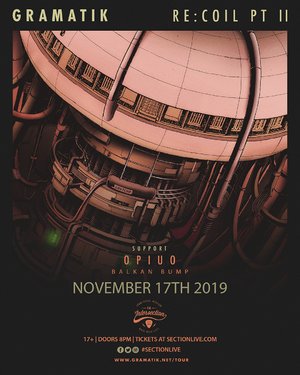
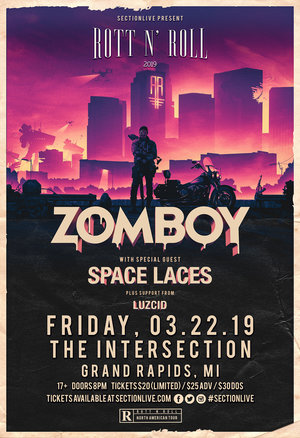
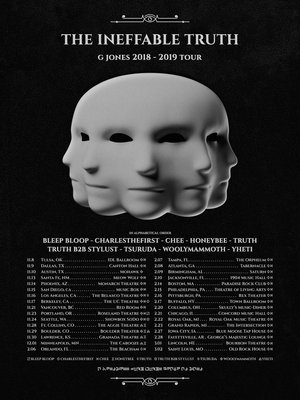
Grand Rapids offers a wide variety of events year-round. Major concerts and sports take place at Van Andel Arena (opened 1996) and DeVos Performance Hall, while smaller shows use venues like GLC Live at 20 Monroe and the Intersection. Van Andel Arena, a 10,000–13,000 seat multi-purpose arena, hosts big touring acts (rock, country, pop) and sports (hockey, basketball). For example, top-name acts like Dierks Bentley (Gravel & Gold Tour, Sept 2024) play the Arena, often with popular opening acts . DeVos Performance Hall is a 2,543-seat downtown theater inside the convention center (DeVos Place) featuring a mix of Broadway and touring shows, the Grand Rapids Symphony and Ballet, plus speakers and comedy. Smaller venues host active local scenes: e.g. GLC Live at 20 Monroe (a revived art-deco theater for rock concerts and comedy) and the historic intersection known for indie bands. Seasonal festivals are also big draws: every fall the public art competition ArtPrize turns downtown into an outdoor gallery (700,000+ visitors in 2022-2023 ). Summer events include the GR Pride Festival (June), the Hispanic Festival (Aug), GR Symphony pops concerts, outdoor music nights and the Festival of the Arts (a free downtown music/arts fair running for decades through 2024). Family events – children’s theater, ice shows, rodeos or expos at DeVos Place – run throughout the year. Nearly every week features concerts or shows in the city; major tours are typically announced months in advance (check local news or venue calendars). For planning, note that ticket prices vary widely: local symphony or college band concerts may be $20–50, while big arena concerts often start around $30–60 for side seats and rise above $100 for prime seats. (Premium VIP packages or club-level tickets can be much higher.) In short, Grand Rapids’s calendar ranges from sold-out arena concerts with legends or AA-sports, to homegrown cultural festivals and Broadway tours at the performance hall, ensuring nearly every genre of entertainment is represented.
Tickets and Booking
Tickets for Grand Rapids events are typically sold through the venues themselves or authorized outlets. You can usually buy tickets in person at venue box offices (for example, Van Andel Arena’s box office at 35 Ionia Ave. SW opens mornings on event days) or online via official site links. Large concerts and sports often appear on major ticket platforms, but it’s safest to buy from the venue or reputable retail partners to avoid scams. Shows often go on sale months ahead; for big shows, “presales” may be offered earlier to fan clubs, venue newsletters or local radio partners. Signing up for artists’ or venue email lists is a good way to get pre-sale codes. For popular events at Van Andel or DeVos, tickets can sell out quickly (sometimes within hours of release). If a show sells out early, limited tickets may then surface through verified resale channels – but plan to buy early. On the day of smaller events (like local band gigs), some tickets may still be available at the door, but this is less likely for major headliners. Expect a broad price range: subsidized community events might be under $25, mid-level shows from $40–80, and arena concerts often span $50–150+. (Broadway touring shows at DeVos commonly range $50–100.) Keep in mind that additional fees can add ~20-30% at checkout, so compare prices carefully.
Seating and Layout
Venue layouts vary. Van Andel Arena has a main seating bowl plus suite and club levels. The best concert seats there are generally center-floor or lower-bowl near stage or ice level; club seats (mid-level) offer comfort and good sightlines at higher cost. Upper balcony rows still have good views of large stage setups. For sports (hockey), behind-the-net seats are fine but some fans prefer center-ice sections for full-rink views. Avoid seats directly behind a hockey net or stage if you want an unobstructed view. DeVos Performance Hall is quite intimate – about 2,500 seats on one level plus rear balcony – so any seat has good acoustics. Front-and-center orchestra (orchestra center) is premium for theater shows. GLC Live at 20 Monroe has a flat floor (often standing-room general admission or cabaret tables) plus a balcony; for seated shows, the mezzanine overlooks the stage. Smaller venues like the Intersection or Pyramid Scheme vary, but these generally have standing-room areas. Always review a seating chart for your specific show: end-stage performances at any theater may have some seats angled or blocked. In general, closer and more central equals better view, while high balcony or extreme side seats may be less ideal. For outdoors (like festivals), there is limited seating, usually brought by attendees (folding chairs or blankets) unless the event provides chairs.
Getting There and Parking
Grand Rapids’ downtown is easily accessed by car or transit. By car, several major highways lead to the city (I-96, I-196, US-131). Van Andel Arena is at 130 W. Fulton Street (downtown) (opposite the GR Public Museum). DeVos Place (the convention center/Performance Hall) sits just a block east. Ample parking exists but is mostly fee-based downtown. Within a few blocks of Van Andel or DeVos you’ll find dozens of parking lots and garages. The city’s standard parking meters and garages run ~$2–4 per hour or $12–25 per day depending on location. DeVos Place maintains its own 700-space lot for convention and show attendees ; some venues validate parking in nearby garages. Many downtown hotels on Fulton, Monroe and Pearl past provide discounted parking for guests. Street parking downtown is metered; after 6 PM on weekdays (and all weekend) meters are generally not enforced. Rideshare or taxis can drop off near Pearl or Fulton streets. Grand Rapids also has the Rapid bus network (The Rapid) – several routes converge downtown. A free downtown shuttle called the “DASH” (pink bus) loops key streets between major venues and lots . The Silver Line BRT connects central districts. For visitors flying in, Gerald R. Ford International Airport (airport code GRR) is 15–20 minutes east; it’s served by 8 airlines with 100+ daily nonstop routes to 35+ cities . From GRR you can rent a car, taxi (about $30 to downtown), or catch a Rapid Bus or airport shuttle service. Grand Rapids also has an Amtrak station downtown (Vernon J. Ehlers Station) on Century Ave; Amtrak’s Pere Marquette train arrives here daily from Chicago (about 4-hour ride) .
Parking and driving on event nights can be busier: plan to arrive early to secure a nearby spot. Off-site lots just a few blocks away often offer event rates ($5–10). Rideshares drop off at a convenient central point (such as along Monroe Ave), often with quick access steps away. If you prefer to leave driving to others, The Rapid’s Grand Zone passes allow unlimited bus travel for a day, covering downtown routes and the DASH, making it easy to park farther out or take public transit from suburbs.
Inside the Venue
Upon entering a Grand Rapids venue (whether arena, theater or club), expect standard security: bags may be checked and metal detectors used. Each venue has its own entry rules, but generally no outside food or drinks, no weapons or illicit items , and a clear-bag policy is in effect at large arenas1. Trained service animals for patrons with disabilities are allowed , but pets and untrained animals are not. Cameras on phones or small point-and-shoots are usually fine for personal use. However, professional cameras or any video recording (go-pros, DSLRs with removable lens, or tripods) are typically prohibited unless you have special media credentials. Dress code is casual for most shows – jeans, T-shirts or sport jerseys for sports; business-casual to casual for symphony or theater productions. Doors usually open 60–90 minutes before show time; it’s wise to get there early enough to pass through security and find your seat without rushing. Many venues allow you to enter and leave during intermission if needed.
Once inside, you’ll find concessions stands around the concourse or lobby serving standard arena fare (pizza, burgers, hot dogs, popcorn, soft drinks) plus some local specialties – for example, Van Andel Arena’s FAREWAY Concessions often include local restaurant specialties on the menu. Bars are usually available past the stands or in club levels, and most venues accept credit/debit cards. Restrooms and water fountains are located on each level, typically near stairwells or elevators. Many venues now offer free Wi-Fi on the concourse, so you can check event info or order rideshare. Merchandise booths (selling event T-shirts, souvenir programs or team gear) are placed in the lobby or concourse near entrances. Coat check is often available (for a small fee) at large venues if you brought heavy outerwear. If you have special needs or questions, guest services/lost-and-found desks are typically in the main lobby. Overall, venues are clean and staff-friendly; ushers can help you find your seats, and digital displays overhead keep you oriented on levels and sections.
Nearby Amenities
Downtown Grand Rapids offers plenty of pre-show and post-show options. For dining, dozens of restaurants are within a few blocks of the arenas. Popular pre-show dinner spots include Reserve (American steakhouse), HopCat or Founders on Fulton (breweries with eats), and Taiwanese BBQ spots or pizza places on Wealthy Street. The Amway Grand Plaza lobby or Campau Commons has upscale options if you arrive earlier. Many visitors also wander a block to Monroe Center’s food hall or try local chains like The Green Well (eco-friendly pub) or San Chez (Tapas). For nightlife after a show, bars in the downtown River District stay open late – try Coppercraft Distillery for craft cocktails or his beertavern. A new parking lot near Fulton Marketplace also has fast casual, and Culinary Institute of Michigan’s café downtown offers casual dining.
Hotels abound downtown for convenient stays: the historic Amway Grand Plaza (Marriott) and the sleek JW Marriott are within walking distance of venues, as are the Courtyard, AC Hotel by Marriott and Holiday Inn at Ottawa and Fulton. Less than half a mile away is the Van Andel Arena and the newly renovated Hilton in the heart of downtown. Public transportation (The Rapid’s DASH) and rideshares run well into the night on weekends, so late-night departures are easy. If leaving by car, the same downtown parking rules apply late: after-event fees drop after 10pm and most garages stay open until midnight or later, with flat rates ($10–20 overnight) available.
What Makes Grand Rapids Special
Grand Rapids stands out for its uniquely local mix of art, architecture and community spirit. The city boasts a huge public art collection considering its size – highlighted by Alexander Calder’s 1969 “La Grande Vitesse” stabile downtown, a landmark that locals simply call “the Calder.” This monumental red sculpture was indeed the first piece funded by the U.S. National Endowment for the Arts’ public art program . GR also has a thriving visual arts scene: the Grand Rapids Art Museum (GRAM) has acclaimed collections, and every odd-year the art competition ArtPrize fills the streets with 100+ installations; the 2023 ArtPrize drew over 700,000 people and pumped $54M into the local economy . Architecturally, downtown mixes classic 1920s buildings (like City National Tower and the Calder Plaza) with modern designs (Amway World Headquarters, steel-and-glass office towers).
The city’s cultural vibe is addictive. It was named a New York Times “52 Places to Go” for its creative scene . Grand Rapids also loves its microbreweries – since 2012 its “Beer City USA” status has been reinforced by USA Today awarding it America’s best beer city every year through 2025 . Outdoor enthusiasts find rare urban green space: the Grand Rapids Riverwalk along the Grand River and nearby Millennium Park offer walking trails and paddleboarding. Sports and music share the spotlight; the Van Andel Arena was recently named the top-grossing venue (capacity 10-15K) in North America by Billboard , reflecting demand to perform here. Grand Rapids may not be as large as Detroit or Chicago, but what it lacks in size it makes up for with unmatched Midwestern charm – a friendly, lively city proud of its history yet rapidly growing as an entertainment destination.
Visitor Tips and Information
All major venues in Grand Rapids are ADA-accessible with ramps, elevators, and designated seating areas; they offer wheelchair and companion seating. Hearing assistance devices are typically available on request at box offices or guest services. Plan ahead by checking venue FAQs online for specific rules: for example, Van Andel Arena’s website notes service animals only (no pets) and tight bag restrictions. Dress comfortably for events – while there’s no formal dress code, remember that nights can get chilly, so bring a light jacket for outside. Cameras on phones or small point-and-shoots are fine, but things like selfie-sticks, GoPros, or DSLRs are usually not allowed. Outside food and drink are generally prohibited; venues have plenty of concessions. If you’re attending a hockey game, wear red (the Griffins’ color) to blend into the crowd^ . For concerts, earplugs might be a good idea if you’re sensitive to loud music or standing near speakers. Arrive at least 30–45 minutes early to find your seat and enjoy the pre-show atmosphere. One common mistake is underestimating travel time – downtown traffic and parking can add 15–20 minutes on event nights, so build that into your schedule. Keep your ticket and ID handy, and review the venue’s prohibited list (no weapons, no outside alcohol). For late-night rides, note that Uber/Lyft drop off at designated zones outside the venue; check the event page for exact instructions. Lastly, take advantage of public art and scenery – Franklin and Calder plazas right by the venues are great photo spots, and many visitors like to grab a quick local brew or coffee from a downtown café before heading in to the show.
Frequently Asked Questions
How do I buy tickets for shows in Grand Rapids?
Tickets are usually sold directly by the venue or official outlets. Check the venue’s box office or website (for Van Andel Arena, DeVos Place, GLC Live, etc.) to buy tickets authorized by the organizers. Box offices often sell tickets in-person on show days if available. Popular concerts often sell out online quickly, so look for fan presales or sign up for venue newsletters in advance. Avoid unknown resellers – stick with the venue or trusted local sellers to ensure valid tickets.
What are typical ticket price ranges?
Ticket costs vary widely. Community and mid-size events (local concerts, college sports) can be $10–30, whereas major headliners at Van Andel Arena or Broadway shows at DeVos typically start around $30–60 for the cheapest seats and go up to $100 or more for premium seats. Student or group discounts sometimes apply. VIP or premium seating (club level, front floor) often costs substantially more. Also factor in service fees. If on a budget, check for guaranteed resale tickets through the venue or consider less-expensive seats in upper tiers.
Can I buy tickets at the door?
Box offices may sell any remaining tickets on the day of the event, but this is not guaranteed especially for popular shows. If an event isn’t sold out, arrive early on show night to purchase door tickets. For hot events (big tours or playoffs), it’s best to buy in advance, as door tickets often go quickly or are none. Always check the event’s official page for “day-of-show” ticket information.
What is the venue address and parking for Van Andel Arena?
Van Andel Arena is located at 130 W. Fulton St SW in downtown Grand Rapids . Parking in downtown is mostly paid. Nearby public garages and surface lots charge a few dollars per hour (or roughly $10–20 for the evening). The Amway Grand Plaza Hotel, JW Marriott, and surrounding buildings also have garages on Fulton/Monroe. The DeVos Place convention center next door offers a 700-space lot for event parking . Street parking meters operate on weekdays (coins or card) but generally stop enforcing after 6pm on weekdays and all day weekends, though lots fill up quickly during big events. Rideshare drop-off is often on Monroe Avenue near the Vehicle. Plan to arrive early to find a spot or book a lot in advance if possible.
Are there public transit options in Grand Rapids?
Yes. The Rapid local bus system serves downtown with many routes, and there is a free “DASH” pink shuttle that loops through downtown linking key sites and parking lots . Buses run regular service on weekdays (some routes on weekends). The downtown Amtrak station (Pere Marquette line) is a short walk from the venues. Additionally, rideshare (Uber/Lyft) is widely used; their designated pickup/drop zones for events are on Monroe or Fulton. Biking is also popular – a public bike-share (Blue BikeGR) operates downtown, and bike racks are available at venues.
How about travel from the airport?
Gerald R. Ford International Airport (GRR) is about a 15–20 minute drive from downtown. It has many nonstop flights (over 100 daily to 35+ destinations) and has been highly rated for service . You can rent a car or take a taxi/rideshare from GRR; the flat fare to downtown is usually under $30. Several hotels also offer paid shuttle service from the airport. For budget travel, Indian Trails and Greyhound buses connect GRR to other Michigan cities, and The Rapid operates Route 50 from downtown to the airport on a schedule (see grbus.org).
What are the best seats or sections for concerts?
Generally, aim for seats central and close to the stage or rink. At Van Andel Arena, the lower bowl (floor or first few rows) near center stage or center ice give an immersive view. Middle mezzanine or club level seats also offer great vantage (though pricier). At DeVos Performance Hall, orchestra-center or front mezzanine seats have optimal sightlines and acoustics. In theaters like GLC Live at 20 Monroe, front rows or balcony center are ideal. Avoid extreme side seats or those directly behind speakers on stage. For general admission shows, being near the front of the GA pit or floor is key. If in doubt, look at seat-view diagrams online or ask the box office for recommendations.
Are there any general admission or VIP areas?
Yes, some venues offer GA standing-room or VIP packages. For instance, many rock concerts at Van Andel or 20 Monroe place fans on the arena floor on a first-come basis (general admission) – these are often the cheapest floor tickets but require standing. At larger concerts, the floor can also have reserved sections. VIP experiences vary by event, and at Van Andel they might include lounge or suite access. The club level and luxury suites are the arena’s built-in VIP sections (each suite seats ~20). For DeVos shows, premium seating usually just means front orchestra or a bouquet (no dedicated lounge). Always check the ticket details: VIP packages usually include perks like early entry, exclusive lounges or souvenir passes.
Which seats might I avoid?
Some seats can have obstructed or limited views. At indoor arenas, seats directly behind a stage or support can see the back of the stage or screens only. At Van Andel, the sections tucked behind the stage or extreme far side seats can be less desirable. For hockey, seats directly behind the goal have a limited view of the opposite end of the ice. At performance halls, side balcony seats at sharp angles can make it hard to see half the stage. If a ticket says “restricted view,” there’s usually a reason. Checking reviewed seatmaps (or asking box office) can help. Otherwise, almost all seats still allow you to enjoy the event, just maybe not a full 180-degree view.
What items are prohibited in venues?
Common rules apply at most Grand Rapids venues. You cannot bring weapons, outside alcohol, or large coolers. Large suitcases or duffels are not allowed; many arenas have a clear-bag policy (bags must fit in a small clear tote). Drugs of any kind are banned (even medical marijuana). Please follow posted rules on each venue’s site. As a reminder, pets are not permitted (only trained service animals for disabilities are allowed ). If you forget to check something (like an umbrella or large backpack), coat check is usually available for a small fee so you can still enter.
Are cameras or video allowed?
Generally, small cameras and smartphones are OK for personal photos, as long as flash is off. Most venues allow you to snap a quick shot or two for memories. However, professional cameras (detachable lenses or large zooms) and video-recording devices (GoPros, video cameras, or even extended selfie sticks) are typically prohibited at concerts and sports. If you want to film or use pro gear, you usually need media credentials. Always check the specific event’s policy online – for example, many artist tours announce if any recording will be allowed (and most will not). In practice, you can usually take photos until the main act begins, then staff will remind everyone to put away cameras for the show.
What age restrictions are there?
Age policies vary by event. General concerts and sports games allow all ages (kids, teens, adults) as long as they have a ticket – for example, the Grand Rapids Griffins hockey games welcome youths and often run family promotions. Some concerts (especially at bars or rock clubs) enforce 18+ or 21+ age limits if alcohol is served or at clubs like The Intersection. Broadway shows and family-friendly events have no lower age limit (though some producers recommend kids be a certain age). Always check the event listing: if it’s 21+ only, the venue will note it. If your child is under 2, many venues let them sit on a lap for free, but shows requiring full-sized seats charge for any age. Plan accordingly and bring ID if under 25 in case of doubt about age.
Is food or drink available inside?
Yes. All large venues have concession stands inside selling snacks and non-alcoholic drinks. Van Andel Arena and DeVos Performance Hall offer typical stadium fare (nachos, pretzels, hot dogs, pizza, etc.), as well as some local specialties. Bars selling beer and wine are also inside or near lobby areas. You cannot bring your own food, but you can purchase and bring it to your seat. Note that there are usually separate lines for drinks (soda/water) and food at busy times. If you want a full meal before the show, try one of the many downtown restaurants or food hall on Monroe as mentioned above. Also make sure to hydrate – water fountains or bottle refill stations are usually available for quick refills.
Are the venues wheelchair accessible?
Yes. Every major venue in Grand Rapids complies with ADA standards. Wheelchair seating and companion seats are available in all sections – often sold at the box office. Van Andel Arena has elevators and ramps between levels and provides hearing assistance devices. DeVos Performance Hall also has wheelchair-accessible seating (often in back rows of the orchestra and front of the balcony). Accessible restrooms are inside each venue. If you need special accommodations (like seating for an attendant or access to platforms), call the venue’s accessibility line after booking. Staff are accustomed to helping guests with mobility needs, and service animal accommodations are in place (trained service dogs only ).
Why is Grand Rapids called “Beer City USA”?
Grand Rapids earned the nickname “Beer City USA” after winning a national competition in 2012. The city has since embraced craft brewing as a point of pride. It boasts over 35 breweries in the area, from large names like Founders and New Holland to tiny taprooms. The Beer City Ale Trail links many of them, and Grand Rapids has been recognized by USA Today (2021–2025) as America’s top beer city . You’ll see beer imagery on city signs and fixtures, and during major events many people enjoy local craft beers. Even if you’re not a beer fan, you’ll notice the brewing culture is woven into the city’s identity.
What is ArtPrize in Grand Rapids?
ArtPrize is a large public art competition held annually in downtown GR (typically every fall). Artists display installations and performances around the city – in parks, plazas, and inside venues – and the public votes on winners. It’s a signature event that draws hundreds of thousands of visitors each year (over 750,000 in 2022) and significantly boosts the local economy (an estimated $54M spent by attendees in 2023) . Keep in mind it is outdoors, so dates can vary. If your visit coincides with ArtPrize or its related exhibitions, you can plan a walking tour of artworks between venue visits.
What is the significance of La Grande Vitesse?
“La Grande Vitesse” is the iconic big red sculpture by Alexander Calder located in Vandenberg Plaza (downtown). Unveiled in 1969, it was one of the first large public art pieces of its kind. Notably, it was the first artwork funded by the National Endowment for the Arts’ new public art program . Locals simply call it “the Calder.” It’s a symbol of Grand Rapids and often used as a meeting point. If you visit the downtown area before or after a show, you’ll see it near City Hall – it’s impossible to miss and makes a great photo background.
What is the new amphitheater I’ve heard about?
A new riverfront outdoor venue, Acrisure Amphitheater, broke ground in 2024 and is expected to open in May 2026 . It will be a 12,000-capacity outdoor concert venue along the Grand River in downtown. Once complete, it will host national tours and festivals. During your visit, it will still be under construction, but it’s worth knowing that Grand Rapids will soon have a large open-air concert space in addition to the existing indoor venues.
Are there any special local events or festivals?
Yes – Grand Rapids hosts many unique celebrations. In the summer, look for the GR Pride Festival (Downtown June), GR International Wine, Beer & Food Festival, and the LGBTQ+ celebrations. Cultural festivals like the Hispanic Heritage Festival (late summer) and Asian-Pacific Festival are annual events in Calder Plaza. The Downtown Market also holds seasonal markets and tastings. Check the city’s events calendar – often it lists dozens of free/paid events monthly. Even if your trip isn’t timed to a major festival, you can usually find live music nights, art shows and fun runs happening. And don’t miss visiting ArtPrize in fall if you’re here then!