About Desert View Tower
Desert View Tower is a historic roadside attraction and open-air museum perched at about 3,000 feet in the In-Ko-Pah Mountains near Jacumba Hot Springs, California. It’s essentially a five-story stone lookout tower built to honor the early pioneers and roadbuilders who crossed this desert region . From the observation deck you get sweeping 360° views of the surrounding desert, Imperial Valley, and even Mexico on clear days . The tower itself was constructed of native boulders between 1922 and 1928 by San Diego entrepreneur Bert Vaughn, and finished by a later owner in the 1940s as a memorial to desert travelers . Its rustic, “folk art” style – rough-cut stone, timber framing, narrow staircases – makes it feel more like a mountain retreat than a typical tourist stop.
Adjacent to the tower is “Boulder Park,” a whimsical sculpture garden of carved rock figures. In the 1930s an unemployed engineer named W. T. Ratcliffe chiseled dozens of lizards, skulls, and human shapes directly out of the massive quartz-granite boulders on the hillside . The result is an eccentric outdoor gallery where visitors can roam among campfire scenes, cave dweller carvings, and grinning creatures peeking out of the rock face. Because of this unique art environment, the tower and boulder carvings were listed together as California Historical Landmark No. 939 and added to the National Register of Historic Places in 1980 under the “Twenty-First Century Folk Art Environments in California” program .
Inside the tower’s base you’ll find a small museum and gift shop. The “living museum” houses vintage photographs, Native American artifacts, geological specimens, old car parts and swamp coolers from the 1920s auto era, and other quirky desert memorabilia . Many of these items were collected by past owners who turned the place into a personal roadside museum. The gift shop sells handmade crafts, postcards, and snacks that reflect the local culture and the site’s offbeat charm . Overall, Desert View Tower is notable not for modern amenities but for its sincere, throwback character – it feels like stepping into an old road-trip postcard rather than a sanitized attraction. This authenticity and its stunning panoramic outlook have made it a beloved hidden gem of Southern California travel.
Events and Programming
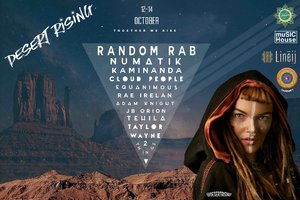
Desert View Tower does not host regular concerts or stage shows in the way urban theaters do. Instead, most “events” are informal or community-driven gatherings. Occasionally the site has been used for local celebrations, guided hikes, and music festivals. For example, a spring 2019 Earth Day fair at the tower featured live acoustic performances by regional singer-songwriters, folk dances, plant sales, wildflower nature walks, and Native craft demonstrations . Such special events tend to be one-off fundraisers or community-organized days of wellness and arts, rather than weekly programming. In normal times the tower simply remains open daily for visitors to explore at their leisure, without any scheduled shows.
That said, informal groups often include Desert View Tower as a destination. Motorcycle and bicycling clubs sometimes plan pit stops here, and driving tour groups make photo breaks of the boulder sculptures. If you’re hoping for live music or performances, keep an eye on local event listings or the tower’s social media for announcements, especially around spring and fall. Otherwise the programming is “anything you bring yourself”: people often picnic on the scenic benches, tell campfire stories, or do impromptu birdwatching for the resident peacocks and roosters .
Tickets and Booking
Tickets for Desert View Tower are sold on site only. There is no online box office or third-party ticket provider – you simply pay at the entrance gift shop. As of 2024–2025 the admission fee is around $10 per adult . Discounts for seniors, military, or children are modest; past reports suggest about half-price for ages under 12 or similar, but it’s best to confirm the current rates when you arrive. The price covers access to the entire property: the museum shelves, the rock cave, the tower climb, and Boulder Park. Children under about 6 years old often enter free, but again, check at the counter. Around 2022-2023 the fee has been in the \$7–\$10 range , so prices are comparable to other minor historic attractions.
You do not need to book tickets in advance, and shows do not sell out. On busy holiday weekends there might be a short wait for the narrow spiral staircase, but generally capacity is not an issue. For popular family photos or sunrise visits it’s a good idea to arrive early, since the sun gets hot in midday. If you really want to ensure entry for a group tour or special event, you could call ahead at the tower’s number (the local sign lists a 619-area phone), but most visitors simply drive up and pay upon arrival. The modest admission and small scale make Desert View Tower a relaxed, make-your-own adventure experience rather than a timed ticket attraction.
Seating and Layout
Desert View Tower is not a seated auditorium nor a theater: there are no fixed seats or formal viewing areas. Instead, the experience is largely self-guided and informal. When you arrive, you’ll pay at the gift shop and then are free to wander the grounds. At the base of the tower is a short “rock cave” tunnel cut into the hillside, several display alcoves of curiosities, and picnic benches. Beyond that, the Bronze-age castle-like tower looms with a steep, narrow staircase of about 50 steps leading to the top deck . The stairway and landings have sturdy metal railings, but they are slightly uneven stone steps – not easily navigable for strollers or wheelchairs. The observation deck itself can hold several people leaning against balcony walls, but there are no benches up top. You’ll likely stand, lean, and rotate to get your views.
Outside the tower, the layout is spread out across a parking plateau and the hillside boulders. Boulder Park has gravel paths leading to each carved rock, but you should wear good walking shoes: many visitors enjoy carefully scrambling up onto the rocks and between sculptures. Kids love clambering on the carvings, though of course supervision is wise with so many crevices. The tower grounds have ample shade from rocks and scrub brush, but shade structures are few beyond what the tower itself provides on one side. Visiting at midday can be hot, so many people choose early morning or late afternoon to enjoy some cooling shade. Overall, viewing spots are plentiful – you can sit at picnic tables by the parking area, hike among the sculptures below, or climb to the turret top – but none are reserved or cushioned seats. Note also that sound carries easily: if others in your group want to chat, be mindful when others are speaking or a ranger might be talking.
Getting There and Parking
Location: Desert View Tower is located off Interstate 8 in far eastern San Diego County. The most direct address is 1 In-Ko-Pah Park Road, Jacumba Hot Springs, CA , which you can plug into a GPS. Take I-8 to Exit 77 (In-Ko-Pah Road); from the west this is the mountaintop exit just before the descent to Jacumba. From the east, it’s just across the highway from Old Highway 80. The tower is well-marked by roadside billboards.Parking: Once you turn onto In-Ko-Pah Park Road, follow the signs for a few minutes. There is a large gravel parking lot beside the tower. Parking is free of charge and ample for cars, SUVs, and even some small RVs. Note that after busy weekends the lot can fill, but generally its size (dozens of spaces) keeps cars moving. You will leave your vehicle at your own risk; it gets hot on the rocks so shade your dashboard or use windshield covers if you go inside for a while.Public Transit: No public transit goes to Desert View Tower. This area is remote desert, with the nearest working town (Jacumba Hot Springs) minutes away by car. If you do not have a car, the only practical way here is to rent one or join an organized tour group. Even rideshare apps rarely cover this stretch, so plan for a private vehicle. The lack of transit is one reason it’s so quiet – nearly all visitors drive.Rideshare/Drop-off: The curbside directly in front of the gift shop is the logical drop-off point if you use taxi or rideshare, but again be aware that these services are uncommon this far out. If someone is dropping you off, note that In-Ko-Pah Road has limited turnout areas. The safe parking lot space is the recommended drop-off and pick-up zone.Walking Directions: Since the tower is in open desert, pedestrian access from San Diego is not practical. The closest “trail” is walking the final half-mile from the I-8 exit, which is what drivers do. Do not park on I-8 itself and walk – it’s illegal and dangerous. In short, approach by car.
Inside the Venue
Entry into Desert View Tower’s main building is simple. You’ll show your paid ticket (or pay then) at the rustic gift shop counter built into the tower’s base. Staff or volunteers often welcome visitors; it’s a casual situation, so big tips or transfers are not expected. The interior rooms are cozy and museum-like. Walls are lined with glass cases and shelves holding Native baskets, geology samples, old postcards, and photos of Jacumba’s past . The air smells of dry stone and wood, and visitors commonly remark on the quirky, scrapbook feel of the decor. Don’t be surprised if birds (peacocks, guinea hens, or chickens) wander through the open doors – this is normal at Desert View. One visitor even noted that free-roaming peacocks and roosters add to the charm and caution that dogs should be kept on-leash around them .
Food and drink options inside are minimal but handy. A small cooler in the gift area sells bottled water, soft drinks, and energy snacks. You can also buy local treats or jerky here as souvenirs. Because the site is more museum than restaurant, consider bringing your own picnic supplies if you want a meal. Ice chests are fine at the outdoor picnic tables. Also remember: cell service is spotty due to the mountain location, so don’t count on Wi-Fi or strong data; instead relax and enjoy the analog adventure.
As for amenities, restrooms are available on site. These are simple but clean pit toilets in a separate small building (reported as “very nice and close to the bathrooms” by campers on the property ). There’s no coat check, no cloakroom – just leave belongings on benches when you climb or carry a daypack. Photography is allowed throughout; in fact, “Instagrammable” views are a highlight. If you plan to use drones, be aware this is private land and the owners have historically not permitted drone flights over the tower or park (common courtesy at historic sites, though specific policy isn’t posted). Most visitors simply bring a camera or smartphone for the decks and the rock sculptures.
Nearby Amenities
Because the tower sits in a very quiet desert area, you’ll want to plan ahead for dining, lodging, and other services. The nearest developed area is Jacumba Hot Springs, about 7 miles west on Old U.S. 80. There you’ll find the Jacumba Hot Springs Spa & Resort. It offers motel rooms (often in the \$100–\$150 range per night) as well as mineral spa pools, and a full restaurant and bar . The resort’s restaurant (often called the Long Shadow Dining Room) serves American and Mexican dishes, and the bar has live music on weekends. There’s also a small Shell gas station with a convenience store at Jacumba, plus a Subway sandwich shop on the highway. For supplies like sunscreen or groceries, stopping in Jacumba village before heading up to the tower is wise.
Further west, the small town of Boulevard (about 15–20 minutes away) has a seasonal general store and a cafe, but services there are limited. If you are staying overnight in the region, El Cajon (1.5–2 hours west in the valley) or El Centro (1 hour east) have the closest full selection of hotels and malls. However, most visitors simply make Desert View Tower a day trip stop on a longer drive.
Late-night options are essentially nonexistent in the mountains. The tower itself closes around dusk (typically 6 PM, though times may vary by season). There is no late-night transit or taxi service out here, so you will need your own vehicle if you visit after dark. The sky can offer wonderful stargazing at night, but inside the tower complex there is no staff after close and the grounds may be locked up. In short, plan to enjoy the site during daylight hours and return to town or your lodging before dark.
What Makes This Venue Special
Desert View Tower stands out for its unique combination of history, art, and wild scenery. It isn’t a refurbished old train depot or a donated museum – it’s an authentically-built monument to early desert travel that has survived with most of its original character. Reviewers often describe it as a “poster child” of vintage American roadside culture or “authentic roadside attraction” for that reason. The tower itself, with its handcrafted stonework and timber, evokes a pioneer-era feel, and this hand-built quality is rare today.
The on-site folk art environment is the biggest draw. Boulder Park’s carvings are unlike any public sculpture garden you’ll see elsewhere in Southern California. There’s no guiding narrative here – you just encounter Merle Ratcliffe’s art spontaneously as you walk among giant rocks. The rugged, fantastical shapes (snakes, skulls, wizards, cavemen, etc.) have made the site feel magical for decades. If you think of roadside attractions like Carlsbad’s statue garden or Grand Canyon’s Mary Colter watchtower, Desert View Tower is a quirky West Coast cousin with its own local flavor . Its inclusion on the National Register means historians acknowledge its significance as cultural heritage, not just kitsch.
Finally, the views truly are special. Few places in San Diego County allow you to see Palm Springs to the north, the Salton Sea to the east, and the lights of Mexico to the south, all from one vantage. On a clear morning you can watch a Gulf of California desert sunrise before retracing your journey. The sense of remoteness – hearing nothing but wind and distant birds – also makes an impression. In short, artists and travelers love Desert View Tower because it feels like stepping into a personal dream world of the desert: part museum, part safari, part monument to the adventurous spirit that once crossed these arid lands.
Visitor Tips and Information
Hours and Timing: Desert View Tower usually opens by mid-morning (around 8–9 AM) and closes at sunset (often around 5–6 PM). These hours can vary seasonally, so check local signage or call ahead. The site is generally open year-round, but it may close on major holidays or after bad weather. Summer days are hot; if you want cooler temperatures, aim to visit in the fall through spring or early morning in summer. Also note that strong winds and rain can occasionally force a temporary closure.
Admission and Payment: Bring cash if possible for the admission fee – although the gift shop does take cards, the signal can be spotty. Children under 6 are usually free, older kids roughly half-price, and $10 per adult is normal . Don’t wait until the last moment to pay; once you enter the area beyond the sign, you should have a ticket. If the counter is closed (rare), try to find a staff member – but usually there’s someone around since the park is small enough for one attendant to handle admissions.
Accessibility: Keep in mind this is a historic site with limited accessibility. There is no elevator, and the climb to the top requires maneuvering a narrow staircase. The cave tunnel has a step up, and the ground outside is uneven rocky terrain. Wheelchair users and those with severe mobility issues will likely find only the ground-floor museum and parking area accessible. Otherwise, parents often carry babies or push small children up short flights. Service dogs are typically allowed on the grounds (some people bring small pets here), but normal caution with wildlife and hot surfaces applies.
Clothing and Gear: Dress for the desert. Hats, sunglasses, and sunscreen are highly recommended – there is limited shade outside the tower. Sturdy shoes are wise for climbing on rocks and stairs. A small backpack with water is essential on warm days (plan at least one liter per person, more if it’s hot). Layers are also good (mornings can be surprisingly chilly on the high ridge). A camera or pair of binoculars will help you make the most of the far-reaching views. You won’t need anything fancy: this is a laid-back excursion, not a formal outing.
Rules and Etiquette: Respect the place. It’s privately run, so please follow any posted rules. Generally this means no smoking, no alcohol (outside normal picnicking with food is fine on the grounds), and no vandalism. The carvings and museum are fragile and historic – don’t carve your own graffiti or remove artifacts from display. Climb the boulders at your own risk of course, but avoid climbing on the actual tower structure. Photography is allowed, but consider others’ privacy and keep drone flights on hold. If you have pets, keep them on a leash and off the main walkways to not disturb other wildlife or visitors. Finally, pack out any trash you bring in. There are trash bins near the gift shop, but none on the rock field itself.
Common Mistakes: Many first-time visitors underprepare for the remote conditions. Don’t show up near closing time expecting a full tour – the staff leave by dusk. Also, there’s no guarantee of food at the tower, so don’t assume there’s a restaurant (only snacks). Gas up before heading up from Jacumba. Hiking trails beyond the park (like to the natural hot springs) exist, but they start beyond the tower and require permits from the state park office; don’t wander off into restricted property. And crucially, remember the altitude: it may be cooler than sea level, but sunlight is stronger. Short of anything, just bring patience and curiosity – that’s what makes the experience fun.
How much does it cost to visit Desert View Tower?
Admission is inexpensive and purchased on site. Typically it’s around $10 per adult . Children under age 12 often pay a reduced fee (around half price), and toddlers 5 and under usually enter free. These rates have varied slightly over the years (formerly $6–$7, now about $10), so be prepared for a small cash payment or card at the front desk . There are no annual passes; each visit requires a new ticket.
Where and how do I buy tickets for Desert View Tower?
Tickets are not sold online or offsite. You simply drive up to Desert View Tower and pay at the entrance gift shop or booth when you arrive. The staff will take your payment (cash or card) and issue you a permit to enter the museum and climb the tower. There is no box office or reserved seating, so no advance booking is necessary. Just come during open hours (roughly 8 AM to sunset) and purchase admission on the spot.
What time is Desert View Tower open, and is it closed any days?
Desert View Tower generally operates daily from morning until around sunset. Typical hours are about 8:00 AM to 6:00 PM , but times can shift with the season. There’s no official closing day, and it often remains open year-round. However, it may close on major holidays (like Christmas) or during extreme weather (heavy rain or high winds). For the most reliable info, check recent visitor reviews or call ahead on the day you visit.
What is the exact address of Desert View Tower?
The official address is 1 In-Ko-Pah Park Road, Jacumba Hot Springs, CA 91934 . In GPS terms, it’s just off Interstate 8 at the In-Ko-Pah exit (Exit 77). If you have trouble with a GPS, look for the large stone tower landmark and follow the signs from I-8. Landmarks: it sits on a hill 7 miles east of Jacumba Hot Springs on the north side of I-8.
Is parking available at Desert View Tower, and is it free?
Yes. There is a gravel parking lot directly at the tower, and parking is free for all visitors. The lot can accommodate dozens of cars and even some larger vehicles. After you pay admission, you can park your car right next to the entrance. Large tour buses or RVs should check clearance (the access road is generally fine for most recreational vehicles). No need for special permits; just park in any open spot once you arrive.
Can I reach Desert View Tower by public transportation?
No. Desert View Tower is in a very remote desert area with no public bus or train service. The nearest small town is Jacumba Hot Springs, which itself is accessible only by car. If you do not have a car, the only options are to join an arranged tour group by bus, or hire a private car/taxi from Jacumba. Rideshare services are generally unavailable this far out, so driving yourself is strongly recommended.
Are there any good restaurants or hotels near Desert View Tower?
The closest amenities are in Jacumba Hot Springs, about 7 miles west. There you’ll find the Jacumba Hot Springs Hotel & Spa with lodging, mineral pools, a full restaurant and bar. That resort’s restaurant serves American and Mexican fare and is open to day visitors. A small grocery/convenience store and a Subway shop are also on Old Hwy 80 in Jacumba. Other than those, there are very few eateries nearby. Expect to travel at least 10–15 minutes to get dinner or check into a motel after visiting the tower. No fast-food chains or large malls are in the immediate area.
What are the best seats or spots for viewing at Desert View Tower?
Since Desert View is mostly outdoors, the best “seats” are wherever you find shade. There are picnic tables by the parking area and a ledge inside the cave entrance to rest. For the best view, go straight up to the top deck of the tower – it’s not a traditional seat but you can lean against the railing and enjoy 360° panoramas. At ground level, the carved rocks of Boulder Park have natural ledges and flat surfaces that many visitors sit on to view the sculptures or eat lunch. In other words: the experience is standing, walking, and informal, so just position yourself near a wall or bench when you want to take it easy.
Is Desert View Tower accessible for wheelchairs or strollers?
Not fully. The climb to the tower’s observation deck involves a narrow, spiral staircase of about 50 uneven steps , so it’s unsuitable for wheelchairs, scooters, or strollers. The ground-floor gift shop and small museum can be entered by a short, shallow ramp or step, but beyond that the rocky paths of Boulder Park are rough. Mobility-impaired visitors may still enjoy the picnic area and the lower exhibits, and the gift counter staff can describe the view. But be aware that this site is historic and rustic – true wheelchair accessibility would require major alterations that simply don’t exist here.
Can I bring my dog or pet to Desert View Tower?
Yes, visitors often bring dogs. The site is dog-friendly on a leash. Just be mindful that there are free-roaming peacocks, chickens, and other wildlife on the property . Keep pets away from the museum displays inside and be sure to clean up after them. In hot hours the rocks get very warm, so bring water for your pet, and watch their paws on the hot granite. As a courtesy, don’t spray them with insect repellent on the exhibits. In general, calm and friendly pets are welcome outdoors, but inside the tower itself is tight and crowded, so plan accordingly.
Are food and drink allowed? Can I have a picnic there?
Yes – outside in the boulder park, you are welcome to picnic and eat snack food. Some visitors bring picnics to enjoy under the trees or on the benches. The gift shop also sells bottled water, sodas and snacks if you need refreshments. Just be neat and carry out your trash. Please don’t eat or drink inside the exhibit rooms, as the displays and artifacts could be damaged. Alcohol is not sold on site, and since this is private property, drinking alcoholic beverages would not be appropriate. In summary, bring your own lunch for a shaded picnic, or buy light snacks on site.
Is photography allowed at Desert View Tower?
Absolutely. Guests are encouraged to take photos of the views, the tower, and the sculptures. Many people specifically stop here to shoot panoramic desert landscapes or the quirky rock art. There’s no flash or tripod rule – just be considerate of other visitors (e.g., don’t block pathways for a long time). Inside the tower, the lighting is dim, so a quicker camera helps. Drone flying, however, is generally discouraged or prohibited, so it’s safest to use handheld cameras or smartphones only.
Can I camp overnight at Desert View Tower?
Yes, tent camping is available on the property by reservation. The owners offer a primitive camping experience on the same 90+ acres where the tower and boulder park sit. There are no RV hookups (cars must park at the top). Campers use pit toilets and can set up tents among the rocks with great views of the sky. However, you must book well in advance through the tower’s camping program (not walk-in). Alternatively, there are campgrounds and RV parks in Anza-Borrego State Park further out, but if you specifically want tower camping, plan on a dry, rustic stay on-site and check in before dark.
Why is Desert View Tower historically significant?
Desert View Tower commemorates early desert travel and folk art. Built in the 1920s, it’s a rare intact example of road-trip architecture from that era. Its museum and stone carvings capture the pioneer spirit of the West. Preservation groups recognize it: the tower and its Boulder Park sculptures are registered together as California Historical Landmark #939 , and the site is on the National Register of Historic Places. In short, it’s a living museum of the desert’s cultural and natural history.