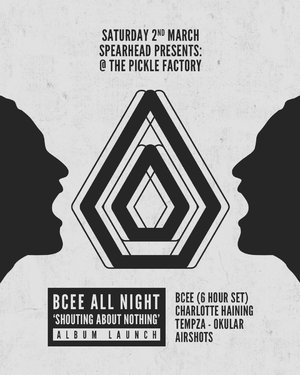
About The Pickle Factory
The Pickle Factory is an intimate underground music venue in East London. Housed in a former pickle and chutney factory, it was freshly opened in 2015 by the team behind Oval Space (its “big sister” venue across the road) (www.timeout.com ) (www.picklefactory.co ). This stripped-back warehouse club (approximately 255 m²) stands out for its minimalist, industrial-chic décor – plain white walls, wooden ceilings, exposed steel beams and frosted skylights – creating a raw, blank-canvas feel (www.designmynight.com ) (hirespace.com ). The interior is deliberately simple and acoustically engineered: it is built around a high-end six-point D&B Audiotechnik sound system so that the focus is squarely on music (www.picklefactory.co ) (hirespace.com ). One Time Out guide notes the venue is “a stripped-back blank canvas… painted every week with a palette of bass and good vibes” (www.timeout.com ), and describes its atmosphere as “intimate, dark and minimal” (www.timeout.com ). With room for roughly 200 people, Pickle Factory’s capacity is small by club standards (www.timeout.com ) (www.timeout.com ), giving it a true “house party” feel. In fact, Time Out calls it “one of London’s best nightclubs” (www.timeout.com ), praising its rare vibe and community crowd (www.timeout.com ).
Historically, the Pickle Factory dates back to its industrial origins: first a working pickle factory and later a storage space for medical supplies (www.picklefactory.co ) (www.designmynight.com ). After Oval Space acquired the building in 2013, it was used occasionally for food pop-ups and exhibitions. In 2015, the space was converted into a dedicated music club and live venue (www.timeout.com ) (www.timeout.com ). Since then it has become a key part of East London’s grassroots club scene, often cited as continuing the legacy of the now-closed Plastic People. The venue’s organisers explicitly tie its identity to that “small clubs” tradition (www.picklefactory.co ), and Time Out notes it preserves the tradition of close, community-driven nightlife in the area. This historic significance – plus its exceptional sound and friendly crowd – make The Pickle Factory notable in London’s nightlife lineup.
Events and Programming
The Pickle Factory’s regular schedule is built around electronic music and live performance. . Its programming tends toward underground DJs, experimental live acts and eclectic “leftfield” sounds. Weekend nights often feature all-night DJ sets of techno, house, ambient and other electronic styles. For example, the club has hosted legends and cutting-edge artists alike – Resident Advisor notes that DJs like Daniel Avery, Jane Fitz and Bradley Zero have all graced its sound system (www.timeout.com ). The venue is known for adventurous lineups: past events have included everything from techno nights (e.g. sets by Helena Hauff) to ambient and psychedelic showcases, often described as “mind-expanding” electronica (www.timeout.com ) (www.timeout.com ). It frequently collaborates with underground promoters and collectives. Resident Advisor even ran a monthly free Thursday-night residency at Pickle Factory in 2023, and the club hosted rising-artist showcases and ambient “room” sets (Margaret Dygas, re:ni, Shanti Celeste and more are examples of names that have appeared on flyers). The club also supports local talent: DJs from the East London scene often appear alongside international guests.
In between prime-time club nights, The Pickle Factory sometimes opens for daytime parties, workshops or pop-ups. The large blank-floor layout makes it suitable for art performances, film screenings or charity raves when needed. Occasional special events like second-hand vinyl fairs have been added to the calendar as well (ra.co ). Throughout the year, you’ll find nights focused on deep house, minimal techno, breaks or melodic techno – often advertised via social media or specialist listing sites. Notably, many lineups emphasise quality of sound and atmosphere over flashiness; organisers often stress the space’s powerful acoustics, so DJs tend to play longer, hypnotic sets rather than quick radio edits. Event announcements highlight at least one live PA or deep house set per night, reflecting the venue’s broad electronic taste.
Ticket prices vary by event. Weekend headline shows typically start around £10–£15 (with cheaper early-bird or advanced purchase tickets available) and might include a small booking fee. For example, one early-arrival ticket could cost £5–£7.50, rising to around £10 on the door (ra.co ). Special series events (free entry on select Thursdays, RA Takeovers, etc.) are occasionally hosted with no cover. Reduced-price early-entry tickets are sometimes sold at a discount (and guarantee cheaper entry before 1 am) (www.picklefactory.co ). The club advises buying tickets in advance for big nights, as popular shows have limited capacity and can sell out. Door sales are usually available until 1 am on busy nights, subject to space. Note that some very popular parties may operate a guest list or invite-only system on occasion, so prospective visitors should check official announcements.
Tickets and Booking
Tickets for Pickle Factory events are normally released a few weeks in advance. The best strategy is to follow announcements through the venue’s social channels or trusted music press (Resident Advisor, local blogs, etc.) to know on-sale dates. Early-bird or advance tickets go quickly, so secure them as soon as they’re announced. For some nights, tiered pricing means the first leak of tickets might sell at a discount; once those are gone, later waves or door prices will be higher. The official policy is that buying a ticket in advance is the only way to guarantee entry (www.picklefactory.co ). On the door availability is possible if the event isn’t sold out, but queues can form by midnight on busy weekends. Grow accustomed to arriving well before midnight if you need to buy at the door, and always have ID ready – strict Challenge-25 ID-checks apply, and entry is refused without valid photo ID (www.picklefactory.co ). In short: planning pays – book early, and arrive early if you go door.
Tickets are sold via the club’s official channels (often through their website announcements, mailing list or partner event pages) rather than third-party street-sellers. You’ll see ticket offers posted on event listing sites (though no need to search by name here) or through promoters. When buying, make sure the ticket is registered in your name, as the door staff often compare it to your ID (ra.co ). The venue explicitly does not accept photocopied tickets or tickets bought off unofficial resellers. For sold-out nights, many fans use authorized resale services on ticketing apps; these provide verified second-hand tickets at face value, which is safer than private deals. If you lose or misplace a ticket, contact the original vendor promptly – the club’s info page notes that lost ticket replacements may incur admin fees (www.picklefactory.co ).
Bear in mind that tickets are generally non-refundable (most promoters operate a strict no-refund policy). However, if an entry is refused at the door despite having a valid ticket (for example due to serious venue capacity restrictions), the club may allow you to claim a refund minus any fees (ra.co ) (though such cases are rare). Always read the event details carefully – some special events might include reserved seating or dinner options (these are rare at Pickle but possible for private hire nights). For ordinary club shows, seating is minimal to non-existent (read on), so tickets are for general admission standing/dancing.
Seating and Layout
The Pickle Factory is essentially one open-plan warehouse hall, so expect mostly standing-room. There is very little fixed seating: aside from a few stools at the front cocktail bar and occasional fold-out benches used on slower nights, the dance floor is open. The main DJ booth is set at one end of the room, and the speakers are rigged overhead and to the sides, filling the space with clear sound. The floorplan is slightly asymmetrical (“askew” as one venue review notes (www.designmynight.com )), but in practice this doesn’t create hidden corners – the crowd stands facing the DJs, usually stretching to the rear wall. With just 200 people, you can easily move to the front or backsides as you prefer without large empty areas.
Acoustically, any spot on the floor has strong coverage. Thanks to the high-spec sound system, the audio is powerful throughout the room (www.picklefactory.co ) (hirespace.com ). For the most immersive sound, many regulars recommend standing nearer the center of the dancefloor. This puts you under the center hang of the speaker array, where the kick drum and bass pack a serious punch. The price of admission (often £15 cover) buys you that full “big soundsmall room” experience. At the very front, you’ll be within arm’s reach of the DJ, hearing even their headphone cues up close (www.timeout.com ) – a thrilling closeness for gearheads or fans. However, the front is also the noisiest spot, so wear earplugs if you’re sensitive.
If you prefer a slightly calmer place to groove, you might hang at the edges towards the back or near the bar. These spots still get great sound but let you lean on walls or chat a bit more easily. The side bars and back corners can be less crowded on busy nights. The venue’s cocktail bar sits at the front/side entrance, often doubling as a vantage point – you might sip a drink at a high stool while still hearing the music through crisp monitors. Note that there are no official VIP or private sections; at Pickle, everyone shares the same audience space. There is no balcony or raised seating – it’s a single-level, warehouse vibe.
One special feature is the adjacent outdoor courtyard. This is a small, gated open area directly outside the main hall (www.functionfixers.co.uk ). Patrons use it to step out for air, have a cigarette or chat away from the strobe lights. On dry-weather days it even functions as a break space where you can cool down. Technically it’s also useful to the venue operations (loading gear, extra meeting point), but for guests it simply means there’s a smoking area and an outdoor queue space if needed. Buildings on The Oval are tall, so the courtyard is fairly enclosed and doesn’t feel scenic – think concrete and containers – but it does let in fresh air without stepping into a busy street.
Getting There and Parking
Address: 13–14 The Oval, London E2 9DU. The venue is tucked down a short cul-de-sac off Cambridge Heath Road (not to be confused with The Oval Cricket Ground south of the Thames!). It sits behind the large gasometer towers near the corner of Hackney Road and Cambridge Heath. (www.timeout.com )
Public transit: The Pickle Factory is well-served by trains and buses. The nearest station is Cambridge Heath Overground (London Overground East London Line), only about 350 metres away (www.picklefactory.co ). This Overground runs frequent trains to Shoreditch, Whitechapel and on to Liverpool Street, and now often operates late on weekends. Bethnal Green Tube (Central Line) is about 900 m away (www.picklefactory.co ) – a 10–12 minute walk through Bethnal Green’s side streets. For night or bus travel, multiple lines run past Cambridge Heath Road. Regular day buses include routes 26, 48, 55, 106, 254, 309, 388, 394, and the D3/D4 (hospital link) (www.picklefactory.co ). After hours, night buses N26 and N55 run nearby (N26 towards Victoria and N55 towards Oxford Circus via Cambridge Heath station). If in doubt, getting off at “Cambridge Heath Station” bus stops will usually leave only a short walk.
Walking and cycle: From Shoreditch/Brick Lane: It’s a 15–20 minute walk straight up Bethnal Green/Brick Lane and then across to Cambridge Heath Road. The area has plenty of bike racks, with covered stands right outside the club and more on The Oval (www.picklefactory.co ), so cyclists will find it convenient. There is no dedicated drop-off lane but a taxi or rideshare can unload on The Oval just outside the entrance side street. Rideshare drop-offs on Hackney Road (the main road) are less ideal, as it’s a busy dual carriageway.
Driving and Parking: Driving is not recommended on busy club nights, as street parking in Bethnal Green can be scarce or restricted. The Oval itself is a narrow residential street (so cavalry take caution) and is often metered or permit-only overnight. If you must drive, you might find pay-and-display bays on nearby Cambridge Heath Road, Bethnal Green Road or Hackney Road (mind the signage and resident bays!). A handful of larger car parks (Sainsbury’s at Cambridge Heath or Anchor Retail Park) lie a 5–10 min walk away, but note that many are “shoppers-only” or closed late. Bear in mind that late-night traffic (and beverage clocks) can make highway exits surge; factor extra time when leaving the venue. Given the club’s urban location, many guests prefer public transport or taxis home.
Inside the Venue
Entry and security: The entrance is a modest industrial door with a small queue area out front. Expect all guests to be searched on entry, per its license (www.picklefactory.co ). Your coat or bag may be checked by security staff. Bring only what you need – no outside liquids or dangerous items are allowed (the venue has a strict listed ban on food, drinks, bottles, weapons, instruments, etc (www.picklefactory.co )). If you plan to coat-check bulky jackets or bags, there is a cloakroom at the entrance. The cloakroom is operated by staff for a small fee (around £2.50 per item) (www.picklefactory.co ). It’s worth noting that any valuables (laptops, large electronics) are strongly discouraged, as the cloakroom will not store high-value items. (www.picklefactory.co )
Age and ID: The Pickle Factory is strictly 18+ (www.picklefactory.co ). They operate a “Challenge 25” policy, so if you look under 25 you should have a passport, driving licence or PASS ID card on hand (www.picklefactory.co ). Photocopies or expired IDs will not be accepted. Once inside, staff may also retake your wristband or check IDs on your way out for re-entry. Under-18s are never permitted, even with an adult. The club has a zero-tolerance drugs policy (www.picklefactory.co ), and anyone caught with illegal substances will be barred. (Unlike some bigger clubs, they do not tolerate any “drug dealing behavior” or even asking for illegal substances, as a matter of licence.)
Cloakroom & coats: A staffed cloakroom is available each night, typically open from door-time until closing (www.picklefactory.co ). The charge is nominal (£2.50 per coat or bag) but bring exact change. Large rucksacks or cases are usually not needed – remember, the dancefloor is small and you’ll be holding drinks. Note: The cloak service will not take large laptops or expensive gear. Keep your essentials on you or in modest tied bags. For security, no loose items may be left unattended.
Bar and drinks: There’s a single official bar inside, where cocktails, beers and spirits are served by in-house bartenders. As expected for East London, drinks are on the pricier side: Time Out reported circa £5 for a pint of beer and £7 for a spirit mixer (www.timeout.com ), while a custom-built cocktail might run £15–£20 (discotech.me ). (Prices may have crept up slightly since then.) Credit cards are usually accepted. Outside drinks, cans or water bottles are strictly forbidden (www.picklefactory.co ), so plan to buy drinks inside or stay hydrated before entry. The bar area has high stools, offering a break from dancing. Be aware that on a full night, ordering a drink can take some time in the queue, so budgeting time is wise.
Facilities and layout: The main room is very dark and packed with the buzz of the crowd and music. The raw concrete and black-painted walls absorb visual distractions – lighting is limited to colored LEDs and spotlights. As a rule, flash photography or mobile phone flashes on the dancefloor are frowned upon (in fact, Time Out mentions photography is generally not allowed on the dancefloor (www.timeout.com ) to keep people immersed). There is no free Wi-Fi; cell signal can be spotty in this buried venue, so don’t count on streaming or calls when inside. If your phone works, you might still use it out on the small courtyard outside for better reception.
Restrooms: The venue provides separate restroom facilities for men and women (in compliance with building regulations). These are fairly basic (clean, squatters and sinks), located off the main hall. On very busy nights, there can be lines for the toilets, so some visitors recommend going during DJ set changes. There also should be a disabled-access toilet (since the venue advertises wheelchair access), likely near the bar or entrance. (Clockwise from the door, you’ll see the bar to one side, restrooms to the rear, and emergency exits clearly marked.)
Smoking and outdoor space: Smoking is only allowed in the outdoor courtyard area. The courtyard is small and enclosed, so on smoking breaks it can feel crowded during busy nights. If you need fresh air or a cigarette, simply exit through the main doors into the courtyard. Be mindful not to block exits. The venue does have two entrances (front and back, per official info (www.functionfixers.co.uk )), but usually one main door is used for entry/exit each night. Staff will direct the crowd.
Merchandise and extras: Occasionally, visiting DJs or promoters may set up a small merch stall near the entrance or in the bar area (T-shirts, vinyl, mix CDs). This is not a feature of every event but can happen. There is no permanent shop. There’s no official food inside; outside snacks are banned (www.picklefactory.co ), though sometimes promoters may have small snack tables (fruit, pretzels) at open-floor parties. If you feel hungry, it’s best to eat before arriving, or grab something just outside after a set.
Nearby Amenities
Restaurants and food: The club’s industrial location (on Cambridge Heath Road, close to Hackney Road) actually sits amidst a surprising culinary corridor. If you’re hungry before a night at Pickle Factory, some nearby options include casual eateries and takeaways. Just a short walk north takes you to the back of bustling Brick Lane, famous for bagel shops, curry houses and hipster cafes (look for tailour’s Bread (the Bagel Shop), Beigel Bake for a classic salt beef bagel, or curry houses like Aladin). Directly west on Cambridge Heath Road/Corner Street, you’ll find small independent spots: for example a reputed Vietnamese sandwich stand (Num Pang) or artisan bakery-cafes. A pizza pub (SPIKSTED) and a Thai noodle bar are also in the vicinity. For evening dining, Brick Lane’s Bengali and Middle-Eastern joints are lively (though note they tend to close around 10–11 pm, so eat early). If you want sit-down food, places on Bethnal Green Road (just a 10-15min walk away) include novelty burek cafes, fried chicken spots, and modern European bistros.
Bars and pre-drinks: North of the venue, Bethnal Green has a number of friendly pubs and bars. “The Bonnington” or “The Victoria” are local pubs a 5–10 minute walk that fill early with older crowds – good for a quiet pint if you arrive early. A short walk east leads to Shoreditch nightlife: bars like the Owl and Pussycat, Hippo, and Oslo in Hackney or Shoreditch 20mins away. Directly around Cambridge Heath station you'll find Budget of Love (a small beer house) or join crowds at nearby spots like the Village Underground. If you arrive hours early, the cocktail bar inside Pickle (called “Oak”) might even let guests pre-game on site until about midnight (ask at the bar as times can vary). Another choice: arrive with friends on Brick Lane and do supper or cheap drinks before walking to Pickle – that area has many casual cocktail bars.
Hotels and stays: Several affordable hotels serve this area. A Travelodge (Bethnal Green location) and a small Premier Inn lie within a ten-minute walk. For boutique options, the Boundary Rooms luxury hotel on Shoreditch High Street is closer to the tube and about 1km away. New lodging (private studio apartments, Airbnbs) are spread through Bethnal Green and Hackney. If you plan to stay late, pick somewhere near a Tube or catch a bus back; Cambridge Heath area is quiet after midnight. Tower Hamlets (the borough) also offers chain hostels and B&Bs for budget stays.
When to arrive: Doors usually open around 11 pm. On Friday/Saturday nights, music goes on until 5 am (closing). If you have a ticket, try to be there by midnight to guarantee entry (last entry is 1 am on weekends (www.picklefactory.co )). During the first hour or so, many arrive in waves (often in 11–1 am). The earlier hours can be busier because lots of people want to get in early for cheaper entry or to stake out a spot. If you like chattier cocktails or lobby talk, getting there just after 11 can be fun. For purely dancing, the peak crowd is often 2–4 am. After midnight, the surface train services thin out (Tube stops just after midnight), so plan accordingly.
Late-night transport: After 1 am, most Tube lines have stopped. Overground trains from Cambridge Heath may still run later on weekends, but don’t rely on them too late. However, several 24-hour night buses run nearby: notably the N26 (toward Victoria) and N55 (toward Oxford Circus) both stop by Cambridge Heath station and Hackney Road. The N15/205 also run up Cambridge Heath Road. These night buses are a common way home for clubbers and should be used outside the Underground hours. Taxis and ride-hailing are widely available in the area even late on weekends, though per-mile costs apply (designate The Oval or Cambridge Heath station as the pick-up if using an app). The surrounding streets are generally safe to wait on (stay near other groups and well-lit areas).
What Makes This Venue Special
The Pickle Factory punches above its weight in atmosphere and culture. First and foremost is the sound: its state-of-the-art D&B Audiotechnik rig and precise room-tuning deliver one of London’s purest audio experiences (www.picklefactory.co ) (hirespace.com ). Guests often remark that you can feel every bass note clearly and that the sound is equal in every corner. This dedication to high-fidelity music is the club’s signature, and it attracts audiophiles and DJs who demand clarity. Coupled with that is the club’s raw minimalism – no flashy décor or giant screens, just lights and sound – which many fans say makes it feel like a “temple of music.”
Community is another secret to Pickle Factory’s charm. With only 200 spots, there’s no getting lost in the crowd: on a busy night you’re never far from friends, and constant ‘lost-your-mate’ complaints are rare. Time Out notes this homey feel (“you don’t lose your pals, and you can have deep conversations in the smoking area”) (www.timeout.com ). The crowd is generally well-informed, open-minded and respectful; it’s a place where both experienced club-goers and curious first-timers mingle. There's no steep VIP ropes or bottle high rolling – everyone stands together on the same floor, which keeps the vibe egalitarian. Many locals and travelers alike say DJs seem to like the Pickle because they can experiment and connect personally with such an attentive audience.
Architecturally, it stands out by preserving a piece of London’s industrial heritage. The converted warehouse look – think wooden rafters, steel beams, gas holders out the courtyard window – adds gritty East End character. It’s very much the “no frills, all thrills” opposite of glitzy megaclubs. In fact, Pickle was often described as “London’s last grassroots venue”, keeping alive the spirit of underground spots that closed in recent years (www.picklefactory.co ). Patrons love bragging that they partied in the former “pickle factory” – it’s the kind of quirky historical anecdote Londoners fondly share. The venue’s exterior (tucked behind gas tanks) gives the bragging right of discovering a hidden gem too.
Many legendary moments have happened within its walls. Anecdotally, DJs often say that their live recordings or inspiration have come from Pickle sets. The club has hosted intimate “first London appearance” events for notable artists. From a crowd perspective, stories include running into acclaimed producers who come to spin or to rave themselves – it’s not uncommon to see techno-heads like Jane Fitz or even genre-crossers like Actress in the crowd. Recurring night series (like Jane Fitz’s newer residency, or the old Night Moves series by Fitz & Jade Seatle (ra.co )) have become local institutions. People even remember early Sunday morning afterparties on the back bar sofa after a set ends. All these give Pickle Factory a stack of urban myth status among Londoners.
Culturally, Pickle Factory has meant a lot for East London. It proved that a small club (especially in “up-and-coming” Bethnal Green) can compete with bigger names. It helped sustain the local scene during times when many venues have shut, and it inspired similar small spaces to open. It has reportedly been used by film crews and publications precisely for its authentic feel – one blog even calls it “highly successful” as a music space and notes its use in films and ads. The owners have hosted community events (music workshops, fairs) between club nights to engage local fans. In all, artists appreciate its sound and ethos and return whenever possible; audiences love its authenticity. In the words of Pickle’s own team, after nine years it was “low key, local club with few frills, but a vibe and crowd that’s rare to find in the UK” (lialondon.net ). That distilled philosophy is really why fans and artists adore it – you can always expect earnest music, curated lineups, tight phenoms and a sense of belonging.
Visitor Tips and Information
Accessibility: The Pickle Factory is a ground-floor, wheelchair-accessible venue (www.functionfixers.co.uk ). There is a step-free entrance at one side door. The venue boasts a dedicated disabled toilet facility as well. Access to the main nightclub area is flat and open, though sightlines may be tight in the packed crowd. If you require assistance, the staff are trained to help; you might email or call ahead to ensure smooth entry. Note that floors, stairwells (to the toilets) and flashing lights may be challenging for some, so plan accordingly. (The courtyard outside is accessible too.)
What to bring: Good dancing shoes! Smart-casual attire is broadly expected – think dark jeans/trousers and a neat top. Avoid sporty clothes like tracksuits, jerseys or sneakers on weekend nights (discotech.me ), since bouncers may turn away people in overly casual athletic gear. Also bring valid photo ID (see above), cash for the cloakroom, and a small wallet for bar purchases. Earplugs are recommended if you’re sensitive to loud bass (many regulars carry them). A light jacket or hoodie is fine (for indoors, it can get warm with the crowd), but remember you’ll pay ~£2.50 for its coat check if you leave it. Leave prohibited items at home (no food, no drinks, no large cameras or bottles (www.picklefactory.co )).
Avoid late arrival: Doors are at 11 pm on weekends, but arriving closer to midnight is best if you have a ticket; that way you avoid early peak lines. If you are coming without a ticket, arrive just after 11 pm or around midnight to buy entry, but know capacity may fill by then. Last entry on Friday/Saturday is 1 am (www.picklefactory.co ). On weekdays or special events, times vary – check the event listing carefully. If the club is hosting a daytime or all-ages party, bring appropriate ID (the venue might allow under-18s in that case, but 18+ is normal). In any case, don’t assume lanes or door sales - if an event sold out in advance, there’s no guarantee of walk-up entry.
Personal items: Keep belongings minimal. The cloakroom can handle jackets and small bags only. Do not bring “high value” electronics or large bags, as the cloakroom explicitly won’t store them (www.picklefactory.co ). A small purse or hip bag is fine on the dancefloor. You may bring a sealed water bottle (allowed exceptions might apply), but note that outside liquids are officially banned (www.picklefactory.co ). If you need hydration, plan to either arrive hydrated or quickly buy water at the bar. Also, label your pre-checked coat with your name if possible – the cloakroom will hold items for just 28 days (www.picklefactory.co ).
Inside etiquette: The crowd at Pickle is generally respectful. No queue-cutting is practiced (nor allowed in the smoking courtyard line). On the dancefloor, give others a little space – with full capacity it’s cozy but not jammed. Aggressive behaviour or harassment will get you thrown out (security is vigilant). Remember, photography on the floor is banned (www.timeout.com ), so if you want to capture the night do so from the bar area only. Smoking is only allowed outside; do not stand with a cigarette in the hallway or entrance. Finally, keep the noise respectful when chatting – some people come here to immerse fully in sound.
Age policy and companions: This venue is 18+ for typical club nights. Under-18s, even with adult supervision, cannot enter in the evenings. (On rare special daytime events or private hires, these rules may be lifted; always check event rules.) If you’re not sure someone in your group looks under 25, carry ID for them just in case of a Challenge 25 check (www.picklefactory.co ).
Expect delays and lines: On a busy weekend, expect to wait 15–30 minutes at the door if you arrive around midnight (discotech.me ). Security is thorough (metal detectors, pat-down). The bar can be slow when packed – factor that into your night. Toilets can also have queues mid-set. Essentially, patience goes a long way. If in doubt, arrive early and relax in the courtyard or local bar beforehand.
Special restrictions: No dress-code “style theme” is enforced beyond general smartness, but some nights (themed parties or private events) could have stricter cues – the staff will usually mention it in advance. The venue is smoke-free indoors and strictly bans any controlled substances – do not attempt to bring any items listed on their prohibited list (www.picklefactory.co ). Last note: find out if your event is seated or standing. (Almost all club nights are free-standing only.)
Local insider tip: Many local fans suggest grabbing a post-club bite at 24-hour spots once the music lets out. For example, the Brick Lane Beigel Shop (open all night) is a popular nearby late snack. Also, keep your phone handy for taxi apps – the area is well-covered by services even after midnight. Finally, if smoking outside, step a little way from the door so you don’t block it (staff will politely ask if you are too close).
Upcoming changes: Note that in mid-2024 The Pickle Factory announced a temporary closure for renovation (www.timeout.com ). As of late 2024 it is scheduled to reopen in 2025 with expanded facilities (adding a second dance floor and larger bar) (www.timeout.com ). If you’re reading this in 2025 or beyond, check for announcements that the new layout is complete – the character of the club will remain but the experience may be upgraded. In any case, the founding ethos (great sound, underground vibe) is unlikely to change.
FAQ
What is the capacity of The Pickle Factory?
The venue is very small by club standards – about 200 people maximum on a standing-room basis (www.timeout.com ). This low capacity is part of its intimate appeal (you stay close to other partygoers and the DJ). There are no fixed seats, so all 200 are on the dancefloor. The space is roughly 255 sqm (about 2,750 sq ft) in area (ru.scribd.com ), configured in a single hall.
How do I get tickets for a sold-out night?
The Pickle Factory often has official resale options for sold-out events. Many ticketing platforms run a secure “transfer” service (often listed on the event page) so original holders can resell at face value. If tickets sell out, look for an official resale function on the event listing. Avoid shady sellers – the venue won’t honor tickets from fraudulent sources. For some sold-out shows, fans have success checking during the night; occasionally promoters release any unclaimed VIP or guest tickets at the door, but this is not guaranteed. Your best bet is to monitor official channels and use a verified exchange if possible.
Are tickets available at the door?
Often yes, if the event is not fully sold out. Door tickets go on sale at the start time (usually 11pm on weekends) and remain available until either sold out or last entry time (1am) (www.picklefactory.co ). If you have no ticket in advance, you can queue at the entrance. However, be aware that popular nights can reach capacity well before 1am. To guarantee entry and sometimes a cheaper price, it’s wiser to buy in advance. If in doubt, arrive early (e.g. 11–11:30pm) to improve your chances of door entry.
What are the usual ticket prices?
Cover charges vary by event. Typical weekend shows range from about £10 to £15 for standard tickets. Some early or advanced tickets might start around £5–£7.50 (ra.co ). A discounted “pre-midnight” ticket may be offered for early entry. Special events or guest artist nights may be pricier. If there is a ticketing tier, get the early-bird one for the best deal and earlier entry. Importantly, a ticket is often the only way to guarantee entry – door prices (if any) will usually be on the higher end of the scale (www.picklefactory.co ).
When do tickets go on sale?
That depends on the event. Typically, tickets for a big night are released a few weeks in advance of the date. The venue and promoters will announce the on-sale date via official channels. For larger shows or special series nights, watch for a pre-sale announcement. Signing up for the Pickle Factory mailing list or following its social media is a good way to hear about sales early. In practice, most weekend party tickets appear 2–4 weeks before the event. If you miss out on first release, there might be a second wave, but act fast. There's usually no advance buzz beyond those 4 weeks or so.
Best way to buy tickets?
Buy through the venue’s official outlets (posted event pages or links) or at recognized partner sites. Avoid unverified third-party sellers. If the event is on sale via an app or official listing, use that. Never purchase from scalpers or strangers, as the club will not accept tickets that weren't issued in your name (ra.co ). For convenience, popular events often appear on trusted mobile apps (though we won’t name them here). Bookmark any page or app that the club uses frequently, or ask a friend who goes often about their purchase process.
Are there different seating or viewing options?
No formal seating tiers exist – it’s all general admission. Once inside, you can stand anywhere on the dancefloor. People naturally gravitate around the DJ booth or near the bar/edges if they prefer. There are no assigned seats. For a better view, try to get in early and claim a spot at the front; you’ll nearly touch the DJ booth and feel the full impact of the speakers (www.timeout.com ). For a slightly more relaxed spot, stand along the sidewalls or at the back near the bar. If avoiding crowds, hang near the perimeters. But remember the space is small enough that even “back row” spots have good sound.
Is The Pickle Factory wheelchair accessible?
Yes, The Pickle Factory offers step-free access. The entrance is at ground level (no stairs) and at least one side door is fully accessible. The main floor is one level throughout with wide walkways. There is a disabled-access restroom available. The venue noted it has “disabled access” in its official info (www.functionfixers.co.uk ). However, note that in a packed crowd it can be tight moving around. If you require an aisle seat or special accommodation, you might contact the venue in advance. Otherwise, a wheelchair can navigate most of the public areas, including into the courtyard. Staff can assist if needed.
Where’s the best place to stand for sound?
The club was designed so sound is balanced everywhere. For the fullest bass, aim for the center of the dancefloor under the speaker array. This gets you directly in the sound “sweet spot.” The front row (right by the DJ) is extremely loud and immersive – you’ll hear everything, even the DJ’s headphone cues (www.timeout.com ). If that’s too intense, try the sides or back: sound remains clear there but at a quieter level. Essentially, the audio is great all around. On busy nights, fold-out chairs appear at the edges; sitting there still leaves you in range of the monitors. No matter where you go, the club’s solid acoustics ensure you’ll get high-quality sound (hirespace.com ) (www.picklefactory.co ).
What time should I arrive on busy nights?
Doors usually open at 11 pm on Fridays and Saturdays (www.picklefactory.co ). If you have an early-bird ticket (for pre-midnight entry), arrive right at 11. If you’re going on door sale or general admission, aim to be there by about midnight. That’s when the crowd really starts to build. A savvy move is to arrive closer to 11 pm or just after if you want a prime dancefloor spot but aren’t sure of tickets. The club rules say last entry is 1 am on weekends (www.picklefactory.co ). After midnight, entry isn’t guaranteed, so it’s best to come earlier to avoid disappointment or long queues.
Are there age restrictions?
Yes – standard events are strictly for 18 and over. (www.picklefactory.co ). Make sure to have a valid photo ID if you’re near the age cutoff. The venue enforces a Challenge 25 policy, so if you look under 25 you’ll be asked for ID (passport, driver’s license, etc.) (www.picklefactory.co ). Some special parties or private hires (like daytime events) may allow under-18s, but this would be clearly stated in that event’s description. As a rule of thumb, booking for an adult audience and assuming 18+ is safe for night events.
Can I buy tickets on the night at the door?
Yes, if the event isn’t sold out. Tickets or door entry passes are typically available from the entrance from the opening time up until around 1 am on weekend nights (www.picklefactory.co ). If the show has room, you can simply pay at the door (by card or cash) and get in line. However, for popular shows, it’s quite common to reach capacity, so there is no guarantee. The venue’s policy is that buying early via an official channel is the only sure way to get inside (www.picklefactory.co ). In summary: door tickets may exist but arrive as early as possible and have a backup plan if it’s sold out.
What’s the dress code?
While there is no formal glamorous dress code, the crowd typically errs on the smart-casual side, especially for men. According to club tips, men often wear collared shirts, clean jeans or trousers and decent shoes (discotech.me ). Sportswear or athletic gear (tracksuits, jerseys, branded sneakers) is discouraged – security may turn away overly casual athletic outfits (discotech.me ). Women usually wear clubwear or casual night-out attire. In any case, wear whatever you feel good in, but avoid any clothing that might be considered work-out wear or offensive. Plain clean streetwear is fine most nights, but some DJs/residencies have gone by a “dress to impress” vibe. As always in East London clubs, comfortable shoes are advised (you’ll be dancing).
Is there a coat check?
Yes. A staffed cloakroom is available each night. The fee is around £2.50 per item (www.picklefactory.co ). You can check jackets, bags, etc., when you enter. The cloak runs for the full duration of the event, so you retrieve your items before you leave. Remember to pick up all your belongings, as unclaimed items are held for only 4 weeks then donated. The cloak will not accept very large bags or high-value items (no laptops or cameras). If arriving early, you might check your coat immediately to avoid holding it in line.
Are lockers available?
No, there are no personal lockers. The only option for belongings is the manned cloakroom mentioned above (www.picklefactory.co ). Beyond coats and small bags, it’s best to bring minimal valuables. Consider leaving your phone or wallet in your pocket or a secured bag; there are usually no large enclosure areas in the club itself.
What happens if I lose my ticket?
If you lose a purchased ticket, first contact the seller or promoter immediately. The club’s info page states that lost tickets can sometimes be reissued by the original ticket company (with proof of purchase and ID) (www.picklefactory.co ). If it’s an electronic ticket, try to have the email or confirmation code. Unfortunately, if someone else uses the ticketed QR code at the door, there’s not much the venue can do in the moment. Therefore, treat your ticket like cash: keep it in a safe place. The club itself does not accept photocopied tickets. If all else fails, your only option is to buy another. If you show up with no ticket, they may let you in on a first-come basis if not filled – but that is risky.
Does the club enforce a zero-tolerance policy on drugs?
Yes, very strictly. The Pickle Factory explicitly operates a “zero tolerance” policy on illegal drugs (www.picklefactory.co ). Any guest found with drugs—even if only small amounts of cannabis or similar—or being involved in buying/selling, will be immediately ejected and banned. Security conducts searches on entry and Oxford Street – they will confiscate substances. If you see someone attempting a drug deal, staff advise reporting it. In short, do not bring or use any prohibited substances inside or in the courtyard. The club states this clearly in its rules and enforces it rigorously (www.picklefactory.co ). This is not just spin – East London clubs often have an excellent relationship with the local police on this issue, so the best practice is to comply.
Can I take photos inside?
Non-professional photography is generally discouraged. The club has a camera policy: they forbid flash photography on the dancefloor to not distract other guests (www.timeout.com ). Discreet, non-flash photos on your phone are usually tolerated off to the side (for example, at the bar or in the lobby), but aggressively shooting video or using tripods is not allowed. On the dance floor itself, staff may politely ask you to stop taking pictures. For social media snaps, keep it minimal and respectful of the artists’ performance.
Is re-entry allowed?
Re-entry policies can vary by event. In most cases, once you leave the club, you can come back in later (up to last entry time) if you keep your handstamp or wristband visible. However, expect to be checked (ticket/ID) again upon returning. There is no formal policy banning re-entry, but this is always at management’s discretion. If a very crowd-limited event is near full, they might choose to pause re-entry. If re-entry is critical for you, make sure to confirm when you buy your ticket. Keep your entry stamp fresh (smudges can make them unreadable).