About 1720
1720 Los Angeles is a gritty live music and events venue housed in a repurposed brick & steel warehouse at 1720 E. 16th Street in the Arts District of downtown L.A. Opened in late 2017, this former garment factory was transformed by a trio of Los Angeles rock musicians into a “gritty electronic paradise” . The design (by Brant Ritter, a local artist) retains raw industrial elements — high ceilings, exposed pipes, steel beams and painted concrete — but adds modern comforts like a full kitchen, slick bar counters and eye-catching wall art (including a triptych mural by artist Nick Knudson) . One blogger even called 1720 “one of the city’s most authentic underground venues,” emphasizing its unpolished warehouse vibe and top-notch production gear . In short, 1720 is notable for blending an old-school warehouse aesthetic with high-end club sound and lighting, offering a unique setting that bridges L.A.’s heavy music and electronic dance scenes.
With a capacity of roughly 700 people (standing room on the main floor) , 1720 quickly became a go-to spot on the L.A. electronic/underground circuit. Its owners (founding partners Alex Alereza, Brett Powell and Travis Richter) have roots in the local metal and alternative scenes, and that independent spirit shows in the venue’s character. The space is deliberately “sleekly designed but still keeping a warehouse feel,” as one article notes, and it proudly occupies the pre-gentrified “war zone” part of the Warehouse District . Because of that location and style, 1720 stands apart from more polished Hollywood clubs – it feels more like a DIY underground bunker for seriously loud music. This combination of history and high production means 1720 has already gained a reputation as a vital hub for electronics, punk, metal and other genres that thrive on big sound in an intimate space.
Events and Programming
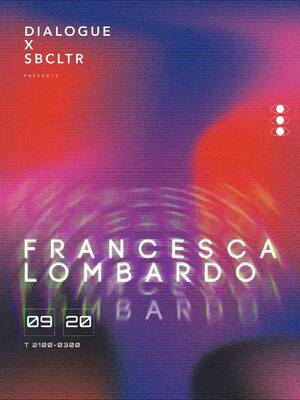
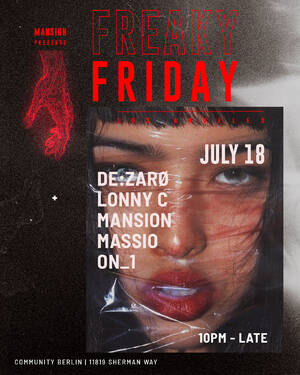
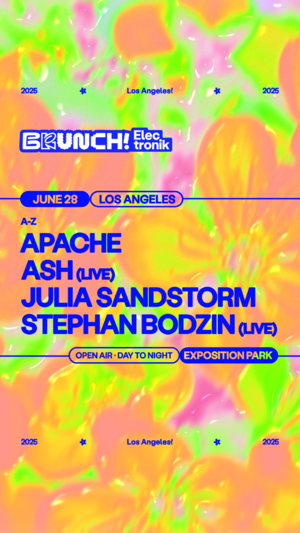
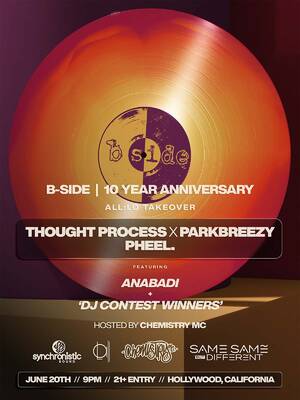
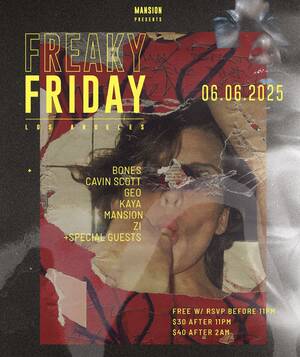
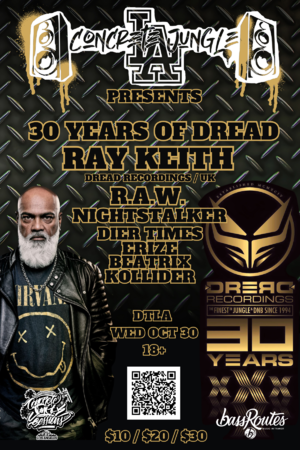
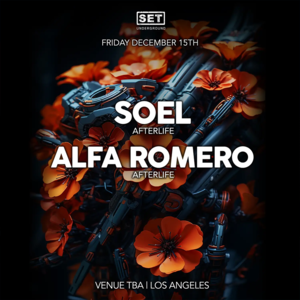
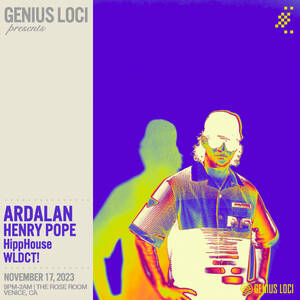
1720 hosts a highly eclectic range of events, but its programming leans heavily toward electronic dance music alongside hardcore and rock. On any given night you might find DJs spinning techno, house, or bass music in the main room, or a mosh-worthy hardcore or metal band headlining. For example, early on the venue’s calendar included varied acts like Simian Mobile Disco (an international electro duo) and punk/indie bands — one multi-day showcase even featured all-women indie acts (Burger a Go-Go) and a post-hardcore band (Slaves) in the span of a few nights . Today 1720 still books a mix of genres. Recent line-ups have ranged from electronic trap nights (featuring popular DJs and up-and-coming rappers) to extreme metal concerts and everything in between. One listing shows hardcore legends D.R.I. headlining a packed all-ages matinee show, while other nights feature newer trap artists like Wifisfuneral or underground EDM events.
In practice, 1720’s event schedule is very active – there are often multiple shows per week, primarily on weekends. Headliner and club nights are typically run by local promoters, including the venue’s founders (who also run the Brownies & Lemonade collective) as well as independent electronic music organizers. This means you’ll see recurring parties (such as monthly trap/house nights by Brownies & Lemonade) as well as one-off tours and special events. Cover prices vary by show: a standard local DJ or underground band night might have a \$20–\$30 entry fee , whereas festival-style events or out-of-town headliners can command higher prices. Many events also offer VIP table service (six-person tables with included bottles of liquor and a private server), as noted in 1720’s event postings . In general, expect a wide variety of bookings: check 1720’s website for the latest shows, but in person you’ll find anything from an 18+ bass music rave to an all-ages metal concert on the same calendar.
Tickets and Booking
All 1720 tickets are sold online through the venue’s official system or its ticketing partner – there is no cash-only box office on site . When a show is announced, advance tickets go on sale (dates vary by promoter), and it’s wise to purchase early since popular events often sell out. Every ticket purchase includes a service fee and is non-refundable . After buying, you’ll receive an email confirmation with a unique QR code; this digital QR (on your phone or printed) serves as your entry ticket at the door . If you need to transfer tickets, the venue allows you to send the QR code to someone else, or you can give the door staff the original buyer’s name for admission . At entry, you must present a valid photo ID (such as a current driver’s license, passport or military ID) along with your ticket QR code . Because 1720 operates under L.A. club regulations, expect ID checks for age verification – check the event details, but most shows are “all ages” unless explicitly advertised for 18+ or 21+ audiences .
For pricing, note that ticket costs reflect the underground nature of the venue. Many underground or local artist nights keep covers in the low-to-mid \$20s , while larger touring acts or special themed nights may be \$30 or more. 1720 also often sells VIP tables for big events; these “VIP” packages include entry for six people plus one or more bottles of liquor (vodka, tequila, whiskey or champagne) and can be a good option if you want a reserved spot and bottle service . If an event offers any partial seating, it will be on a first-come, first-served basis, so arriving early is recommended to secure a seat . Remember that 1720’s ticket policy is strict: tickets are final sale, so double-check dates and details before purchasing. The venue’s website and ticket confirmation emails provide all the details (and even a phone number for ticketing questions), but keep in mind the only gate-time info will be on the show listing. Typically doors open about 30–60 minutes before showtime.
Seating and Layout
The interior of 1720 is kept very flexible and open. The main area is essentially one large standing-room concert hall with a stage at one end. Because the stage is modular, it can be reconfigured to accommodate DJs, full live bands, back-to-back DJ sets, or even small theatrical setups . This means the room layout can change: for example, turning the stage to face a bar or shifting it forward for a deeper floor. The capacity is around 700 (standing room) . There are also two bars inside – a main bar in the concert hall and a second bar in a separate “live room” or upstairs area – and an attached kitchen. An outdoor patio is accessible from the main room, providing a smoking area or chill-out space with graffiti-style art on the walls . Even with these extra areas, the emphasis is on the main floor and stage, so viewing spots are mostly floor-based.
Because 1720 is almost always general admission, your choice of where to stand is important. The best views are usually toward the front of the stage, but keep in mind that sound is loud and immersive throughout the venue. Reviews note that 1720’s production values (sound and lighting) are the real highlights, so many fans prefer being near the center of the crowd to feel the bass . However, you can hear music clearly from anywhere in the hall because the club-grade L’Acoustics system is powerful and well-tuned . A DJ booth is often set up on stage at one end, and in front of it is open dance space. Some patrons like to stand along the perimeter or on the patio to catch a bit of break from the crowd on high-energy nights. If a particular event has any chairs or reserved seating (rare for 1720), those seats are literally first-come – but most nights there simply aren’t fixed seats at all. Upstairs or behind one of the bars is a small elevated VIP area; those who purchase VIP tables usually get a low-rise booth or platform near the back with seating for six and table service. Aside from that, the club has no assigned seating sections – it’s up to each person to find a comfortable spot on the floor or lean against a wall. In general, avoid standing directly under the largest, loudest stacks or PA speakers for prolonged listening, but aside from that all areas have a clear view of the stage due to the single-floor layout.
Getting There and Parking
1720’s exact address is 1720 East 16th Street (parking lot exit just off Santa Fe Avenue) in downtown Los Angeles, in the gritty Arts District/warehouse zone near the I-10 freeway. This is east of the main DTLA core, so maps will label it in “South Los Angeles” or the Arts District area rather than Hollywood or mid-city. The neighborhood has an industrial feel, with lots of warehouses and loading docks, and very few retail businesses on-site. That means you’ll need a plan to get there safely. If you’re driving, 1720 does not offer valet parking and street parking is unofficial. There are metered and free street parking spots on adjacent blocks, but they fill up and are often patrolled (never assume free overnight). The venue’s information page does claim “plenty of street parking available” , but many visitors report that parking can be scarce or difficult in practice. A better bet is to scout pay parking lots in the area; some are only a few blocks away, though these may cost \$10–\$20 for the night. If you must drive, plan to arrive very early – one show notice specifically advised patrons to “arrive early for a spot” and to never leave valuables in a parked car . In fact, 1720 itself and various reviews strongly recommend using rideshare (Uber/Lyft) especially at night . One rave guide bluntly notes, “the neighborhood around 1720 isn’t exactly the safest – your best bet is to take a rideshare” . To that end, drop-off or pick-up for ride-share should be on 16th Street right in front of the building’s large loading doors.
For public transit, the venue is served by a few Metro lines, but note that no train station is immediately next door. According to transit guides, Metro Bus Lines 50, 60, 66 and 53 run along streets near 16th, so you could take one of those buses from downtown L.A. or surrounding areas and walk a block or two to 1720 . The Red (B) and Blue (A) lines of the Metro Rail system both run through downtown (at 7th/MetroCenter station) . In practice, you would take the train to 7th/Metro (or Civic Center/Pershing Square) and transfer to a bus or ride-share. The nearest rail stop is about 1.5 miles away, so leave extra time if you’re using Metro. Another option is the Metro Gold Line (L), which stops at Little Tokyo/Arts District station (around Alameda St.), a 3/4-mile walk from 1720. In summary: public transit is available but not seamless, so most southern California locals either drive, rideshare, or bike. If you do choose public transit, be sure to check the latest schedules – trains late at night are less frequent, so many people simply use Uber/Lyft or taxis for after-hours dropoff.
Inside the Venue
Expect a secure but relaxed entry experience. When you arrive, you’ll show your ticket QR code on a smartphone (or printed copy) and a valid ID. Note that 1720’s door staff takes entry policy seriously: no paper tickets or loose drafts of tickets, so make sure your QR code scans properly for admission. Security will do a quick check – normal club rules apply, so they may search bags or pat you down, and large backpacks or big bags are generally discouraged. Beyond that, the vibe of entry is friendly: You may see the head-of-security “Ray” on duty, who has become something of a local legend for escorting fans to their cars after shows and generally keeping a safe atmosphere . The venue has two entrances (one main door on 16th Street and sometimes a secondary entrance on Santa Fe) but only the main door is for general entry.
Inside, the lighting is intentionally low and clubby. The decor is sparse – bare walls, metal railings, graffiti prints – so most of the visual focus is on the stage lighting and projections. The main room is filled with a loft-like air: you might smell the night’s incense or fog machines, hear the bass rattling the rafters, and see cocktail glasses at the bar. There are two full bars on site – one in the main concert hall and another in an adjacent raised/live room – stocked with draft beers, mixed drinks and a modest wine list. The venue boasts a "full kitchen” concept with light bar food: expect sliders, tacos, fries, and snacks . (Don’t expect fine dining or a full meal; it’s more snacky fare to keep you going between sets.) Payment at the bars is by either cash or credit card , so plan accordingly. You’ll wait in reasonable lines for drinks during big nights. Remember to tip – U.S. clubs often add a 20% service charge to table service, and bartenders appreciate cash tips if they do good work.
Restrooms are located off the main room (there are single-stall and multi-stall facilities). Facilities are kept relatively clean for a club, and 1720 notes that all its amenities are ADA accessible – there’s at least one wheelchair-accessible restroom and ramped access for the main floor. The staff is trained to assist any guest with special needs; if you require help (like reaching a high counter or navigating the building), just flag an employee at the door or bar. One note: because 1720 is standing-room oriented and forms can pack in heavily, wheelchair spaces may be limited and must be coordinated in advance. For connectivity, you may have service inside but it can be spotty (metal walls can block cell signals), so be prepared that your phone might not update instantly once the show starts. Free Wi-Fi is not mentioned, so assume no public Wi-Fi.
One cool feature inside is the high-quality sound and lighting system. Reviewers say “the sound is the real star of the show” here . The installed L’Acoustics speaker arrays and LED lighting rigs are robust — this isn’t a small bar PA. As a result, whether you’re on the dance floor or towards the back, you’ll feel the bass and see crisp visuals. Feel free to take photos or quick videos with your phone (those are allowed), but be aware that official photographers may be present at larger acts. Professional cameras and video are technically allowed “subject to the performing artists’ policies” . In other words, unless it’s a strictly erasive or flash is banned at the artist’s request, small cameras are generally fine as long as they don’t disrupt others. If you need to find something inside – for example, a coat check or merchandise table – ask any of the friendly staff or just follow the line of people in the back. (Tip: There is no coat check advertised, so carry minimal gear and stash valuables on your person.)
Nearby Amenities
1720’s immediate block is pretty industrial – you won’t find a restaurant or hotel right next door. Most dining and lodging is a short drive or bike ride away in Downtown L.A. or the Arts District. For pre-show dinner, many patrons head west a mile or two to the bright ROW DTLA development (near 7th and Mateo). ROW has several popular spots: for example, Rappahannock Oyster Bar (seafood) and Pizzeria Bianco (famous Phoenix pizza imported to L.A.) are both on East 7th Street, just a couple blocks from each other and about 1–1.5 miles from 1720. Another local favorite in that area is Bar Ama (Tex-Mex), though it’s closer to the Staples Center; there are also coffeehouses, breweries and small eateries sprinkled through the Arts District. If you want something quick right next to the venue, options are limited – you might settle for street tacos or a convenience-store snack. Otherwise use a rideshare or short drive to one of the restaurants downtown. Some fans mention grabbing a bite in Little Tokyo (sushi/ramen) or the Fashion District before gigs.
For nightlife before or after the show, the downtown core has cocktail bars and lounges nearby. A few blocks north, the bar “District” on Hope Street is a multi-level club with a craft cocktail menu, and “Joyce” on Grand Ave is a rooftop bar with DJs. The Arts District itself houses several breweries like Arts District Brewing Co. and Angel City Brewery (both along 7th Street), which are great for laid-back pre-party drinks. Keep in mind that after the show, 1720’s neighbors don’t have any bars that stay open late exactly across the street. If you want to continue the night, you’ll either carpool out to other parts of LA or head over to hotels and bars in Downtown. Speaking of which, there aren’t hotels right in this warehouse pocket, so most people stay farther west. Closest lodging options include downtown hotels like the Ace Hotel or even the Crowne Plaza at Row DTLA, both a few miles away and within a short Lyft ride. If you are driving in for a show, it’s a good idea to park near those downtown hotels or the 7th St. stations and take the last mile with a taxi or ride-share, rather than hunt for late-night street parking around 1720.
What Makes This Venue Special
1720 stands out because it feels authentic and raw — a genuine Los Angeles warehouse turned nightlife spot. Unlike refurbished nightclubs in historic theaters, 1720 wears its industrial roots on its sleeve: reviewers describe it as “grungy, loud” and even compare it to a “ground zero” for music fans . The owners’ background as metal and alternative musicians gives it credibility and informs its programming, so local punk and metal communities embrace it as their own space. At the same time, they brought in world-class production (the L’Acoustics system, professional lighting and a modular staging concept) that makes every event feel big – one writer noted the venue is “equipped to handle anything from prog-metal to electronic music” thanks to that high-end sound and lighting . This fusion of underground ethos and top-tier tech is rare in L.A.’s club scene.
Another unique aspect is how 1720 ditched the trend of upscale amenities and instead embraced its raw location. There are no velvet ropes or fancy carpets, just exposed pipework and minimalist staging. Yet it offers little luxuries – like good restrooms and attentive staff – that you wouldn’t expect in a bare warehouse. Fans often point out that the head of security (“Ray”) goes above and beyond to keep people safe, reporting that he personally escorts revelers to their cars after shows . And even though the area can feel sketchy late at night, visitors say the crowd inside feels like a small community where everyone shares respect for the music. In short, 1720’s “DIY” attitude (warehouse design, artists as owners, general admission raves) combined with professional polish makes it a beloved spot. It’s become something of a legend for LA’s alternative and electronic scenes – if an artist wanted to play a raw, true-to-their-roots show in L.A., 1720 would be one of the first venues that comes to mind.
In cultural terms, 1720 has quietly filled a niche by energizing the old warehouse district. It predates the more recent gentrification of East Downtown, bringing foot traffic and music culture into a zone that was otherwise forgotten . (As the owners say, they “wear on [their] sleeves” that this is an essentially pre-gentrified neighborhood .) The venue also champions local creativity: for example, it has hosted pop-up art events, skate nights, and even wrestling-themed alternative events as part of its calendar . This eclectic cultural mix and the fact that it continues to draw packed crowds shows 1720’s lasting impact. Regulars often relish that special blend of underground LA history and modern energy – as one guidebook bluntly put it: “It’s grungy, it’s loud and provides a true ground zero experience in LA” – and that’s exactly why both artists and fans love it.
Visitor Tips and Information
Access and Accessibility: 1720’s website proudly states that its facilities are 100% ADA compliant . There are wheelchair ramps into the main hall and at least one accessible restroom. The staff is trained for accessibility, so if you have special needs (mobility assistance, etc.) they can help. Of course, the main floor is flat and open, so most areas are reachable by wheelchair. Plan ahead – if you require extra accommodations, you may want to arrive early and notify the door staff when you get there.
What to Bring: Always bring a QR code (digital or printed) for your ticket and a valid photo ID. The accepted IDs include driver’s licenses, passports or military IDs . Ever find in a club you need earplugs? Here too it can be insanely loud on the floor, so ear protection is a good idea, especially for front-row spots. Wear comfortable, casual attire and shoes that you don’t mind standing in (closed-toe shoes recommended for crowded rows). There’s no formal dress code – festival or streetwear is common. Lights are dim and dancing is encouraged, so think safety (avoid long flowing scarves that could get stepped on, etc.). You can bring a small bag or fanny pack, but be aware security may inspect bags. Blankets or coolers are not allowed, and generally no outside food or drink may be carried in.
Entry Procedures: Doors typically open about one hour before the first advertised showtime (though check your specific event for “doors at” time). Line up outside the front door or nearby entrance if there’s a queue. Expect a security search (metal detector or wand) upon entry. The process is straightforward: scan your QR code, show your ID, and walk in. If you’re on a guest list or had a VIP table, mention it at the door. Once inside, you cannot leave and re-enter: 1720 has a strict no re-entry policy , so plan accordingly (go to the restroom or smoking area when you first arrive if needed).
Policies: Photography with smartphones or small cameras is allowed, but check the performer’s rules – some artists forbid flash or professional cameras . Note that any recording is only permitted if the band hasn’t specifically banned it. Another key policy: all shows are advertised as “all ages” unless otherwise noted , which means minors can attend general shows with a guardian. Yet many 1720 events are geared toward adults with 18+ or 21+ age restrictions (usually listed in the event details). Bringing children to an 18+ hip-hop night wouldn’t be allowed, for example. So double-check the age requirement for each show. For drinks, 1720 has full bar service; outside alcohol or drinks are prohibited. There is no coat check advertised, so many people just keep coats on or drape them over their arm; pack light. Definitely lock your car if you parked; locals advise leaving valuables at home or on your person rather than in a parked car.
Connectivity and Money: The bar and concession stands accept both cash and cards . ATMs are not guaranteed inside, so bring enough cash if you prefer it (though cards for drinks should work). Cell phone service can be spotty; answer calls or messages in the lobby or outside if urgent. If you need to contact venue staff after your visit (for lost items, etc.), their info page provides an email for inquires – but it’s simpler to speak with staff in person at the end of the night if there’s an issue. Of course, plan your transportation home ahead of time: the trains wrap up around midnight so rideshare or taxis are usually the safest choices after last call.
Insider Tips: Arrive early to beat lines and claim a good spot or seat (if any seats are set out). For example, if a show has any seating or barside perches, they tend to fill up fast once the doors open. Bring earplugs if you want, since the PA can be very loud (this is actually part of the fun for many fans, but protect your hearing if sensitive). If you end up standing near a speaker stack, you’ll feel the music intensely – you’ll know why they boast about the sound system! . Also, keep in mind that once you spend a night at 1720, you’ll likely want to come back – part of the experience is the community vibe. And if you’re new, don’t hesitate to strike up a conversation; fans here are usually friendly. Lastly, check social media or the venue’s calendar in advance for any specific dress preferences (some theme nights encourage costumes) or rules (like photo restrictions for guest DJs or performers).
How do I purchase tickets for events at 1720?
1720 sells tickets online only – there is no box office at the venue. Advance tickets are available from the venue’s official ticketing site (linked on 1720’s website) or via authorized promoters. Once you buy, you’ll get a confirmation email with a QR code. Print or save that code; you’ll scan it on your phone when you arrive .
What are the typical ticket prices for shows at 1720?
Ticket prices vary widely. Smaller local shows and underground club nights often have covers around $20–$30 . Bigger touring acts or special events can cost more (sometimes $40+). Keep an eye on the event announcement for exact pricing. Note that all tickets include a service fee and are non-refundable once purchased.
How early should I arrive before a show at 1720?
Door times can vary by event, but a good rule is to arrive 30–60 minutes before the advertised start time. This helps you beat any entry lines and gives you a chance to find a good spot (or seat if seating is offered). Partially seated shows at 1720 are first-come first-served, so early arrival is essential if you want a chair . Check the event listing for any specific “doors open” time – it’s usually 1 hour prior to the first act.
Is 1720 wheelchair-accessible?
Yes. 1720 is ADA compliant and its on-site amenities are fully accessible . The entrance and main floor have ramp access, and there are wheelchair-accessible restrooms. If you need assistance (for example, help reaching the bar or anything else), the staff is happy to assist – just let an employee know when you arrive.
What transportation and parking options are available for 1720?
1720 is located in an industrial area with limited parking. Next to the venue are metered street spots, but they fill up quickly. There are occasional paid lots nearby, but there is no official venue parking. For these reasons, the venue and visitors strongly recommend rideshare or taxi, especially at night . If you do drive, arrive early to queue for street parking. In terms of public transit, several Metro buses (lines 50, 60, 66, 53) serve the area and the nearest Metro rail station (7th/MetroCenter) is about 1.5 miles away .
What seating options does 1720 offer?
Almost all events at 1720 are general admission (standing room). The main concert hall is an open floor plan, so you will stand unless an event specifically sets up chairs. When limited seating is provided, it’s first-come, first-served, so the early birds get those spots . The venue also has a small elevated VIP section and booth seating for reserved table service purchases (these are typically 6-person tables with bottles), but those are sold separately as VIP packages. Otherwise, expect to stand or stake out your own territory on the dance floor.
Can I bring a camera or record video at 1720?
You can usually bring camera phones and small handheld cameras into 1720; personal photos and short videos are generally allowed. The official policy states cameras (even professional ones) are permitted subject to the performing artist’s rules . This means if the band or promoter prohibits flash or filming, you must abide. As a rule of thumb, phone photos without flash are fine at most shows, but always respect any on-stage sign or announcement that says “no flash” or “no filming.”
Are minors allowed at shows or is it 21+ only?
Most 1720 events are advertised as “all ages,” meaning anyone (including minors) can attend so long as they have a ticket. However, some events may be specifically designated as 18+ or 21+ (usually indicated in the show info). Always check the age restriction on your specific event’s details. If it’s all-ages, minors are welcome, but check local laws: often anyone under 21 must be accompanied by an adult. Valid ID will be checked at the door if there are age limits for a show .
What is the bag or security policy at 1720?
1720 has a security screening at the door. Large backpacks and suspicious items may be checked or not allowed. Bring only what you need. Generally, small purses, fanny packs or camera bags are fine but may be searched. Smoking is only allowed on the outdoor patio. Outside food and cans/bottles are not permitted. Note that once you enter, you may not leave and re-enter (no re-entry policy) . Also, valet and coat check are not offered, so plan accordingly.
Where can I find food and drinks at the venue?
There are two bars inside 1720, offering a full range of alcoholic drinks (beer, wine, spirits, cocktails). The venue also has a small kitchen, so you’ll find bar-style food on the menu (sliders, tacos, fries, etc.) . You can pay by card or cash at the bars . No outside food or drink is allowed, so if you’re hungry, you must order from the in-house bar. Two restrooms (including an ADA restroom) are available on site for patrons.
What is the closest major street or landmark near 1720?
1720 is located on East 16th Street just west of Santa Fe Avenue in downtown L.A.’s warehouse district (ZIP 90021). It’s a few blocks north of the I-10 freeway. A nearby landmark is the train tracks that run along the west side of Santa Fe; if you see trains or industrial yards, you’ve gone too far. In general, mapping “1720 E 16th St, Los Angeles” will get you right to the front door. The neighborhood has few street signs, so it’s easiest to use GPS and cruise slowly until you spot the venue’s metal facade and signage.
Are cell phones and Bluetooth speakers allowed?
Cell phones and wireless headphones are allowed for personal use. In fact, using your cell phone with Bluetooth earphones is a good way to protect your hearing during loud shows. However, playing music from a Bluetooth speaker is not permitted as it would interfere with the venue’s sound system. Just use your phone normally (texts, calls, photos) – there’s no special restriction against phones themselves. Keep in mind that phone service may be spotty once the music starts because of crowding and building materials.
Are there clothing or dress requirements at 1720?
No strict dress code is enforced at 1720. It’s a casual club environment. You will see everything from band tees and jeans to clubwear and sneakers. Just dress comfortably for a dance club – closed-toe shoes are wise since you’ll be standing. Warm or waterproof clothing isn’t necessary indoors; in a packed venue it’s usually warm once the show is running. Layers can help if you plan to step outside to the smoking patio or if you arrive early when it’s cooler. Overall, feel free to wear whatever fits the music style of the event (e.g. black leather or spikes for a metal show, streetwear for an EDM night). The venue does not allow offensive or hate-symbol attire, so keep it respectful.
Does 1720 have coat check or lost-and-found services?
1720 does not advertise a coat check. People typically keep coats or jackets on themselves (crowded clubs are not the best place to stash items). For lost-and-found, there is an email contact for reporting lost items on 1720’s information page. If you lost something at a show, it’s best to email the venue ASAP (or revisit the venue next event to ask staff), since there is no on-site storage service. As always, keep track of your valuables – the area can be busy and it’s best not to leave anything behind.