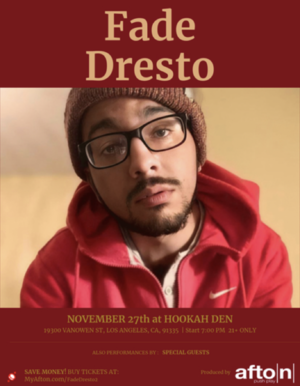
About 19300 Vanowen St
The address 19300 Vanowen Street in Reseda, Los Angeles is home to a historic event venue best known in its heyday as the Reseda Country Club. Opened in 1980 by promoter Chuck Landis, the space started life as a Sav-On drugstore and became a lively multi-purpose nightclub and concert hall. Over years it earned a reputation for rock, pop and even boxing events. Historically it held about 1,000 people . Its signature features included movable booth seating, a full bar on the floor, and a large stage with excellent acoustics – music industry pros often praised its sound . In the 1980s it was one of the only Valley venues of its size where fans could sit at tables, get a drink and enjoy acts – a rare combination in Los Angeles nightlife . Today the building still stands brick–clad with a plainly modern exterior, and its interior retains the feel of a classic 1980s club. Uniquely, this tucked-away venue put suburban Reseda on the map: many world-famous bands and performers debuted Southern California shows here, and the venue even appeared (as “Hot Traxx”) in the movie *Boogie Nights* . From its storied concert and boxing past to its current incarnation as a community space/church, 19300 Vanowen has special cultural resonance for Los Angeles music fans and locals alike.
Events and Programming
During the 1980s and ’90s, this venue hosted a wide range of events. It was originally marketed as a country-music club, but quickly became known for rock, pop, new wave and heavy metal shows. In its prime years (circa 1980–1984 under promoter Jim Rissmiller) it booked major acts like Culture Club, Tina Turner, Chuck Mangione, Tom Petty, Jackson Browne, Joni Mitchell, Jerry Garcia, Roxy Music, Manhattan Transfer, Huey Lewis, U2 (their first L.A. concert in 1981) and Earth, Wind & Fire . As the club owner’s booking shifted, it also became a haven for hard rock, punk and metal – bands such as Metallica, Slayer, Megadeth, Anthrax, Bad Religion, Social Distortion and Bad Brains played there . One famous moment was when Mick Jagger filmed a music video on the stage, and when Prince gave a private post-MTV Awards concert in 1987 . Aside from concerts, the Country Club was legendary for its regular boxing nights (typically the last Tuesday of each month) and special wrestling events. Boxing promoter Dan Goossen ran cards here from the early ’80s through the ’90s; future world champions Mike Nunn, Shane Mosley, Terry Norris and brothers Ray and Rafael Ruelas all fought on these cards . In 1990 the Universal Wrestling Federation filmed its TV show here, and in 1999 XPW wrestling held matches on-site .
Today, the original nightclub and concert hall itself closed around 2000 and is now used as a large church/community space. There are no regular public concerts or fights as there once were. However, the venue’s hall is occasionally rented for private events, small music showcases or themed parties. A handful of special events (for example, a once-off DJ night in late 2021) have taken place in the past few years using this location. If any music events are scheduled, they’re typically local networking gigs or nostalgia/club nights promoted independently. Anyone attending should check local listings or the venue’s social pages to see if anything is announced. (As of 2023–2025, the venue is not operating as a traditional ticketed concert venue with an ongoing schedule.)
Tickets and Booking
Because 19300 Vanowen St is not currently run as a for-profit music venue, there is no box office or standard ticketing system like at larger concert halls. If an event is announced here (for charity, private party or special performance), information would most likely be posted on local event calendars or social media. In the past, tickets to shows were sold in advance through music stores and radio giveaways; today you’d typically buy them online or at the door via the organizer. For any future shows, keep an eye on community event listings or contact the event host directly. Popular one-off events can sell out quickly, so plan ahead if you spot an advertised show. When it was active, tickets ranged widely – metal shows might have been $10–$15, mainstream artist concerts $15–$20, and boxing ringside seats $40 or more . Nowadays if community events do occur, ticket prices (if charged) are usually modest or donation-based.
Seating and Layout
The main floor is essentially one big hall with a raised stage on one end and space for general admission standing or dancing. Originally it featured booth tables along the sides and back, a full-length middle aisle, and rows of portable chairs for some “reserved” seating. The setup could be reconfigured – when a boxing ring was in place, tables were rearranged around it. Acoustically the room is very forgiving – sound engineers praised its warmth and clarity . Today the layout appears similar: there’s a front stage and a mostly open floor. For concerts, there’s often a mix of standing room near the stage and some folding chairs or benches around the perimeter. The best views are toward center stage; you’ll be able to see performers clearly from most spots. If you prefer a seat, sideline booths or mid-floor chairs (if provided) keep you close to the action. Latecomers or those who prefer to stand should note that the middle/front floor area fills up first. When a ring was used, ringside chairs were premium, but for general admission events the front few rows may be the most coveted. A few things to avoid: extremely far side corners (they have angled views) and spots immediately in front of large speaker stacks (though the sound is strong throughout). If attending a boxing event (when they ran consistently), ringside tables and cushioned seats were prized, but for standing shows close to stage and center is best. The 1,000-person capacity means it can feel very packed on big nights, so arriving early gets you better placement.
Getting There and Parking
19300 Vanowen St is in a commercial area of Reseda in the San Fernando Valley, just west of Reseda Boulevard. It’s roughly in West Valley Los Angeles – not far from the 405 Freeway at Sherman Way. The exact address is 19300 Vanowen Street, Reseda, CA 91335 . Driving is most common: street parking is available on Vanowen and the surrounding side streets, though spaces may be limited on busy nights. In its concert era the venue also had a parking lot off Reseda Boulevard (directly behind the building) and plentiful adjacent lots; guests today often use the same lots or nearby dirt lots on event nights. No official parking attendant service is posted; parking is generally first-come, with many guests carpooling, driving separately or ridesharing.
Public transit options are limited. The LA Metro 165 bus runs along nearby Sherman Way, and line 240 runs on Reseda Blvd; stops are roughly a 5–10 minute walk from the venue. (There’s no subway/rail stop closer than a Metrolink at nearby Van Nuys or Glendale.) A more reliable plan is using rideshare: you can request drop-off on Vanowen and Reseda or Sherman. The venue entrance faces Vanowen, so tell the driver that corner. From the dropoff point it’s typically just a short walk in. If arriving early, note that the neighborhood is primarily industrial/offices, so bring a charged phone and consider safety in low-light conditions. Walking from nearby parking or bus stops is easy except after dark.
Inside the Venue
Once inside, expect a raw, 1980s-style club atmosphere. The entry is a single set of doors (which may have a security podium), and attendees normally wait in a check-in area. Security personnel often conduct a quick bag check and may use a metal detector depending on the event (especially if it’s a boxing match or a big gig). For concert or nightlife events, most evenings are 18+ or 21+ (check age rules on the event). A valid photo ID is required. Staff or volunteers will scan your ticket (or envelope you if it’s a free event) at the door.
The interior is dimly lit except for stage lights. There’s a lounge/bar area along one wall where you can order drinks — the venue historically had a full bar serving beer, wine and cocktails. You should find bartenders ready to serve at tables on the floor; there is no outside food vendor, so plan to buy any snacks or drinks inside. The party vibe is casual, often with loud music playing between acts or fights. Seating is largely made up of movable chairs and booths. Restrooms are down a side hallway (one for men, one for women); they’re basic but maintained. There isn't usually a formal coat check, so keep personal items light or take turns watching your jackets. Some small merchandise tables for bands or fighters might be set up near the entry or along the walls.
Unlike a modern arena, there’s no dedicated high-tech scoreboard or huge screens (except what the church may use now). Lighting is theatrical: expect spotlights, colored gels and sometimes disco-ball reflections (per the club’s old disco-era feel). The overall vibe inside is intimate – the stage is relatively low, so people in the back can still see performers, but the crowd is packed closely together. Cell reception is mixed – one phone carrier might work better here than another, so consider that (though Wi-Fi isn’t provided). As far as accessibility goes, the main floor is flat and entry has a small step; there is ramp access for wheelchairs but check in advance if you need special seating. Generally the general admission area is open and flat, which is helpful for wheelchair users, but bathrooms might not have full ADA retrofitting.
Nearby Amenities
In the immediate area, you'll find typical neighborhood spots. There are a few fast-casual restaurants and bars within a few blocks: for example, Taco and pizza places along Reseda Boulevard, a casual Italian-American diner, and some chain spots. One block south on Vanowen is a small retail strip with a pizza joint and a coffee shop. About a mile east on Sherman Way the dining options expand (there’s a sports bar, Thai and Vietnamese restaurants, and a large shopping complex with food courts). One well-known local bar, Coco Bongo, was just east at 19655 Sherman Way (it specialized in Latin music before closing). For quick bites, expect pizzerias, taco stands and diners in walking distance. Full-service sit-down restaurants are a short drive away.
Late-night bars are sparse around here; most people who want drinks before or after head to Reseda Blvd (such as the modest bar inside the Bunny’s Grill or the booth-style Coco Bongo when it was open). If you’re planning a pre-show meal, arriving an hour early gives time to grab dinner at a café or takeout spot nearby. Nearby hotels are limited — the closest mainstream ones (Marriott, Holiday Inn Express etc.) are several miles away in Tarzana, Van Nuys or Sherman Oaks along the 405 freeway. To avoid stressing about a late departure, it’s often easiest to arrange a ride home or spend the night farther out (many concertgoers simply rely on Uber/Lyft to get back to Downtown LA or home after shows). If you do drive separately, keep an eye out for parking restrictions: on-street parking is free but some streets have residential permit signs, so adjust where you park if you see red zones or permit-only signs.
What Makes This Venue Special
19300 Vanowen St is arguably special because it’s a quiet, unassuming building that once hosted a who’s-who of music legends. In its prime, Valley any-time fans could catch artists here who might otherwise only play Hollywood – it felt like the East Coast’s Ritz or the downtown Olympic Auditorium (“only other L.A. places with boxing,” as one promoter put it) . Legendary performers like Mick Jagger and Prince even chose it for private concerts, drawn by its discreet, intimate setting . Fans of film know it as “Hot Traxx” from *Boogie Nights* , a testament to its authentic retro club vibe. The building’s dual identity as both a prime music hall and a boxing/wrestling gym gave it a unique community role: on a Tuesday night you’d see families and Hollywood types ringside, while on a Friday night it was full of rock fans moshing. Not many venues can claim to have both prizefights and punk bands under one roof. Today, the historical aura remains: many older Valley residents still reminisce about seeing huge headliners here. Its cultural impact endures as a symbol of 1980s L.A. nightlife – a reminder that Reseda once rivaled Hollywood when it came to top-tier live entertainment.
Visitor Tips and Information
Accessibility: The main floor is level, but check in advance if you need special seating. There may be a small step at the door. Wheelchair users should see staff for the ramp or seating accommodations. Restrooms may not all be fully modernized for ADA, so plan accordingly.What to Bring: Bring a valid photo ID (21+ for hookah nights, 18+ for concerts). The dress code is casual – jeans and tees are completely fine, sneakers included. For boxing events, crowds sometimes get dressed up; for concerts it’s mostly rock-casual. Bags: oversized bags or backpacks are typically disallowed. You can often carry a small purse or fanny pack, and staff may do a quick bag search at entry.Food & Drink: No outside food or alcohol allowed. Inside, a bar serves beers and mixed drinks (Merlot to margaritas) and soft drinks. There are no kitchen meals served, just bar snacks if any. Cash is recommended for the bar (though cards are usually accepted). Pro tip: parking is scarce, so if you drive and plan to drink, arrange a designated driver or use Lyft/Uber.Mobile & Connectivity: Service can be spotty. AT&T and Verizon usually have coverage, but don’t expect robust cell signal deep inside concert nights. It’s a good idea to coordinate any meeting spot with friends before the event, in case phones have delays.Security & Safety: The venue is considered safe but old-school. Security staff have ample experience with concerts and fights. Typical rules apply: no vaping or smoking indoors (California law forbids it). No weapons, no open containers from outside. If you feel uncomfortable, a uniformed guard is normally visible in the lobby or by the bar. In an emergency, exits are clearly marked back to Vanowen and Sunnyslope Ave.Technique Tips: The hall has no official cloakroom, so travel light. If you’re sensitive to loud music, bring earplugs. The stage area is low – in standing shows, shorter guests can still see if they stand on tiptoe near the rail. The sound is powerful: you can usually pick up bass lines clearly anywhere, thanks to the hall’s design .Special Considerations: If attending a boxing or wrestling show, check ring-side seat rules (sometimes reserved for age 18+). During Persian pop or Deadhead-themed nights, relaxed culture prevails – you may find a laid-back vibe with some audience tape-traders sharing tracks. Always double-check the event’s official publicity for any unique rules or schedules.
Frequently Asked Questions
What kind of venue is located at 19300 Vanowen Street?
19300 Vanowen St is the historic Reseda Country Club building, once a famed 1,000-capacity concert hall and boxing club. Today it’s mainly used as a church/community space and event hall, rather than a typical nightclub. No major commercial concerts are scheduled there currently, but the building retains its music venue layout and occasional private events do happen.
What is the seating capacity of the venue?
Historically, the main concert area could hold roughly 1,000 people, including standing floor and seated tables . Today it is still roughly the same size. Seating is flexible: most room is general admission, and portable chairs or booths are set up on event nights. In modern usage capacity can vary, but it’s on the order of about 800–1,000.
Are there assigned seats or is it general admission?
Events here are mostly general admission and standing-room. There are some tables or folding chairs along the sides for seated viewing, but no fixed auditorium seats. If a promoter offers premium seating or ringside tables (for boxing shows, for example), they’re usually pre-sold. But typically you move where you like, and the crowd settles around the stage and bar areas.
Is there a box office on-site and how do I buy tickets?
Currently the venue does not have a standalone box office open every day. Ticket sales (for any occasional public events) happen through the event promoter or online platforms. In the past, tickets were sold at local record stores or at the door. Today, if a concert or show is happening at 19300 Vanowen, you’ll usually buy tickets via the promoter’s website or at the door if available. It’s best to follow the event’s official announcement for how tickets are handled and to arrive early for popular shows.
What should I do if I have accessibility needs?
The main floor is flat (no steps) and a wheelchair can roll onto the general admission area. There may be a portable ramp at the entrance, but if you need assistance or reserved seating, it is recommended to contact the event organizer ahead of time. The restrooms may not be fully modernized for all disabilities, so consider that if it’s a concern. Overall, one staff member reported that concertgoers found the layout fairly accessible for a venue of this age.
Is there parking available on site?
There is some parking around the building. On-street parking is free and plentiful on Vanowen and nearby side streets (please check for any posted restrictions). In the club’s heyday, a rear lot behind the building was used for artists and staff; today event patrons often park there or in adjacent lot areas. However, large shows still fill these spots, so allow extra time to find a spot. Rideshare drop-off at the front entrance (on Vanowen St near Sunnyslope Ave) is also common.
What public transit options serve 19300 Vanowen St?
Public transit is limited. The nearest bus stops are a 5–10 minute walk away: LA Metro Bus 165 on Sherman Way (east-west) and Bus 240 on Reseda Blvd (north-south) both have stops close to Vanowen. There is no subway or Metro Rail nearby; the closest train stations (Metrolink/Amtrak) are several miles away. For events, many visitors prefer rideshare or driving. If using the bus, check the latest schedules and consider a short walk or Uber for the last mile.
Are cameras allowed inside?
Camera policy varies. For family or community events (and especially since it’s now church-run), video recording of the service might be common. But at concerts or private gigs, professional photography or video recording is usually restricted (no DSLR cameras or flash photography unless the event is explicitly a photography-friendly show). Generally, small point-and-shoot cameras or phones for personal use aren’t aggressively policed, but large setups are not allowed.
Is there an age restriction for entry?
Zoomed licenses, but historically: Under 21, ask: Since it has run hookah lounge nights in the 2000s, those were 21+ events. Nowadays general events might allow all ages (if it’s a public festival or charity event, often it’s open to all). If alcohol is served (nearly always), under-21s would need to show ID and usually be accompanied by an adult. Always check the event details in case youth are prohibited.
Is the venue open-air or indoors?
It’s 100% indoor. Even when it was a club, all music and events took place inside a large enclosed hall. There is no outdoor concert area. Depending on weather, some event planners have put a BBQ or smoking tent outside for breaks, but not for main performances.
Where can I purchase merchandise at 19300 Vanowen St?
During special events, visiting bands or fight promoters often set up a small table along the wall or near the entrance selling show merch (t-shirts, programs, DVDs). It’s usually cash or card operated at the door or in the lobby area. If you see a band you like, plan to visit their merch table in the hallway. Outside of events, there is no permanent gift shop on-site.
Is smoking allowed inside?
No. California law bans smoking and vaping inside public venues. Although the old club era was thick with smoke, today the indoor air is smoke-free. (If you need a smoke break, you must step outside.) A related note: if the venue has a bar, you will need to be at least 21 to drink alcohol.
What are the best seats or areas within the venue?
For clear views and sound, aim for center floor a few rows back – this avoids crowd crush and loud speaker overlap. Booth seats near the side walls give a good view and a comfy spot for small groups, but they can feel far side-curved from some angles. A 1980s staff member once said even standing in the very back left corner at a concert you could still hear “excellent sound,” thanks to the room’s acoustics . For boxing nights (historically), chairs around the ring gave the best experience; for other shows, the mid-front floor is ideal. Avoid spots right up against big speaker cabinets on sides or directly inside corners, which can distort sound or get bass thump.
When did the Reseda Country Club close and why?
The club roughly wound down in the late 1990s and officially closed around 2000 . After a run as a concert hotspot, the owners sold the property. The church known as Restauración Reseda took over, converting the interior for worship services. Reasons cited include changing market conditions, noise complaints from neighbors, and the owner moving on. Today it remains a functioning church, which is why you won't find rock concerts on a regular basis as you once did.
Why is the venue also called the Reseda Country Club?
“Reseda Country Club” was the venue’s original name (after owner Chuck Landis) and has continued to stick in local lore . It was initially booked with country music acts, hence the name, but it quickly became known for all kinds of music. Even in media and concert listings, people often refer to it by the Country Club name, as a nod to its history.
Are there any notable filming or pop culture connections?
Yes. Most famously, the original club interior was used as “Hot Traxx” in the 1997 film Boogie Nights . The cinematic scenes capture the club’s low ceilings, disco ball lighting, and vibrant dance floor. Additionally, the venue hosted an MTV New Year’s broadcast and after-parties (Prince’s post-VMAs 1987 show, among others) . It has been featured in music videos (Mick Jagger’s) and is woven into local rock lore thanks to its A-list clientele over the years.