About DTLA
“DTLA” is shorthand for Downtown Los Angeles, the city’s central business and cultural district. This historic neighborhood is home to iconic skyscrapers, grand theaters, and government landmarks. Known for its striking mix of architecture – from the ornate Bradbury Building (home of the Blade Runner stairwell) to the stainless-steel curves of the Walt Disney Concert Hall – Downtown LA blends old and new. The area spans roughly from the 101/110 freeways (west) to Main/Hill (east) and from 9th/Olympic (south) to 1st Street (north), covering about 65 city blocks of business towers, cultural institutions, shopping districts, and nightlife. DTLA is unique for its concentration of arts and culture; historic Theater Row (Broadway) hosts concert halls like the Orpheum and Ace Theatre, while skyscrapers on Bunker Hill house the Music Center (home to the LA Philharmonic) and The Broad contemporary art museum. Once Los Angeles’s earliest downtown core, DTLA has become a vibrant hub of New Urban living, mixing corporate headquarters, loft apartments, and trendy eateries. This blend of history and innovation – combined with signature features like the Rose Parade’s Civic Center backdrop, colorful street art, and year-round public events − makes DTLA a must-visit part of Los Angeles.
Events and Programming
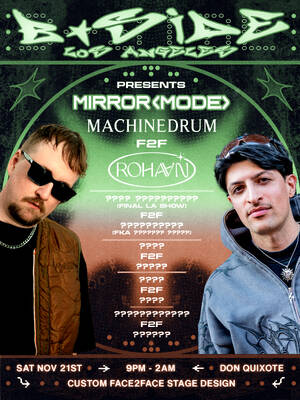
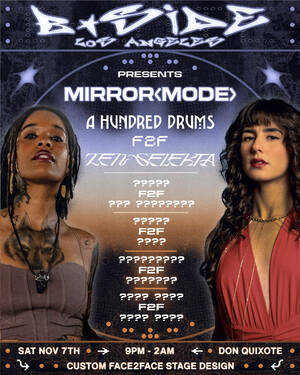
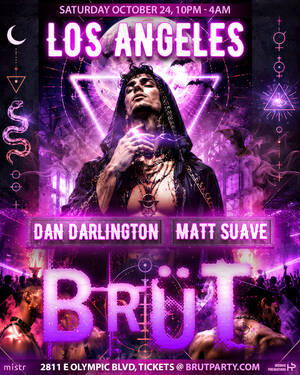
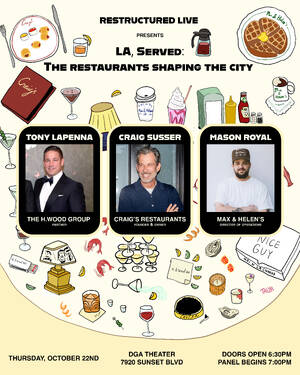
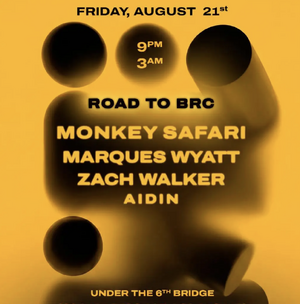
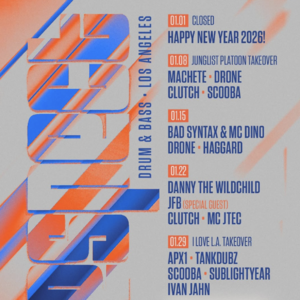
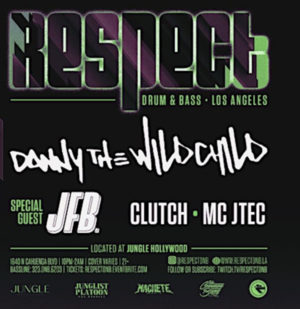
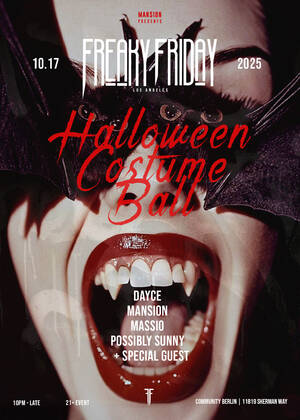
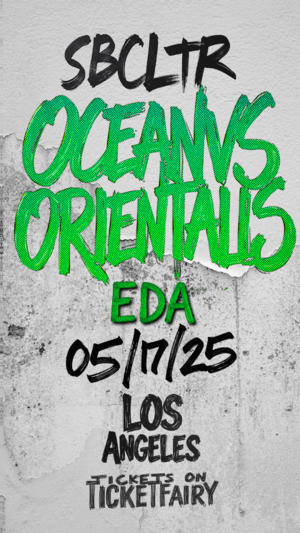
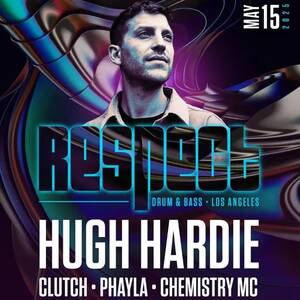
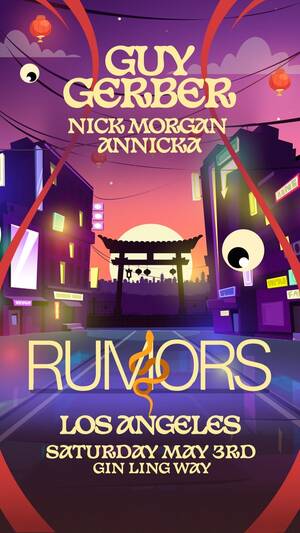
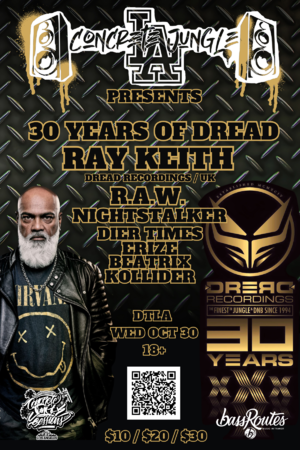
Downtown LA hums with activity year-round. The district hosts major sporting and entertainment events at L.A. Live, where Crypto.com Arena (formerly Staples Center) is home to the Lakers, Clippers, and Kings and regularly features top-tier concerts and award shows. Nearby Microsoft Theater and The Novo stage pop concerts, comedy shows, and dance events; they attract artists from rock and hip-hop to EDM. The Orpheum and Palace Theatres (1960s movie palaces) bring Broadway musicals, opera, and family shows to DTLA, while smaller venues like Regent Theater, Grand Annex, and resident nightclubs (Exchange LA, The Edison) offer indie bands and DJ nights. Free and community events are a DTLA tradition: Grand Performances produces a summer concert series in California Plaza (hundreds of free shows since the 1980s), plus Grand Park across from City Hall features regular movie nights and festivals. Arts events like the monthly Downtown Art Walk (Second Thursdays) turn the Historic Core into a street gallery, and Chinatown’s Lunar New Year parade spills into downtown street fairs. Holiday traditions include tree lightings and multicultural celebrations at Pershing Square and Olvera Street (El Pueblo). Annual events like the LA Marathon course run through downtown streets, and occasional street festivals (Night Market L.A., Dine and Wine LA) activate the sidewalks. Typical tickets range widely: downtown concerts and games can go from under $30 to several hundred for premium seats, while community festivals are usually free. Venues often sell tickets via their box offices and official outlets, sometimes offering student or group discounts for select shows.
Tickets and Booking
Most large DTLA venues sell tickets through their official box offices or licensed outlets. For example, Crypto.com Arena has a box office on Chick Hearn Court for in-person purchases; smaller theaters (Palace, Orpheum, Ace) have ticket windows at their lobbies. Advanced booking is common for popular shows and games. Major concerts and sporting events typically go on sale a few months in advance – big acts may have pre-sales through fan clubs or credit-card promotions. Fans should check venue social media or sign up for newsletters for presale codes. Day-of-show tickets sometimes appear for less in the box office, but for sold-out events, resellers fill the gap. Prices vary by event: a mid-level concert ticket might be $50–$150, premium seats $200+, while theater shows typically run $30–$120. Local theaters sometimes offer rush or standing-room tickets at short notice. In general, plan ahead for popular DTLA events. Box offices for most DTLA venues open around an hour before showtime (two to three hours for big games), but arriving early is wise if you want the best seating or to avoid lines. Online sales are also standard, but to avoid service fees, some ticket buyers make purchases directly at the box office or venue outlet.
District Layout & Neighborhoods
Downtown Los Angeles isn’t one building but a cluster of neighborhoods, each with character. At its heart is the Historic Core/Broadway corridor, lined with old movie palaces and shops, now reviving with lofts and nightlife. West of there is the Financial District, with glass office towers around Figueroa and Flower Streets. Just north sits Bunker Hill, a cultural block with the Music Center (Dorothy Chandler Pavilion, Walt Disney Concert Hall) and The Broad museum. The Fashion and Jewelry districts span south-central DTLA, filled with wholesale retailers (many open at night). To the east, the Arts District redeveloping area of old warehouses now hosts galleries, tech offices, breweries and murals. Historic neighborhoods bleed into downtown edges: Little Tokyo (Japanese cultural museums and shops) adjoins downtown to the northeast, while the old Plaza district (Olvera Street and Union Station) lies just beyond the eastern boundary. DTLA’s terrain is mostly flat and grid-patterned, though the high-rise cluster on Bunker Hill provides dramatic vistas of the working city below. Unlike a typical theater, “seating” isn’t fixed – the district has many public plazas (Pershing Square, Grand Park) and venues that offer free or general admission events where you can sit on grassy lawns or stand-room areas. If you want city views, some dining spots and hotel lobbies (e.g. the Bonaventure Hotel’s upper floors) have overlooks, and the active Angels Flight funicular (at Hill and 3rd) provides a short up-down promenade to scenic Bunker Hill.
Getting There and Parking
Downtown LA is centrally located at the junction of I-10, I-5, US-101 and the Harbor Freeway (110), so driving is straightforward from all directions. Major on-ramps include 110 N/S (exit 9th Street/Olive or 7th Street) and 10 E/W (exit Alameda/Figueroa). However, traffic can be heavy in peak hours. Parking abounds but fills up for big events: Crypto.com Arena alone has about 3,300 on-site spaces and another 10,000+ in nearby LA Live garages (www.cryptoarena.com ). Paid parking lots and multi-level garages line most downtown blocks (check signage for hours and rates). Street parking is metered or restricted – meters often run until 8 pm on business days, and watch for two-hour limits or weekly street cleaning signs. Popular public garages include the Pershing Square garage (Hill & Olive) and facilities around 7th Street/Grand Avenue. Rideshares and taxis can drop off along L.A. Live Way (Chick Hearn Ct) or on Flower Street; some venues have designated drop-off zones.
By Metro Rail: The A (Blue), B (Red) and D (Purple) lines all stop in DTLA. The 7th St/Metro Center station (corner of 7th and Flower) is the main hub, connecting Red/Purple (north-south) with Blue (to Santa Monica). Civic Center/Grand Park station (Hill St & 1st) and Pershing Square station (5th & Hill) serve the Music Center and Business District. Union Station (Gold/Silver/Metrolink) is just northeast of DTLA proper, near Olvera Street.
By Bus/DART: Numerous Metro and city buses route through downtown; key stops include 7th & Flower for FlyAway to LAX, and Pershing Square stop (various lines) on 5th Street. DTLA also has a local DASH shuttle covering Broadway and Spring streets on easy trolleys (DASH Downtown route).
Airport: LAX airport has a FlyAway bus that stops at Union Station downtown ($9.75 one-way). From there, Metro trains or short rideshare can reach the theater district and LA Live areas.
Inside the District
Downtown LA is open-air, so there’s no single entry gate or lobby. When attending an event, expect security screening: sports arenas and theaters usually have metal detectors and bag checks. Outside special events, public plazas (like Grand Park and Pershing Square) welcome visitors all day. Atmosphere : DTLA feels busy on weekdays with office crowds, but evenings and weekends turn lively with nightlife and open galleries. Areas near LA Live are festive on game or concert nights, while Historic Broadway thrum with foot traffic during Art Walks or big premiere weekends. Food and Drink : You’ll find concessions at all major venues (arena hot dogs, theater snacks, etc.), but DTLA really shines with its surrounding options. The historic Grand Central Market (317 S Broadway) is a downtown landmark for casual dining – think gourmet tacos, ramen, vegan bowls and more under one roof. Nearby are upscale restaurants (e.g. the rooftop Perch Grill on Pershing Square, the modern Bottega Louie) and casual bars or breweries. In L.A. Live, a food court and sit-down eateries line the plaza (Yard House, Wolfgang Puck, etc.), plus Starbucks and chain staples. Most venues allow purchasing food inside, but outside drinks or alcohol are generally prohibited. Outdoor open containers are illegal on city streets (even during events), so carry only sealed bottles until you reach a licensed bar or concert seat. Restrooms & Services : Public restrooms are in parks and malls (e.g. L.A. Live, Grand Park) and inside every venue. Most DTLA theaters/restaurants allow quick use of their facilities. Free water fountains are less common; plan to refill bottles at a concession if needed. Wi-Fi is surprisingly accessible Downtown. For instance, Pershing Square park offers free public Wi-Fi, and event venues like Crypto.com Arena broadcast hotspot signals throughout seating areas (www.discoverlosangeles.com ). Otherwise, cell coverage is excellent. Some hotel lobbies and coffee shops offer Wi-Fi if you need a break. Connectivity : Streets in DTLA follow L.A.’s grid, and crosswalks are well marked. Caution is wise when crossing busy thoroughfares, especially at night and when tourist crowds are present. Elevators and ramps make most public buildings ADA-accessible, and Metro stations have wheelchair access. The sidewalks are typically in good condition, but be aware of occasional uneven sidewalks and fresh striping.
Nearby Amenities
While DTLA itself offers everything you need, nearby neighborhoods add extra options. Just north of downtown are the Arts District (warehouse-chic bars like the Arts District Brewery, Michelin-starred eateries such as Bestia) and Little Tokyo (sushi bars, ramen shops, and the Japanese American National Museum). South of Olympic Blvd lie the Fashion District’s wholesale markets. Here are some specific suggestions:
Restaurants: For a pre-show dinner, DTLA has options to suit all tastes. Enjoy Californian-fusion at the elegant Bottega Louie (Grand Ave), modern Mexican at Broken Spanish, or hearty Los Angeles classics at Cole’s or Philippe’s French Dip (both on Hill St). For something quick, many taquerias, burgers (8 Oz. Burger), and even vegan cafes (Wild Living Foods) line Broadway and nearby streets.
Bars and Lounges: Nightlife abounds. The rooftop Perch Lounge (Pershing Square) and The Standard Hotel’s rooftop (downtown branch) offer skyline views. Hidden speakeasies like NoMad’s Library Bar or The Edison (an industrial-chic bar in a power plant basement) are local favorites. Sports bars like Tom’s Watch Bar (near Crypto.com) cater to game nights.
Hotels: DTLA’s hotel scene ranges from budget to luxury. The JW Marriott and Ritz-Carlton at L.A. Live flank the arena; both feature still-live atrium and rooftop pools with city vistas. The Westin Bonaventure (that futurist round-tower building) has an easy walk to the Financial District. Historic gems like the ornate Biltmore Hotel (near Pershing Square) and the stylish Ace Hotel (Historic Core) are close to theaters and nightlife. Many hotels have event packages and easy walkability to major venues.
Arrival and Night Transit: Aim to arrive 1–1.5 hours before big events to find parking or seats to spare. After shows, Metro runs until past midnight (usually around 1:00–1:30 am) and plenty of buses serve late-night routes. Rideshares and taxis are readily available but note surge pricing or slow pickup after large events. DTLA’s main transit hubs (7th/Metro Center, Union Station) remain staffed late. If your event ends very late, consider booking a cab or hotel shuttle in advance, as street hails can be scarce after midnight.
What Makes This Venue Special
Unlike any single arena or theater, DTLA’s charm comes from its tapestry of moments and landmarks. Architecturally, it’s a showcase of L.A. history: the Renaissance Revival City Hall (1928) with its pyramid cap, the Art Deco Eastern Columbia Building (1930), and Frank Gehry’s modern Walt Disney Concert Hall (2003) define the skyline. Culturally, DTLA was L.A.’s first city center – the very city was founded here – so every corner has a story: the El Pueblo/Olvera Street area preserves the Mexican-American roots, while Broadway’s golden-age movie theaters hosted Hollywood premieres. Legendary acts have passed through: classic jazz at the Palace, rock bands on Main Street’s concert stages, even magic acts at the Orpheum. The Crypto.com Arena saw unforgettable sports moments (record-breaking games, decades of Lakers championships) and blockbuster concerts. Local traditions add flavor: sidewalk jazz in Grand Park, farmers market foods, the loud cheering at sports tailgates. Audiences love DTLA for its energy – the way street murals, live music pouring into plazas, and pop-up food carts turn the urban grid into a lively playground. Artists and designers are drawn here by its raw creativity (film studios and galleries are nearby). In short, DTLA matters because it embodies Los Angeles: a crossroads of dreams, diversity, and history, all set beneath an iconic city skyline.
Visitor Tips and Information
Accessibility: Most Downtown venues and destinations are ADA-compliant. Metro rail stations have elevators and ramps; theaters and parks offer wheelchair access and accessible seating. If you need special assistance, venue staff (e.g. at Crypto.com Arena or the Music Center) are trained to help guests with disabilities.
What to Bring: Comfortable shoes are a must – DTLA is best explored on foot. Take sun protection (sunscreen, hats) in summer, as the sun can be strong out in the open plazas. Pack a portable charger if you plan to be out all day. Cameras and phones are fine for personal use (it’s a photographer’s paradise), but remember some theaters enforce a no-professional-camera policy for performances.
Bag and Dress Rules: There’s no formal dress code for DTLA; casual attire is normal for concerts, sports, and daytime activities. Suit jackets and dresses are common in nicer restaurants. For security, avoid bringing large bags to events – most venues limit bag size (typically no larger than a small tote or backpack). Backpacks and suitcases are usually not allowed inside arenas or theaters. Snag-proof ways are discouraged. Check event-specific rules (usually published by the venue) if unsure.
Age Restrictions: Downtown is family-friendly during the day, but clubs and bars require 21+. Concerts can be any-ages or 18+ depending on the show. Always verify age limits when booking tickets (for example, some comedy shows or late-night events are 18+). Olvera Street and Chinatown attractions welcome all ages.
Common Mistakes to Avoid: Don’t assume free parking – if street parking isn’t available, know your parking garage or competition details. Avoid jaywalking; always use crosswalks (traffic will not stop for pedestrians off-crosswalk). Public transit is convenient and often faster than driving, so consider taking the train or bus during rush hour. Don’t skip hydration – DTLA can be warm and dry, especially in summer. If you’re going to a free outdoor event (like a concert in Grand Park), arrive early for good seating and bring a light jacket once the sun sets.
Connectivity and Safety: DTLA is generally safe, especially in busy areas like L.A. Live, Broadway, and Civic Center. Usual city safety precautions apply: stay aware of your surroundings at night, keep valuables secure, and stick to well-lit streets. The DTLA Alliance provides 24-hour safety patrols in the core area. Free Wi-Fi hotspots in parks and at venues help you stay connected – just look for “StarryAI” or “CryptArena” networks. If you get in a pinch, visiting any open business (cafe, hotel) can provide help. Finally, remember DTLA is an urban environment: alcohol is only allowed at licensed venues, smoking in restaurants only in designated areas, and loud outdoor noise is regulated. Following simple local rules ensures a smooth visit.
FAQ
What are typical event ticket prices in Downtown LA?
Prices vary widely. Small theater shows can be $20–$50, big concerts or sports games start around $50 and can exceed $200 for premium seats. Free events (like many Grand Park concerts) have no fee. Budget seats are often available, so check a venue’s seating chart. Discounts or rush tickets may appear for local audiences.
How do I buy tickets for events in DTLA?
Buy through official channels. Each venue has an official box office and website (e.g. Crypto.com Arena, Orpheum Theater). Box offices sell tickets in person day-of-show if available. Third-party resellers exist but be cautious of fees. Sign up for venue newsletters or follow social media for presale info and alerts on popular runs.
Where can I park when visiting Downtown LA?
Parking options include public garages, event lot, and street meters. Around Crypto.com Arena/L.A. Live are city-owned lots and private garages (rates vary). Pershing Square has a large underground garage. Street parking is metered (usually paid until the evening). For big events, purchasing a reserved lot pass or arriving early is advised. Rates typically range $10–$30 depending on location and event.
What public transit serves Downtown LA?
Several Metro lines stop downtown. The Red/Purple subway lines (B, D) run under Flower Street, stopping at Hollywood/Vine, Pershing Square, Civic Center/Grand Park, and Union Station. The Blue line (A) stops at 7th Street/Metro Center, which connects to Red/Purple. Union Station (Gold/Silver/Metrolink) lies on downtown’s northeast edge. Many buses and the DASH shuttle also circulate in DTLA. For LAX travelers, the FlyAway bus to Union Station is convenient.
Are Downtown LA venues wheelchair accessible?
Yes. Most venues and public areas have wheelchair ramps or elevators. Crypto.com Arena and theaters have accessible seating sections. Metro stations have elevators. Ramps and curb cuts are common on sidewalks. If you need assistance, staff at theaters, arenas, or transit stations can provide help or directions.
What items are not allowed inside DTLA event venues?
Common restrictions include large bags, coolers, outside food/drinks, and weapons. Many venues only allow one small bag or purse. Professional cameras, recording devices, and selfie sticks are usually banned inside performance halls. Always check the specific venue’s policy (usually online) before visiting. Medical exceptions (like drug for diabetic use) are generally accommodated if disclosed at entrance.
Can I bring my pet to Downtown LA?
Pets (other than service animals) are not allowed inside performance venues or the arena. Outside, dogs on leash are allowed in parks like Grand Park, but some plazas (like Pershing Square) may restrict them during events. Always keep pets on a leash and clean up after them. Service animals in compliance with accessibility laws are allowed in all public places.
Are there restaurants or hotels near the venues?
Yes, dining and lodging are abundant downtown. L.A. Live has restaurants (Yard House, Sports Grill, etc.) and hotels including JW Marriott and Ritz-Carlton. The historic center has eateries like Grand Central Market and hotels like the Millennium Biltmore near Pershing Square. Rooftop bars (Perch, Rooftop at The Standard) serve drinks with city views. There are mid-range and luxury hotel options within walking distance of most venues.
Is Downtown LA safe to walk around at night?
Downtown LA has improved greatly and is generally safe in well-populated zones like L.A. Live, Broadway, or the Arts District. Standard urban caution applies at night—stay in lit areas, travel with friends if possible, and keep an eye on personal belongings. The area has 24-hour patrols, and events often have additional security. Using well-traveled streets and securing your vehicle are simple ways to stay safe.
What are the best seats for concerts at Crypto.com Arena?
For orchestra or “floor” GA shows, the front floor is great for proximity, though sound can be louder. In a reserved-seat setup, center sections (100s and 200s) give balanced views. The lower level (100s) is closest; the 200s mezzanine offers a full ramp perspective. Avoid extreme corners or the very back of the floor if you want clear sightlines. The upper sections (300s) still see the whole stage but are farther away.
Can I find free Wi-Fi in Downtown LA?
Yes. Some public places offer complimentary Wi-Fi. Pershing Square park has free Wi-Fi for visitors. All major venues (like Crypto.com Arena and Microsoft Theater) provide free Wi-Fi inside. Many downtown cafes, hotel lobbies, and the Crypto.com/I, Live-La Live public spaces broadcast unprotected networks. Cellphone coverage is generally strong everywhere in DTLA if Wi-Fi isn’t available.
Are there water fountains or refill stations in DTLA?
Public water fountains in DTLA are limited. Grand Park and Pershing Square have fountains, but parks can be crowded during events. It’s a good idea to bring a reusable bottle. At venues, concessions sell bottled water. Some restaurants and cafes will refill personal bottles if asked politely. Staying hydrated is important, since LA’s climate can be dry and warm.
Can I leave and re-enter DTLA event venues?
Re-entry policies vary by venue. Larger arenas like Crypto.com often allow re-entry with a hand stamp or digital scan. Smaller theaters generally do not allow re-entry on the same ticket, due to check-in limits. If you expect to step out (for a smoke or to park), check in advance. Many prefer not to risk leaving, since re-entry isn't guaranteed at all DTLA venues.
What time do events typically start in DTLA?
Evening shows at theaters and concerts usually start between 7:00 and 8:30 pm. Sporting events often start around 7:00 pm on weekdays and 6:00 pm on Sundays (check the schedule). Matinees for family shows may begin at 2:00 pm or 4:00 pm. Doors typically open 30–60 minutes before showtime, so arriving early ensures a relaxed entry and time to find concessions or restrooms.