About Private Location
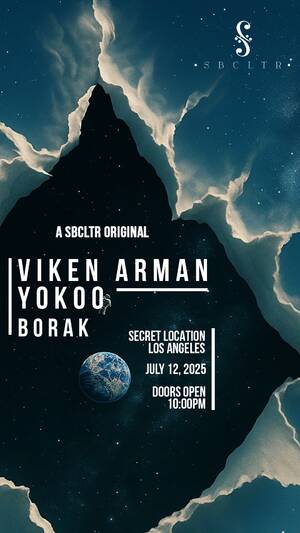
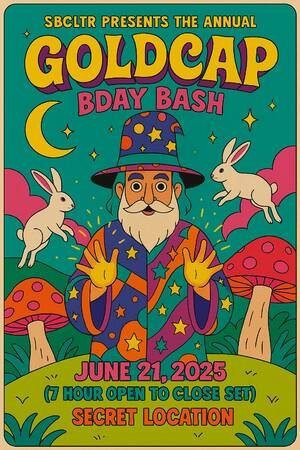
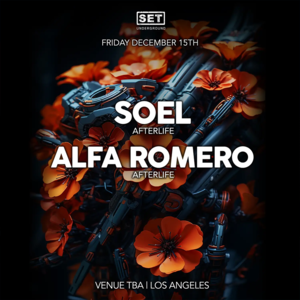
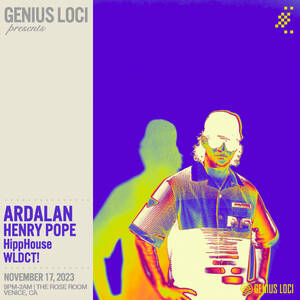
Private Location is an enigmatic, low-profile event space in Los Angeles whose exact address is typically undisclosed. It appears to operate like a secret club or pop-up venue: focused on late-night music events (often starting around 10 PM) and marketed by invitation or word-of-mouth. Listings on event aggregator sites show concerts listed under “Private Location, Los Angeles” dating back to late 2023 (www.ticketfairy.com ), suggesting this venue emerged around that time. Unlike a public landmark, this venue is notable for its exclusivity and mystery. Its secretive nature — with attendees often receiving location details only after buying tickets — gives it an underground or “invite-only” cachet on LA’s nightlife scene, similar to speakeasy-style clubs. For context, Los Angeles is home to a wide range of venues: an outdoor amphitheater like the Hollywood Bowl seats up to 18,000 guests (wanderlog.com ), and the Greek Theatre in Griffith Park holds about 5,900 (wanderlog.com ), whereas private club venues tend to be much smaller (often a few hundred people at most). Private Location likely falls on the intimate end of this spectrum, catering to audiences in the hundreds. Its capacity and layout aren’t publicly advertised, but it is presumed to be a more intimate indoor setting than the city’s large concert halls. The venue’s significance lies in offering a sleeper experience for those “in the know,” feeding into LA’s culture of exclusive, experimental nightlife. Its *unique character* comes from this air of mystery, a focus on immersive music events, and possibly cutting-edge production features (as discussed below) that set it apart from mainstream clubs.
Events and Programming
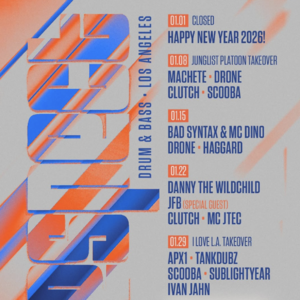
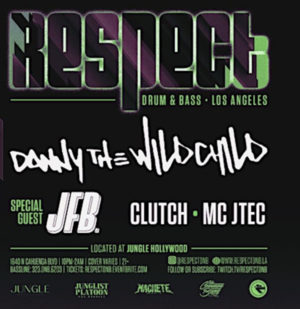
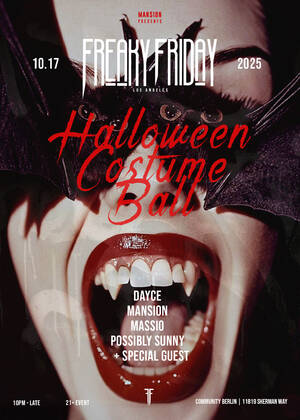
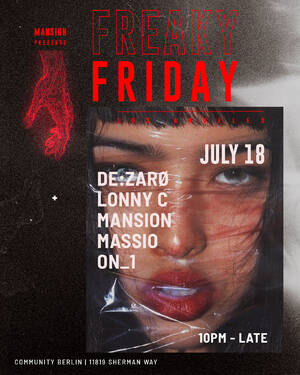
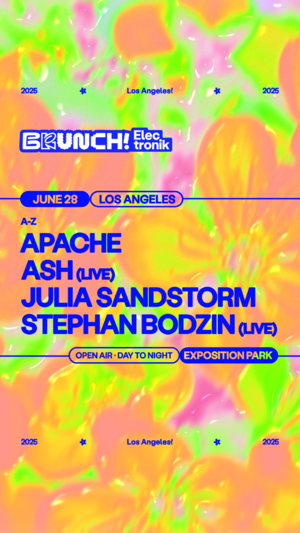
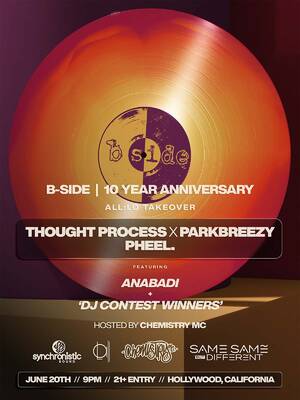
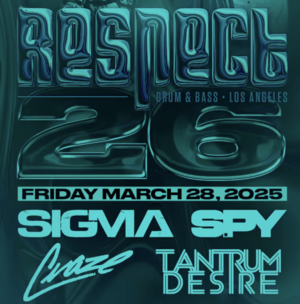
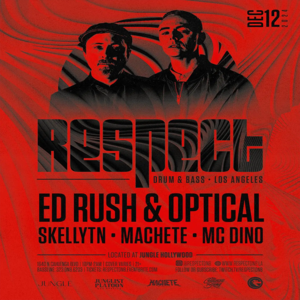
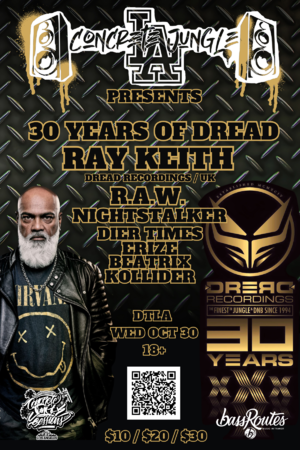
Though details are scarce, Private Location seems to host mostly live music and DJ nights. Event listings suggest performances have been held on weekend nights in 2023 and 2024 (www.ticketfairy.com ). The programming likely features a mix of genres popular in LA’s club scene — for example, electronic dance music events as well as live bands. By analogy, other LA clubs provide insight: the underground Sound Nightclub (capacity ~500) is known for electronic/EDM shows with state-of-the-art Funktion-One sound (casitahollywood.com ), while the historic Roxy Theatre on Sunset Strip has hosted countless rock, indie and mixed-genre concerts since the 1970s (casitahollywood.com ). Private Location’s lineup might similarly rotate between guest DJs, dance parties, and occasional live acts. Because it’s not a fixed marquee theater, there are no regular seasons; instead, music nights likely appear sporadically or as themed parties. There is no public calendar to reference, but local chatter implies events occur a few times each month, often late at night. Ticket prices are not listed publicly, but one can expect them to be in the range typical for small LA clubs (often around $20–$50, varying by artist and show). Shows at venues of this size often range from no-cover nights to modest admission. In short, Private Location functions like a niche club or pop-up concert spot — you might find a local DJ or underground artist headlining on a given Friday, while weekend events could draw larger crowds. Notable past headliners are not documented, reinforcing that this space is more word-of-mouth driven than a celebrity showcase.
Tickets and Booking
Tickets for Private Location events are not sold through standard outlets like Ticketmaster; instead, they are typically distributed via the event promoter or on-site box office. Because the venue’s details are closely held, tickets are often released directly to fans on mailing lists or social media and sell out fast (www.premiumseating.com ). If you’re interested in attending, the best strategy is to follow any promotional channels (email list, social media accounts, or community forums) associated with the events. Once tickets go on sale, they typically sell out immediately — one ticketing source even notes that “Private Location” events “will be sure to sell out,” so it’s crucial to purchase as soon as they’re announced (www.premiumseating.com ).
Look for announcements well in advance – venues often put events on sale several weeks before the date. Check local event calendars or the venue’s social media (if any).
Tickets may be available online through the promoter’s website or by phone; sometimes a limited number are held at the door. On very rare occasions, you might find leftover tickets (e.g., if an event isn’t fully sold), but this is unlikely given the demand.
Sign up for presale opportunities. If the artist has a mailing list or the event is run by a recurring promoter, they might offer an exclusive presale code to subscribers.
Because of its intimate size, seating (if any) is usually general admission, and many shows are standing-room only on the dance floor. There are typically no assigned seats.
In summary, there is no traditional box office to visit — you’ll need to secure tickets online or via the promoter. Pricing will vary by event, but expect a range similar to other small LA clubs. Affordable General Admission tickets (around a few dozen dollars) are common, possibly with higher tiers or bundled perks for VIP spots. Always buy early – reference sources stress that these shows “will sell out” quickly (www.premiumseating.com ).
Seating and Layout
Because Private Location is a small, club-like space, the layout is likely very different from large theaters. You should expect a mostly open dance floor and general admission configuration rather than fixed rows of seats. In many similar venues, the stage is set at one end, with the main crowd area directly in front and bars or lounge areas around the perimeter. For example, the nearby Vermont Hollywood venue (13,000 sq ft) has room for 1,200 people, multiple bars and a VIP mezzanine level (casitahollywood.com ) — indicating how club venues often maximize dance floor space while adding premium tiers. Private Location might have a bar(s) along one wall and possibly a small raised section or balcony for VIP guests (if it’s on multiple levels). If there is a balcony or loft, guests there would get a great bird’s-eye view, but in most cases the best experience on the dance floor is near the front center.
Sound and acoustics are also part of the design. Modern concert spaces (even small clubs) aim for excellent audio quality. Acoustics experts note that “sound quality is the fundamental prerequisite for an immersive experience” and that venue geometry and materials are designed to balance sound reflection, absorption and diffusion (skydomedesigns.com ) (skydomedesigns.com ). This means quality venues try to ensure you hear music clearly from every spot. Expect a powerful, professionally-tuned PA system (many LA clubs use high-end gear), and efforts to minimize troublesome echoes or dead spots. In short, every area should receive uniform sound coverage (skydomedesigns.com ), so front-row and back-row attendees alike get a strong audio experience. Lighting is likely a key feature too: many LA clubs install dynamic lighting or projection rigs to complement the music. (These days, some venues even use cutting-edge tech like spatial Dolby Atmos audio (skydomedesigns.com ) and synchronized LED light shows to enhance performances.)
The interior likely leans toward an industrial or modern aesthetic, as is common in redecorated loft-style venues. Think open ceilings, exposed beams or brick, and flexible staging. There may be small VIP nooks near the sides or back, but it’s primarily a communal scene. When choosing where to stand, consider your preference: close to the stage for maximum energy, or a bit farther back if you want space to move. (The sound engineers usually calibrate the rig so center areas sound balanced with the stage.) In any case, avoid obstructed areas — for example, many clubs discourage leaning on the back wall, and some seating platforms might have limited views.
Getting There and Parking
Location: The exact address of Private Location is not publicly listed, so you’ll usually find it only on your ticket or after purchase. It is most likely situated in an accessible part of LA – perhaps a warehouse district or nightlife zone – which means there are several ways to arrive.
By Car: LA is a car-centric city, so driving can be an option if you know the neighborhood. Expect heavy traffic on nearby freeways during rush hours. If you do drive, use a GPS and plan your route carefully. Most likely, expect to park in nearby public lots or garages; street parking may be limited. Parking costs vary – in central areas like Downtown or Hollywood you might pay around $15–$25 for event parking (and sometimes more on weekends). If the venue is in Downtown LA (for example), parking garages near LA Live or Figueroa Street are common, with rates often $10–$20 for the night. Always allow extra time, as finding parking and walking in can take 15–30 minutes around event time.
Transit: Public transportation in Los Angeles is available, though schedules can be sparse at night. The LA Metro system now has six rail lines (two heavy-rail subway lines and four light-rail lines) spanning the county (grokipedia.com ). If the venue happens to be near a Metro station, you could use the train or buses. For example, the Metro Red (B) and Purple (D) Subway lines run north-south through Hollywood and Downtown, and the Expo (E) and Blue (A) Lines run east-west (to Santa Monica and Long Beach, respectively). Notably, in 2025 a new Metro link to LAX opened (the K-Line extension), so travelers from LAX can now take the C/K lines toward Long Beach or East LA in one segment (grokipedia.com ). Still, late at night many lines end by midnight. If you rely on buses or light rail for a late event, check schedules carefully.
Rideshare and Taxi: Many Angelenos use Uber or Lyft for nightlife. Rideshare drop-off and pickup is usually easy – drivers can use major cross streets or designated ride-share zones (if the venue provides one). It’s wise to have the driver stop exactly at the venue’s designated entrance. After the event, ordered rides may have to queue for pickup. Plan ahead by heading to a clearly marked curb area to meet your car. Since transit options dwindle after 1 AM, having a rideshare arranged in advance is often recommended for safe travel home.
Walking and Nearby Stops: If you are staying close by (say in Hollywood or Downtown), walking or short cab rides are feasible. The venue is likely within a few blocks of local bars and eateries (see next section). If walking, stick to well-lit streets. Many attendees might come from late dinners or nearby nightlife, so expect some foot traffic on blocks around the place.
Inside the Venue
Entry and Security: Expect a standard club-style entry process. There will be a door staff checking tickets or guest lists, and likely a bag check or metal detector. Bring a valid photo ID (driver’s license or passport) to verify your age; without it you may be turned away at the door. If you have a small bag, clear-bag rules may apply – for example, large amphitheaters like the Hollywood Bowl require clear plastic containers for outside items (www.jazzyjampasadena.com ). While Private Location’s own policy isn’t published, it’s safest to carry as little as possible: wallets, phones, and keys only. Oversized backpacks or large handbags are usually discouraged.
Atmosphere: The mood inside is likely energetic and informal. Patrons typically dress in casual but stylish nightlife attire (nice jeans/shirts or dresses; no sportswear or overly casual clothes if the promotions suggest a dress-up vibe). The lighting may be dim, with colorful stage or moving lights on the DJ/performer. Music will play at club-level volume – often loud, so don’t be surprised if you need earplugs for comfort. The crowd will probably pour in quickly after doors open, so finding a spot on the dance floor early is a good idea if you want room to move. Alternatively, if you prefer grabbing a drink, head toward the bar area and socialize on the sidelines.
Drinks and Food: Most event venues like this will have one or more bars inside serving alcoholic and non-alcoholic drinks. Cocktails, beer and wine are likely available for purchase, and prices should be similar to other LA clubs (drinks can be on the pricey side – often $8–$15 each). Some events permit you to bring a sealed plastic water bottle, but in general outside food and drinks are prohibited. (By contrast, outdoor venues like the Hollywood Bowl allow outside snacks in clear bags (www.jazzyjampasadena.com ), but Private Location is indoors, so plan to buy concessions there.) There typically won’t be a full kitchen – expect only light snacks like popcorn or pre-packaged items if anything.
Facilities: The venue will have restrooms (usually separate for men and women, and perhaps one or two gender-neutral stalls). Restrooms at small venues can get busy during intermissions, so you may need to line up. There is probably a coat check or cloakroom, possibly for a small fee (coats often can be checked at larger/long shows). If you need to store a jacket or bag, look for an attendant right inside the door – otherwise you may have to keep it with you.
Merchandise: If the event is by a touring artist or band, there might be a table or rack selling T-shirts, CDs, or posters. Otherwise, likely no official store – small venues rarely stock venue-branded items. If private Location is hosting a special DJ or group, they might pass the bucket or limited merch on a table, but don’t expect an official gift shop.
Connectivity: Wi-Fi may or may not be offered – many clubs have weak Wi-Fi or intentionally limited service. Cell signal inside can be spotty, especially if the venue is underground. Plan to have your phone charged. Cash is useful (even if cards are accepted for drinks, tips for bar staff are often given in cash).
Nearby Amenities
Without a public address, we can only generalize, but likely Private Location is in a lively part of LA with plenty of amenities nearby. Los Angeles neighborhoods known for nightclubs — such as Hollywood, Downtown, or industrial areas like the Arts District — all have post-show options. You’ll find restaurants and bars catering to late-night crowds. For instance, if the venue were in Hollywood, the famous Sunset Strip is just blocks away with eateries and lounges. Areas like Downtown’s Broadway or South Park districts have popular brewpubs and diners within walking distance. (Wanderlog notes that entertainment areas often double as dining hubs: near LA’s movie studio district and landmark theaters, the nightlife scene thrives with comedy clubs, retro bars and cocktail lounges (wanderlog.com ).) In short, you won't be stranded: casual diners, fast-food spots, and 24-hour coffee shops are typically one to two blocks away from any small club.
Hotels: If you need to stay overnight, consider booking in the same neighborhood as the venue. For example, Hollywood has several options (mid-range chains and boutique hotels) near its club districts, while Downtown has newer hotels near the convention and theater corridor. Downtown hotels around Pershing Square (the Orpheum, Ace Hotel) or in Hollywood (such as those by the Walk of Fame) would make quick exits after late shows. Ride-hailing drivers will know these as common pick-up/drop-off points.
Dining: Plan to arrive early if you want a pre-show meal. Many attendees grab dinner at nearby restaurants before heading in. After the event, some restaurants stay open late into the night (especially on weekends). Fast-casual ethnic eateries (tacos, ramen, pizza) often run later. Again, exact options depend on the precise location, but in general you can find everything from craft beer bars to late-night taco trucks within a short walk of most LA venues.
Late-Night Transport: Keep in mind that if the show ends very late, regular bus or Metro service may be limited. If you have onward travel plans (airport, another city), make sure to arrange rideshare or shuttle in advance, connecting early enough to avoid missing the last trains or buses.
What Makes This Venue Special
The secretive, word-of-mouth nature of Private Location is its defining feature. While many LA venues are famous by name and big on signage, this place thrives on exclusivity and surprise. Its heritage is built on intimate, guerrilla-style events rather than grand historical significance. If anything, its “special sauce” is creating a sense of discovery and community among attendees. In a city so sprawling, it offers a feeling that you’re part of an inner circle. The venue likely embraces a modern, minimalist or industrial design (common in reinvented warehouse spaces around LA), perhaps with versatile staging for different types of performances. With a focus on cutting-edge music and visuals, it might also utilize high-end sound and lighting rigs – as one design guide notes, venues now employ adaptive lighting systems and spatial audio (like Dolby Atmos) to immerse audiences (skydomedesigns.com ) (skydomedesigns.com ). It stands apart as the antithesis of corporate arenas: you won’t find a giant billboard, but inside you will find dedicated fans dancing just a few feet from the stage.
From a cultural standpoint, Private Location appeals to LA’s experimental arts scene. It likely knits together elements of electronic music culture, hip-hop, underground rock or world music, depending on the promoter. Its local importance comes from nurturing emerging talent and providing alternative entertainment options outside of mainstream clubs. In that way, it contributes to the city’s diversity of experiences. Unlike big institutions, a venue like this can support community-focused events or charity concerts on the side. Its “underground” reputation can foster unique interactions – backstage meet-and-greets, audience participation, or spontaneous collaborations that larger venues don’t allow.
Visitor Tips and Information
Plan ahead to make the most of the experience. Here are some practical tips:
Bring ID: Most events are 21+ because alcohol is served. A government-issued photo ID will be checked at the door.
Arrive Early: Doors may open 1–2 hours before showtime. Getting there early can help you avoid long lines and grab a good spot on the floor.
Dress Comfortably: Settle on stylish yet comfortable attire. High-energy dance events mean you’ll be on your feet, so sensible shoes are key.
Travel Light: Avoid large backpacks or bulky handbags. Since venues often have clear-bag policies (the Hollywood Bowl, for example, requires clear bags for all possessions (www.jazzyjampasadena.com )), it’s easiest to carry only essentials – wallet, phone, keys, and a small non-transparent bag if needed.
Camera Policy: Assume professional cameras (DSLRs and rigs) are prohibited (www.jazzyjampasadena.com ). A smartphone camera is usually fine, but respect any no-flash or staff instructions during performances.
Accessibility: Under ADA regulations, the venue must accommodate patrons with disabilities (skydomedesigns.com ). This means wheelchair-accessible entrances, seating, and restrooms should be provided. When booking, request accommodations (the ticket or promoter should note available accessible seating). If needed, arrival early helps get situated with assistance.
Noise Level: Concerts can be very loud. If you’re sensitive to volume, consider bringing earplugs. Children or others needing quiet zones might fare better at different events.
Hydration: Concert dancing is physically demanding. Drink water (you may be allowed a sealed water bottle) or buy water inside. Stay hydrated, especially if the venue is hot.
Parking Safety: If you park on the street, feed the meters and be aware of time limits. In some areas, street parking may require permits after late hours. Otherwise, use secured lots. Keep your car locked and valuables hidden.
Plan Your Ride Home: If events go past midnight, public transit options dwindle. A new Metro link has made LAX travel easier (there is now direct rail service from the airport to city stations (grokipedia.com )), but local night buses may stop early. Ideally, book a rideshare ahead of time (let it wait outside until you come out) or have a sober friend drive. Share your ride details with someone for safety.
Communicate with Friends: Phone signals can be weak, so pick a clear meeting spot if you split up. If traveling in a group, agree on a rendezvous point, as re-entry may not be allowed once inside.
Merch and Cash: Even if venues accept credit cards, it’s wise to bring some cash (for merch, tips, or bar tabs). Merchandise tables (if any) often only take cash.
Late-Night Dining: If you plan to eat after the show, note which restaurants close latest. Many LA diners and fast-food joints on major boulevards stay open late on weekends.
Respect the Venue: Leave the place as you found it. Use trash bins, follow smoking rules (usually outside only), and be courteous to staff. This ensures a positive reputation for future events.
Frequently Asked Questions
What is the capacity of Private Location?
The venue’s exact capacity isn’t publicly disclosed. It is believed to be quite small – likely under 1,000 people. For perspective, Los Angeles venues range from intimate clubs (~a few hundred people) to large amphitheaters. For example, Vermont Hollywood fits around 1,200 guests (casitahollywood.com ), whereas the Hollywood Bowl holds ~18,000 (wanderlog.com ). Private Location is on the intimate end of that spectrum.
What types of events and music are featured at Private Location?
Although specific lineups aren’t announced in advance, the venue seems to focus on live music and DJ nights. Think modern club genres – electronic, dance, hip-hop, and possibly indie bands. By comparison, LA’s Roxy Theatre often hosts rock and live music acts (casitahollywood.com ), while Sound Nightclub is known for electronic dance parties (casitahollywood.com ). Private Location likely features a similar mix of DJs and live performers in a late-night club setting.
How can I purchase tickets for a Private Location event?
There is no public box office or known ticket outlet. Tickets are usually sold through the event promoter or on the venue’s own site (often via email signup or social media announcements). You should look for official announcements or mailing lists related to the event. Because this venue operates on an exclusive model, tickets may only be available to subscribers or the general public when explicitly announced. Note: Reports suggest these shows “sell out” quickly, so buy as soon as they go on sale (www.premiumseating.com ).
Do tickets sell out quickly?
Yes. Observations indicate that events here are in high demand. One source explicitly warns that Private Location events “will be sure to sell out,” recommending that fans secure tickets immediately once announced (www.premiumseating.com ). With limited capacity and likely no additional shows, it’s wise to act fast when tickets become available.
Is there an on-site box office or can I buy tickets at the door?
Private Location does not operate like a traditional theater with a public box office. Usually, tickets must be purchased in advance online. Occasionally, promoters may leave a few tickets for sale at the door if the show isn’t sold out, but this is not guaranteed. It’s safest to assume you need to arrange tickets before arriving, following any instructions given on your confirmation or the event page.
Where is Private Location actually located?
The exact address is deliberately kept secret (hence the name). Attendees typically receive the location details via email or ticketing notification shortly before the event starts. If you have purchased a ticket, check your confirmation message or contact the promoter for the venue address. Without a ticket, the venue remains undisclosed to the general public.
What public transportation options serve this venue?
Public transit in Los Angeles is available but details depend on the venue’s neighborhood. LA Metro has 6 rail lines (heavy and light rail) over 113 miles of track (grokipedia.com ). If the venue is downtown or in Hollywood, you might use the Red (B) or Purple (D) subway lines. A new transit center (opened 2025) also connects LAX directly via the C/K lines (grokipedia.com ). There are also numerous bus routes throughout LA. In practice, many concertgoers use Metro early-evening trains and then rideshares or taxis for the last leg, especially if the show ends late at night.
Is there parking available nearby and what does it cost?
Without a specific address it’s hard to say, but generally, most downtown or nightlife-area venues require paid parking. Expect public garages or lots to charge on the order of $10–$30 per night, depending on the area and event time. If the venue is in a neighborhood like Hollywood or Downtown, there will be municipal lots or private garages within a few blocks. Street parking may be limited or metered – always check posted signs. Rideshare or taxis are popular alternatives because of LA’s parking costs and traffic.
Are rideshare drop-off and pick-up allowed?
Yes. All major rideshare and taxi services operate throughout LA. Drivers can usually drop you off at the main entrance of the venue (or as close as possible on a curb). When leaving, many venues allow rideshares to line up out of traffic on a side street or designated pickup zone. If you plan to take an Uber/Lyft, it’s a good idea to have the app open and call your ride a bit before you leave, as demand may surge right at show’s end.
What is the seating layout? Are there any seats or is it standing-room only?
This venue is set up more like a nightclub than a theater. It is most likely general admission, standing-room oriented. There may be a small number of bar stools or lounge seating along the walls, but the main area is usually an open dance floor. Some clubs offer a raised VIP section or balcony; if Private Location has something like that, it would be limited. Overall, plan to stand and move around; it’s not a seated concert hall.
Where are the best places to stand or sit?
If the venue is standing-room only, the “best spot” depends on your preference. The energy is highest near the front center of the stage – you’ll be closest to the performers or DJ. For better vantage of the entire room and often clearer sound, a spot slightly further back (a few rows in) can be good, as you’re within reach of the speakers but not in the thickest crowd. If any balcony or VIP area exists, those offer great overhead views. Otherwise, any open area with a clear line of sight to the stage will work. Keep in mind that sound systems are usually designed so most positions still get good audio quality (skydomedesigns.com ).
Is there a VIP or reserved section?
This depends on the event organization. Some similar venues have VIP areas (like high tables, lounges or balcony sections near the action). For example, Vermont Hollywood includes a dedicated VIP mezzanine level (casitahollywood.com ). If Private Location offers VIP seating, it would be small and priced at a premium. If not, then everyone is on the same general floor. If VIP is available, you’d usually need to get a higher-tier ticket or reservation; otherwise, assume everything is general access.
Can I bring outside food or drink into the venue?
Generally, no. Indoor music venues almost always prohibit outside food and beverages. A notable exception is outdoor venues like the Hollywood Bowl, which allows snacks and non-alcoholic drinks in clear containers (www.jazzyjampasadena.com ). But for an indoor nightclub environment, you should plan to buy any food or drink (including water) on-site. (One exception often allowed is a sealed water bottle, but policies vary.)
What is the age restriction for events?
Most likely 21+ if alcohol is served, which is common for late-night club events. Some clubs do allow 18+ entry if they have a DJ lineup rather than alcohol focus, but we recommend assuming 21+. The ticket listing or promoter announcement should specify age limits. Be prepared to show ID to prove your age. If alcohol is present, California law mandates that only those 21 and older can be served, so venues enforce that rule strictly.
Is photography or video recording allowed?
By default, professional cameras are not allowed at most concerts in Los Angeles (www.jazzyjampasadena.com ). If you have a DSLR or a camera with a detachable lens, you will likely be asked to leave it outside. Small personal cameras and smartphone photography are sometimes permitted, as long as they do not obstruct other guests. However, policies vary by show. If you wish to take photos or video, it’s safest to assume only a phone is okay and to avoid flash. Always respect any “no recording” announcements during high-profile performances.
What accessibility features does the venue have?
Los Angeles venues must comply with the Americans with Disabilities Act (ADA) (skydomedesigns.com ). This means Private Location should offer wheelchair-accessible entrances, ramps, and at least a few designated wheelchair spaces with companion seating. Accessible restrooms should also be provided. If you or someone in your group requires wheelchair access, contact the promoter or ticket outlet in advance to reserve the appropriate accommodations. Event staff can guide you to accessible entrances and seating.
Is smoking allowed inside the venue?
No – California law bans smoking (including vaping) inside all public venues. Therefore, Private Location will not allow smoking indoors. If there is an outdoor patio or smoking area, it would be outside the main concert area. Expect any smoking (cigarettes, vapes, etc.) to be limited to open-air areas outdoors, if at all.
What amenities (restrooms, coat check, merchandise) are available?
You can expect basic facilities: restrooms and possibly a coat check. Most live music venues have restrooms on-site. If you have a coat or bag, ask staff if a coat check is available (sometimes for a small fee). For merchandise, unless a touring artist is performing, there likely won’t be venue-specific merch. If it’s a band’s show, there might be a small merch table near the stage or entry. Bring cash for these extras, since card readers for merch are not always available.
Is there a dress code or recommended attire?
Most likely not strictly enforced, but people generally go for stylish club or casual wear. Think trendy streetwear or smart casual. Avoid athletic shorts or flip-flops if possible. If it’s an EDM or hip-hop event, jeans and boots or nice sneakers with a fashionable top are common. When in doubt, wear what you feel comfortable dancing in while looking presentable. There’s no formal gown requirement – comfort and personal flair are key for nightlife events in LA.
What time does the event start and when should I arrive?
Private Location events appear to start in the late evening (around 10 PM). For example, one listing shows a midnight party on November 11, 2023 starting at 10:00 PM (www.ticketfairy.com ). Typically, doors open at least 1 hour before showtime (around 8–9 PM) to let people in. To avoid missing anything and to get a good spot, it’s best to arrive when doors first open. Arriving early also helps with parking and avoiding lines. Note that many LA shows stay busy until very late, so be prepared for a long night.