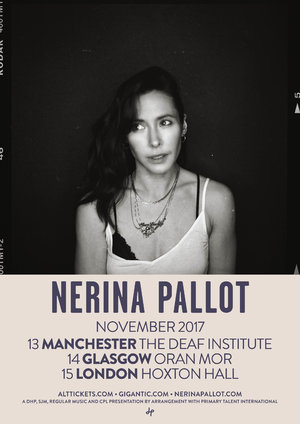
About The Deaf Institute
The Deaf Institute is a distinctive long-running music and nightlife venue in Manchester’s city centre, housed in a restored Victorian Gothic building. Originally built in 1878 as Manchester’s Adult Deaf and Dumb Institute, the Grade II–listed structure still bears carved stone inscriptions from its former life www.ticketfairy.com . Today the site spans three floors of entertainment with a bar on each level and two rear outdoor terraces www.ticketfairy.com . The first-floor Music Hall is the main performance space, famous for its soaring domed ceiling and an enormous mirrored disco ball www.ticketfairy.com . That hall also features custom decor – from parrot-patterned wallpaper and a massive speaker wall behind the bar to built-in tiered seating – all contributing to its one-of-a-kind atmosphere www.ticketfairy.com . The venue’s own website even invites guests to “dance the night away beneath the mesmerizing sway of a colossal mirror ball” . Seating is minimal overall (most shows are general-admission), but hire listings note that The Deaf Institute as a whole can accommodate roughly up to 500 people standing (and around 120 seated) . This makes it perfect for lively indie gigs, DJ nights and club events where dancing is part of the fun. Over its decade as a music venue the Institute has earned a reputation as “one of Manchester’s crucial creative hubs” – blending historic charm with contemporary culture .
Events and Programming
The Deaf Institute has a jam-packed event schedule covering almost every night of the week. Live music spans genres – from indie and rock bands to electronic, soul and world music – along with comedy, film screenings and community events. Each week features regular club nights and student-oriented parties too. For instance, “Girls on Film” is a popular retro 80s/90s pop and dance club night, while other nights revive 00s indie (“Sleaze”) or post-punk/disco classics (“Whip Round” alt-club). Local promoters and labels frequently book the venue, and big-name acts (often on early career tours) also play here. The Deaf Institute has hosted local favourites like James Holt and ILL, and even saw a young Florence + The Machine on its stage . Concerts tend to draw from Manchester’s vibrant indie scene, but you’ll also find DJs spinning chart hits, soul nights, film quizzes and even daytime student events. In short, the programming is eclectic: one recent retrospective noted it attracts “touring and local artists, including the likes of ILL, James Holt and Florence + The Machine” . Its calendar is always worth checking, and show frequency means there’s usually multiple events per week – big weekend gigs, plus themed club nights up to 3–4 times a week.
Tickets and Booking
Tickets for shows are typically sold through the venue’s official channels or local promoters (check the Deaf Institute website and mailing list for on-sale announcements), and many events also list on major Manchester listings. Advance tickets often go on sale weeks ahead, and popular gigs (especially live bands) can sell out – so buying in advance is wise. Ticket prices vary by act: a typical indie concert might be in the £10–£15 range, whereas club nights can be cheap (£5–10) or even free before 11pm. Some special parties or student nights might cap at around £8. If a show isn’t sold out, tickets can sometimes be bought on the door on the night – arrive early to be safe, as there are usually only general-admission spots. There’s no permanent on-site box office with opening hours; instead the venue operates event-by-event. Always buy through official sources and keep your confirmation – counterfeit tickets are not accepted. For theatre-like seating shows (when offered) and peak events, booking early is the best strategy. Sign up for the Deaf Institute’s updates or follow its social media (the venue has its own streaming announcements) to catch presales or last-minute pop-ups. In summary: plan ahead for popular gigs, but many events do allow door sales if space remains.
Seating and Layout
The Deaf Institute’s interior is mostly general admission standing room, with very limited fixed seating. It has three distinct floors: the ground-floor Lodge bar (with its own small stage and some bench seating), the first-floor Music Hall (domed ceiling and a large dancefloor), and the basement-level Den (a cosy club/lounge). Most concerts and DJ shows are standing events on the dancefloor or surrounding bars. The Lodge bar on the ground floor does have built-in tiered benches along the rear wall – good for a quiet spot – and a raised stage opposite the bar. The Music Hall is mostly open floor, but there are a few stools and a tiered balcony area toward the back. For best sightlines during a gig, standing near the centre of the venue is ideal (the main stage is visible from almost anywhere on floor level). Note the speaker stacks are built into the middle walls of the Music Hall, so volume can be very high on the sides ; standing centrally or near the back often gives a more balanced sound. There are no obstructed views – it’s a relatively open room – but if you prefer seating, arrive early to grab one of the curbside benches in the Lodge. Veterans say the authentic experience is on your feet, so for high-energy performances head toward the stage, and for a relaxed night stick near the bar or back seating. Also keep in mind that VIP or “fast track” tickets aren’t a standard offering here; everybody in is basically on first-come, first-served terms. (A small raised area might be cordoned off for accessibility or press at some events.)
Getting There and Parking
The Deaf Institute is located at 135 Grosvenor Street, Manchester M1 7HE – a quiet side street just off Oxford Road, near All Saints Park www.ticketfairy.com . It’s easily within walking distance of several transit points. The closest train station is Oxford Road (a few minutes’ walk east) www.ticketfairy.com . Manchester Piccadilly station (the main hub) is about a mile (20 minutes on foot or one short bus ride) to the north. Major buses run along Oxford Road – routes like the 50, 142 and others stop very near the venue, offering quick connections from Piccadilly Gardens, the university area, and Salford. The Metrolink tram stop at St Peter’s Square (linked to Deansgate/Sanctuary) is roughly a 10–12 minute walk west. If you drive, be aware on-street parking is extremely limited. There is no dedicated venue car park. Some pay-and-display spaces exist on nearby side streets (like Booth Street East or Lower Ormond Street), but most are short-stay or evening-only. The nearest long-term car parks are about a 5–10 minute drive away – for example, NCP Oxford Street or NCP Chester Street (Spinningfields) – and they can cost £10–£15 for an evening. Many locals prefer to use taxi or ride-share. Taxis can usually drop you off on Grosvenor Street itself or on busy Oxford Road; note that Grosvenor Street is narrow, so drivers sometimes stop at the corner. If coming from further out, several Park & Ride services link to nearby transit hubs. In practice the simplest way is public transport or a booked taxi, as parking near campus and the city centre is both scarce and expensive.
Inside the Venue
Expect a lively, all-ages bar-and-club atmosphere inside. Upon entry, you’ll pass a ticket check and security. Cameras and phones are usually allowed (non-flash photos are fine), but expect a search of large bags for security. The venue is split-level, so you will encounter stairs. Coat check is available for a small fee – when hired out for private events the brochure even lists a cloakroom service at about £10/hour of staffing . Bathrooms (men’s and women’s) are on multiple floors (at least one set on ground and basement levels). There is no public Wi-Fi for guests and phone signal can be spotty inside due to the thick stone walls. Inside drinking is primarily at the bars: the ground floor Lodge bar and the basement Den bar both serve drinks all night, and the first-floor bar does likewise during concerts. A full range of beers, spirits and soft drinks are available (cash or card are accepted at bars). For food, The Deaf Institute has its own kitchen. By day the on-site café (Koffee Pot) offers brunch and light meals, and after afternoon until late-night shows you’ll often find food vendors or a burger/pop-up stall serving quick eats. In fact, the venue prides itself on a largely vegan-friendly menu (roughly 80% plant-based) . When seated or in breaks, you can listen to ambient DJs or chat in the lounge areas. If you need fresh air or to smoke (smoking isn’t allowed indoors), both outdoor terraces at the rear are open after 9pm — a popular spot when the music is pumping inside. Note that Deaf Institute’s official site explicitly warns that the Music Hall and Lodge are up stairs and “not accessible for wheelchair users” ; however, staff will assist if possible, and the venue offers a free carer ticket scheme (see FAQ below). Overall, you can expect friendly bar staff, energetic crowds, and a mix of dance floor and lounge seating – it’s a casual vibe where dressing goth or glam is fine, as is t-shirt-and-jeans. Stay aware of the last-call announcements (usually around the new statutory hours) and have a safe plan for getting home, especially if events run very late.
Nearby Amenities
There are plenty of pre- and post-show options within easy walking distance. Right on Oxford Road (100m north) are several food outlets and cafés – for example a Student Union café, a Pret a Manger, and small pubs. To the south, the famous Curry Mile (Wilmslow Road in Rusholme) is only a 5–8 minute walk away, offering dozens of Pakistani, Indian and Middle Eastern restaurants (great for late-night curries or kebabs). Chinatown and the Gay Village are also within about 15 minutes on foot for international cuisine. If you need a meal near the venue itself, The Deaf Institute’s own downstairs kitchen usually runs all evening — sandwiches, burgers and pizzas are common on gig nights. As for bars, Oxford Road has a few late-night pubs (look for the iconic Fazis or Zouk Café) and basic billiard halls. If you prefer the city centre scene, bars around Deansgate or Piccadilly (a 15-minute walk) are an option before or after a show.
For accommodations, the city centre’s many hotels are within ease: budget chains like Ibis Budget (Portland Street), Travelodge (City Road) and Premier Inn (Oxford Road or Chinatown) are nearest, and some boutique (Hotel Gotham, King Street Townhouse) or business hotels (Crowne Plaza, Great Northern) are a 10–15 minute walk. Popular student halls like Amity House are also nearby for a cheap night’s sleep option. Finally, the venue is a short walk from All Saints Park – a small green space perfect for a cigarette or phone call break – and from the Manchester Aquatics Centre (if you want a workout that day). After a show, taxis are best found on Oxford Road or via phone apps; the 102 and 104 night buses run along Oxford Road until about 4am on weekends if you’re staying near Salford or the south. In short, as a central city location there’s no shortage of restaurants, bars or transit connections right next door.
What Makes This Venue Special
The Deaf Institute’s unique blend of history, architecture and atmosphere sets it apart. It’s literally a historic landmark – you’re partying under the same roof where deaf and hard-of-hearing Manchester citizens once gathered. The ornate exterior stonework and the gothic entrance (complete with carvings of hands on a book and the phrase “Ephphatha” meaning “be opened” ) make for a memorable first impression. Inside, the venue layout (three floors of themed bars) and those wildly patterned walls give it a quirky, intimate vibe that megahalls can’t match. For many local music fans, seeing a band under that giant disco ball is almost a rite of passage.
Over the years The Deaf Institute’s calendar has delivered countless memorable nights – from wild New Year’s Eve rave parties with lasers and champagne flows, to sold-out indie concerts where fans dance on the balconies. Promoters and performers often comment that it feels like a big party in a house party setting. And there’s even a fun spooky side: because the building sat empty for years before reopening, it has earned a reputation for ghost stories. (Tour guides mention reports of phantom figures on the stairs and mysterious noises in empty rooms .) This mix of “haunted” lore and lively events adds to its mystique.
Culturally, Deaf Institute continues Manchester’s DIY legacy – it’s run by local operators, books emerging bands before anyone else, and throws club nights with themes you won’t get in franchised bars. University students love its depth (it’s not a franchise nightclub but a repurposed gem), and older night owls appreciate that every floor has something different (a chilled basement lounge vs. a thunderous dancefloor upstairs). In short, both audience and artist feedback highlight that The Deaf Institute is less a corporate venue and more a beloved community hub. That genuine character makes it stand out on Manchester’s map of entertainment venues www.ticketfairy.com .
Visitor Tips and Information
Accessibility: As noted, The Deaf Institute currently has no level access to the main floors, so it’s not wheelchair-friendly . If you need assistance moving between floors, contact the venue in advance. They do offer a free carer ticket for disabled patrons requiring help . There are limited ramps and no lifts, but staff will try to accommodate if possible.
What to bring: Bring a valid photo ID if you look under 21, as all patrons are ID-checked (18+ on club nights). Coat checks are available (in a staffed cloakroom) during events for a small fee – handy in winter. You probably won’t need cash, as cards are accepted everywhere inside, but some vendors (like food pop-ups) may prefer cash. Dress code is generally casual indie-club; avoid overly sportswear or beachwear. Earplugs can be wise for loud shows. See if your phone might need a backup charger – signal can drop inside.
Common mistakes: Don’t queue too far from the entrance – there’s only one small foyer, so lines wait outside. Late arrivals risk missing part of a show or being kept out (most shows stop admitting new guests once the main act is on). Also, don’t expect to get in on the cheap last minute for big concerts – plan to buy early or the price may rise on reseller sites. Photography or recording with a normal camera is usually okay, but big video camera rigs are not allowed. No outside food/drink beyond sealed water bottles. Rideshares should drop off by 135 Grosvenor St or the Oxford Road corner – drivers often use Grosvenor for ease. If driving yourself, double-check parking rules on any side street.
Age restrictions: Most evenings are 18+ only. Only certain live music gigs allow under-18s, and those are clearly advertised (often 14+ with an adult). Always buy the correct ticket if you’re bringing minors.
Insider tip: Arrive a little early to grab one of the terrace spots or a cozy corner inside if you want a break from the crowd. The downstairs kitchen often closes early, so if you want Koffee Pot brunch or a veggie burger, go before 8pm at night. If you’re here on a Sunday, try their historic “Vegan Hangover” brunch menu (as one write-up highlights) – it’s become a local tradition . Finally, remember: every night here has its own vibe. Chat with the staff or locals – they’ll happily point out secret staircase passages, or the best dancefloor spot for that evening’s lighting setup. In short, relax into the quirky history and enjoy the party!
How do I buy tickets for events at The Deaf Institute?
Tickets are primarily sold through the venue’s official channels and approved outlets. For upcoming shows, check the Deaf Institute’s website or mailing list for on-sale dates. You can often buy advance tickets online or at local box offices. If an event isn’t sold out, door sales are sometimes available on the night. Popular shows can sell out fast, so it’s best to buy in advance when possible.
What are typical ticket prices?
Ticket prices vary by event. A full-length live band concert might be in the range of £10–£15 advance (with door price slightly higher), whereas smaller student nights or indie DJ events can be as low as £5–£10. Themed club nights sometimes have low cover charges or free entry before 11pm. Always check the event listing for pricing details, as headliner and support act stature can push prices up. In general, The Deaf Institute is reasonably priced for an alternative city venue.
What is the maximum capacity of The Deaf Institute?
The Deaf Institute holds roughly 500 people at full capacity across all its floors. Venue listings cite “up to 500 standing” and about 120 seats in total . In practice, this means a packed gig will have around 500 guests inside. If a show seems sold out, don’t expect extra entry without a ticket. For smaller club nights, the atmosphere feels more intimate, but capacity is still similar (mostly standing, with a few benches).
Can I buy tickets at the door?
Yes, many events allow door sales if they aren’t sold out in advance. The venue opens typically 30–60 minutes before the advertised start time, and you can usually queue up to buy tickets or get on a guest list. For very popular shows, it’s safer not to rely on gate tickets (arrive early if you want to chance it). During club nights, it’s common to have some tickets available at the door until late, unless the flyer says “sold out” beforehand.
What is the dress code?
The dress code at The Deaf Institute is generally casual to smart-casual. There are no formal requirements, but dressing for a night out is recommended. Many patrons wear jeans, t-shirts or clubwear. For some DJ-themed nights or club events, people often dress a bit fancier or goth-indie style, but there is no strict policy. Avoid very athletic or beachwear as the venue has a slightly alternative vibe. Comfortable shoes are a good idea if you plan to dance, since most events are standing parties.
What is the bag policy – can I bring a backpack or large bag?
Small bags and purses are allowed, but security often checks larger backpacks or clear plastic bags on entry. If an item seems too large or if metal detectors are in use, you may be asked to leave it in the coatroom (for a small fee). It’s best to bring a minimal bag or nothing at all to speed up entry. The staffed cloakroom can store coats or bags (for a few pounds per item) while you enjoy the show.
Is The Deaf Institute wheelchair accessible?
Currently, the venue does not offer step-free access to its main floors. The Music Hall and ground-floor Lodge are both accessed by stairs, so The Deaf Institute’s website notes it is “not accessible for wheelchair users” . If you need assistance, staff will do their best to help (lifting or carrying if safe). The venue does offer a free ticket for a carer on a first-come basis . Some people reserve the limited elevated seating near the Lodge entrance for easier entry. In summary, plan ahead: if full accessibility is needed, consider contacting the venue in advance, or ask about any seating accommodations.
Are minors allowed at shows?
Age rules depend on the event. By default, club nights and late-evening events are 18+ only (ID required). Live music gigs often allow under-18s if the promoter permits it. Many concerts are tagged as 14+ (under 14 not admitted) or 16+ if the content is appropriate, sometimes with an adult. Always check the specific event listing before bringing minors. If under-18s are allowed, they usually must be accompanied by an adult. The venue’s signage and ticket confirmation will state any age restrictions.
Can I smoke inside?
No. Smoking (including e-cigarettes or vaping) is only allowed in the outdoor areas. The Deaf Institute has two small outdoor terraces at the back of the building. After going outside to smoke, you will usually need to re-enter via a designated door (which may involve a new ticket check once the main show has started). Smoking in the public indoor areas can lead to removal, so use the patios if you do smoke.
Is there food available at the venue?
Yes. There is a fully operational kitchen on site. During the day and early evening the venue operates a café (Koffee Pot) serving sandwiches, coffee and brunch items. On gig nights, you’ll often find hot food booths or pop-up stalls (burgers, pizza, etc.) near the foyer. The Deaf Institute prides itself on a largely vegan-friendly menu (around 80% plant-based) . If you need a quick bite, check the kitchen’s hours or grab something in the small bar areas. Otherwise several food outlets are on Oxford Road or the Curry Mile which stay open late.
Is there a cloakroom or coat check?
Yes. A staffed coat/ cloakroom is provided during events for convenience. For a small fee (for example, one documented hire page listed cloakroom staffing at about £10 per hour ), you can leave coats or larger bags safely. This is helpful on cold nights – the space is limited, but most of the crowd tends to store their jackets there early on. If the coatroom is full, floor space is sparse, so try to keep belongings minimal.
What is the nearest station and bus routes?
The nearest rail station is Oxford Road (just a few minutes’ walk northeast of the venue) www.ticketfairy.com . From there Central and other stations are easily reached. Bus routes along Oxford Road (such as the 14, 50, 101, 103, 142) stop very close to The Deaf Institute; these connect to Piccadilly Gardens, the universities, and Salford. The Manchester Metrolink trams (for example at St Peter’s Square) are about a 10–12 minute walk west. In short, Manchester’s public transit has you covered – you can arrive from almost anywhere in the city without needing a car.
Where can I park for The Deaf Institute?
Be warned: parking right at Deaf Institute is very limited. Grosvenor Street itself has almost no free spaces, and nearby on-street spots are usually pay-and-display with short time limits. Your best option is to use a public car park a short drive away. The NCP on Oxford Road (at Kubrick cinema) or the Silver Croft car park (Chester Street) are common choices (about 5–10 minutes’ walk). There are also several other NCP/ Q-Park lots in the Spinningfields or Deansgate area. Another trick is to book a private space via apps like YourParkingSpace or JustPark; you can often find a weekly spot within a 0.2 mile radius for a modest fee. Otherwise if possible use public transport or a taxi/Uber, since the area around All Saints Park fills up fast on event nights.
What was the building’s original purpose?
The Deaf Institute’s name comes from its origins: when it was built in 1878, it served as the Manchester Adult Deaf and Dumb Institute – a community center and place of worship for deaf and hard-of-hearing people. The inscriptions and carvings on the façade date from that era. After decades of serving the deaf community, it fell into disuse and was eventually converted into the current music venue in 2008. The venue kept the historic name (with “Dumb” dropped) as a nod to its heritage www.ticketfairy.com . You can still see the original “Deaf and Dumb Institute” engraving above the front door, a reminder of the building’s unique history.