About Jungle Island
Jungle Island remains open and operating at 1111 Parrot Jungle Trail on Watson Island, between Downtown Miami and South Beach. It is not a conventional concert hall or a full-scale zoo. Instead, it functions as an 18-acre eco-adventure park, wildlife attraction and flexible event campus. Daytime admission covers tropical walking paths, wildlife exhibits, Treewalk Village, playgrounds, an Everglades habitat and educational animal presentations. Encounters, aerial courses and some seasonal attractions cost extra.
The institution began as Parrot Jungle on December 20, 1936. Founder Franz Scherr envisioned a garden where colorful birds could fly freely, and early visitors paid 25 cents to explore the property. Its performing birds became Miami personalities: Pinky, a bicycle-riding cockatoo, appeared at the 1964 World’s Fair, while the park’s flamingos featured in the opening credits of Miami Vice . Winston Churchill visited in 1946, and the first Lear’s macaw successfully bred in captivity was born there in 1982.
The original property became Parrot Jungle and Gardens in 1988 and survived Hurricane Andrew in 1992 without losing an animal. After the Village of Pinecrest purchased the historic site, the attraction moved to Watson Island. The new Parrot Jungle Island opened on June 28, 2003, following a gala for its ballroom that benefited New World School of the Arts. It adopted the Jungle Island name in 2007 to reflect its broader collection of animals, plants and activities. The original Pinecrest grounds survive separately as a public garden and historic district.
Current owner ESJ Capital Partners acquired the attraction in April 2017. Hurricane Irma caused severe erosion, structural damage and blocked pathways that September, although the animals survived. Jungle Island reopened during Memorial Day weekend in 2018 with repaired grounds and a stronger emphasis on interactive recreation.
A major redevelopment approved by Miami voters would eventually replace part of the attraction with residential development and transfer most of the waterfront property to the city as a free public park. The exact closure and construction timetable has remained uncertain. As of August 23, 2026, Jungle Island is still welcoming daytime visitors and booking events under its established name.
Events and Programming
Jungle Island’s programming falls into four broad categories: daytime family attractions, immersive seasonal productions, electronic music events and private functions. The park hosts school outings, camps, birthdays, weddings, galas, company picnics, conferences and brand activations alongside public entertainment. Its mix of landscaped outdoor areas, ballrooms and skyline views lets promoters create experiences that feel very different from a standard nightclub or hotel ballroom.
Recent history demonstrates the range. During Miami Art Week in 2021, Jungle Island hosted three large electronic events built around The Soundgarden, Do Not Sit and The Gardens of Babylon, with artists including Nick Warren, Rodriguez Jr., Behrouz, Armen Miran, Kora, Guy Mantzur and Eelke Kleijn. The events combined DJs with live performance, art, markets, ceremony and elaborate tropical production.
In 2022, The Horrorland moved from its pandemic-era drive-through format into Jungle Island as a walk-through Halloween production with haunted houses, scare zones, circus entertainment, themed drinks and carnival elements. It returned in 2023, 2024 and 2025 and has confirmed another fall season for 2026. Luminosa has also become a recurring nighttime anchor, filling acres of the park with handcrafted lanterns, cultural performances, animatronics, interactive storytelling and holiday installations.
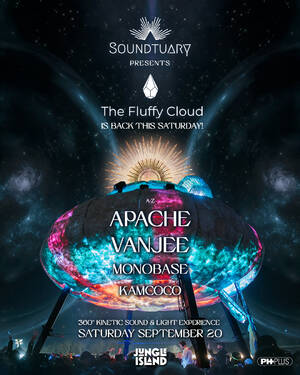
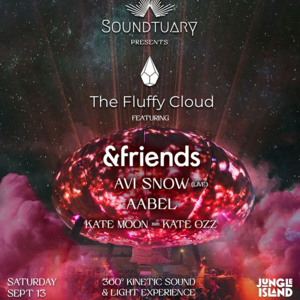
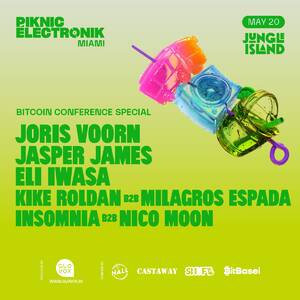
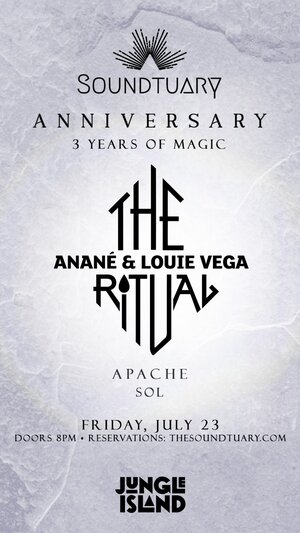
Piknic Électronik used the grounds in 2023 for a house-music program featuring Joris Voorn, Jasper James and Eli Iwasa. Open-air Candlelight concerts have presented string arrangements beneath decorative lighting. From 2024 through 2026, Soundtuary established a recurring series of deep-house, progressive-house and Afro-house nights featuring performers such as Lee Burridge, Sébastien Léger, Steve Lawler, Dennis Ferrer, Deep Dish, HoneyLuv, Mano Le Tough, AMÉMÉ and local Miami DJs.
Miami Music Week has brought additional 21-and-older programming, including Purified and Shimza-led events. Recent electronic shows have generally started around $20 to $50, while major Music Week programs have opened around $40 to $80 or more. Seasonal horror admission has commonly started near $40, with expedited entry and group packages priced higher. Prices change according to demand, release tier, date and included access.
Family programming in 2026 has included holiday activities, school-break camps, a children’s egg event, a Father’s Day car show, summer inflatables and a seasonal water-slide attraction. The Horrorland is confirmed for fall 2026, and Jungle Island continues to advertise Luminosa as a returning production. No dependable public calendar extending well beyond 2026 has been released, partly because the long-term redevelopment schedule remains unsettled.
Tickets and Booking
Daytime park tickets are sold in advance and at the entrance. In 2026, advertised admission has been around the low $20s for children ages three through nine and around $30 for guests ten and older, before taxes or optional upgrades. Children under the stated paid-admission age may have different requirements. Animal encounters have generally started around $65 with general admission included.
Advance purchase is wise for animal encounters, VIP tours, Halloween weekends, Luminosa holiday nights and electronic events. These experiences use capacities or timed entry that differ from ordinary park admission. Verify what each ticket includes: general admission does not automatically cover Treetop Trekking, premium animal interactions, after-dark festivals or promoter-run concerts. Special-event tickets may also be final sale and subject to separate age, dress and arrival rules.
Seating, Layout and Venue Specifications
There is no universal Jungle Island seating chart. Daytime guests follow approximately 1.35 miles of winding, partly covered trails. Concerts typically use standing general-admission dance floors, temporary stages and promoter-built VIP or backstage sections. Seasonal attractions create one-way walking routes, while weddings and corporate events use assigned banquet tables or customized floor plans.
The centerpiece is the column-free Bloom Ballroom, measuring 144 by 96 feet with 13,824 square feet and a 14-foot ceiling. Published configurations include 2,000 guests for cocktails, 1,500 theater-style, 1,000 banquet-style or 600 classroom-style. It divides into three 48-by-96-foot salons, each measuring 4,608 square feet.
The covered Bloom Terrace measures approximately 220 by 24 feet, providing 5,280 square feet for up to 600 cocktail guests or 250 banquet guests. The Bayview Room is 54 by 36 feet and approximately 1,944 square feet, accommodating roughly 75 to 150 people depending on arrangement. Foyers add registration, reception and activation space.
Outdoor options include an 8,370-square-foot Main Plaza for up to 1,500 cocktail guests, a 12,500-square-foot Event Lawn, a 20,000-square-foot beach-club area for approximately 300 to 500 people and a 500-seat Jungle Theater. Smaller banyan, pavilion, picnic and garden settings serve intimate events. The broader indoor-outdoor campus is advertised for private events of up to approximately 5,000 guests.
For standing music events, the strongest atmosphere is usually near the central dance floor, while rear and side areas offer more breathing room. VIP platforms may improve space and bar access but do not always provide elevated sightlines. In the ballroom, center sections are preferable for presentations and performances; seats beneath temporary lighting or beside production control can experience more equipment noise or obstructed angles.
Architecture, Sound and Production
The Watson Island park was constructed on a man-made island rather than the natural limestone and mature landscape of the original property. Its designers used berms, dense tropical planting, waterfalls and curving paths to screen the MacArthur Causeway and create separation from surrounding traffic. More than 1,000 plant species were propagated for the move, helping reproduce the enclosed garden character associated with Parrot Jungle.
The renovated Bloom Ballroom was reimagined by EoA as a flexible, cinematic event environment with integrated foyers, waterfront views and indoor-outdoor circulation. Full audiovisual capability is advertised, but Jungle Island does not publish a permanent speaker inventory, lighting fixture list, rigging load chart or stage dimensions. Concert promoters therefore bring event-specific sound, lighting, video, staging and effects packages.
Recent temporary productions illustrate what the property can support. Soundtuary has used a central 360-degree DJ booth, strobes, CO2 effects, large fan arrays and a promoter-described 60,000-watt overhead kinetic sound-and-light installation. These specifications belong to individual productions rather than guaranteed house equipment, so visitors should not expect identical staging at every event. Photosensitive guests should note that electronic and horror events commonly use flashing lights, theatrical fog and strobes.
Getting There and Parking
Jungle Island is located just off the MacArthur Causeway. From I-95, take I-395 east, cross the first bridge and turn right onto Parrot Jungle Trail. Follow the road beneath the causeway to the garage. From Miami Beach, travel west on the MacArthur Causeway, turn right after Palm Island near the yacht club, then turn left onto Parrot Jungle Trail.
The covered on-site garage currently charges a flat rate of approximately $20 per day. Parking is separate from admission and may create a queue after large evening events. Rideshare and taxi drop-off is available near the Parrot Jungle Trail entrance; using it is often easier for late-night events, although surge pricing and causeway congestion can be significant during Miami Music Week, Art Week and holiday weekends.
Current bus routes serving the MacArthur Causeway and nearby Japanese Garden stop include routes 14, 20 and 100, with other services connecting toward Downtown Miami and Miami Beach. The closest stop is only a short walk from the entrance. Metrorail and Metromover do not stop on Watson Island; travelers using rail must transfer to a bus or rideshare. Walking from Downtown is possible but takes roughly 30 minutes and involves exposed causeway approaches, making it uncomfortable in heat, rain or after dark.
Inside the Venue
Daytime visits are casual, humid and mostly outdoors. Wear comfortable clothing, sunscreen and closed-toe shoes, particularly when adding an aerial activity. Shaded seating and covered paths are available, but not every attraction is protected from sun or rain. The park is cashless and accepts major cards and mobile wallet payments.
Food and beverages are available from the Pink Flamingo Kitchen & Bar and changing concession points. Outside food and drinks are prohibited unless an accommodation has been arranged for a dietary need. Visitors may not touch or feed animals outside supervised encounters. Pets, bicycles, scooters and weapons are not permitted; trained service dogs are allowed.
Large evening events commonly add security screening, bag checks, temporary bars, food trucks, merchandise or market stalls. Re-entry, camera, bag and dress rules are set by the individual promoter. Horror attractions prohibit photography inside the experiences, while some electronic parties impose 21-and-older admission or themed dress codes. Never assume daytime park rules apply unchanged to a nighttime production.
Nearby Amenities
Watson Island does not have a dense, walkable restaurant district. A separately operated waterfront beach club provides dining and entertainment on the island, but hours, admission expectations and age rules differ from Jungle Island. Broader pre-event options are found across the causeway in Downtown Miami, the Arts and Entertainment District, Edgewater and South Beach.
Downtown and the Arts and Entertainment District are usually the most convenient areas for hotels because they provide quick rideshare access without requiring a full crossing of Miami Beach. South Beach works well for visitors combining an event with beach time, but traffic can lengthen the trip. For nightlife events ending after midnight, arrange a rideshare rather than relying on a long walk or infrequent late-night connections.
What Makes Jungle Island Special
Few Miami venues can move from parrots and family playgrounds by day to lantern festivals, haunted trails, black-tie galas and international house DJs after dark. Mature tropical landscaping softens what is otherwise a highly urban location, while glimpses of Biscayne Bay, Downtown Miami and PortMiami create a distinctly local backdrop.
Its cultural importance extends beyond entertainment. Generations of South Florida families remember Parrot Jungle’s birds, school trips and television appearances. The modern campus supports educational programs, tourism employment, private events and seasonal production work. Debate over its redevelopment also reflects a larger Miami question: how valuable public waterfront land should balance commercial use, cultural memory, resilience and free community access.
Visitor Tips and Information
Plan two to four hours for a normal daytime visit, longer if you book encounters or aerial courses. Recent visitor experiences are mixed. Positive reports praise friendly employees, tropical grounds, parrots, capybara encounters and Luminosa’s visual displays. Critical reviews frequently mention the separate parking charge, expensive upgrades, limited animal variety, worn areas and a shorter visit than expected. Treat Jungle Island as a compact attraction rather than an all-day zoo.
The main park is wheelchair accessible, and a limited number of wheelchairs are available first come, first served. However, the park states that animal encounters are not wheelchair accessible. Some temporary Halloween routes include uneven outdoor terrain even though indoor haunted attractions accommodate wheelchairs. Guests with sensory sensitivities should avoid productions using strobes, loud sound, fog, sudden scares or close actor interaction.
Jungle Island operates rain or shine. When lightning is detected within ten miles, animal encounters and Treewalk Village close temporarily and normally remain suspended until 15 to 30 minutes after the last strike. Animals may also be moved to protected housing. Bring a compact poncho, but never shelter beneath isolated trees during a storm.
Frequently Asked Questions
Is Jungle Island still open in 2026?
Yes. As of August 23, 2026, Jungle Island remains open under its established name, with daytime wildlife attractions, animal encounters, family activities and private events. A major redevelopment has been approved for part of the property, but a firm public closing date has not been announced. Long-range visitors should remember that construction plans may eventually affect operations.
What are Jungle Island’s regular hours?
Regular general admission is currently offered daily from 9:30 a.m. to 5 p.m., with final admission at 4 p.m. Animal encounters generally operate during daytime hours and may require reservations. After-dark productions such as Luminosa, The Horrorland and electronic concerts use entirely separate schedules, entrances and tickets. Seasonal or severe-weather adjustments can supersede normal hours.
How much does Jungle Island cost?
Recent advertised daytime prices have been approximately $23 for children ages three through nine and $30 for guests ten and older, before taxes or optional experiences. Premium animal encounters have generally started near $65 with admission included. Parking, aerial courses, nighttime festivals and concert tickets cost extra, so compare the full package rather than the base admission alone.
Can I buy Jungle Island tickets at the entrance?
Daytime admission is normally available at the entrance, but advance booking is recommended on weekends, holidays and school breaks. Premium encounters and VIP tours have limited spaces and are more likely to sell out. Separate public events may not offer door sales, and their prices often rise as cheaper release tiers are exhausted.
What is included with general admission?
General admission covers the main park, Treewalk Village, playgrounds, wildlife exhibits, the Everglades habitat and scheduled educational animal entertainment. Seasonal inclusions can change. It does not automatically include Treetop Trekking, private tours, premium animal interactions, after-dark light festivals, haunted attractions or concerts. Read the description for your selected admission type carefully before paying.
How long should I spend at Jungle Island?
The park suggests allowing roughly two to five hours, depending on added activities. Many visitors complete a basic walk-through in one to three hours, while encounters, children’s play areas, shows and aerial courses can extend the visit. Arrive before early afternoon if you want time to explore before final admission and afternoon attraction closures.
Is Jungle Island indoors or outdoors?
It is primarily an outdoor tropical attraction with shaded paths, covered sections, indoor event rooms and sheltered dining areas. The Bloom Ballroom is fully indoors, while concerts may use the plaza, terrace or other open-air spaces. Dress for heat and humidity, and carry rain protection. A nighttime ticket does not guarantee an indoor experience.
Does Jungle Island have assigned seating?
Ordinary park admission does not involve assigned seats. Concerts are commonly standing general admission with separately controlled VIP areas. Candlelit performances, galas and corporate presentations may use temporary chairs, banquet tables or theater-style rows. Because the layout changes with each production, a historic seating chart should not be used to predict a future event’s configuration.
What is Jungle Island’s concert capacity?
There is no single concert capacity. The Bloom Ballroom reaches 2,000 for cocktails or 1,500 in theater configuration; the Main Plaza reaches approximately 1,500, and the Jungle Theater seats 500. Combined private functions may use multiple spaces for several thousand guests. Actual concert limits depend on staging, exits, bars, production areas and permits.
How much is parking at Jungle Island?
The covered on-site garage currently uses a flat rate of approximately $20 per day. The charge is separate from park or event admission. Large events may create delays entering and exiting the garage, particularly when traffic backs up around the MacArthur Causeway. Rideshare can be more convenient for adults attending late-night programs.
Can I reach Jungle Island by public transportation?
Yes. Buses using the MacArthur Causeway stop near the Japanese Garden and Jungle Island entrance, with routes connecting Downtown Miami and Miami Beach. There is no Metrorail or Metromover station on Watson Island. Rail passengers must transfer to a bus or rideshare, and service frequency should be considered when leaving late-night events.
Is Jungle Island wheelchair accessible?
The main public park is wheelchair accessible, and wheelchairs are available in limited quantities on a first-come, first-served basis. Jungle Island’s detailed accessibility information states that animal encounters are not wheelchair accessible. Temporary outdoor events may also cross grass or uneven surfaces. Indoor Horrorland attractions accommodate wheelchairs, although some exterior portions can present mobility challenges.
Are service animals allowed at Jungle Island?
Trained service dogs individually taught to perform disability-related tasks are permitted. Pets and emotional-support animals without task training are not treated as service animals under the stated park policy. Because Jungle Island houses birds and other wildlife, handlers should maintain control of service dogs and follow employee directions around sensitive exhibits and temporary attractions.
Can visitors bring food or drinks?
Outside food and beverages are generally prohibited. Food, soft drinks and alcoholic beverages for eligible adults are sold at permanent or temporary outlets, depending on the event. Visitors needing a medical or dietary accommodation should arrange it before arrival. Birthday cakes, decorations and catered items also require an organized event package rather than ordinary admission.
Is Jungle Island cashless?
Yes. The park identifies itself as cashless and accepts credit cards, debit cards and common mobile-wallet payments. Independent event concessions may operate their own terminals, but visitors should still carry a physical payment card in case cellular service or mobile payment processing is slow. Cash should not be relied upon for parking, food or upgrades.
What happens if it rains?
Jungle Island normally remains open during rain. Lightning within ten miles triggers temporary closure of Treewalk Village and animal encounters, with reopening generally 15 to 30 minutes after the last strike. Guests may be directed beneath cover, and animals may be moved indoors. Outdoor concerts commonly operate rain or shine unless dangerous conditions force a change.
Are Jungle Island events suitable for children?
Daytime admission, educational shows, playgrounds, Luminosa and many holiday activities are designed for families. Electronic concerts are frequently restricted to guests 21 and older. The Horrorland uses intense scares, loud sound, fog, darkness and disturbing imagery, making it inappropriate for many younger children even when an absolute minimum age is not imposed.
What should I know about bags and cameras?
The daytime park does not publish a universal clear-bag rule, but special events may conduct bag checks and security screening. Travel light and avoid prohibited objects, outside alcohol or weapons. Personal photography is generally possible around the park; however, cameras and video recording are prohibited inside Horrorland’s haunted attractions, and professional equipment may require event-specific authorization.
What should I wear to Jungle Island?
For a daytime visit, choose lightweight clothing, sun protection and comfortable closed-toe shoes. Electronic events may introduce “dress to impress,” bohemian or all-white requirements, while beachwear, sportswear, caps and flip-flops can be refused at selected parties. Horror attractions recommend closed-toe shoes because guests walk through dark, crowded and sometimes uneven environments.