About Miami
Miami is a bustling tropical city in southern Florida, often called “The 305” or “Magic City” for its explosive growth (en.wikipedia.org ) (en.wikipedia.org ). It’s not a single venue but a whole metropolitan area (population ~442,000 in the city, ~6.46 million metro) (en.wikipedia.org ) (en.wikipedia.org ). Founded in 1896 by Julia Tuttle (the “Mother of Miami” who convinced a railroad to come here) (en.wikipedia.org ), Miami sits on Biscayne Bay with miles of beach. The city is known for its pastel art-deco architecture (especially in South Beach), clean sandy shores, and sunny year-round weather (tropical monsoon climate with hot summers and mild winters (en.wikipedia.org )). Miami is a major cultural and financial hub – its economy is among Florida’s largest – and a vibrant melting pot (over 70% Hispanic population) (en.wikipedia.org ). You’ll hear English, Spanish and Creole; restaurants serve Cuban sandwiches, stone crabs, arepas and more. In short, Miami’s “venue” is the city itself: a mix of coastal parks, arenas, clubs and streets where art festivals, sports and music converge in a unique seaside setting.
Events and Programming
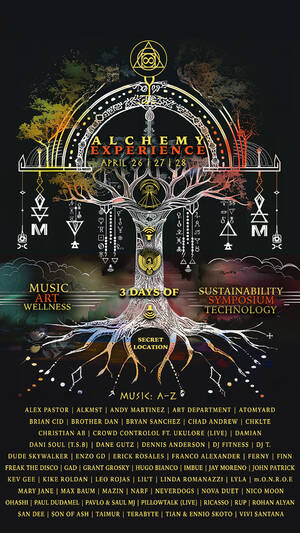
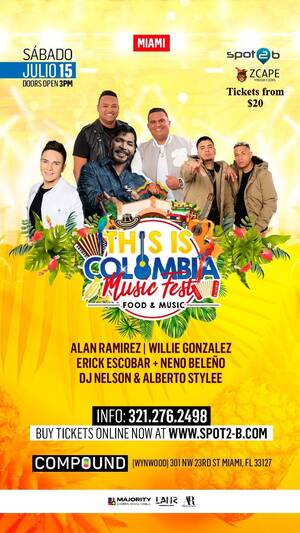
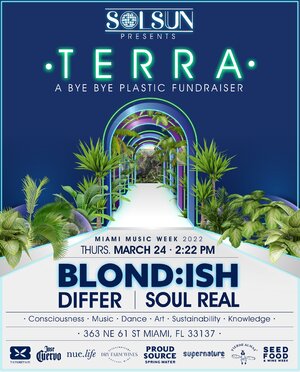
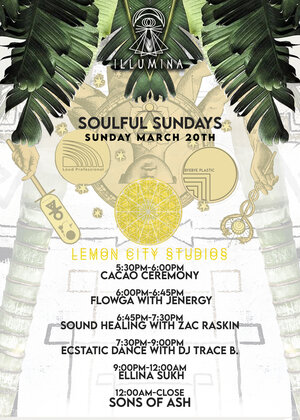
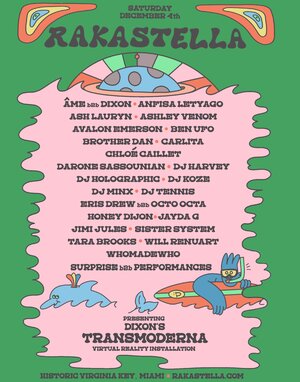
Miami’s calendar is packed. Yearly highlights include Calle Ocho (a huge Latin street festival in Little Havana each spring, drawing well over a million people) (www.axios.com ) (en.wikipedia.org ), the Ultra Music Festival (EDM party around downtown Bayfront Park in March) (www.axios.com ), and major cultural weeks. Concert tours are constant—big names like Shakira, Post Malone, Lady Gaga and many others regularly play the Kaseya Center (Downtown arena) or Hard Rock Stadium (the big NFL stadium) (www.axios.com ). Sports also draw crowds: the Miami Open tennis (March at Hard Rock Stadium) features stars like Djokovic and Osaka (www.axios.com ), and the Formula 1 Miami Grand Prix (May, around Hard Rock Stadium) is a marquee event (www.axios.com ). Local festivals span all interests: South Beach Wine & Food, Carnaval Miami (with Latino music stages), Coral Gables Arts Festival, and Film and Black History festivals. Nightlife is huge: Miami Music Week (March) packs hundreds of club parties and the famous Ultra. Even in winter, you’ll find concerts, art shows and nightlife every week. In essence, Miami hosts everything from free outdoor movie nights on the beach to sold-out stadium concerts, reflecting its multi-ethnic party vibe.
Tickets and Booking
You buy tickets through each event’s official outlet. Major venues have box offices and ticketing websites (sometimes with fees), and authorized sellers or venue apps are safest. Big concerts or games often sell out fast, so it helps to plan ahead. Pre-sales are common: fan clubs or credit cards sometimes get early access. Ticket prices range widely: around $50–$150 is typical for mid-level concerts, premium seats or superstar tours can exceed $300, and front-row or VIP experiences cost yet more. Sports games vary (lower high school to $100+ pro levels). Outdoor festivals often use wristbands ($100+ for a full weekend). As an example, the Miami Open tennis has multi-level tickets (ground passes, stadium seats) and even free entry for early women’s qualifiers (www.axios.com ). You might find cheaper tickets if a show isn’t sold out (sometimes sold at the door or on resale sites), but for popular events buy firmly in advance. Many Florida events also offer “group” or family deals (check group rates). Tip: sign up for newsletters of key venues (Hard Rock Stadium, Kaseya Center, AA Arena, etc.) to get early sale alerts.
Seating and Layout
Miami’s event spaces vary. In arenas (like Kaseya Center), seats wrap around the stage or court. Lower/baseline sections give you front-row excitement, upper levels offer full perspective. For concerts, floor standing spots (general admission) put you closest to the band – arrive early if you want front-row. At Hard Rock Stadium (capacity ~65,000), sideline seats have the clearest view of the field/stage; end zone seats are cheaper but angled. VIP “club” seats at these venues often include lounge access. Outdoor amphitheaters (Miami Beach Bandshell, Bayfront Park) have both reserved rows and lawn areas (lawn is GA: bring a blanket/low chair and enjoy the open-air concert). In performing arts venues (Adrienne Arsht Center, intimate Wortham Theater), orchestra seats are on the main floor and balconies up top; the front-center orchestra seats are ideal for acoustics and visuals. For general sightseeing, some “seats” are scenic: e.g. Bayside Marketplace has benches overlooking Dynamo Bay, and the Skyviews Observation Wheel at Bayside offers downtown skyline views (ticketed ride). The key is: decide your priority. Nearness to stage gives energy (and volume!), while back rows or balconies give a bigger-picture view. If you’re bathroom or legroom conscious, higher seats or upper decks often have more space. Outdoor venues may have sun on you – bring shades or seat covers. In summary, pick seats like any theater: front section for immersion, mid-hight for balance, rear or pavilion for open-air vibe.
Getting There and Parking
Miami is easily accessed via highway, public transit, or on foot once you’re close. By car: I-95 runs north–south through the city, and I-395/195 connect downtown to Miami Beach. For events, expect heavy traffic; allow extra drive time. Most large venues have paid parking. For example, **Hard Rock Stadium** sells parking permits (~$25–$40) (www.axios.com ), often in large lots you enter from exits off major roads. Downtown garages (Bayfront Park, AmericanAirlines Area) charge ~$20–30 per event day. In Miami Beach, parking garages or metered spots run $2–$4 per hour, and can fill up early. Using ride-shares (Uber/Lyft) is common: drop-off zones are marked at stadiums (Hard Rock’s ride-share drop is near Gate 2) and downtown. For trains and busses: take the Metrorail Orange Line to Downtown/Brickell (stations at Government Center or Brickell), then transfer to the free Metromover loop if needed. The Tri-Rail runs from Palm Beach through Fort Lauderdale to MiamiCentral (a short walk from Bayfront Park and the arena). Miami’s new SoFloGO app now lets you plan trips across Metrobus, Metrorail, and Tri-Rail all in one place (www.axios.com ). If your hotel is in Brickell or Downtown, many venues are walkable or one free Metromover stop away. Lastly, taxis are available curbside at airports and hubs (MIA has taxi stands and Metrorail links downtown; Fort Lauderdale Expo Center has shuttle service to Miami). In short, driving is doable, but for big events public transit or rideshare can save time and parking fees. Once near a downtown or club area, parking lots are visible, but for endless events and nightlife many locals simply Uber to avoid hassles.
Inside the Venue
Expect Miami venues to be friendly but efficient. Entry usually requires scanning a ticket and a quick security check. Here’s what you’ll find: Bag checks and metal detectors are common for big events. Most stadiums and clubs enforce a small-clear-bag rule (roughly 12″x6″x12″). Show your ID if requested (Clubs are strict on age, 21+ for alcohol). Inside, the vibe is casual – beachwear (shorts, sundresses, flip-flops) is fine by day; glam or smart-casual is common in late-night clubs and upscale lounges. The air conditioning tends to be strong, so bring a light layer indoors, but outdoor venues rely on sea breezes. Restrooms are plentiful at major venues and in city parks; you’ll rarely be far from a facility in Miami. Food and drink: expect everything from hot dogs and pizza at stadium stands to gourmet options. You’ll find Cuban coffee vendors, empanada stands, seafood grills, even food trucks at park events. Prices are like anywhere else ($5+ for a drink, $8+ for quick lunch, etc.), and credit cards are welcome. Free water fountains or bottle fills are usually available (or bring a reusable bottle). Seating in the city venues is comfortable – padded in theatres/arenas, or foldable chairs on lawns. PA systems and video screens are state-of-the-art in big venues. Wi-Fi is available in many indoor spots; for outdoor concerts it’s often on the organizers. Souvenir stands (T-shirts, team jerseys, artwork) are everywhere at festivals and big shows. Coat checks are rare (you’ll carry everything). Finally, Miami crowds are diverse and festive – don’t be surprised if the audience breaks into spontaneous conga lines, cheers in Spanish, or dances in the aisles. It’s part of Miami’s outgoing atmosphere.
Nearby Amenities
Restaurants, bars, and hotels cluster around key areas. If you’re downtown or at Bayfront Park, you’re near Bayside Marketplace – a waterfront mall with casual eateries, Cuban coffee shops and open-air bars. Upscale options here include seafood grills and steak houses. Brickell (Downtown’s financial district) has rooftop lounges and sleek international restaurants right next to riverwalks. In South Beach, Lincoln Road (mall street) offers brunch cafes, sushi, and Cuban eateries; it’s a 5-minute taxi from most beach venues. Little Havana’s Calle Ocho is packed with Cuban bakeries (Donuts, cafecito joints) and cigar shops – perfect for an authentic pre-show snack or mojito. Wynwood Arts District (near downtown) has breweries, taco trucks, and art gallery bars – grab a craft beer or a casual bite. Hotels for overnight stays: Downtown has chains (Marriott Marquis, Hilton Downtown) within walking distance of major venues; South Beach has all the big hotels (Fontainebleau, Loews) if you’re hitting beach clubs. For pre-show dinners, try local specialties – a Cuban place like Versailles or La Carreta, or fresh seafood by the marina. Remember Spadina (“carry out” area) and Joia Beach in restaurant districts. Late-night, areas around Collins Avenue and downtown have 24-hour diners, late bars and even food trucks. If using taxis/Uber after midnight, note some areas (like Miami Beach after 3AM) have surge; allow extra time or have cash at hand just in case. In essence, plan to arrive 1–2 hours early if you want to dine or explore nearby attractions (the Perez Art Museum, Vizcaya Gardens or Wynwood Walls are a short trip away). After events, a quick cab to your nearby hotel (or an afterpartayou’ve scoped) should get you home safely.
What Makes This Venue Special
Miami’s allure is historic and cultural. Architecturally, the city is famous for its Art Deco District (hundreds of pastel-colored 1930s buildings welcome you on Ocean Drive) and modern skylines of Brickell. The Vizcaya Palace (a 1910s ritz villa) and Pérez Art Museum (with hanging flower sculpture exterior) showcase world-class design. Gigantic palm trees and Biscayne Bay give any event a postcard backdrop. Culturally, Miami has hosted momentous events (it hosted both major U.S. political conventions in 1972) and is a gateway to the Americas – over 70% of Miami speaks Spanish as their first language (en.wikipedia.org ). Artists and spectators alike love Miami’s festive spirit: soulful Cuban music, Latin beats and electronic dance blur in a party that feels like summer forever. Legendary performances have happened here: consider that The Miami Dolphins’ perfect 1972 season game was in this city, or that global superstars like Gloria Estefan built careers in Miami’s clubs. Even popular culture (TV’s “Miami Vice,” or Grand Theft Auto: “Vice City”) has mythologized Miami’s neon glam. For audiences, traditions like the New Year’s Eve fireworks at Bayfront, or the conga line at Carnaval Miami, give a sense of communal joy. Plus, the weather usually cooperates – nothing chills a show like a storm, and Miami’s short summer downpours dry quickly. All these factors – coastal views, cultural fusion, and a reputation for big-time entertainment – make Miami more than a backdrop; they make every event feel energized by the city’s character.
Visitor Tips and Information
Miami aims to be welcoming and accessible. Beaches like South Beach now have ADA-compliant ramps and beach mats for wheelchair access, plus free beach wheelchairs upon request (inclusiveinc.org ). Major venues offer accessible seating and services. Bring sunscreen and a sunhat – even in winter the skies are often clear. Pack a light jacket or umbrella – air conditioning can be chilly and summer pop-up showers happen. Casual attire is fine for daytime, but trendy nightlife spots often expect no flip-flops late at night. Always carry ID (you must be 21+ to drink at clubs or bars). Avoid large bags at sports or music venues (clear-bag or clutch limit helps speed entry). A common mistake is underestimating travel time in traffic, or overbuying stuff – downtown is surprisingly walkable so you might leave the car parked all night. Also note Florida law: open containers are not allowed on public roads (even if you see some attendees with drinks, they generally stay inside fenced event areas). Taxis and rideshares curbside at events take cards or cash. Tipping is customary: ~15–20% in restaurants, $1–2 per drink at a bar, $5–$10 for valet or bellhop. Have cash if attending small local festivals or smaller bars (though credit cards are usually OK). Keep hydrated – Miami is humid. In clubs, note that even 18+ events serve alcohol, so bring ID. Finally, stay aware of your belongings at crowded events (Miami is relatively safe but be mindful of smartphones in big crowds). With these tips – arrive early, stay sun-safe, respect local rules, and enjoy Miami’s vibrant multicultural vibe – visitors find Miami an exciting and comfortable place for any outing.
Frequently Asked Questions
How can I buy tickets for events in Miami?
Tickets are normally purchased through each venue’s box office or official website (major arenas and stadiums list authorized sellers). Some events offer advance presales for fan clubs or credit-card holders. For local festivals and free events, check the city or organizer website for registration. Always buy from reputable sellers to avoid scams; popular shows can sell out fast, so plan early.
When do event tickets typically go on sale?
Big concerts and sports tickets usually go on sale several months in advance (check venue websites for exact dates). Annual events like Ultra Music Festival or Art Basel have drawn-out ticket weeks earlier. As soon as dates are announced, set up alerts or subscribe to newsletters. Smaller club shows or one-off ones may only release tickets a few weeks ahead. Certain events (like Miami Open tennis or the Miami Grand Prix) follow fixed annual schedules, so expect sales roughly the same time each year (e.g. tennis in late Feb for March matchplay).
Are there last-minute or door sales for events in Miami?
Some smaller shows or club events may offer advance tickets only and limited door sales at the venue (especially for general-admission events). Big concerts or games often don’t sell many tickets at the door if they’re already sold out. It’s not guaranteed you’ll find tickets at the door. To be safe, buy in advance. For festival events, you generally need tickets beforehand. Occasionally community boards or resale sites might have last-minute tickets, but prices could be higher.
What are typical ticket prices in Miami?
Ticket prices vary widely. For concerts, mid-tier seats often start around $50–$100, though premium seats or high-demand artists can cost several hundred. Stadium sports tickets typically run $30–$150. Festival wristbands (multi-day access) can range from $100 up to $400 for VIP. For example, Miami Open tennis had ground tickets around $40 and offered free entry for some early rounds (www.axios.com ). Early-bird or package deals can save money, whereas last-minute or resale prices usually rise.
How do I get to Miami from the airport and train stations?
Miami International Airport (MIA) has direct Metrorail access: take the Orange Line train from the airport to downtown (Government Center station) for only a few dollars. Tri-Rail commuter trains also stop at MIA and downtown MiamiCentral (the city’s main bus/rail hub). From Fort Lauderdale or West Palm Beach, Tri-Rail can connect you into Miami. Taxis, Shuttles and ride-shares are available curbside at airports—rides to downtown typically run $25–$35. All major train stations (like MiamiCentral) are a short walk from downtown venues and hotels.
Where can I park for events, and what does it cost?
Parking depends on the venue. Stadiums have large lots (e.g. Hard Rock Stadium parking is ~$25–$40 for a game (www.axios.com )). Downtown event garages (near Bayfront Park or Kaseya Center) charge about $20–$30 per event day. Street parking on Miami Beach or Wynwood is metered ($1–$3/hr) or in pay lots ($5–$10/hr). Using public transit or ride-share can avoid parking fees. If you drive, consider reserving a spot in an official lot or garage near your destination.
What public transportation serves event venues?
Miami has good transit to event areas. The Metrorail (subway) lines run under downtown and into Dadeland; stations near key spots include Government Center (Downtown) and Brickell. The free Metromover loop covers central Brickell and downtown attractions (Bayside, Arsht Center). Bus routes cover South Beach, Little Havana, Coral Gables, etc. For example, to get to a FIU football game at Riccardo Silva Stadium, you’d drive or take a shuttle (no rail there). The new SoFloGO app combines all regional buses and trains schedules for easy planning (www.axios.com ). Most locals use a combination of Metrorail and rideshare to reach concerts and sports events.
What are the best neighborhoods or seats for views of events?
Inside a venue, it depends: for arena shows, lower-level or center-floor (orchestra) seats are closest to the stage; upper balconies give a full view of lighting and screens. At Hard Rock Stadium, sideline seats are ideal, but lawn areas (open standing sections) let you dance freely. Outdoors, some fans like sitting on the grass berms (e.g. at Bayfront Park). If by “views” you mean cityscapes, try rooftop lounges (Sugar in Brickell) or the Skyviews Observation Wheel for a skyline panorama, but note those aren’t event seating—just fun stops near Downtown.
Are events climate-controlled, indoor, outdoor, or seasonal?
Miami events are all four: big arenas (Kaseya Center, Arsht Center) and stadiums are air-conditioned inside. Some activities (outdoor concerts, beach parties, stadium soccer) are outdoors – these usually happen in cooler months (November–April) or in the evenings. Summer events need sun protection and might provide fan misters or ask attendees to bring their own water. Rain is rare in winter, so most outdoor spring/fall events proceed rain or shine. Check your ticket info: in case of severe tropical weather, events may postpone or refund. Otherwise, assume typical Florida warm/dry for spring shows, hot/humid for summer day events (short showers possible).
What is Miami’s alcohol and age policy at events?
Florida law is 21+ to drink alcohol. Most nightclubs in Miami have a strict 21+ policy (even if they admit 18+ during the evening, they may stop alcohol service at 2AM by law). Sports games (NFL, NBA) allow all ages, but bars and club areas require 21+. Concerts are usually all-ages, but bars within venues will check ID. Always bring a valid ID to drink. Under-21 patrons at clubs should check if a venue allows 18+ events early (some do) to avoid ID hassles.
Can I bring a backpack or professional camera?
Each venue sets its own rules. Many large Miami venues allow only small clear bags (around 12″×6″×12″) – large backpacks are usually prohibited unless it’s a camera bag cleared by staff. DSLR cameras with removable lenses typically require media passes and are not allowed at most concerts. Small point-and-shoot or cell-phone cameras are generally permitted. Always check the event’s prohibited items list. Outside food and drink (bottles, coolers) are typically not allowed inside stadiums or concert halls.
Are venues in Miami accessible for people with disabilities?
Yes. Major venues are ADA-compliant. Stadiums and arenas have wheelchair seating, accessible entrances, and assistive listening devices. As an example, Miami Beach’s South Beach features beach mats and ramps for wheelchairs (inclusiveinc.org ), and the city’s public transit is largely wheelchair-friendly. If you need accessible seating or services, contact the venue box office when booking to arrange it. Service animals are allowed in venues.
What food and drink options are available?
Miami venues offer plenty. Arena and stadium vendors sell classic concessions (hot dogs, pizza, burgers) as well as local specialties (Cuban sandwiches, churros, tropical smoothies). Outdoor events often featuring food trucks or pop-up stands with tacos, bbq and seafood. Nearby restaurants cover every cuisine – you can have an authentic Cuban meal, sushi, Mexican, farm-to-table or high-end steakhouse near many venues. Alcoholic drinks (beer, cocktails) are available at most events. Prices are venue-standard: expect $5–$8 for a snack and $8–$10 for a beer. Pro tip: Hydrate with the free water fountains at parks or bring an empty bottle to refill; it’s hot here!
What time should I arrive for an event?
Arrive early. For major shows at stadiums/arenas, plan to be there at least an hour before the start time. Gates typically open ~60–90 minutes pre-show to let you settle in. This lets you find parking, get through security, and grab refreshments or merchandise. For smaller theaters or concerts, 30–45 minutes early is usually plenty. For outdoor festivals, arrive at opening; popular stages fill quickly. Miami traffic can be heavy; factor that in. In short, “better early and relaxed” than sweating to make the curtain time.
Are there any local customs or rules to be aware of?
Miami is welcoming, but note a few things. No open containers of alcohol on city streets (only at licensed event areas). Smoking is banned indoors almost everywhere (Miami Beach enforces smoke-free zones too). Spend-family tips: restaurants usually include service charge (water is safe to drink from the tap). Traffic laws are enforced (watch jaywalking or speeding). If taking Uber/Lyft from the beach, head to designated loading zones to avoid fines. Also, many people in Miami speak Spanish; it’s polite to learn a couple phrases (¡Gracias, por favor, hola!) even though English is fine. Finally, if checking bags at clubs or venues, a tip or small fee might be requested, so have a couple dollars handy. Enjoy the city’s relaxed vibe and vibrant mix, but always be courteous to staff and locals.