About Ohakune
Ohakune is a small mountain town at the southern edge of Tongariro National Park, in New Zealand’s North Island . Perched at about 580 m elevation, it has a tight-knit community of roughly 1,300 residents (as of the 2023 census ). Once a rich market-gardening centre, Ohakune earned the nickname “New Zealand’s Carrot Capital” – a heritage celebrated by the giant carrot statue at the town entrance . Today Ohakune is famous as a base for winter skiers heading to Mt Ruapehu’s slopes (especially Turoa) and for summer trampers tackling the Tongariro Alpine Crossing . The town’s laid-back character, alpine scenery and quirky carrot-themed attractions (including a vegetable-themed playground park) give Ohakune a unique local flavour .
Events and Programming
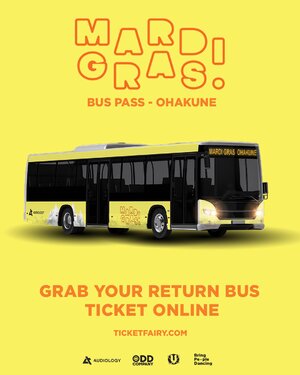
Ohakune’s calendar is full of local festivals and community events. In winter the town throws the Ohakune Mountain Mardi Gras (usually late June), a big one-night party with DJs, snow-themed parades and après-ski revelry in the Ohakune Junction area . Late May brings the annual Ohakune Carrot Carnival – a family-friendly day with music, carrot-themed games, food stalls and performances . Another highlight is the Ohakune Junction Winterfest (late August/early September), featuring live music, film screenings, art exhibitions and quirky parties across multiple downtown venues . Beyond festivals, the community hosts a weekly Mangawhero River Walk parkrun (a free 5 km run through native forest) , plus mountain-bike and trail-running events in the Ruapehu region. Local bars and cafés often have live music nights, quiz nights or DJ sets, especially on weekends. Although Ohakune is a small town, its vibrant event schedule means there’s often something happening – from farmers’ markets and hot rod shows in summer to ski racing and muck-about competitions in winter.
Getting There and Parking
Ohakune lies just off State Highway 1, about 292 km south of Auckland and 287 km north of Wellington . By car it’s roughly a 3½–4 hour drive from either city. Regular InterCity buses run to Ohakune from major centres (Auckland, Wellington, Taupō, etc.), with the main stop at the town’s visitor centre on Clyde Street. There is no regular passenger train service (the railway through Ohakune now carries only freight), so visitors rely on road. The nearest airports are at Taupō or Palmerston North (both just over 100 km away), with connecting coach or rental car options. Once in town, parking is generally easy: most street parking in the town centre is unrestricted or short-term free (check signs), and several public car parks are available near shops, the sports fields and the railway station. In winter, large free lots at the ski lifts (Turoa side) and at Ohakune Station handle hundreds of cars. If coming by taxi or shuttle, Ohakune has a few local taxi operators (book ahead in busy seasons), but rideshare services are very limited. The town is compact enough that many visitors simply park once and walk to the nearby shops and cafes.
Nearby Amenities
Restaurants & Cafes: Ohakune has a surprising variety of eateries for its size. Along Clyde and Goldfinch Streets you’ll find cozy cafes and takeaways – everything from gourmet bagels and local pies to Asian cuisines (e.g. Thai and Indian restaurants) and pizza parlours. Family-friendly pubs like the Top Pub and big-v’s 330 serve Kiwi comfort food, and the Powderkeg offers bar snacks alongside its nightclub menu. For quick bites, be sure to try the famed hot bagels or grab a breakfast roll at a bakery. Bars & Nightlife: Night owls can dance at the Powderkeg nightclub or enjoy craft beers and cocktails at bars like the Mandarin Lounge or the Twilight Lodge. The Ohakune Tavern and The Upstairs Bar host live music (often free entry) on weekends. Most bars serve meals too, and lively après-ski gatherings are common in winter evenings.Shops & Services: The main supermarket is New World on Goldfinch Street (also the local grocery/dairy), and there’s a 24-hour Foodmart with petrol just outside town. A few smaller convenience and liquor stores dot Clyde Street. Ohakune has sports shops renting skis/bikes (especially in winter), a pharmacy, a general clinic, and basic hardware/outdoor gear shops. Free public toilets are located near the i-SITE and on Goldfinch Street. Cyclists and hikers should pause at the Visitor Centre when arriving; it has maps, wifi and helpful advice.Accommodation: Several motels, lodges and hotels line Goldfinch Street (including the historic Kings Ohakune and Ruapehu Motels) and nearby Goldfinch Street. There’s also a gooey hostel (Brew Union Backpackers) and a holiday park on the edge of town. In winter these book up fast, so advance reservation is wise. The Ohakune i-SITE (54 Clyde St) doubles as a small tourism information center, offering traveler advice and local brochures.Other Facilities: Ohakune has a well-regarded i-SITE visitor centre (with tourism desk and free Wi-Fi), the community library, and a multi-sports complex with gym and pools. Fuel stations (unleaded, diesel, LPG) are on the outskirts. Emergency services include a local medical clinic and volunteer fire and ambulance. Larger hospital facilities are in nearby towns (Waiouru or Whanganui) if needed.
What Makes This Venue Special
Ohakune’s charm comes from its blend of spectacular natural setting, quirky character and warm hospitality. The towering snow-capped peaks of Mt Ruapehu frame the town, and autumnal forests and starry winter skies are everyday sights. But people most associate Ohakune with its giant orange carrot – a 6-meter-tall roadside statue celebrating the area’s carrot-farming past – and the adjacent Carrot Adventure Park where children & families can play with giant fibreglass veggie figures . This playful, down-to-earth spirit carries over into town life: local events often have tongue-in-cheek or retro themes, and even visiting YouTubers have built a rocket-shaped carrot for the park. Architecturally, the town has historic charms too: the old wooden Ohakune railway station (now a cafe/visitor stop) and a century-old church offer a glimpse of the past. Above all, many visitors say Ohakune is loved for its friendly “small-town” vibe – locals ask how your day was and ski-lifters know your name
461
Visitor Tips and Information
Accessibility: Ohakune’s main streets are flat and mostly easy to navigate, but some venues (older theaters, bars or cafes) have steps or tight doorways. We recommend checking ahead if mobility access is a concern. The Carrot Adventure playground has wide ramps and rest spots. Public restrooms in town include at the i-SITE (with all-gender facilities) and near the sports grounds.Weather & Clothing: The weather can be highly changeable. Winters (June–September) are snowy and cold – bring a warm parka, thermal layers, waterproof boots and gloves. Summertime days can reach 20–25°C, but evenings stay cool (often down to 5–10°C), so pack a jacket. Sunburn is a hazard on sunny days, even in winter (snow glare); always use sunscreen, sunglasses and a hat. Check Mt Ruapehu’s volcanic alert and weather before hiking – conditions on the mountain can differ from the valley.What to Bring: Carry refillable water bottles (tap water is drinkable) and snacks if hiking or attending long events. Bring a valid ID (driver’s license or passport) – New Zealand law enforces an 18+ age limit at bars, and ID may be checked. Also remember insect repellent in summer (sandflies may be found in shaded wooded areas) and a first-aid kit for outdoor adventures. If visiting in snow season, bring tire chains or ensure your rental is snow-capable. Arrival and Parking: During festivals or ski-season weekends, town parking fills up early; plan to arrive 30–60 minutes before your event and allow extra travel time in winter road conditions. Always fill up your gas tank before leaving town – the next remote fuel is often many tens of kilometers away on mountain roads. Out-of-town drivers should drive carefully on rural roads and watch for wildlife (possums and goats) crossing at night.Local Customs: Ohakune people are famously friendly: expect a warm “kia ora” greeting. Tipping in New Zealand is appreciated but not expected (service is paid via wages). It’s normal to queue politely at bars or checkout. Dress codes are very relaxed – ski gear, hoodies and beanies are common in town. If patrons get too loud or “munted” (very drunk), locals will simply show them out – rowdy behavior is rare in Ohakune.Health and Safety: Mobile phone coverage is good in the township (checkout the free Wi-Fi at the i-SITE or many cafes), but may drop out in remote ski/track areas. The nearest hospital is in Whanganui or Turangi; for emergencies there’s a local clinic and a volunteer ambulance station in town. Always tell someone your plans if heading into the bush or mountains, and follow New Zealand’s outdoor safety advice (carry a map/compass or GPS, warm emergency gear, and check in at DOC huts).
Frequently Asked Questions
What is Ohakune known for?
Ohakune is best known as a gateway to Mt Ruapehu’s ski fields and the Tongariro Alpine Crossing trail. It’s affectionately called NZ’s Carrot Capital , celebrated by the giant roadside carrot statue. The town also has a quirky carrot-themed park, lively seasonal festivals, cozy cafes and friendly pubs. Visitors come for the mountain scenery and small-town charm.
What is the Ohakune carrot statue and where is it?
The famous carrot statue is a 6-metre-tall bright orange fiberglass sculpture marking Ohakune’s identity. It was installed at the edge of town on State Highway 1 in 1984 to honour the area’s rich carrot-growing heritage. You can easily spot it on the way into Ohakune – it’s lit up at night and has become a popular photo stop and local landmark.
When is the best time to visit Ohakune?
It depends on your interests. Winter (June–August) is prime ski season on nearby Mt Ruapehu: snow is abundant and après-ski life is vibrant (with events like Mardi Gras). Summer (December–March) offers warm weather for hiking, mountain biking and road cycling (the famous Tongariro Crossing is open). Spring (Oct–Nov) has wildflowers and fewer crowds. May–June brings the quirky Carrot Carnival, while late June has the Mardi Gras winter party. Keep an eye on the events calendar and book in advance for peak ski holidays.
How do I get to Ohakune via public transport?
The main public transportation is by long-distance bus. InterCity coaches run daily routes through North Island that stop in Ohakune (ask for the town stop at Clyde Street). There’s no regular passenger train service. If flying, the nearest airports are at Taupo or Palmerston North (~100–120km away) – from there you’d need to take a bus or hire a car. Once in town, the streets are very walkable, but you can catch local shuttle buses up to the skifields in winter (Ruapehu Explorer bus) or taxis by pre-arrangement.
Is there parking available in Ohakune, and is it free?
Yes – most street parking in central Ohakune is free or time-limited (check the kerbside signs for any restrictions). There are also several free public car parks downtown. During busy periods (ski season, events) these can fill up by early day, so arriving early is wise. For skiers, large free parking areas are provided at the Ohakune Station and at the Ruapehu Alpine skifield base. Just be mindful of any "no parking" zones, snow-clearing routes in winter, and overnight parking rules (the main town streets allow overnight parking unless otherwise posted).
What outdoor activities or attractions are near Ohakune?
Ohakune is a hub for outdoor adventure. The most famous trip is the Tongariro Alpine Crossing (about 1 hr drive). Closer to town, you can bike or hike the Mangawhero River Pathway and Old Coach Road (a scenic WWII-era trail). In winter you can ski or snowboard on Mt Ruapehu (both Turoa and Whakapapa ski areas are accessible by road). Mountain biking trails, tramping tracks, fishing lakes (Kinder Stream, Ngaurahoe Lakes) and even horse-trekking are all within an hour. The town’s Carrot Adventure Park and local markets are good family activities too.
Are there ATMs and banks in Ohakune?
Yes. Ohakune has a couple of bank branches and ATMs in the town centre. There is an ANZ and a Kiwibank on Clyde Street (near the i-SITE) where visitors can withdraw cash. Most larger shops and restaurants accept credit/debit cards, but it’s handy to have some cash for small vendors and parts of town. The New World supermarket also has an EFTPOS machine for cash-out. Note: ATMs may charge a fee for foreign cards.
Are dogs allowed on hiking trails around Ohakune?
Dogs on leash are allowed on many local walking tracks (for example, Old Coach Road, the Mangawhero River Walk and tracks within the Tongariro Forest). However, dogs are not permitted on the Tongariro Alpine Crossing in the National Park. When hiking anywhere near farms, keep dogs leashed and away from livestock. It’s always best to carry dog nibbles and a lead, and to check DOC (Department of Conservation) signage in case of any restrictions.
Where can I rent skiing or snowboarding equipment in Ohakune?
Ohakune has several ski-and-snowboard rental shops, mainly located on Clyde Street. These rental outlets offer a range of winter gear (skis, snowboards, boots, poles, helmets) at daily or weekly rates. You can also find rental services at the base of Turoa skifield, but it’s often cheaper to rent in town. In warmer seasons, some shops (or bike centres nearby) rent mountain bikes instead. It’s advisable to book gear online or by phone in advance during peak winter, especially weekends.
What are the dining and nightlife options in Ohakune?
For a town its size, Ohakune offers a wide variety of eating and drinking spots. There are casual cafes and bakeries for breakfast and lunch, along with ethnic eateries (Thai, Indian) and fast-food style outlets for dinner. Pub grub is popular – many visitors love the local fish & chips, burgers and hearty Kiwi fare. Pubs and bars often have live music or sports on TV; the Powderkeg nightclub is the main late-night venue (weekends only). Most places have a relaxed dress code (ski gear all day) and many are open nightly in winter and at least Friday–Sunday otherwise. Reservations are recommended for weekend dinners or during festival periods.
What should I wear or bring when visiting Ohakune in winter?
Winter weather in Ohakune can be very cold and snowy. You should pack warm layers – thermals, wool or fleece tops, a down or insulated jacket, and windproof/waterproof outerwear. Good snow boots (or warm hiking boots) and gloves, a hat and scarf are essential. Even if you’re not skiing, roads and walkways can be icy; grip soles or ice cleats for your shoes are a good idea. Don’t forget sunglasses (snow glare is intense) and sunscreen. If you plan outdoor activities, a daypack with snacks, water, a map and a basic first-aid kit is recommended.
Are the shops and restaurants open evenings and weekends?
Yes, many cafes, restaurants and shops in Ohakune stay open late on weekends. Supermarkets and larger stores generally open daily (some from 7 am to 9 pm). Pubs and restaurants are busiest Thurs–Sun nights; outside of peak ski season some eateries may close earlier or stay closed on Mondays. If you need something specific (for example, outdoor gear or specialty food), it’s wise to check online or call ahead as hours can vary. The i-SITE and grocery store can usually point you to any 24-hour services (like petrol stations).
Is there mobile phone reception and internet in Ohakune?
Cell phone coverage in Ohakune township is very good (virtually all carriers work downtown). Free Wi-Fi is available at the i-SITE Visitor Centre and some cafes and hotels. However, if you head up into the mountains, reception can get patchy. Many trails and skifields have no signal or limited 3G. If you rely on data, consider getting a local SIM or checking with your provider about coverage. Emergency services and local police maintain radio communication across the region.
Which larger towns or cities are near Ohakune?
Ohakune is fairly remote, but several larger centers are within driving distance. Whanganui is about 70 km to the west, Tongariro National Park Village is 23 km north, and Taupō is about 100 km east. Palmerston North lies ~140 km southwest (roughly a 2-hour drive). In practice, most travelers connect through Taupō or Palmerston North for air travel and then drive or bus. For a big city experience (malls, hospitals), Wellington is about 3.5 hours south via highway 4 and 49.
What emergency or health facilities are available in Ohakune?
Ohakune has basic medical facilities: a small urgent care clinic and an ambulance service staffed by volunteers. There is no hospital in town, so serious emergencies are airlifted or driven to the nearest hospital (in Whanganui or Turangi). Local pharmacies can fill prescriptions and offer over-the-counter remedies. The local police station and volunteer fire brigade handle public safety. All businesses display emergency exit info; if in doubt, dial 111 for any emergency (ambulance, fire or police).
Is there a bus or shuttle service from Ohakune to the skifields?
Yes – during the ski season there is a dedicated shuttle bus (called the “Ruapehu Explorer” or similar) that runs between Ohakune town and the skifield entrances (Turoa and Whakapapa). Check the schedule as it usually aligns with early-morning and late-afternoon peak ski times. Outside of these shuttles, some hotels may offer ski packages with transport, or you can hire a taxi. Many local skiers simply drive themselves or carpool using winter equipment.
Is there free Wi-Fi available in Ohakune?
Several places in Ohakune offer complimentary Wi-Fi. The i-SITE visitor centre has free public Wi-Fi in its lobby area. Many cafes and restaurants also provide free internet to customers; just ask for the password. Some accommodations (hotels, hostels) include Wi-Fi in the room rate. Keep in mind that bandwidth can be limited in winter when many visitors are online, so it’s mostly suitable for browsing and email rather than video streaming.
Do roads to Ohakune ever close due to snow, and should I carry chains?
Ohakune is on State Highway 1, which is a high priority road, so closures are relatively rare and crews usually clear snow quickly. However, heavy snowfalls or blizzards can temporarily close the highway or require the use of snow chains. In winter months, carrying snow chains (and knowing how to fit them) is recommended if you’re driving yourself. Always check the latest road condition reports (NZ Transport Agency website or radio traffic updates) before traveling. If you’re not comfortable driving in snow, consider taking a coach, which is equipped and experienced in winter mountain conditions.