About Black Spot Studios
Black Spot Studios is a large industrial-style music and events venue tucked in Onehunga, a vibrant suburb of Auckland (Tāmaki Makaurau). Housed in a converted warehouse/studio, it features high ceilings, darkened walls and a raw, black-box feel. What makes it notable is its focus on club and electronic music dance nights, catering to genres often underrepresented in Auckland’s main venues. The space has become one of Auckland’s key live-music venues outside the central city . Promoters have praised Black Spot for championing diverse genres and audiences. In particular, it’s known for featuring DJs and electronic acts with programming that attracts a wide mix of club-goers, including Māori, Pacific Island and LGBTQ+ communities . Despite being relatively new on the scene, Black Spot quickly earned a reputation for its “good vibes” atmosphere and safe, all-inclusive policy – one promoter even notes their motto, “we can’t relax until you do,” to ensure a supportive environment . In short, Black Spot Studios is a mid-sized, cutting-edge live music space that put Onehunga on the map for electronic concerts and dance parties.
Events and Programming
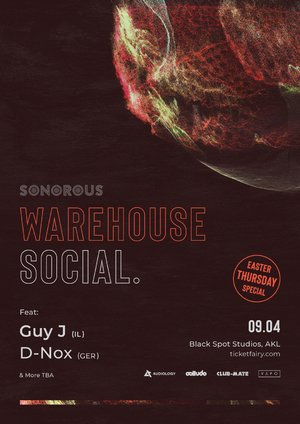
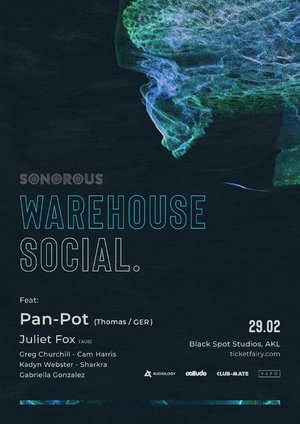
Black Spot typically hosts electronic-music events, dance parties and late-night club nights. Expect genres like techno, house, drum’n’bass, hip-hop and experimental beats. Local and international DJs and producers often headline the bill. For example, past bookings have included tech-house stars like Guy J and D-Nox, bringing in audiences from all around Auckland. Many nights are billed as “warehouse socials” or label showcases, often spanning multiple rooms. Promoters such as Sonorous and Friendly Potential have used the large open floor and sound system for full-scale two-room parties. Events are usually on weekend evenings (Fridays and Saturdays) or select themed nights. Shows are generally loud and high-energy – bring ear protection if you are sensitive to loud bass.
Ticket prices at Black Spot are moderate. Local club events typically range from about NZ$20 up to $40. Occasionally special guests or all-night festivals may charge more, but the average ticket is under $50. Some nights are all-ages (children welcome with guardians) while others are 18+ or 21+ depending on whether alcohol is served. Drinks (beer, wine, cocktails, as well as non-alcoholic options) are available on site at the bar. Many events also feature visual art, VJ light shows or themed décor to enhance the industrial warehouse vibe.
Tickets and Booking
Tickets for Black Spot events are sold online through ticketing platforms and the venue’s social media pages. There is no on-site box office for advance purchase – you should book online or via official promoter sites (often through Facebook event links or presales via email lists). Popular shows sometimes sell out, so it’s best to buy early. Solo promoters frequently run presales via Eventbrite or Ticketfairy, and larger parties might also offer VIP presales. Since Black Spot is in high demand for electronic shows, we recommend signing up for the venue’s or promoters’ mailing lists and following their social media for announcements. If a show doesn’t sell out, a limited number of tickets are usually available at the door on the night (cash or card can be used), but arrive early to avoid missing out.
General admission is the norm, so tickets are usually unassigned. Some ticket tiers (often labeled “VIP” or “Limited Earlybird”) may guarantee faster entry lines or access to a small roped-off area, but there are no assigned seats. Prices are usually tiered by availability (earlybird discounts vs general price). Shops or sections are not labeled, so choose the ticket level at checkout for pricing, then enter through the main door when it opens (usually an hour or two before showtime). Door opening times and age restrictions are listed on each event’s details page. Remember that events often start late (many after 9pm), and last till early morning.
Seating and Layout
The interior is largely open and flat-floor. There are no fixed theatre seats or balconies – most guests stand on the dance floor. If the event is sold as general admission, first-come guests can stand near the front row by the stage or DJ booth for the best sound. Otherwise, any spot on the floor is fine. Black Spot sometimes uses two separate rooms or areas: one main room for big-headliners and a smaller adjoining room for local DJs or chill-out energies. Acoustic separation between rooms is partial; loud music from one side can bleed next door. The venue’s high ceilings and large metal structure can make acoustics resonate, giving a lively club sound. However it can also echo, so standing closer to the DJ booth often gives clearer audio.
There may be a small elevated stage or booth for DJs, and sometimes a few stools or benches along the walls. A few high-top tables or lean bars might be set up at the edges. There is no “bad view” area since there’s no fixed seating – just move around on the dance floor. If you prefer a break from dancing, each room usually has a side area or corridor just outside where you can step away from the crowd while still hearing the music. If multiple rooms are used, both typically have similar line-of-sight and acoustic quality. For VIP ticket holders or groups, some events may reserve a simple guest list or curtained area near the bar, but this is rare.
Getting There and Parking
Black Spot Studios is located in Onehunga’s industrial zone – roughly a 5–10 minute walk west of Onehunga Mall (the main shopping street). Exact address details should come from event adverts, but plan for it to be accessible via the motorway and major roads. By car, Onehunga is connected to the Southern Motorway (SH 20); you can take the Onehunga/Queenstown Road exit and follow signs into the suburb. Once in Onehunga, street parking is available, but note that many kerbside spaces have time limits (usually 2 hours free on mall side or short paid parking in nearby streets). In practice, visitors often park in one of the nearby car parks or side streets. A popular option is Dress Smart (the large outlet mall on Dress-Smart Drive) which offers hundreds of free parking spaces all evening – it’s about a 5–10 minute walk to Black Spot. Another option is the council-run Onehunga station car park (on Atkinson Avenue by Onehunga train station), which also has free 2-hour parking, though you must move your car after 2 hours or pay. Alternatively, ride-sharing drop-offs/pick-ups can be arranged on Upper Onehunga Mall or Waller Street, which are the nearest main roads to the venue entrance.
Public transport is a convenient way to reach Onehunga. The Onehunga Line train runs from Britomart and the CBD to Onehunga Station (travel time ~20 minutes) – the station is just west of the mall, and about a 10-minute walk to Black Spot through the suburb. Multiple Auckland Transport buses also serve Onehunga Mall (for example routes along Great South Road or via Mangere Town Centre). Check AT’s Journey Planner for up-to-date routes. After events end late, the last trains and buses may have finished, so plan your return trip in advance. Taxis and rideshares (Uber, Ola, etc.) are common at closing time. New Zealand travellers often refer to rideshares as “rides” or “the Uber”.
Inside the Venue
When you arrive, you’ll typically queue at the single main entrance door. A host or staff member will scan your ticket (e-ticket or printed) from ID, check age (if 18+ requirement), and possibly do a quick security frisk or bag check. Large backpacks, food and drink from outside, and certain objects (like professional cameras or selfie sticks) are usually not allowed. Dress codes are casual – think club-night gear (t-shirts, jeans, sneakers or boots). Bring a jacket or coat, but often there is a coat check service (for a small fee) or space by the entry to leave jackets and bags. Inside, you’ll find a general admission hall with polished concrete floors, dim lighting, and a stage and DJ booth against one wall. Moving around is free and unrestricted once inside.
Security staff are visible during events to maintain safety, and the promoters pride themselves on a respectful crowd atmosphere. The venue is generally welcoming: you’ll see a diverse mix of clubbers, and the team is known for inclusivity. Photographs and smartphone videos are usually tolerated (Social media culture) as long as you’re not obstructing others. Several food trucks or local takeaway options may sometimes park outside for big events, but Black Spot itself does not have an on-site kitchen – plan to eat beforehand or at nearby restaurants. Inside, there is at least one bar serving alcoholic and non-alcoholic drinks (beer, cider, soft drinks, etc.). Some events might offer limited snack options (chips, nuts) at the bar, but nothing formal like a cafe.
Wear comfortable shoes for dancing and standing. Restrooms are located to the side of the venue (typically one men’s and one women’s, plus an accessible toilet). Because it’s a warehouse space, the temperature can get warm and humid when the dance floor fills up, so dress in layers. Wi-Fi is generally not provided at warehouse nightclubs; plan to use your own mobile data if needed. (Mobile coverage in Onehunga is usually strong, but large crowds can slow data speeds.)
Nearby Amenities
Onehunga Mall (a short walk north) has a range of restaurants and bars for pre- or post-show dining and drinks. You’ll find cafes like Amandine (desserts and coffee), Festival Superette (multicultural shares menu), local Indian and Nepalese eateries, burger joints and bakeries. For drinks, popular spots include Arthur’s Bar & Grill and Onehunga Ale House – laid-back pubs where locals hang out. If you prefer something upscale, Onehunga also has a few wine bars and cocktail lounges near the mall. Dress Smart shopping centre (on Upper Onehunga Road) is about 5–10 minutes walk and has fast-food chains (Grill’d, Hell Pizza, Subway) plus sit-down options like KFC or coffee shops. Supermarkets (Countdown, New World) are also nearby if you need to grab snacks or water.
When to arrive depends on the event. For headliner DJs, crowds often start queuing at doors 30–60 minutes before showtime (doors typically open 8–9pm). If you want a prime spot on the dance floor, early arrival is advised. Otherwise, arriving just a few songs into the first set is usually fine. Plan your dinner or pre-show gathering with time – note that on Friday/Saturday nights, let's say arriving by 8pm is common.
After the show, late-night transport can be a concern. There are often very late or 24-hour buses along Great South Road or SH20 (the NiteRider network). If public transit isn’t running, rideshares or taxis are the best bet. Onehunga’s city-center location means many pick-ups will be at nearby Upper Onehunga Mall or at the petrol station by Onehunga Mall.
What Makes This Venue Special
What sets Black Spot Studios apart is its underground, warehouse-club personality and its focus on community-inclusive, cutting-edge music. It brought a new energy to Onehunga’s art scene by converting raw industrial space into an experimental performance hub. For many Aucklanders, it was one of the first places outside the city centre to focus on electronic and dance genres on a large scale . The mix of audiences – from Latin DJs to indigenous Māori hip-hop, from techno enthusiasts to anyone just wanting to dance – gives it a unique flavour. The décor is deliberately minimal: black walls, neon LED strips and industrial trusses, creating an edgy studio vibe that foregrounds the light and sound production. Ever-growing graffiti and street-art murals have been added in the laneways nearby, contributing to the local “creative quarter” feel of Onehunga.
A historic “first” for Onehunga is that Black Spot helped prove large-scale nightlife could thrive outside downtown. It complements nearby cultural spots like the Factory Theatre and Dolphin Theatre by providing music rather than stage shows. Legendary party moments include sold-out warehouse raves and surprise guest sets. Many users say they love Black Spot simply because it feels authentic and DIY – it’s a place where up-and-coming local DJs share nights with touring acts, and the crowd is as diverse as Auckland’s population. Importantly, promoters here emphasize diversity of both artists and audience. The venue’s reputation for safe, respectful events has attracted fans of every background . In that way, Black Spot has become a treasured piece of Onehunga’s cultural landscape – a black spot on the map where great music and good vibes converge in Auckland’s south.
Visitor Tips and Information
Accessibility: The venue is mostly one level with a flat floor, so a rolling wheelchair can enter easily when the doors are open. There is usually at least one accessible toilet. Note that it is an active club environment (dark, loud music, flashing lights). If you have mobility needs, email the promoter in advance to check on specific accommodations (they often can reserve an easy-entry spot near the door).Age & ID: Some events are all-ages (anything goes), but most club nights are 18+ or 21+ if alcohol is served. Always bring your photo ID (driver’s licence or passport) as name checking is common at entry.What to Bring: Valid ticket/email confirmation, ID, and money or card for drinks and any merch. A small bag is okay, but expect security to search it. Don’t bring outside food/drinks. If you wear long coats or carry backpacks, be aware that coat check may cost a couple of dollars, or you may need to hang things near the entrance.Dress Code: Casual club clothes are perfect – jeans/shorts with comfortable shoes (dance-friendly). It can get hot inside, so lighter layers are good. Hats and hoods are OK but avoid blocking others’ view of performers. Rain gear might be needed only if Auckland weather misbehaves on your way to/from the venue.Conduct: Promoters emphasize a friendly, respectful vibe. Harassment or disruptive behavior will get you thrown out. “Consent and good vibes” is a core part of the Black Spot ethos. Look out for security staff if you need help. The venue usually enforces local smoking/drug laws ─ only smoking permitted outside official areas.Photography: Casual photos on your phone are fine and encouraged (it’s all black box ambiance). But remember it’s a live event: don’t use flash, don’t block crowd shots with a tripod, and no video recordings of the full show for personal use. Professional filming or photography requires prior permission.Cashless Tips: Bars accept card, but lineups at closing time may be shorter if you have cash ready. ATMs are not inside the venue (and may charge a fee), so get cash beforehand if needed.Weather Policy: All events are indoors, so weather won’t cancel a show. On rainy nights, leave extra time for travel as Onehunga Mall streets can get busy. After a show, streets are usually safe and lit, but always travel with friends or in official transport.Stay Energized: Plan to eat before the show – nights can run late and the dance floor is demanding! There are nearby takeout and delivery options if it’s a long haul. Also, keep hydrated with water between drinks on the dance floor.Insider Tip: Black Spot often shares zip files of a club mix or mini DJ sets after events. Check the venue’s Facebook page for post-show clips or setlists if you want to relive a set or discover new artists. Also, remember Carparks at Onehunga and DressSmart can fill up – on busy nights it helps to arrive early or choose a bus/train. And if the line looks long, vendors sell drinks right up to closing time, so sometimes arriving late still gets you inside.
Frequently Asked Questions
How many people can Black Spot Studios hold (capacity)?
Black Spot Studios is a mid-sized venue. It doesn’t publish an official number, but expect a few hundred people at full capacity. It’s larger than a small club but smaller than an arena – enough for a big dance party yet intimate compared to stadium gigs.
Is seating available, or is it standing-only?
Almost all shows at Black Spot are general admission standing. There may be a few benches or high tables at the periphery, but expect to dance or stand. No reserved seats are sold. If you need to sit, you can perch on a side bench or step outside the main area. For VIP or special events, a small roped-off area may be offered, but normally it’s a dance-floor experience.
How do I buy tickets and when do they go on sale?
Tickets are sold online through each event’s promoter. Watch social media (Facebook, Instagram) and subscribe to mailing lists for sale announcements. For most shows, tickets go on sale a few weeks in advance. Early-bird or presale tickets may appear first, followed by general sales. For popular DJs night, ticket sellers advise getting them early as prices can rise or sell out closer to the date.
Are tickets cheaper at the door or online?
Usually, online advance tickets are the cheapest. Weekend parties often have tiered pricing: earlybirds, general admission, and last-minute door price. Door price (if you can buy at the venue) is often the highest tier. To save money and guarantee entry, purchase online before the show. Sometimes a small fee is added for online services, but door sales often cost more.
Where exactly is Black Spot Studios in Onehunga?
The venue is in Onehunga’s western industrial area. It’s a short walk from Onehunga Mall or Dress Smart. A typical address will be something like [Street Name], Onehunga, Auckland – check your ticket or event page for specifics. Look for a nondescript warehouse building (often with the name 'Black Spot' on it or posters outside).
What parking options are nearby and how much do they cost?
On-street parking around Onehunga Mall is often free for 1-2 hours (watch the yellow lines and signs), but spaces are limited late at night. Dress Smart outlet mall has a large free car park (after 6pm it’s free all night) about a 200–300m walk away. The Onehunga Train Station car park also offers 2 hours free; just pay attention to time limits. Avoid leaving cars in private driveways or no-parking zones to prevent fines.
How do I get to Black Spot by public transport?
Take the Onehunga Line train to Onehunga Station – it’s about a 10-minute walk west from the station to the venue. Multiple bus routes on Great South Road and Onehunga Mall stop near the suburb (routes like 66, 295 and others depending on the current network). The venue is also reasonably close to City Link bus services. Plan your journey via Auckland Transport’s journey planner for the latest schedules. After the show, the last train and bus can be as early as 11pm, so arrange a ride-share or taxi if needed.
Is Black Spot Studios wheelchair accessible?
Yes, most of the venue is on ground level and there are no stairs to reach the main floor. Wheelchair users can enter when doors open and mingle with the crowd. There should be an accessible toilet on site. However, it is an active club environment (dark, crowded). If accessibility is a concern, email the event organiser ahead of time to reserve an entry spot; staff are generally helpful toward reasonable needs.
What items are not allowed inside?
Standard safety policies apply. Don’t bring outside alcohol or food, large umbrellas, weapons, or professional camera equipment without permission. Backpacks and handbags will usually be searched. Smoking (tobacco or vape) is only allowed off premises; anyone found with illegal drugs will be ejected. There is typically a coat check service (check-in for a small fee), so once inside coats and bags can be stored securely.
Are there age restrictions or IDs required?
Most ticketed events at Black Spot require you to be 18+ (for late alcohol-fuelled parties). Sometimes “all ages” or 16+ nights happen; these are clearly labeled on tickets. Either way, carry a valid photo ID (NZ driver’s licence or passport). Even at all-ages shows, 15+ or 16+ without adult might be the norm. If it’s an 18+ night, expect strict ID checking at the door.
What food and drink are available inside?
Inside there is usually a bar serving alcoholic drinks (beer, cider, wine, spirits) and non-alcoholic beverages (soda, water, energy drinks). There may be snacks like chips or candy on sale at the bar during some events. Full food meals are not served, but sometimes promoters arrange a food truck outside (tacos, pizza, etc.) for special events. If you need a meal, it’s best to eat before arriving or grab takeout from nearby eateries.
Is there a coat check or lockers?
Yes, a coat and small bag check is typically available for a couple of dollars per item. Staff will give you a numbered ticket for your belongings. If no formal check service is offered for an event, just hang coats on available racks or keep bags by the door, as the space is enclosed.
When should I arrive to avoid missing the show?
Doors often open an hour before the advertised show time. If you want a spot up front, getting there early (30–45 minutes before doors) helps. If you have general admission and don’t mind being a bit back, arriving right when doors open is usually fine. Note: if the DJ starts at 10pm and doors open at 9pm, you can safely show up around 9:15-9:30pm. On sold-out nights, it’s safer to arrive right at opening to get in line.