About Portland
Portland, Oregon – the “City of Roses” – is Oregon’s largest city and a cultural hub of the Pacific Northwest. Nestled at the meeting of the Willamette and Columbia rivers with dramatic views of Mount Hood to the east, Portland combines lush natural scenery with a vibrant urban arts scene. The city’s early commitment to the arts is legendary: Portlanders built their first municipal performance venue in 1917 (www.portland5.com ) and later opened the historic Publix (Paramount) Theatre in the 1920s. Today Portland’s Cultural District (around SW Broadway and Sixth Avenue) still pulses with activity, anchored by beloved theaters like the Arlene Schnitzer Concert Hall and Keller Auditorium (www.portland.gov ).
These signature venues – some renovated from early-20th-century landmarks – underscore Portland’s unique character. For example, the ornate Arlene Schnitzer Concert Hall (originally built in 1928 and carefully restored) now hosts symphonies, concerts and lectures (www.portland.gov ). In 2023 Portland’5 (which includes the Schnitz, Keller, and several theatres at Antoinette Hatfield Hall) brought over 700 performances to the city (www.portland.gov ). The concert halls are complemented by major sports and entertainment venues. Moda Center (opened 1995, originally the Rose Garden) seats over 19,000 for basketball and concerts and is a prominent part of Portland’s skyline (www.portland.gov ) (www.portland.gov ). Nearby Providence Park (built in 1926 and multi- purpose since then) is Portland’s primary outdoor stadium and was expanded to hold about 25,200 spectators in 2019 (www.portland.gov ) (www.portland.gov ). The Portland Convention Center offers 255,000 sq.ft. of exhibit space – LEED Platinum certified with solar panels – making it one of the country’s greenest event centers (www.travelportland.com ) (www.travelportland.com ).
This blend of history and innovation makes Portland special. The arts are woven into daily life: Portland’s theater façades and murals, world-class independent bookstores and street-cart cuisine reflect an eclectic, creative spirit. The population of roughly 650,000 calls the Rose City home among 2.3 million in the metro area, and tens of thousands of visitors attend shows and events each year. In fact, Portland’s venues (including theaters, stadiums and zoo) contribute substantially to the local economy. For example, Portland’5’s five downtown theaters drew 928,000 attendees in one year and generated roughly $93.4 million in spending (www.oregonmetro.gov ). That local passion is historic: in the 1970s, citizens rallied to save the downtown Paramount Theatre from demolition (raising funds to preserve its iconic “Surprise” statue) (www.portland5.com ). Portland’s cultural scene — from indie music clubs and farmers markets to major concerts and symphony orchestras — truly earned the city its reputation as a vibrant arts community and a tourism draw.
Events and Programming
Portland offers year-round entertainment. Major annual fixtures include performances by the Oregon Symphony (regular concerts at the Schnitzer Concert Hall), touring Broadway shows and large-venue concerts at Keller Auditorium, and headliner rock or pop acts in places like Moda Center. The city’s own bands (e.g. indie rock and the internationally known jazz-pop group Pink Martini) and comedy acts also play frequently in theaters and clubs. Portland’5 schedules hundreds of music, dance and theater events each year – in 2023–24 it hosted about 789 performances drawing over 800,000 attendees (www.portland.gov ).
Sports events are a big part of Portland’s calendar. The Rose Quarter complex (Moda Center and the older Veterans Memorial Coliseum) is home to the NBA’s Portland Trail Blazers and the WHL junior hockey Portland Winterhawks (www.portland.gov ). Providence Park hosts the MLS Portland Timbers and NWSL Portland Thorns soccer teams, with the 2022-23 season alone including 41 Timbers/Thorns events (www.portland.gov ). (Soccer games often sell out its ~25,000 capacity (www.portland.gov ).) Beyond sports, Providence Park has also held major concerts, community events and even hot-air balloon shows in past years. Central Portland also sees outdoor festivals like the Portland Rose Festival each spring – featuring the more-than-115-year-old Grand Floral Parade of flower-bedecked floats (www.travelportland.com ) – along with streetfairs, film festivals, art carnivals and cultural celebrations nearly every weekend.
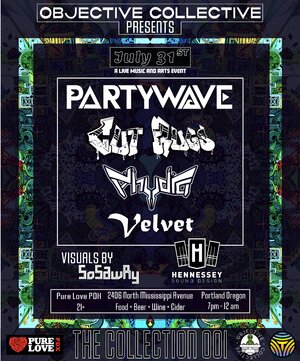
Smaller venues round out the options: intimate comedy clubs (e.g. Helium Comedy Club), music halls (such as Mississippi Studios on N. Mississippi Ave with a few hundred seats), and neighborhood theaters (like Hollywood Theatre) host up-and-coming acts and indie films. Many concerts and events take place outdoors in summer – from dockside music series at Tom McCall Waterfront Park to large summer concerts at McMenamins Edgefield (15 miles east) – and in winter the Oregon Zoo’s annual Winter Lights festival and holiday performances at churches and community halls add festive programming. In short, whatever your taste, Portland has events every week, with ticket prices ranging from free community shows and park concerts to professional sports or headliner concerts ($20–$50 for local acts; $50–$150 or more for major tours or games, depending on seats).
Tickets and Booking
Tickets for Portland events are sold via venue box offices and official outlets (in person or online); avoid unofficial sites. In most cases, tickets go on sale several months before a show. For popular concerts or Broadway tours, subscribing to the venue’s mailing list or the artist’s fan club often provides pre-sale opportunities before the general on-sale date. Season ticket packages or subscriptions are available for institutions like the Oregon Symphony or theater companies. Sports tickets can be bought through team box offices (for example, the Timbers/Thorns store at Providence Park or Blazers box office at Moda Center) or the teams’ official websites. Many local venues still offer telephone or in-person box office sales in addition to online purchases.
Pricing tiers vary by event: large arenas (Moda Center, Providence Park) and premium shows may range from under $20 for upper-level seats to hundreds of dollars floor/courtside (www.ticketsmarter.com ). For example, Trail Blazers tickets average about $150 with high-end seats costing much more (www.ticketsmarter.com ). Concerts by local or mid-level artists may start around $20–$40, whereas top-headliner tours or big musicals can be $60–$200+ depending on seating. Many venues offer a range of prices by section. Student, senior or group discounts are sometimes available, and Rush or lottery tickets are occasionally offered for reduced rates on the day of the show. Always check the venue’s own site or box office for exact pricing; beware of hidden fees on third-party listings. For last-minute shows, some theater box offices or venue websites will list day-of or “rush” seats if available. If an event is sold out, the venue may allow resale via verified exchanges as per local regulations.
Seating and Layout
Portland’s venues vary in layout. Concert halls and theaters (Keller, Schnitzer, Broadway theatres) have fixed seating with orchestra (main floor) and balcony levels. Best views are typically mid-orchestra or mezzanine center; upper rows may feel far from the stage. Keller Auditorium seats about 3,000 with a tall balcony, while the Schnitzer holds about 2,776 (split between orchestra and balcony) (www.orartswatch.org ) (arleneschnitzerconcerthall.net ). Both halls have raked seating so even back rows have a view. Theater maps (posted on venue websites) can help you avoid seats directly against side walls or those under overhangs.
Arena-style venues have bowl seating. Moda Center, for example, has a lower bowl surrounding the court and upper deck. Sideline sections generally offer the best sightlines, though rows at mid-depth of each level are comfortable. Field-level floor or pit areas (if sold) provide close-up vantage for concerts, often standing-room-only. Providence Park’s bowl is mostly sideline seating around a rectangular pitch; sideline seats near midfield are prime, corners can feel oblique, and endzone seats offer full-field views. For sold-out soccer games, many fans join “Timbers Army” sections in the north end; those areas have standing-only terraces and a very lively atmosphere. General admission (GA) areas occur mostly in outdoor concert parks or festival lawns in Portland; at such events, GA means arriving early for closer spots. VIP or premium boxes (e.g. suite levels at Moda Center) are available but generally by membership or group rental, not retail ticket purchase.
Getting There and Parking
Portland’s entertainment districts are well served by transit. Portland International Airport (PDX) is about 20 miles northeast of downtown and connects directly to the city via the TriMet MAX “Red Line” light rail (about 35–40 minutes to downtown). The city’s public transit system (TriMet) includes MAX light rail (Red, Blue, Green, Orange and Yellow lines), streetcar and buses. Most central venues are accessible by MAX: for instance, the Rose Quarter Transit Center (near Moda Center) is served by all MAX lines; Pioneer Courthouse Station (Downtown) is a block from the Schnitzer/Keller area. Streetcar routes (Downtown/NW and Central Loop lines) connect some downtown hotels, the Pearl District and the waterfront. Bus routes crisscross the city, and TriMet uses the Hop Fastpass system (tap-to-pay) with a $2.80 adult fare (day passes/weekly passes also available). If driving, note that downtown street parking is metered: roughly $3.00 per hour in the Central Business District (www.portland.gov ). Near Providence Park on game days an extra “event district” surcharge applies (about $5/hr) (www.portland.gov ). The Lloyd District (including the Convention Center) has about $1.80/hr parking in meters (www.portland.gov ). Many private garages and lots exist, but prices vary widely. Official Park-and-Ride lots on Portland’s outskirts (e.g. Gateway Transit Center, Merlo Station) are free or cheap and link to MAX lines for event-day transit. Rideshare and taxis are common: dedicated drop-off/pick-up zones are typically available near each venue’s main entrance (for example, at Moda Center or near Providence Park gates). Walking and biking are also popular – downtown is dense and walkable, and there are bike lanes to most arenas. (Bike racks are provided at major venues.)
Inside the Venue
Upon arrival, expect security screening (metal detectors and bag checks) at most Portland venues. The Portland’5 theaters and Concordia venues prohibit common items: no outside food or drink, weapons of any kind, or illicit substances (www.portlandconcerthall.com ). Small purses or clear bags are usually allowed, but large backpacks are often barred. Most venues do not provide bag storage; if you arrive with prohibited items, plan to leave them in your car. Photography and audio/video recording are generally banned at shows (www.portlandconcerthall.com ) – many venues have a “no cameras” or “no flash” policy to respect performers and lighting. Re-entry after exiting is typically not allowed, so keep your ticket safe and treat the venue as a single-entry event. (www.portlandconcerthall.com )
Inside, venues offer amenities for comfort. Concession stands and bars sell food, snacks and beverages; offerings often include Portland local products (craft beer, wine, coffee) as well as standard fare. For example, the Keller Café & Martini Bar on the first balcony of Keller Auditorium provides pre-show cocktails and light bites. Sporting venues have team concession brands plus local vendors. Most performances feature merchandise stands (T-shirts, programs, CDs) near lobby areas – touring concerts and sports events have official gear for sale. Coat checks (for a small fee) are available at larger theaters if you need to store a jacket or bag. Restrooms are plentiful, wheelchair-accessible and located near lobbies and concourses. Venues do not typically offer public Wi-Fi for guests (cellular coverage is usually sufficient); mobile ticketing apps often work, but it’s wise to screenshot or print tickets as a backup.
Nearby Amenities
Portland’s central layout makes dining and lodging convenient. Many restaurants, breweries and cafes are a short walk from major venues. Around the Schnitzer/Keller area (SW Broadway and 6th), pre-show favorites include the Heathman Hotel’s Tavern & Grill (Pacific Northwest cuisine) and casual spots on the transit mall, from brewpubs to Armenian or New American fare. Further north, Old Town/Chinatown has Asian restaurants and historic pubs. In the Pearl District (just west of downtown) are upscale eateries and chic bars. Near Moda Center and the Convention Center (Lloyd District) you’ll find hotels like the Hyatt Regency Portland at the Oregon Convention Center for convention-goers, and pub- style restaurants and food carts along 15th Avenue. Right by Providence Park on Morrison Street is PTFC Authentics (the Timbers/Thorns team store) and a row of taverns, pizza places and casual bars. Late-night neighborhoods include the Southwest and Southeast “Saturday Market” area on Burnside, or Division/Clinton street in SE, where food carts stay open late.
Portland boasts hotels to match all budgets. Downtown has high-end boutique and chain hotels near the theater district – for example, The Nines (luxury) and the Kimpton Hotel Vintage (stylish), as well as midrange inns and all-inclusive stays. Near the Rose Quarter you’ll find more limited lodging (some budget motels or tech-forward inns). The Convention Center area offers a large convention hotel (Hyatt Regency) and several national chains. Because downtown is compact, many visitors choose lodging in the core and walk or take the free Streetcar/Downtown Shuttle (Fareless Square) to venues.
What Makes This Venue Special
Portland stands out for combining rich arts traditions with a progressive, local flair. Its theaters and arenas aren’t just modern facilities – they are community institutions with stories. Arlene Schnitzer Hall is nicknamed “The Schnitz,” a lovingly restored grand auditorium with restored 1928 cast-stone facades (www.oregonmetro.gov ). Keller Auditorium, a 1950s-era reimagining of a 1917 civic hall, is known for its mid-century modern design and large stage. Both continue to host touring Broadway musicals, orchestras and performers who often remark on the loyal and enthusiastic Portland audiences. The city’s sports culture is similarly unique: the “Timbers Army” cheering section at Providence Park is famous for its passionate chants and tifo displays, creating an electric atmosphere unmatched in many MLS venues. Portland was also an early adopter of sustainability in venues – for example, the convention center’s massive solar array and water-saving design ties into the city’s “green” ethos.
Legends and local lore add color. Fans of alternative culture note traditions like “Keep Portland Weird,” the eclectic DIY scene and the prevalence of independent cinemas and bookstores. History buffs appreciate that the Paramount Theatre’s 1920s-era myth and architecture still echo in the Schnitz’s décor. Portland’s dining scene means artists and audiences often pair shows with excellent meals – it’s common to see the theater district buzzing with clients at local restaurants before and after performances. All these elements – historical venues, committed civic stewardship of the arts, and a fast-growing craft and cultural scene – make Portland’s live-performance experience special.
Visitor Tips and Information
Portland venues strive to be inclusive. All major performance spaces have ADA-compliant features: elevators, ramps and wheelchair seating (with companion seats) are reserved by request (www.portland5.com ). Courtesy wheelchairs are often available on loan from coat check, so patrons who need help walking from drop-off can arrange assistance (www.portland5.com ). Assisted-listening devices or captioning services are generally available for people with hearing needs (request these from the box office ahead of time). Service animals trained to aid patrons with disabilities are welcome in all public areas; non-trained pets are not allowed.
To make the most of your outing, plan ahead on a few fronts. Dress in layers – Portland’s weather can change quickly, especially if you walk between underground parking or transit and venue doors. Smoking indoors is illegal in Oregon, so smoking areas are typically outside. If you are attending a sports game or concert, arrive early if you want to avoid crowds; lines at concessions and restrooms can form later during intermissions. Do note that most shows do not allow late entry once the performance starts.
Always check the specific venue or event page for policies. For example, many theater events prohibit photography or flash (www.portlandconcerthall.com ), so plan to leave bulky cameras behind. Younger children are welcome at almost all family-friendly shows, but some performances (horror-themed or late-night comedy shows) may be best for older teens. There is generally no strict dress code – Portland’s vibe is casual – but business-casual attire is common for orchestra and ballet nights. Finally, be courteous: Portland drivers must stop for pedestrians in crosswalks, and tipping 20% at restaurants is the norm. Enjoy the show!
Frequently Asked Questions
What is the seating capacity at Portland’s major venues?
Where can I buy tickets for events in Portland?
Tickets should be purchased through official channels. For concerts and theater, use the venue’s box office or authorized online outlet. Many theaters sell tickets in person and online, and sports teams sell through their team offices or sites. Avoid resale sites where prices aren’t guaranteed. Box offices typically open months before a show; for last-minute shows, see the venue’s website or call the box office directly.
What are typical ticket price ranges in Portland?
Ticket prices vary widely by event. Local concerts and community theater may start as low as $10–$20. Large concerts, Broadway shows or sports games often range from about $30 up to $150 or more for premium seats. For example, Trail Blazers tickets average around $150 but can be over $1,000 for courtside (www.ticketsmarter.com ). Be sure to check the venue’s pricing for the specific event you plan to see.
How do I get from Portland International Airport to downtown?
PDX is connected to downtown by the TriMet MAX Red Line light rail. Trains run roughly every 15 minutes and take about 35–40 minutes to Pioneer Courthouse Square in downtown. An adult fare is about $2.80 (pay with the Hop Fastpass card or app). Taxis and rideshares are also available at the airport, with trip times of about 30–50 minutes depending on traffic.
Where can I park near downtown or the Rose Quarter?
Downtown street parking is metered (around $3/hour in most areas) (www.portland.gov ). Note that on event days near Providence Park, meters charge up to $5/hour (www.portland.gov ). The Lloyd District near the Convention Center has meters at about $1.80/hour (www.portland.gov ). For Moda Center and the Rose Quarter, there are several huge parking garages and lots operated by the city and private companies (rates often $10–$20 for a game or concert). Alternatively, there are free TriMet park-and-ride lots (like Gateway Transit Center) where you can leave a car and take the train to downtown or the Rose Quarter to avoid high downtown rates.
What guest and crowd policies should I know?
All Portland venues have security checks. Prohibited items generally include outside food or beverages, weapons, and illicit substances (www.portlandconcerthall.com ). Bags may be inspected. Photography and recording are usually not allowed (www.portlandconcerthall.com ) (especially flash photos). Smoking indoors is illegal in Oregon. If an event has a special rules (age restrictions, costume rules, etc.) they will be noted by the venue. Venues also typically do not allow re-entry after you leave, so plan accordingly.
Is Portland ADA accessible?
Yes. Portland’s main venues exceed ADA requirements. Wheelchair and companion seating is reserved in all theaters and arenas (www.portland5.com ). Accessible entrances, ramps, elevators and restrooms are provided. Portland’5 venues even offer courtesy wheelchairs at coat checks if patrons need assistance getting from drop-off to their seat (www.portland5.com ). Just notify the box office or patron services in advance for any special accommodations like assistive-listening devices or sign-language interpretation.
What food and drink options exist inside the venues?
Almost all Portland venues have concessions and bars. You can buy snacks (pretzels, popcorn), full meals or grab-and-go items at the theater concession stands, along with soda, beer and wine. Many venues highlight local fare – craft beers from Oregon breweries and local wines are common. Some theaters (like Keller) also have sit-down cafés or lounges for a pre-show meal or drink. Outside food/drink is not allowed, so plan to use the on-site food options.
Are there hotels and restaurants near the venue areas?
Yes. Downtown Portland has hundreds of restaurants and bars within walking distance of the theaters. Near the Schnitzer/Keller area (SW Broadway), you’ll find eateries ranging from upscale American bistro to global cuisines. The Pearl District (west downtown) and Old Town (north downtown) also offer many dining options. For hotels, the city center has everything from luxury hotels (e.g. The Nines, Sentinel) to boutique inns and chain hotels. The Rose Quarter area (Moda Center) is a short Max or car ride from downtown hotels, or has a few more basic lodgings nearby. There’s a major Hyatt Regency by the Convention Center for convention visitors. In short, plan to arrive early and you can grab dinner or drinks at any nearby establishment before a show or game.
Why is Portland known as the “City of Roses”?
Portland earned the nickname “City of Roses” because of its ideal climate for roses and its longstanding rose festivals. Every May/June the city hosts the Portland Rose Festival, a series of events including the Grand Floral Parade with elaborate flower-bedecked floats (www.travelportland.com ). Portland also has a famous International Rose Test Garden (in Washington Park) with hundreds of rose varieties. The rose theme is part of local identity, reflected in city logos and celebrations.
Can I bring a camera or record the performances?
Generally not. Most Portland venues have strict camera policies – personal photography is usually disallowed unless a performer explicitly grants permission (www.portlandconcerthall.com ). Non-professional cameras with no flash might be allowed for some daytime family events, but always assume no recording is allowed, especially during concerts or stage shows. Check the specific event policy in advance if in doubt.
Is smoking permitted at the venue?
No. Oregon law bans smoking (including vaping) inside public buildings, so Portland venues are smoke-free indoors. If you smoke or vape, you must go outside to a designated area on venue grounds before re-entering. Often that means walking a block or two away from the entrance. Alcohol is usually sold only to guests 21+ with valid ID, though some family events are open to all ages.