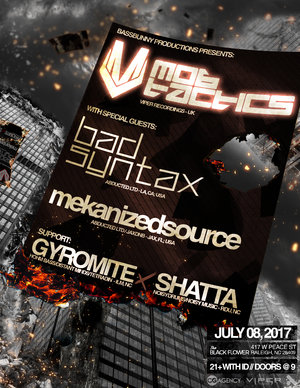
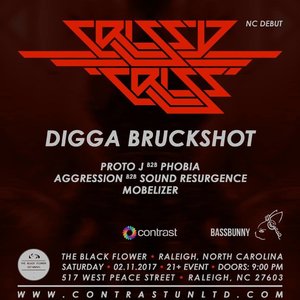
About Black-Flower
Black-Flower was an unassuming dive bar and live music venue tucked into Raleigh’s Glenwood South late-night neighborhood. Opened in the mid-2000s, it became known for its “come as you are” ethos: no dress code, no cover charge, and “stiff drinks, great music” . In the owner’s words, they aimed to create “an everything bar for everybody” – part punk dive, part martini lounge, part rock club – so that anyone could walk in, order a cocktail or beer, and enjoy live bands or DJs on any night of the week. Inside, the décor featured dark paint, an industrial-style high ceiling, black leather booths along the walls, and local art and sticker-covered posters everywhere . Countless Raleigh locals loved its gritty, unpretentious vibe and colorful atmosphere. Though highly valued in Raleigh’s indie scene – dubbed a “decent dive” and a “hole in the wall” – Black-Flower permanent closed its doors around 2024 . (City listings now mark the venue as permanently closed.)
At its peak, Black-Flower stood out from other clubs by mixing many genres under one roof. It regularly promoted the motto of “bands, booze, wine, beer, DJs, dancin’, crazy concoctions… Non-discriminating art for open minds, free thinkers” – inviting “the beautiful and the strange” to rock out in a welcoming space . The bar never targeted fancy crowds or sports fans – instead, it embraced punks, goths, college students and service workers alike. This made Black-Flower culturally important as Raleigh’s highest-spirited dive spot, where local artists and eclectic performers could find an audience. Its combination of garish neon cocktails, scuffed wood floors and a battered stage gave it legendary status among townie and band circles. Even now, enthusiasts remember its goofy charm: a bartenders’ quip about the “pink Sex Panther” shot and a life-sized Elvis in the bathroom are part of its lore .
Black-Flower’s history is inseparable from the rise of Glenwood South as an entertainment district. When Glenwood was filling in with bars and condos, there was no true dive bar or rock venue – until Black-Flower debuted. It quickly became a nightly stop for anyone in Raleigh craving raw cocktails and rough-and-tumble live music. For over a decade it hosted almost every kind of show imaginable – from solo singer-songwriters on piano to hard-rock bands with growling vocals. Although official dates are not well documented, show listings from the mid-2010s (for example, the band Super Bob in 2015 ) attest that Black-Flower was a working concert hall during that era. By 2021 or so it wound down operations and eventually closed. Today the location has moved on, but the memory of Black-Flower’s spirit endures among Raleigh’s music fans.
Events and Programming
When it was operating, Black-Flower offered an extremely varied lineup of nightly events. Its calendar was packed – in fact, one early listing boasts “Live entertainment 7 nights a week” . Themes rotated each day: for example, Sunday nights were often a “Sinners Welcome” party geared to the service-industry crowd (with very late hours), Monday nights featured live acoustic sets plus football watching (and even a free chili bar at one point) , and Tuesday nights brought old-school hip-hop with DJs spinning golden-era rap. Midweek, local musicians got a chance: Wednesdays were famously “open rock jam” nights where anyone in town could join the bandstand . Thursday through Saturday shifted into full-rock mode, with the house jam band or touring indie artists on stage while guest DJs kept the party rolling between sets. Friday nights often had funk or R&B nights (sometimes called “Funk Dat Friday”). In short, every night was something different – whether a punk-rock show, a soul/R&B dance party, a reggae jam, or singer-songwriter showcase. The venue’s website and flyers (back when it was active) listed ticket prices and headliners, but many nights were free or cover-charge only a few dollars, aligning with the no-cover ethos . As one regular noted, arriving at Black-Flower on a Friday at 9pm could mean finding the place empty except for the early crowd – pointing to how it was a “last stop” or hidden gem late-night destination .
Black-Flower drew a wide range of performers. Typically these were regional and local bands rather than big national touring stars, although sometimes well-known indie acts or specialty performers stopped in town. For example, local favorites like Super Bob appeared on a Black-Flower bill in the mid-2010s , and the venue hosted everything from bluegrass to jazz to metal. The mix of live music, rotating DJs, and a dance floor meant the club could suit rock concerts one night and styled dance parties the next. Shows usually started later in the evening (often 8–9pm doors, 9pm or later kick-off) and ran until closing around 2am. If you see a modern calendar listing for Black-Flower, note that as of now the venue is closed, so programming in 2024–2025 is nil. But historically, attendees could check flyers, mailing lists or social pages for specific shows. Many patrons bought tickets through local ticket sites or got on guest lists via bands or neighborhood promoters, and last-minute door sales were common if the room weren’t sold out.
Tickets and Booking
Tickets for Black-Flower events had no single central outlet – often there was no online box office at all. In its heyday, announcements for shows might appear on local club calendars or on social media, but the venue didn’t use a private ticketing platform like larger theaters. Instead, many smaller shows were “cash at door” affairs or free entry, consistent with the bar’s “‘no cover’” policy . When a ticket was required (for headlining bands or special events), these were often sold through Raleigh’s independent ticket sellers or event pages. Some events used vendors like Ticket Fairy or Eventbrite; others simply collected money at the door. If planning to attend a popular act, it was smart to watch for advance notice and to get on the guest list early. In practice, fans often showed up on the night and paid a few dollars on entry. Ticket prices varied: local band nights might be $0–$5, while an out-of-town touring act could command $10–$15. There were no formal pricing tiers or reserved seating – it was general admission floor-only. Regardless, the bar’s bartenders and booking team tended to remind people that it was a laid-back rock bar first and foremost. In short: check community event listings and get there early for the best chance of entry, or be prepared to pay a modest cover at the door for shows that advertised one.
Seating and Layout
Black-Flower was a small, narrow warehouse-style space with the stage at one end and the bar along the length of the opposite wall. There was no theater-style seating; instead the middle of the room was mostly open space. Patrons would stand on the main floor for concerts or dancing, packing in tightly by the stage during peak shows. Along the side walls were a handful of black leather benches and high-top tables – cozy booths run in deep booths – offering turf and slightly raised vantage points. Because the bar’s name fit the vibe, views out to the stage were up close. For the best view and sound, devotees often jammed against the front railing or leaned on the stage lip. The polished wood bar ran the entire length on one side, giving some seated relief when not watching (with additional seating stools at the bar itself). The ceiling was fairly high with exposed ductwork – which made for a raw, cavernous feel – and large ceiling fans helped circulate the fog of the crowd. Despite limited seating, people found any spot that suited them: some perched on stools, others grabbed a booth when a band paused, but most of the audience stayed standing near the action. Acoustically, sound carried well in the small space, meaning even back corners could hear a tight mix of rock or hip-hop (though front-of-house was loudest). In practice, any spot near the stage or bar had excellent sightlines. The back area near the restrooms was quieter, so some stood there to chat or catch relief between sets. On busy nights, space near patrons’ drinks was at a premium – many fans advise wearing something easily washable just in case. Overall, if you wanted in on the experience, arriving early to grab a spot by the stage or bar is the best strategy in this standing-room-driven layout.
Getting There and Parking
Black-Flower’s address was 517 W. Peace Street, in the Glenwood South area just north of downtown Raleigh. The building sat on the north side of W. Peace Street (the cross street at Glenwood Avenue). There is a large parking lot just a couple blocks away – the Peace Lot at 701 Glenwood Ave – which straddles Peace Street and Glenwood. That secured lot is open to the public with pay rates for evening parking (approximately $8–$10 for a few hours at night and up to $13 for most of the day ). On-street metered parking is very limited directly on Peace Street in front of the venue; most guests park on nearby blocks or in one of the private lots off Glenwood. Because the club was busy late, meter enforcement hours might have ended by 8pm, meaning street spots nearest Glenwood often became free overnight. Nonetheless, it’s wise to arrive early to find a legal spot or use the Peace Lot if you don’t mind a short walk.
Public transportation to Black-Flower is possible via Raleigh’s bus system. Several GoRaleigh routes stop along Glenwood Avenue at Peace Street. In particular, Bus #6 (the Glenwood line) and #8 have stops just steps from the bar . (In its heyday there was also Raleigh’s free R-LINE downtown circulator that ran on Glenwood South, though that service was discontinued.) So you could ride eastbound up Glenwood and get off at Peace, or catch a #12 or #16 bus at Glenwood/Peace as well . From the bus stop it’s only a 1–2 minute walk north on Glenwood or west on Peace. Of course, taxis and rideshare services (Uber/Lyft) are another common choice in downtown Raleigh; drop-off at the curb on Peace Street was easy to flag. After the show, both taxis or rideshares queue up on nearby Glenwood or Peace, and a short trip will get you to any popular hotel or destination in the city.
Inside the Venue
Upon entering Black-Flower you’d pass a modest vestibule or just step right into the bar area. There was typically a club bouncer or staff person checking identification at the door, as the venue was primarily 21+ (Raleigh law requires strict age checks to serve alcohol). No coat check or bag check was provided, so light belongings were safest – though nonslip shoes were recommended, just in case. Once inside, you’d find a long, dark wood bar on one side serving an extensive cocktail list (martinis, mojitos and so on) plus beers and wine. The bartenders had colorful tattoos and a no-nonsense attitude, but were friendly to regulars. They specialized in eye-catching drinks: for instance, the infamous pink “Sex Panther” shot (known for its 60% alcohol content) was concocted at this bar, as pictured in the newsletter style wall art . You could also grab a 24-oz PBR tallboy or a double vodka/Red Bull, often at very cheap prices compared to club norms. Notably, Monday nights once hosted a free chili bar, but otherwise there was no full food menu – bar fare was limited to bar nuts or pretzels. (Patrons usually ate at a nearby restaurant before the show.)
The music and atmosphere inside were vibrant and loud. The sound system was set up for live bands, with gig-ready speakers flanking the stage. There was no indoor smoking allowed (per North Carolina law); smoking was relegated to a small sidewalk area outside the side entrance. Restrooms were small and located at the far end of the club; one wall famously featured a grooving David Bowie or Elvis figure (depending on era) drawn in glow paint, taunting you to get back to the party . There were no TVs (other than occasional video projections at special events). Instead, custom playlists of punk, rock, metal or old-school hip-hop blasted out of the speakers whenever no band was on. Lighting was typical of a dive club: low, with flashing stage lights and maybe a disco ball during DJ nights, but no club-style strobes or lasers. Some wireless radio mics for announcements might pop on before a band, but otherwise it was a very analog, hands-on vibe. In short, inside Black-Flower the focus was immersion – ordering the next drink and watching the live music or dancing without distractions. Expect a laid-back, gritty atmosphere with the buzz of conversation and drink orders always in the background.
Nearby Amenities
Black-Flower was surrounded by plenty of places to eat and stay in Raleigh’s busy Glenwood South corridor. If arriving early to catch the 7pm opening, you could grab dinner at many nearby spots. There were casual pubs and restaurants within a few blocks – for example, the Hibernian Irish Pub and Natasha’s Lounge are on W. Peace Street, or head south to Stanbury (upscale American fare) or Wye Hill (a seafood-focused gastro-tavern) along Glenwood . The Morgan Street Food Hall (just a 5-minute walk away on Morgan St.) offers quick bites like burgers, tacos, and coffee if you need something fast. If late-night snacks are needed, the area also has pizza by the slice and 24-hour diners a block or two away. In short, there’s no shortage of dining options – just plan to finish your meal a bit early so you can secure a good spot at the bar before dinner crowds spill in.
There are also numerous bars and breweries around Glenwood South if you want a drink before or after the show. For example, craft beer lovers often stop into nearby breweries or beer bars on Glenwood Ave. Cocktail fans might try a speakeasy-style cocktail lounge down the street. All of these are within walking distance of 517 W. Peace. For those traveling from farther away, there are several hotels close by. The AC Hotel by Marriott (on Glenwood Ave) is just a block from the club, and the Kimpton Cardinal Hotel (north end of Glenwood) is only 0.3 miles away. Union Square District hotels (Raleigh Marriott City Center, Residence Inn) are just a short 5–10 minute walk east. If staying until closing, note that neighboring businesses are also late-night friendly: taxis and ride-shares will also pick up at the main street corner near the bar, and it’s common to stroll back to hotels safely due to the lively atmosphere through midnight. In summary, the block around Black-Flower is one of Raleigh’s densest restaurant-and-bar neighborhoods, so you have flexibility on where to eat, drink, and sleep around your visit.
What Makes This Venue Special
Black-Flower earned its special reputation through quirky character and genuine inclusivity. It wasn’t fancy or upscale, and that was the point. As one guide put it, you walked into Black-Flower expecting “a homey, unlikely destination” – its tiny size and grungy glaze belied the lively heart within . The decor was full of character: worn vinyl booths, stickers on the walls, and an “industrial criss-cross” metal ceiling that gave it an edgy feel . The bartenders didn’t bother with craft menus; instead they’d whip up whatever mix matched the decorative neon signs above the bar. Many fans cite the unique cocktail names and old vinyl records spinning – a contrast to the glitzy, generic clubs downtown. Another special aspect was the rotating local art and posters covering the walls, making it also feel like a kind of pop-up gallery. Raleigh’s alternative-musicians felt at home there, and the community of patrons was famously tolerant – even celebratory – of creative self-expression. Regulars often mentioned that they felt “accepted” at Black-Flower, free from the judgment or pressure found at trendier spots (the club even openly touted “non-discriminating ART for open minds” in its poem-like description) .
Legendary moments – often silly – added to its fame. For instance, the “Sex Panther” shot came packaged with a tongue-in-cheek boundary push: the bartender would ask “Trust me, it’s 60% alcohol – it works every time,” a line that became part of local lore . Patrons still share selfies of themselves clinking Sex Panther shots as a rite of passage. The painted Elvis grooving in the bathroom is another legend – apparently installed to greet fans as they emerge late at night, ensuring one more laugh (or photo) before leaving . These little traditions, plus a policy of “service industry night” where bartenders and servers took over the dance floor, gave Black-Flower an almost holiday feel weekly. In the end, both bands and audiences look back fondly on Black-Flower because it never tried too hard. It was “a really good damn time” by design: a place to sing along, dance close, bleed on the stage (if you wanted), drink cheap, and feel like part of an “extended family” of misfits. For many in Raleigh, no other venue captured downtown’s underground soul quite the way Black-Flower did.
Visitor Tips and Information
Age & ID: Black-Flower was primarily a 21+ bar. Staff checked IDs at the door without exception, so bring a valid government ID. There was generally no admission discount for teens or seniors – the vibe was aimed at young adults and middle-aged fans alike, but minors typically weren’t allowed unless specific all-ages shows were advertised (rare at this venue).
Dress Code: There was no dress code . Come casual – jeans, tee shirts, sneakers, band merch, whatever. The bar embraced pretty much any style, from torn-pants punk to business-casual if you came straight from work. Avoid flip-flops or very open-toed shoes for safety, since the floor could get sticky at night.
Tickets & Entry: If a ticket is needed, it was often sold in advance by the promoter or at door. For big shows, get there early to claim a spot. If no ticket requirement is posted, entry is likely free – but be prepared for a small cover (often $5–10) on highly promoted nights. Most successful visitors had cash ready to both pay cover and tip bartenders. There was no coat check, so carry just essentials; backpacks or large bags might be discouraged in tight crowds.
Seating & Viewing: As noted, this is standing-room heavy. If you want a seat or table, snag the few booths near the wall or a stool by the bar. Otherwise, find a place up front on the floor. Be aware that during a band set, front-row spots get packed; courteous crowd behavior generally kept the floor friendly, but be ready to jostle a little if it’s a popular band. Sound is loud and venue-built – bring earplugs if you need! Congestion is worst just after show close, when everyone tries to leave at once, so plan accordingly (many people wait at the bar until it’s too late to rush the exit).
Facilities: The restrooms were standard bar style and sometimes single-occupancy. Expect dim lighting and the occasional mural or sticker-covered wall. No showers or lockers are available – if you’re biking, for example, your bike would have to be parked outside. There was no coat room, so jackets usually hung over chairs or remained with patrons.
Food & Drink: Don’t expect a meal here. Besides one-off specials (like free chili on Mondays), food was not served – it’s a drinks-first venue. Plan to dine beforehand nearby. Drink at least some water at the bar (no fee, they typically have water pitchers or tap water for free) and alternate alcoholic drinks with water or soda to stay hydrated through a long night.
Accessibility: Black-Flower was in an older building and was not fully wheelchair accessible. There were generally a couple of steps at the entrance (so if you have limited mobility, call ahead or use the handicap accessible route if any). Inside, the floor is all on one level, but tables and bar chairs can narrow the aisles. The bar staff would help move a chair if needed, but overall the space can feel cramped. Hearing assistance or captioning services are not provided, and the light show can be flashing in spots. If accessibility is a concern, you may need to contact the venue (if it were open) or check if an accommodation can be arranged for an upcoming event. Unfortunately there wasn’t an official ADA hotline or documentation for this small club.
Common Mistakes: First-timers often underestimate how crowded it can get. On a sold-out night, lines to the bathroom and bar can form quickly – try to stay toward the middle or back of the crowd until there’s room up front. Also, because entry was often free or cheap, do NOT assume anything is cheap behind the bar. While some specials exist, prices were typical for a cocktail lounge – occasionally high-percentage drinks like shots were more expensive. Locals suggest bringing cash anyway, since credit card machines can be slow when the place is busy. Lastly, don’t go if you expect quiet conversation or a lounge vibe – this is a classic rough-and-tumble music bar. The very success of the club came from the roaring atmosphere, so if you want a quiet sit-down chat, it’s better outside or on a break between acts.
Insider Tips: Try to arrive well before a show starts. If there’s a DJ warmup or opener, use that time to settle in and order drinks so you won’t miss the main act. If you’re early in the week (like open-mic Wednesday), you might have a table to yourself – some locals say those are the best times to experience the music in a more intimate setting. On weekends, aim for a door time at least 30 minutes before any band you’re eager to see. If the place is empty early on a Friday or Saturday, consider buying one more drink than usual; the bartenders always appreciate support when crowds are slow. And if you get there late and see packed crowds, remember that experienced patrons often head to the bar or back corner to cool off, so there are spots to catch your breath without missing all the action. Overall, relax and enjoy being part of Raleigh’s underground music family – that’s what Black-Flower was built for.
What is the capacity of Black-Flower?
Black-Flower was a relatively small venue, often described as a “hole in the wall.” Exact capacity is not public, but it likely held on the order of 100–150 people. There was no fixed-number seating; it was mostly standing room with a few booths. For popular shows it would get quite full, so many fans arrived early to secure a spot or checked local listings to avoid sell-out nights.
How much do tickets or cover charges cost at Black-Flower?
Cover charges varied by event. Many nights were free or had a very low cover (“no cover” was a common policy ). For headline bands or special events, tickets typically ranged $5–$15. Smaller local shows often had no ticket needed, while mid-level touring acts might charge around $5–$10. Because the venue was casual, it rarely had high-priced tickets – think of it more like a small-bar door fee when applicable.
How and where can I buy tickets for Black-Flower events?
Black-Flower did not have its own ticket office. In practice, tickets (if required) were sold online through third-party platforms or at the door by the host promoter. Often local independent promoters listed events on sites like Eventbrite or Songkick, but advance tickets were not mandatory for every show. For popular nights, organizers usually suggested arriving early, or joining a guest list via the band’s or venue’s social page. In general, buying at the door was common; there was rarely a complex pre-sale system like major arenas use.
Where can I park when visiting Black-Flower?
Parking options are limited. Street parking on W. Peace Street or nearby side streets exists but is scarce late at night. One reliable option is the “Peace Lot” (701 Glenwood Ave, accessible off Peace St), a downtown parking garage two blocks east. This lot charges typical downtown rates (around $8–$10 for a few hours in the evening) . After hours, metered spots may become free (meters often stop enforcing around 8 or 9pm). The nearest free parking tends to be several blocks away, so plan extra time if you search for it. Many patrons use rideshare or bus if concerned about parking availability.
What public transit serves Black-Flower?
The venue is accessible via Raleigh’s city buses. Specifically, the #6 and #8 buses stop at Glenwood Ave & W. Peace St, right near the venue . Other nearby routes like #12 or #16 also serve Glenwood South. There is no light rail or subway in Raleigh, so buses or ride-shares are the main options. Note that Raleigh used to have a free downtown circulator (the R-Line) that stopped around Glenwood South – but that service ended in 2021. Given that, most people either took a GoRaleigh bus or hopped in an Uber/Lyft (dropoff on Peace St) to get to Black-Flower.
Does Black-Flower have reserved seating or VIP sections?
No, seating was entirely general admission. There were only a few fixed benches and bar stools. Everyone on main events stood or sat wherever space allowed. The stage area was always open for standing viewers, and sometimes tables were blocked off to make room when a band played. There was no VIP or roped-off area. For the best views, fans typically squeezed in front by the stage, but there was no official hierarchy – first-come, first-served.
What is the dress code at Black-Flower?
One of Black-Flower’s selling points was “no dress code” . Patrons wore whatever they wanted – jeans, leather jackets, costumes, everyday clothes – and were never turned away for attire. The atmosphere is very casual. However, it is suggested to avoid overly formal clothing or high heels, since you may be standing or dancing in a crowded bar. Otherwise, you’ll fit right in.
Is Black-Flower wheelchair accessible?
Black-Flower was housed in an older building and was not fully ADA-compliant. There might have been a small step or uneven sidewalk at the entrance, and the interior aisles could be tight when crowded. The restroom facilities were not wheelchair-accessible. If accessibility is a concern, it would be best to call ahead or use an alternate entrance if available. (Unfortunately, most reviews indicate it could be difficult for wheelchair users.)
What time should I arrive at Black-Flower for a show?
Show times varied, but standard practice was that doors opened around 7–8pm and main acts started around 9pm or later. For popular shows, many people arrived at doors (or even earlier, to drink) by opening time. On slower weeknights, shows sometimes started much later (e.g. 10pm). It’s a good idea to check the event announcement for “doors open” time. Arriving early not only puts you at the front, but also avoids lines and ensures time to buy your first drink before the room fills up.
What forms of payment does Black-Flower accept?
While Black-Flower was primarily a cash bar, it typically accepted credit/debit cards for drinks in recent years. However, because it was a small venue, it’s wise to carry cash for sipping and tipping – especially on busy nights when card machines can lag. The cover charge (if any) could usually be paid with cash or card at the door as well. Note: some dive bars like this have a minimum credit-card charge or no card-swipe fee, so check with the staff if unsure.
Are outside drinks or food allowed at Black-Flower?
No outside food or alcoholic drinks were permitted. Black-Flower had a full bar and no kitchen (aside from the occasional chili night), so no outside beverages were allowed. You could bring a small non-alcoholic drink or water, but all alcohol (even mixers) had to be purchased at the bar. This is standard for most bars due to licensing laws.