About Isaac Hunter’s Tavern
Isaac Hunter’s Tavern is a Raleigh landmark in name and spirit. The name honors Isaac Hunter, an early planters’ tavernkeeper whose 18th-century tavern on Wake Forest Road became legendary. In fact, the tavern was so well known that an 1788 state convention met there and decreed Raleigh’s capital must be built within ten miles of Hunter’s inn . Four years later (1792) lawmakers again gathered in the tavern and decided to site the new capital on Joel Lane’s adjacent farm . In other words, Raleigh’s founding location was literally chosen over drinks at Isaac Hunter’s Tavern – a uniquely historic distinction. The original tavern building (a modest wood cabin of the 1700s) survived on that site until around 1982 when it was demolished for hotel construction . Today all that remains on the original spot is a small stone foundation beneath the North Raleigh Hilton; the hotel’s lobby even exhibits some tavern artifacts (pieces of plank and nails) for history buffs .
In modern times, “Isaac Hunter’s Tavern” became the name of a downtown Raleigh pub and music venue. Owners Zack Medford and partners first opened it in 2009 at 112 Fayetteville Street . That original Oak City Tavern on Fayetteville was part of the revitalized downtown scene. When that lease ended in 2014, the bar closed , but began renovations and reopened in April 2016 in a new home at 414 Fayetteville Street . The reopened bar occupied about 3,000 square feet of reclaimed brick and wood; interiors were lined with rough-hewn barn timbers (salvaged from an old Waynesboro barn) and framed by tin-roof accents to echo the tavern’s colonial roots . Games like shuffleboard, darts and table games filled the space, reinforcing its casual pub vibe . Over the years Isaac Hunter’s built a reputation in Raleigh as the friendly “neighborhood pub” – relaxed enough for regulars and visitors alike to settle in with local craft beers, whiskey flights or its signature Cherry Bounce cocktail (a cherry-infused whiskey drink tied to the city’s founding legend) .
Though it operated as a local bar for only a decade, the tavern was notable for blending history with a modern gathering spot. It mattered to Raleigh’s culture because it carried the city’s origin story forward into the 21st century. Patrons could sip on drinks in a building that paid homage to Isaac Hunter’s own inn – even celebrating Raleigh’s “official historic cocktail” Cherry Bounce on the menu . Nowadays Isaac Hunter’s Tavern is closed as a business, but its legacy lives on: you can still trace Raleigh’s capital story back to that old tavern foundation under the Hilton lobby . In summary, Isaac Hunter’s Tavern is notable both as a historic site (where the capital’s location was decided ) and as a once-beloved downtown Raleigh pub with rustic design and a warm community feel.
Events and Programming
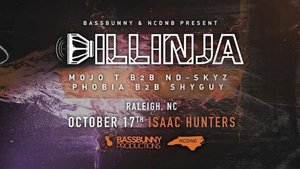
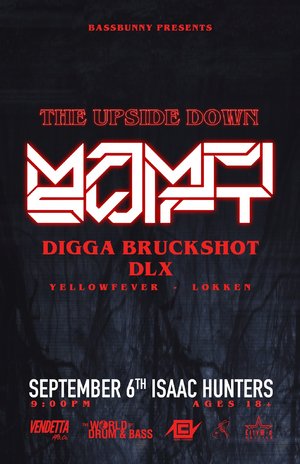
When it was open, Isaac Hunter’s Tavern was a casual live-music and bar venue rather than a formal concert hall. It did not host large touring acts on a regular basis, but it did put on occasional special events and local shows. For example, ticket listings from 2019 document the tavern hosting DJs and electronic music nights – such as Bassbunny’s Drum & Bass shows featuring artists like Dillinja (October 2019) and Mampi Swift www.ticketfairy.com . These events were generally advertised on social media or ticket platforms in advance. Otherwise, the tavern’s regular programming remained low-key. It functioned more as a neighborhood tavern where friends hung out over drinks, games and weekend music playlists rather than an arena with a packed schedule. There was no fixed “event calendar” beyond special holiday parties or one-off tribute nights. In short, Isaac Hunter’s Tavern’s programming was typical of an independent bar: occasional live music by local/regional performers and themed parties, plus seasonal drink specials, rather than ticketed festival-style shows. (As of 2025, the bar is closed, so no current events are scheduled.)
Tickets and Booking
As a neighborhood pub, Isaac Hunter’s Tavern did not sell advance “tickets” for general entry. Most nights it operated on a first-come, first-served basis – guests could simply walk in without a cover charge, buy drinks at the bar, and find a seat or standing space. During its operating years, the tavern did occasionally use tickets for special events. For instance, those 2019 bass music nights were ticketed shows (sold via online platforms www.ticketfairy.com ), similar to a club concert. In those cases, event details would be posted on its social channels and tickets purchased through third-party sites. But for typical visits – trivia, open-mic, or casual live music nights – no advance booking was needed. There was no box office; just pay-as-you-go at the bar. In practice, patrons could often get a table or seat at the bar without a reservation, especially on weekday nights. For the rare large event (if held), the owners might post details about presales on social media in advance. But famously, Isaac Hunter’s focused on being an easygoing tavern spot, not a ticketed arena, so formal ticket packages were unusual.
Seating and Layout
The layout at Isaac Hunter’s Tavern was straightforward pub style. The room was mostly open-concept with high ceilings and a simple floor plan to accommodate about 150 people at capacity. Guests could sit at long bar stools along the service bar, at high-top tables scattered around the room, or on benches and cushioned booths against the walls under the reclaimed wood décor . Game areas (shuffleboard table, dartboard) occupied one corner, so that area was open standing-room by design. There were no fixed theater-style seats or VIP sections – it was general admission throughout, with seating first-come or queued at the bar during busy times. Acoustic-wise, being a small bar, sound carried through the space easily, so the best listening spots were closer to the performance area, near the stage or front bar. Sightlines were generally good; even if a stage was set up for an act, one could stand or perch at the bar and still see performers. Outdoor seating was limited (a few sidewalk tables on Fayetteville Street when weather allowed). Overall, the best place to watch any live music was near the front area by the bar, while small groups might prefer the benches or corner lounge spots for a quieter vibe. The tavern’s open floor and wood-paneled walls created an intimate acoustical environment – lively background music or a solo performer could be enjoyed throughout the space.
Getting There and Parking
Isaac Hunter’s Tavern was located in downtown Raleigh at 414 Fayetteville Street (Casa 4 building, also known as The Nest), at the corner of Fayetteville and Hargett Streets. For drivers, downtown parking is split between street meters and public lots. On-street metered parking is available along Fayetteville and the surrounding one-way streets (Morgan, Hargett, Salisbury, etc.), though be prepared to pay (and note timed restrictions). Two popular garages are within a few blocks: the City Hall/Harnett Street parking deck (entrance on W. Hargett) and the Glenwood/Salisbury parking deck. Both offer hourly rates. The City Market parking deck (5th & Cabarrus) is also nearby for longer stays. On busy nights (friday/saturday), nearby garages can fill up, so it’s wise to arrive early or find a side street spot. Metered on-street parking in downtown Raleigh generally becomes free on weekend evenings after midnight, which can be an advantage for late shows.
Public transportation and ride-shares are also convenient. The free R-Line downtown circulator bus has stops on Fayetteville Street (near Hargett), and several WM Raleigh buses (routes 10, 27, 600, etc.) pass through the downtown corridor, making stops within a block of the Tavern. If using a rideshare service (Uber/Lyft), drop-offs can happen right in front on Fayetteville Street; pickups are easy from the curb once you signal. Taxis can hail on Fayetteville or on nearby Salisbury Street.
For the original historic site: Isaac Hunter’s 18th-century tavern stood at what is now the North Raleigh Hilton (3415 Wake Forest Road, just north of I-540). That is outside the downtown core, so travelers would use I-540 Exit 11. The Hilton property has ample free parking and a taxi/rideshare drop-off lane. (Note that the downtown bar location and the Hilton are separate spots.)
Inside the Venue
Walking into Isaac Hunter’s Tavern felt like entering a comfortable pub combined with a bit of game hall. At the door, a host or bouncer checked IDs (Raleigh law requires 21+ after a certain hour) and greeted guests. Expect a casual dress code – people typically came wearing jeans or shorts; no formal attire needed. The lobby was small, leading into the main room where patrons ordered at the bar on the right. The long wooden bar counter had 10–12 stools, and behind it was the spirit rack with dozens of bourbon, whiskey and beer taps on display . The bartenders poured drinks ticket-counter style, and staff were friendly but focused on efficiency (rush orders and card transactions).
The atmosphere was warm and lively. The walls were decorated with reclaimed timber beams, vintage signs, and chalkboards announcing daily specials or trivia nights. Lighting was dimmer mood lights (soft amber) accenting the wood. Music played over speakers at moderate volume – mostly rock, country, or blues tracks to match the tavern vibe. On live-music nights, a temporary small stage area (about 6x8 feet) was set up by the far end of the room.
Concessions were limited: this was mainly a bar, not a full-service restaurant. You could expect basic bar snacks (pretzels, chips, peanuts) but no full cooked menu. Many people grabbed a quick bite beforehand or after from the nearby downtown eateries.
Amenities were straightforward. The tavern had two restrooms (one men’s stall and one women’s stall, as is typical of older bars downtown). There was no formal coat check, but staff offered to hang coats behind the bar if many were brought in. The Wi-Fi was usually password-protected (often the tavern’s name) and worked decently; cell service is good in downtown Raleigh. Customers could buy canned or bottled beer to go (outside the bar before midnight) per local alcohol laws. Merchandise was minimal (perhaps a few T-shirts at the register on special occasions), but they did have branded glassware and pint glasses behind the bar.
Photography with a phone or compact camera was generally allowed (guests often snapped photos of their drinks), but professional cameras or tripods might need management approval. As a courtesy, flash photography during live performances was discouraged so as not to blind musicians. Bag checks on entry were not routine, but large bags or coolers would have been politely refused. Security was low-key: staff kept an eye on things and could ask anyone causing trouble to leave – a few reports mentioned a rough bouncer move on a sleepy patron, so the staff did enforce a safe environment. In general, the door policy was to admit all adults who looked sober enough; people often showed ID and got a wristband on busy nights.
Cash and credit cards were accepted (it was a cash-heavy bar, but card lines moved quickly). For higher-end whiskey or beer flights, tipping the bartender was customary. Overall, inside Isaac Hunter’s felt like a welcoming tavern atmosphere – a mix of old-world pub comfort and modern downtown bar energy.
Nearby Amenities
Because Isaac Hunter’s Tavern was in downtown Raleigh, there were many amenities within walking distance. For dining, City Market (300 block of Salisbury Street) had several restaurants ranging from brewpubs to Asian/Mexican cuisine. Chef-owned spots like Bida Manda (Laotian kitchen), Poole’s Diner (upscale comfort food), and The Raleigh Beer Garden (casual bar with parking) were all nearby. Casual eateries such as a sandwich deli and pizzeria were a block away on Dawson Street. Fayetteville Street itself hosts chains and local cafés: you could grab breakfast or a coffee at places like Starbucks or Benchwarmers Coffee within a few minutes walk.
If arriving early, pre-show drinks could be had across the street at Barrel 41 or the Haymaker (both historic taverns with draft beers). On backstreets you’d find local favorites like Casita (Mexican small plates) or Second Empire (fine dining, a few blocks north). Post-show, the area is lively: Fortune is one block away, Sir Walter Raleigh hotel has a lobby bar, and Hibernian (Irish pub) and Tobacco Road (sports bar) are nearby for late-night drinks. For late-night bites, downtown often has food trucks or pizza delivery options, though Isaac Hunter’s itself did not serve dinner. Many concertgoers simply walked a few blocks south on Fayetteville to N. Salisbury for a late dessert or returned to City Market’s full-service options before heading home.
Hotels in the vicinity include the Sir Walter Raleigh Hotel (Olson Square on Salisbury), the Sheraton Raleigh, and the Hilton Garden Inn. All are within a short walk. If needing a place to stay, those downtown hotels are most convenient. The North Raleigh Hilton (at the original tavern site) is about 10 miles north, useful only if your interest is in the historical marker.
For transportation after an event, note that downtown Raleigh LABS runs late. TriMet (R-Line) is free until about midnight. Taxis and rideshares are plentiful; the main lobby of Sir Walter or the drop-off at 5th & Hargett are driver favorites. If you drove and parked downtown, remember that on Saturday nights street parking is often free after midnight, and garage rates drop in the late evening.
What Makes This Venue Special
Isaac Hunter’s Tavern is special largely because of its historical roots and local charm. Architecturally, the downtown bar itself had some unique features: floors of polished concrete, walls framed with original barnwood beams, a tin-tiled ceiling along the bar (mimicking the original tavern’s tin roof) and custom metal-work signage. The shuffleboard and dart games, plus chalkboard drink menus, gave it an old-school tavern vibe in a modern glass-and-steel city setting. The exterior glass facade let passersby see the warm wooden interior glowing inside, which stood out on Fayetteville Street.
The tavern’s most famous claim, however, is its culture. It was one of the few places downtown actively celebrating Raleigh’s history and cocktail lore. It earned a reputation for never taking itself too seriously – a nightly mix of young professionals, history buffs, college students, and families out for an early bite. It hosted several “history nights” and trivia events about Raleigh’s past. Many local regulars would attest that their best nights in Raleigh (and spiciest historical debates) happened around the big community table there. Its owners would occasionally mix classic coastal tunes with Carolina roots music, and they proudly served Cherry Bounce, a drink that legend says helped fund the capital’s selection . That narrative – that serving Cherry Bounce at Isaac Hunter’s directly nods to Raleigh’s founding story – was a unique draw.
In terms of famous moments, the tavern didn’t have celebrity concerts, but it often appeared in Raleigh media. For example, its grand re-opening in 2016 was covered as part of downtown’s resurgence . It also pops up on lists of great local bars and cocktails in Raleigh-area guides. And for true locals, visiting Isaac Hunter’s meant a sentimental hometown connection: the name, the vibe, the drinks all reminded people of Raleigh’s original tavern.
Culturally, Isaac Hunter’s filled a niche: it was a “Cheers” style bar where everybody knew your name. Even after closing in 2020, its memory persists. Raleigh Tradition has it that you can visit the Hilton and place your hands where the tavern’s floor once was, or enjoy Cherry Bounce at other local bars as a tribute. In short, the tavern’s combination of authentic colonial-style decor, local craft beverages, and deep historical backstory made it beloved by audiences. Artists and audiences loved its casual friendliness – you could hang at the bar and feel part of a community, whether you were a tourist or a lifelong Raleigh resident.
Visitor Tips and Information
Know it’s 21+ after hours: The tavern served alcohol and enforced a strict 21-and-up policy after a certain time (usually after 11pm) in line with North Carolina law. You’ll need a valid photo ID (driver’s license or passport) to check in at the door on weekend nights. Under-21 guests could join for early events or dining only; after that it’s all-ages-curtains.No cover charge normally: For most nights, there is no admission fee. You can walk in any time during business hours, find a seat, and just order a drink. Cover charges or tickets were only for special concerts (which were advertised in advance). Occasionally on big game nights or concerts, a cover might have been announced at the door.Bags and items: A small bag or purse is fine, but large backpacks or coolers are not allowed inside. Minimize loose items – staff may check large bags for safety. For jackets or umbrellas, there was no formal coat check, but staff often offered to hang light jackets behind the bar. Closed containers (like water bottles) should be left outside per policy, but purchasing a bottle from the bar was alright.Dress code: Smart casual. There is no formal dress code, but most locals dress neatly. Avoid excessive sports jerseys or overly casual attire if you plan to eat there. The vibe is laid-back, but upscale nightclub gear (like high heels or blazers) isn’t needed. Think “downtown bar – comfortable but not sloppy.”Parking tips: If driving, note Fayetteville Street parking can be metered or paid only. Check signage carefully – meters often enforce 8am–8pm. Weeknights after 8pm and Sundays were often free. For events, aim to arrive early to beat the clock on street parking or use a lot. The nearby City Hall deck (small fee) is reliable. Otherwise rideshares or late-night free street parking (after midnight) are your options.Accessibility: The downtown bar was on the first floor of an office-style building, with a flat entry (no steps) and wide aisles. It should be wheelchair-accessible. The Hilton original site is fully accessible too (hotel lobby). Bathrooms were single-stall gender-neutral but may not meet full ADA modifications. You can call ahead to confirm accommodations (wider restrooms or entry phones might exist).Food and drinks: Since the tavern focused on drinks, it had only light snacks. If you’re very hungry, consider eating at a nearby restaurant first. When ordering, try their historic cocktails or local beers – for example, the Cherry Bounce or other Southern-style drinks. Ask bartenders for recommendations or a whiskey flight if you want to sample. Tipping bartenders (15–20%) is customary in the US.Inside tips: The bar staff often give out free samples of new tap beers or small pours of whiskey to help choose. You could reserve the shuffleboard or darts area on quieter nights by asking a bartender. If a big event is happening, arrive 30–45 minutes early for a good seat. Keep an ear out for trivia nights (they were occasional) – the crowd there was fun and very local.No photography restrictions: Non-professional cameras and phones are fine; just be respectful. If filming or recording, ask permission (artists sometimes preferred no flash). Social media check-ins or story posts were usually okay and appreciated by independent venues.
Is Isaac Hunter’s Tavern still open in Raleigh?
No. Isaac Hunter’s Tavern (the downtown bar) closed permanently around 2020. The owners sold off the business during that time . The original 1700s tavern location can only be visited at the North Raleigh Hilton (where the remnants are displayed), but the Fayetteville Street bar itself no longer operates.
Where was Isaac Hunter’s Tavern located?
The downtown bar was at 414 Fayetteville Street in Raleigh’s City Market/Downtown area . The original historic tavern was on Wake Forest Road (site of today’s North Raleigh Hilton) . Double-check whether you mean the historical site (Hilton area) or the former bar (Fayetteville St). Each is about 10 miles apart.
Can I tour the actual Isaac Hunter’s Tavern building?
The original 18th-century tavern building no longer stands; it was dismantled decades ago. However, parts of its foundation were discovered under the North Raleigh Hilton’s lobby, and the hotel has a small exhibit of tavern relics . You can walk on the lobby floor where the tavern once stood and see artifacts by request. The downtown bar space (414 Fayetteville) was a modern venue and is currently not open.
What are the opening hours of Isaac Hunter’s Tavern?
Isaac Hunter’s Tavern is no longer operating, so it has no current hours. Back when it was open, it typically served in the early evening and late night (often opening in the late afternoon and closing around 2am on weekends). For current openings of Raleigh bars in that neighborhood, you would need to check the individual venues, as Isaac Hunter’s itself has closed.
Was there a cover charge or tickets for entry?
Normally, entry to Isaac Hunter’s Tavern was free – you just paid for drinks. Cover charges or paid tickets were rare and only applied to special events. For example, the drum&bass nights in 2019 you’d buy a ticket to those shows www.ticketfairy.com . For a normal evening or casual visit, no ticket was required; it was a typical bar where you could just walk in.
Is there a dress code or age requirement?
Isaac Hunter’s Tavern enforced standard bar rules: patrons needed to be 21 or older (on the weekends or after a certain hour) and must present valid ID. Dress was casual – regular street clothes, jeans or a nice top or shirt. Avoid wearing athletic uniforms or anything disruptive. There was no strict formal dress code, but owners expected decent attire (no swimwear or gym clothes after dark). As with most bars, always carry your ID if you plan to drink.
Is Isaac Hunter’s Tavern wheelchair accessible?
The downtown location at 414 Fayetteville was on street level with no steps to enter, so overall it was wheelchair accessible. The aisles and bar area could accommodate a wheelchair, though it was a busy bar with limited space. The historic Ripley’s site (Hilton area) is also accessible. If accessibility is a concern, you could call ahead to confirm any seating accommodations, but the floor plan was generally on one level.
What food or drink is Isaac Hunter’s known for?
The tavern was known for its selection of spirits more than food. Its signature drink was “Cherry Bounce” – a traditional North Carolina cherry whiskey that plays a role in Raleigh history . It also offered craft beer on tap and a wide bourbon selection. For food, they kept a few bar snacks (nuts, pretzels) but no full kitchen. Visitors often ate at other downtown restaurants and just enjoyed drinks and small bites at Isaac Hunter’s.
Can I hold a private event or party at Isaac Hunter’s?
Since Isaac Hunter’s Tavern in Raleigh is permanently closed, you cannot book it for an event now. When it was open, the space was relatively small (capacity ~150) and owners did occasionally rent it for private parties outside regular hours. They would have done that by special arrangement only. For similar alternatives, you might contact living history taverns or breweries in Raleigh that offer event rental space now, such as Barrel 21 or the Red Hat Amphitheater patios, but Isaac Hunter’s itself is no longer available.
Is parking available for Isaac Hunter’s Tavern?
There was no dedicated private lot for Isaac Hunter’s. Nearby parking included metered street spots and public lots. The closest were the City Hall parking deck (just off Hargett Street) or the City Market parking deck (5th & Cabarrus). Fayetteville Street had on-street meters. After hours, some on-street spots became free. If you dropped in, allow time to find parking – rideshares and downtown circulator buses were often easiest for late nights.
Why is it called Isaac Hunter’s Tavern?
The bar was named for the original Isaac Hunter’s Tavern from the 1700s. Isaac Hunter was a wealthy farmer and tavernkeeper in colonial North Carolina, and his Wake Forest Road tavern hosted important early legislators. Buying the building’s name was a nod to that heritage. The owners chose the name because the site (Wake Forest Road tavern) was where Raleigh’s founding was effectively decided . In essence, it tied the modern pub to Raleigh’s foundational lore, making each visit feel like part of the city’s story.
What should I not bring to Isaac Hunter’s Tavern?
Guests were advised not to bring outside alcohol, large coolers, or unauthorized foods. The tavern served liquor so outside drinks were not allowed. Also avoid bringing weapons, illegal substances, or disruptive items. It’s a bar, so children and pets (except trained service animals) weren’t permitted after hours. Finally, be mindful of noise and respect the space; it’s meant for relaxed socializing.
Can I see any part of Isaac Hunter’s Tavern exhibit today?
Yes. The North Raleigh Hilton (3415 Wake Forest Road) has an exhibit in its lobby with pieces of the original tavern (wood planks, nails) and historical panels. You can access the lobby at any time and view this free exhibit. It’s the only public display related to Isaac Hunter’s Tavern currently available. Check with hotel staff if you’d like more information about the artifacts.