About Engjavegur 7
Engjavegur 7 is not a standalone concert hall but a corner of Reykjavik’s Laugardalur sports complex – chiefly known as the “Íþróttamiðstöðin Laugaból” or Laugaból Sports Centre. It serves as a multi-sport community venue rather than a flashy nightlife spot. The address Engjavegur 7 is home to Reykjavík clubs like Ármann and Þróttur, reflecting decades of local sports tradition . In fact the historic Ármann sports club – founded in 1888 – is based here, highlighting the venue’s roots in Icelandic wrestling (glíma) and other athletic programs . Engjavegur 7 matters as part of the wider Laugardalur recreation area (alongside the national stadium and swimming pool) and is notable for its lively community events. Its unpretentious, functional architecture focuses on sports and youth activities rather than grand aesthetics. The venue illustrates Iceland’s grassroots sports heritage: you’ll find gymnasiums, courts and fields here that have hosted generations of local teams and enthusiasts. Unique features include the blend of indoor training halls and open turf fields, creating an all-weather sports hub in the heart of Reykjavik. While not a historic monument in the traditional sense, Engjavegur 7 embodies the friendly, down-to-earth spirit of Reykjavík’s athletic community.
Events and Programming
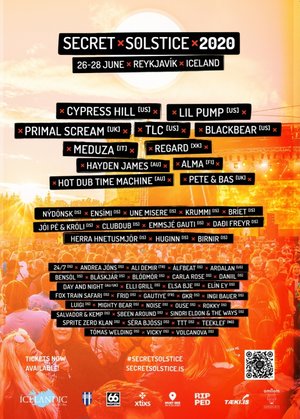
Engjavegur 7 does not host major international concerts; instead its calendar is filled with sports and community gatherings. The venue may occasionally be used for mid-sized festivals or one-off cultural events (for example a summer festival site in June 2021), but most programming here revolves around athletics. Expect to see local football (soccer) matches – the Reykjavík club Þróttur uses the adjacent pitches – as well as youth leagues and training sessions. Other activities include martial arts, gymnastics, basketball and other indoor sports organized by clubs based here. Events tend to be frequent in summer (outdoor training, youth tournaments) and moderate in winter (indoor leagues, recitals). Ticketed events at Engjavegur 7 are typically community sports games or club competitions. Ticket prices are modest – often just a few hundred Icelandic krónur (ISK) – reflecting local club standards. Visiting teams, school sports days and summer camps also occur regularly, turning the space into a hub of active Icelandic culture. In short, Engjavegur 7 feels like a sports community centre: high-energy on match days with cheering crowds, tranquil on quiet afternoons as people come for practice.
Tickets and Booking
If you plan to attend a football match or sports event at Engjavegur 7, tickets are generally very affordable. For Þróttur’s home games (at the nearby pitch), tickets can usually be bought through the club’s website or at the gate on match day. Youth and amateur events are often free or donation-based. There is no fancy online booking machine; for most local games you pay at a small wooden stand or from the referee. If a national sports association is involved, you might need to purchase via the club’s official sales channel. Presales generally open a few weeks before a bigger fixture (May–June for summer leagues, later for fall). Seating is usually “general admission” (unassigned), so arriving early can secure a good spot. Box office facilities, if any, are modest – think a manned kiosk near the entrance rather than a full glass office. For major events or tournaments, organizers might offer bundled family or season passes. In practice, planning to pay on-site (cash or small card validation) is safest. Remember that Icelandic venues seldom mark up prices; even the VIP passes here just cover extra amenities like close-up seating or meal vouchers, not fame-and-glamour perks. Always check for notices on the club’s website or local bulletin boards in Laugardalur for exact sale dates and ticket info ahead of time.
Seating and Layout
The layout at Engjavegur 7 is straightforward. It consists of indoor halls and adjacent outdoor fields with minimal built stands. For football or team sports, spectators typically stand or sit on a small covered bleacher along one side of the field. Unlike larger arenas, there are no multi-level balconies – the setup is simple and intimate. (By comparison, the nearby Trottur home pitch – “AVIS vӧllurinn” – seats about 2,341 spectators , but that is at Engjavegur 9, not 7.) In the small gyms indoors, seating might be folding bleachers along the wall; in multipurpose courts, people often stand around the perimeter. General admission spaces mean there’s flexibility: fans often stand shoulder-to-shoulder, creating a friendly atmosphere. Those wanting a clear view often congregate at ground level near the center of the field. VIP-style seating is rare here – the “best” spots are simply in the middle of the front row stand or on plastic chairs brought out for special events. Note that sightlines are generally good all around, since there are no sight-obstructing pillars; however, if the game is at twilight or night, be mindful of light – the far corners may be dimmer. On the turf field, footing can be uneven in spots, so kneeling or leaning is advised only for dedicated fans. The compact design means even “worst” seats are fairly close to the action. In summary, approaching Engjavegur 7 more like a community sports field than a concert theatre will help you pick a spot. Aim for the covered bleacher if you want shelter (though only about 341 seats are covered , the rest are open). General admission and standing-room areas are clearly marked. (If you prefer to stand, the end line near the corner flags often has extra space; avoid congested goal-mouth corners which can block half the pitch.) Expect an up-close, communal viewing experience: no obstructed angles, but also no plush VIP box – it’s all about being right in the neighborhood crowd.
Getting There and Parking
Engjavegur 7 sits in Laugardalur (zip code 104) on Reykjavik’s northeast edge. The address is easy to plug into GPS or a map app: Engjavegur 7, 104 Reykjavík. From downtown, drive north via Miklabraut toward the Laugardalur valley. Landmarks nearby include the Laugardalsvöllur stadium and the morning music (Laugardalshöll) complex. Public transit is convenient: Strætó local buses 12 and 14 stop at “Laugardalur” just a few minutes’ walk from Engjavegur 7 (as do lines 2 and 5 on weekends). Travelers arriving from the city center can board at Austurstræti or Hlemmur. The venue itself has a modest car park – small surfaced lots flanking the field – usually free for event-goers. During larger tournaments or Prince’s visitation, overflow parking is available at nearby Laugardalshöll or along adjacent streets. Many visitors also drop off via taxi or rideshare; there is a clear turn-in by the entrance, and drivers can queue on Engjavegur or nearby Laugardalsvegur. If driving, allow extra time in rush hour or on sunny summer weekends when families flock to Laugardalur (swimming pool crowds can spill over). Parking near the venue is free but limited to maybe 50 cars, so carpooling or using the shuttle-bus (Strætó) is recommended for big events. Remember that Reykjavik has strict no-parking zones around residential Laugardalur. Stick to marked lots to avoid fines. Walking in from Pärangavegur to Engjavegur is straightforward: cross the Laugardalsvegur bridge to the west entrance and follow footpaths past the tennis courts. In inclement weather, note that Engjavegur 7’s parking and drop-off areas are uncovered, so prepare for rain or snow. The venue is signposted in Icelandic (“Íþróttamiðstöðin Laugaból” and “Trottsvellir”) which cyclists and drivers will spot easily.
Inside the Venue
Entering Engjavegur 7 feels like stepping into a community sports hall. Security is light – you’ll typically walk straight in after showing a ticket or registration. A reception desk or volunteer station may be set up during events for health checks or cash. The atmosphere is casual and family-friendly: kids in team jerseys mingle with veteran supporters. The interior offers basic amenities. Expect a simple foyer area (sometimes just an open hallway) leading into the main court or field. Food and drink vendors are limited. Occasionally a small kiosk or pop-up stall sells coffee, hot chocolate and Icelandic hot dogs during matches. (If none are onsite, you’ll have to bring snacks or duck out to the nearby cafeteria next door, as there is no indoor concession stand of any scale.) Restrooms are located near the entrance and at least one family/accessible restroom is provided. Drinking fountains and bottle fillers are usually available. There is no formal cloakroom: patrons typically manage coats and bags under seats or at bench racks by the wall. Merchandise (if any) is generally sold by the clubs – watch for a plastic rack of T-shirts or hats near the entry on game days. Note on connectivity: mobile signal is good inside Laugardalur, so you can use data or share pictures without issue (Wi-Fi is not usually offered, though staff may allow you to scan a QR code for emergency info). The lighting is bright fluorescents in the interior and strong floodlights on the pitches, ensuring clear visibility at night. Finally, Engjavegur 7 prides itself on a relaxed, sports-ethos atmosphere – it’s common to hear organizers calling out ice-breaker games, and they welcome spectators lining the courts to cheer or even participate informally. Overall, inside the venue you should expect a straightforward, no-frills layout focused on sports. Staff and volunteers wear bright jackets and are visible to guide visitors. If you need assistance (e.g. for accessibility), the staff are generally friendly and speak good English.
Nearby Amenities
Despite its somewhat out-of-center location, Engjavegur 7 is near several useful amenities. Within walking distance is the Laugardalslaug public pool (a large geothermal bath park) – perfect for pre- or post-event relaxation (admission charged). For meals and coffee, the Laugardalur area offers a few options: the City Park Hotel (just 5–10 minutes’ walk) has a cozy café and occasional light bites, while Mulakaffi – a popular casual spot south of the venue – serves sandwiches, burgers and fresh soups. There’s also a Pizza Hut and a Subway within a short drive at Háaleitisbraut to the south. In downtown Reykjavik (a 10-minute bus ride away) you’ll find the full nightlife scene including bars and restaurants. Within Laugardalur itself, don’t miss the mini-golf café and holiday park kiosk (especially if you have families). For parking with food courts, the Sports Centre Laugardalur (Laugardalshöll complex) has a cafeteria and snack bar accessible on foot via the valley. If weather is nice, a picnic on the adjacent soccer turf hills or by the spring-fed pond (near Laugardalslaug) is a great idea. Should you need basic supplies, a small supermarket (10-minute drive) is at Laugardalur’s south end. Late-night transport: buses run regularly until about midnight; after that taxis and ride-hailing (including Uber in Reykjavik) are readily available at Laugardalur Station or by calling a local company. Taxis can queue on Laugardalsvegur if needed. In summary, while Engjavegur 7 itself has no restaurants inside, a short stroll or drive puts you in reach of cafés, a hotel restaurant, and city-center eateries. Planning dinner downtown? Aim to leave at half-time or book early (especially Fridays) to avoid rush. The family at Engjavegur 7 often heads to local venues – it’s considered great fun to grab a meal as one big group after a home game.
What Makes This Venue Special
Engjavegur 7’s character lies in its community roots and sporting spirit. Architecturally modest, its charm comes from the memories created here. Many locals grew up training, competing or even learning to skate or swim in this valley. It’s one of the first venues a budding Icelandic athlete might know – including species unique to Iceland like blót (fencing) or glíma (wrestling). The friendly ambiance (seldom found at impersonal big arenas) is what makes a night at Engjavegur 7 special: neighbors chat on the sidelines, long-time club members share stories, and visiting teams are welcomed warmly. The venue has been the backdrop to underdog victories and legendary local derbies, forming lasting local lore. In winter it’s one of few warm refuges as spring water tubing runs nearby, and in summer the midnight sun floods its courts with light for extra-long play. The staff and regulars often volunteer their expertise – for example, helping Olympic hopefuls train here – giving the place a familial feel. Its signage and decor often celebrate local heroes (photos of national team players who started here line some halls), deepening the sense of history. Because it isn’t a tourist hotspot, visitors feel like insiders. To athletes and families alike, Engjavegur 7 is “homey” – a hub of Icelandic sporting life rather than a sterile event space. Finally, its location amidst Reykjavik’s largest recreation area (next to ponds, parks and trails) adds a second-to-none scenic charm. All together these factors – heritage of clubs like Ármann , grassroots access, and a genuine community vibe – make Engjavegur 7 stand out in Reykjavik’s landscape. Athletes and coaches love it for its intimacy and no-fuss efficiency; audiences love it for closeness to the action and locals’ warm welcome.
Visitor Tips and Information
Accessibility: Though not a purpose-built ADA arena, Engjavegur 7 is quite accessible. The entrances and walkways are flat and wide, allowing wheelchair access easily . There are marked parking spots for disabled visitors close to the door. Inside, an accessible restroom and ramped access to viewing areas are provided, echoing the praise noted at the nearby stadium. If needed, staff at the entrance can assist guests with mobility needs.
What to Bring/Not Bring: Dress warmly even in summer evenings (it can get chilly once the sun sets). Comfortable footwear is a must – floors are wood or turf and can be slippery. Small stadium chairs or blankets can be brought for seating if standing everywhere isn’t for you, but large backpacks are discouraged (standard bag checks on entry). Food and drinks from outside are usually allowed (it’s more lenient than big arenas), though glass bottles are not. Since it’s a sports venue, sunscreen or raingear might come in handy depending on weather. Young children are welcome but must be supervised – there’s no play area, and balls can fly. Avoid bringing tripods or poles for cameras; handheld photography is fine. Smoking is prohibited indoors (as in all Icelandic public spaces).
Common Pitfalls: One common mistake is assuming there are plenty of seats – arrive early to get a bench spot or front row if you prefer sitting (otherwise you’ll stand on the perimeter). Check event schedules carefully: since this is a multi-use facility, games or classes sometimes start late or change courts. Also note that Wifi is not provided, so don’t rely on connectivity – have offline directions or meet-up spot planned. With kids, remember there is no playground despite the park location – bring quiet games or toys if needed. Overestimation of parking is another trap; if you’re arriving by car, leave extra time or bring extra cash for parking tickets in nearby lots. Lastly, Icelandic venues often turn off lights in restrooms and lobby when not used – you may need to wave at sensors or find a switch if lights go off mid-use.
Age and Seating: There is usually no minimum age for spectators at routine sports events – the environment is very family-friendly. Some special ticketed events (like late-night concerts or competitions) might be 18+, but those would be clearly labeled. There is no formal dress code – casual/team gear is standard. On cold days, put on a team scarf or colorful jacket to stay warm; on sunny days, sunglasses and a cap help for bleacher sun glare.
Arrival: When you get there, enter through the main glass doors and look for the event sign-in table on the left. You’ll see locker rooms or office doors along the corridor – those are off-limits to guests. If it’s your first visit, ask a friendly local by the entry desk for a venue map or turn-by-turn. There is usually a volunteer lane or security on the right; they’re helpful if you ask where to sit or where the toilets are. Finally, plan to arrive at least 15 minutes before smaller events and 30 minutes before big matches – lines for entry can form quickly in such a compact space. Overall, just remember that Engjavegur 7 is intended for community enjoyment: be polite, clean up after yourself, and many will welcome your interest. Enjoy the authentic Icelandic sports venue experience!
Frequently Asked Questions (FAQ)
What kinds of events are held at Engjavegur 7?
Primarily sports and community events. You’ll see local football matches (Reykjavík’s Þróttur club often practices nearby), youth leagues for basketball, handball, martial arts exhibitions, and occasionally festivals or school events. Concerts and nightlife parties are rare here – Engjavegur 7 is best known as a sports centre. Check local clubs’ calendars for exact events.
How can I buy tickets for a game or event?
Tickets are usually sold by the organizing sports club or event promoter. For example, football match tickets can be bought from the club website or at the entrance booth on game day. There’s no central ticket office. It’s best to check the hosting club’s site or social media for details on presale or door sale (often cash or card). For big events, they’ll announce sales dates in advance.
What is the seating capacity of Engjavegur 7?
Engjavegur 7 itself (the sports center halls) holds a few hundred spectators at most, spread between standing room and small bleachers. Nearby Trottur Stadium (at Engjavegur 9) seats about 2,341 . But at Laugaból you won’t find a numbered-seat arena – it’s essentially general admission. Arrive early for prominent spots on the benches; otherwise you’ll likely stand along the side walls. There’s ample open space but seating is limited.
Are there any good restaurants close to Engjavegur 7?
Yes. Within a few minutes on foot you’ll find Mulakaffi (pub/gastro style fare) and the City Park Hotel’s café, both offering family-friendly menus. There’s also a cafeteria in the Laugardalshöll complex nearby. For more variety, downtown Reykjavík’s restaurants (buses 12/14 run there) are only a 10–15 minute ride away. You’ll have options ranging from Icelandic comfort food to international cuisine within a short drive or bus trip.
Is Engjavegur 7 wheelchair-accessible?
Yes. The venue and its fields have been designed with accessibility in mind. There are marked disabled parking spots right by the entrance and a wide, ramped door for easy entry . An accessible restroom is available inside. The walking paths are flat, so wheelchair users and strollers can navigate without steps. For any special assistance, friendly staff are usually on hand.
What is the best way to reach Engjavegur 7 by public transport?
Take Reykjavík’s bus service (“Strætó”) to the Laugardalur area. Lines 12 and 14 regularly stop at “Laugardalur Park” station just across from the complex. The walk from there to Engjavegur 7 is under 5 minutes (follow local signs for Laugardalsvöllur or Trottsvellir). Buses run late into the evening on weekdays, and slightly less often on Sundays. A journey from downtown Hallgrimskirkja or Hlemmur hub is about 10–15 minutes by bus.
Is parking available at the venue, and is it free?
Yes, there is on-site parking right beside the sports fields. It’s typically free for attendees during events, though spaces can fill up on match days. If the main lot is full, overflow parking is available near Laugardalslaug or in the lot behind Laugardalshöll (a short walk away). Remember to park only in designated areas to avoid tickets.
Are there toilets and concessions inside Engjavegur 7?
Yes. You will find restroom facilities near the entrance (including a family/accessible toilet). For concessions, vending machines with water and soda are often in the lobby. During larger games or events, small food stands might sell hot dogs, snacks and coffee near the bleachers. There isn’t a permanent restaurant inside, so for a full meal you’ll need to step out to nearby cafes as mentioned.
Can I bring food or drinks into the venue?
Generally yes, outside snacks and drinks (like juice boxes or sandwiches) are allowed. Visitors often bring water bottles or simple picnic items. However, glass bottles and large coolers are discouraged for safety and space reasons. Alcohol policy: Icelandic law means no public drinking, so outside beer or spirits are not permitted. If in doubt, ask staff at the entry; they are usually relaxed about reasonable outside food.
Is photography allowed in Engjavegur 7?
Yes, casual photography (phone or small camera) is fine. Many spectators take pictures of games or events to share with friends. Just be polite and avoid using flash during play. If video recording is needed for production purposes, ask permission from event organizers. Drones or large professional setups are not allowed without explicit authorization.
Are there any age restrictions for attending events?
Most events at Engjavegur 7 are family-friendly with no strict age limits. Kids of all ages are welcome, and child seating is casual (kids usually stand or sit on a parent’s lap). Only special ticketed events (like late-night concerts or 18+ club nights) might impose an age limit, and that would be clearly advertised. Always check the event’s flyer or announcement for any age-based rules.
Does Engjavegur 7 have a coat check or lockers?
No, there’s no formal coat check or locker service. It’s casual – most visitors keep coats and bags with them. Some matches do provide a table or bench outside the door where spectators can stack coats. If it’s rainy, you’ll likely carry your coat indoors (it won’t be too crowded inside). Trainers often use a small gear rack, so you may find a communal rack for boots or bags. Just be sure to take everything with you when you leave.
What happens if it rains or snows during an event?
Engjavegur 7’s main court is indoors and fully covered, so indoor sports continue unaffected by weather. The adjacent football pitch is open-air, so matches there could be wet or snowy. There’s no roof over the stands, so spectators should bring raincoats or umbrellas. Rain delays are rare unless heavy; games usually go on. If conditions are really severe, the referee may postpone or relocate the match, but this is uncommon in summer months.
Are bags or backpacks allowed?
Small bags are fine. Large backpacks may be asked to be placed by your feet or temporarily left at the side if they obstruct walkways. In short: normal handbags, small backpacks, and baby bags are okay. For night events, security might briefly inspect oversized bags. Cameras in bags might need to be out for quick checks, so have it on hand.
Is the venue heated or air-conditioned?
The indoor halls are typically heated, keeping them comfortable even on chilly Reykjavik evenings. In summer they are cool, though not actively air-conditioned – good ventilation keeps players from overheating. The outdoor stands obviously have no climate control, so in winter dress warmly and in summer bring a layer (even though Iceland summers are mild). Showers and changing areas are warm, which many teams use after games.
Can I rent equipment or book the venue?
Yes. Local clubs do rent the courts and turf for practices. Icelandic sports associations (like Trottur football) or private groups can book Engjavegur 7 through the Reykjavík city sports department. Fees vary (youth groups often get discounted rates). If you’re part of a school or organized party, contact the sports center administration (there’s a switchboard number at the entrance) to arrange a rental. Just note that official games take priority, so book well in advance.