About Tamarindo, Costa Rica
Tamarindo is a lively beach town on Costa Rica’s Pacific coast in Guanacaste province. A former fishing village, it exploded into a popular resort after the 1970s and was made an official district in 1995 . Named for the tamarind trees along its shore , Tamarindo’s main Playa Tamarindo is now one of the province’s most visited beach destinations . The town has a laid-back, cosmopolitan vibe – a mix of international visitors and Ticos – and is famous for year-round sunshine and warm ocean waters . In fact, Tamarindo even boasts Costa Rica’s first surf school on its main beach (ideal for beginners) . Surfers and sunbathers flock here for consistent waves and striking sunsets – locals say the Tamarindo sunset is “one of the most beautiful you’ll ever see” . Lush wildlife adds to the charm: the nearby Las Baulas National Marine Park (Playa Grande) protects nesting leatherback turtles each season , mangrove estuaries host crocodiles and howler monkeys, and iguanas often wander the sand. With abundant shops, restaurants and lodging lining the sand, Tamarindo fuses “pura vida” beach culture with growing tourist infrastructure. (As one report notes, Tamarindo now ranks second nationally in registered lodging inventory .)
Events and Programming
Tamarindo isn’t a traditional concert hall, but it comes alive with sports, festivals and sunset parties. Outdoor adventure is big: for example, the town regularly hosts international competitions like the NORCECA beach volleyball circuit (last leg held here in December ) and mountain-bike races (such as the Pacific Race in nearby Pinilla) . Surfing contests – whether youth clinics or open surf tournaments – are common on Tamarindo and adjacent breaks. The beach itself often doubles as an event plaza, from full-moon bonfires to charity runs. In low season surfers also enjoy uncrowded waves and occasional surf camps.
Nightlife and music are the pulse of Tamarindo. Weekly, beachfront bars like Pangas Beach Club and El Vaquero host live bands and solo guitarists (often free or with a small cover), while pubs and clubs on the main street schedule DJs or themed nights (karaoke, reggae, etc.). A big highlight is the annual TamaFest holiday block party each December: a week-long celebration starting on Christmas Day with rodeos, carnival rides and multiple music nights (Reggae Fest, Reggaeton nights, and neon NYE parties) . In addition, one-time concerts pop up – for instance, reggae acts like the Wailers (Julian Marley) have drawn crowds at local venues .
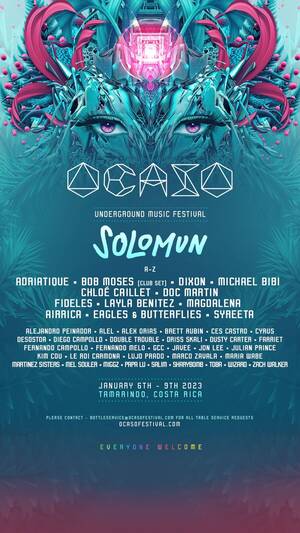
The town also hosts notable festivals. In late January each year, the Ocaso electronic music festival takes over the beaches for multi-day sets by top DJs. Ocaso (launched in 2017) draws several thousand partygoers; past headliners have included international acts like Chris Lake, Cloonee and the Martinez Brothers . Another highlight is the Tamarindo Art Wave festival (dates vary, historically late January) – a local arts showcase with live mural painting, gallery tents and performances across town. The 2018 Art Wave was a three-day exhibit featuring hundreds of artworks and live shows (entry is usually free, encouraging tourists and locals alike to explore galleries and pop-up events). Weekly high-season right market: every Thursday evening from around November to April the Tamarindo Moonlight Market fills a parking lot with artisan stalls, food vendors and live music – a beloved local tradition that attracts families and souvenirs hunters. In sum, Tamarindo’s calendar blends active outdoor sports with artsy community fun and beach parties.
Tickets and Booking
Tamarindo itself has no single venue box office, so ticketing depends on each event. For large festivals (like Ocaso), passes must be purchased in advance – typically online or through local sellers. For example, Ocaso Festival advance 5-day passes have cost around $189 and single-day tickets from $39–$89 . These tickets usually go on sale during the fall prior to each new year. It’s wise to buy early if you’re hoping for a popular show, as small events do sell out (and last-minute resales are unreliable). Local travel agencies, tour operators and some hotel concierge desks often offer tickets or information on upcoming shows and shuttles. Many concerts and club events also release a limited number of door-ticket at the venue; if in doubt, ask any hotel or restaurant staff in Tamarindo to direct you.
Aside from festival tickets, no booking is needed to enjoy Tamarindo. Beach access is free (you only pay parking or transport to get there), and most beach bars or restaurants do not require reservations unless it’s a holiday or a high-demand dinner. For tour activities (like sunset cruises, fishing charters or turtle tours), local outfitters can be booked online, by phone, or through local agencies in town. Because Tamarindo fills up quickly in high season (Dec–Apr) or on holiday weekends, it’s smart to book your lodging and ground transport months ahead. Last-minute rooms may be scarce in peak times.
Seating and Layout
Tamarindo has an open-air, linear layout rather than concert-style seating. The heart of the town is the long stretch of Playa Tamarindo, with the main road (Route 152) running parallel behind it. This means most venues – whether beach bars, restaurants or hotels – face the sand. There isn’t a formal seating chart; for beach parties or fairs you’ll find general admission space on the sand itself. Visitors often bring towels or portable chairs onto the beach, and some beach clubs deliberately set up lounge chairs and tables for patrons (Pangas Beach Club and Pacifico, for example, have rows of seats right on the sand). During festivals, organizers may mark off sections on the beach or sell VIP tables through resorts, but otherwise “first come, first served” applies. Criterion for a good spot usually means close to the stage/water with an unobstructed view.
Inside most bars and restaurants there are standard tables and chairs. Some venues offer elevated deck seating or bar counters overlooking the beach for a view (good early if you want a sunset spot). Acoustic considerations: Beach events have powerful PA systems, but sound can carry far – even folks at the back can hear the music. Some venues have live acoustic acts (easy listening guitar) which carry naturally on the breezes. If you’re sensitive, bring earplugs during late-night shows. Areas to avoid: on busy nights, steep sidewalks and narrow roads behind the beach can fill with revelers, and crossing Route 152 may require care (many attendees cross mid-block). Patience is key; most people navigate this open layout by foot or by sitting on the sand.
Getting There and Parking
Location: Tamarindo is located on the northwestern Pacific coast of Costa Rica, on the southern end of the Nicoya Peninsula. It is about 4½–5 hours by car from San José and the Juan Santamaría International Airport . The closest major airport is Liberia (Daniel Oduber Quirós), which is roughly a 40-minute drive away . Daily shuttle services and buses run between Liberia and Tamarindo. You can also fly into Tamarindo’s own small airport (TMU) via local airlines from San José (Sansa or Nature Air), usually a low-cost 30–45 minute flight. If arriving from elsewhere in Costa Rica, direct buses connect Tamarindo with major cities (a trip from San José by bus/shuttle takes about 5–6 hours with stops).
By car: The main access road is Highway 152. From Liberia or points northwest, take Route 21 south through Santa Cruz, then Route 152 west into Tamarindo. From San José: drive northwest on the toll highway (27) to the “Caldera” exit, then continue on smaller roads to Liberia and onward to Tamarindo. Roads are paved and well-marked, but narrow in places. It’s common to see beach traffic and crossing animals (coatis or cattle), so drive cautiously.
Parking: Being a small town, Tamarindo’s parking is limited. There are a few official lots and many private or informal spots. Notably, a public beach parking lot sits at the north end of town near the El Vaquero restaurant – this lot is even marked as wheelchair-accessible . Attendants typically charge a small fee per hour (on the order of a couple USD or a few thousand colones). Many visitors pay local parking attendants (often without tickets) in the sandy lots along the beach or in hotel/restaurant lots. Fees vary by season, so always carry cash to pay the attendant (keep the stub if given one). Street-side parking on main avenues is almost nowhere to be found, so plan to use the lots or park at your hotel if possible. Car rental agencies are common in Tamarindo, and rental cars are popular for getting around Guanacaste.
Public transit and rideshare: Local “pulmas” (shared shuttles) and buses run along the main street at scheduled times. Taxis are white with yellow roofs and can be flagged down or booked by phone; many hotels will call a taxi for you. Rideshare (Uber) is not widely used in Tamarindo (it works sporadically near Liberia or in cities, but not reliable here). For an airport transfer, it’s best to reserve a shuttle in advance. Within walking distance of the beach are the main hotels, shops and restaurants – many visitors simply explore on foot. For farther destinations (Langosta, Playa Grande, grocery stores), taxis or rental vehicles are most convenient.
Inside Tamarindo
Think of Tamarindo as one giant open-air venue. There are no gates or ticket booths to enter the town or beach – you walk straight in from the sand or the central park (Parque Pequeno, at Calle 100 and Route 152). The atmosphere is very casual. Most nightlife spots allow beachwear or shorts and flip-flops on the ground level; only upscale restaurants ask men to wear long pants after 6pm. There is no formal dress code except “beach chic” for nicer dinners. Security is very relaxed; it’s common to see people of all ages strolling around at night in swimwear and flip-flops. Keep an eye on your belongings in crowds (petty theft is rare but do watch your phone on the beach). It’s polite to keep noise down after midnight in residential areas, though bars are allowed to play music until 3am.
Food and drink: Practically every block has a dining option. During the day, food stalls and “sodas” (local eateries) serve traditional Costa Rican fare (gallo pinto, rice and beans, casados). There are countless international restaurants as well: sushi bars, Italian, Mexican taquerias, and seafood grills capitalizing on the fresh catch. Beachfront establishments like Patacones and Pescado Nazca are popular for seafood. Bars and clubs (delayed openings, often around 6–7pm) serve cold local beers (Imperial, Pilsen) and tropical cocktails. Cocktails and smoothies are easily found ($4–6 USD range); fresh fruit juices and acidulated waters (agua dulce, made with raw sugar) are commonly provided. Specialty coffees and teas are available at morning cafes along the main street. Because Tamarindo is such a tourist hub, expect restaurant prices to be higher than in inland towns – mains are often ~$10–20.
Amenities: Free Wi-Fi is common in hotels, cafes and some bars. Cell phone service is generally good everywhere in town (especially with local SIM cards). There are ATM machines (two 24-hour ATMs near the central park) and several currency exchange bureaus if you need colones. Credit cards (Visa/Mastercard) are accepted at most mid-to-large businesses, but smaller shops and tours may only take cash. The local currency is the colón; US dollars are widely accepted at pegged rate (≈600 CRC = $1). Tipping 10% in restaurants is customary (sometimes added automatically), though not required elsewhere.
Restrooms and facilities: Public restrooms directly on the beach are rare, so plan accordingly. Many restaurants and bars allow customers to use their facilities. The Hotel Tamarindo Diria has public restrooms near the pool that tourists sometimes use (a small donation is customary). During festivals or large events, portable toilets are typically provided. Convenience stores sell basic supplies (sundries, snacks, phone top-ups). There is no coat check – crowds and venues are low-key, so you simply carry what you need.
Connectivity and tech: Most venues in Tamarindo are fairly low-tech – there is usually a decent PA sound system and stage lighting for big shows, but don’t expect elaborate concert rigs. The bars have standard speakers and sometimes backup generators. Internet streaming or digital ticket scanning is not common; announcements are made verbally or via posters. For staying connected, you’ll find public Wi-Fi hotspots in plazas and major hotels, and 4G cellular coverage is reliable throughout town.
Nearby Amenities
Restaurants: In addition to Tamarindo’s own eateries, the surrounding area has more. Playa Langosta (just a few blocks south) features upscale dining at luxury resorts. A short drive north brings you to Playa Grande – home of a beachside seafood grill and rustic bars. For pre-event dinners in Tamarindo, popular choices include seafood grills, Italian pizzerias, and fresh ceviche stands. If you want hardy local fare, the town’s “sodas” cook arroz con pollo and fried fish. For late-night snacks, look for street carts selling empanadas or the infamous “Rica Burger.” Ask a local for current gems; the scene changes with new places opening frequently.
Bars: Pre-show drinks are a Tamarindo specialty. Beach bars at Punta Leona or El Vaquero offer sunset views and DJs. Downtown, you’ll find sports pubs showing games, craft breweries like Pacifico Brewpub (pizza + beer), and dance clubs (Crazy Monkey, El Garito) featuring rotating DJs. Many late-night spots run shuttle service or shared taxis back to the center. Some resorts also open their bars to the public (check in advance).
Shopping: Avenida Cañas and the blocks adjacent to Route 152 have souvenir and surf shops. Here you can buy everything from swimsuits and flip-flops to local coffee and handmade crafts. If you need groceries or hardware items, the small Automercado supermarket on Calle Guayabo (just off the main road) is most convenient. There are also local health clinics and pharmacies (boticas) in town for basic needs.
Lodging: Accommodation choices cluster along the beach and Route 152. Many hotels have ocean views or are beachfront (Tamara Hotel, Cala Luna, Pacifico Boutique, Diria Resort, etc.). Hostels and guesthouses sit slightly inland. For high-end resorts, see nearby gated communities at Playa Langosta or the golf-resort Combo (1–2 miles south). Book local stays months ahead during holidays – these are small operations and fill up quickly in peak season. Check cancellation policies closely; some do not offer last-minute flexibility.
When to Arrive: If you’re attending a specific event (concert, market, etc.), arriving at least 30–60 minutes early is wise. Parking and popular bars get busy before showtime. Aim for pre-dinner (5pm–6pm) if you want an oceanfront table or a front-row spot on the sand. Outside festival season, you can roll in a bit closer to start time.
Late-night Transport: After midnight, the safest way back is usually a taxi or hotel shuttle (if your accommodation offers one). Keep cab numbers handy on your phone (many are posted at bars). Rideshare like Uber is unreliable in Tamarindo; instead, rely on licensed taxis or arranged hotel transport. Walk back only if you’re staying very close by.
What Makes This Venue Special
Tamarindo’s “special sauce” is really its unique blend of nature, culture and community. Unlike an indoor arena, here the architecture and nature are the attraction – palm-thatched palapa bars open to the sky, multi-level beachfront restaurants, and wooden boardwalks. A local design ethos (“modern tropical”) ensures buildings use high ceilings and open walls for cross-ventilation , so even new resorts feel airy and eco-friendly. Many places display Costa Rican art and crafts (e.g. surfboards painted by local artists hang on bar walls), giving a colorful, personal touch.
Culturally, Tamarindo stands out in Guanacaste as a beacon of multicultural beach life. It was one of the first Costa Rican beaches developed for international tourism, so it set the template: international cuisine, expat entrepreneurs, and English-speaking services co-exist with Tico traditions. Locals still celebrate farming and cowboy culture (rodeos at Tama Fest) alongside surf contests – a blend that’s hard to find elsewhere. Famous former residents include pro surfers like Mary Osborne, and you’ll often see articles in surf magazines featuring Tamarindo breaks. The town’s open-air art “gallery” (murals, street sculptures) reflects a community pride – the annual Art Wave festival literally paints the streets with creativity .
Legendary moments have included milestone sporting events, conservation wins (establishing Marino Las Baulas NP saved thousands of turtles), and memorable concerts under the stars. Even President Obama acknowledged Tamarindo’s international profile in a 2013 visit to Costa Rica (he referenced the nearby Liberia airport and tourism expansion). But for most visitors, the magic is the everyday scene: watching hundreds of kite surfers on glassy waters at sunset, hearing howler monkeys at dawn, or toasting with a cold Imperial under swaying palms. It’s this natural beauty and laid-back fiesta spirit – more than any fixed “capacity” – that makes Tamarindo special to both guests and the musicians and artists who come here.
Visitor Tips and Information
Accessibility: Tamarindo’s main area is mostly flat and walkable, but not all sidewalks are smooth. The central beach parking lot is wheelchair-accessible , and many hotels (and some beach ramps) accommodate guests with limited mobility. That said, some streets are sandy or cobblestoned, and a few restaurants have steps (ramps are becoming more common in newer buildings). If you require full accessibility features (elevators, handicapped restrooms), ask your hotel in advance – some newer boutique hotels offer these.
Health & Safety: Tap water in Tamarindo is treated and generally safe to drink (a town aqueduct has supplied reliable clean water since 1977 ). However, many visitors choose bottled or filtered water out of habit. Sun protection is crucial; the tropical sun is strong, so always use SPF and stay hydrated. Mosquitoes can be present in the rainy months (June–October); bring repellent if you’re hiking or kayaking. Beaches are generally safe for swimming and surfing (no lifeguards operate 24/7), but use caution in big surf or at isolated tide pools.
Local Regulations: The beach is public, but rules apply: no alcohol is sold by the beach on Sundays (CR law prohibits roadside liquor sales on major holidays). Many bars also enforce no swimwear beyond poolside areas. Smoking is banned inside restaurants by law (Costa Rica banned indoor smoking), so go to outdoor patios to light up. Pets: friendly stray dogs roam Tamarindo; cyclists and motorcyclists should be alert at night. Driving small vehicles (ATVs, motorcycles) requires extra care – helmets are mandatory by law. It’s also illegal to approach nesting turtles on Playa Grande without a licensed guide.
What to Bring/Not Bring: Pack light casual clothes, flip-flops or sandals, a hat and sunglasses. For events you might want a sweater or long pants for cooler evenings (though rarely needed). If attending beach festivals, bring your own towel or low beach chair (if allowed) – most people sit on blankets or mats. Avoid glass bottles on the sand (hotel and beach bar owners will not serve them on the beach). Daypack the essentials: sunscreen, a reusable water bottle, and maybe a waterproof pouch for your phone. Credit cards work at most places, but keep some local colones (small bills) handy for parking, tips, or street vendors (they won’t take cards). Lastly, respect the environment: don’t leave trash on the beach or trail, and use reef-friendly sunscreen to protect the coral offshore.
Common Mistakes: One mistake is underestimating travel time; roads can be slow in rain or traffic. Allow at least 30 minutes extra for night drives. Another is arriving at the last minute: parking and tables can be scarce at 6pm on busy nights. Be patient with service – Tamarindo operates on “pura vida” time, meaning things move a bit slower than you might expect in a city. If you’re booking tours or rental gear, unlike automated systems, many local outfitter prefer phone or in-person reservations and require 50% deposit. Finally, though the vibe is very friendly, it’s wise to lock goggles/belongings on the beach and not walk back home alone too late in empty areas. Tamarindo is safe overall, but as in any tourist hub, petty thieves can target wallets on crowded streets.
Age Restrictions & Dress Code: There is no overall age restriction to be in Tamarindo, but entertainment venues set their own rules. Bars and clubs typically enforce an 18+ (or sometimes 21+) policy after 10pm, so carry ID if you plan to enter. Most restaurants and day-life venues welcome children. Dress is very casual: beach attire is normal by day, and casual evenings are fine almost everywhere. Only a few upscale waterfront restaurants request “resort casual” in the evening (men might wear polos and long pants there). You’ll fit right in with T-shirts and shorts but it’s not a formal setting anywhere.
Frequently Asked Questions
What is Tamarindo known for?
Tamarindo is best known as a bustling beach and surf town with year-round sunshine and warm Pacific waters . It’s famous for beginner-friendly surfing (home to Costa Rica’s first surf school ), spectacular sunsets , and vibrant nightlife. The nearby Marino Las Baulas National Park (Playa Grande) also makes it popular for endangered leatherback turtle nesting tours . In short, Tamarindo’s mix of surf culture, wildlife, and tourist amenities makes it a top destination in Guanacaste.
How do I get to Tamarindo from San José or Liberia?
The fastest way is to fly into Liberia (LIR) and drive or shuttle about 40 minutes southwest to Tamarindo . From San José (SJO), you can either take a 4–5 hour direct shuttle/bus or drive via the coastal highway. Buses and private shuttles run daily from San José to Tamarindo. There are also small flights from SJO to Tamarindo Airport (TMU) with local carriers. In Costa Rica broad daylight, plan for about 4 hours of driving from San José, and just under an hour from Liberia .
Does Tamarindo have its own airport?
Yes, Tamarindo has a small domestic airport (IATA code TAMU). Daily flights from San José land there on small planes (Nature Air and Sansa are common). This is convenient for quick transfers to Tamarindo without driving. However, its runway is short, so it only serves regional flights. For larger jets, fly to Liberia (Daniel Oduber Airport) and complete the trip by car or shuttle.
What are the parking options near Tamarindo Beach?
Parking is very limited and often managed by local attendants. There is one main public lot at the north end of town by El Vaquero restaurant (this lot even advertises wheelchair access ). Other spots are informal sandy lots along the boulevard. Expect to pay $2–5 per hour (bring colones or small USD). Many drivers just pay the attendant a flat fee for the night. Street parking on the main avenues is almost non-existent, so it’s best to use these lots or park at your hotel.
How can I get around Tamarindo center?
Tamarindo’s central area is quite walkable: most sights (beach, plaza, shops, restaurants) line a short stretch of Route 152. You can easily stroll between all major spots. For longer trips (to other beaches or inland), taxis (white with yellow roofs) and colectivos (shared shuttles) are available. Taxis charge by the meter or fixed rates. Motorbike taxis exist but can be risky. Rideshare apps like Uber are not generally used here, so rely on local cabs or prearranged shuttles for transport.
Are US dollars accepted in Tamarindo?
Yes. While the Costa Rican colón is the official currency, US dollars are widely accepted throughout Tamarindo (the exchange rate is roughly ₡600 = $1). Many businesses display prices in both currencies. ATMs dispense colones. Credit cards (Visa and Mastercard) are accepted at most restaurants and hotels, but always carry some local cash for small purchases, tips or buses. Busy vendors (food stands, parking attendants) typically won’t take plastic.
Are there wheelchair-accessible facilities?
Tamarindo is gradually becoming more accessible, but it’s not fully ADA-compliant everywhere. Some sidewalks and hotels have ramps. The main beach has paved ramps at a few access points. The known public parking lot by El Vaquero even notes wheelchair access . Many restaurants have flat entrances or ramps, especially newer ones. That said, items like narrow doorways or steps exist in older buildings. If accessibility is crucial, check with individual hotels or restaurants in advance to confirm their facilities.
Can dogs go on Tamarindo Beach?
Unlike some crowded resorts, Tamarindo allows dogs on the beach. You’ll often see both stray and leashed dogs roaming freely along the sand. Locals generally get along with them (they don’t bother sunbathers in most cases). Just note that because of this, you might want to watch for doggy surprises on the beach and consider that not all dogs are friendly. Bring a towel or blanket as a precaution. No official leash laws are enforced on the sand, so use common sense and share the space.
What is the price range for events and concerts here?
It varies widely. Small bar gigs or local shows often have no cover or a minimal $5–$10 fee. Larger beach concerts or festivals cost more. For instance, tickets for the multi-day Ocaso Festival range roughly from $40 for a day pass up to $200+ for full event packages . Specialty events (surf competitions, rodeos) usually charge per-seat or festival entry ($10–$50). Many cultural events (like art exhibitions or Sunday markets) are free. For the latest pricing, check local ads or ask hotel staff before attending.
When is the Tamarindo Art Wave festival held?
Tamarindo Art Wave is typically an annual art festival in the high season. In the past it has been held in late January – for example, Jan 25–27, 2018 was a confirmed date . The festival can include outdoor murals, gallery tents and performances spread over a few days. Dates can shift year to year, so check local listings or the Tamarindo Chamber’s announcements. Entrance has customarily been free, making it an easy addition to a trip.
What time should I arrive for events? When do doors open?
There is no universal answer. Generally, for big concerts or festivals on the beach, gates open 1–2 hours before showtime. Organizers often publish a schedule (e.g. “gates open at 5pm, first act 6pm”). Early arrival is advisable in Tamarindo, as parking and seating can fill up. For evening shows at bars or clubs, most people arrive around 8–9pm (even if music starts at 10pm). The beach itself is always open, so you can show up early for a sunset even if a concert starts later.
How safe is Tamarindo for tourists?
Tamarindo is generally very safe, especially compared to many tourist destinations. Violent crime is extremely rare. The biggest issues might be petty theft (e.g. unattended bags or car break-ins if valuables are in view). Use normal precautions: lock your hotel door, keep passports in a safe, and don’t flash large amounts of cash. The town has a friendly police and tourist presence, and locals are used to foreigners. Walking on well-lit streets at night is fine in the main area. For beach swimming, be cautious of currents (no lifeguards after hours). Overall, mothers with kids and foreigners feel comfortable here.
Is Tamarindo good for beginner surfers?
Absolutely. Tamarindo’s main beach has gentle, rolling waves perfect for learning to surf . In fact, Tamarindo was home to Costa Rica’s first-ever surf school, and many surf camps operate here. Beaches like Playa Langosta (north of town) offer peel-back waves ideal for beginners and intermediates. Local surf shops can rent boards and arrange lessons. Be sure to practice only at low tide and follow any lifeguard or instructor guidance for safety.
What should I bring to Tamarindo events or the beach?
Bring the usual beach essentials: swimwear, sunscreen (reef-safe if possible), sunglasses and a hat. A light shawl or snuggie might help for the occasionally cool evening breeze. Pack flip-flops or sandals (Tamarindo is casual) and a small backpack or beach bag. If you plan to attend sunset events on the sand, bring a towel or foldable beach chair. For concerts, cash is key (for parking, souvenirs, drinks) since vendors often only take cash. Also carry a photo ID (Costa Rica requires 18+ ID for club entry). In rainy season (May–Oct), a compact umbrella or light rain jacket can be handy for passing showers. A flashlight or phone with flashlight app is useful if walking on dim paths at night. Drugs or risky items are a bad idea – Costa Rican law is strict, so keep it above board.
Do I need tickets for the beach or daily activities?
No. Entering Tamarindo’s town and beaches is free – you only pay for specific events or services. Beach beaches have no entry fee at all (only parking if you drive). If you want to do tours (turtle watching, kayaking, sportfishing), those are usually paid activities with admission for the tour. Many riverside or wildlife sites (e.g. the estuary mangroves) have nominal guide fees or national park fees. But casual beach-going, sunbathing and general strolling require no tickets. Sit at any beach bar or watch surfers without cover charge. In short, day-to-day beach access and walking around town are cost-free.