About IDL Ballroom
IDL Ballroom was a multi-function entertainment venue located at the corner of 1st Street and Detroit Avenue in downtown Tulsa’s Blue Dome District . Opened around 2008 by the local IDL Quad Group (owners Angie and Tom Green), the space featured a large open dance floor and stage. It was designed with art-deco and urban-industrial styling, highlighted by exposed brick walls, wood flooring and modern lighting . The room’s capacity was roughly 600 people standing , making it a medium-sized club that could host concerts, DJ sets, banquets or weddings. Over 13 years IDL Ballroom became known as a pioneer in Tulsa’s nightlife, hosting everything from wedding receptions and corporate parties to themed dance nights and live music acts for the local scene. It even held annual signature parties like a grand New Year’s Eve “Crystal Ball” masquerade and a late-Halloween “Spider Ball” . In mid-2021, however, IDL Ballroom closed permanently after the building was sold and the owners’ lease was not renewed , ending its run as a cornerstone of downtown entertainment.
The venue address was 230 East 1st Street, Tulsa, OK 74103. IDL Ballroom shared a block (and even doorways) with two smaller clubs – the Enso Bar lounge and The Unicorn Club (formerly Electric Circus) – all operated by the same team . This complex gave patrons options for cocktails, dancing or live acts within easy reach. IDL’s exterior entrance was marked by bright neon signs above wide glass doors, and inside the atmosphere blended an industrial loft vibe with a polished club feel. The high ceiling and open layout meant sound and lighting framed events dramatically. Overall the venue’s unique character came from that urban-concert-hall conversion: an older downtown structure turned into a modern arts-and-music hub .
Events and Programming
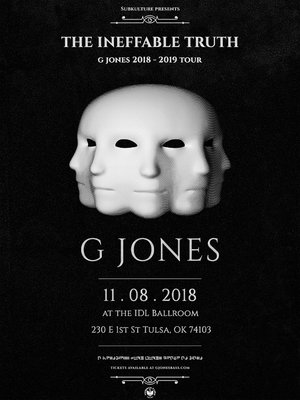
IDL Ballroom presented a wide variety of events when it was open. It routinely hosted live music concerts, DJ dance parties, fundraising events, and cultural gatherings. In its final years, many shows were in the electronic/dance genre as well as live bands. For example, concert archives show Tulsa hosted two regional EDM acts: Shanghai Doom on June 18, 2021, and Monxx on May 9, 2021 . Earlier, the venue booked Tulsa singer Thomas Martinez with Mikayla Lane (Nov 2020) and national DJ/producer G Jones (Nov 2018) www.ticketfairy.com . The club was a common stage for touring DJs and local artists in trap, bass, and pop styles, alongside tribute and cover bands. In late 2020 IDL Ballroom also took part in Tulsa’s Covid recovery music program: it hosted weekly “Play Tulsa Music” concerts through December 2020, featuring local musicians of many genres . Its event calendar typically included both one-off concerts and recurring themed nights.
Regular programming included cultural dance parties and seasonal traditions. The owners organized Latin Nights (Spanish dance music evenings) on a recurring basis, as well as EDM club nights and tribute concerts. Each Halloween the venue famously held a risqué “Nude Art Show” party, and each New Year’s Eve it threw a formal “Crystal Ball” masquerade . Farewell events in 2021 illustrate this mix: after July 4th the last weeks featured a Nude Art Show, a Latin dance night, an EDM showcase by Subsonix, plus a big multi-genre blowout run by promoter DEB Concerts . IDL Ballroom was also available for private bookings – weddings, corporate galas, and fundraisers – so its schedule blended public concerts with private social events. Generally, ticket prices and event styles varied by show: smaller local acts and dance nights had modest cover fees, while special concerts could charge $20 or more. Fans were typically advised to watch local listings or sign up for venue announcements when shows were announced.
Tickets and Booking
Since the venue has closed, no new events or tickets are available. Historically, though, tickets for IDL Ballroom events were sold through official channels (local box office sales and authorized online sellers). Fans usually bought advance tickets online or in person, and limited tickets might have remained at the door for some shows. For popular events or larger shows, presales via fan clubs or venue mailing lists were sometimes offered. Ticket prices varied widely with events – many concerts were general admission only, with pricing in the range typical for Tulsa club shows. Generally speaking, casual club or local-artist nights might cost around $10–$20, whereas higher-profile headliners and special themed events could go up to $30–$40 or more. Seating or VIP tables (for seated dinners or special guests) were priced higher. Since IDL’s closure, bookings for private events were refunded or relocated by the promoters.
Going forward, any artist or promoter wanting to use the 230 E 1st building would have to inquire with the new owners (Inheritance Juicery). For Tulsa visitors who remember IDL Ballroom, any future events at that address will be announced through Tulsa arts calendars or local media. When IDL was active, typical advice was to check the venue’s announcements or local ticket outlets. In any case, attendees were encouraged to arrive early once shows were on sale, because popular nights could sell out. It was also recommended to get there 30–60 minutes before the show start time to find parking and avoid long lines for entry . Box office operations (when open) often began selling tickets hours before events. In practice, buying early secured the best options for general admission spots.
Seating and Layout
The IDL Ballroom space was essentially one large hall with a stage at one end. For concerts and club nights, it was usually set up as general admission (standing) – no fixed seats on the floor. About 600 people could fit when standing and dancing . When arranged for seated events (like banquets or awards), folding chairs and round tables could be placed on the floor; a catering listing suggests a seated banquet capacity around 250–300. In that layout, tables would typically line the sides or back, leaving a center aisle and dance area.
As a visitor, the best views of performers were generally from the front-center of the floor. Caribbean Many patrons enjoyed standing near the stage on either side of the main speech/speaker stacks. If seating was provided (for dinner shows or special reservations), these seats were normally set around the edges of the room or on risers if used. There was no true balcony open to the public, but it’s possible a small mezzanine or side platform (exposed on the Tulsa architecture tour) gave a raised vantage for staff or VIPs. Because of the flat floor and high ceiling, acoustics could be a bit spacious-sounding; standing nearer the stage usually gave a clearer audio experience. In any case, most attendees simply took a spot on the floor wherever they preferred: up close in front for high energy, or toward the back for more personal space and balance of sound. There were no permanently obstructed areas, but columns along the walls meant extreme side-seats had a partial view. For full enjoyment, sound engineers recommended keeping some distance from the main speakers if possible.
Getting There and Parking
IDO Ballroom was conveniently located in Tulsa’s downtown, at 230 E First Street. By car, the venue was accessed via the Downtown Tulsa loop (Interstate 244): drivers could take an I-244 exit onto Detroit or Peoria and head to 1st Street. Street parking in the Blue Dome District was often available in nearby blocks, though it could fill up quickly on event evenings. Metered curb parking on 1st and 2nd Streets was typically free in the evenings but limited in number. Several small paid lots and parking garages were within walking distance. A frequently used lot was the Tulsa Credit Union parking at 4th Street (about a block north); this charged around $5–$6 for event parking. Other choice lots near Boston Avenue and 5th or 4th Streets also charged modest rates. Attendees often left cars on-street or in garages if planning dinner beforehand, then walked a few blocks to the club.
Public transit was an option for those without a car. Tulsa Transit buses serviced downtown routes: the nearest hubs were the Denver Avenue Transit Center (3rd St & Denver Ave) or the SpeediShuttle Park & Ride at I-44 & 71st (though less direct). The Aero Bus Rapid Transit also stopped on 1st Street at Cincinnati Avenue (one block west of IDL). Riders could take any Metro Tulsa bus line that ran along 1st or 2nd downtown streets, or hop on the free downtown trolley (if it was operating) to reach the Blue Dome area. From the Colorado Avenue/Downtown hub (BOK Center), it was about a 10-minute walk east. Visitors coming by Uber/Lyft would typically be dropped off at the corner at 1st and Detroit – there was a curbcut there for easy unloading. Taxi services could also pull up near the entrance, but rideshare was more common in recent years.
Inside the Venue
Upon arriving at IDL Ballroom, guests would enter through glass doors into a foyer or lobby area. Security and ticket check took place here, so one should have tickets (print or mobile) ready to scan. For 21+ events, IDs were required to verify age. The staff conducted bag checks at the door: large backpacks and outside food or drink were not allowed for safety reasons. Once inside the room, the atmosphere was dark and energetic. The main hall featured a large stage straight ahead, backed by a wall of lighting trusses and speakers. Dance-floor lighting rigs and fog at concerts gave a club-like vibe. If it was a DJ or band night, the performers set up on the stage; if it was a banquet or presentation, the stage could be cleared for seating or displays.
Behind the stage area (or along the walls) there were concession stands and bars. IDL Ballroom had a fully stocked bar serving beer, wine, cocktails and non-alcoholic drinks. This bar area was staffed throughout events. Payment was by cash or card, and patrons had to present ID for alcohol. The club also sold snacks or appetizers at the bar (chips, popcorn, etc.) on some nights. Merchandise tables (for bands or themed fests) were typically set up near the front side walls. For convenience, a coat check was usually provided near the entrance during winter events (for a small fee of a few dollars), where jackets and bags could be stored by staff. Restrooms were located on the sides near the back of the hall; each night events ensured separate men’s and women’s facilities. One of these restrooms was wheelchair-accessible when set up for public shows.
The venue could get very crowded on popular nights. The crowd was often friendly and lively. The sound was loud (as you’d expect for a nightclub or concert hall), so earplugs were sometimes recommended for sensitive ears. Most people stood or danced on the floor; a few chairs or bar-height tables near the back gave options for sitting if it was an all-ages dance event. The floor was smooth concrete, so dancing was easy but sturdy shoes are wise. There was no Wi-Fi for guests, so cell phones worked by cellular signal only (which was fair inside). Overall, the interior was designed for high-energy gatherings, so expect dim lights except for stage, booming sound system, and a busy bar serving drinks all night.
Nearby Amenities
The Blue Dome District offered plenty of amenities for pre- or post-show plans. Dining options within a few block walk included: Fassler Hall (a German beer hall at 18th & Boston), known for sausages and pretzels; Excel Blue Velvet (nice upscale American), and Andolini’s Pizzeria (blue-dome outpost of a Tulsa pizza chain). For quick bites there was Dilly Deli (sandwiches) and Juniper (burgers/cocktails). Ethnic restaurants included Yokozuna (Japanese), McNellie’s (Irish pub), and El Guapo’s Taqueria. The district also had late-night bars like Back Alley Blues BBQ, Arnie’s Bar and others where one could continue the night.
Several hotels are conveniently located near IDL Ballroom. The historic Mayo Hotel (at 5th & Boston) is about a 5-6 minute walk northwest. The Aloft Tulsa Downtown (a modern hotel built from old city hall) is a similar distance to the east. Both are walkable from 1st Street. Other downtown hotels – such as the Hard Rock Hotel & Casino (on Hwy 244, ~15-minute drive), or the DoubleTree by Hilton Warren Place – require short drives. Late-night rideshares or taxis are plentiful in downtown Tulsa, so getting back to most hotels from IDL Ballroom was easy both evenings. Attendees often planned to arrive 30 minutes before showtime to dine nearby or queue up, since Blue Dome traffic picked up about an hour pre-show.
Once shows ended, the Blue Dome nightlife continued. Bars in the vicinity generally stayed open late (past midnight or until closing), so guests could grab a nightcap in the district. Nearby late-night food options (tacos, diner fare) existed but were limited, so many people ate beforehand. After events, rideshare pick-up at the corner of 1st & Detroit or a block south was common. In summary, IDL Ballroom’s location meant theaters, restaurants, breweries and hotels were all within a few-minute drive or a short walk, giving visitors plenty of ways to round out their evening.
What Makes This Venue Special
Several things set IDL Ballroom apart. First, its history as one of downtown Tulsa’s few mid-sized music halls gave it a unique place in the local scene. It wasn’t a polished theatre or giant arena, but a scrappy converted ballroom where emerging artists and dance enthusiasts came together. That community feel meant audiences were often more up-close and interactive than at larger venues. Locals remember it as a spot where touring electronic acts and homegrown bands mixed freely in the crowd. Many Tulsa residents also recall how IDL Ballroom hosted specialty events like the Nude Art Show or Spider Ball, giving it a quirky personality other clubs lacked.
Architecturally, IDL Ballroom was special because it adapted an older urban building with respect. It retained the feeling of Tulsa’s warehouse district – brick walls, timber trusses – while adding flashy stage lighting and lounge decor. The contrast of “daytime industrial, nighttime club” was striking. Moreover, its downtown location in the Blue Dome Bridge District meant it rode the wave of Tulsa’s urban revival. Promoters often noted IDL’s opening helped encourage nightlife in that area, making it historic in a way. Local media even credited the owners for bouncing back from COVID and championing Tulsa music during lockdowns . In that sense, IDL Ballroom carries a legacy as a venue that fought to keep local nightlife alive.
For touring artists and concertgoers, the love of IDL Ballroom came from its sound and vibe. Reports from performers highlighted the venue’s loaded PA and laser-ready lights as “big enough to feel like a concert, small enough to still be intimate.” The sightlines (once on stage) were typically great from anywhere due to the low crowd barrier. Equally, fans loved the sense of discovery – seeing niche electronic producers or themed art parties in a downtown setting. Even after closure, many attendees cite the club’s warm staff and loyal local following as reasons they adored visiting. In short, IDL Ballroom mattered not just for its shows, but as part of Tulsa’s cultural fabric in the 2010s, blending art, music and community in a distinctive space.
Visitor Tips and Information
Accessibility: IDL Ballroom was on street level, so there were no steps at the main entrance. The floor plans suggest that wheelchairs could enter the main room with assistance. One of the restrooms was ADA accessible. However, older venue layouts sometimes have narrow doorways, so it’s best to contact club staff (while it was open) for specifics. With the 2021 closure, any future access queries would have to go through the new owners.
What to Bring/Not Bring: Typical club rules applied. Bring a valid photo ID (if you plan to drink or if the event is 21+). Wallet, phone and keys were usually enough; check with friends that your cell is on silent to respect the concert. Avoid large backpacks or suitcases – security often required bags to be empty or not brought in at all. Performance venues usually disallow outside food, beverages, and professional camera equipment. Small cameras and smartphones for photos were generally fine, but always double-check on the night of the show. It was acceptable to bring earplugs (noise can be loud). Dress code was casual – Tulsa nightclubs see everything from jeans to fun costumes at themed nights. A jacket might be handy for stacking or sitting on if it got chilly.
Common Mistakes: One mistake was underestimating downtown traffic and parking. Visitors often waited to the last minute, only to find nearby parking lots full. Plan to arrive about 30 minutes before doors open, especially on busy concert nights. Another tip: some events had an age cutoff (18+ or 21+). Always check the age requirement on tickets or ads – underage patrons wouldn’t be admitted on 21+ nights. Also, double-check showtimes and policies, as small venues sometimes changed door times or added fees (like a coat check in winter).
Special Considerations: Because IDL Ballroom closed permanently in 2021 , any visits now would only be for historical interest. No concerts or events operate there today. Whatever the future of the building, always confirm current plans. If you’re visiting Tulsa and reminiscing about IDL, know that the spot is no longer an active club. The new owner has mentioned redeveloping the space (possibly into a downtown café/juicery) . It’s worth noting that during its operation, IDL was a cash-light venue, so credit cards worked at the bar. Finally, remember Tulsa is part of Oklahoma, so dress comfortably for the season – summers are hot and winters are cool. If going out elsewhere in downtown, it’s easy to combine an IDL show with a walk through nearby parks or galleries.
Is IDL Ballroom still open?
No. IDL Ballroom closed permanently in August 2021 after 13 years of operation . The building was sold and the owners did not renew the lease, so no new concerts are held there. Currently, the space is not operating as IDL Ballroom.
What was the capacity of IDL Ballroom?
When configured for standing-room concerts or dance events, IDL Ballroom held about 600 people . For seated events (tables and chairs), the capacity was lower (roughly 250–300 guests). In general the venue was considered mid-sized by Tulsa standards.
Where was IDL Ballroom located?
IDL Ballroom was at 230 E. 1st Street in Tulsa, Oklahoma (zip code 74103), at the corner of 1st St and Detroit Ave in the Blue Dome District. This is in downtown Tulsa, just a few blocks east of Boston Ave and north of 1st Street Park.
Where can I park near IDL Ballroom, and is there a parking fee?
Downtown Tulsa parking varies. There are metered street spaces (often free in the evenings) along 1st and 2nd Streets, though they fill up fast. Several small parking lots are within 1–2 blocks; typical spots might charge around $5–$10 for an evening. One example is the Tulsa Credit Union lot at 4th St & Detroit (a couple blocks away), which typically charged about $5–$6 per event. Rideshare drop-offs (Uber/Lyft) were common near the entrance corner. Always plan extra time for parking on event nights.
Which Tulsa Transit bus or shuttle can I take to reach IDL Ballroom?
Downtown Tulsa is served by multiple bus lines. The main hub (Denver Avenue Station at 3rd & Denver) is a short bus or taxi ride from IDL. The Aero Bus Rapid Transit stops on 1st St at Cincinnati Ave (one block west of IDL). Several fixed routes travel along 1st or 2nd Streets downtown. For specific route numbers and schedules, check MetroLink Tulsa’s website. Keep in mind that services taper off after 6:30 pm, though Trolley shuttles and rideshares fill gaps on event nights.
Are there assigned seats or general admission at IDL Ballroom?
Most concerts and dance events at IDL Ballroom were general admission (standing room), meaning no assigned seats – guests could stand or dance anywhere on the main floor. For certain special events (like dinners or VIP sections), tables or chairs could be placed along the sides or back, but this was not typical concert seating. In essence, treat most shows there like a club/arena: first-come, first-served viewing from the open floor.
How early did the doors open before a show at IDL Ballroom?
Typically, doors opened about one hour before showtime . For example, if a concert was advertised for 8:00 pm, attendees could usually enter as early as 7:00 pm. It was wise to arrive before or right at the door time, since downtown parking and lines could form quickly.
What are the bag and ID policies at IDL Ballroom?
As a safety measure, IDL Ballroom staff searched bags upon entry. Large backpacks and outside food/drink were not allowed. Guests were advised to bring only essentials (wallet, keys, phone). Photo ID was required if you planned to purchase alcohol (and always to prove age). Any official camera (larger than phone) might have been restricted unless press-approved.
Are there food and drink options inside IDL Ballroom?
Yes. An on-site bar served beer, wine, liquor and non-alcoholic drinks throughout events. Snacks like popcorn or chips were sometimes available. After-hours dining on-site was not a feature (no kitchen for meals), so many visitors ate before or after. IDL shared space with the Enso lounge next door – though not in the ballroom room itself – which could also serve cocktails during some events.
Is IDL Ballroom wheelchair accessible?
The main entrance of IDL Ballroom was at street level with no stairs, so wheelchairs could enter the building. Inside, one restroom was ADA-accessible. Because the floor was flat, moving around on the main level was possible. However, as an older building, some entrances and doorways may have been narrower than modern standards. It was best to call ahead for specific accessibility needs. Since the venue is now closed, current ADA status would depend on any renovations by new owners.
What transportation and parking tips should I know?
Plan extra time for parking or transit on event nights. Downtown Tulsa has metered parking (often free after 6pm) but demand is high near IDL. Paid lots charge around $5–$10. An Uber/Lyft drop-off at the corner (1st & Detroit) was usually easiest. If taking public transit, use Tulsa Transit routes that end near downtown or the Aero BRT stop at 1st & Cincinnati. After shows, rideshares and taxis were plentiful downtown.
Where can I eat or drink near the venue before a show?
The Blue Dome District is full of restaurants and bars within a short walk. Nearby favorites included Fassler Hall (German beers/sausage), Andolini's Pizza (local pizza shop), El Guapo's or Pueblo (Mexican), and McNellie’s Pub House (Irish pub). For lighter fare, Dilly Deli (sandwiches) or Juniper (burgers) were close by. Many venues and breweries (like Back Alley BBQ or Dust Bowl Lanes) stayed open late for post-show drinks.
Are there age restrictions for events at IDL Ballroom?
Age requirements varied with each event. IDL Ballroom held both 18-and-up shows and strictly 21-and-up nights. Concert flyers would note the age limit. Under 21 could attend most daytime or all-ages concerts, but any night spot with alcohol service typically enforced 21+ entry. Always check your ticket or event listing. Anyone under 21 needed to carry a guardian once time.
Was there a dress code at IDL Ballroom?
IDL Ballroom did not enforce a formal dress code. The atmosphere was casual or themed depending on the night. On an average night patrons wore jeans, t-shirts, concert tees, or club attire. Some electrons nights encouraged fun outfits. If attending a costume party (like Spider Ball), appropriate dress was expected. Comfortable shoes are recommended since the floor was for dancing.
Could I check my coat or bag inside?
Yes, IDL Ballroom usually offered a staffed coat check near the entrance during cooler months or formal events. Typically it charged a small fee (anything from $1 to $3 per item). Bags that were too large to carry onto the floor could be stored here. If you have small personal items, you could also use loose pockets. It was best to hand anything bulky to the coat check staff.