About Kapen Ha
Kapen Ha is a unique cenote-restaurant venue on Tulum’s famous Boca Paila road. The open-air space centers around a natural water-filled cenote, allowing guests to swim right off the dining area. It offers an international, health-oriented menu and serves breakfast, lunch and dinner every day . In traveler reviews, the atmosphere is praised as a “marvelous” jungle paradise – one reviewer even noted “¡Recomendadísimo! Te puedes meter a nadar al cenote natural.” (highly recommended – you can swim in the natural cenote ). Kapen Ha’s thatched-palapa dining deck, palm trees and jungle setting make it a standout spot in the Tulum scene. Although it’s not a historic site, the cenote ties into the region’s natural and cultural heritage by offering a modern Mayan-inspired dining experience close to nature. Kapen Ha is relatively small (with no formal seating charts), so the vibe is relaxed and intimate rather than a large event space. It has a casual boho-chic feel – think barefoot beachwear, colorful decor and sun-dappled waters – rather than a formal ballroom or concert hall.
Events and Programming
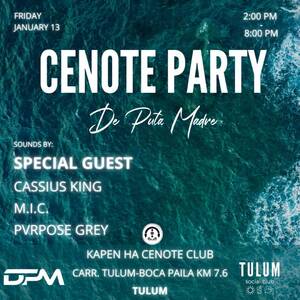
Kapen Ha is primarily a restaurant and cenote experience, not a regularly scheduled concert hall. Its calendar is driven by dining hours (8am–6pm daily ) rather than show dates. According to event listings sites, there have been virtually no public music events at Kapen Ha – for example, TicketFairy’s calendar shows only a single past event (January 13, 2023) and no upcoming shows www.ticketfairy.com . In practice, any programming tends to be one-off special events (pop-up dinners, private yoga or wellness retreats, or occasional guest DJs) rather than a fixed series. Visitors typically come to eat and enjoy the cenote; live music is not a guaranteed feature. When events do occur (such as a private party or charity dinner), they are usually ticketed or invitation-only and would be announced through local event promoters. Because Kapen Ha is outdoors and closes by early evening, you won’t find late-night concerts here. In short, don’t expect a regular DJ schedule – instead enjoy the daytime “program” of swimming, dining, and the tropical atmosphere, with only the occasional special event on the calendar.
Tickets and Booking
This venue does not have a central box office or ticket outlet. For normal visits, there is no ticket to enter – you simply arrive and order food or drinks. If Kapen Ha does host a special event, tickets would be sold in advance through promoters or online platforms, but as of 2025 no such events are listed. To dine or swim, it’s best to reserve ahead (especially on weekends or holidays). Kapen Ha may take reservations by phone or email – check their official contact info if available. Standby walk-ins are accepted when space allows, but arriving early is wise since seating is limited. There are no published ticket prices for events because regular entry is free. Instead, plan on paying for each meal or service. The menu is mid-range for Tulum (expect main dishes in the ~$15–30 USD range), and reviews note that prices “are worth every peso” . In practice, visitors pay only for what they order – there’s no hidden cover charge or minimum spend requirement (unless a private party specifies one).
Seating and Layout
Kapen Ha’s layout is informal and open. The central feature is the crystal-clear cenote pool, with wooden decks and palm-thatched palapas surrounding it. Evening diners relax at simple tables and lounge chairs under thatched roofs or open sky. There are no fixed “best seats” like a theater; however, tables immediately beside the water offer the closest view of the cenote and are most coveted. If you can, request a table by the edge for the full experience of dining steps from the swim area. All seating is general admission – there are no numbered seats or VIP boxes. Sound carries in the open space; you can expect conversations and nature sounds rather than amplified music (it’s a casual, laid-back vibe). Because the venue is low to the ground and open-air, acoustics are simple – intimate and not designed for live bands or loud performances. Visitors should be aware that standing areas near the kitchen or bar may be slightly noisy or busy, so most guests prefer to stay near the water or bar seating.
Getting There and Parking
Location: Kapen Ha’s exact address is on the Tulum–Boca Paila highway at kilometer 7.6 . This is the coastal road just outside downtown Tulum, on the way to Boca Paila. By Car: Driving south from Tulum town, watch for the sign or GPS point for “Km 7.6” on Highway 307. Free parking is very limited; expect to use a small gravel lot or roadside shoulder near the restaurant. Arrive early for a spot on busy weekends. Public Transit: Tulum does not have city buses to this exact spot, but colectivo vans (shared shuttles) frequently run along the hotel strip toward Boca Paila. Ask the driver to drop you at Kapen Ha (they know the marker). Alternatively, take a taxi or rideshare – Uber and local taxi apps (like Didi) reach this area, and many drivers are familiar with Boca Paila road. . Walking/Riding: If you’re staying at a nearby beach hotel or cenote tour, you may also take a bike or scooter. Kapen Ha is about 11 km south of central Tulum (a 15–20 minute drive), so it’s usually not walked unless you’re very fit. Drop-Off: For rideshares or taxis, ask to be let out at “Km 7.6 Boca Paila road.” The main entrance is easy to spot by the thatched palapa tents. Parking Cost: There is typically no formal parking fee, but space is at a premium. It’s safest to plan drop-off or allow extra time to park and walk a short distance from your vehicle.
Inside the Venue
Atmosphere: Enter Kapen Ha and you’ll find a lush tropical ambiance: wooden walkways, palm-planked floors and open-air ceilings letting in sunlight and breeze. The vibe is casual and friendly – staff often greet you at the entrance. As you walk in, you’ll either pay or be seated by the open-air bar/host station. Housed partially under palm-thatched ramada roofs, the tables surround the natural cenote pool. Expect reggae or chill electronic tunes at low volume, or live acoustic guitar on rare occasions – but loud partying music is uncommon here. Security/Entry: There is no metal detector or age check at the door. Security is minimal; feel free to walk in as long as it’s during open hours (8am–6pm daily ). On busy days, hosts may ask you to wait for a table. Food and Drink: Kapen Ha has a full service restaurant and bar. You can order Mexican and international-style breakfast items, salads, seafood and hearty mains. The menu caters to fresh, healthy tastes (juices, smoothies and organic options are common). Cocktails, beer and wine are available. Reviews praise the “unique attention” and fresh food – one guest noted the costs were “worth every peso” . Plan to pay at your table or at the bar. Special Features: The crowning feature is the cenote itself. There’s a wooden ladder or stairs down into the water; guests with swimsuits can climb in to cool off at no extra charge. Towels are sometimes provided, but it’s a good idea to bring your own if you plan to swim. Restrooms & Services: Restrooms are located indoors near the dining area. There is likely no luggage or coat check. Limited Wi-Fi or cell coverage may be available, but don’t rely on strong service – the jungle setting can be patchy for cell data. Merchandise: Kapen Ha does not have a gift shop. The focus is on enjoying the natural setting and food, rather than souvenirs.
Nearby Amenities
Kapen Ha sits in a less touristy section of the hotel strip, so options within walking distance are sparse. However, a few noteworthy places are nearby along Boca Paila road. Restaurants: For additional dining, head 2–3 km north to find other jungle restaurants (for example, the well-known Kin Toh at 5 km or Casa Jaguar in Aldea Zama if it’s reopened). Back in the main Tulum zone (about 10–15 minutes north), there are many more options for pre- or post-visit dinners: favorites include La Zebra Beach (down on the seashore), Arca or Gitano (both jungle clubs/restaurants), and local taco stands near town. Bars & Coffee: Kapen Ha itself has a bar, but if you want a spot for cocktails after sunset, you’ll likely need to return toward downtown Tulum or the beach. Popular lounge bars like Batey Mojito or Pasito Tun Tun are 10–15 minutes away. Hotels: Boutique jungle and beach hotels pepper the Boca Paila stretch. Several ultra-luxe eco-resorts lie within a few kilometers (for example, Akiin Beach or Atera Hotel are further south on the same road). In town, many mid-range and budget hotels are available near the Tulum lagoon and ruins areas. Shopping: There are no shops adjacent to Kapen Ha; the nearest convenience is a small tienda a few minutes away by car. Most visitors plan shopping and nightlife for downtown. Transportation Options: There are no subway or train connections. The main access is by car, taxi or colectivo via the Tulum–Boca Paila highway. The nearest phone signal and ATMs are back toward Tulum center, so prepare accordingly before heading to Kapen Ha.
What Makes Kapen Ha Special
Kapen Ha’s charm lies in its fusion of natural beauty and laid-back hospitality. The ability to dine steps from a mineral-rich cenote makes it truly unique – it’s hard to find another venue where you can swim in a clear-water sinkhole and eat under a palapa roof on the same ticket. Visitors love the “jungle paradise” feel and rave about the staff’s warm, personal service . The setting itself – a tropical forest with birds, vines and water all around – creates a memorable experience that appeals to both Instagram photographers and nature-lovers. In Tulum’s mix of beach clubs and jungle retreats, Kapen Ha stands out for being unassuming and eco-friendly. Unlike large nightclubs or beachfront resorts, it feels intimate and authentic. It represents the spirit of Tulum’s sustainable scene by preserving the cenote and offering a peaceful respite. While it hasn’t hosted “legendary” performances, it has become a beloved local gem; word-of-mouth is how most learn of it. Even without big-name artists on stage, Kapen Ha is celebrated by guests – often for small moments like a quiet morning swim or a sunset cocktail by the water – making it a place where both visitors and locals say they’re “sin duda” coming back .
Visitor Tips and Information
**Accessibility:** Kapen Ha is built around rough natural terrain. It is **not** fully wheelchair accessible – there are steps, uneven paths, and a ladder into the water. Visitors with mobility issues should call ahead for guidance.
Frequently Asked Questions
Is there an entrance fee or ticket to visit Kapen Ha?
No cover charge is required. Kapen Ha operates as a restaurant/cenote, so you simply pay for any food or drinks you order. Swimming in the cenote is complimentary with your meal. Special events (if any) would have separate tickets, but as of now normal entry is free.
What are Kapen Ha’s opening hours?
Kapen Ha is open daily from morning through early evening. TripAdvisor lists its hours as 8:00 AM–6:00 PM every day . They serve breakfast, lunch and dinner during these hours. It closes promptly at 6 PM, so plan to arrive before then.
Do I need to make a reservation at Kapen Ha?
Reservations are not mandatory, but they are recommended on weekends or holiday dates. Kapen Ha is small and popular, so booking ahead helps ensure you get a good table (especially near the cenote). You can usually reserve by calling the venue directly. Walk-ins are accepted when space allows, but arriving early avoids disappointment.
What kind of food and drinks does Kapen Ha serve?
Kapen Ha offers an international menu with a focus on fresh and healthy cuisine . They serve Mexican-style breakfasts, hearty salads, seafood and grilled dishes, plus tropical cocktails, coffee and fresh juices. Many vegetarian and health-conscious options are available. Portion sizes are generous – reviewers say the quality justifies the price.
Where exactly is Kapen Ha located?
Kapen Ha is on the Main Beach Road (Highway 307) at kilometer 7.6, south of Tulum town . It is about an 11 km drive from the Tulum plaza, along the Tulum–Boca Paila highway. The address (on local guides) is often shown as Carretera Tulum-Boca Paila Km 7.6. Look for the thatched palapa roof and the cenote pool on the roadside.
How can I get to Kapen Ha by public transit or taxi?
There is no direct bus, but shared “colectivo” vans run along Highway 307 toward Boca Paila. Ask to be dropped off at the Kapen Ha stop (near km 7.6). Taxis or ride-hailing apps (Uber, Didi) will reach Boca Paila road without issues – just show them the address or say “Km 7.6 en la Carretera.” In Tulum, many taxis know the lodges and cenotes on this road. Once you arrive, the venue entrance is unmistakable under the palapas.
Is there parking available at Kapen Ha?
Parking near Kapen Ha is very limited. There is a small unpaved lot adjacent to the restaurant and a bit of shoulder parking along the road. No official parking garage exists. If driving yourself, arrive early (right at opening) to secure a spot. Alternatively, plan a taxi drop-off. There is no extra fee for parking; just be mindful of where you leave your car on the shoulder.
Does Kapen Ha have wheelchair or stroller accessibility?
Because Kapen Ha is built around a natural cenote and jungle terrain, it has limited accessibility. There are steps and uneven wooden paths, and the entrance to the water has a ladder. Wheelchair access is not well accommodated, and strollers may be difficult to maneuver. If you have mobility concerns, call ahead as the staff may be able to suggest options or assist you.
Are children and pets allowed at Kapen Ha?
Children are welcome (supervise them around the water). However, pets are **not** allowed inside the venue . In fact, reviews note that Kapen Ha recently changed to a pet-free policy – dogs and other animals are no longer permitted. So for your visit, leave pets at your lodging or with a pet sitter.
Can I swim in the cenote at Kapen Ha?
Yes – swimming in the cenote is one of the main draws. Guests in swimsuits can climb down the wooden ladder into the clear cenote pool at no extra charge. Many visitors jump in to cool off after eating. Water shoes are recommended as the floor can be rocky. Lifeguards are not present, but the cenote is shallow near the edges. Keep children within arm’s reach, and respect any posted rules or staff instructions.
Is there a dress code at Kapen Ha?
There is no strict dress code; beach-casual attire is typical. Most people wear swimsuits, shorts, sundresses or light tropical clothing. Flip-flops or sandals are common. Since the sun can be strong, many also wear hats or cover-ups. Evening diners may dress a bit nicer (smart-casual), but jeans and a nice shirt are sufficient. Ski wear or formal attire would be out of place – think relaxed island style.
Are credit cards accepted at Kapen Ha?
Kapen Ha generally accepts major credit cards at the restaurant and bar. However, it’s wise to carry some Mexican pesos just in case (particularly if you plan to swim or order smaller items outside the main dining area). Having cash is also helpful for tipping. ATMs are not on-site, so withdraw funds in Tulum town before you arrive if needed.
Is Kapen Ha family-friendly?
Yes, Kapen Ha is family-friendly. Many visitors bring kids to swim in the cenote. The relaxed daytime atmosphere suits families. (Just remember the water and walkways, so keep a close watch on young children.) The staff is accustomed to children, and the menu has kid-friendly options like pancakes and fruit. There is no nightclub scene here – it closes at 6pm – so it’s safe for families with early bedtimes.
Can I host a private event or wedding at Kapen Ha?
Yes, Kapen Ha can be booked for private events, but capacity is limited. It’s ideal for small weddings, birthday parties or corporate gatherings in a jungle/cenote setting. If you want to organize a private event, contact Kapen Ha in advance to discuss availability, catering and rental fees. Because it’s primarily a restaurant, such events may involve a minimum spend or full buyout. Large events should account for the fact that dining areas are outdoors and informal.
What should I bring or not bring to Kapen Ha?
Bring swimwear and a towel if you want to use the cenote. Also pack sunblock, insect repellent and a hat for daytime. Comfortable shoes or sandals are a must. Leave valuables at home or keep them dry – you’ll be around water with no lockers. It’s also smart to carry cash for small purchases, though cards are usually accepted. Outside food, large coolers or alcohol are not allowed; you must order on-site. In summary: gear up for a beach/cenote day, pack light, and respect the natural surroundings.