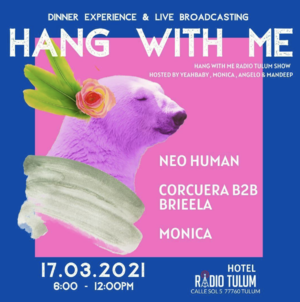
About Radio Tulum
Radio Tulum isn’t a conventional nightclub or concert hall – it’s a cultural hub and concept venue born from a community radio station. Founded around 2015 by local creatives (led by Mandeep Bhatia), it was created as an “independent voice” and gathering place for artists, travelers and culture lovers in Tulum (www.radioheritage.com ) (www.radiotulumhotel.com ). Today it encompasses a boutique hotel, art gallery and open-air event space. The main location is a laid-back courtyard in Tulum town (the Radio Tulum Hotel), roughly 4.8 km from the beach (www.radiotulumhotel.com ). It can host intimate live shows and gallery events (typically up to a few dozen people). In the past the group also ran “Radio Tulum Beach,” a small concept store and gallery on the beachfront road (Carretera Boca Paila at KM 8), though that space is now closed. What makes Radio Tulum unique is this mix of radio, art and hospitality. Signature touches include an actual radio booth in the courtyard, ever-changing art installations and a soulful, community-driven vibe. This venue has become a beloved part of Tulum’s creative scene by showcasing local musicians and thinkers, reflecting the town’s bohemian spirit and providing an alternative to the typical tourist clubs.
Events and Programming
Radio Tulum hosts a wide variety of events, blending live music, art and discussion. Expect anything from DJ nights (often deep house, world or downtempo grooves) to live acoustic or electronic sets, artist talks, panel discussions and workshops. Many of these events are tied to the radio station’s programs – for example the “Journey of a Life Through Music” interview show or new “DJs in Space” series have had live tie-ins (www.radioheritage.com ). Performances tend to be intimate and consciously curated, focusing on creative expression rather than mainstream acts. The venue frequently features local and international DJs/performers in small-scale concerts, plus occasional gallery openings or experimental pieces. Because it’s a DIY space, events don’t happen every night; programming is typically irregular but happening several times a month. There are often sunset sessions and late-night gatherings on weekends, with events ranging from free or donation-based cultural evenings to ticketed concerts. Past highlights have included live radio broadcasts, vinyl listening parties and collaborative art-music happenings. Since it’s an underground spot, well in advance notice is rare – visitors should watch Radio Tulum’s social media or sign up for newsletters to catch upcoming shows. Ticket prices vary by event, but most local gigs are affordable (roughly 200–500 MXN, or $10–$25 USD). Special headliner events or workshops might run a bit higher, but this venue generally keeps things accessible. Remember that many nights have a very relaxed vibe – sometimes seating is on the grass with lounge cushions and a taco truck parked out front, rather than fixed rows of chairs.
Tickets and Booking
Radio Tulum events are usually advertised through the Radio Tulum website or Facebook page rather than a big ticketing platform. There is no large box office: tickets (if needed) often go on sale online via local event partners or are sold at the door. For popular or limited-capacity shows (like special DJ sets or artistic installations), it’s wise to RSVP or buy early through whatever local sites are mentioned (Ticketmaster and Boletia sometimes list Mexico events, or you may be pointed to a smaller platform). Smaller gatherings might simply be first-come, first-served. If you’re staying at the Radio Tulum Hotel, the front desk can often reserve a spot or give advice on upcoming events. Keep an eye on Radio Tulum’s social accounts and Tulum event listings for announcements, since shows may be announced only weeks or days in advance. There usually aren’t multiple pricing tiers – most entries are flat rate or donations. When prices are charged, they are affordable (occasionally as low as $5–10 USD for local bands, or $20–30 USD for international performers). In short, check online ahead of time and consider calling or messaging the venue staff if you have specific questions about booking entry for an event. Last-minute door sales may be limited by space, so arriving early is recommended.
Seating and Layout
The venue at Radio Tulum is an open-air courtyard centering around the boutique hotel’s pool and bar. There is no fixed seating like in a theater. Instead, the layout is casual and communal: lounge chairs, low wooden benches and floor cushions are scattered around, and mirrored disco balls or hanging lights set the mood after dark. For dance-oriented nights the floor in front of the DJ/radio booth is open for standing or dancing. If there are chairs, they’re often loose plastic or wicker lounge chairs pulled into a circle. A small elevated DJ booth and speaker system sits at one end of the courtyard (sometimes decorated as a film-like radio booth), and the bar or restaurant area makes up another side. Some guests have noted a roof terrace at one end for extra seating (recent listings mention a “rooftop terrace” overlooking the courtyard (www.traveloka.com )). In practice the best views of a performance are on the ground floor near that booth, or up on the roof terrace (weather permitting). There are no poor sightlines with a small crowd – if anything, standing in the middle of the courtyard gives a balanced sound experience. VIP or reserved spots are loosely defined; you might get a few cushioned chairs reserved along the back or lounge tables near the pool if a group books them. Acoustically, the sound system is designed for open-air – bass can fill the space nicely, but note that speakers may be closer to the stage end so standing too far to one side might be slightly quieter. In general, front-and-center by the booth is the best acoustic spot for music, while the shaded seating or pool-side benches are great for a relaxed chat and drinks.
Getting There and Parking
Radio Tulum’s main event space is located at Calle Sol #5 (Block 9) in downtown Tulum (also promoted as the Radio Tulum Hotel). There is also a mention of a “Radio Booth” at Carretera Tulum-Boca Paila KM 8, which was a former beach-area concept gallery. In practice, most visitors attend the downtown venue. Exact address: Calle Sol 5, Col. Centro, Zona Hotelera, Tulum, QR 77780 (you can also use Google Maps). If you’re coming from Tulum town center, it’s a short drive or bike ride south along Av. Tulum. There are no taxis or city buses dropping directly at this doorstep, but you can take a colectivo (shared van) from the Tulum bus station heading toward the beach zone and ask to be let off at Calle Sol or Batey (this runs about every 30 minutes during the day, fare ≈15 MXN). In practice, most visitors arrive by taxi (typical taxi rates are ~$8–10 USD from the center). Rental bikes or scooters are also popular – the hotel and courtyard sit just off the main road, so it’s easy to pop in if you bike south from the ruins area or town. Parking-wise: there is no large dedicated lot. Street parking may be very limited on busy nights, and the neighborhood has few marked lots. If you drive, plan to park in the small public spaces or side streets nearby or to check if the hotel has an arrangement for event cars. Many guests find it easiest to use taxi or rideshare instead of worrying about parking. Note that Uber is only sporadically available in Tulum – licensed taxi apps (like Didi) or workbook counters are the usual way to hail a ride.
Inside the Venue
Step inside and you’ll find a soothing blend of modern design and bohemian decor. The courtyard has a crystal-blue pool at its center, surrounded by lush tropical plants and artful touches (think hand-painted murals, hanging lanterns, and sculptures by local artists). Entry is generally straightforward – guests often just walk in when events begin, sometimes checking in with a host. Security and bag checks are minimal or absent, given the laid-back atmosphere. The air is warm and humid (bring light clothing), and sand floors or wooden decking lend a beachy feel. On the pool edge is a bar where bartenders serve cocktails, mezcal shots and local beers; prices are definitely above street corner levels (typical cocktail ~$8–10 USD), but consistent with Tulum nightlife. For food, Radio Tulum has the “Mom’s” restaurant on site (an in-house eatery serving Indian cuisine and vegan options (www.radiotulumhotel.com )). You can grab snacks or a full buffet meal at Mom’s kitchen before or during events (the staff often brings trays of Indian street foods, dosas, samosas and chutneys). If you prefer Mexican fare, rotating food carts or neighboring restaurants might cater certain events (it’s common to smell tacos cooking poolside). The concept store element is folded into the courtyard – you may see racks of art prints, handmade jewelry and Radio Tulum-branded clothing or records for sale at the front of the space or along one wall. A merchandise table is sometimes set up during events. Restrooms are clean and modern, located just off the main patio area; they are single-stall bathrooms, so expect a line during intermission. Other amenities: free WiFi is available throughout the property, and cell reception is generally strong. There is no coat check (it’s casual – leave the puffy jackets at home), and as a largely outdoor venue there’s no cloakroom or luggage storage for day visitors. Expect the staff to be friendly and multilingual (mostly English and Spanish); they’re an informal crew so you won’t see strict bouncers or dress-checkers. For connectivity, the radio station’s live stream can sometimes be heard on the speakers, so you get the experience of “being on air” during some sets. All in all, inside Radio Tulum feels like a creative living room: eclectic music, friendly chatter, and plenty of space to wander, relax or dance.
Nearby Amenities
Although Radio Tulum’s location is a little off the beaten path, there are plenty of spots to grab dinner or stay the night nearby. In Tulum’s town (centro) you’ll find mid-range hotels, hostels and restaurants all within a 5–10 minute drive. If you’d prefer beach vibes, note that the venue is not on the sand; the closest beachfront restaurants (like Casa Banana at km 5, Burro Bora at km 7, or Casa del Agua at km 9) are 10–15 minutes away by taxi. More immediate options in walking range include the street-food stalls on Calle Sol, smoothie shops like Raw Love (a 5-minute walk), and casual taco stands. For pre-show dining or drinks, many visitors recommend heading downtown to Avenida Tulum–even a short detour to Antojitos La Chiapaneca (good tacos) or Burrito Amor (excellent burritos and bowls) can set the mood. After the show, late-night transport can be scarce – plan to either call a taxi in advance (there are 24h taxi stands in town) or drive yourself. There is no Uber, but phone apps like Didi or in-person taxi ranks near the main highway can be found. Popular after-parties often spill into town clubs like Pasito Tun Tun or Santino’s just for easy transit. If you’re staying overnight, hotels near downtown are convenient. Notable ones nearby include Posada Luna del Sur (300 m west) and Casa del Sol (800 m north). The Radio Tulum Hotel itself has a few boutique rooms if you want beep-to-BEAM continuity. In short: good local eateries and casual bars line nearby roads, but if you need a full restaurant menu or nightlife beyond, you’ll likely head back toward central Tulum or even the playa (beach) hotels. Always check opening hours though – many places close by 11pm, and taxis after midnight may be limited without a prearrangement.
What Makes This Venue Special
Radio Tulum’s personality is what really sets it apart. Architecturally, it’s not a lavish stage but rather a cozy sanctuary: white stucco walls, palm tree canopies and a tranquil pool courtyard give it a laid-back “home away from home” feel (www.radiotulumhotel.com ). In one corner is the actual radio studio booth – a reminder that this is more than just a bar or gallery. Inside, walls are decorated by local artists, reflecting Tulum’s mix of Mayan roots and cosmopolitan creativity. The design is minimalist-rustic, with handmade wooden furnishings, natural fabrics and splashes of vibrant art. The roof terrace offers lush jungle views, and after dark the place lights up with strings of Edison-bulb lights, lanterns and often candlelight on tables. Story-wise, its founding as a nonprofit production house means many of Tulum’s artists and thinkers have passed through here. Mandeep’s vision to “honour Tulum’s magical energy” (www.radioheritage.com ) shows up in conversations and programming – the events often feel like a communal campfire rather than a sterile concert. It’s a rare venue where musicians share their life stories between songs (for example, the Carlito Dalceggio “Journey Through Music” interview performed on-site (www.radioheritage.com )). Though not a grand single “legendary” moment in pop lore, the cultural significance is deep: Radio Tulum has quietly built a bridge between locals and the global crowd. Tourists come to party, but after an evening here many comment they “found meaning” or “made real connections.” The space has hosted everything from yoga-and-drum circles at sunrise to indie-electric dance hours under the stars, capturing the full Tulum spectrum. Artists love it for its authenticity (no corporate promoters, just passionate staff), and audiences love it for the intimate vibe. In short, its history of championing local talent and fostering dialogue makes every visit feel like joining a long-running creative underground. This is what makes Radio Tulum more than just a venue – it’s a landmark of Tulum’s bohemian soul.
Visitor Tips and Information
Accessibility. Radio Tulum sits at ground level but is not a formal ADA-compliant structure. Paths are mostly flat or gently sloped, but there are outdoor steps around the pool and uneven stone floors. Visitors with limited mobility should inquire ahead – the staff is helpful but note there is no elevator (everything is on one level or rooftop). Restrooms may not be wheelchair-accessible. Bring any needed mobility aids. The venue tries to be inclusive, but do confirm if you need special accommodation.
What to Bring. Comfort is key. Wear light, breathable shoes (sandals are fine; heels can sink into sand or grass). Daytime events mean sunscreen and sunglasses; evenings can get cooler after sunset, so a light wrap is smart. Always carry a photo ID (entry policies often require ID for night events). Cash is advisable – some smaller food vendors or tip jars won’t take cards, though the bar/restaurant does accept cards. Reusable water bottle – they have filtered water you can fill. A camera is fine (many guests take photos), but drones or professional cameras usually need pre-approval.
Don’t Forget. The venue is casual, so there’s no strict dress code (leave your clubwear at home, Tulum style is more boho-chic). That said, some events discourage open alcohol brought in or smoking; check ahead if it’s an event policy. Drugs/trippy stuff are illegal – just like anywhere, authorities can show up given the high-profile touristic scene in Tulum. Safe practice: stick to tobacco or legal cannabis (Mexico is federally decriminalizing, but use discreetly).
Age Restrictions. Radio Tulum events are mostly 18+ (the hotel is 18+ only for lodging). Family-friendly daytime workshops may allow younger teens if noted, but plan for adult company or babysitting if you have kids. This isn’t a kids’ play area; it’s geared toward adults and hipsters.
Arrival Timing. In Tulum fashion, shows often start late. Doors typically open around sunset or 9pm for music nights, even if flyers say 6pm. Locals often arrive fashionably delayed. If you want a prime spot front and center, arrive early (within 30 minutes of start). If you’re just going for the vibe and casual poolside chilling, arriving later is fine.
Photography and Phones. Casual photography is welcome but be respectful. During radio interviews or intimate acoustic sets, staff may ask for silence or limited flash. Social media sharing is encouraged (it helps the community). Feel free to tag and share, but avoid loud phone calls during performances. The venue does offer free Wi-Fi (“RadioTulum_Guest”), so you can stay connected.
Local Etiquette. The crowd here tends to be open-minded and friendly. It’s polite to greet performers or speakers, and dancing is encouraged. Conversation is always welcome (many events feature Q&A or discussions). People often come barefoot or in bohemian attire; fit right in with natural, handmade jewelry and loose linen if you want to match the vibe.
Common Mistakes to Avoid. Don’t assume big signage or neon – the entrance can be subtle (look for a radio mural or small “Radio Tulum” sign). Double-check the exact location (there are similarly named places). People sometimes mix up the hotel’s downtown address with the beach road reference. Also, because it’s an outdoor space, insect repellent is smart – evening mosquitos are real. Keep valuables secure; as with any nightspot by the jungle, stay alert. Finally, note that weather in Tulum can be unpredictable – heavy rain might prompt an event change of venue (they have some covered area but not a ballroom), so have a backup plan.
Insider Tip. If you really want the Radio Tulum experience, visit the on-site Mom’s restaurant before settling in. The Indian street food is surprisingly authentic and a favorite even of folks who never expected Indian cuisine in Mexico (www.radiotulumhotel.com ). Also, follow Radio Tulum’s daily/weekly radio stream – occasionally they will mention an impromptu gathering or pop-up performance. Being in the loop can lead to spontaneous late-night events that don’t hit the main billboards. In short, be curious, ask local staff, and treat it like a friendly community “club”.
What is the capacity of Radio Tulum and how big is the space?
Radio Tulum’s courtyard event space is fairly intimate. The open-air area is about 450–500 square meters with a pool in the middle. In practice it can hold around 80-150 people comfortably (standing/dancing), though for very packed shows they might squeeze up to around 200. There is no fixed seat count; it’s more a flexible lounge and dance floor. Big concerts (500+ crowd) would likely be too large for this venue.
Is Radio Tulum indoor or outdoor, and what is the venue layout?
Radio Tulum is primarily an open-air venue. It consists of a central courtyard with a pool, surrounded by the hotel building and open seating. There is a partial roof cover and a rooftop terrace, but most of the action is in the outdoor courtyard. Performers are on a small raised area or DJ booth. Guests lounge on chairs and benches around the pool or dance on the yard. Despite being open-air, there are solid walls and ceilings on some sides, creating a cozy enclosed feel.
Are tickets easy to buy and how much do they cost?
Tickets are usually easy to obtain if you plan ahead. For most events, you can buy online or reserve through Radio Tulum’s social media pages or local Mexican ticket sites. Many events are small, so they sometimes sell out. Prices depend on the event: local DJ nights or talks can be free or around 200–300 MXN (≈$10–15 USD). International acts or special workshops might range 400–600 MXN ($20–30 USD). Sometimes free or donation-based tickets are offered for community shows. There is no giant box office on site – tickets are often emailed or picked up at the door, so watch the announcements closely.
How do I get to Radio Tulum from downtown or the beach? Is parking available?
To reach Radio Tulum Hotel (downtown location), taxis from Tulum city center are easiest (≈$8 USD, about 5 minutes). You can also take a colectivo (shared van) heading to the beach zone and ask to be dropped at Calle Sol or nearby. From the beachfront hotel zone, it’s a 10–15 minute taxi ride. Parking is limited: there’s no large lot specifically for visitors. On busy nights street parking fills up quickly. If you drive, try to arrive early or consider parking at a nearby lot (some hotels allow valet for a fee). Many people skip parking and just take a taxi or ride-share in order to avoid the hassle.
What is the entry and security process like?
Entry is generally relaxed. At the door you’ll either show your ticket or pay cover (if required) to the host. Staff do quick bag checks, but heavy security isn’t the norm. It feels more like walking into a friend’s house party than a nightclub. Photo ID is usually asked for to verify age. Expect no lines after the evening rush; it’s casual enough that people mill around or hang by the bar until a show starts. There is no cloakroom – just carry what you need in your bag. Security personnel (if any) are unobtrusive, and smoking is restricted to designated spots (usually a corner by the pool or outside the bar area).
What are the dress code and age restrictions for Radio Tulum events?
There’s no strict dress code – Tulum style is casual and bohemian. Many guests dress in light, airy outfits or barefoot. High-fashion clubwear or suits aren’t necessary. Just wear something comfortable and express your own style. Note that events are generally for 18+ only (the onsite hotel is adults-only). Some daytime cultural events might allow teens with a guardian, but night shows expect only adults. If in doubt, check the specific event invite – most will clearly state “18+” if it’s an adult-only show.
Are there food and drink options inside the venue?
Yes. Radio Tulum has a full bar on premises serving alcoholic cocktails, beer and non-alcoholic drinks. There is also the in-house restaurant “Mom’s” for Indian street food and snacks, which is open during events for light meals (think dosas, curry bowls, samosas). On event nights, you might find taco stands or food carts parked outside. Prices are moderate-to-high (cocktails around $8–10 USD). You can order at the bar or restaurant and enjoy your food near the pool or seating areas. If you have dietary restrictions, Mom’s offers vegetarian/vegan options too.
Is Radio Tulum wheelchair accessible?
Accessibility is partially limited. The main event courtyard is mostly flat at ground level, but there are a few steps and raised platforms (especially near the pool and stage). There is no elevator (events are on one level plus a roof terrace). Restrooms are small single stalls. If you rely on a wheelchair or have major mobility challenges, it would be wise to contact the venue in advance. Staff will usually accommodate as much as possible, but this historic building was not built with full ADA standards. The good news is few stairs beyond maybe a small ramp, so it’s not completely prohibitive.
Are pets or service animals allowed?
General policy: pets are not allowed (with the exception of certified service animals). The space is small and there’s a pool/food on site, so pets could be a hazard. If you have a service dog, you should be able to bring it, but it’s best to mention this to the organizers when reserving tickets. Emotional support animals (without certification) are typically not permitted. In short, plan as a pet-free visit (though the friendly cats roaming Tulum centro might occasion an unexpected visitor).
When is the best time to arrive, and do events often run past midnight?
Book shows at Radio Tulum usually start around sunset or early evening. Doors might open 6–8 PM for earlier music sets, but often the main DJs or headliners start between 9–11 PM. Many people arrive late, especially on weekends. If you want to catch the opening act or get a good spot, aim to arrive at least 30 minutes after advertised start time. Events typically go on into the late night or early morning (Tulum culture likes to dance until 2–3 AM). Note that during weekday or special cultural nights, things might wrap up earlier (around midnight). Always check the specific event duration on the flyer or ask staff – they will usually indicate if it’s an all-night party or an early-close talk series.
Are there coat checks, lockers or places to store bags at Radio Tulum?
No. Radio Tulum is an open-courtyard venue without formal cloakroom facilities. There is no coat check or luggage storage. Guests usually carry personal belongings with them. Because the vibe is casual and friendly, people often keep bags at their feet or hang them on the handles of nearby chairs. Small lockers or lockers are not available, so if you have large luggage or extra items, it’s best to leave them at your hotel or in your car/trunk.
What are the venue’s policies on photography and mobile phones?
The atmosphere is very relaxed about cameras and phones – most people take photos freely during performances. Point-and-shoot, phone pics and casual filming are fine. However, big professional cameras or video setups should usually be cleared in advance (especially during radio shows or artist talks). During quiet moments or speeches, the staff may gently ask you to lower your ambience or shine a flashlight. The venue does have free Wi-Fi throughout, so you can stream or check social media while listening. Just be considerate – avoid loud phone conversations or bright screens during a show. In general, capturing the experience to share with friends is perfectly acceptable here.