About Red Room Studio
Red Room Studio is a small, dive-bar style music venue tucked inside the Black Cat nightclub at 1811 14th Street NW in Washington, DC (www.ticketfairy.com ). Inside, the walls are painted a deep crimson and the vibe is very punk-rock and unpolished – think worn wooden floors, low-hung lights, a three-sided marble bar at center, vintage jukebox, pinball machines and even two classical statues behind the bar (from the original 1993 Red Room) (www.washingtonpost.com ) (www.ticketfairy.com ). In other words, it feels like a relic of DC’s underground scene. The space opened in the early 1990s (initially at 1831 14th St) and moved to the current Black Cat location in 2001 (www.washingtonpost.com ). Its latest renovation (in 2019) carved the Red Room into a snug corner of the concert hall with a removable accordion wall (www.washingtonpost.com ) (www.washingtonpost.com ). Through all its versions, the Red Room has been a cornerstone of DC’s alternative-music community – beloved by local bands and audiences alike (www.washingtonpost.com ) (www.ticketfairy.com ). The venue’s capacity is quite small (roughly 100–200 people) (www.ticketfairy.com ), so every show feels intimate and homegrown.
The type of acts you’ll see here ranges from fast punk and hardcore to indie rock and experimental electronic music. Its signature features – the red walls, antique decor, and cozy bar – give the Red Room a retro, dive-bar ambience that’s hard to find in modern clubs. This historic significance (and nostalgia) is what makes Red Room Studio matter: it’s one of the few remaining live-music backrooms from DC’s “golden age” of punk and alt-rock. Generations of Washingtonians remember hanging out here before or after bigger shows, or seeing up-and-coming bands make their mark on this small stage. The atmosphere is deliberately casual and undirected, so artists and fans feel part of a community. As one local organizer put it, the Red Room “embodies the free spirit – overflowing with energy, passion, and freedom” (theredroomseries.com ) (www.washingtonpost.com ).
Events and Programming
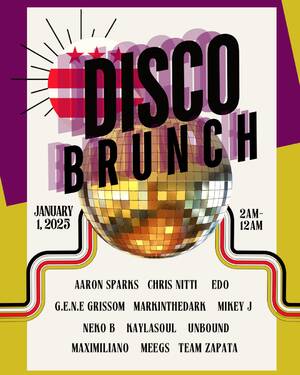
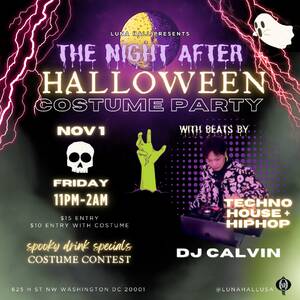
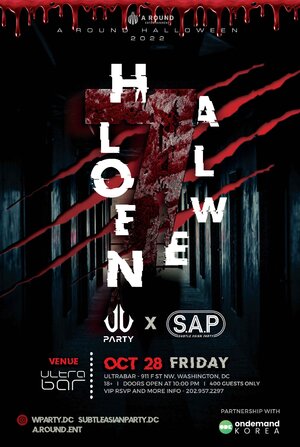
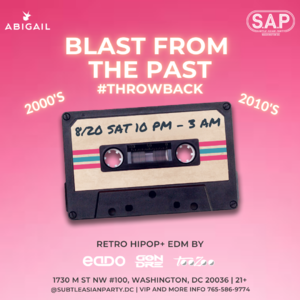
The Red Room drops almost every night (especially on weekends) with a diverse mix of events (www.ticketfairy.com ). Programming is eclectic: rock and punk bands share the schedule with indie-folk, metal, reggae or even hip-hop acts. You’ll also see many special-theme parties – for example the popular “Tinderbox ” nights (90s/2000s alt-dance parties) and retro-themed DJ events (www.ticketfairy.com ) (www.ticketfairy.com ). Local DC bands frequently headline here (groups like The Messthetics, Hammered Hulls and Bad Moves have all packed the Red Room) (www.ticketfairy.com ), and it’s also a favorite for regional touring acts and up-and-coming artists. On any given night the crowd might be dancing at a ‘90s alternative pop party, headbanging at a hardcore punk show, or swaying to a live jazz/electronica fusion set. Because the schedule changes weekly, there’s always something different: check the venue’s calendar to see if there’s a singer-songwriter showcase one night or a DJ-led festival afterparty the next.
Ticket prices reflect this variety and the DIY spirit. Most club nights, dance parties or local-band shows have very reasonable covers (around $10–$15 for advance purchase) (www.ticketfairy.com ). Larger performances or headliner acts can run higher (often $20–$30 ) (www.ticketfairy.com ). In practice, an advance ticket typically costs about $15–$20 and it’s only a few dollars more at the door (www.ticketfairy.com ). Because the venue holds so few people, popular events often sell out in advance. When shows are sold out, a limited number of tickets may still appear through the venue’s official resale channels, or a handful might be held at the door (usually cash-only) until shortly before curtain. In short, expect low-to-moderate prices but plan to buy early for bigger acts.
Tickets and Booking
Tickets for the Red Room are typically sold through the Black Cat’s box office and authorized outlets. The Black Cat maintains a box office at the main 14th Street entrance – on show nights it usually opens in the late afternoon or early evening to sell event tickets (often cash-only) (www.ticketfairy.com ). It’s wise to check the venue’s website or social media for sale dates; big shows often go on sale weeks ahead of time. Online advance tickets are frequently offered through official partners, but note that the on-site box office and door sales remain popular. Because space is limited, buying advance tickets is recommended for anything high-profile.
Advance vs Door: As a rule, expect an advance ticket (~$15–$20) to jump ~*$5* at the door (www.ticketfairy.com ) (www.ticketfairy.com ). In other words, a $15 advance might be $20 day-of-show.
Buying: For shows that are not guaranteed sellouts, you can often buy tickets at the door if you arrive early enough. Major events (and any night marked “Sold Out” online) may have no tickets available on entry. In either case, the black Cat box office handles most sales (www.ticketfairy.com ).
Resale/Waitlist: On rare occasions, a few tickets might be released or appear on a venue-managed waitlist if a show is sold out. However, don’t count on it – it’s safest to plan ahead. (www.ticketfairy.com )
Seating and Layout
The Red Room is a general-admission club with almost no fixed seating (www.ticketfairy.com ). Its layout is basically a rectangular room: the stage sits at one end (back left corner) facing into the audience (www.ticketfairy.com ). A large central bar (marble-topped on three sides) dominates the middle of the floor, surrounded by about a dozen bar stools (www.ticketfairy.com ). Against the far wall and up a short step there are a few small cocktail tables and couches for those who want to sit, but most patrons stand. Because there are no reserved seats or balconies, fans usually arrive early to stake out a spot close to the stage or bar (www.ticketfairy.com ). At capacity, the crowd will fill almost every inch of standing room between the stage and the bar. Acoustically it’s very “raw” – you’ll hear the band mostly live and unamplified, and the low ceiling/wood floors make the sound echoey and energetic (www.ticketfairy.com ). (If you prefer sitting, try to snag one of the bar stools or lounge seats on the riser at the back – but even there your view is partially obstructed. For the best experience, expect to stand.)
Getting There and Parking
The Red Room (1811 14th St NW) is in the Logan Circle/U Street corridor of Northwest DC (www.ticketfairy.com ). The most convenient Metro stop is U Street–Cardozo (Green/Yellow lines). From the station, exit toward 14th Street and walk just three blocks south (about 5–10 minutes) to reach the venue (www.ticketfairy.com ). Several Metrobus routes (including the 52 and 53 on 14th St) stop within a block of the entrance, and the DC Circulator’s U Street–Georgetown loop runs along nearby U Street. If you use rideshare or taxi, it’s wise to be dropped off/picked up at 14th & S or 14th & T Street NW – these corners are a short walk away and avoid the heavy congestion right at the entrance on 14th St. (www.ticketfairy.com )
Parking in Logan Circle is limited. There is no private lot for the Red Room (www.ticketfairy.com ). Street parking on 14th and adjoining blocks is metered, and typically fills up quickly in the evening. (DC meters on side streets often turn off around 7–8pm, which can make late-night parking free – but always double-check the street signs.) A more reliable option is a nearby garage. The closest public lots are on side streets (for example on Q Street NW or M Street NW between 14th and 15th). Garage rates vary, usually in the ballpark of $10–$25 for a few hours of evening parking (www.ticketfairy.com ). Many local concertgoers simply park downtown or at a commuter garage and take a quick subway ride. In any case, allow extra travel time: Logan Circle is busy after work, and finding a spot or waiting for a rideshare can sometimes add unexpectedly long delays on show nights.
Inside the Venue
Entering the Red Room is the same as entering Black Cat’s main entrance on 14th Street (www.ticketfairy.com ). There is usually a security check (hand-held wand or metal detector) and ID scan before you get in, in line with DC regulations. Staff will ask for photo ID to prove you are 21 or older if you plan to drink alcohol (www.ticketfairy.com ) (all patrons – even non-drinkers – should carry ID). Once inside, the décor and ambiance are very “divey”: dim lights highlight the deep red-painted trim and walls, creating a warm, old-school feeling (www.ticketfairy.com ). The central bar is open and accessible from all sides; it’s stocked with a full roster of beers (often featuring local craft brews), ciders, imported ales, as well as mixed drinks and a good whiskey selection (www.ticketfairy.com ). There is no kitchen or food menu – at most you can buy simple bar snacks (pretzels, chips or candy) if you’re hungry (www.ticketfairy.com ), so most people eat before they come or grab something on U Street afterward. Keep in mind that DC law forbids outside alcohol as well – only drinks purchased on site are allowed (www.ticketfairy.com ). Tipping is customary (usually $1–$2 per drink) if you want good service at the bar (www.ticketfairy.com ).
The Red Room also has some fun peculiarities: behind the bar is a giant mirror flanked by two ornate statues – rumor has it these were bought at auction along with an Al Capone-era bar top, then used in the original Red Room in 1993 (www.washingtonpost.com ). In one corner above the lounge stairs, an old CRT TV now loops cult movie clips and VHS tapes for atmosphere (www.washingtonpost.com ) (the idea is that everyone enjoys the same goofy footage together between sets). You’ll often find a merchandise table near the front door featuring T-shirts and albums for that night’s band. Restrooms (“powder rooms”) are a short walk upstairs from the main area, near the bar – expect a line during intermissions or breaks (www.ticketfairy.com ). Because the room is partially underground with few windows, cell-service can be spotty (www.ticketfairy.com ). Texting usually works, but if you need to coordinate large file transfers or mobile ticketing, it’s best to do it before coming or outside the venue. Overall, the Red Room’s interior is compact and echoing, but full of character. You truly feel the music rattling the walls – it doesn’t try to hide its imperfections.
Nearby Amenities
The Logan Circle/U Street area around the Red Room has no shortage of places to eat, drink and stay. For a quick bite before the show, the DC classic Ben’s Chili Bowl (on U Street at 12th) is a few blocks away – it’s open late and serves famous chili-cheese dogs and half-smokes. Upscale options include Le Diplomate (a French-style bistro on 14th Street) and Compass Rose (global small plates on 14th), if you want something fancier. For casual dining nearby, there are countless cafes, pizza joints and ethnic eateries along U Street and 14th surrounding Logan. Pearl Dive Oyster Bar (14th and Swann) is a popular seafood spot with an extensive oyster menu and lively bar atmosphere.
DC has no shortage of bars within stumbling distance. Just up 14th Street is ChurchKey (1440 14th St), known for having one of the city’s largest craft beer selections on tap. And if you’re in the mood for cocktails, The Gibson (1310 U St, behind an unmarked door) is a celebrated speakeasy with creative drinks (just round the corner at T St). For live-music aficionados, nearby 9:30 Club is the big sister venue a few blocks north (though its shows tend to be larger productions).
If you plan to stay overnight, Logan Circle has several hotels. On 14th Street within a few blocks you’ll find the Kimpton Hotel Palomar and The Darcy (for a more boutique feel). More budget-friendly chains are in the downtown area (just south of Logan), which is an easy taxi ride away. Late-night transport is generally available via Uber/Lyft or Metro (the Green/Yellow line runs until after the venue closes), but note that on real late nights buses may be sparse after midnight. Many attendees simply walk a few blocks home or to a local hotel after the show. In summary, the area is walkable and packed with nightlife – you can grab dinner, a few drinks, and then stumble home on foot if you stay in the neighborhood.
What Makes This Venue Special
The Red Room Studio stands out because it’s an authentic slice of DC music history that still feels very alive. Unlike polished clubs or generic concert halls, it maintains a gritty, personal atmosphere (www.washingtonpost.com ) (www.ticketfairy.com ). The decor – red walls, antique statues, flashing pinball machines, a classic jukebox – makes it feel like a cozy neighborhood bar that happens to have a stage. Even the Washington Post noted that, after its latest move, the new Red Room “is dark and intimate by design” rather than a forgotten annex (www.washingtonpost.com ). In other words, it genuinely functions as a bar first and a small concert venue second.
The cultural significance is equally strong. Many long-time DC residents remember coming here for cheap drinks and local bands long before 14th Street became trendy. The Red Room has literally played host to thousands of experiences – first dates, graduations after-parties, band reunions – so it has a sentimental place in people’s memory (www.washingtonpost.com ). Artists love it too; many performers say Red Room shows feel like jam sessions with friends because the stage is low and the PA is modest (www.washingtonpost.com ). Those statues behind the bar and the old-school vibe are constant reminders that this isn’t a corporate venue – it’s a home base for the local scene. Its importance to DC culture is that it preserves a rebel spirit. Even now, people will choose to see a well-known band at the Red Room just for the intimacy and authenticity of the experience (and a more affordable ticket), rather than a big arena. Both audiences and artists return because the Red Room simply “feels right” – it radiates the kind of passion and freedom the promoters talk about (theredroomseries.com ) (www.washingtonpost.com ).
In short, Red Room Studio’s charm comes from the fact that it never tries to be something it’s not: it’s compact, divey, unpretentious, and fiercely community-minded. It’s the kind of place where regulars lean against the stained-glass bar and chat with strangers while an amazing band plays just feet away. That blend of quirky history, local tradition, and rock’n’roll authenticity is what makes it special in the DC music scene (www.ticketfairy.com ) (www.washingtonpost.com ).
Visitor Tips and Information
Here are some practical tips and rules to make your Red Room visit smooth:
Carry ID and Cash: You will need valid photo ID to enter and especially to buy alcohol (www.ticketfairy.com ). The Black Cat box office and snack counter traditionally accepted only cash (unless credit is accepted now). Many guests also tip bartenders, so having small bills helps (www.ticketfairy.com ).
Dress Code: It’s a casual, local scene – come in jeans, tees, hoodies or whatever you’re comfortable in for a nightclub. Closed-toe shoes are wise, since you’ll probably be standing on a hard floor for a while (www.ticketfairy.com ). The room can be a bit cool from crowd movement, so a light jacket that fits in a small bag is fine (but avoid huge coats).
Bags/Luggage: Large backpacks or suitcases are not allowed. At most there might be a small coat rack or unattended hanger (www.ticketfairy.com ). It’s best to travel light. Most people bring only a wallet or pocket-size purse (www.ticketfairy.com ).
Outside Food/Drink: No outside alcohol or large food containers may be brought in (www.ticketfairy.com ) (www.ticketfairy.com ). Water bottles and small personal items are generally fine, but outside beer/sodas are prohibited. Plan to pay for any drinks or snacks inside (or eat beforehand).
Shoes/Comfort: As mentioned, expect to stand and dance, so wear something you can move in. Earplugs are a good idea if you’re sensitive to loud volumes (www.ticketfairy.com ), since the acoustics are raw.
Photography: Cell-phone snapshots or casual photos are fine, but professional cameras or video recording usually require permission from the venue/artists (www.ticketfairy.com ). Expect some crowding; respect people’s space when taking pictures.
Age Restrictions: The club strictly enforces 21+ for alcohol. If you are under 21, you may still attend all-ages events but cannot drink. Security will check ID at the door (www.ticketfairy.com ).
Arrival Time: Doors often open around 7–9pm depending on the event. If the show is popular or capacity is small, getting there early (30–60 minutes ahead) can help secure a good spot or still get in before a lineup forms.
Frequently Asked Questions
What is the capacity of Red Room Studio?
The Red Room is very small by DC standards. Exact capacity isn’t published, but most estimates put it around 100–200 people (www.ticketfairy.com ). It’s literally a basement bar, so only a few dozen people can stand front-of-stage, with a similar number around the bar. For comparison, Black Cat’s main hall holds about 1,000. In practice, most events expect under a couple hundred attendees due to the intimate size (www.ticketfairy.com ).
How much do tickets usually cost for shows at Red Room Studio?
Ticket prices are generally modest. Typical advance tickets range from about $10–$15 for regular dance or club nights up to $20–$25 for bigger touring acts. For example, many weekly events or dance parties are $10–$15 in advance (small increase at the door) (www.ticketfairy.com ). More prominent concerts or national indie bands may be $20–$30. In recent years, most shows fall in the $10–$25 range (www.ticketfairy.com ). Advance tickets often save a few dollars compared to buying at the door, so it pays to book early.
Where and how can I buy tickets for Red Room events?
Tickets can be bought either in person or online. On show nights the Black Cat’s box office (inside the club) sells tickets in person (usually starting in the afternoon or early evening) (www.ticketfairy.com ). Many shows also sell advance tickets online through official outlets or event pages. If a show isn’t sold out, you can often buy at the door before doors open (typically with a small additional surcharge) (www.ticketfairy.com ) (www.ticketfairy.com ). For popular headliners, it’s best to purchase tickets well in advance, as the small venue can sell out quickly.
Does Red Room Studio have assigned seating or VIP areas?
No, the Red Room is general admission throughout. There are no reserved seats or VIP sections, just open standing room and a few bar stools. When you arrive, entry is first-come, first-served. If you want to be close to the action, it’s best to scope out a spot near the stage or bar early. The venue’s layout is one big open area, so everyone has roughly the same view if they stand closer or farther from the stage (www.ticketfairy.com ).
Are there any age restrictions for Red Room shows?
Most Red Room events are 21+ when alcohol is served. If you plan to drink, expect security to check for a valid ID – the bar strictly enforces the drinking age (www.ticketfairy.com ). For purely all-ages shows or matinees (rare at this venue), under-21 attendees might be allowed, but check the event details. In general, many nights are effectively 21+ nights because of the late hours and club atmosphere.
What is the dress code at Red Room Studio?
The atmosphere is very casual and eclectic. Concert and club attire range from T-shirts and jeans to party outfits – there is no formal dress code. People often come in band tees, sneakers or boots, hoodies, etc. The only practical tip is to wear comfortable, closed-toe shoes since you’ll be standing and moving around on a barroom floor (www.ticketfairy.com ). Basically, dress for a neighborhood dive bar. A light jacket or hoodie is fine in cooler weather; if the venue is cold from crowd movement, you can put it over a chair or coat rack, but there’s typically no official coat check (space is tight) (www.ticketfairy.com ), so plan accordingly.
Is the Red Room wheelchair accessible?
Unfortunately, the Red Room is not fully wheelchair accessible. The space is on a lower level (or converted corner) of the Black Cat with steps and no elevator. If you require accessibility accommodations, you should contact the venue in advance. The main floor restrooms have accessible options, but reaching the Red Room itself involves stairs, making it difficult for wheelchair users (www.ticketfairy.com ).
Are cameras allowed at shows?
It depends on the act. Personal use of a smartphone or small camera is generally fine – you’ll see people taking photos of the band or stage. However, professional cameras or video recording typically require the band’s or venue’s permission. No flash photography, please, as it can affect performers. In short, casual snapshots are OK, but avoid large equipment unless explicitly allowed. (www.ticketfairy.com ).
Is there a coat check or locker service at the Red Room?
Space is very limited, so any coat storage is minimal. There may be a simple coat rack or unstaffed hanger area near the entrance (www.ticketfairy.com ), but it’s not guaranteed every night. In other words, don’t rely on a formal coat check. If you can, bring only light layers and leave bulky coats at home or in your car. If a rack is available, tipping (e.g. $1 per coat) might be expected (www.ticketfairy.com ).
Does tickets for Red Room show include admission to the main Black Cat floor?
No. Red Room events are separate from any mainstage performance. A ticket to a Red Room show only admits you to that specific backroom performance. If there were a mainstage show at the same time (unlikely in the current setup), you would need a separate ticket. However, in practice the entire club often hosts the same event. Either way, Red Room shows are self-contained, so once you buy a Red Room ticket, you stay in that area.
Is there food available at the venue after shows?
The Red Room itself doesn’t have a kitchen. The bar serves only simple snacks like pretzels or chips (www.ticketfairy.com ). There are no full meals available inside. If you arrive hungry, it’s best to eat nearby beforehand or grab something on U Street after the show. (However, Black Cat’s sister venue or local pizza shops on U Street often stay open late for quick bites.)
Are concessions or merchandise tables available?
Yes. There is usually a small merchandise table set up near the entrance or in the lobby area outside the Red Room for visiting bands or touring acts (www.ticketfairy.com ). You’ll find T-shirts, vinyl, etc. On the drinks side, the full bar is always open for drinks and snacks. Expect beer and liquor sales whenever the Red Room is operating.
What time do shows usually end and what are the typical hours?
Most Red Room events start in the evening (often between 8–10pm) and end around midnight (or later) – in practice it operates like a late-night club. For example, a Washington Post article noted recent hours of “9pm–1am, Tuesday through Sunday” at the Red Room (www.washingtonpost.com ). (This can vary by event and day – on weekends shows may run later.) In any case, the bar stays open until at least midnight after the act finishes, and often later for dancing.
How late is the venue open on weeknights or weekends?
The Red Room typically opens after 9pm and runs late. According to reports, it was open roughly 9pm–1am most nights (www.washingtonpost.com ). On busy weekends it might stay open past 1am (bar closes at midnight, but patrons often linger to chat). Weeknights may wrap up closer to midnight. If you want to be sure, check the venue’s official calendar or social media for any published hours on that specific date.
Is there any kitchen or food truck on site?
There is no kitchen in the Red Room. The main building (Black Cat) used to have a café (“Food For Thought”), but that space was converted to a stage and retail. You will not have a food truck or fryer on site. If you want food, you must either eat before coming or step outside to a nearby restaurant. The bar does sell only prepackaged snacks or chips (www.ticketfairy.com ), so don’t expect full meals.
Why is it called “Red Room Studio”? Is recording done here?
Despite the name “Studio,” the Red Room is primarily a live-music club, not a recording studio. The word “studio” isn’t usually emphasized locally; people just say “the Red Room.” It might have been rebranded on some flyers or listings, but there’s no notable recording happening here. The space is used for concerts, DJ events and parties, not tracking audio. You can think of it as a second performance room or bar stage within the Black Cat complex, retaining the historic “Red Room” name with “Studio” perhaps added for flair.