About McEwen Park Petone
McEwen Park is a large open-air recreation and sports field on Marine Parade in Petone, Lower Hutt (the Wellington region). It sits on the harbour foreshore adjacent to the Hikoikoi (Petone foreshore) Reserve and is typically a rugby/soccer ground for local clubs. In recent years it has gained a second life as the Hutt’s premier outdoor concert venue. Local media describe it as “a pretty unsuspecting field” that suddenly hosts major summer shows . Council sources note that McEwen Park’s first big music festivals draw armies of fans – around 4,000–5,000 people by some estimates . The park’s key features are its flat grassy lawn and seaside setting: event organizers praise its “awesome setting that’s close to the ocean and the surrounding native bush” . With sweeping views of the harbour, a harbourwalk shoreline trail, and plenty of space for stages, McEwen Park has become known for scenic sunset vibes and summer festival life.
Events and Programming
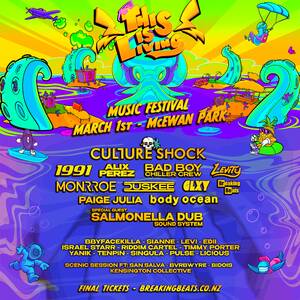
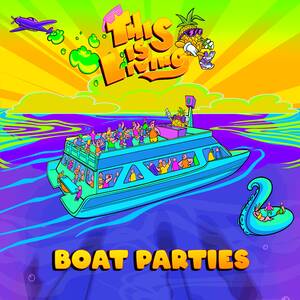
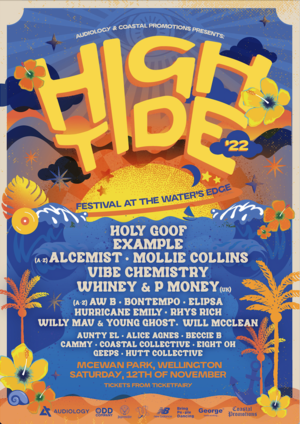
These days McEwen Park is used mainly for concerts and festivals rather than regular sports; performances run the gamut from EDM and drum’n’bass to reggae, garage and hip-hop. Annual events include the Breaking Beats “This Is Living” electronic music festival (held around March each year) and the High Tide multi-genre beach festival (held each November) . Past lineups have featured international DJs and local stars – for example Pendulum (DJ set) headlined a 2021 concert there www.ticketfairy.com , and more recent festivals have hosted UK and NZ talent like Andy C, Culture Shock and Salmonella Dub . Each year’s festival bills typically feature 20+ acts on two stages (house, drum’n’bass, jungle, garage, etc.) . Besides big headline shows, the park even hosted local events like a family “XRACE” fun challenge in Feb 2025 . Ticket prices reflect the scale of production: early-bird or second-release GA tickets have started around NZ$80–100 (for example, This Is Living 2024 listed second-release GA at $99 ) and general admission reached roughly $120–150 in final releases. Since capacity is limited, concerts here often sell out in advance (early-bird and GA runs have previously sold out www.ticketfairy.com ). Overall, McEwen Park concerts tend to be summer-only affairs (usually one major festival per season), with audience ages typically 18+ and ticket tiers (gen. adm’t, VIP, etc.) set by each promoter.
Tickets and Booking
Tickets to McEwen Park events are sold online through the event promoter or authorised ticketing outlets. There is no permanent box office at the venue – buyers must purchase in advance through official channels. Organisers often offer pre-sales or early-bird discounts as soon as lineups are announced. For example, a 2024 High Tide festival sold an early-bird GA ticket for $99 . Popular shows (like major festivals) tend to sell out quickly, so it pays to book early. Some events bundle concessions such as shuttle-bus passes; for instance Breaking Beats offered ticket+bus packages from Wellington city . General admission tickets (standing room only) are the norm, with occasional VIP upgrades or second-stage access. Ticket prices usually range from about $80 to $150 (plus fees) depending on release tier – final-release tickets cost more after early editions sell out.
Seating and Layout
McEwen Park has no fixed seats or roof – it’s a flat grassy field used as general admission standing-room only. At festival time, the main stage is typically set up near the water’s edge, with a second stage elsewhere in the park to spread the crowd. Attendees simply stand on the lawn, so the best “seats” are any spots with a clear view of the stage (there are no numbered rows). Festival layouts sometimes include VIP platforms or roped-off areas near the stage. Sound and lighting rigs are portable festival-grade systems: organisers advertise “state-of-the-art” dual stages and powerful sound suitable for bass-heavy music . In practice, keep in mind that the front rows by the speakers will be very loud. Many fans bring earplugs to protect hearing. Because the area is open, views tend to be unobstructed – just avoid standing too close to speaker stacks or behind barriers. There’s no formal seating, lighting tables in the crowds are minimal, and wet ground or wind (being by the sea) can impact comfort. Overall, the layout is a simple open lawn – getting there early for a good spot is key, and club-style staging (LED walls, lighting rigs) provides the visual focus for viewers across the field.
Getting There and Parking
McEwen Park is located on Marine Parade, Petone, Lower Hutt 5012 (near the intersection with English Street). By car it’s a few minutes from the State Highway 2 (Hutt Motorway) exit toward Petone. However, parking in Petone can be very limited. Note that Jackson Street in Petone now has paid parking (about NZ$3/hour, 9am–5pm weekdays) and time limits . There are a few council carparks (e.g. Peel St car park) but many eventgoers prefer public transport to avoid parking stress. Petone Railway Station is roughly 800–1000 m from McEwen Park (about a 10–12 min walk north up Jackson Street), so trains on the Wellington–Upper Hutt line are a convenient option. Metlink buses also serve central Petone (routes such as 83, 84, 130, etc. along Jackson St and Hutt Road); the nearest stops are at Jackson/Marine Parade or outside the Petone Pool. For major festivals, promoters sometimes arrange special transport – e.g. Breaking Beats sold rally buses from Wellington . Rideshare and taxis can drop you off on Marine Parade or Jack Hooper Drive by the park entrance. If driving, aim to arrive early (spaces fill fast) or park in the Petone shopping area and walk in. Remember Petone’s paid parking rules: Jackson St and nearby lots have meters and time limits . On event nights, local carparks may have late parking available but check signs. Finally, McEwen Park connects to the Hikoikoi coastal walkway, so it’s also accessible on foot or bike via the shared trail along the harbour.
Inside the Venue
When you enter McEwen Park for an event, expect outdoor festival logistics. Security staff will check bags; standard rules apply (no weapons, glass, large umbrellas, etc.). The atmosphere is that of a summer concert – crowds milling on grass, thumping bass under the open sky. Organisers typically set up food and drink vendors along the edges of the field. You can buy beer, cocktails or soft drinks from on-site bars, and a variety of food trucks or stalls (burgers, fries, flatbreads, etc.) usually operate. Merchandise stands often sell artist T-shirts and memorabilia. Portable toilets (including accessible loos) are placed around the perimeter; if the park’s toilets (from the rugby clubrooms) are open they may also be available. McEwen Park events tend to have good cell coverage (Vodafone/Spark) but expect congestion – it’s wise to meet friends with a point-of-contact rather than relying purely on social media. There is no public Wi-Fi. If lighting or screens are mentioned, note that most illumination comes from the stages themselves – the park at night can be very dark away from the stage areas. Many festivalgoers bring a small fold-up chair or blanket to sit on before the show or during sets (if allowed by the event). Some music promoters mention you’ll feel the sound physically – they advertise “state-of-the-art” sound rigs delivering massive bass to the crowd . In practice, expect loud, professionally engineered audio with thundering low end. Finally, McEwen Park has a very open layout, so you’re exposed to the elements – bring layers or rain gear if needed. On sunny afternoons sunscreen or shade (hats/umbrellas) is recommended because there is little natural cover. Overall, amenities inside the park are largely temporary (festival-provided), so plan to buy food/drink on-site or bring small snacks/water if allowed.
Nearby Amenities
Petone’s village centre is just a short walk from McEwen Park, so pre- or post-show dining and lodging are convenient. On or near Jackson Street you’ll find dozens of cafés, bistros, bars and Asian eateries. Quick options include classic fish ’n’ chip shops (Petone is famous for its takeaway shops) and coffee houses (try the local roastery cafes or espresso bars along the main shopping strip). For sit-down meals the area offers everything from pizzerias and gastropubs to sushi and Indian cuisine. Barbers and bottle shops are also on Jackson Street. A few recommended pubs/bars in walking distance might be the Black Diamond brewpub or the Blind Palate lounge, and there are several dessert or ice-cream cafes in summer. If staying overnight, Petone has small hotels and motels near Jackson Street and on the hill above the beach (e.g. budget inns and serviced apartments). For more options, Lower Hutt’s city centre (5–10 min drive) and Wellington (15–20 min by train or car) have full hotel ranges. Late-night travelers should note the last trains back to Wellington typically run around midnight (check the Metlink schedule) and taxi/rideshare services (Uber/Ola) operate locally as well. If you drive, the nearest petrol stations and ATMs are on Jackson Street or further south on Hutt Road; plan accordingly since McEwen Park is not directly on a main road with shops.
What Makes This Venue Special
McEwen Park’s unique appeal comes from its seaside personality and recent rise in cultural prominence. Unlike conventional city venues, it sits right by the harbour, giving concerts a “coastal charm” or “seaside paradise” vibe . With the water as a backdrop, MC or DJ, fractals of sunset or city lights create a special ambience. Local leaders have even touted McEwen as putting Lower Hutt “on the entertainment map” . The park’s transformation from a quiet sports field into a buzzing festival ground is a point of pride: in early 2024 Wellington’s mayor noted that electronic music fans would “love the outdoor festival vibes” at McEwen Park , and by 2025 the council said the free gatherings “attract around 5000 music fans” who enjoy themselves next to the harbour . Famous local acts and international artists now list Petone as a stop on their tour, making McEwen Park part of the region’s music lore. While the park itself has no grand architectural features, its location and community role give it character: it’s been called an “amazing venue” for events due to its oceanfront setting , and fans love it as a fun open-air space. Historically the site has cultural ties (Petone was Wellington’s first settlement), so in a way big concerts here link modern music to the area’s long communal gathering traditions. In short, both performers and audiences appreciate McEwen Park for its fresh air, wide sightlines, and the novelty of dancing by the waterfront – attributes rarely found in other local venues.
Visitor Tips and Information
Accessibility: The grounds are mostly flat grass with paved walkways to the entrances. Event promoters typically arrange accessible viewing platforms near the stages and portable toilets for those with disabilities. Most festival layouts allow wheelchair access to general areas. Covered seating and special assistance should be requested in advance if needed. On Jackson Street below the park there are dedicated mobility parking bays (note they are paid zones) .
What to Bring: Dress casually for outdoor summer conditions. Comfortable shoes are a must (the ground can be uneven or dusty). Since events often run into the evening, bring a jacket or long-sleeve layer for after dark, and rain gear if showers are forecast (the sky is often unobstructed by clouds). Sunglasses, sunscreen and a sunhat are wise for afternoon shows. Groovy accessories (glowsticks, hats, flag) are common at festivals. Bring a valid photo ID, as most events (especially electronic music festivals) are restricted to 18+. Leave expensive valuables at home – large crowds can mean lost items. It’s a good idea to carry some cash in small bills for on-site vendors (though most bars and food trucks now take cards). Portable chargers help if you plan to use your phone all day. A refillable water bottle (to top up at free water stations, if provided) is eco-friendly. Earplugs are recommended for the front rows due to heavy bass. Finally, since entry is weather-exposed, consider a blanket or tarp to sit on (if permitted) and a small backpack or fanny pack for essentials.
At the Gate: Arrival lines can form before doors open (gates often open a couple of hours before the first act). Have your ticket (mobile or printed) ready. Bag searches are standard – clear plastic bags are sometimes required. No large backpacks, professional cameras or unapproved recording devices are allowed. Wristbands or stamps will be given at entry. Smoking is typically only allowed in designated outdoor areas outside the crowd zone. Photography with phones is generally fine for personal use, but check if any image/audio bans apply (many festivals prohibit large lenses, tripods or filming). If you have any medical conditions, note the first-aid tent location when you enter. ATMs may be scarce inside, so withdrawing cash beforehand is safer.
Age Restrictions: Unless an event is specifically all-ages, McEwen Park concerts are usually rated R18 due to alcohol sales and loud music. No one under 18 is allowed without special permission. Check the event’s terms for any teenager or family-friendly matinee shows.
Getting Around: Once inside, everything you need is on foot – the park is not huge (typically one can see both stages from one area). Stay within barricades and follow any marked paths. Use the official roads or walkway to exit rather than cutting over lawns. After the show, plan your exit route: crowd egress often funnels toward the main roads and transit points. The Petone train departure zone and taxi stands can get busy – take turns or walk a block to spread out. If you share a ride, agree on a pickup point ahead of time (Marine Parade at Cambridge St corner is common).
Common Mistakes: A frequent error is underestimating the walk: McEwen Park’s farthest entrance is a few minutes from the Jackson Street shops, so wearing flats (rather than heels) is recommended. Also, forgetting a hat or raincoat can ruin a long festival day. Be sure to bring ID and know that many events scan your ticket and ID at entry to prevent resale or fraud. Last-minute caffeine runs can be tricky – consider grabbing a coffee or snack from Petone before entering. Finally, keep an eye on the event schedule (often posted on a big screen); sets do not run late, so arriving early ensures you don’t miss performers.
Frequently Asked Questions
Q: How many people can McEwen Park hold during an event?
A: McEwen Park has no fixed seating but can accommodate thousands of fans. Recent festivals have been planned for roughly 4,000–5,000 attendees. Council press releases note first events drew “4000-strong” crowds and later shows up to about 5,000 . Actual capacity depends on the stage layout and safety limits for that event.
Q: How do I buy tickets for McEwen Park concerts?
A: Tickets are sold through event promoters or official ticketing platforms (online only). There’s no regular box office at the park. For each event, check the promoter’s website or authorized sellers – tickets go on sale in advance (often with presales and tiered pricing). Because big shows often sell out, it’s best to buy early. Occasionally, combined tickets with bus passes are offered to cover travel .
Q: What is the typical ticket price for shows at McEwen Park?
A: Prices vary by event, but major festivals have sold general admission tickets in the NZ$80–150 range (plus fees). For example, early bird or second-release GA tickets for the High Tide festival were around $99 . Final-release or last-minute tickets tend to be higher. VIP upgrades or add-ons (like bus packages) cost extra.
Q: Does McEwen Park have reserved seating or general admission?
A: There is no reserved seating at McEwen Park – it’s an open grassy field. All concerts are general admission unless otherwise specified. When you enter, you pick a spot on the lawn (sometimes festivals have VIP areas). Bring a blanket or portable chair if allowed, and arrive early to lock in a good viewing position, especially near the stage or sound towers.
Q: What is the address of McEwen Park, and how do I get there?
A: McEwen Park’s official address is Marine Parade, Petone, Lower Hutt 5012. It’s a short drive or walk from central Petone. The easiest way is via Petone Railway Station (about a 10-minute walk north on Jackson Street). Metlink buses from Wellington or Lower Hutt also serve Jackson St and Hutt Road nearby. Rideshares and taxis can drop off on Marine Parade. For drivers: follow SH2 to Petone and look for event parking signs, but note that Jackson Street parking may require payment .
Q: Is there parking at McEwen Park?
A: Parking right next to the park is very limited. Small car parks and stalls near the Petone Pool exist, but during events they fill quickly. Petone’s main Jackson Street has metered parking (roughly $3/hour weekdays) . For big shows, organizers encourage public transport. You can park farther away (e.g. at Petone station or Peel St) and walk in, but always allow time. Evening events may have different parking rules, so check notices from Hutt City Council in advance.
Q: Are McEwen Park concerts wheelchair accessible?
A: Yes – McEwen Park is flat and has paved access paths. Festivals usually plan an accessible viewing area near the stage. Also, mobility parking spaces are available on Jackson Street (paid parking applies) . If you need special accommodations, check with the event’s organizer beforehand. Accessible restrooms (portaloos or trailers) are typically provided at large events.
Q: What items are not allowed at McEwen Park events?
A: Standard outdoor concert restrictions apply. Generally prohibited items include weapons, illegal drugs, large backpacks or coolers, glass containers, and anything deemed hazardous. Umbrellas and selfie-sticks are often not allowed in the crowd. See each event’s rules, but in all cases expect handheld screening at the gate. Outside alcohol is usually banned, since alcoholic drinks are sold onsite for 18+ events.
Q: Can I bring children or pets to McEwen Park concerts?
A: Most large events at McEwen Park are 18+ due to alcohol licensing and volume. Children under 18 are generally not permitted unless it is explicitly an all-ages event. As for pets, they are not allowed during concerts (dogs and animals are prohibited in the event area) and in fact the east side of the park is marked as a no-dog zone by Council . Leave pets at home.
Q: What food and drink options are available inside?
A: At most concerts, temporary food stalls and bars are set up. Expect a selection of festival-style vendors: burgers, fries, hot dogs, flatbreads, and perhaps some local specialties (seafood, fish’n’chip shops are not inside but nearby). Alcoholic drinks (beer, wine, spiked drinks) are sold at bar tents for those 18+. Non-alcoholic beverages and snacks are also available. Note that prices can be higher than in town. Outside food/drink is typically not allowed after entry.
Q: Does McEwen Park have restrooms and other facilities?
A: For concerts, portable toilets (including accessible units) are provided on-site. The park’s permanent toilets (at the rugby clubrooms, if unlocked) may also be available. Portable sinks and hand sanitizer stations are often set up too. A coat check is usually not offered outdoors, so keep belongings secure with you. There’s no official phone charging station or Wi-Fi – think of it as a natural open venue, not a building with facilities.
Q: What happens if the weather is bad?
A: McEwen Park is completely outdoors. Organizers usually plan rain or shine (festivals rarely cancel for a bit of rain). The stages have roof covers, but most of the audience area is exposed. If there’s wet weather, expect muddy ground. Bring rain gear and be prepared for cooler temperatures (evenings can be chilly by the water). Check the event’s weather policy, but generally shows go on unless conditions are extreme.
Q: How early should I arrive at McEwen Park for a show?
A: Doors usually open a couple of hours before the first scheduled act. It’s wise to arrive at least 1–2 hours before the main performance (or when gates open) if you want a good spot, especially on the lawn. Early arrivals also have time to explore vendors, secure belongings, and avoid last-minute traffic jams. For popular acts, parking and entry lines can grow quickly as showtime approaches.