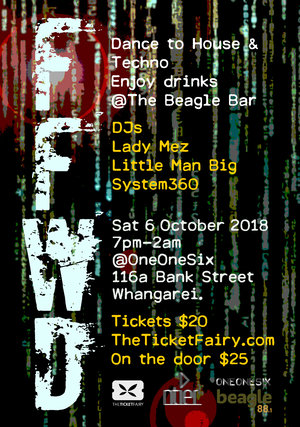
About 116A Bank St
116A Bank Street in Whangārei is the home of OneOneSix , a community-run theatre, arts and performance venue with roughly 100–130 seats. It is managed by the ONEONESIX Trust (established 2017) which leases the council-owned hall at a peppercorn rent . The Trust receives support from Creative NZ, local grants and sponsors to run the building and fund programmes . The venue features a high ceiling, old wooden floor and tall windows – a former community hall now converted to a black-box style theatre . Having a purpose-built performing arts venue in the city centre is a privilege for the local arts community , so OneOneSix is dedicated to fostering contemporary New Zealand performance and community creativity for Whangārei and the wider Te Tai Tokerau region .
Events and Programming
Music and bands: OneOneSix hosts live music concerts from solo singer-songwriters to rock/shoegaze bands. For example, Australian artist Kim Churchill and Kiwi acts like Coast Arcade have played there .Comedy and spoken word: Local and touring comedians perform here. (Recently comedian Tim Batt previewed his new show in Whangarei.) Poetry slams and storytelling workshops are also common.Theatre and dance: Local theatre companies (e.g. Company of Giants) and touring drama groups mount shows. In 2025 Company of Giants presented A Vaudeville of Flowers , a Fringe Festival hit at OneOneSix . For example, the Māori theatre piece Tangihanga by Kristyl Neho was staged here in Sept 2025, highlighting local Māori culture .Family and children’s events: The Little Giant Children’s Festival often uses the hall for puppet shows and interactive performances. For instance, the “Giant Little Stories” series (2024) and holiday shows are staged here for families.Community and visual arts: The foyer and backroom are used for community meetings, workshops (dance, crafts, puoro), art exhibitions, markets and school programmes. OneOneSix even hosts a community radio station (Beagle Radio) on site and runs youth education internships.Festivals and special events: OneOneSix is a key venue for the annual Whangārei Fringe Festival, as well as city events like winter markets and the Courtyard Sessions run by Beagle Radio (a free DJ/food event in the covered courtyard) .
In short, you’ll find an eclectic lineup at OneOneSix – from NZ indie folk nights and comedy shows to avant-garde theatre and family workshops – often several nights a week. Ticket prices range from free ($0 poetry or school events) up to around $50 for major shows, with most concerts and plays in the $20–$30 range(see FAQ). Programs and schedules are updated on the venue’s website and community event listings.
Tickets and Booking
Tickets for shows are generally sold online through the ONEONESIX website or local event listings (look for “What's On” or use the venue’s name). Some tickets may also be sold via community box offices or at the door if any seats remain. Popular shows (especially Fringe festival events) often sell out in advance, so booking weeks early is wise.
There is no large commercial box office; rentals and ticketing are handled by the Trust and volunteers. Check the official site or community pages for release dates. Doors typically open 20–30 minutes before curtain.
Pricing: Ticket costs vary by event. Workshops or community gatherings are often free, while theatre and concerts usually range from NZ$15 to $35. Festivals or touring acts can go higher (e.g. around $28–$30 for Fringe shows , $22 for an indie concert ). Sometimes discounted or free tickets (e.g. student or community) are available for workshops or kapa haka events. Always check the event details.Advance booking: Many events encourage online advance purchase. After purchase, you may receive an e-ticket or just your name on a door list. If sold out online, few tickets (if any) might still be sold at the door on show night (cash or card). Follow ONEONESIX’s social media or newsletter for announcements and presales.Door sales and returns: If you miss buying online, try arriving early to chance a near-sell-out or standby line. Some shows have pay-what-you-can previews/upcoming-nights deals (e.g. the stand-up acts sometimes do soft previews).
Seating and Layout
The layout is very flexible. The main performance hall is an open-floor auditorium measuring about 16 m × 11 m, with a 4.5 m high lighting grid . There are no fixed rows – seating is created as needed. Typically chairs (up to 110) are arranged facing the stage , with the option to add couches, cushions or cabaret tables from the store.
A fully configurable riser system can be set up for tiered seating or special stages . OneOneSix provides chairs, stools, couches and cushions, so organizers build whatever seating plan suits their show.
Best views: All seats are on one level, so best views are usually middle of the floor, a few rows back from the stage. Sitting too close may mean looking up strongly at performers. There is also a mezzanine balcony above the foyer (used as a lounge area) but it does not typically host spectators during shows – it’s more for people to mingle or for extra seating on very full nights.General admission: Most events at OneOneSix are general admission (free choice of seat on entry). Some special events may reserve front rows or VIP padding, but that’s up to the promoter. If seating is unnumbered, arriving early is the safest way to get your preferred spot.Sightlines and acoustics: The hall’s simple rectangular shape gives good sightlines from most areas. There are no tall pillars to obstruct views. The wooden floor does mean sound can bounce a bit, but the venue supplies full A/V gear (see “Inside” below) to ensure everyone hears and sees clearly.In summary, wherever you sit in the hall you’re usually close to the action – one of the charm points of this intimate 130-seat space .
Getting There and Parking
Address: 116A Bank Street, Whangārei 0110, New Zealand . The entrance faces Bank Street in central Whangārei (near the corner of Walton Street).Driving: Bank Street is a main thoroughfare. Limited on-street parking is available right outside (metered during the day). For longer stays, Whangārei has public car parks nearby: the Wilson ParkMate (about 120 spaces) and the multi-storey Central City Carpark (over 200 spaces) are just a short walk away . Metered street parking operates in business hours (free evenings/Sundays). Arrive early on busy nights to find a spot.Buses and coaches: Local CityLink buses run on Bank Street; several stops are within one block (ask the driver for “Bank Street near Walton” or “Bank St at Kamo Rd”). All Northland/inter-city coaches terminate at the Hub (91 Dent St), which is two blocks from OneOneSix. From the Hub, walk north up Bank St until you reach No.116A .Taxi/Rideshare: Taxis and Uber operate in Whangārei. Drop-offs can be made directly at the front door on Bank Street. Several taxi stands are near Town Basin or the Hub; you can also simply be dropped off on Bank Street to step into the hall.Walking/Cycling: The central city is very walkable. OneOneSix is about a 5-minute walk downhill from the waterfront (Town Basin) or the clock tower plaza. Bike racks are located nearby on Bank St if you cycle into town.
Inside the Venue
Entrance and foyer: Entry is through a small covered foyer with casual seating. You’ll often find a shelf of drinks (coffee/tea from the kitchen area) and space for merch tables. The foyer walls sometimes display local art.Security and check-in: There is minimal security – no turnstiles. Staff or volunteers usually scan tickets or check names at the door. Large bags may be checked for prohibited items (like weapons or outside drinks) on entry.Atmosphere: The vibe is warm and informal. Since it’s community-operated, patrons often notice an “arts collective” feel. During popular events the hall can be lively; for intimate shows it’s quiet and attentive. The foyer has couches and a mezzanine lounge overlooking it, giving a laid-back, artsy atmosphere.Food & drink: There’s no formal bar license (unless an event organiser arranges one), but whenever open, volunteers typically sell tea, coffee and soft drinks from the foyer. Outside food/drinks aren’t allowed past the door. The hall has a fully equipped kitchen (oven, hot water, fridge, utensils for ~40 people) – mainly for caterers or fundraising meals.Toilets: Restrooms are located off the foyer. There are separate men’s and women’s toilets, plus an accessible toilet for wheelchairs . All are maintained by venue staff. (Note: The accessible toilet is larger and step-free as noted on the venue’s listing.)Merchandise/Programs: If a show sells programs or merch, this is usually set up in the foyer near the entrance. Feel free to browse or purchase in the break or after the show.Connectivity: Free Wi-Fi is provided . You should also have full mobile phone service, as the hall has good reception. Outlets for charging may be in the foyer (cable not always provided).Other amenities: There is a small coat rack in the foyer for jackets. Occasionally outdoor umbrellas or seating are placed in the courtyard behind if weather permits. The venue is heated/air-conditioned for comfort .
Nearby Amenities
Cafés and restaurants: Bank Street and the adjacent Walton Street have several eateries. For example, Essence Café at 184 Bank St (two blocks away) is popular for coffee and all-day breakfast/lunch. Walton Street Café (corner Walton St) serves bakery items and meals. Within a 5–10 minute walk you reach the Town Basin precinct (waterfront), which has Riverside Café (open 8am–5pm) , The Good Home pub, gelato shops and casual dining.Bars and nightlife: Craft beer lovers should visit The Butter Factory (on Bank St a short walk south) – a brewpub in a former “1920s butter factory” known for its great beer list and live music. For cocktails and tapas, nearby Loco Bar & Tapas on Rathbone Street (off Bank St) offers Latin-inspired drinks and shared plates . Other local pubs (like the Bank Street Social) and beer gardens are within two blocks.Late-night options: Whangārei’s late night dining isn’t huge, but Chinese takeaways and pizza places on Bank St serve until late. Most restaurants and cafes close by 10pm, and bars around 1am. The city center is compact, so you can easily nip down the road for pizza or fish’n’chips after a show.Hotels and lodging: For overnight stays, the 4-star Distinction (Heritage) Hotel is at Bank & Reilly St (~5min walk). Several motels and inns line Kamo Rd, Port Road and Dent Street (a short drive away). The town basin area (a block up Bank St) also has a couple of small hotels. Other services: If you need groceries, there’s a small Countdown and New World supermarket a few streets up Bank St. Pharmacies, petrol stations and bus stops are also within walking distance. As always in NZ, arriving in daylight makes walking around much easier.
What Makes This Venue Special
Historic community hub: The building at 116A Bank St has served the city for over 100 years as a public hall. The current theatre holds onto that heritage – the signature old wooden floor and high windows highlight its history . Every time you enter, you’re passing through a piece of Whangārei history.Purpose-built theatre in a small city: Few centres OneOneSix’s dedicated theatre setup. It was specifically converted to be a performing arts venue (a “purpose-built” cultural space ). This means it has lighting trusses, blackout curtains and technical inventory that most Kaitaia-to-Otago halls don’t. It’s unique in Northland as a mid-sized venue geared for live shows.Community-driven spirit: Unlike commercial venues, OneOneSix is run by local arts advocates (ONEONESIX Trust) who put community before profit . Artists and audiences often mingle – at workshops or shares – creating a supportive feel. The building even doubles as a social hub: it hosts the community radio station (Beagle Radio) and often has events like hui and potlucks .Focus on local arts: Artists and audiences love this place because it champions Northland creativity. Many shows here tell local stories or feature Tai Tokerau artists. For example, Kristyl Neho’s Tangihanga explored Māori family life, and Company of Giants (a Whangārei collective) regularly premieres new work here. The Fringe-praised children’s show “A Vaudeville of Flowers” ran five nights at OneOneSix due to its community ambience .Intimate vibe: With under ~130 seats, shows feel personal. You’re so close to the musicians or actors that you can see details missed in big theatres. It’s often described as a warm, living-room-type space (the foyer couches add to that). Many performers say they love it because the audience is right there with them.Technical readiness: Despite its age, the hall is professionally equipped. It has a full sound and lighting rig (16×11 m stage area, black curtains, A/V inventory) so touring acts can plug in easily . At a grassroots level, that technical capacity means more creative possibilities (like indoor film screenings or projection shows – one event even added their own projector to the built-in system). SHOwing inclusive tech and a stage available for hire means many community projects can get a full-tech venue.Cultural significance: OneOneSix’s kaupapa mission is to keep performing arts “at the forefront of Te Tai Tokerau’s cultural life” . It provides a safe, vibrant space where elders, youth, Māori and Pākehā share stories. Locally important events (like memorial performances, kapa haka recitals, poetry slams with regional flavor) often land here because of its trusted role in the community.Sense of pride: For many Whangārei people, ONEONESIX is a point of civic pride – a piece of homegrown culture they helped create. That volunteer ethos means audiences feel they “own” the place – it isn’t just a business. This unique character – an old council hall turned local theatre – makes visiting OneOneSix different from any other gig or cinema in town.
Visitor Tips and Information
Arrival time: Plan to arrive at least 15–20 minutes before showtime. This gives you time to find street parking or a bus stop, pick up a program or cup of coffee, and settle into your seat. Latecomers may have to wait for a break to enter.Accessibility: The venue lists itself as “wheelchair friendly” with accessible toilets . The entrance is step-free and the main floor is flat. If you need assistance (ramp, extra seating space), phone ahead or park in the reserved disabled spaces on site. Signed seating or hearing support should be requested when booking.Bag policy: Small handbags and coats are generally fine, but large backpacks or loose items might be checked at the door. If bringing a bag, expect it to be scanned or opened by staff for prohibited items. (As with most theatres, avoid bringing alcohol or glass containers with you.)Photography rules: Do not take photos or videos during the performance (and turn off flash). Many acts request this to not disrupt others. You can take pictures in the foyer or exterior before/after the show.Family and age: Check each show before bringing kids: some events are family-friendly, others may be rated (e.g. R13 or PG). There’s no separate childcare or babysitting; if young kids are attending, you may sit near a door for quiet exits. It’s NOT a licensed venue for casual parenting nights – toddlers may find musical gigs too loud.Dress code: It’s always casual Kiwi style. Bring a sweater or jacket if needed (especially in winter, the hall can be cool at first). Please don’t wear shoes on stage if actors invite anyone up – many dance or theatre productions may ask bi-inhabitants to remove muddy shoes on the wooden floor.Food & drink: If you want a snack or coffee during the show, step outside to the foyer – the dining area won’t be open once the lights dim. (Never bring drinks into the hall itself.) Check if the venue is hosting a bar for that show. Otherwise plan dinner or drinks before/after nearby.Late-night transport: If your show ends late, taxis and Ubers are still around but quieter. A taxi stand might be empty, so best to call ahead. City buses end around 10pm on weeknights. If you drove, be mindful most street parking is free after 6pm, but always double-check meters on Bank St.Local etiquette: As a community venue, audiences here tend to be respectful. Clap politely and wait until the end for photos. If it’s a participatory event (like a game night or workshop), organizers will guide you. If you’re asked to leave a performance area or not to use flash, please follow staff instructions – it’s for everyone’s enjoyment.COVID/OSHA policies: Currently there are no mandatory mask or vaccine checks at the door, but carry a mask and sanitizer just in case. The venue sanitizes high-touch surfaces. If you feel unwell, it’s best to stay home (tickets are sometimes exchangeable if notice is given).
Frequently Asked Questions
How do I get tickets for shows and where can I buy them?
Tickets are usually sold online through the venue’s official website or via local event listings. Some are also available through phone orders or event promoters. If not sold out, you can sometimes buy tickets at the door on performance night (cash or card). Because seating is limited, it’s best to book early for popular shows.
Can I buy tickets at the door?
Yes, many events allow door sales if seats remain. If a show isn’t fully sold out in advance, you can pay cash or card at the entrance just before it starts. However, there’s no guarantee of availability, especially for theatre or festival shows – those often sell out online ahead of time.
What are typical ticket prices here?
Ticket prices vary by event. Casual community workshops or kids’ events can even be free. Small concerts and plays generally cost around NZ$15–$30 per ticket. For example, a recent indie music show was about $22 , and a Fringe theatre production was roughly $28 . Expect higher pricing for major acts or festivals, and possibly discounts for students or seniors if offered.
Where exactly is OneOneSix and how do I get there?
OneOneSix is at 116A Bank Street, central Whangārei (postcode 0110) . If driving, enter "116A Bank St, Whangarei" into GPS. Bank Street runs through downtown; the venue is near the corner of Walton Street. Main approaches are via Bank/Kamo Road or Dent Street. Drop-off/taxis can use Bank Street frontage.
Is there parking at or near the venue?
On-street parking is available on Bank Street (metered parking, usually chargeable during business hours) and side streets. For longer events, use nearby car parks: Wilson’s ParkMate (approximately 120 spaces) and the Central City Car Park (around 200 spaces) are within a 2–3 minute walk . Always check signage for fees and time limits.
Can I take a bus or other public transport there?
Yes. Several CityLink bus routes service Bank Street (ask the driver for any Stop on Bank St/Cameron St or Bank/Kamo). All InterCity coaches stop at The Hub (91 Dent St) , which is 5–10 minutes’ walk from OneOneSix up Bank Street. Taxis and rideshare (Uber, Zoomy) are also readily available to drop you off at the venue.
How is the seating arranged? Are places assigned or open seating?
Seating is not assigned unless a special ticket says so. The hall is flat-floored, so chairs are set up in rows for each show (up to ~110 chairs ). It’s typically open/general admission – first-come, first-served. To get a preferred spot (front/center), arrive early. The organisers rearrange chairs differently for cabaret nights or workshops.
Where are the best seats in the house?
There is no bad seat in a small hall. Many people prefer sitting a few rows back in the center of the floor, which balances proximity and perspective. The front row can be very immersive but requires looking up at the performers. Side seats are fine too. Because the space is intimate, most seats have a clear view of the stage.
Where are the restrooms and are they accessible?
Restrooms (men’s and women’s) are off the front foyer. There is also a fully accessible toilet for wheelchairs . Everything is on one level (the hall is flush with the foyer). So yes, it’s easy to get to the loo and wheelchairs can access the restrooms and main hall.
Can I bring food or drink into the theatre?
No outside food or drink is permitted inside the seating area. The foyer usually has a coffee/tea area (volunteer-run), and sometimes snacks or a pop-up bar. You should finish eating or drinking before entering the hall. Alcohol is only served if the venue event makes special arrangements (most community shows do not include alcohol service).
Are children allowed at performances?
Yes, but it depends on the specific show. Many family-friendly events (kids’ theatre, school productions) welcome children of all ages. Other shows may be rated (for example, R13 or PG). Check the event’s age rating first. Small children are expected to stay quiet during performances or parents may be asked to step outside. There is no separate childcare or “child discount,” except for events aimed at youngsters.
Is photography or recording allowed?
Generally no. Flash photography or filming during performances is not permitted, as it distracts artists and other audience members. You can take photos in the foyer or the lobby before/after the show. If a show allows video (rare, like open-mic or workshop), it will be noted in the program. Always turn off ringers and flash before taking your seat.
Does OneOneSix have Wi-Fi?
Yes. Free Wi-Fi is available inside the building for patrons . This covers the foyer and the main hall. You should be able to surf or check emails without issue on your devices during the event or breaks.
Is smoking allowed?
No. OneOneSix is an indoor public space and New Zealand law bans smoking (any tobacco, vaping, cigarettes) inside buildings. Smoking breaks can only be taken outside on the street. There is no smoking area on the premises.
Does the venue have a bar or food concessions?
There is no licensed bar by default, except for special functions. However, volunteers often run a small refreshment stand (coffee/tea, snacks, soft drinks) from the foyer before and during intermissions. Some events rent out the kitchen for catered dinners, but for most shows you should plan to eat before or after. Check the program: if a bar or food service is available it will be announced.
Is OneOneSix wheelchair accessible?
Yes. The venue is listed as wheelchair friendly . Entry to the foyer and main hall is level (no steps), and the toilets include an accessible stall. Wheelchair and companion seating can be accommodated – just let staff or the box office know your needs when booking.
Is there a coat check or storage for bags?
No formal coat check is provided. There are coat hooks or a rack in the foyer for jackets and small bags. If you have larger items, staff may be able to store them behind the counter or ask you to keep them with your feet in the seating area. Keep valuables with you, as staff are volunteers and cannot fully secure personal items.
Do the performances start on time? How early should I arrive?
Shows generally start on time. Doors usually open 20–30 minutes before the posted start, so arriving at least 15 minutes before curtain is recommended. This allows for parking, checking in your ticket, and finding a seat. Late arrivals may have to wait until a break (if any) to enter quietly.
What is the maximum capacity of OneOneSix?
The venue’s total capacity is about 128 people (including all areas) . In practice, the main hall usually seats around 80–100, since standing or extra seating is rarely used. This small size makes events very personal, but means they can sell out—so grab tickets early.