Understanding your audience is one of the most important factors behind a successful festival or music event. The savviest event organizers in 2026 treat audience data as a foundational planning tool – and with good reason. In an era of concert competition and festival “FOMO” (fear of missing out), knowing exactly who your attendees are and what they care about is crucial to drawing them in. With countless events vying for fans’ attention, delivering unique, tailored experiences to your crowd is how you stand out from the pack.
Focusing on a clearly defined target audience from the early planning stages allows you to design everything – marketing, programming, on-site amenities – around their interests, values, and expectations. Your ultimate goal is to convert that target audience into loyal ticket buyers and enthusiastic event-goers. In fact, misidentifying or ignoring your core audience is a recipe for wasted marketing spend and lost ticket sales – a mistake all too common when organizers try to appeal to everyone and end up resonating with no one. Having access to detailed audience demographics provides the insight needed to avoid that pitfall and achieve true connection. Modern festivals are largely driven by younger, data-savvy fans: Millennials and Gen Z now account for over 75% of festival audiences worldwide according to recent festival travel statistics, and these generations expect events to feel personalized and share-worthy social experiences. Not surprisingly, even sponsors now demand robust analytics (73% of sponsors expect detailed post-event demographic reports) to prove an event’s impact. The takeaway? Ignoring audience data is no longer an option if you want to thrive.
Fortunately, today’s ticketing and event platforms make audience insights more accessible than ever. Ticket Fairy’s platform, for example, gives organizers a rich dashboard of attendee demographics and behavior in real time – from basic traits like age and gender to advanced info like location clusters and device usage. By registering your event on the website, you unlock special access to these detailed analytics and can use them to your advantage at every step. What exactly can you do with this data? Below, we break down five major ways to leverage detailed audience demographics to elevate your event marketing and planning.
1. Use Data for Audience Mapping
Start by transforming raw demographic data into a clear audience map. Audience mapping means segmenting and visualizing who your attendees are so you can target them strategically. The insights you get from Ticket Fairy’s analytics are specific enough that you can develop well-defined attendee personas. For example, your data might reveal key segments such as: a majority in the 18–24 age range, a near-even split of genders, and distinct interest clusters (e.g. a large cohort of electronic music fans vs. a subset drawn by live indie bands). You might also learn why each group is interested in your event – are they coming for the headliners, the community vibe, or just a weekend getaway? – and even which social media platforms they use most to discover events. By charting these details, you create a detailed map of your audience that guides your decisions.
Data-Driven Event Marketing
Track ticket sales, demographics, marketing ROI, and social reach in real time. Exportable reports give you the insights to make smarter decisions.
Below is an example of how audience data can inform your planning:
| Audience Insight | Example Data Point | How You Can Act on It |
|---|---|---|
| Age group distribution | 60% between ages 18–24 | Book trending younger artists; create TikTok content and on-site experiences for Gen Z. |
| Geographic concentration | 35% of attendees from City X | Run targeted ads and street promotions in City X; partner with local influencers or venues for pre-parties. |
| Top social media platform | 50% came via Instagram referrals | Prioritize Instagram campaigns and visuals; use IG Stories and influencers to build an event countdown. |
| Notable attendee interest | High interest in sustainability | Implement eco-friendly initiatives (recycling stations, green partners) and highlight them in marketing. |
Effective demographic audience planning goes beyond simply knowing who bought tickets last year; it involves forecasting and actively shaping the crowd you want to attract for future editions. By analyzing current attendee profiles, promoters can identify untapped market segments and adjust their booking or promotional strategies to draw them in. This proactive approach ensures your festival’s growth aligns with your long-term brand vision.
Ready to Sell Tickets?
Create professional event pages with built-in payment processing, marketing tools, and real-time analytics.
Once you’ve mapped out these segments, you can develop tailored marketing strategies for each. Instead of one-size-fits-all messaging, you’ll craft campaigns that speak directly to each audience slice. For instance, if one persona is “college-aged EDM fan who spends hours on TikTok,” you might invest in short-form video ads or influencer content on TikTok targeted at that group. Meanwhile, for an older segment that prefers Facebook or email updates, you’d use those channels with a different tone and content depth. This level of targeting ensures your promotions resonate with the right people. In one real-world case, event organizers found that targeted promotions led to a 20% increase in engagement among key attendee segments – a huge uplift achieved simply by speaking the audience’s language. The best part is that you don’t have to abandon creative instinct; rather, you combine data with your own industry experience. (Many veteran producers note that the smartest decisions come from blending analytics with gut instinct – a point echoed when discussing balancing festival decisions in 2026.)
Defining Your Music Festival Target Audience
Pinpointing your exact music festival target audience is the critical first step before committing to major talent guarantees or venue deposits. For promoters, this means looking beyond broad genre labels and digging into the specific psychographics and spending habits of your potential buyers. Are you catering to high-income VIP seekers who expect luxury glamping, or a younger, budget-conscious crowd looking for high-energy late-night stages? By clearly defining this core demographic early in the planning cycle, organizers can align their entire operational budget—from marketing ad spend to food and beverage curation—directly with the fans most likely to convert into loyal, repeat attendees.
Warning: Avoid treating your audience as a monolith or relying on stereotypes. Demographic averages are useful, but within those groups individuals vary widely. Use data as a guide, not a strict rulebook – and be ready to adjust if new insights or survey feedback reveal something unexpected about your attendees.
While multi-day festivals require broad lifestyle profiling, analyzing concert demographics for standalone, single-headliner shows often demands a more laser-focused approach. Venue operators and independent promoters must look closely at the specific fanbases of individual touring artists. Understanding these distinct concertgoer profiles helps venues optimize bar staffing, merchandise layouts, and even security protocols based on the expected crowd energy and age distribution.
Turn Fans Into Your Marketing Team
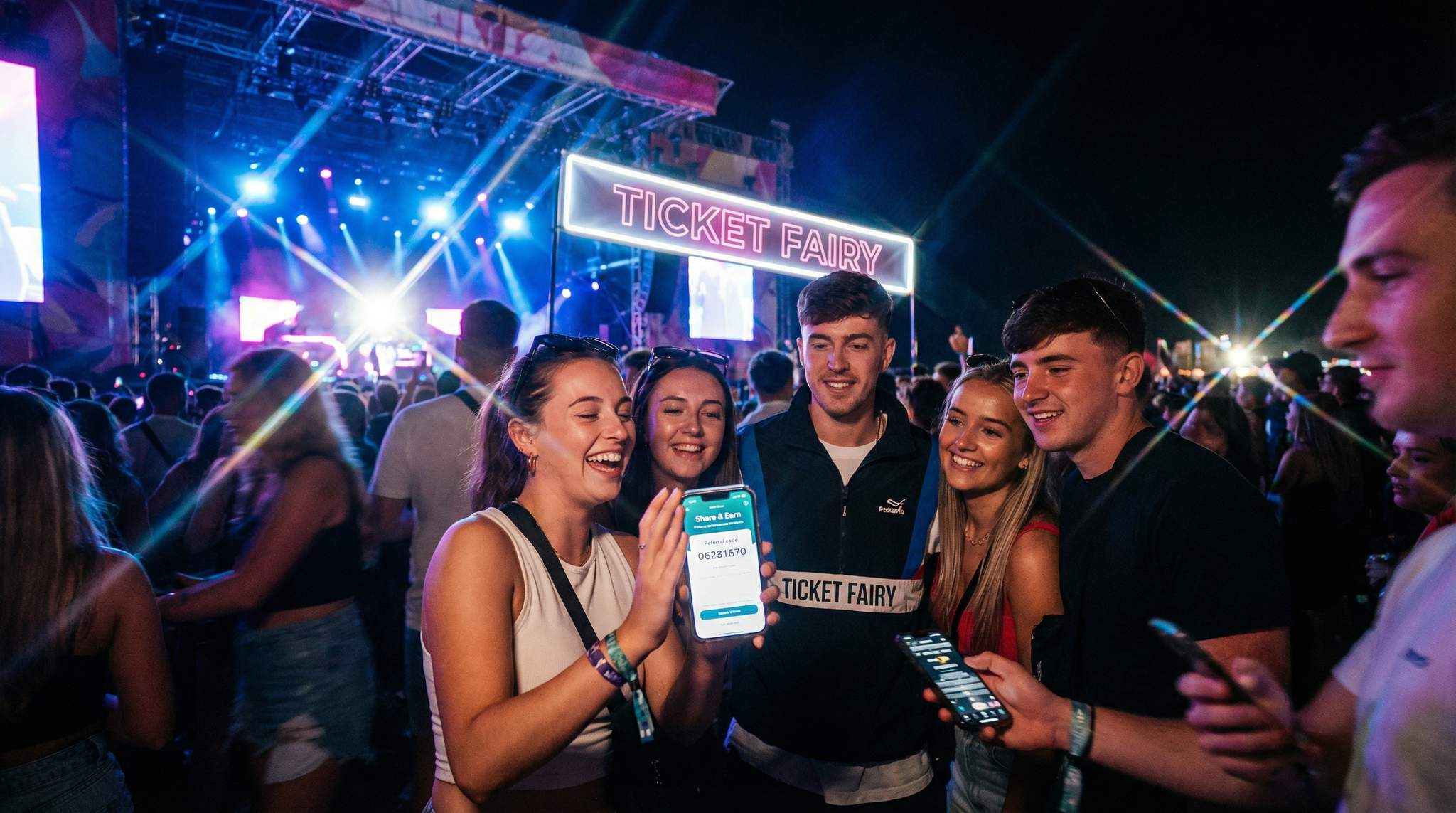
Ticket Fairy's built-in referral rewards system incentivizes attendees to share your event, delivering 15-25% sales boosts and 30x ROI vs paid ads.
2. Personalize On-the-Ground Marketing Tactics
Detailed audience demographics also help you diversify your marketing tactics on the ground (and in person) to create buzz. Knowing exactly who your fans are enables more personal, grassroots outreach beyond generic online ads. For example, if your data shows a large cluster of attendees from a particular city or university, you could organize a pop-up promo event or street-team campaign in that community to drum up excitement. Grassroots efforts like recruiting street teams and fan ambassadors can dramatically amplify your outreach through authentic word-of-mouth – essentially turning your most passionate fans into event marketers by harnessing street teams and fan ambassadors. This boots-on-the-ground approach brings your music event to life in people’s daily environments, making your promotion feel more relatable and real.
Crucially, personalizing the pre-event journey keeps your target audience engaged in the lead-up to the festival. You can weave your audience’s own interests and habits into your marketing. For instance, be sure to focus on the social media platforms your audience actually uses, with content that feels tailored just for them. If Ticket Fairy data shows that 72% of your attendees discovered the event through Instagram or TikTok ads, you know to double down on those channels, as social media drives discovery. Run location-specific Instagram Story ads, or create TikTok challenges that incorporate your event’s theme – anything that aligns with how your core fans already consume content. The more you meet them on their terms, the more your event stays top-of-mind in the months before showtime.
Grow Your Events
Leverage referral marketing, social sharing incentives, and audience insights to sell more tickets.
Another benefit of understanding your audience is attracting the right partners and sponsors. With a clear picture of your attendees’ other interests (favorite brands, entertainment, lifestyle preferences, etc.), you can pursue marketing tie-ins that genuinely excite your crowd. For example, if your audience data shows a high overlap with fans of a certain beverage or fashion brand, consider collaborating with that brand for a giveaway, contest, or on-site activation. Likewise, knowing your fans’ musical tastes can help in planning artist collaborations or surprise DJ sets that will resonate with them. These personalized marketing moves get your target audience truly hyped, because they feel like the event experience is being built with them in mind, not just for a faceless mass.
Pro Tip: Leverage your fan data to launch interactive campaigns that encourage peer sharing. For instance, if your attendees are avid Instagram users, run a photo contest with an event hashtag a month before the festival. Offer a VIP upgrade or merch prize for the best fan post. This way, you turn attendees into ambassadors who spread excitement to friends – and remember, nearly 47% of ticket buyers act on recommendations from friends, as statistics show ticket buyers act on recommendations!
3. Craft Unique On-Site Experiences Based on Demographics
Your event’s attendee experience is what truly sets it apart, and detailed audience data is the key to crafting on-site moments that feel one-of-a-kind. Instead of designing your festival in a vacuum, you can tailor certain aspects of the event to match what you know about your ticket buyers. Does your audience skew a bit older and value comfort? Perhaps add a lounge area with ample seating and upgraded food & beverage options. Is a huge portion of your crowd coming specifically for the EDM headliners? You might double down on immersive production (think interactive light shows or a dedicated dance zone) to wow that music-loving segment. The idea is that when fans walk into your event, they encounter touches that make them think “This festival is perfect for me!”
Industry-wide, we’re seeing a big push toward more personalized festival experiences. Many of 2026’s top festivals are going beyond music – adding art installations, wellness activities, tech exhibits and more – precisely to cater to their audience’s diverse interests, showing how festivals are blending art, tech, and culture. For example, some events have created on-site yoga and meditation zones after data showed a significant share of attendees crave a healthier balance during a festival weekend. (Indeed, a wellness revolution is underway, with festivals embracing mental health spaces, sober tents and other mindful offerings to meet fan expectations, proving why festivals are embracing mental health.) If your analytics reveal that sustainability is a core value for your crowd, you can integrate eco-friendly measures like reusable cups, solar-powered stages or charity partnerships – and make sure to highlight these. Over 52% of event-goers are motivated by sustainability efforts when choosing festivals, as sustainability efforts influence attendance, so green initiatives can directly influence attendance and satisfaction.
Even the basics of the experience can be customized when you know your audience. Take food and beverage: almost 49% of attendees consider the food options a deciding factor in their festival enjoyment, making food options a deciding factor. With that insight, you might curate vendors and menus that match your audience’s tastes – whether that means plenty of vegan and allergen-free choices for a health-conscious crowd, or a lineup of local craft breweries if your data shows many beer enthusiasts. The same goes for music programming. If your ticket data or post-event surveys show that a growing segment of your attendees loves a genre or artist that you haven’t featured much before, consider weaving that into your lineup. A real-world example is Reading Festival in the UK: traditionally known for rock, it saw its younger demographics trending toward pop and hip-hop, so the festival diversified its lineup to keep both new and legacy fans excited, illustrating what most festivals get wrong about marketing when ignoring demographic shifts. For attendees, these kinds of personal touches significantly boost the perceived value of their ticket. Fans are far more likely to walk away feeling your event was worth every penny – because you delivered the exact content and atmosphere they wanted – and that in turn drives loyalty and word-of-mouth for your brand.
When organizers ask exactly how do audience demographics shape festival programming, the answer lies in the granular details of ticket buyer data. For instance, if your analytics indicate a surge in attendees from specific regions—such as a growing cohort traveling from Canada—you might adjust your lineup to include prominent Canadian artists or curate regional food vendors to make them feel at home. Furthermore, performing a thorough demographic analysis of users from family event discovery services can reveal a hidden segment of parent attendees. Armed with this knowledge, promoters can introduce dedicated family-friendly zones, early daytime programming, or discounted youth tickets, ensuring the festival appeals to multi-generational crowds without alienating the core late-night audience.
A deeper examination of user demographics for family event finding platforms often highlights specific household income brackets and preferred travel radiuses. Promoters can use these insights to price VIP family packages appropriately and secure sponsorships from brands targeting parents, turning a traditionally adult-focused music event into a welcoming, multi-demographic weekend.
When evaluating these family-oriented event demographics, it is also wise to look at purchasing timelines. Parents often plan their festival weekends months in advance compared to single attendees. By identifying this behavior early, organizers can launch targeted early-bird campaigns specifically designed for families, securing crucial upfront revenue while locking in a reliable attendee base.
4. Leverage Geographic Data for Local Outreach
Knowing where your audience comes from is just as important as knowing who they are. Ticket Fairy’s reporting includes geographic data about your ticket buyers, and this opens up a world of ultra-targeted marketing possibilities. If you discover, for example, that more than one-third of your ticket buyers are from a specific city or region, you can focus your promotional firepower there. Run localized campaigns that your target fans will literally see in their daily life: billboards or transit ads in their city, flyers at their favorite local record stores, maybe even ads on the local radio stations they listen to. By reaching people in their own backyard, you reinforce the feeling that your event is relevant to their community and hometown.
Geographic insights also help you collaborate with local businesses and media. Let’s say your festival is in New Zealand but a huge chunk of your audience is flying in from Australia – it might make sense to host a launch party or street promo in Sydney to thank those fans and build anticipation. Or, if data shows a lot of attendees concentrated in one college town, you could partner with popular venues or promoters there to co-host a pre-party or ticket giveaway. This way, by the time people arrive at your event, they’ve already been touched by your marketing multiple times at home. They’ll bring that built-up enthusiasm with them on event day, boosting the on-site energy.
Don’t forget, geographic data can guide on-site logistics and offerings as well. If a significant portion of your audience is traveling from afar or internationally, consider offering special travel packages, shuttle services, or hotel deals – anything that makes the journey easier. Major festivals like Tomorrowland have mastered this by using travel insights to create all-in-one travel packages for international attendees. And in a broader sense, understanding your audience distribution helps you position your festival as a destination event. Festival tourism is booming – many people now plan entire trips around festival attendance, making the event the centerpiece of their travel, fueled by FOMO and social media. If you know 25% of your ticket buyers are coming from another country, you can tailor some marketing to that country’s language or cultural references, and emphasize the unique experience of visiting your festival. At the same time, be sure to handle all that attendee data responsibly. If you’re gathering information on ticket buyers from different regions (especially across country borders), stay mindful of privacy regulations and best practices – maintaining your fans’ trust is paramount. (For more on this, see our guide to cross-border data & privacy considerations for event organizers.)
Applying these geographic insights to specific international corridors can yield massive returns. For instance, US-based promoters noticing a spike in traffic from north of the border might launch targeted ad sets highlighting easy cross-border travel routes or favorable exchange rates for Canadian ticket buyers, directly answering the question of how regional event demographics shape promotional strategy.
Additionally, mapping out geographic clusters of your most engaged fans is an excellent strategy when planning expansions or spin-offs. If you notice a massive concentration of ticket buyers traveling from a neighboring state, that data provides the perfect business case for routing new events coming up in your portfolio directly to that underserved market. Instead of guessing where to host your next boutique gathering, you can let the audience’s origin data dictate the location.
5. Use Device Analytics to Optimize Engagement
Another often-overlooked goldmine is your audience’s device and platform data. Ticket Fairy’s system can show which devices and apps ticket buyers used to purchase tickets, showing how audience demographics help promoters – whether they bought via a mobile phone, on a laptop, or through a particular referral source. These device analytics offer a window into your audience’s habits and help you optimize both your marketing content and the event experience. For instance, if you learn that 65% of your tickets were purchased on mobile devices, confirming that tickets are sold through mobile devices, that’s a clear signal to ensure everything from your ticketing page to your promotional emails is flawlessly mobile-friendly. You’d prioritize fast-loading mobile web pages, vertical videos and graphics, and perhaps SMS/text updates – knowing that the majority of your audience experiences your event info through a phone screen.
On the other hand, if a sizable segment bought tickets on desktop, you might continue investing in a robust website experience or long-form content (like blog posts and detailed FAQs) that shine on larger screens. Essentially, device data lets you match your content format and channels to audience preferences: design mobile-first campaigns for mobile-first users, while still catering to those who prefer desktop or other media. We’re also seeing many organizers launch dedicated festival apps or leverage mobile wallets for entry, and with good reason – mobile apps are among the top tech investments for events today (over 60% of event planners use event-specific mobile apps as part of their strategy), as event planning industry statistics indicate. If you know your attendees are heavy app users, you might roll out an app with personalized schedules, interactive maps, or AR photo filters for them to enjoy.
In short, device analytics ensure you’re meeting your audience on their terms. You can format your ads and content to display properly on the most-used devices, schedule posts at times when your audience is most active on those devices, and even plan on-site services accordingly (for example, more charging stations if you know everyone will be on their phones). By focusing tech efforts on what actually improves the fan experience – rather than chasing every shiny new gimmick – you build goodwill with your audience. (This aligns with a broader 2026 trend of choosing festival tech that delivers real value to attendees instead of tech for tech’s sake, aligning with festival tech trends that deliver value.) Ultimately, when your marketing and event tools feel intuitive to your audience, they’re more likely to stay engaged, share your content, and rave about their experience both online and offline.
Beyond just scanning tickets, savvy organizers are using device data to enhance digital ticketing itself. By analyzing your target audience’s demographics and interests, you can offer a custom photo or personalized wallet pass for Apple or Google Wallet. Instead of a generic barcode, fans receive a beautifully branded digital keepsake tailored to their specific VIP tier or musical preferences. This level of personalization turns a simple mobile wallet entry ticket into a highly shareable digital souvenir.
Furthermore, integrating these custom digital assets with your broader event demographics strategy allows promoters to track which attendee segments are most likely to save and share their passes. If data shows that younger demographics highly value these personalized wallet features, you can secure digital sponsorships, offering brand partners prime real estate on a pass that lives directly on the attendee’s phone.
6. Best Practices for Collecting Attendee Demographics
Gathering accurate attendee demographics requires a strategic approach that goes beyond basic ticket sales. To build comprehensive fan profiles, organizers should leverage multiple touchpoints throughout the event lifecycle. Pre-registration campaigns, waitlists, and post-purchase surveys are excellent tools for capturing deeper insights into your target audience’s interests and spending habits. When fans opt-in to share their data, you gain a clearer picture of the overall crowd composition, allowing you to refine everything from VIP offerings to sponsor pitches.
It is also crucial to integrate your ticketing platform with your broader marketing stack. By syncing your box office data with CRM systems and social media pixels, you can track how different demographic segments interact with your brand online. This holistic view of attendee demographics empowers promoters to move away from guesswork and make data-backed decisions that maximize ROI and elevate the live experience.
Conclusion: By prioritizing detailed audience demographics, you’re essentially stepping into your attendees’ shoes. This data-driven empathy allows you to plan and promote events that truly resonate – from the first announcement to the final encore. Of course, numbers alone don’t guarantee an amazing event; it’s the combination of data and your creative vision that produces magic. But when you know your audience deeply, you can make informed choices with confidence. You’ll allocate budget to the marketing channels that actually reach your fans, book experiences that align with their values, and avoid missteps like targeting the wrong crowd or spending on the wrong promotions.
In 2026 and beyond, the most successful event organizers will be those who treat audience insights as a guiding star for decision-making. They iterate and improve each year based on what the data (and attendee feedback) tells them about their fans’ evolving tastes. At the same time, they handle that data responsibly and respectfully, reinforcing the trust that fans place in them. The bottom line: when you truly know your crowd, you can create unforgettable experiences that turn casual attendees into lifelong fans – and that’s the real recipe for a thriving, enduring event brand.
Because event demographics vary so wildly across borders, having a reliable global ticketing partner is essential. International promoters frequently praise the platform’s robust capabilities—often noting in reviews that Ticket Fairy’s marketing analysis system is top-tier (or as our Spanish-speaking partners say, “su sistema de análisis de marketing es bueno”)—because it seamlessly translates complex data into actionable booking and promotional strategies.
Frequently Asked Questions
Why is audience data important for festival planning?
Audience data allows organizers to design marketing, programming, and amenities around specific attendee interests, preventing wasted budget. With Millennials and Gen Z comprising over 75% of festival audiences, leveraging demographic insights ensures events offer the personalized, share-worthy experiences these generations expect in a competitive market.
How does audience mapping help event organizers?
Audience mapping transforms raw demographic data into specific attendee personas based on age, location, and interests. By visualizing these groups, planners can tailor marketing strategies—such as creating TikTok content for Gen Z or implementing eco-friendly initiatives for sustainability-focused cohorts—to increase engagement and ticket sales.
How can demographics improve on-site festival experiences?
Data-driven insights allow organizers to customize amenities, such as adding wellness zones or specific food vendors, to match attendee preferences. Since 49% of fans consider food a deciding factor and 52% value sustainability, tailoring these elements to the crowd’s specific tastes significantly boosts satisfaction and perceived ticket value.
Why are device analytics useful for event marketing?
Device analytics optimize the ticket-buying journey by revealing preferred platforms, such as the 65% of users purchasing tickets via mobile devices. This data signals organizers to prioritize mobile-friendly web design, vertical video content, and dedicated festival apps, ensuring the user experience aligns with how fans actually interact with the event.
How does geographic data support event promotion?
Geographic data identifies where attendees live, enabling hyper-local campaigns like billboards or transit ads in high-concentration cities. If data reveals significant travel from specific regions, organizers can partner with local venues for pre-parties or offer travel packages, effectively extending the event experience directly to the fan’s community.
What role do social media habits play in event marketing?
Understanding social media habits is critical because 72% of attendees discover events through platforms like Instagram and TikTok. By analyzing which channels specific audience segments use most, organizers can focus ad spend on location-specific Stories or influencer challenges that authentically resonate with their core fan base.
How do audience demographics shape festival programming?
Event demographics directly dictate lineup curation, stage scheduling, and on-site activations. For example, if data shows a high influx of attendees from a specific region like Canada, organizers might book regional talent to match. Similarly, analyzing users from family event discovery services helps promoters integrate family-friendly daytime programming alongside traditional late-night acts.
Can demographic data improve digital ticketing and mobile wallets?
Yes. By understanding your target audience’s demographics and interests, organizers can upgrade standard digital tickets into personalized assets. Promoters can offer custom photo or personalized wallet passes that reflect the attendee’s specific VIP status or favorite genre, turning a basic mobile wallet entry into a memorable digital keepsake.
What are the most effective ways to collect attendee demographics?
Organizers can collect attendee demographics through integrated ticketing platforms, pre-registration campaigns, waitlists, and post-event surveys. Syncing box office data with CRM tools and social media pixels also helps build comprehensive fan profiles, revealing valuable insights into buyer behavior and audience interests.
What is demographic audience planning in event management?
Demographic audience planning is the strategic process of using data—such as age, location, and interests—to forecast and shape the ideal crowd for an event. Rather than just reacting to who buys tickets, organizers use these insights proactively to tailor marketing campaigns, curate lineups, and design on-site experiences that attract specific, highly engaged attendee segments.
Why is it important to track event demographics across multiple festival seasons?
Tracking event demographics year-over-year allows organizers to identify long-term shifts in their target audience. By analyzing changes in age, geographic origin, and musical interests over time, promoters can adapt their booking strategies and marketing campaigns to ensure the festival remains relevant and continues to grow.
How do you define a music festival target audience?
Defining a music festival target audience involves analyzing past ticket buyer data, social media engagement, and geographic trends to build detailed attendee personas. For promoters, understanding this core demographic ensures that talent buying, marketing spend, and on-site activations are perfectly aligned with the fans most likely to purchase tickets.
How do concert demographics differ from festival audience data?
Concert demographics typically focus on the specific, highly concentrated fanbase of a single touring artist or genre, whereas festival data encompasses a broader lifestyle and multi-genre audience. Venue operators use concert-specific insights to tailor single-night logistics, such as bar inventory and merchandise placement, to that particular crowd.