The Power of Loyalty: Why Venue Membership Programs Matter in 2026
From One-Off Shows to Ongoing Relationships
Live events thrive on repeat attendees. In 2026, venues are shifting focus from chasing one-time ticket buyers to cultivating loyal patrons who return regularly. A casual fan who comes once might spend $50 on a ticket, but a devotee attending monthly could spend 10 times that annually. Industry veterans underscore that loyalty is one of the most powerful drivers of revenue – getting fans to come back again and again, a strategy essential for navigating financial challenges and ensuring venue survival. This approach turns unpredictable show-by-show income into a more stable stream. Modern venue managers view each event not as a standalone transaction but as an opportunity to start or continue a relationship with the attendee. The goal is to have last month’s crowd back again next month, ideally bringing friends along.
A Lifeline in Uncertain Times
If the past few years have taught venue operators anything, it’s the value of a committed community. During the pandemic shutdowns, many independent venues survived only because die-hard fans rallied with donations, virtual tip jars, and pre-bought tickets. Some venues launched “Friends of the Venue” memberships as emergency fundraisers – essentially donations bundled with future perks, helping venues survive through membership models and establishing new traditions for peacetime operations. Those fans weren’t just buying tickets; they were investing in the venue’s survival. Now in 2026, venues are formalizing that goodwill into ongoing membership and loyalty programs. A loyal member base acts as a financial cushion in hard times (like sudden closures or economic dips) and a springboard during recovery. Experienced venue operators recall how, when faced with challenges like noise complaints or licensing battles, members became vocal advocates, flooding community meetings with support. Loyalty isn’t just feel-good – it’s strategic insurance. By deepening community bonds, venues gain political and moral support, not just financial patronage, which is crucial when facing challenges like noise complaints or development. In an unpredictable industry, a strong fan community can be the difference between weathering a storm or closing doors for good.
The Bottom Line: Retention Boosts Revenue
Beyond the emotional wins, loyalty programs make compelling financial sense. Decades of business research show that increasing customer retention by just 5% can boost profits by 25–95%, according to insights on increasing profit with customer retention tactics. Why? Loyal customers tend to spend more over time, require less marketing to bring back, and often happily pay a premium for trusted experiences. For venues, that could mean higher lifetime value per attendee – the fan who starts coming to small shows in their 20s might later splurge on VIP tickets or private events. Plus, loyal fans become unofficial marketers. They leave positive reviews, spread the word to friends, and hype your shows on social media (essentially free promotion), acting as a subtle marketing network that builds more organic buzz for your events. By boosting repeat attendance, membership programs help venues get off the treadmill of constantly hunting new audiences. Instead of spending heavy marketing dollars to replace each departing customer, venues can invest in satisfying and upselling the fans they already have. The result is a steadier revenue base and more predictable attendance patterns – a huge advantage for planning budgets and booking calendars. As one famous adage in live entertainment goes, “it’s easier to sell 10 tickets to one person who loves you than one ticket each to 10 people who don’t know you.” Loyalty programs are all about nurturing that love.
Fan Expectations in 2026
Today’s audiences – especially younger generations – are primed for loyalty programs. They’ve grown up with streaming subscriptions, airline miles, and retail reward apps, and they expect similar perks in the live event space. A recent global Fan Insights study by Live Nation found 75% of young consumers would join a loyalty program that offers live music perks, as reported in a study on driving loyalty with live music perks. In Australia and New Zealand, 77% of Gen Z and Millennial fans said being in a program with music rewards made them feel more valued, and discounted concert tickets ranked as Gen Z’s most desirable perk, highlighting discounted tickets as a top driver and confirming that fans value money saving endeavors. Fans in 2026 crave more than a ticket – they want to feel recognized and “in the club.” Venues that respond with well-crafted membership schemes can tap into this appetite. Early access to shows, exclusive experiences, and a sense of belonging all align with the experience-driven mindset of modern audiences. In short, a loyalty program isn’t a hard sell – it’s meeting fans where they already are. The key is designing a program that genuinely adds value to the fan’s experience, rather than just printing another plastic card for their wallet. Done right, a membership program turns the transaction of buying a ticket into an ongoing relationship between the fan and your venue’s brand.
Choosing the Right Loyalty Program Model
Free Points-Based Rewards Programs
One common approach is the points-based loyalty program, which incentivizes behavior through rewards. In a points system, fans sign up (usually for free) and then earn points for various actions – buying tickets, attending shows, purchasing drinks or merch, even engaging on social media. Those points can later be redeemed for freebies or exclusive opportunities. This model injects a bit of gamification into the concert-going experience: attendees are motivated to come out more often and spend more to “level up” their perks, a key tactic in designing a festival loyalty program. For example, at Washington D.C.’s famed 9:30 Club, the free “Friends With Benefits” program lets fans accumulate points for every ticket purchased, every show attended (scanned at the door), and every piece of merch or drink bought, as detailed on the 9:30 Club’s Friends With Benefits page. Save up enough points and you can snag free concert tickets, venue merchandise, or even gift cards valid across their network of venues, showing the benefits of being a Friend. The beauty of a points system is its low barrier to entry – anyone can join without a paid fee, so it casts a wide net. It’s especially popular for high-volume clubs where the goal is to drive frequency. However, points programs require a bit of management savvy: you’ll need a technology system to track points and redemptions accurately (nothing annoys fans like missing points), and you must calibrate the “earn and burn” ratio so that rewards feel achievable but don’t bankrupt the venue. The upside is a trove of data – you can see exactly who your most active customers are. And importantly, points create a psychological hook; fans feel like they’re losing value if they don’t go to the next show (“I’m only 50 points away from a free ticket, might as well go this Friday”). That’s the kind of encouragement that fills your venue on weeknights.
Ready to Sell Tickets?
Create professional event pages with built-in payment processing, marketing tools, and real-time analytics.
Paid Membership Tiers (Basic to VIP)
Another approach is a paid membership program with tiered levels of perks. In this model, fans pay an upfront fee – monthly or annual – to join a club that grants special benefits. Many performing arts centers and theaters have done this for years (“Friends of the Theatre” memberships), but now rock clubs, arenas, and festivals are adopting it too. The paid model gives venues an immediate revenue boost (membership fees in the bank) and tends to attract the most enthusiastic segment of your audience. Typically, there might be multiple tiers: for example, a basic tier at a modest price with core perks, and higher tiers at premium prices offering VIP-style benefits. A small community theater might have a $50/year Friend level (listing in the program and early access to tickets) and a $500 Patron level (bigger perks like meet-and-greets or a free champagne at shows). A large concert venue could structure it as Bronze, Silver, Gold tiers, or perhaps name them creatively to fit the venue’s brand (e.g. “Backstage Pass” member vs. “All-Access” member). Many veteran venue operators recommend keeping the tier count limited (no more than 3 or 4) to avoid confusion, ensuring loyalty program structures remain simple and that tiered systems feel meaningful. Each tier should feel like a meaningful step up, not just a cash grab. For instance, London’s historic Roundhouse offers memberships ranging from a basic level with presale access and a member bar entry, up to higher tiers that include invitations to exclusive rehearsal sessions and your name on a donor board. One independent club in the U.S. launched an annual membership at $100/year where members received two free show tickets, 10% off all other tickets, a members-only t-shirt, and their name on the venue’s “supporters wall,” an effective strategy borrowed from non-profits. For a frequent concertgoer who might attend a dozen shows a year, that $100 membership easily pays for itself in savings, which is why people join membership programs. Meanwhile, the venue gets ~$100 in guaranteed revenue upfront from each super-fan, plus more bar sales from those extra visits. Paid tiers work especially well when you can identify a segment of your audience that craves VIP treatment or deeply believes in your venue’s mission** and is willing to support it like a patron. The key to success is ensuring the perks and the price are aligned – members should feel they’re getting excellent value (or supporting a cause they care about), and the venue should still see positive ROI after delivering the perks.
Season Passes and Unlimited Entry Subscriptions
A newer twist on venue loyalty is the season pass or subscription model. Think of this as the concert version of Netflix or a gym membership: fans pay a flat fee to attend as many shows as they want (or a certain number per month/year). This model has been experimented with in recent years, especially to boost attendance on off-peak nights. For example, in late 2022, Live Nation trialed a “Club Pass” that let fans attend every concert at select clubs for one monthly price. In Minneapolis, one venue’s pass was $59 for unlimited concerts in a three-month window, while a $299 ‘Multi-Club’ pass granted access to shows across all participating venues nationwide in that period, as reported in coverage of Live Nation’s Club Pass concerts. These kinds of passes effectively guarantee a base audience at shows – even if people don’t attend every single event, they often come out more than they otherwise would to “get their money’s worth.” Some independent venues have tried similar ideas, like a “Monthly Unlimited” pass for local residents or a punch-card style subscription (e.g. 10 shows for a fixed price, used any time). Season passes can quickly build loyalty because fans feel a stronger ownership of the venue’s calendar – it almost becomes a part of their routine. However, the economics need to be carefully planned. You have to predict how many shows the average passholder will attend and price it so that you still make money (or at least break even in a worst-case scenario). There’s also a capacity consideration: if too many people have unlimited access, could they crowd out regular ticket buyers for hot shows? It often works best for venues with consistent programming and available capacity on many nights, or for promoters running a series of events. One successful case was an Australian venue that offered a “Winter Pass” – pay one price and attend any show in June-August – which helped fill traditionally slow winter dates with die-hard music fans. The pass concept flips the usual model (where you sell tickets per show) into a membership-style commitment. It’s a bold strategy to boost attendance and build habit, especially among younger audiences who might otherwise be price-sensitive. Just be sure to deliver a great experience to those passholders; if they feel shortchanged by overcrowding or low-quality shows, they won’t renew. When done right, though, unlimited passes can generate buzz and essentially pre-sell your venue’s calendar in advance.
Hybrid and Evolving Models
It’s worth noting that these program types aren’t mutually exclusive. Some venues successfully combine models to cater to different segments. For instance, you might offer a free points-based program to everyone (widening the funnel) while also upselling a paid VIP tier that gives extra perks and faster point accumulation. Many festivals do this by having a free loyalty program (e.g. earn points each year you attend) alongside paid “membership” tickets that guarantee perks on-site. Venues can similarly layer their loyalty strategies. Over time, you might also evolve the program as you learn what fans value. Don’t be afraid to start simple and iterate. As one festival loyalty guide notes, the right structure depends on your audience’s habits and your event frequency, so consider how to structure the loyalty program – a venue doing weekly gigs might lean on points or monthly passes, whereas a theater with a few big shows a month might emphasize memberships. Flexibility is key. Listen to your fans and watch the data. If you launch a program with a single tier and see demand for a higher tier, you can add one. If points are getting little engagement but members rave about exclusive events, shift more value into event perks. The advantage of 2026’s tech-driven approach is you can track and tweak almost in real-time. Ultimately, the best model is the one that fits your venue’s unique mix of audience, programming, and goals. The common thread, however, is giving fans a reason to form a habit around your venue – to make your space their regular hangout, not just a one-off treat.
Designing Irresistible Perks for Members
Early Access and Ticketing Privileges
When crafting perks, start with the one thing nearly every fan desires: first dibs on tickets. Early access to hot shows is often the number one reason people join a venue’s loyalty program. In practice, this could mean members get a special presale window (24-48 hours before general public sales) or access to a reserved allotment of the best seats. For example, Sydney Opera House’s “Insider” members are alerted to upcoming show announcements and often get to book tickets before the masses – crucial for high-demand events. In the UK, O2 Arena’s well-known “Priority” scheme (in partnership with a mobile provider) gives loyal customers the chance to buy tickets to big concerts up to 48 hours early. These exclusive presales tap into fans’ fear of missing out and reward those who are committed. Another ticketing perk is preferred seating selection – members might get access to prime viewing areas or a better shot at GA floor spots. Some venues even hold a few rows or a balcony section aside for their members. In 2026, many ticketing systems (including integrated platforms like Ticket Fairy) allow you to set up unique passcodes or membership verification so that only members can unlock those tickets during the presale. The trick is to ensure this privilege truly feels exclusive; if people perceive that “everything good” sold out in the member presale, non-members might grumble, so balance is needed. Still, from the fan perspective, early access is a major draw. According to that Live Nation study, presale tickets and discounts were among the top perks fans want from loyalty programs, with discounted tickets emerging as a favorite. The takeaway: make your biggest events an occasion for members to celebrate, by giving them a head-start to secure their spot. It costs the venue nothing to implement, but delivers huge perceived value.
Another angle is waiving or reducing ticketing fees for members. Booking fees can add a sting to each purchase, so a membership that promises “no service fees on tickets” or similar is instantly attractive. The Sydney Opera House, for instance, removes booking fees for its Insider members, a key benefit of Sydney Opera House Insiders, which for frequent attendees can save a tidy sum over a year. Even a simpler perk like a dedicated members-only box office line or will-call window on show night can make loyal fans feel VIP when they arrive. It’s about smoothing the ticket-buying and entry process as a “thank you” for their loyalty. Think of ticketing perks as giving your best customers the red carpet treatment – less waiting, more certainty, and better seats.
Grow Your Events
Leverage referral marketing, social sharing incentives, and audience insights to sell more tickets.
Discounts and Value-Add Benefits
People love a good deal, so successful membership programs often include straightforward discounts that translate to real savings. A common perk is a flat percentage off tickets for members – say 10% off any show you buy, or a 2-for-1 deal on a birthday show. This works especially well for smaller local venues or for encouraging members to take a chance on events outside their usual taste (since a discount lowers the barrier). Some venues provide a limited number of free tickets or guest list spots per year to members. For instance, a member might get “2 free tickets every quarter to any show of your choice (subject to availability).” This kind of perk feels tangible – the member can directly attribute “I saved $X” by being a member. It can entice those on the fence: if membership costs $100 but you know you’ll get, say, $120 worth of tickets free, the value is clear. Just be sure to manage how these freebies are redeemed (e.g. exclude truly sold-out shows or have blackout dates if needed) so you don’t give away revenue you can easily capture. Many venues also extend merchandise discounts to members (e.g. 10-15% off all merch purchases at the venue or online store). Again, this is relatively low cost to the venue but appreciated by fans – your super-fans often want to wear your venue’s T-shirt or the band’s hoodie, so why not reward them with a deal?
Don’t overlook food and beverage perks. A lot of mid-tier venues make a significant chunk of income from the bar. By offering members a small discount on drinks or food – or occasional freebie like a free beer at every 5th show – you both entice them to show up and likely increase their spending (they might buy that extra drink because it’s 10% off). For example, the Opera House Insiders program includes 10% off at venue bars and restaurants, offering unique benefits including dining discounts. Over a year of concerts, that could save a regular attendee a decent sum (and encourage them to arrive early and spend at your bar rather than elsewhere). Some venues partner with local businesses to add more value: e.g. show your membership card at the pub next door and get a free appetizer, or a nearby parking garage gives a discount for members. These partnerships effectively extend the loyalty benefits beyond your walls, making the membership feel more like a lifestyle bonus.
One creative approach is to offer loyalty currency – like venue credit or reloadable gift cards – as a perk. For example, a member might get a $10 credit for concessions each month, or earn back a $1 in venue credit for every $20 spent on tickets. This not only gives a feeling of getting something back, but it locks that value into your venue (they’ll have to use it on your tickets, drinks, etc., ensuring another visit). It’s similar to how coffee shop loyalty cards give you a free coffee after 10 visits – simple, but it works. The key with discounts and value-add perks is to make the savings concrete. Don’t hide it in complex point conversions only; be explicit: “Members save an average of $5 on every ticket” or “Free drink every show for members” speaks directly to the wallet. As a venue operator, track these perks’ usage to ensure they are driving more sales than they cost. If you see members are using their 10% ticket discount to attend twice as many shows, you’re coming out ahead on volume. If they’re just using the free tickets and not spending beyond that, you might tweak the offer. It’s a balance of generosity and smart business – but lean generous in perception, because a membership that feels stingy won’t fly. As data from loyalty programs in other industries shows, 94% of people see loyalty programs as a way to save money, reinforcing that fans feel valued through saving endeavors, so position your program as a money-saver for the true fans.
Exclusive Events and Experiences
To truly elevate a membership program from a basic discount club to a must-join community, offer experiences that money can’t (ordinarily) buy. Exclusive events and content are a powerful pull. This can take many forms. One popular idea is a members-only show or party once a year. For example, an indie venue could host an annual anniversary gig just for members – perhaps featuring a favorite local band or a surprise guest – as a way to say thanks. Not only does this reward your loyalists, it also instantly makes non-members curious (“Wait, how do I get into that show?”). Some venues do periodic members’ nights, maybe a low-key open mic, DJ night, or listening party, just to bring the community together. Veteran operators note that these member-exclusive events create a “clubhouse” vibe and deepen the personal connection fans have with the venue, helping to fulfill perks and deepen bonds. People love being part of something slightly secret or limited.
Another sought-after benefit is access to artist experiences. While meet-and-greets or soundcheck access are often orchestrated by promoters or fan clubs, a venue can sometimes arrange these for its top members in collaboration with artists (especially if you have good relationships or it’s a local band’s big show). Even simpler: allow a handful of members to attend an artist’s soundcheck or Q&A when feasible. Larger venues and arenas might have a VIP club area, and membership could include invites to pre-show receptions or after-parties with DJs and occasional artist drop-ins. The idea is to make membership feel like an all-access pass to a richer experience around the events. Some venues also create exclusive content for members – think private video streams of select concerts, a behind-the-scenes tour of the venue’s renovation, or a members-only podcast featuring interviews with artists who played there. During the pandemic, a few creative venues even launched digital memberships where, for a monthly fee, fans got access to an archive of live show recordings and new live-streamed sessions, creating a content producer membership model. In 2026, with hybrid events and on-demand content more prevalent, this could be an added perk layered onto a physical venue membership.
Consider leveraging your space on off-nights for member gatherings. Could be as simple as “First Monday Member Mixers” where members can hang out at the bar with the venue owner or booking team, giving feedback or just socializing. Or perhaps a quarterly town-hall meeting exclusively for members to hear about upcoming plans and give input – turning your super fans into an advisory board of sorts. This not only makes them feel valued, it can generate fantastic word-of-mouth and loyalty. They’ll say “our venue” not “the venue,” because they’re part of its story. Real-world examples abound: the Music Hall of Williamsburg in NYC has done surprise pop-up shows announced only to members of its mailing list; Japan’s Blue Note jazz clubs offer club members priority reservations and occasional invite-only dinners with performing artists. When brainstorming perks, ask “what would delight our biggest fan?” Often it’s not something expensive or complicated – it’s the exclusivity that counts. A backstage tour of the empty venue, a meet-and-greet with the sound engineer, a signed poster left at their seat – these little touches create lore and loyalty.
VIP Treatment and Recognition
Everyone likes to feel special. VIP-style perks can turn a membership from ordinary to aspirational. A classic example is a members-only entrance or queue. If your venue has the capacity, letting members skip the general admission line and enter through a dedicated door or ahead of the crowd is a simple way to make them feel like rockstars (and it costs you nothing but a bit of planning). It can be as formal as a separate entrance with a “Members” sign, or as informal as a security guard pulling members out of line and fast-tracking them in. Similarly, offering a reserved section or lounge for members elevates their show experience. Many venues have turned unused balcony corners or side-stage areas into small member sections with a few tables or just a clearer sightline. Some big arenas and theater venues open their VIP Club lounge to membership holders, which might include nicer bathrooms, a private bar, or even catering on big show nights. For instance, House of Blues clubs in the U.S. have the Foundation Room – a private lounge traditionally for high rollers and members – where perks include priority entry, plush seating, and mingling opportunities. If you don’t have a physical VIP room, consider a virtual one: a special members-only line at the bar, or priority coat check service can provide that white-glove feel on a smaller scale.
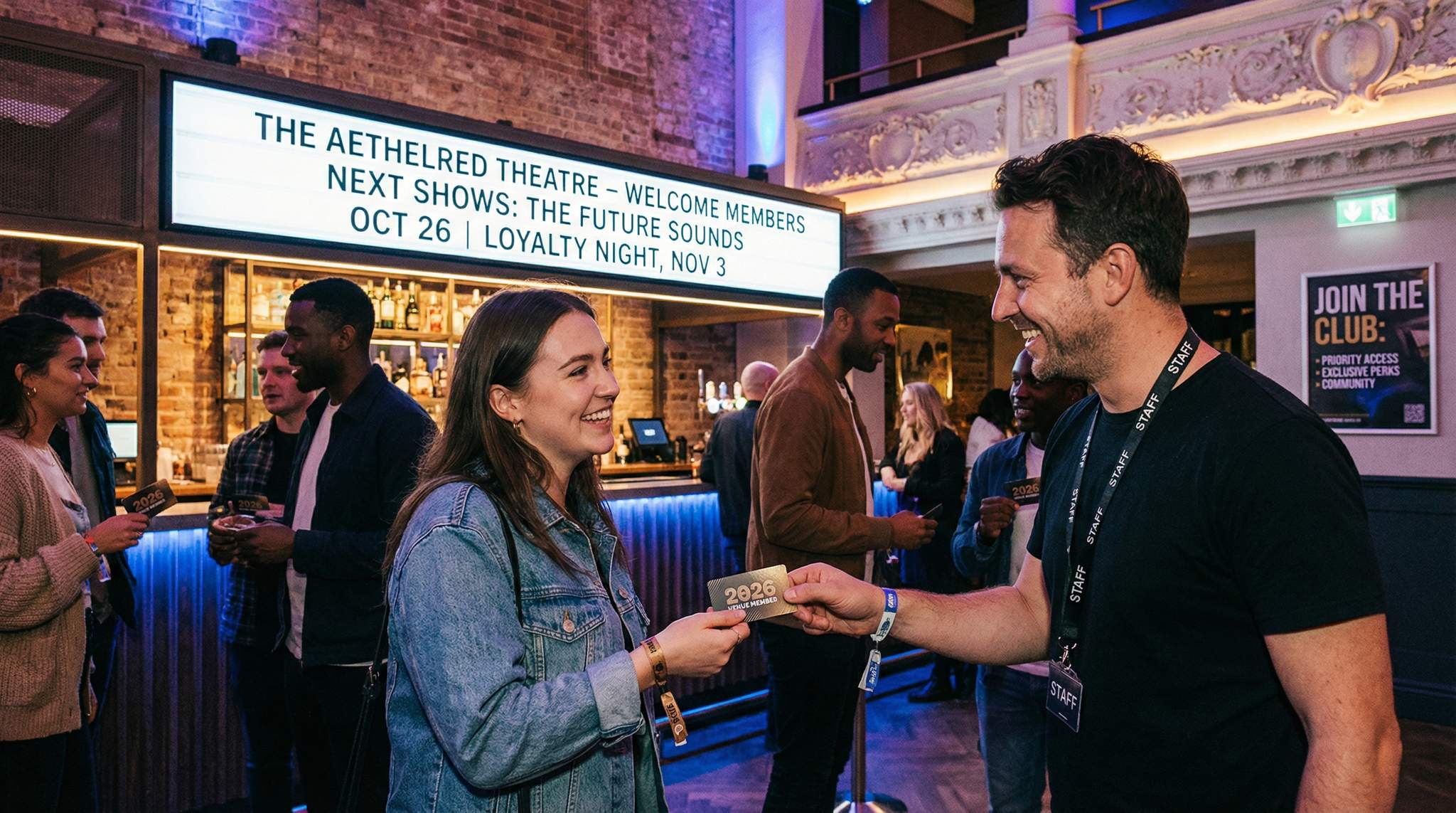
Recognition also goes a long way in building emotional loyalty. Many membership programs incorporate a way to acknowledge their supporters. This could be a “supporters wall” plaque in the lobby listing all annual members (which indie venues like to do as both thanks and social proof), or a page on your website shouting out your top-tier members. Some venues give members swag that also serves as status symbol – like custom enamel pins, laminates, or T-shirts that only members receive. When fellow fans see someone wearing the members-only 2026 Tour laminate on their lanyard, they know that person is part of the in-crowd (and they might ask how to join). Even something as small as a birthday card or a free drink on the member’s birthday can add a personal touch that builds affection. The goal is to treat your members as insiders. They’re not just customers; they’re part of the venue family. So maybe the venue manager sends a personal welcome email when someone joins, or the head of security learns the names of the regulars who come every week.
Importantly, if you offer top-tier memberships at a higher price, ensure those folks truly feel VIP at every step. Some venues assign a dedicated concierge or account manager to their premium members, the way sports teams handle season ticket holders – someone the member can call or text for ticket bookings, reservations, or issues. That level of service can justify a high-end “platinum” membership price for those willing to pay for convenience and status. We see this in some large performing arts venues where a $1,000+ patron membership comes with a personal booking hotline and guaranteed best seats held until a week before the show. In the concert realm, you might not go that far, but you could offer to handle group bookings for members or arrange pre-show dining reservations for them as part of the service. Think like a hospitality business: what little extras make a night at your venue frictionless and memorable? Early entry to snag a prime spot, a reserved parking space for members (if feasible), a complimentary coat check, or even just a friendly “Welcome back, we’ve missed you!” at the door can all contribute to that VIP glow.
Finally, don’t underestimate the power of exclusive communication as a perk. Members should feel like they’re the first to know what’s happening at the venue. Whether it’s an email newsletter just for them or a members-only WhatsApp group for last-minute ticket releases, information is a commodity. Give members the inside scoop – the lineup drop before it’s public, the renovation plans, the story behind next month’s residency. When members feel “in on it,” their connection deepens. Plus, they can plan their social calendars earlier, which means your shows become a priority for them, not an afterthought. In 2026’s attention economy, that’s priceless. All these VIP and recognition elements, while often intangible, feed the fundamental human desire to belong and be appreciated. In venue loyalty as in life, a little flattery and preferential treatment can create fierce loyalty.
Pricing Your Membership for Maximum Value
Aligning Price with Fan Value
Setting the right price for a venue membership or loyalty program is a delicate equation. Charge too little and you might leave money on the table (or attract so many members that delivering perks strains your resources); charge too much and only a handful of people join, defeating the purpose of building a broad loyal base. The sweet spot depends on your typical audience spend and the value of perks on offer. A smart starting point is to analyze how much your regulars spend on tickets and extras. For example, if the average die-hard fan goes to one show a month and spends $30 each time (ticket + 1-2 drinks), that’s about $360 a year. A membership priced around 10-20% of that (say $40–$75 annually) could be seen as reasonable, especially if it offers enough savings or freebies to pay for itself. In contrast, a more affluent theater audience who might drop $100 per ticket a few times a year could sustain a pricier membership tier in the few-hundred-dollar range. The key principle is to make the member feel like they’re getting a bargain relative to their personal usage. Experienced operators suggest framing it like, “For $$ per month/year, you’ll get over $$ worth of value if you attend X often,” providing a clear time incentive for membership. For instance, if a basic member pays $10/month and typically saves ~$20/month on discounted tickets and free drinks, it’s a no-brainer for them to join and stay.
It’s also wise to survey your audience informally (via social media or an email poll) about what perks they’d value and even what price points sound fair. Your most loyal fans will tell you – some might say they’d gladly donate a certain amount to keep the venue healthy, others will pinpoint that they’d join if it “pays off after 2 shows.” Use that intel to calibrate. Remember, pricing can be adjusted over time, but you want to get it roughly right at launch to build momentum. Many venues offer the first year at a promotional rate or give “founding members” a locked-in lower price as a thank you for being initial adopters, serving as a strong time incentive. That can spur early sign-ups. If in doubt, it’s often better to slightly underprice and over-deliver on value in the beginning – you can raise or add tiers later once people see how great the program is. Loyalty is earned, not entitled, so your pricing should reflect a give-and-take: they give you commitment (and some cash up front), you give them convenience, savings, and special treatment worth more than what they paid.
Structuring Tiered Options
If you’re implementing multiple tiers, each tier’s pricing needs its own rationale. A common structure might be something like:
| Tier | Annual Fee (USD) | Example Perks for Tier |
|---|---|---|
| Basic | $50 – $75 | Early ticket access, no booking fees, 5–10% off tickets and merch, member newsletter. |
| Premium | $150 – $200 | All Basic perks + 1 free ticket per quarter, 15% off F&B, members-only events invites, priority entry line. |
| VIP/Angel | $500+ | All Premium perks + free entry to most shows or VIP seating, meet-and-greet opportunities, name on “supporters” wall, concierge booking service. |
Example tier structure: A mid-sized venue might offer a lower-cost basic membership for casual fans, a premium tier for frequent attendees, and a VIP tier targeting big spenders or patrons.
Each step up in tier should offer a meaningful increase in benefits to justify the jump in price. In the example above, a Premium member paying ~$150 gets significantly more value (free tickets, bigger discounts, VIP line) than a Basic member at $50. The VIP tier at $500+ is more of a philanthropic/supporter level – not everyone will buy it, but those who do are essentially your super-patrons and should be treated accordingly. Some independent venues have found success with this kind of “Angel” tier, often appealing to local music lovers who want to see the arts thrive. For instance, one venue created a $500 tier that came with a guaranteed table reservation at any show upon request and a personal thank-you in the venue’s foyer, a strategy to make fans feel like patrons. Only a dozen people joined, but that was $6,000 of high-margin revenue and those members became evangelists for the venue.
When setting tier prices, consider the psychological thresholds. In monthly terms, $10 or $20 a month feels digestible to many (akin to other subscriptions), whereas $100/year might require more convincing. Pricing like $19.99/month or $99/year can sometimes spur sign-ups due to perceived value. Also decide if you’ll allow monthly payments or only annual. Annual upfront payments give you the cash now (and commitment), but monthly options can lower the barrier for some folks. A strategy could be offering both: e.g., $10/month or $100/year (so annual saves a little). In any case, be very clear about what’s included at each level. A simple comparison table on your sign-up page (listing each tier’s perks side by side) can help fans self-select what’s worth it to them, clarifying membership benefits and how it works. Transparency prevents confusion and buyer’s remorse. If higher tiers include perks with real costs (like free shows or merch), ensure the price covers those on average. One rule of thumb: aim for the value of included “free” items in a tier to be about equal to the tier price for an average user, with everything else (discounts, access) as gravy. That way, a frequent user feels like they got a deal, and a light user still feels okay for supporting the venue and maybe using half the perks.
Finally, test and iterate. You might start with a single-tier to keep it simple (especially for a first-time program rollout) and later introduce a second tier if demand exists. Or launch with multi-tiers but be ready to adjust the pricing if after 6 months one tier is lagging and another is over-capacity. Early feedback from members can guide you – maybe many Basic members say they’d pay more for an added perk, indicating a potential Premium tier. Or perhaps your Premium tier isn’t selling because people want even more – meaning you either add benefits or drop the price. It’s not set in stone. As one guide suggests, consider a pilot phase and be willing to tweak pricing or perks after a few months based on uptake and feedback, utilizing a time incentive for adjustments. Also, reward early adopters: offering “founding member” discounts or a locked lifetime rate for those who join in the first wave can create urgency and goodwill, another effective time incentive strategy. Early momentum is crucial – people want to join something vibrant and popular, not an empty room. So, if necessary, slightly underprice at launch or throw in an extra gift (like a free t-shirt) to build that initial member base. You can always refine the economics in year two once you have hundreds of enthusiastic testimonials and a proven concept.
Ensuring Sustainability (Don’t Give Away the House)
While you want to make membership attractive, it’s essential to run the numbers and ensure the program remains profitable (or at least revenue-neutral with other indirect benefits). Each perk has a cost – some hard, some soft. Ticket discounts and freebies are essentially foregone revenue; merch and drinks have unit costs; events have production costs. Build a simple model of “if we have X members using Y% of their perks, what does it cost us and what do we gain?” For example, if 100 members each pay $100 = $10,000 intake. Suppose on average each uses two free tickets (face value $25 each) = $5,000 value, plus they save $10 on discounts and $5 on a free drink = another ~$1,500 value. At face, it sounds like $6,500 “cost” vs $10,000 revenue, leaving $3,500 – and that’s before factoring that many of those free ticket redemptions happen on shows that weren’t going to sell out anyway (so minimal real loss), and those free-drink folks usually buy a second drink (so you recoup revenue). The point is to calculate conservatively and make sure the fee covers probable usage of perks. If you promise unlimited free entry for a year at a set price, you better have historical data or limits to ensure you don’t go into the red if the most avid members practically move in! Many venues use “soft” perks deliberately – things like early access, exclusive lines, or digital content have negligible marginal cost, so they beef up the package without much hit to the bottom line.
Keep an eye on redemption rates. If only 50% of members claim their free merch or attend the members-only party, your cost per member is lower than max, which could be fine – but also ask why: are some perks not valued or not accessible enough? It might be a communication issue (members forgetting to use benefits) or an indication to tweak the offerings. On the flip side, if an unexpectedly high percentage of members are using every single benefit aggressively (good for them!), you might find the program is more costly than anticipated. In that case, consider adjustments like requiring an RSVP for free tickets (to manage no-shows and gauge interest), or impose reasonable caps (e.g. free entry perk might exclude premium priced New Year’s Eve show, etc., as long as you disclosed that upfront). It’s all about balance and fairness – members will understand some limits as long as the value remains excellent and you’re transparent.
Lastly, factor in administrative costs: the staff time to run the program, the software or platform fees for managing memberships, printing cards or merch, etc. Ideally, the program should cover these and then some. Venue managers who have implemented such programs advise doing a quarterly or annual review of the membership’s financial impact to facilitate program adjustments. Is it driving incremental revenue (through more frequent attendance and F&B sales) aside from the fees? How’s the churn – do most members renew, or are many treating it as a one-time deal? Healthy renewal rates (e.g. 70-80%+) indicate members feel it’s worthwhile and your retention efforts are effective. If renewals are low, you may need to retool pricing or perks, or improve how you engage members through the year. Remember, a membership program’s success isn’t just the initial cash grab of sign-ups; it’s a long-term strategy. Steady revenue from renewals and loyal spending is the endgame, so design and price your program to be sustainable for you and valuable for the fan in the long haul. As one independent venue operator put it, “Ensure membership benefits don’t cost more than the fees you collect – but if they drive more visits and overall spend, that’s a win,” emphasizing the need for careful program adjustments. Aim for that win-win where members feel like they’re getting a steal, and you’re still coming out ahead thanks to their increased patronage and goodwill.
Marketing and Launching Your Membership Program
Crafting a Compelling Value Proposition
A great membership or loyalty program won’t get off the ground if fans don’t immediately understand “what’s in it for me.” Before you start promoting, nail down a concise and compelling value proposition. In one sentence, what is the core promise of your program? Is it “Join our venue family and save money on every show” or “Get VIP access to exclusive events and perks as a member”? Identify the strongest unique benefits you offer and lead with those in all messaging. For example, if early ticket access is your big hook, your tagline might be “Never miss a sold-out show again – members get first access to tickets!” If the program is partly a support effort, you might say “Support local music and enjoy VIP perks – become a member.” It can help to name the program creatively as well – something beyond “Venue X Membership.” Names like “Backstage Pass Club,” “Front Row Friends,” or “Rockstar Members” can inject personality and make it more marketable. In crafting copy, focus on benefits over features. Don’t just list “10% discount, presale, party invite”; paint the picture: “Be the first in line for tickets, save money every night out, and get insider treatment at your favorite venue.” You want potential members to imagine the improved experience they’ll have. This is similar to how you’d pitch any product – highlight the problem it solves or the desire it fulfills. Many fans don’t realize they even want a membership until you articulate how it makes their lives better (or their concert-going more fun). Use language that resonates: “loyalty,” “community,” “exclusive,” “insider,” “VIP,” “support,” “save,” “first access.” Those words signal the extra value and belonging your program provides.
Also, consider segmenting your pitch to different audience groups. Your frequent regulars might get a “you practically live here, might as well reap the rewards” message, while your broader email list gets a FOMO-driven “don’t miss out on the new VIP club” angle. You can mention different perks to different groups: heavy attendees care about savings and access, occasional attendees might be lured by special experiences that make it worth their while. For press or public communications, if your venue has a storied reputation or community role, emphasize how membership is a way to join the legacy or support the scene. Many venues successfully tug at heartstrings by framing membership as supporting local culture – “Keep live music thriving in [City]: become a member of [Venue].” This can particularly drive sign-ups among older audiences or those with disposable income who value the arts (they might see it almost as a donation with benefits). At the same time, make sure to underscore that it’s a two-way street: members get something great too. A concise slogan that encapsulates this could be featured on all materials. For example, “Support the venue you love – get perks you’ll love.” Once your value proposition is crystal clear, it should headline your marketing campaign.
Launching with a Bang: Founding Members Drive
Your launch strategy can make or break your program’s adoption. Treat the membership program launch like you would a big event or a new product release – build anticipation and excitement. Start by identifying your core advocates: those die-hard fans, longtime season ticket holders, or community figures who are most likely to join early. You might even reach out personally to a few and say, “We’re launching this program and would love you to be one of our founding members.” Their early buy-in (and testimonials) will add credibility. Consider creating a limited-time offer or bonus for those who join in the first wave. This could be a discounted first-year rate, an extra perk (e.g. a founder’s edition t-shirt or an invitation to a VIP launch party), or even a recognition (like “Founding Member” badge on their profile or a mention on a plaque). People love being “first” at something – it signals status. So, framing it as “Join our Founding 100 Members by March 31 and receive an exclusive Founder gift!” can motivate quick action.
Use all your channels for a coordinated launch announcement. This includes a dedicated email blast, prominent placement on your website homepage, and pinned posts on social media. In the announcement, clearly bullet-list the key perks and the price, and use exciting language: “We’re thrilled to unveil our new Loyalty Membership Program – a game-changer for [Venue] fans!” If you have a sizzle reel or great photos from past events, consider creating a short promo video or graphic that visualizes the perks (e.g., photo of a crowd with “members got in early – no lines!” caption, or artist meet-and-greet photo labeled “exclusive member experience”). Including a call-to-action link or button everywhere (“Join Now” or “Learn More”) is obvious but vital. Make it as easy as possible for someone to sign up – the fewer clicks or complications, the better. Ideally, the link goes to a well-designed landing page or section of your site that reiterates the program details, tiers, FAQs, and a sign-up form/payment portal.
Launching during a high-attention moment can also amplify results. If you have a particularly big concert or festival coming up, or an anniversary of the venue, tie the membership launch to that. For instance, announce the club during the encore of a sold-out show (with the artist’s help, even: “This place is amazing – they’re starting a membership, you all should join!”), or as part of a 10th birthday celebration of the venue (“celebrating a decade by looking to the future with our new membership program”). Another tactic is to host a kick-off event. Picture an open-house night where folks can come to the venue for free, have a drink, hear about the program, and sign up on the spot (maybe with a one-night-only incentive). Some venues offer immediate gratification: “Sign up tonight and get a free poster and your first drink on us.” This kind of launch event can create a buzz and a sense of community from day one. Indeed, when you start your program, publicly celebrate new sign-ups: shout out on social media “Welcome to our new members!” (with their permission), maybe have a goal counter (“we’re 80% to our first 100 members!”) to drive FOMO for those not in yet.
Crucially, align your staff and team around the launch. Educate your box office attendants, bartenders, and security about the program details so they can answer questions and even do a soft sell: “Did you enjoy the show? You know, if you become a member you’ll get 10% off your next ticket – I have a brochure here.” Word-of-mouth can start internally. Consider giving all staff a free basic membership or some kind of involvement so they feel ownership and can promote authentically. On launch day and the following weeks, reinforce the message in-venue: posters, flyers, and video screen ads (if you have them) should tout the membership. Every printed ticket or receipt could have a “Join our membership for perks: [website]” note. If you use an app or digital ticket, send a push notification about the program. Essentially, make sure no one attends your venue or visits your online presence without learning that this exciting new club exists and is delivering value to fans.
Multi-Channel Promotion Strategies
After the initial launch buzz, sustained marketing across channels will keep sign-ups coming. Email marketing will be your workhorse: segment your list by behavior if possible (frequent buyers vs. occasional) and tailor messages highlighting how membership would benefit them. For frequent attendees, emphasize savings (“you could have saved $X last month as a member”). For less frequent ones, push the exclusive content or community angle (“becoming a member might be the reason you come out more often – look what you’re missing”). Automated email campaigns can help convert recent first-time ticket buyers: after their show, send a follow-up thanking them and mentioning the loyalty program (“Loved the concert? Members get early access to future shows – join and never miss out.”). This aligns with post-event marketing strategies that drive loyalty by catching the attendee while the excitement is fresh.
On social media, share stories and behind-the-scenes looks tied to the membership perks. For example, post photos from the members-only event (to spur envy and interest), or a short video of the line of members entering early for a sold-out gig. Use testimonials: if a member says, “This program is the best – I’ve saved so much and made new friends,” ask to quote them. Community building is key; perhaps start a Facebook Group or Discord server exclusively for members where you drop insider info or let members chat among themselves (this also adds perceived value). Publicly, you could spotlight a “Member of the Month” on your pages, celebrating a loyal fan’s story – implicitly selling the program through human interest. Partner with artists and influencers too: when a popular band is coming to your venue, have them mention the membership if appropriate (“Our show at X is coming up – their members got first dibs on tickets, which is awesome!”). If you run gamified promotions or contests, consider giving bonus entries or special challenges to members to keep them engaged and to showcase that interactivity to non-members.
Leverage in-venue promotion every night. Your MC or DJ can give a shout: “We want to thank our [Venue Name] Members here tonight – you guys rock! If you’re not a member yet, find out more at the merch table or scan the QR code on your table.” Have those QR codes posted around, linking directly to the sign-up page. Train bartenders or box office staff to mention the program when they see regulars or big spenders: a simple “Hey, I notice you come here a lot – have you thought about our membership? It could save you some cash” can convert a fan on the spot. A small countertop display or flyers at the bar and merch table can prompt conversations. You might even implement a referral incentive: give current members a reason to recruit friends (e.g., “Refer a friend, and if they join, you get a $10 bar credit!”). People often trust recommendations from friends more than any ad. Plus, groups of friends joining together means they’ll encourage each other to utilize the membership (i.e., go to more shows).
Don’t ignore traditional media and partner channels. If your venue sends press releases or has local media coverage, mention the innovative membership program in articles – it positions your venue as forward-thinking and community-focused, which could attract attention and new sign-ups from readers who maybe haven’t even attended yet. Local radio, music blogs, or community boards could be interested in a short piece about “Venue launches new loyalty club to reward music fans.” It’s positive press. Within industry circles, highlight the program’s success to date (once you have some stats like “500 members in the first month”) at conferences or via IAVM or INTIX forums – sometimes the buzz even spreads to fans as a validation that it’s a legit, valued program. In summary, treat promoting your loyalty program as an ongoing campaign, not a one-time announcement. Keep finding fresh angles to talk about it, tie it into every big event (“This show is sold out – members had early access!”), and integrate it into your venue’s identity. Over time, it should become synonymous with your brand – when people think of your venue, they know there’s a club they can belong to, not just shows they can attend.
Keeping Members Engaged and Involved
Signing people up is just step one. Retaining and engaging members is what truly drives repeat attendance and revenue. Once someone joins, you want them to actually use the perks, come to shows, and renew next year. Start by onboarding new members in a warm, memorable way. Send a personalized welcome email (or even a physical welcome packet if you can) outlining how to use their benefits, upcoming events they might love, and a thank you from the venue team. Some venues include a small freebie (like a voucher for a free drink or a piece of merch) as a welcome gift – this not only delights the new member but physically brings them back to the venue to redeem it. Ensure that any membership cards or digital passes are delivered quickly, and make them look cool; people often enjoy showing them off.
Maintain a regular communication schedule exclusively for members. This could be a monthly “Members Newsletter” that shares insider news: maybe the first hint of your next season lineup, a spotlight on a member (building community), a behind-the-scenes story (e.g., an interview with your sound engineer or a sneak peek of renovations), and a reminder of any member events coming up. The tone here should be a bit more intimate or “in-the-know” than your public comms – make them feel like they’re getting the scoop. Importantly, consistently highlight the value they’ve gotten. For example, near the end of the year, send each member a recap: “Thanks for being a member! This year you attended 8 shows and saved $40 in ticket discounts and $25 in drinks. We loved seeing you – let’s do it again next year!” to encourage renewal after 6 or 12 months. This kind of personal touch reinforces that the membership was money well spent and encourages renewal. You can also tease upcoming perks: “2027 is around the corner and we have big plans for our loyal members (hint: members-only New Year kickoff concert!).”
Exclusive content and engagement opportunities keep the experience fresh. Perhaps start a tradition of quick post-show meetups for members (“Meet the Manager” nights or “Member Mondays” where a small group gets on a Zoom or in-person chat with venue staff to talk about anything). Solicit feedback through member-only surveys or a suggestion box – and then act on it or at least respond. If members feel a sense of ownership in the venue (because you’re listening to them), their loyalty deepens. One venue turned a member’s suggestion for a “local band members-only showcase” into a quarterly event, which was a hit and made those members feel proud they influenced the programming. Social media could be leveraged for member engagement too: maybe a private Instagram account or Facebook group where you drop hints and tips (“5 tickets left for tonight – go go go!” or “Soundcheck video just for you”). Gamify involvement by rewarding members who attend frequently or engage online with loyalty badges or status – e.g., “Gold Member” status on their account after 10 shows attended, which might come with a bonus perk like a free hoodie. This overlaps with concepts from event gamification strategies that turn participation into a fun challenge.
Referral programs can also be part of ongoing engagement. If a member brings a friend into the membership, give them both a little something (discount, drink, or referral points). This creates a virtuous cycle: your members become ambassadors recruiting others – essentially unpaid marketers spreading the gospel because they love the program. Indeed, some of your best salespeople are your satisfied members. That’s why featuring member testimonials in your marketing (with permission) can be powerful: quotes like “I thought I’d go to maybe one extra show, but I ended up doubling my attendance – best $75 I spent!” will resonate more than any ad-speak.
Finally, keep delivering on promises. Nothing disengages members faster than perks that fall flat. Make sure, operationally, that the experience for members is smooth. If you promised a separate entry line, staff it and make it clearly marked. If you offered a discount, ensure the ticketing system or bar POS recognizes the member correctly (train staff to ask or check membership status). An omnichannel approach that aligns with mapping the attendee journey will make sure no matter how a member interacts – online, at the door, at the bar – they are recognized and rewarded. Treat any hiccup as a big deal: if a member complains that their perk didn’t work or they felt ignored, reach out personally, apologize, maybe comp something – these folks are your loyal core, and a small gesture will likely turn them into even bigger fans despite a slip-up. By continuously engaging your members with great communication, surprise-and-delight moments, and responsive service, you cultivate not just repeat attendance but true fanatics who feel a sense of pride and loyalty tied to your venue. Those are the folks who will be there for you in good times and bad, and who will bring others along for the ride.
Leveraging Technology for Seamless Loyalty Experiences
Integrating Ticketing and CRM Systems
Behind every successful loyalty program is a solid tech backbone. In 2026, venues have more tech options than ever to help manage memberships and track fan engagement. The first order of business is to integrate your membership program with your ticketing platform and CRM (Customer Relationship Management) system. This ensures that members are recognized and rewarded automatically when they buy tickets or attend events. Many modern ticketing systems (including white-label solutions and full-service providers) allow you to tag customer accounts as members, apply discounts or presale access codes, and generate reports on their activities. If you’re using Ticket Fairy’s platform, for example, you can easily create promo codes or entitlements that only your members can use at checkout, ensuring things like member discounts or exclusive ticket allotments are applied seamlessly. The ideal scenario is that a member logs into your ticketing site, and the system instantly knows to unlock their benefits – prices adjust to member rates, member-only events become visible, and so on. This kind of frictionless integration is key; if members have to jump through hoops (like entering a code each time, or worse, calling the box office to prove they’re members) it erodes the user experience.
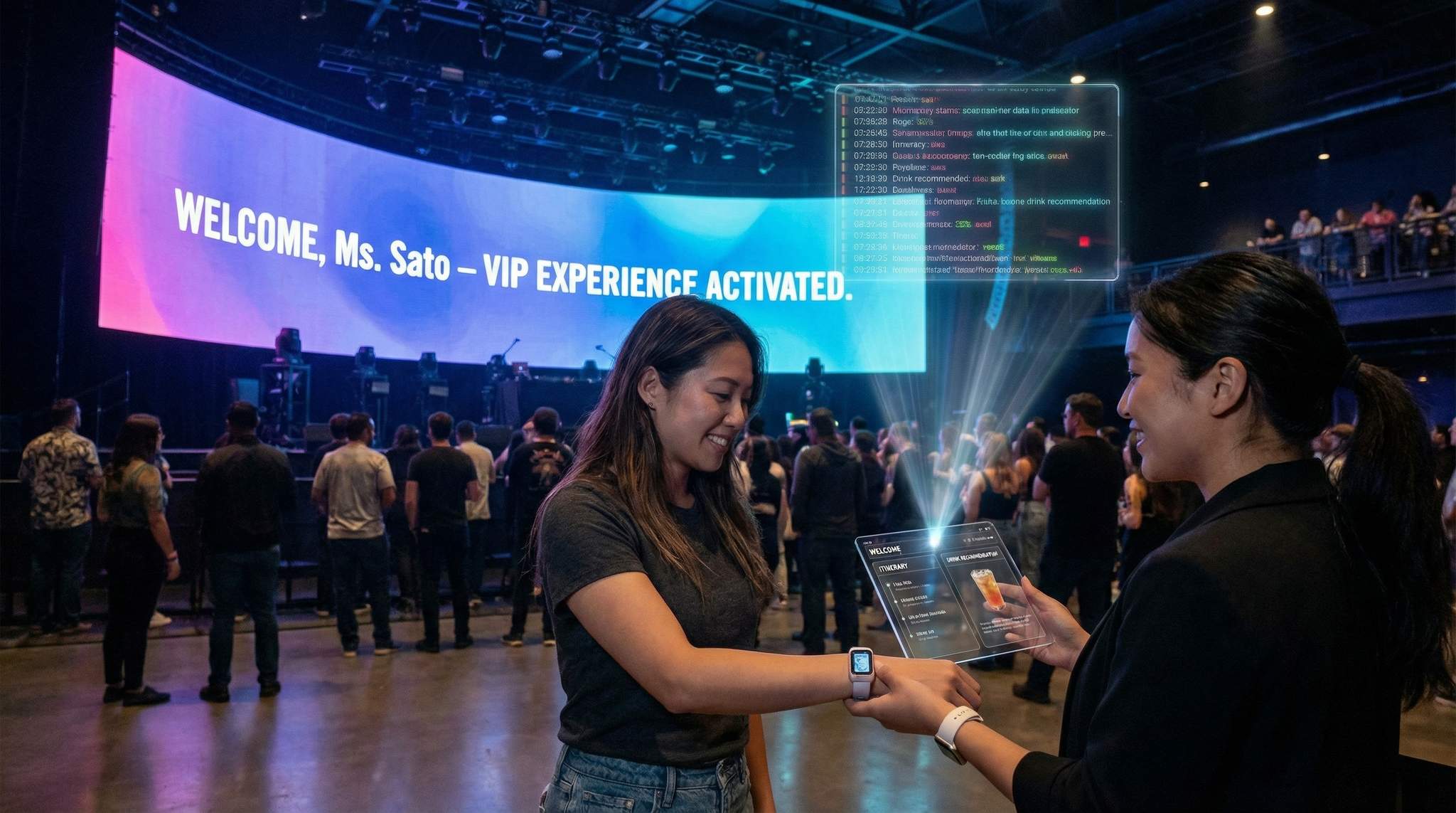
CRM integration goes beyond transactions to insights. By consolidating data, you can see a 360-degree view of each member’s engagement: how often they attend, what genres they like, their birthday (for special greetings), and even ancillary spend. This enables personalization – you might alert a member about shows similar to ones they’ve attended, or identify lapsed members and target them with a win-back campaign. A robust CRM will also manage the membership lifecycle: sending renewal reminders, processing upgrades/downgrades, and flagging high-value members for extra attention. Larger venues might even integrate access control systems so that scanning a member’s ticket at the door triggers a “welcome back, Member Jane!” notification on a greeter’s device or gives them a loyalty point for attendance. These touches are subtle but reinforce the connectedness of the program.
For smaller venues with leaner setups, there are still straightforward tech solutions: even a well-organized spreadsheet or a basic membership management SaaS tool can keep track of members, but the more you can link it to your ticket sales data, the better. Some venues create a simple digital membership card in Apple Wallet or similar – scanned at entry or bar for benefits – which can be set up using off-the-shelf loyalty apps. The main point is to avoid manual lists at the door (“Is John Doe on the members list?”) which both frustrate customers and burden staff. Instead, invest upfront in linking databases so membership status is instantly verifiable. In addition, integrating with your email marketing system or CRM allows automated messaging: e.g., after a member attends an event, a system could send them a thank-you or remind them of their remaining perks (“Enjoy your free drink next time!”). According to experts in event data analytics, leveraging data in real-time can significantly enhance customer experience by delivering timely, relevant touchpoints.
Mobile Apps and Digital Engagement
Mobile technology can vastly enhance a loyalty program’s convenience and stickiness. If your venue already has a mobile app (or if your ticketing provider has a consumer-facing app), integrating membership features into it can make engaging with the program fun and easy. A mobile app could let members log in to see their perk balances (points, credits, how many free tickets used), browse upcoming shows with member pricing instantly visible, and receive push notifications about member-exclusive opportunities. App-based loyalty programs in other industries have taught consumers to expect things like digital loyalty cards, one-scan QR codes, and real-time updates. Even if you don’t have a dedicated app, a mobile-friendly members portal on your website is crucial – people will sign up or flash their member QR code at the door using their phone.
Think about incorporating gamified elements using mobile tech. For instance, you could have a digital badge system: attend 5 shows in a month, unlock the “Super Fan” badge in the app (maybe tied to a reward). Or integrate social sharing directly: when a member buys a ticket, the app could prompt “share your excitement” and track referrals. These ideas draw from how events are harnessing gamification and engagement. Another practical mobile feature is location-based notifications: using geofencing, your app might welcome members as they arrive at the venue (“Welcome back, enjoy the show! Don’t forget to grab your free drink at the bar.”) or remind them as they leave (“Thanks for coming – 10 points have been added to your account.”). This kind of immediate feedback loop reinforces the rewards aspect of the program.
Digital membership cards or e-tickets with integrated RFID/NFC chips are also an option, particularly for larger venues and arenas. Some venues issue NFC-enabled membership bracelets or cards that members can simply tap at entry or at point-of-sale for instant recognition and discount application. This is similar to how festivals use RFID wristbands – in fact, a few festivals have extended the life of their RFID wristbands to act as year-round loyalty tokens for merch discounts or presales for next year’s event. In a venue context, a member’s wristband or card could be linked to their wallet (for cashless payment) and their loyalty profile. It’s slick, but implementing this requires hardware and software support (and member buy-in to carry another item). Many venues find a simple QR code or barcode on the member’s digital card (scannable by existing scanners) does the job with less fuss.
On the marketing side, leverage technology for targeted communication. Use your CRM data to send personalized messages: a push notification the day before a show reminding the member that as a member they have early venue access at 7pm, for instance. Or an SMS alert if a show they browsed is almost sold out, nudging them to use that discount while they can. Personalization can also apply to content: perhaps your system tracks that a member always comes to jazz nights, so your app or emails highlight upcoming jazz shows first for them. The more the member feels the program is tailored to their preferences, the more they’ll engage with it. This resonates with the importance of first-party data in event marketing – since your membership program yields rich first-party data (direct fan info and behavior), you can use it to refine outreach and offers.
Security and privacy are an aspect of tech to handle responsibly. You’ll be storing names, contacts, perhaps payment info for auto-renewals, and behavioral data. Make sure your systems are secure (GDPR compliant if relevant, etc.) and communicate to members that their data is safe and used to improve their experience. In a world of frequent data breaches, trust is part of loyalty too. Fans will share data with you (like their favorite genres or social media handles) if they see it results in better, more personalized experiences – but they need to trust your venue to be a good steward of that info. So, invest in reputable tech partners, use secure payment processors, and be transparent in your privacy policies. A smoothly integrated, mobile-enhanced loyalty program not only makes life easier for members, it also gives you scalable tools to manage potentially thousands of relationships without dropping the ball. That means more time to focus on curating great events and perks, and less on administrative juggling.
Data Analytics and Program Optimization
Running a membership program isn’t “set and forget” – the best venue operators continuously analyze performance and evolve the offering. This is where data analytics comes into play. Track key metrics like member acquisition rate (how many new members per month), engagement (percentage of members using benefits each month), and renewal rate. Also look at financial metrics: What’s the average spend of members vs. non-members? Is overall attendance frequency up among members? Are you seeing lift in secondary spend (like did bar sales increase because members attend more often)? Ideally, you want to calculate the program’s ROI – e.g., members pay $X in fees, redeem $Y in value, but generate $Z more in sales and marketing savings. If Z outweighs Y (plus program costs), you’re in good shape. According to venue management experts, it’s wise to treat a membership program with the same analytical rigor as a marketing campaign or new business line – monitor it, refine it, justify it with data.
Look for patterns in the data that can inform tweaks. Maybe you find that a huge chunk of members join in the summer when your outdoor series kicks off, but then engagement lags in winter – that might prompt a special winter loyalty push or bonus perks in the slow season. Or you might see that one particular perk is barely used (say, only 5% of members used the free coat check) – perhaps it’s not that valuable or not communicated well. Conversely, if 90% of members are redeeming the free birthday ticket, that’s a hit – lean into it, maybe add more personal milestones. Data might also reveal who your most valuable members are (the top 10% who attend twice a week). Those “whales” of the live events world could be candidates for upselling to a higher tier or simply for pampering with surprise gifts to ensure they feel the love and never churn. On the flip side, identify inactive members – folks who haven’t used any benefits in 3+ months. Send them a nudge: “We miss you! Here’s a reminder of what you can enjoy” or a limited-time extra to entice them back (like a free guest pass to bring a friend to a show). Often, life gets busy and people forget – a little prompt can rekindle the flame.
Feedback is another goldmine. Encourage members to provide reviews or fill quick surveys about the program. Ask questions like “Which perk is your favorite? What would you add or change?” This qualitative data adds context to the numbers. Perhaps you’ll learn members want more family-friendly options, or they find the sign-up process confusing. Some venues host an annual members forum (even virtually) to gather suggestions – it makes members feel heard and you might get brilliant ideas. One venue learned through feedback that their members craved more interaction with artists, which led them to negotiate a short post-show meet & greet for members at select gigs – a perk that became a big selling point.
Be ready to iterate. Maybe the data shows your pricing is off – e.g., a lot of basic members but nobody at premium. That might mean premium is too expensive or not differentiated enough, so adjust it. Or if many people joined initially but did not renew, investigate why – was it a one-time support gesture (like pandemic donors) or did they not see ongoing value? Use that insight to adjust your retention strategy or communications. Sometimes external factors demand changes: e.g., if inflation drives up your costs, you may need to tweak membership prices or replace a freebie perk with a discount perk. If you have to make changes to the program, frame them positively and grandfather things where possible to reward loyalty (e.g., “Starting next season, the membership will include these new benefits; the fee will adjust for new sign-ups, but existing members who renew now lock in the old rate for another year”). This transparency and respect for current members can maintain trust even if you must raise prices.
Don’t forget to celebrate and leverage the successes the data shows. If your members collectively attended 500 shows this year, or your membership base grew 50% faster than expected, share that achievement (e.g., “Thank you to our 1,000 members for making 2026 an incredible year at [Venue] – you helped sell out 60 shows!”). This makes members feel part of something larger and shows potential members that it’s a thriving community. Internally, use the data to justify further investment in the program. If you can show your finance team or owners that the loyalty program boosted annual revenue by 15% and pre-sold X tickets, they’ll be more inclined to support ideas like a dedicated staff member for membership or a bigger budget for member events. As with any strategy, knowledge is power. By turning attendee behavior into actionable insights, as seen in top loyalty card membership programs and successful loyalty program examples, you can refine your loyalty program to be ever more engaging and profitable. In 2026’s data-rich environment, even a grassroots venue can harness these tools to build a smarter, more responsive membership scheme.
Real-World Examples of Venue Loyalty Programs
To illustrate how these concepts play out in practice, let’s look at a few real-world examples of membership and loyalty programs across different venue types and regions. These cases show how venues tailor their programs to their audience and goals:
| Venue & Location | Program Type & Name | Key Perks and Structure | Pricing |
|---|---|---|---|
| 9:30 Club (Washington, DC, USA) – Famous indie rock club run by I.M.P. | Loyalty Points Program – “Friends With Benefits” | Free-to-join points system. Fans earn points for every ticket purchased, attending shows (scanning in), and buying merch or drinks. Points redeemable for concert tickets, venue merch, and gift cards usable at the club’s sister venues, as detailed on the 9:30 Club’s Friends With Benefits page. Top point earners sometimes get access to secret shows or early entry as informal perks. | Free membership. Fans automatically accrue points; no fee to participate. High engagement keeps fans coming frequently to rack up rewards. |
| Sydney Opera House (Sydney, AUS) – Iconic multi-venue arts center | Paid Membership – “Insider” | Traditional tier (single level). Benefits include priority access to tickets for most shows and festivals at the Opera House, no booking fees on tickets, a key benefit of Sydney Opera House Insiders (a significant saving), 10% discount at on-site bars/restaurants, invitations to member-only events like program previews and tours, plus a weekly insider email with news. Members also often get an exclusive pre-sale for the popular Vivid LIVE festival. | A$99 per year (approximately). Priced to be affordable for regular attendees. The broad appeal (from classical concerts to modern gigs) means thousands of Insiders have joined. |
| Independent Music Venue X (UK) – (Composite of many small venues) | Tiered Friends Scheme – e.g. “Friends of [Venue]” | Multi-tier donation-based membership often inspired by arts nonprofits. Basic tier (~£50/yr): name listed on venue website or wall, priority ticket alerts, maybe a free gig ticket and a t-shirt. Premium tier (~£200/yr): all basic perks + + more free tickets (or a “plus one” guestlist for shows monthly), invite to an annual members party with bands, and occasional drink vouchers. Angel tier (£500/yr): all perks + ability to reserve a table or prime spot at shows, special thanks in marketing, and sometimes private event invites (like a dinner with the venue owner or artists). These programs were often launched during COVID closures and continued due to fan interest, creating membership schemes that save money and structured membership traditions. | £50 – £500 per year depending on tier. Many fans opt for basic to support beloved local venues at a modest cost, while a smaller number of super-supporters contribute at Patron levels. The tiered approach lets everyone participate at their comfort level. |
| The O2 Arena (London, UK) – 20,000-cap arena managed by AEG | Corporate Loyalty Tie-in – “O2 Priority” (via O2 Telefonica) | While not a venue-run membership one buys, O2 Priority is a notable program where customers of O2 (a mobile network) get priority ticket access to events at The O2 and other AEG venues. It demonstrates a large-scale loyalty perk: millions of O2 members can buy tickets 48 hours early for concerts, often making the difference in securing seats for high-demand shows. The arena also has VIP clubs and suites for annual lease (targeted at companies or high-net-worth individuals), which function as a high-end membership with private boxes, concierge, and inclusive hospitality. | Included for O2 mobile customers (no direct fee beyond being a customer). VIP suite memberships at The O2, in contrast, can cost tens of thousands of pounds annually as a corporate hospitality package – showing loyalty at a very premium level. |
| House of Blues (various US cities, by Live Nation) – mid-size concert halls | VIP Club Membership – “Foundation Room” | The Foundation Room is an exclusive club within many House of Blues venues. Members enjoy a private upscale lounge and bar, priority access to concert tickets and the ability to book VIP seating areas, dedicated concierge service, and invites to member-only events (like networking mixers or artist meet-and-greets in the lounge). It doubles as a social club and loyalty program for frequent concert-goers who want a luxury experience. Members often get skipping-the-line privileges and personalized service at shows. | $$$ – Premium priced. Often $2,500+ per year (varies by city and package) and sometimes corporate memberships. It’s aimed at high spenders. Despite the cost, many music aficionados and professionals join for the status and convenience, proving that venues can successfully offer a top-tier loyalty experience for a niche audience. |
| Live Nation (U.S. clubs, 2022 pilot) – multi-venue promo pass | Unlimited Concert Pass – “Club Pass” | A limited-run promotion where fans could purchase a pass to attend unlimited general admission concerts at specific venues. For example, in one city the pass covered all shows at two venues for 3 months, as reported in coverage of Live Nation Club Pass details. This wasn’t a traditional ongoing membership with perks, but a subscription-like model to drive attendance. Fans with the pass essentially became “members” for the season, showing up frequently since marginal cost per show was zero. It also introduced new audiences to venues and artists they might not have paid to see individually. | $59 for one venue / $299 multi-venue (3-month period) as reported in articles about Club Pass full force rollout. Very affordable, equating to the price of about 1-2 shows. While financially a short-term experiment, it revealed strong appetite among fans for flat-rate, all-you-can-attend offerings – an insight venues might use to craft future subscription tiers. |
These examples underscore a few takeaways. First, one size does not fit all – programs are tailored to venue size and audience. A small grassroots club leverages local community spirit and altruism (donation-like memberships), whereas a corporate-run arena partners with a brand to offer perks at scale, and a commercial chain creates a luxe VIP club for wealthy clients. Second, early access to tickets is a universally valued benefit, from indie venues to arenas – it’s the cornerstone of many programs. Third, tiered pricing allows a range of fans to engage: from free programs that simply encourage more frequent attendance to high-dollar memberships that significantly boost revenue per patron. Finally, these examples show that a well-run scheme can indeed drive recurring revenue and enhance fan engagement: The 9:30 Club’s free loyalty keeps their crowd returning weekly, Opera House Insiders funnel thousands of advance ticket purchases, indie “Friends” schemes bring in steady cash and volunteer energy, and Foundation Room members arguably attend more shows because they love the VIP lifestyle it provides.
Perhaps most telling is how members of such programs often talk about the venue: they use possessive language like “my venue” or “our scene.” By implementing the right kind of membership program for your venue, you’re not just increasing sales – you’re building an army of genuine fans who feel invested in your success.
Key Takeaways
- Loyalty is Lucrative: Converting casual attendees into loyal regulars boosts the bottom line. Increasing fan retention even slightly can yield outsized profit gains (a 5% uptick in retention can drive 25%+ higher profits), according to insights on increasing profit with customer retention tactics. Repeat patrons spend more per year and provide free word-of-mouth marketing.
- Choose the Right Program Model: Tailor your approach to your venue and audience. Options include free points-based rewards (e.g. earn points for shows to redeem for tickets), paid membership tiers (from modest “Friends” packages to VIP clubs), or subscription passes (unlimited or bundle tickets). Each has pros/cons – pick what fits your size and frequency of events.
- Design Perks That Fans Crave: Early ticket access is often the #1 perk – fans love presales and guaranteed spots at hot shows. Stack on value with discounts (tickets, merch, F&B), exclusive events (members-only shows, parties, meet-and-greets), and VIP treatment (priority entry lines, reserved areas, no-fee tickets). Make perks tangible – members should immediately see how they benefit (e.g. “10% off every ticket” or “2 free concerts a year”).
- Price for Value and Profit: Set membership pricing so that an average active member easily “earns back” their fee in perks, while the venue still profits through increased attendance and upfront fees. Analyze your fans’ behavior to determine fair pricing. Consider tiered levels to monetize both casual supporters and super-fans. Don’t undervalue or overcharge – the program should feel like a win-win. Adjust tiers/pricing based on feedback and usage data to keep it sustainable.
- Effective Marketing Is Essential: Launch the program with fanfare – treat it like a major event. Communicate the benefits clearly across all channels (email, social, on-site) with an emotional hook (“never miss a show,” “support your scene”). Continue promoting consistently: train staff to mention it, celebrate new members publicly, and use post-event communications to drive loyalty (e.g. inviting attendees to join). Leverage referrals and testimonials from happy members – turn your fans into your salesforce.
- Engage and Retain Your Members: Membership is not set-and-forget. Keep members active with exclusive content (insider newsletters, sneak peeks), members-only meetups or online groups, and regular reminders of their perks (like “You saved $X so far!”). Solicit feedback and respond – let members help shape the program. Recognize and reward top contributors (shout-outs, bonus perks) to reinforce their loyalty. A well-nurtured community will stick around and renew year after year.
- Use Tech and Data to Your Advantage: Integrate your loyalty program with ticketing and CRM systems so that member benefits (like discounts or access) apply seamlessly at purchase and entry. Utilize mobile solutions (apps, digital cards) to make membership convenient and even fun (points tracking, push notifications for presales). Analyze data to monitor the program’s impact – track spend uplift, attendance frequency, and perk usage. Use these insights to refine pricing, perks, and targeting. Continually optimizing ensures the program delivers maximum ROI and fan satisfaction.
- Global Examples Prove it Works: From indie clubs to major arenas, venues around the world have implemented successful loyalty programs. The common thread is providing real value and a sense of belonging. Whether it’s a free loyalty card that packs a house on weeknights, a mid-tier membership that covers its cost in discounts, or a high-end VIP club that elevates the concert experience, a well-run loyalty scheme creates tighter fan bonds. Those fans then become ambassadors – filling venues, bringing friends, and even advocating for the venue’s interests publicly, which is vital for navigating financial challenges and strategies for independent venue survival. In short, a great membership program doesn’t just drive repeat attendance – it turns your venue into a community hub with a devoted fanbase, which is the ultimate key to thriving in the live events business.