The Global Rise of Emerging Live Music Markets in 2026
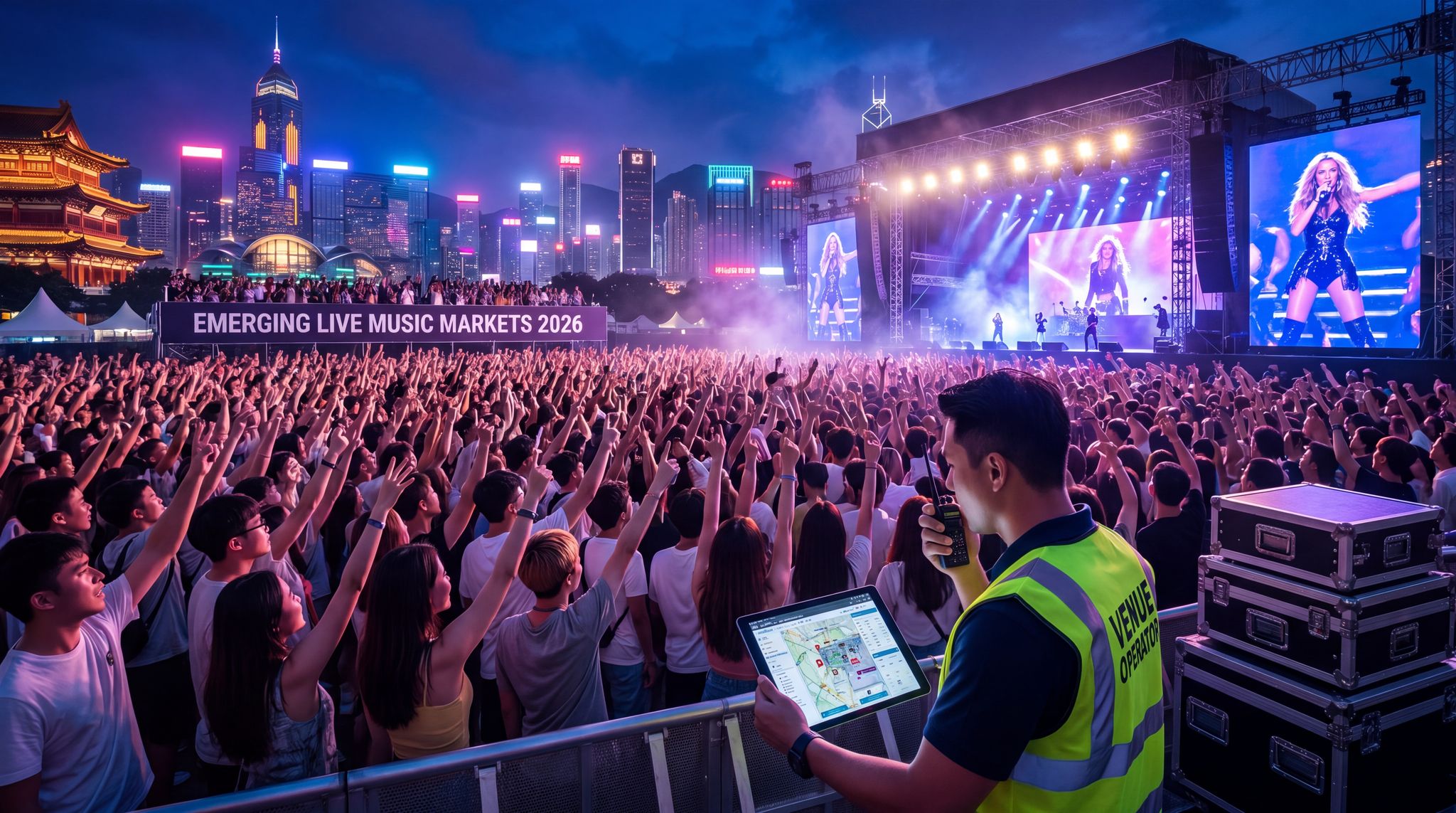
Emerging live music markets in 2026 are experiencing an unprecedented boom as live entertainment extends beyond traditional strongholds. Untapped audience demand across Latin America, Asia, Africa, and the Middle East is transforming these regions into concert hotbeds. Global music industry data suggests the next wave of growth is coming from these venues in emerging markets – areas outside North America and Western Europe. According to a Goldman Sachs finance report highlighted by MusicRadar, over 60% of new music streaming subscribers in 2024 were from emerging markets, signaling billions of potential fans now engaging with music online. This surging online engagement is translating into real-world ticket demand as more international artists tour places they once skipped.
However, along with opportunity come practical hurdles. Many regions face limited infrastructure, from a shortage of modern venues to unreliable power and internet at event sites. Each market also has regulatory nuances and cultural expectations that differ vastly from the West – what works in Los Angeles or London might need rethinking in Lagos or Lahore. Seasoned venue operators emphasize the importance of adapting to local context: everything from artist hospitality to ticketing technology must be tailored for each region’s realities. In the sections below, we explore the growth of these emerging markets and what it means for venue operators, with real examples and actionable insights for navigating both the opportunities and challenges.
Latin America: Booming Audiences and New Investments
Latin America’s concert industry growth has been explosive in recent years, making it a focal point for international tours. Major artists who once limited Latin American stops to Mexico City or São Paulo are now venturing deeper into the region. Untapped demand is turning cities like Bogotá, Colombia into emerging tour capitals. In 2025, Bogotá’s concert calendar multiplied as never before, with an unprecedented number of global stars adding the city to their tours. Over just five months, acts ranging from Green Day to Dua Lipa booked shows in Colombia’s capital. This boom did not happen by chance – it’s the result of years of groundwork by both public and private sectors. The city invested in new venues like the Movistar Arena (a 14,000-seat modern arena) and upgraded old spaces to world-class standards. “A few years ago, we had to import equipment and make do with spaces not built for concerts; now, thanks to persistent investment, we can meet the demands of big tours,” explained one Colombian promoter to El País.
Surging Demand from Mexico to Brazil
Across Latin America, a growing middle class and passionate music fanbase are driving record ticket sales. Countries like Mexico, Brazil, Argentina, and Chile have long had vibrant music scenes, but now international tours are scaling up in these markets. For example, Mexico has become a mandatory stop for major pop and rock tours, and festivals like Lollapalooza have sister editions in Chile, Argentina, and Brazil. Even secondary markets are on the rise – Colombia, Peru, and others are seeing untapped audience demand turn into sold-out shows. Streaming trends reinforce this surge: genres like Latin pop and reggaetón have seen massive global growth, and Latin America’s share of global music consumption is rising according to AP News. This indicates a local appetite not just for homegrown stars but for international artists as well. In fact, Latin music’s popularity boom is now feeding live events; artists who achieve streaming hits across Latin America can often sell out arenas in the region as easily as they do at home.
Keep Tickets in Fans' Hands
Our secure resale marketplace lets attendees exchange tickets at face value, eliminating scalping while keeping you in control of the secondary market.
One tangible example of audience hunger is how quickly Latin American fans snap up tickets. Promoters report that shows by global acts in cities like Buenos Aires or Lima often sell out within hours due to pent-up demand. To capitalize on this growth, major concert promoters are investing heavily. Live Nation’s acquisition of OCESA (a leading Latin American promoter) and partnerships in markets like Colombia have injected professional resources and tour infrastructure into the region, helping bring more world-class productions. These corporate partnerships are accelerating growth but also sparking debate among local venue operators about maintaining independent authenticity versus accessing corporate capital, making it crucial for operators to carefully evaluate independent versus corporate venue ownership in this evolving landscape.
Infrastructure Strides and Local Market Nuances
Latin America’s rise hasn’t been without challenges. Historically, the region lacked purpose-built venues and reliable services, but this is rapidly changing. As noted, new arenas like Bogotá’s Movistar Arena and renovated amphitheaters across the region have improved capacity and production quality. Governments are also playing a role – from city cultural grants to national tourism boards promoting music festivals, public support is helping venues upgrade. For instance, Bogotá’s city government credits 30 years of public cultural policies for laying the foundation for its current concert boom. Similarly, countries like Chile and Brazil have seen private and public investment in event infrastructure post-pandemic, fueling a more robust concert circuit.
Ready to Sell Tickets?
Create professional event pages with built-in payment processing, marketing tools, and real-time analytics.
Yet, venue operators must navigate local nuances in each Latin market. Cultural expectations can significantly affect an event’s success. Brazil, for example, has a music scene dominated by local genres; international acts must work harder to win over Brazilian audiences. Data reported by AP News shows about 75% of music streaming consumption in Brazil is of domestic artists, reflecting Brazilians’ deep love for homegrown music. A foreign artist’s popularity elsewhere doesn’t guarantee ticket sales in Brazil unless they’ve connected with Brazilian fans. Tailoring marketing and even setlists (e.g. including a well-known local song or collaborating with Brazilian artists) can make a big difference in reception. Venue managers in emerging markets often collaborate with local radio and influencers to bridge cultural gaps. In regions like Latin America, it’s wise to apply culturally tuned marketing strategies across each country—what resonates in Mexico might fall flat in Argentina. Venue operators must focus on crafting tailored event marketing for Latin American audiences to ensure their messaging connects authentically.
Operators should also be mindful of practical hurdles like economic volatility. Inflation and currency fluctuations in some Latin countries can impact ticket pricing and touring costs. For example, setting a dollar-denominated ticket price may be necessary in economies with rapid inflation to ensure budgets hold value. Additionally, logistics and security need careful planning – moving a touring production through Latin America involves vast distances and sometimes complex customs processes for equipment. Seasoned promoters often build in extra travel days and partner with experienced local freight agents to avoid border delays that could derail a show schedule. Despite these challenges, Latin America’s growth story is largely positive: when venues invest in infrastructure and understand their audience, the payoff is huge in the form of packed houses and enthusiastic crowds.
Asia: Live Music’s Next Frontier
Asia is perhaps the most dramatic live music frontier unfolding in 2026. This continent encompasses both well-established markets (like Japan and South Korea) and rapidly emerging ones (like India, Indonesia, Vietnam, and China’s evolving scene). Several factors are converging to create Asia live music market opportunities on an unprecedented scale: a massive youth population eager for live entertainment, rising disposable incomes in many countries, and governments keen on hosting global events. In short, Asia is home to over half the world’s population – and an increasingly large share of the global concert audience.
Giant Markets Awaken
In South Asia and Southeast Asia, demand for international concerts has reached a fever pitch. India offers a vivid example: when Coldplay announced two shows in Mumbai, 13 million people attempted to buy 150,000 available tickets online, crashing the ticketing platform and leaving countless fans empty-handed. Those shows in early 2025 sold out within minutes, and a third date was added only to promptly sell out as well. This kind of overwhelming response highlights both an untapped audience and the infrastructure gap – the fact that 13 million Indians tried to grab tickets shows immense demand, yet the very ticketing system couldn’t withstand the surge. It’s telling that Coldplay’s last show in India before this was back in 2016, illustrating how under-served the market has been. Young music fans in India and across Asia are now openly calling for more global tours, no longer content to be bypassed on world tours.
Data-Driven Event Marketing
Track ticket sales, demographics, marketing ROI, and social reach in real time. Exportable reports give you the insights to make smarter decisions.
Southeast Asia is similarly booming. Indonesia, with its huge youth demographic, has seen major festivals and EDM events spring up to cater to growing demand. The Philippines and Vietnam are hosting more international acts than ever, riding on growing economies and social media buzz. Even smaller markets like Thailand and Malaysia are attracting niche genre festivals and artist tours that once stuck to bigger countries. At the same time, Asian superstars are going global, which feeds the local live scene. The K-pop phenomenon, for example, has created massive touring acts from Korea that also draw huge crowds across Asia (and beyond). As Asian artists like BTS or Blackpink fill stadiums worldwide, it validates local promoters’ ability to stage large-scale shows and encourages Western artists to add Asian legs to their tours. Promoters are reporting double- or triple-digit growth in concert attendance across emerging Asian markets year-over-year as pandemic restrictions eased.
Governments in Asia are also jumping in to support the industry. Several countries have launched “Visit Year” campaigns or cultural programmes centered on events. For instance, Indonesia designated a tourism year with many international music events to boost visitors. Singapore and the UAE (as part of West Asia/Middle East) have invested in state-of-the-art venues to attract global tours. These initiatives, combined with a rising middle class, signal that Asia’s concert boom is only beginning. Venue operators who establish a presence or partnerships in Asia now stand to ride a long growth wave as these emerging live music markets mature.
Grow Your Events
Leverage referral marketing, social sharing incentives, and audience insights to sell more tickets.
Diverse Cultures, Regulations, and Logistics
Operating in Asia also means navigating extreme diversity – each country has its own language, culture, and regulatory environment for live events. What works in one market may need a completely different approach in another. Cultural sensitivity is paramount. In some countries, content that is routine in Western concerts (lyrics, attire, stage antics) might violate local norms or even laws. For example, artists performing in more conservative parts of Asia or the Middle East have had to modify their shows – toning down profanity, adjusting costumes, or avoiding political statements – to satisfy local authorities. Venue managers must ensure the artists they host are briefed on any red lines. Understanding and respecting local customs extends to hospitality too; everything from the catering (e.g. avoiding beef or pork in certain countries) to audience interaction (like learning a greeting in the local language) can endear artists to the crowd and community. Operators should focus on adapting venue operations to cultural differences to ensure a seamless experience that aligns with local expectations.
Regulatory nuances across Asia can be complex. Countries have different permitting requirements for events, varying noise curfews, and distinct safety codes. In some places, getting approvals can involve multiple agencies (police, local councils, national tourism boards, etc.) and lack the one-stop permitting offices that venues in Western cities might be used to. China, for example, requires special performance licenses and sometimes even content approvals for foreign artists. India has strict tax and permit regulations state-by-state. And several Southeast Asian countries mandate local promoter partnerships or government observers for international concerts. It’s essential to research each market’s rules carefully or work with a veteran local partner who knows the ropes. Understanding how festival licensing varies around the world is crucial, as the principle of each locale having unique processes holds true everywhere, even beyond the UK, US, and EU.
Logistics is another major challenge. Asia’s geographic scale means tours often involve long flights and freight shipments spanning thousands of kilometers. Unlike touring within the contiguous US or EU, an Asian tour might hop from, say, Tokyo to Manila to Mumbai – huge distances with multiple border crossings. Freight costs and complexities (customs clearances, carnet documents for equipment) can significantly increase the expense of playing Asia. This is one reason artist fees for shows in emerging Asia can be higher – acts price in the extra travel and hassle. Venue operators should account for these costs when budgeting international bookings or negotiating guarantees. Some tours will only come if sponsors or government programs offset the high logistics costs. On the upside, improvements are underway: new regional transport hubs and better flight connectivity are gradually making multi-country Asia tours more feasible. Promoters in Asia are also learning to share resources across markets – for instance, a stage set and lighting rig might be jointly rented and used across stops in several countries to save on shipping individual setups to each.
A bright spot in Asia’s logistical puzzle is technology. High mobile penetration allows for digital ticketing and promotion to reach far-flung fans effectively. Social media marketing is extremely powerful in Asia (platforms like WeChat, TikTok, and regional players such as LINE or ShareChat drive fan engagement). To tap this, event organizers adapt their marketing to local platforms and languages, navigating Asia’s unique event marketing channels and cultures to effectively reach these diverse audiences. Additionally, modern ticketing platforms can handle multiple currencies and payment methods – critical in Asia where credit card use isn’t universal and options like e-wallets or cash vouchers are common. Choosing an event ticketing platform with multi-language support and robust server infrastructure is key, as seen in the Coldplay India case where the local ticketing platform crashed under immense demand. Many organizers now look for ticketing systems that offer features like offline scanning (important where internet at venues can be unreliable) and built-in anti-scalping measures to combat the rampant secondary market that appeared in India when official sales faltered. In fact, using a scalable concert promoter ticketing platform that centralizes tour management across countries can streamline reporting and fan data, making multi-country Asia ventures much more manageable.
Middle East: Rapid Expansion Underwritten by Ambition
If Asia and Latin America are surging from the ground up, the Middle East’s live music emergence is, in many ways, a top-down phenomenon. Particularly in the Gulf states, governments with deep financial resources have identified live entertainment as a pillar of their economic diversification and global image. Nowhere is this more evident than in Saudi Arabia and the United Arab Emirates, where the past few years have seen an explosion of concerts, festivals, and venue construction almost from scratch. For venue operators globally, the Middle East represents a unique kind of opportunity: generous funding, eager audiences, but also strict regulatory and cultural parameters to navigate.
Big Bets: Festivals, Arenas, and State-Backed Entertainment
Less than a decade ago, a large-scale music festival or a major arena tour stop in Saudi Arabia would have been unthinkable – the kingdom only lifted its 35-year ban on public cinemas and many forms of entertainment in 2018. Fast-forward to 2026, and Saudi Arabia is hosting some of the biggest music events in the region. The flagship example is MDLBEAST Soundstorm, a government-backed multi-day EDM festival in Riyadh that in its inaugural edition drew a staggering 400,000 attendees over three nights. By 2022, Soundstorm’s attendance reportedly ballooned further, putting it on par with some of the world’s largest festivals. These numbers are astonishing for a country new to live music, and they underscore how much untapped local demand existed once restrictions were eased. In neighboring UAE, cities like Dubai and Abu Dhabi have long hosted international artists, but they too are upping the ante – building new venues (e.g., Dubai’s Coca-Cola Arena opened in 2019 with 17,000 capacity) and courting more tours and festival brands.
Crucially, Middle Eastern growth is fueled by lavish government and private investment. Saudi Arabia’s Public Investment Fund (PIF) – a nearly $1 trillion sovereign fund – has poured billions into entertainment as part of the Vision 2030 initiative to diversify beyond oil. This includes funding venue construction, promoting mega-events, and even partnering with Western media companies. Axios reports that Saudi capital is flowing into everything from U.S. sporting events to local cultural festivals, all aimed at positioning the kingdom as a new cultural powerhouse. For example, in late 2025 Saudi Arabia launched its first ever Riyadh Comedy Festival featuring global star comedians, demonstrating the breadth of its live entertainment ambitions beyond music. Meanwhile, Qatar and the UAE leverage their global airline networks and tourism appeal to attract marquee events (Qatar hosted a post-World Cup music festival, and the UAE continues to host festivals like RedFestDXB and major tour kick-offs). Even smaller markets like Bahrain and Oman have started hosting niche music events as the regional momentum builds.
For venue operators, the Middle East can be attractive because funding for production and artist fees is often readily available. Governments and royal family sponsors are known to pay a premium to bring big names, which can reduce financial risk for venues and promoters. It’s not uncommon for an international artist’s Middle East appearance to be part of a larger cultural festival underwritten by the state or a wealthy patron, meaning guaranteed fees and top-notch production infrastructure. However, these opportunities often go hand-in-hand with ceding some control – local authorities may dictate aspects of the event, and international operators usually must partner with a licensed local entity to comply with the law. Still, we’re seeing more Western venue companies and promoters entering the Middle Eastern market via joint ventures. AEG & Live Nation have increased shows in the Gulf, and regional companies like Flash Entertainment (Abu Dhabi) or MDLBEAST (Saudi) are eager to collaborate with experienced operators who can elevate their events.
Navigating Cultural Expectations and Rules
While the Middle East’s growth is exciting, any venue operator stepping in must be keenly aware of cultural and regulatory red lines. These countries have conservative social norms and laws that differ from what many touring artists are used to. Content censorship is one aspect – lyrics or on-stage speech that touches on politics, religion, or sexuality may be prohibited. There have been cases of songs being removed from setlists or artists being asked to avoid certain topics on stage. For example, when pop stars first began visiting Saudi Arabia, some adjusted their wardrobe and messaging to respect local expectations. Ensuring that artists and their teams are briefed on these nuances is a key responsibility of promoters in the region.
There are also legal regulations around gender and behavior at events that operators need to plan for. Saudi Arabia, for instance, only recently started allowing mixed-gender crowds at concerts; before, there were “family” sections and strict segregation at public events. Now mixed crowds are common at major festivals in Riyadh, a sign of rapid change – but rules can still evolve, and organizers should stay updated on current policies. Alcohol is another factor: in Saudi Arabia, alcohol is completely banned, meaning events are “dry,” whereas in the UAE, alcohol can be served at licensed venues. A festival used to plentiful beer sales as a revenue pillar must adjust expectations (and find other revenue streams like F&B or sponsorship) when operating in a country that doesn’t allow alcohol. Local partnership is invaluable here – aligning with an experienced regional promoter or venue management firm can help navigate these customs smoothly. Building trust through local alliances is a recurring theme in new markets, and understanding how venue alliances strengthen independent operators provides valuable strategies that often apply in emerging regions too.
Another consideration is that Middle Eastern markets, especially the Gulf, are heavily driven by government agendas. Dates and plans might shift if an event suddenly conflicts with a state occasion or if authorities change their approach. Flexibility is key. On the flip side, when the government is your event’s sponsor, you may receive unparalleled support – expedited permits, security arrangements, and promotion on national channels. It’s a unique environment where the line between public and private sectors is blurred in the name of national strategy. Venue operators often find it useful to maintain close communication with tourism boards and entertainment authorities in these countries, aligning their venue’s goals with the larger development visions (e.g., positioning a venue as helping the city become a “music tourism” destination).
Lastly, just as elsewhere, infrastructure and climate pose challenges. Outdoor concerts in the Middle East must consider the extreme heat – summer events may need to be moved indoors or scheduled at night. Some venues have invested in cooling systems (like misting fans or air-conditioned tents) for audience comfort. Seasonality is almost reversed compared to colder climates: the peak concert season in the Gulf is November through March when weather is cooler, whereas summer sees relatively few events. Venue scheduling and touring routes should account for this pattern. Despite these hurdles, the Middle East’s trajectory in live music is on a sharp upward curve. For those willing to adapt, the region offers enthusiastic crowds and governments willing to back ambitious projects – a combination that can lead to truly memorable events.
Africa: A Continent of Potential and Perseverance
Africa’s emerging live music markets present a story of immense opportunity coupled with the need for perseverance. Home to the youngest population in the world and a vibrant tapestry of musical cultures, Africa is producing global stars and hungry local audiences in equal measure. From Afrobeats icons in Nigeria to Amapiano DJs in South Africa, African artists are achieving international stardom, which in turn is sparking pride and interest in live events back home. Yet, African venue operators possibly face the steepest challenges of all emerging markets – a lack of physical infrastructure, financing hurdles, and logistical barriers that require creative, long-term solutions to overcome.
Youth-Driven Demand and Global Recognition
The appetite for live music across Africa is huge and growing. With a median age under 20 in many African nations, there is a massive generation of young fans eager to attend concerts and festivals. Historically, big international artists toured Africa only sparingly, often limited to South Africa or Morocco. That paradigm is slowly shifting. Global non-profits and some forward-thinking promoters are working to establish viable touring circuits across the continent. In late 2023, Global Citizen announced “Move Afrika”, an initiative to kickstart an Africa-wide touring network, starting with a Kendrick Lamar headlined show in Kigali, Rwanda. The choice of Rwanda’s new BK Arena (10,000-capacity, opened in 2019) is telling – it showcases both the continent’s booming youth audience and the efforts to provide suitable venues. Hugh Evans, CEO of Global Citizen, noted that the goal is to demonstrate the opportunities with Africa’s booming generation of young people to the global music industry. The Kigali concert, supported by philanthropy and corporate sponsors, is meant to encourage more artists to include Africa in their world tours, proving that where there’s demand, solutions can be found to meet it.
African artists themselves are a driving force putting their cities on the live music map. Nigerian singer Burna Boy, for example, sold out London’s O2 Arena and New York’s Madison Square Garden in recent years – feats that spotlight the viability of African music on the biggest stages. When these artists return for homecoming shows in Lagos or Johannesburg, they draw enormous crowds. International festivals are also taking note: AfroNation (a festival brand) now hosts events in Ghana and Nigeria, attracting fans from across the region. This cross-pollination of audiences – African diaspora and international fans traveling in for events – is a unique hallmark of the continent’s emerging market status. It’s not just about foreign artists bringing shows to Africa; it’s equally about African events and artists capturing global attention and thereby boosting local live event appeal.
Encouragingly, African governments and development organizations are beginning to invest in the sector. In East Africa, Rwanda’s success with BK Arena (which quickly became a hub for sports and concerts) has inspired neighboring countries – Tanzania recently secured funding to build a 15,000-seat indoor arena in Dar es Salaam, and Kenya is refurbishing a large convention center in Nairobi to better accommodate concerts. These projects aim to address the glaring venue shortage south of the Sahara. International financiers like the World Bank’s IFC have also stepped in: since 2022 the IFC has committed roughly $88 million to fund new arenas and cultural spaces across Africa. The logic is clear – modern venues can generate significant economic benefit by attracting events and tourism that were previously impossible. Makhtar Diop of the IFC highlighted that these investments are starting because large modern concert halls are sorely lacking in Africa, and improving infrastructure is the first step to unlocking the continent’s live event potential.
Building Infrastructure and Overcoming Barriers
Despite positive momentum, venue operators in Africa confront several persistent challenges. The infrastructure gap remains the largest issue – outside a few metropolitan centers, purpose-built venues are rare. Many concerts still happen in makeshift locations: stadiums not designed for concerts, open fields, or small clubs with limited capacity. This not only caps the size of events but also raises production costs (as promoters often must bring in staging, sound, and lighting from abroad to meet international tour riders). Progress is happening slowly with new venues as mentioned, but in the interim, creative solutions are necessary. Temporary infrastructure – like mobile stage setups and generator-based power supply – is commonly used to host events in markets without permanent facilities. For those tackling events in remote or under-equipped areas, exploring off-grid event power and connectivity solutions can be invaluable to ensure reliable electricity and internet for production and ticketing.
Another hurdle is logistics and connectivity. Touring in Africa can be akin to a major expedition: limited flight routes between countries, visa hassles for international crew, and costly air freight are everyday realities. Unlike Europe where a tour bus can zip through multiple countries in a week, an African tour might require flying the entire production from Ghana to Kenya to South Africa, with significant downtime in between. “Low air connectivity between African countries and complex visa regimes are major obstacles to organizing tours here,” noted Diop in Le Monde, underscoring issues beyond just venue infrastructure. Promoters have to carefully sequence events to allow equipment to clear customs and account for potential delays at each border. This often means fewer shows spaced farther apart – which can hurt profitability or discourage artists pressed for time. Solutions are emerging though: regional collaborations are forming where a network of promoters across multiple countries coordinate schedules and share freight costs to make an artist’s multi-stop Africa visit smoother.
Ticketing and local economies present their own complexities. In countries with less mature financial systems, credit card penetration can be low, so venues must accommodate cash sales or mobile money systems popular in parts of Africa. Setting up a reliable ticketing operation is critical – interestingly, the IFC’s Diop also mentioned the lack of organized event structures for ticketing or logistics as a gap to fill alongside building venues. This means there’s a need not just for physical sites but for modern ticketing and event management technology. Many African venues have begun adopting online ticketing platforms that support mobile payments and offline scanning (for when connectivity is an issue at gates). Utilizing an integrated box office management system that handles both online and on-site sales can help venues in emerging markets maximize attendance, even where on-the-day walkups with cash are common.
Financing and risk are constant considerations. Given the challenges outlined, staging events in some African markets can be more expensive than the potential revenue – at least in the short term. To mitigate this, venue operators often seek sponsorships, grants, or partnerships. We’ve seen telecom and beverage companies eagerly sponsor concerts in Africa, as music aligns well with youth marketing. Government tourism boards, recognizing the branding value, sometimes underwrite portions of festival costs to put their city on the map. Additionally, innovative funding options are appearing. For example, Ticket Fairy’s Capital program (a cash advance against projected ticket sales) is one solution some organizers might consider to cover upfront costs like artist deposits or venue build-outs in new markets. Accessing capital in this way can ease cash flow strains and enable ambitious events that otherwise wouldn’t get off the ground. Securing proper financing is part of strategic planning—whether through advances, sponsors, or investors—to ensure you can deliver on the ground in emerging venues.
Lastly, safety and security are top-of-mind for emerging African venues. Ensuring international artists and touring crews feel safe is crucial to getting them to return. Political instability or even just the perception of it can deter tours. Venue operators must work closely with local authorities on crowd control, emergency planning, and contingency plans (especially in countries where infrastructure outages or sudden policy changes can occur). Learning from global best practices in crowd safety is key – adapted to local context, of course. Many of the principles for avoiding crowd safety disasters at festivals apply universally, whether you’re managing a festival in Europe or a stadium show in Africa. Building trust with audiences is also important; things like starting shows on time, delivering the promised artist line-up, and having basic amenities (water, restrooms, first aid) go a long way in markets where fans are thrilled just to have a concert experience after years of scarcity. Each successful, well-run event in Africa paves the way for more, gradually creating a stable circuit.
Despite the challenges, those operating venues in Africa often express optimism. The combination of youthful energy, cultural richness, and increasing global attention means the long-term potential is enormous. As infrastructure catches up and more success stories emerge, Africa is poised to become a mainstay of the international touring route – and venue operators who build a reputation there now will be the industry leaders of tomorrow in that region.
Strategies for Success in Emerging Markets
Entering an emerging live music market can feel daunting, but countless venues and promoters have done it successfully by staying informed, flexible, and locally engaged. Here are some proven strategies and considerations for venue operators looking to expand into or optimize their operations in these burgeoning regions:
Partner with Local Experts and Build Trust
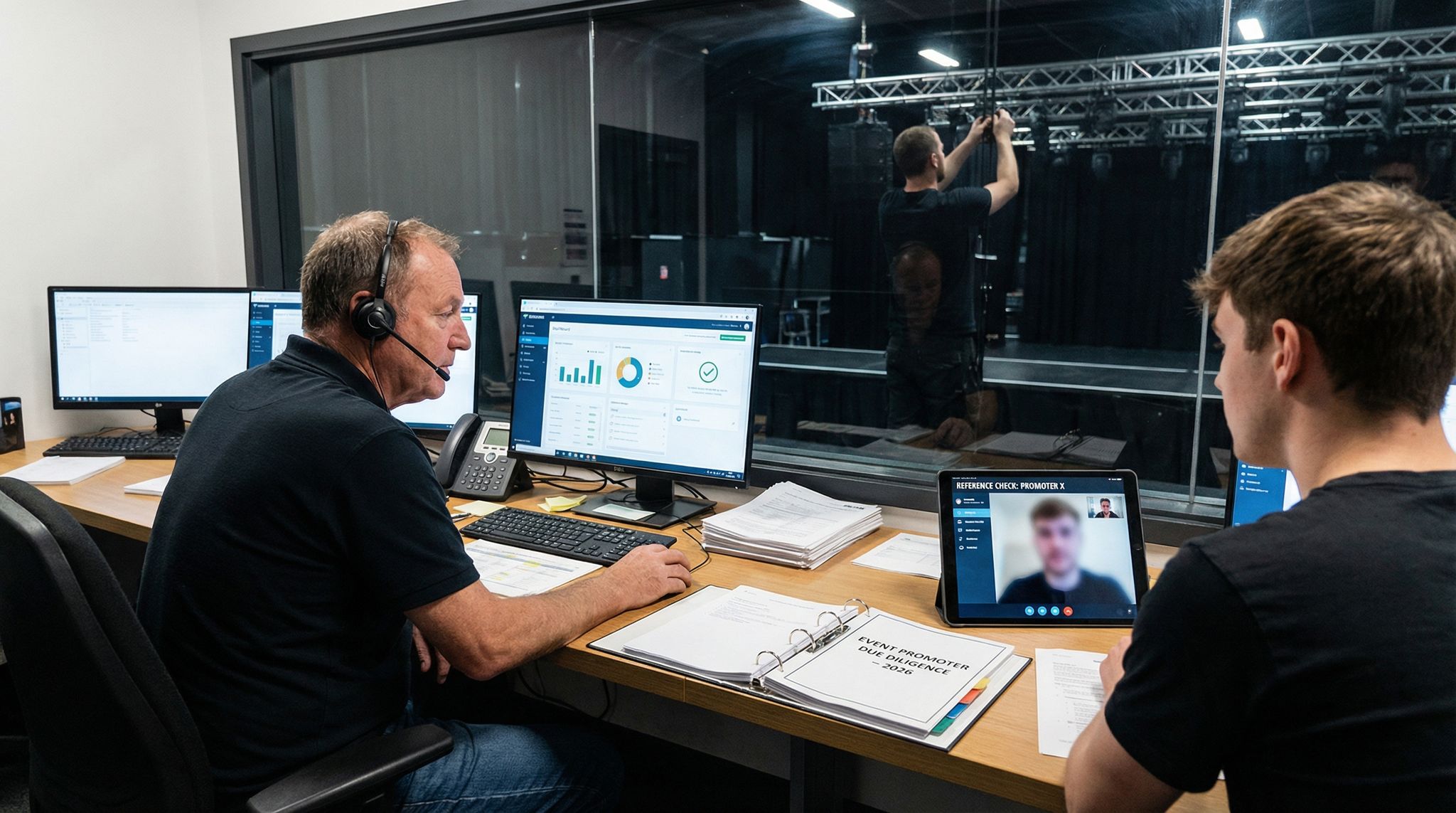
One of the first rules of navigating a new market is don’t go it alone. Local promoters, venue managers, and production crews have invaluable on-the-ground knowledge. Partnering with a reputable local promoter or hiring local staff can help you avoid cultural faux pas, navigate bureaucracy, and get better deals from local suppliers. When forming these partnerships, due diligence is critical – always vet who you’re working with. Check their track record on past events, and don’t shy away from discussions about finances and contingency plans. To ensure a successful partnership, operators should prioritize verifying promoters to protect your venue before signing any agreements. Building trust within the local industry and community goes a long way. Attend local industry meet-ups or forums if they exist; showing respect for local business practices and honoring your commitments will earn you a good reputation quickly.
When partnering, also consider forming or joining venue alliances or associations in the region. In some emerging markets, independent venues are starting to band together to share resources and present a united front when dealing with governments or negotiating with suppliers. A collective voice can lobby for industry-friendly policies (like reduced entertainment taxes or simpler permit processes) that benefit all venues. By aligning with these groups—or even informal networks of venue operators—you gain access to shared knowledge and sometimes group purchasing power for essentials like insurance or equipment rental, demonstrating how venue alliances can strengthen and protect venues through collaborative approaches.
Adapt Operations to Local Culture and Regulations
Flexibility is the name of the game when operating in a new market. Adapting your venue operations to local culture isn’t just a nicety; it can determine your success. This spans everything from programming choices to customer service. For instance, the typical timing of events may differ – in parts of Latin America and Southern Europe, concerts often start later at night than in the U.S. or UK. In some Asian markets, family-friendly shows or daytime festivals might attract bigger crowds due to cultural preferences or public transport schedules. Be ready to adjust your show schedules and marketing approach accordingly, mastering show scheduling and curfews to balance timing with local rules.
Regulatory compliance is another area where adaptation is key. Every country has its own “red tape” – learn it in detail. If the fire marshal in one country requires a specific barrier setup or a local police officer on duty, incorporate that into your planning from day one. Noise ordinances might mandate lower volumes or earlier end times than you’re used to. Labor laws could affect how you schedule staff or what kind of insurance you need. Some regions require using government ticketing systems or allotting a percentage of tickets to government outlets. These regulations can seem burdensome, but non-compliance can shut down an event or your entire venue, so they are non-negotiable. Work early and closely with local officials; in emerging markets, personal relationships with regulators can often smooth the process. Show that you prioritize safety and community impact – for example, implement robust safety protocols and have clear plans for crowd management and emergency evacuations (especially important in high-density markets). When local authorities see a venue operator being proactive about safety and community relations, they’re more likely to respond with support or leniency when minor issues arise.
It’s also worth considering obtaining local certifications or affiliating with international bodies. Membership in organizations like the International Association of Venue Managers (IAVM) or local chapters can lend credibility to your operation in an emerging market context. They often provide region-specific resources and training that can help raise your standards to global best practices, even in a developing local industry. Some markets have begun requiring event organizers to have certain qualifications or to work under licensed entities – being ahead of the curve on professional certifications can set you apart as a trustworthy operator.
Leverage Technology and Robust Ticketing Solutions
Technology can be a great equalizer for venues in emerging markets, helping leapfrog some traditional barriers. Robust ticketing and event management tech is especially crucial. As highlighted earlier, using an advanced event ticketing platform that supports local payment methods (mobile money, cash on delivery, etc.), multiple languages, and strong anti-fraud protections will solve many headaches. For example, if internet connectivity is spotty at your venue’s gates, choose a solution that offers offline ticket scanning so entry isn’t disrupted. Likewise, given the risk of scalpers and bots in high-demand markets, look for ticketing tools with bot protection and face-value ticket resale to keep the experience fair for fans. Ticket Fairy, for instance, provides face-value resale and referral tracking, which can be a boon in markets where word-of-mouth is key and fans are wary of scams.
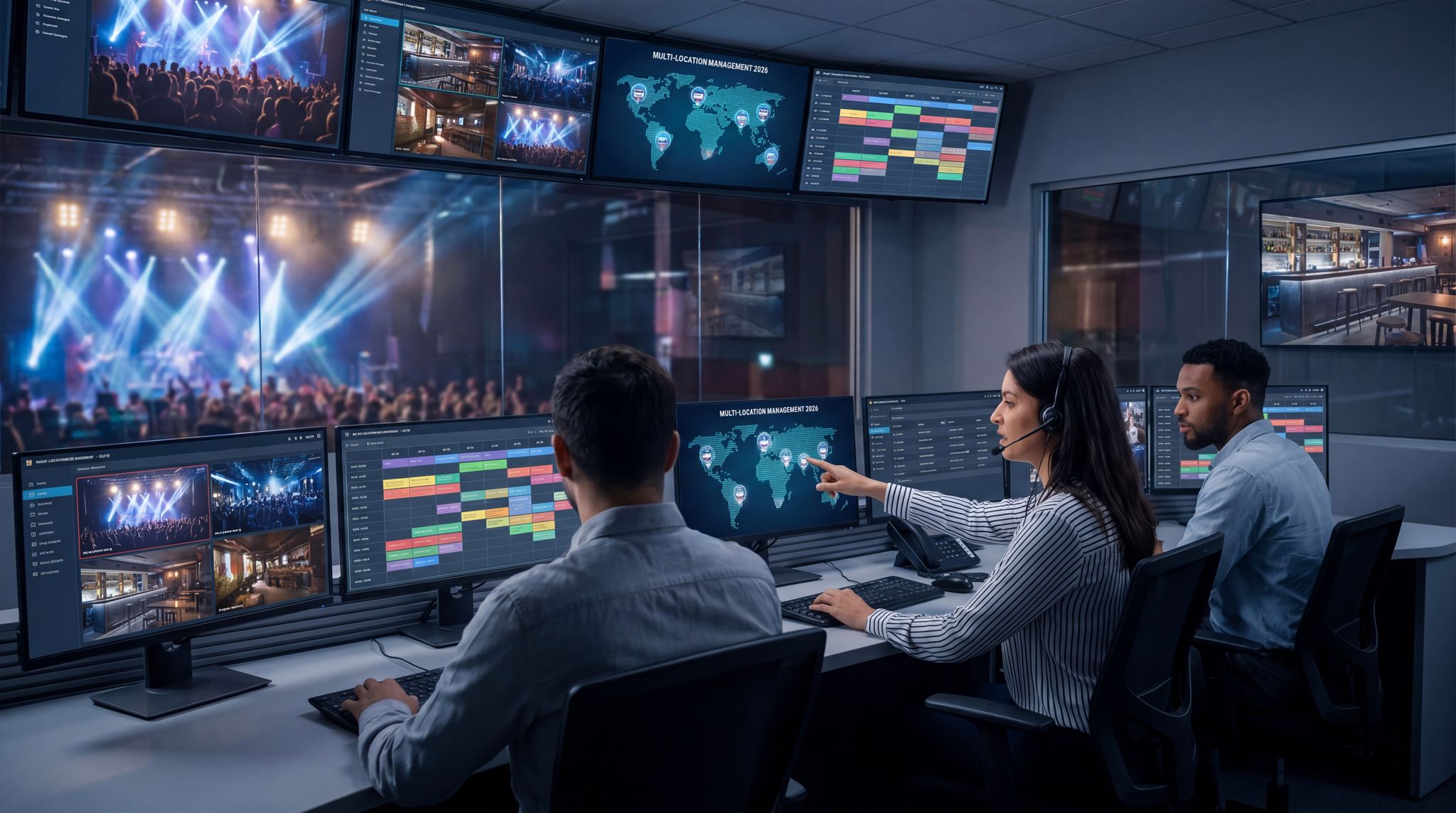
Incorporating local tech platforms is also wise. In many emerging regions, event discovery and ticket sales might happen on platforms unique to that area (for example, specific social networks or super-apps). Integrating your ticketing with those channels – whether it’s selling tickets via WhatsApp in some countries or through a popular local events app – can significantly boost your reach. Adapt your marketing tech stack to the region: use CRM tools that handle multilingual communication, set up analytics to track where your buyers are coming from (you may discover new customer segments, like expatriates or tourists, driving sales). If you’re managing multiple venues or events across different cities/countries, a centralized system will help maintain oversight. Many top promoters use a concert tour management system that gives a dashboard of all show settlements, ticket sales, and expenses in one place, simplifying multi-location oversight. Expanding from one venue to many is a challenge in itself, making it essential to implement robust multi-location venue management strategies for maintaining quality and consistency across different sites.
Plan Financially and Manage Risk
Emerging markets can be high-reward, but they often come with higher risk. It’s essential to plan finances conservatively and secure buffers for the unexpected. Build extra contingency into your budgets for things like currency fluctuations, sudden tax changes, or unforeseen logistical costs. For instance, shipping costs might spike or a delayed work visa for a key technician could require an expensive last-minute workaround. Insurance is non-negotiable – ensure your event cancellation insurance and liability coverage extend to the countries you’re operating in (some policies exclude certain regions, so get that sorted upfront).
If you’re expanding your venue brand into a new market, consider running a few one-off events or co-promotions first to gauge demand and understand cost structures, before making long-term lease or construction commitments. Essentially, treat initial forays as pilot projects. Additionally, look into creative financing options to support your growth. Traditional bank loans might be hard to obtain for ventures in developing markets, but alternative funding is growing. One example is utilizing a cash advance against ticket sales – if you have a strong event with proven demand, platforms like Ticket Fairy Capital allow you to receive a portion of projected ticket revenue upfront to pay for artists, venue rent, or marketing. This can de-risk your expansion by covering sunk costs ahead of time, though you should use such tools judiciously and ensure you’ll meet the sales targets.
Risk management also means knowing when to say no. Every market has opportunities that might not align with your venue’s brand or expertise. It’s okay to pass on an unreliable local partner or to skip a trend that doesn’t fit your risk appetite. Expanding smartly is better than expanding quickly and chaotically. Many veteran venue operators recommend starting with markets culturally or logistically closest to what you know, then radiating outward as you gain confidence. For example, a UK venue team might find it easier to first expand into another English-speaking market like India or South Africa before tackling a more complex environment. Over time, as your network and knowledge grow, you can take on bigger leaps.
Finally, always have an exit strategy or backup plan. In emerging markets, political or economic tides can turn unexpectedly. Know what you would do if an event had to be postponed or if regulations suddenly changed. Maintaining good relationships with artists and agents is part of this – if you ever need to cancel or reschedule, handling it professionally and fairly will preserve your reputation for future efforts. For instance, during the pandemic pause, those who communicated clearly and offered fair resolutions to ticket holders and artists were able to restart smoother than those who didn’t – a lesson that applies beyond pandemics. Being prepared for the worst, while working for the best, is a hallmark of sustainable operations anywhere, but especially in these rapidly changing markets.