1. Home
  2. Promoter Blog
  3. Festival Production
  4. Audience Targeting and Experience Design
All Festival Production Americana Festivals Artist Relations & Hospitality Attendee Experience and Services Audience Targeting and Experience Design Beer Festivals Boutique Festivals Budgeting and Finance Case Studies Concept and Vision Contingency & Risk Management Country Music Festivals Crew & Team Management Cultural Festivals Destination Festivals Drum 'n' Bass, Dubstep and Bass Music Festivals Electronic Music Festivals Family-Friendly Festivals Festival Formats & Venues Festival Sponsorship Strategies Festival Technology and Innovation Film Festivals Folk Festivals Food & Beverage Food Festivals Infrastructure & Utilities Inner-City Festivals International Planning Considerations International Production & Global Logistics Large-Scale Festivals Large?Scale Festivals Legal, Contracts & Licensing Marketing and Promotion Merch Multi-Genre & Multi-Stage Festivals Multi-Year Growth and Festival Evolution Operations and On-Site Management Operations, People & Safety Permitting & Local Relations Planning and Project Management Post-Event Evaluation and Next Steps Programming & Scheduling Reggae Festivals Remote Location Festivals Risk Management and Safety Planning Rock & Metal Festivals Safety & Emergency Planning Site Planning & Layout Specialized Festival Types and Niches Strategy & Positioning Summer Festivals Sustainability & Community Impact Sustainability and Community Impact Sustainability and Waste Management Talent Booking and Lineup Curation Technical Production (Staging, Sound, Lighting, AV) Temporary Structures Ticketing and Admissions Timeline & Project Management Transportation & Parking Vendor & On-Site Logistics Venue and Site Planning Wine Festivals Winter Festivals
Catering to Diverse Festival Crowds: Balancing Different Audience Needs

Catering to Diverse Festival Crowds: Balancing Different Audience Needs

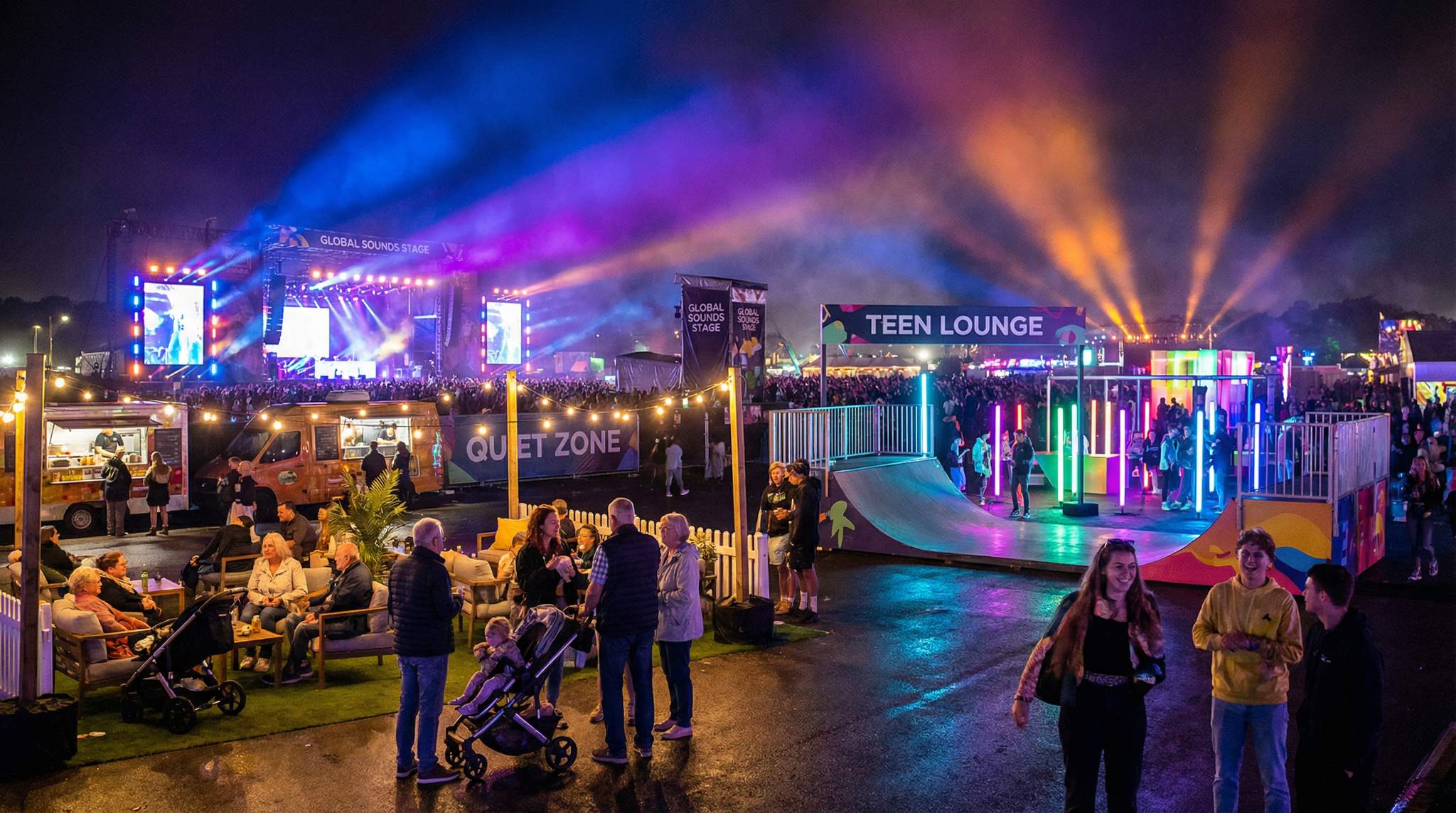
Introduction Every festival crowd is a mosaic of different ages, backgrounds, and interests, and successful event organizers plan with this diversity in mind. Catering to a wide range of attendee groups at one event is a balancing act that can transform a good festival into a great one. By thoughtfully addressing varied audience needs –

Designing an Unforgettable On-Site Festival Audience Experience

Designing an Unforgettable On-Site Festival Audience Experience

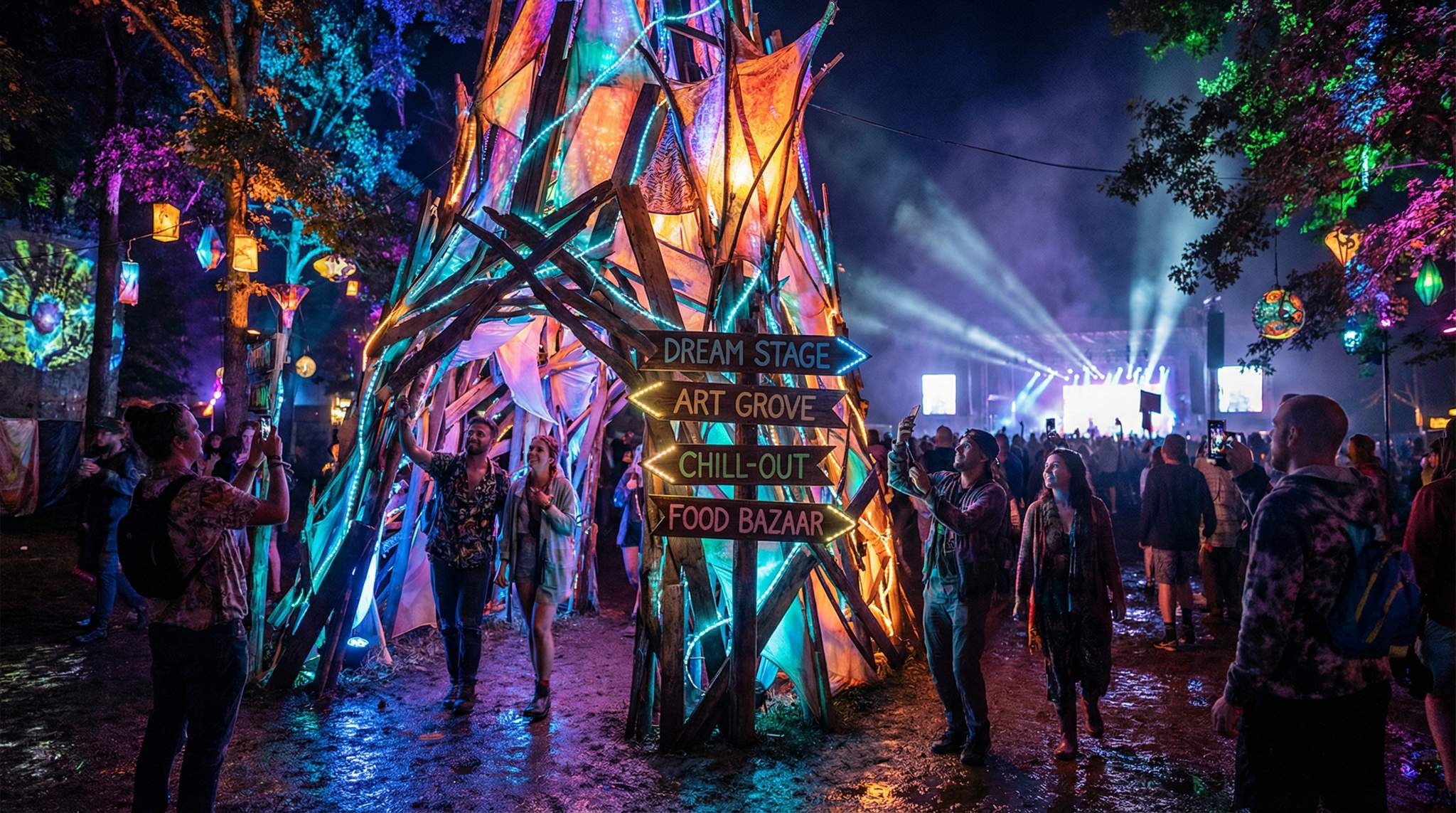
A festival isn’t just a lineup of performances or stalls – it’s an immersive journey for every attendee. From the moment festival-goers walk through the gates to the second they head home with tired feet and full hearts, every on-site detail contributes to their overall experience. Legendary producers understand that magic is in the details,
Cultivating Loyalty: Turning First-Timers into Festival Regulars

Cultivating Loyalty: Turning First-Timers into Festival Regulars

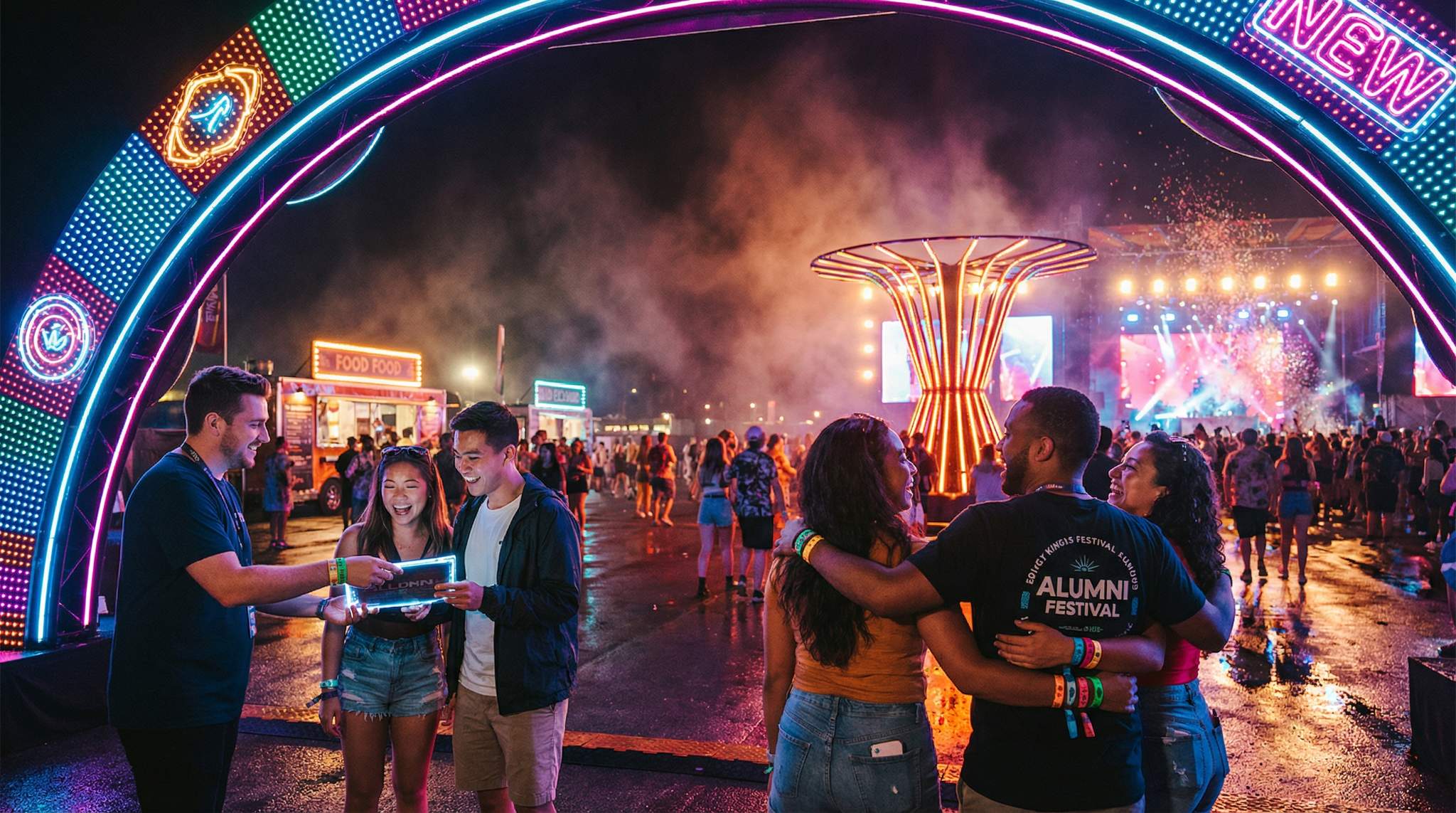
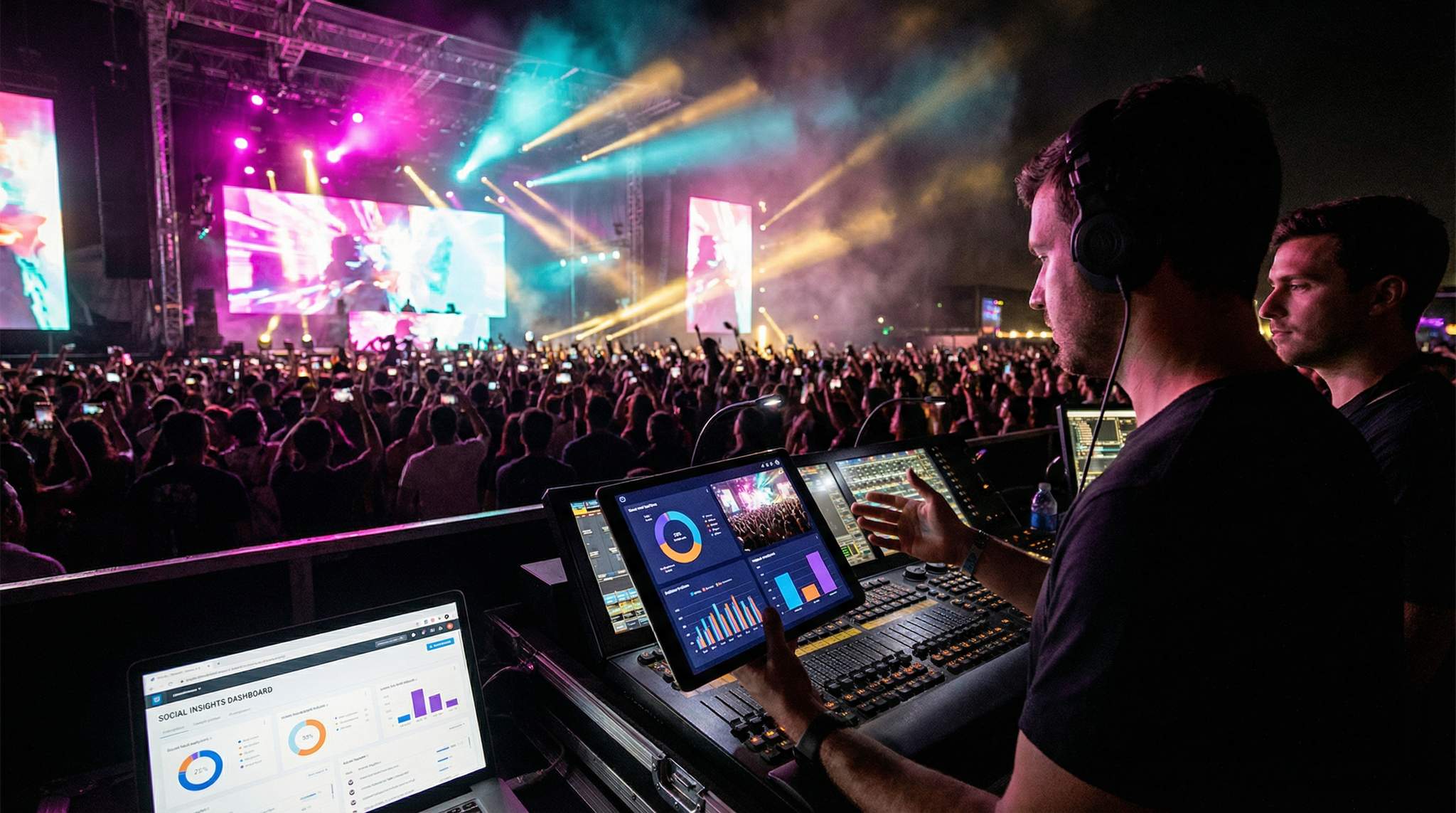
Picture this: as the final encore echoes across the festival grounds, a group of first-time attendees is already talking about “next year.” Turning those curious newcomers into devoted festival regulars is the ultimate win for any event organizer. Loyal audiences don’t just stabilize ticket sales – they amplify your festival’s reputation through word-of-mouth and create
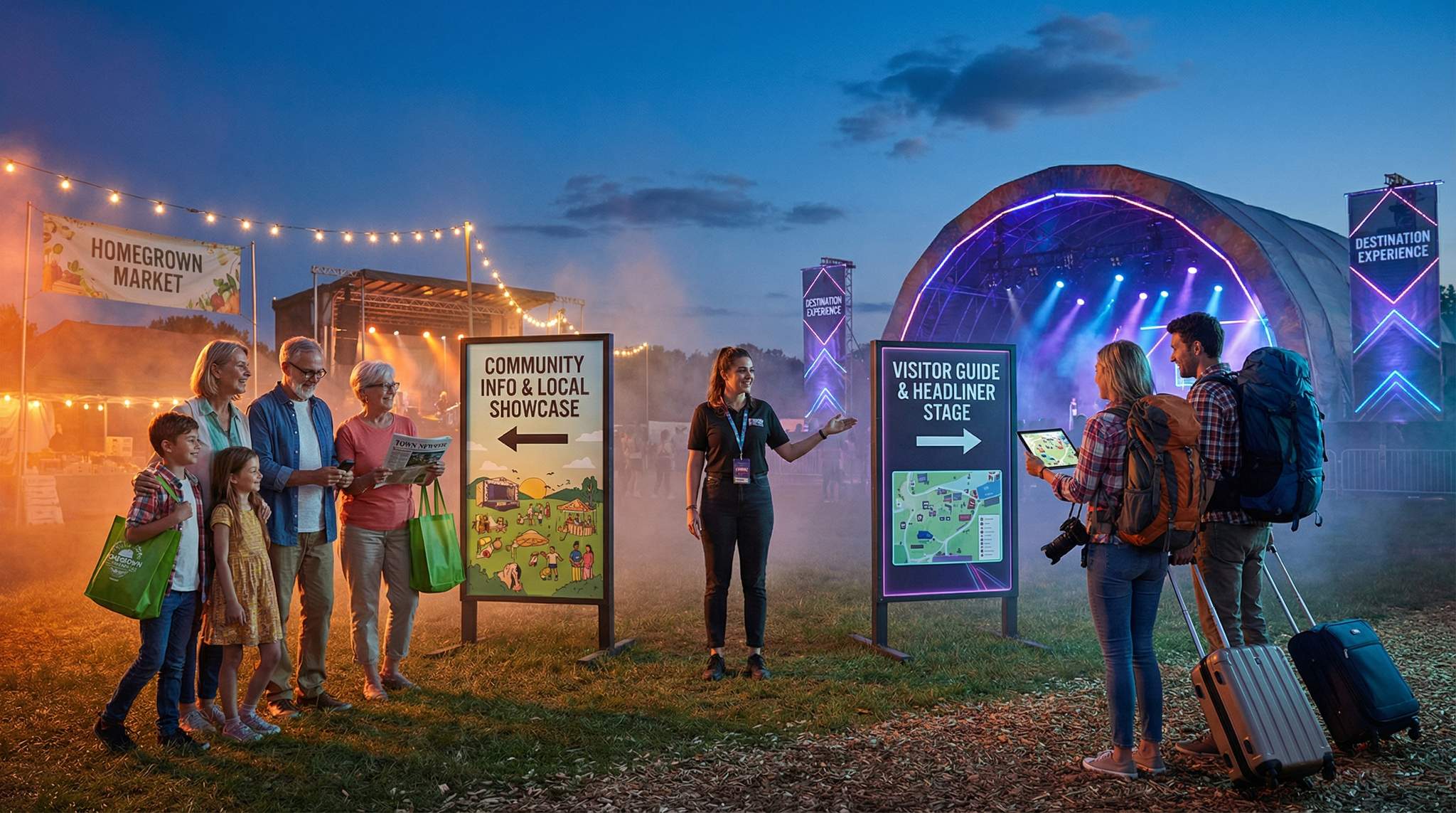
Local vs. Tourist Audiences: Adapting Your Festival Appeal

Local vs. Tourist Audiences: Adapting Your Festival Appeal

Local vs. Tourist Audiences: Adapting Your Festival Appeal Introduction: Every festival has its own personality, shaped in part by the people it attracts. Some events thrive as community gatherings with predominantly local attendees, while others evolve into travel-worthy spectacles drawing visitors from far and wide. Understanding whether a festival’s core audience is local or tourist-oriented

Family-Friendly or 18+? Designing the Right Festival Experience for Your Demographic

Family-Friendly or 18+? Designing the Right Festival Experience for Your Demographic

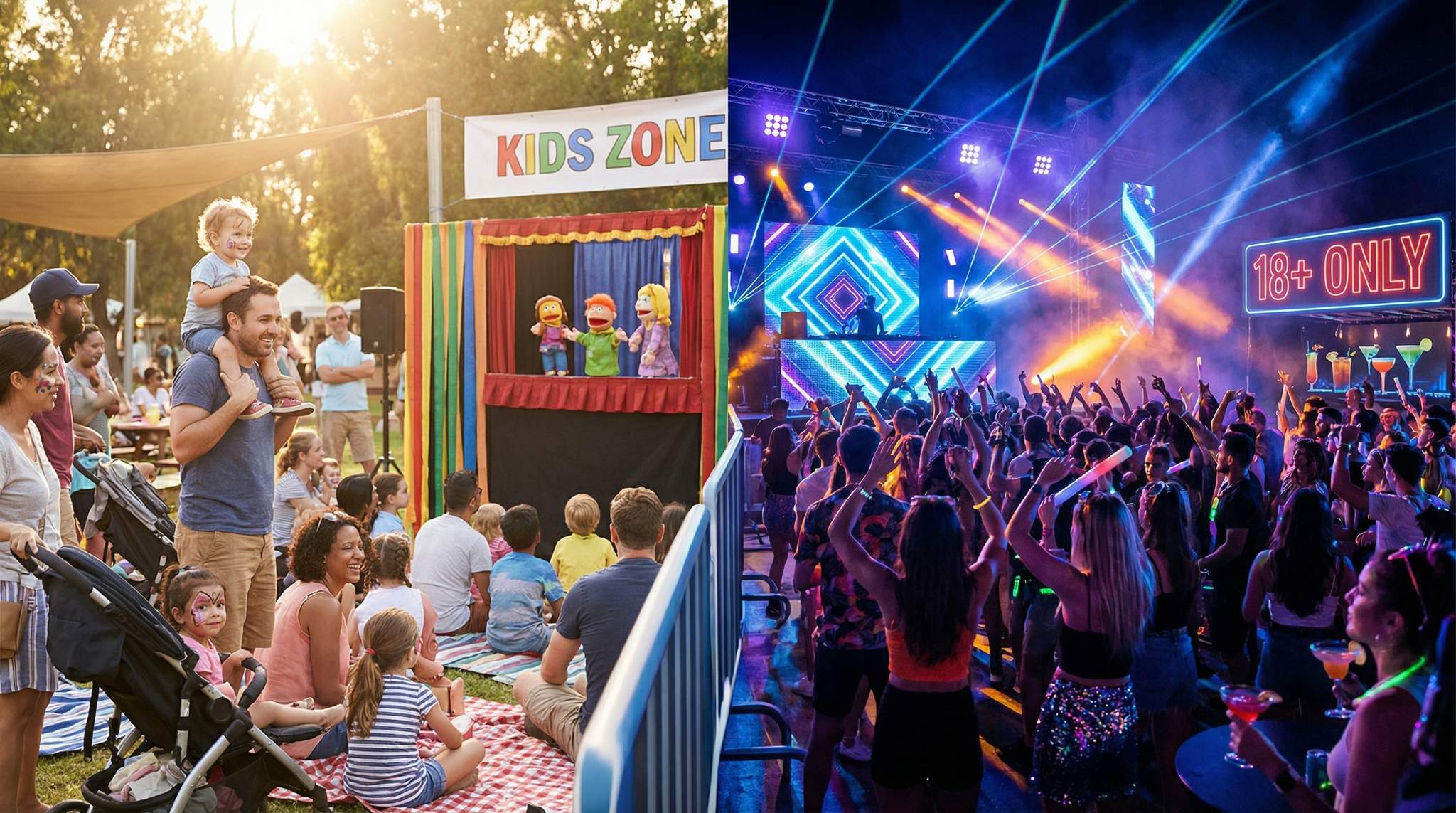
Choosing a Demographic: Family-Friendly vs. Adults-Only Every festival has its own soul, and choosing between a family-friendly or 18+ (adults-only) format is one of the most defining decisions an organizer can make. This choice will ripple through every aspect of planning – from the lineup on stage, to the restrooms and security protocols. Veteran festival

Inclusive Festivals: Ensuring Accessibility and Diversity

Inclusive Festivals: Ensuring Accessibility and Diversity

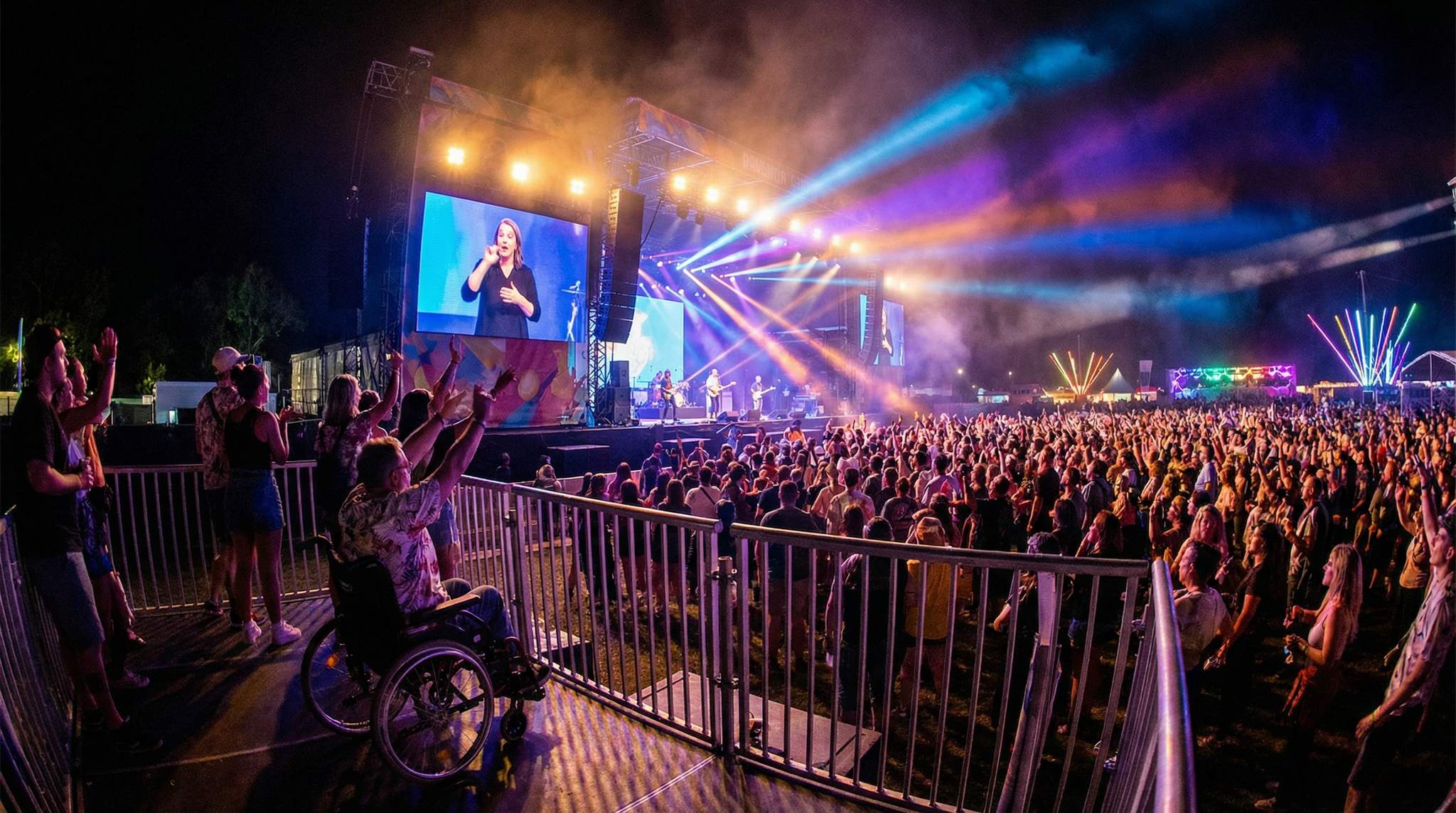
Inclusive Festivals: Ensuring Accessibility and Diversity Inclusive festivals aim to make everyone feel welcome – including people of different backgrounds and abilities – so that no one is left out of the experience. Achieving this goal requires thoughtful accessibility planning, cultural inclusion strategies, and an ongoing commitment throughout the event design. Organizers who prioritize these
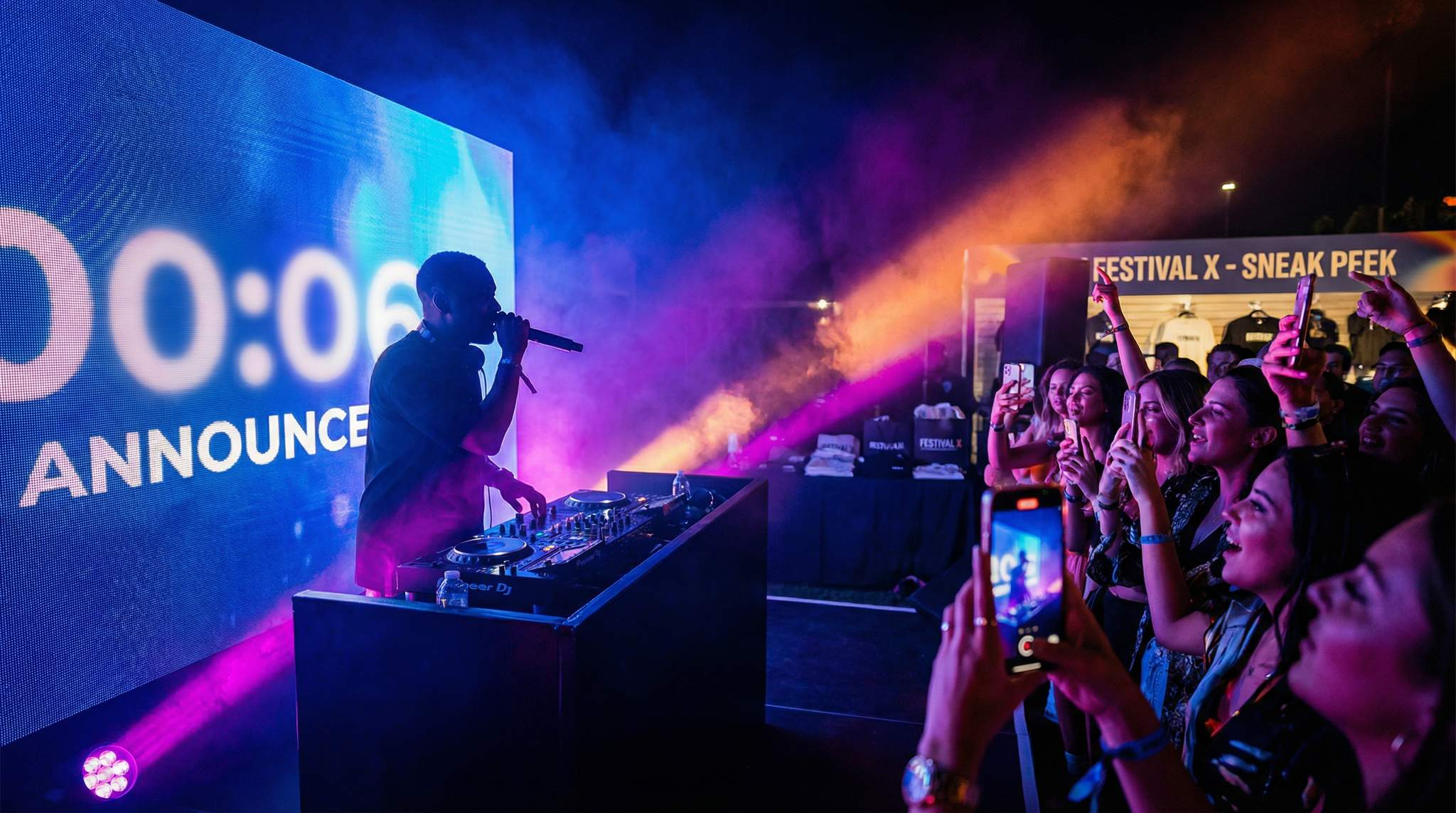
Attracting Your Ideal Festival Attendees: Outreach Strategies that Work

Attracting Your Ideal Festival Attendees: Outreach Strategies that Work

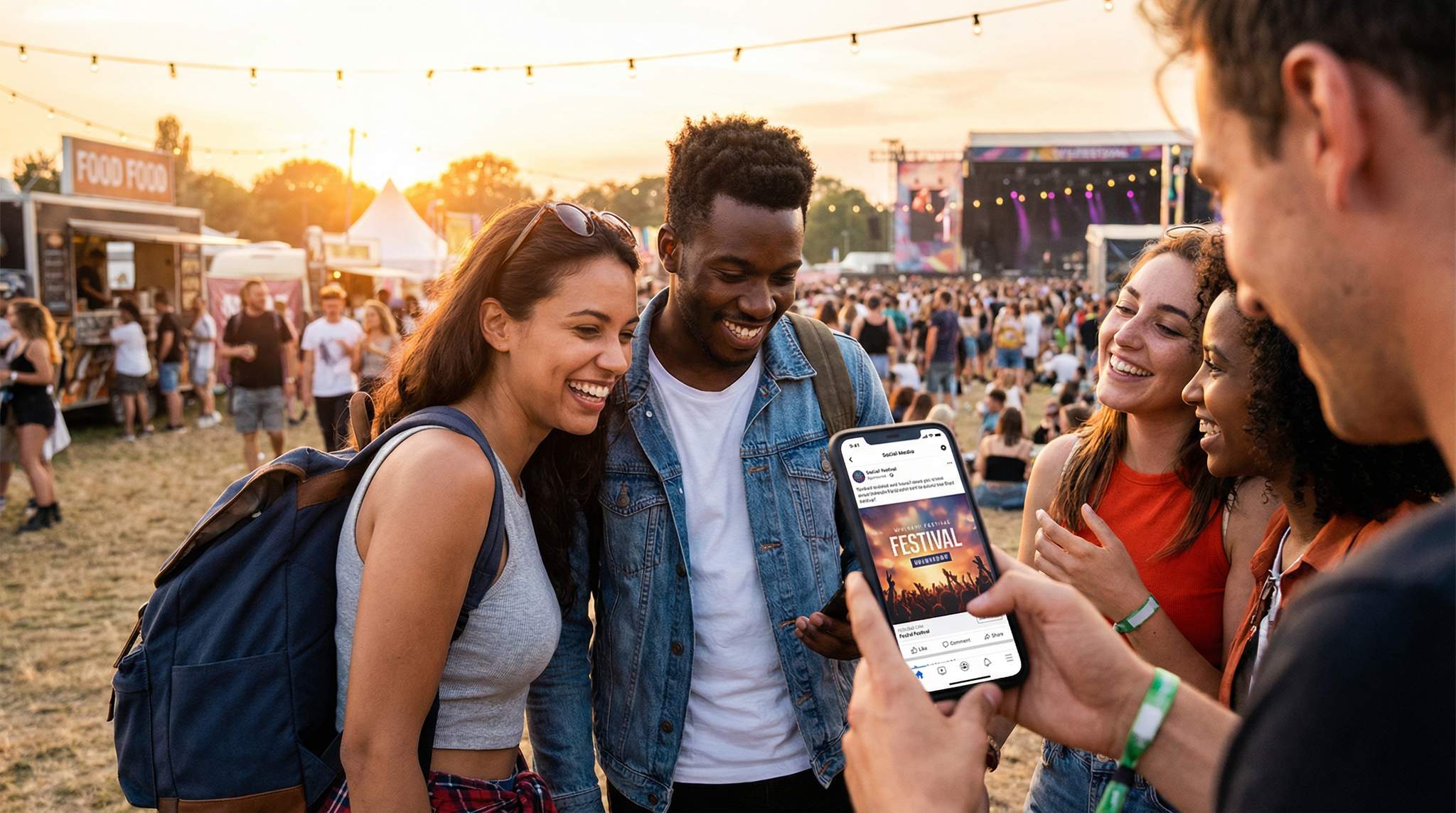
At the heart of every successful festival is an audience that truly belongs there. Drawing the right crowd can elevate a festival’s atmosphere, word-of-mouth, and long-term success. To attract ideal attendees, festival producers must go beyond generic ads and embrace strategic outreach that resonates with the people who will love their event the most. From
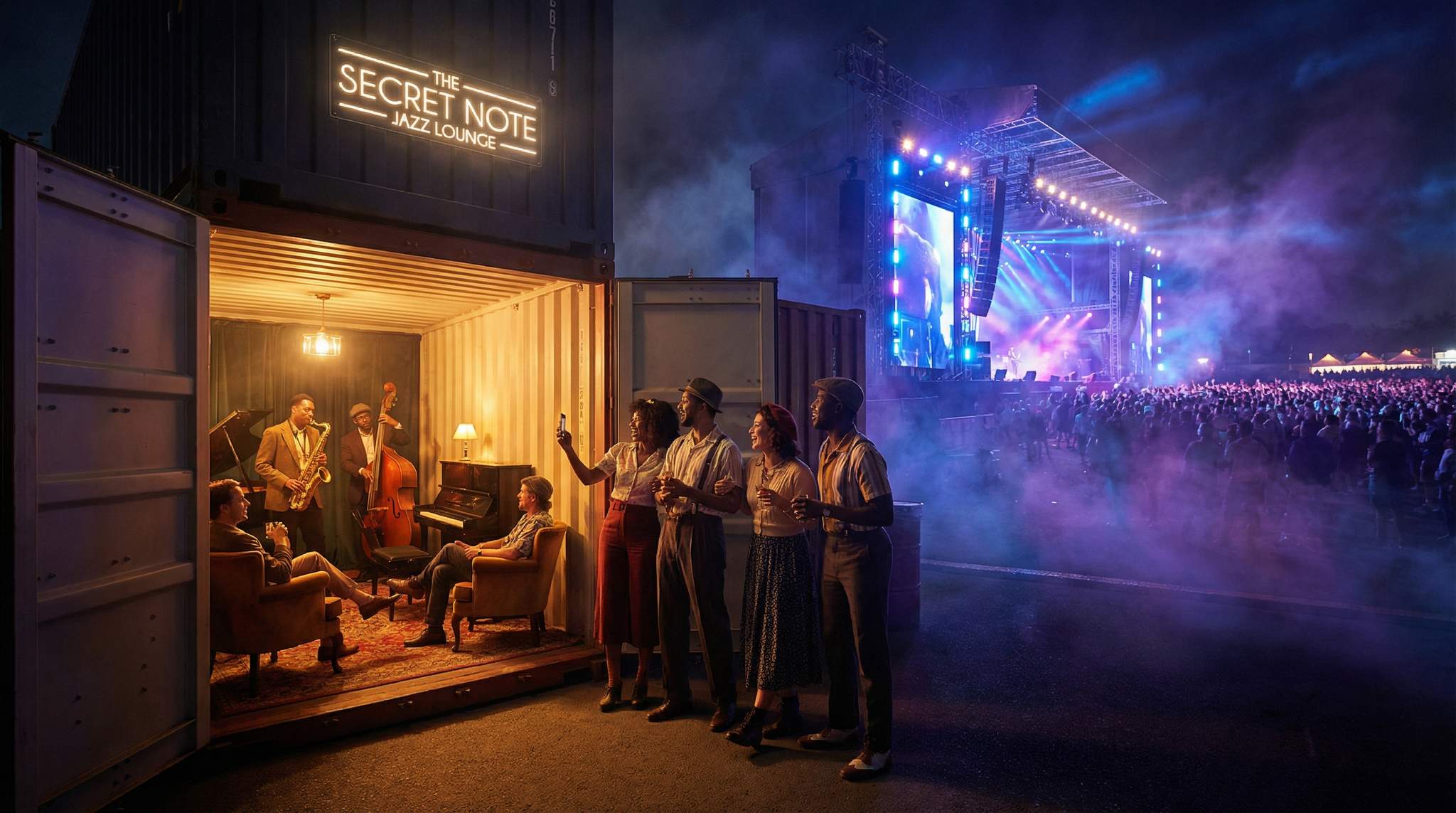
Tailoring the Festival Experience to Audience Interests

Tailoring the Festival Experience to Audience Interests

In the world of festival production, one size does not fit all. The most successful festivals – from small boutique gatherings to massive multi-day events – share a common secret: they are crafted with a deep understanding of their audience’s interests and values. By customizing programming, amenities, and atmosphere around what attendees care about, organizers

Identifying Your Festival’s Target Audience: Creating Attendee Personas

Identifying Your Festival’s Target Audience: Creating Attendee Personas

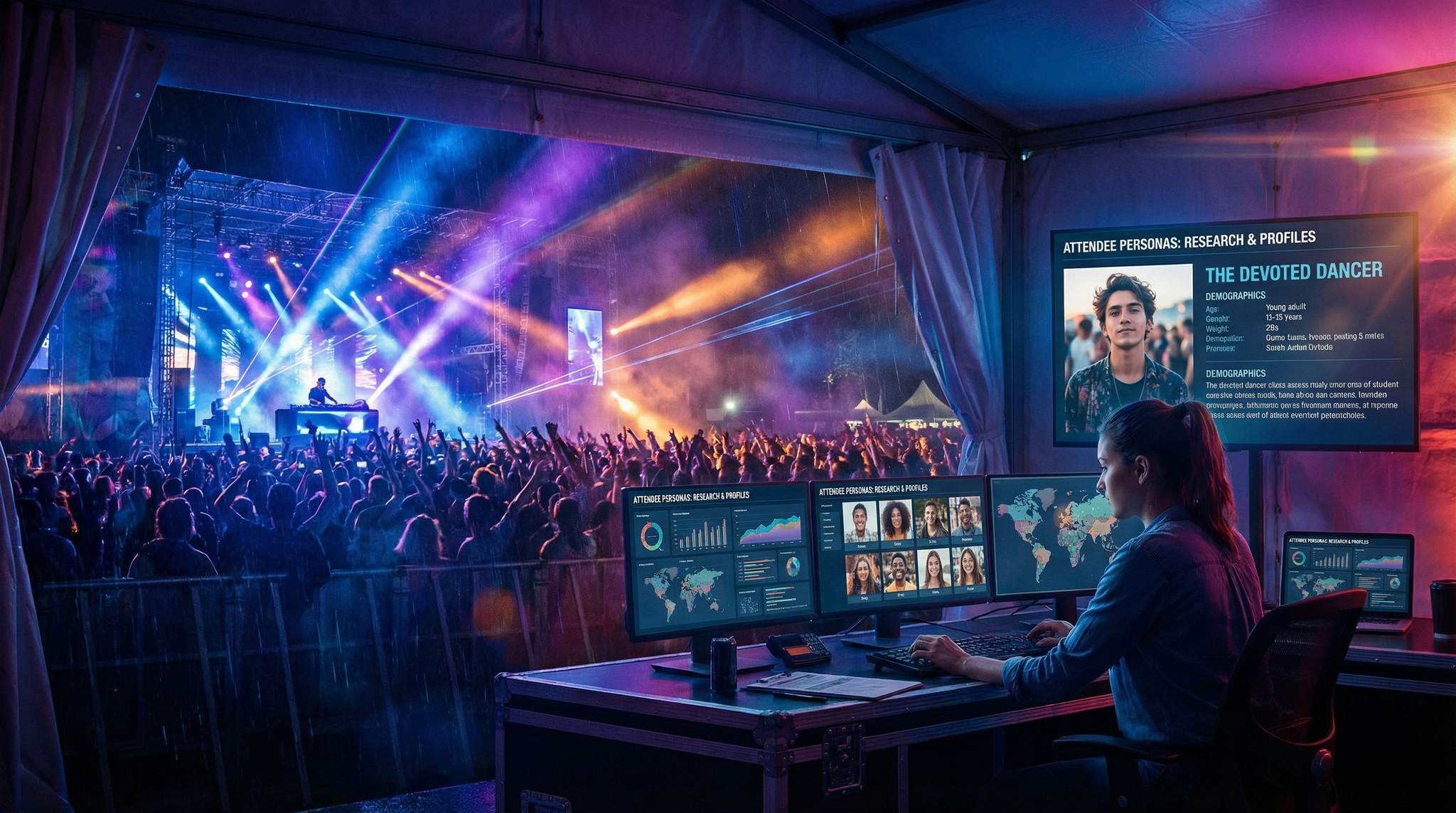
Identifying Your Festival’s Target Audience: Creating Attendee Personas When planning a festival, one of the most critical steps is defining exactly who the event is for. Successful festivals don’t try to be all things to all people. Instead, they have a clear picture of their ideal attendees – from their age and interests to their