The World Is Your Stage: Why Culture Matters More Than Ever
Live events in 2026 are more globally interconnected than at any time in history. Streaming and social media have created worldwide fanbases, and artists regularly tour across continents to meet that demand. The numbers tell the story: the live concert sector soared to a record $9.5 billion in global tour revenue in 2024 – nearly double pre-pandemic levels, creating a landscape ripe for smart booking and programming strategies in 2026. Fans are even hopping on planes to catch shows abroad; Bandsintown data shows 32.6% more fans traveled internationally for concerts in 2025 than in 2024, highlighting significant trends in concert travel and indie venues. With audiences willing to cross borders for their favorite artists, venue operators must be ready to welcome a culturally diverse crowd at any given show.
Veteran venue managers emphasize that a one-size-fits-all approach can fall flat when facing different cultural expectations while managing international venue operations. What delights a local crowd at home might confuse or even offend guests from another culture. A well-intentioned gesture can quickly become a blunder if you’re unaware of local sensitivities. (Case in point: in 2023, rock band The Killers apologized for a cultural misstep after inviting a Russian fan onstage during a show in Georgia, unintentionally offending the local audience, as reported by Deutsche Welle.) These incidents underscore that cultural awareness isn’t a “nice-to-have” – it’s a must for smooth, successful events. According to experienced venue operators, adapting to cultural differences isn’t just about avoiding problems, it’s about elevating the experience: when you make international artists and fans feel understood and respected, they respond with loyalty and enthusiasm.
Global audiences expect venues to meet them halfway. That could mean printing signs in multiple languages, offering familiar food and drink options, adjusting show schedules around local norms, or briefing artists on regional etiquette. By contrast, ignoring cultural differences can lead to empty venues or unhappy crowds. Seasoned promoters recall tours that bombed because marketing and operations failed to resonate abroad – the same playbook that packed venues at home fizzled overseas, proving the necessity of adapting event marketing for different markets. In today’s interconnected live scene, success belongs to venues that “think global, act local.” This guide draws on decades of cross-continental venue management to explore how you can tailor every aspect of operations – from backstage hospitality to front-of-house and beyond – for culturally diverse audiences and artists.
Backstage Hospitality: Catering to Culture in the Green Room
When international artists arrive at your venue, the hospitality you provide backstage sets the tone. In many cases, artists are coming off long flights and are disoriented by new surroundings. A warm welcome that accounts for their cultural background can make a remarkable difference. Veteran venue managers will tell you that a happy artist off-stage leads to a happy audience on-stage – a core principle of artist hospitality practices that build loyalty – and cultural sensitivity is a big part of that equation.
Food, Drink & Dietary Customs
One of the first areas to consider is catering and dietary preferences. Cuisine is deeply cultural, and offering the wrong (or right) food can leave a lasting impression. Start by researching or asking about the artist’s dietary needs in the context of local availability. What’s common in one country might be hard to source or even taboo in another. For example, a U.S. rock band’s rider might request pepperoni pizzas and beef sliders – but if they’re touring in India, pepperoni (pork) or beef items could be impossible to procure or culturally inappropriate due to dietary laws and local preferences, requiring careful cross-border operational planning. A savvy venue operator finds creative substitutions: arrange a tasty local alternative (say, a paneer-topped vegetarian pizza in lieu of pepperoni) and explain the context to the tour manager to ensure respect for local customs and logistics. Artists will usually appreciate that you went out of your way to meet their needs while respecting local norms.
Religious dietary laws are another crucial consideration. If you’re hosting artists from the Middle East or South Asia, ensure halal or kosher catering options as needed. In some cases, hiring a local caterer who specializes in those cuisines is worth the extra cost to make the artist feel at home. Even for less obvious cultural preferences – like East Asian artists who may prefer lighter meals and hot tea over heavy, fried foods – tailoring your menu shows thoughtfulness. As a bonus, it can be an opportunity to introduce performers to quality local cuisine on their terms. Many veteran promoters suggest adding personalized local touches to hospitality, which could be as simple as a welcome basket of popular local snacks (that fit the person’s diet) or a regional specialty dish, adding personalized local touches to the experience. These gestures help an artist form a positive memory of your venue and city. (Just be sure to avoid “adventurous” local foods that might be too unfamiliar or against their preferences – the goal is comfort, not surprise.)
Ready to Sell Tickets?
Create professional event pages with built-in payment processing, marketing tools, and real-time analytics.
Beverages should get equal attention. Coffee, tea, alcohol – consumption of these varies widely by culture. Make sure you know whether your visiting artist drinks alcohol; some may abstain for religious reasons (in which case a green room stocked with beer sends the wrong message). On the other hand, offering a famous local craft beer or regional wine can be a great hospitality gesture if you know it will be welcome. Always have plenty of non-alcoholic drinks and clean water available, especially for artists coming from countries where tap water is not typically drunk – they may be wary, so sealed bottled water is a must. In line with global health trends, venues in 2026 are diversifying beyond the old “soda and cheap beer” approach, as wellness and comfort take center stage. Providing quality tea for British or Japanese performers, espresso for Italians, or a popular sports drink for American artists shows you’ve thought about their comfort. It’s no coincidence that venues known for exceptional artist hospitality tend to be the ones artists rave about and hope to play again, proving that exceptional artist hospitality drives retention and helps in navigating visas and cross-border logistics.
Etiquette, Greetings & Backstage Culture
Hospitality isn’t only about tangible items – it’s also in how your staff interacts with touring artists and crews. Cultural etiquette can dramatically differ. Something as simple as how you greet the artist on arrival can set the tone for the whole night, as cultural differences in communication impact operations. In some cultures, a warm hug or first-name familiarity might be perfectly welcome; in others, a more formal handshake (or even a bow) using titles and surnames is expected. Experienced venue operators train their backstage teams to mirror the formality level the artist is comfortable with. When in doubt, start on the formal side and let the artist or their tour manager signal if a more casual tone is okay. It’s always easier to relax formality than to recover from a faux pas like being overly familiar or disrespectful.
A smart practice is to brief your crew on the visiting artist’s cultural background ahead of time, a key part of managing international artists at festivals. If you’re hosting a K-pop group from South Korea, for instance, ensure your staff know about Korean naming conventions and polite forms of address (e.g. using “-ssi” or professional titles rather than just first names), consistent with cultural etiquette for international talent. For a traditional West African ensemble, understanding a bit about their group hierarchy or any cultural protocols (perhaps they have a customary prayer or chant before performing) can help your team show appropriate respect by understanding group hierarchy and cultural protocols. These details might seem small, but they earn huge goodwill. According to veteran festival producers, briefing staff on an artist’s cultural etiquette avoids misunderstandings and demonstrates respect from the moment the artist walks in, by observing artist cultural norms and religious needs. In one real example, a European festival crew learned a few greeting phrases in the artist’s native language and observed their custom of a group handshake circle before the set – the artist was delighted by the effort, and that positive vibe carried into their performance.
History is full of cautionary examples of cultural misunderstandings that could have been easily avoided with proper advance work. Consider the infamous instances where well-meaning stagehands offered a thumbs-up gesture to artists from parts of the Middle East or West Africa—where the sign is traditionally considered highly offensive—or when catering staff served alcohol-infused desserts to performers strictly observing religious sobriety. These blunders not only create immediate backstage tension but can severely damage a venue’s reputation within the tight-knit international touring community. Documenting these missteps in your staff training manual is a highly effective way to prevent history from repeating itself.
Data-Driven Event Marketing
Track ticket sales, demographics, marketing ROI, and social reach in real time. Exportable reports give you the insights to make smarter decisions.
Respecting cultural norms backstage also extends to behavior and amenities. Be mindful of customs around things like shoes (certain cultures may prefer no shoes in dressing room areas – have some clean slippers available just in case) or personal space and gender interactions. In some cultures it would be inappropriate, for example, for a male staff member to enter a female artist’s dressing room without knocking and explicit permission. Always default to the side of courtesy and privacy. If you aren’t sure about a particular custom, discreetly ask the tour manager in advance. Most will gladly brief you on any “do’s and don’ts” to make the artist comfortable – they appreciate a venue that cares enough to ask.
Finally, consider rituals and gifts. In many countries, hospitality involves giving a small gift or token of welcome. This doesn’t need to be extravagant – a piece of local merchandise, a box of local sweets, or a coffee table book about your city can be great. One mid-sized venue in Japan has a tradition of presenting touring artists with a handwritten thank-you note in both Japanese and English, alongside a locally crafted souvenir. That personal touch, rooted in Japanese omotenashi (hospitality), has been mentioned by several artists as a standout gesture. Similarly, a venue in Denmark might gather the crew and do a friendly “skål” (cheers) with non-alcoholic drinks before showtime as a welcome. These cultural touches, when authentic, create a connection. The key is to be genuine and never force anything that feels like a tourist gimmick or that might make an artist uncomfortable. By blending into the artist’s cultural comfort zone, you allow them to focus on delivering a great show – and remember your venue’s hospitality as something truly special, reinforcing backstage practices that delight performers.
Grow Your Events
Leverage referral marketing, social sharing incentives, and audience insights to sell more tickets.
Audience Experience: Meeting Diverse Expectations Front-of-House
Adapting to cultural differences isn’t just a backstage affair – it needs to extend to your front-of-house operations and the overall audience experience. Different cultures have different norms for how audiences behave at shows, what amenities they expect, and how they prefer to be treated by staff. The best venues in 2026 tailor the entire fan journey, from entry to encore, in culturally aware ways. Let’s break down some key areas where cultural insight can make a major impact on your audience satisfaction.
From Quiet to Rowdy: Navigating Audience Behavior Norms
Audience behavior during shows can vary wildly around the world. Successful venue operators study these norms and adjust everything from security policies to show pacing accordingly to bridge cultural norms and audience expectations and synchronize your operations with diverse audience behaviors. One common difference is the level of audience participation. In some parts of Asia, audiences tend to be more reserved and polite. For example, Japanese concertgoers often remain quiet and attentive during performances, a nuance of managing venues without borders, viewing constant cheering or shouting as disrespectful while the artist is singing. They may clap or cheer only at the end of a song, and you won’t see mosh pits or crowd-surfing at most shows. If you’re running a show in Tokyo or hosting a Japanese tour group at your venue, don’t mistake a quieter crowd for a lack of enthusiasm – it’s just a different way of appreciating the music. Plan your show flow accordingly: artists might need encouragement that a silent crowd is actually deeply engaged, and you might schedule a slightly longer pause between songs to allow for polite applause.
By contrast, Latin American and Southern European crowds are famously exuberant. In countries like Argentina and Brazil, fans often sing along to every lyric – and sometimes even sing the melodies or football-style chants during instrumental breaks! It’s not unusual for a 10,000-strong crowd in Buenos Aires to erupt in unison chorus even when the band isn’t playing. They dance, they jump, and they will certainly demand encores (often multiple). Trying to impose a strict “no standing” or keep people quiet in such an environment is both futile and alienating. Instead, embrace the energy. For high-energy cultures, veteran venue managers recommend reinforcing safety without dampening spirits: brief your security that loud singalongs and dancing aren’t signs of trouble but of joy – while still keeping an eye out for overexuberance. Have water stations or staff with water at the front for dehydrated dancers, and plan for the show to likely run a bit longer with encores. Ultimately, meet the audience where they are culturally. As one international operator put it, “you won’t make a Milan opera crowd suddenly start dancing in the aisles, and you won’t stop 50,000 Argentinians from singing along” so you must synchronize operations with local energy. Instead, plan around these behaviors so that you can facilitate them safely (or provide outlets for them) rather than treating them as problems.
Another factor is how audiences respond to crowd management. Queuing etiquette is one example: British and Japanese attendees might form neat lines instinctively, whereas in other places a more assertive crowd control is needed to organize entry. If you know you have a lot of international fans coming, try to learn their norms. In parts of Latin America, people may attempt to hold spots for large groups of friends or family in general admission queues, which can lead to scuffles if your staff isn’t managing it – you might use more stanchions and clear signage in those cases. In some cultures, crowd density and personal space expectations differ. Northern European audiences might expect a bit of personal space even in a crowd (and could feel uncomfortable with the kind of up-close press typical in, say, a packed New York club pit). By contrast, fans in India or the Middle East might be accustomed to closer quarters and fluid “crowd choreography.” Recognize these tendencies and adjust your crowd safety protocols: for instance, if you have a culturally mixed audience, explicitly communicate guidelines about personal space and consent for things like moshing or pushing, so everyone’s on the same page.
Free Tool: Size Your Festival Site
Zoned capacity planning for arena, campsite, parking and entry lanes — against UK Purple Guide and NFPA density standards. Finds your bottleneck zone.
Even encore rituals and post-show behavior can vary. Some audiences will leave after the house lights come on with no fuss; others will stay and chant for one more song no matter what. (In many Asian countries, encores are expected as a standard part of the show – not doing one might actually disappoint fans who anticipate it as a ritual.) If you’re in a market where encores are de rigueur, plan with the artist to deliver at least a token encore to meet that expectation, educating security on crowd crush signs. On the flip side, in places where encores are rare (maybe some smaller markets or genres where the headliner just finishes the set), let international fans know what’s customary so they aren’t caught off-guard waiting. Communication through MCs or signage can help manage those expectations in real time (“Thank you and good night!” signals very clearly it’s over in any language).
Finally, consider facility usage norms: Do people sit or stand, and how do they consume food and drink during shows? For example, German audiences often expect assigned seats in many concert settings and can be perturbed if others stand up and block their view, as cultural expectations shape the experience. If you host a mixed crowd (locals and international visitors), you may need to strike a balance – perhaps keep seated sections strictly enforced for those who value them, but also provide an open GA area for those who want to dance. In the U.S., it’s common to see roving vendors hawking beers and snacks through the aisles at sports games or amphitheaters. However, in countries like Germany and Japan, that would be seen as disruptive; people generally get refreshments during breaks, and you won’t see hawkers weaving through the crowd where silence is considered part of the excitement. A culturally aware venue operator will adjust staffing: don’t plan on selling much inside the auditorium in places that prize an undisturbed viewing experience – beef up the concession stands instead. Conversely, if you know a segment of your audience expects in-seat service (like VIP boxes with attendants, common in some Middle Eastern or Asian venues), ensure you have that option available. Every detail, down to how and when people like to grab a drink, can have a cultural angle.
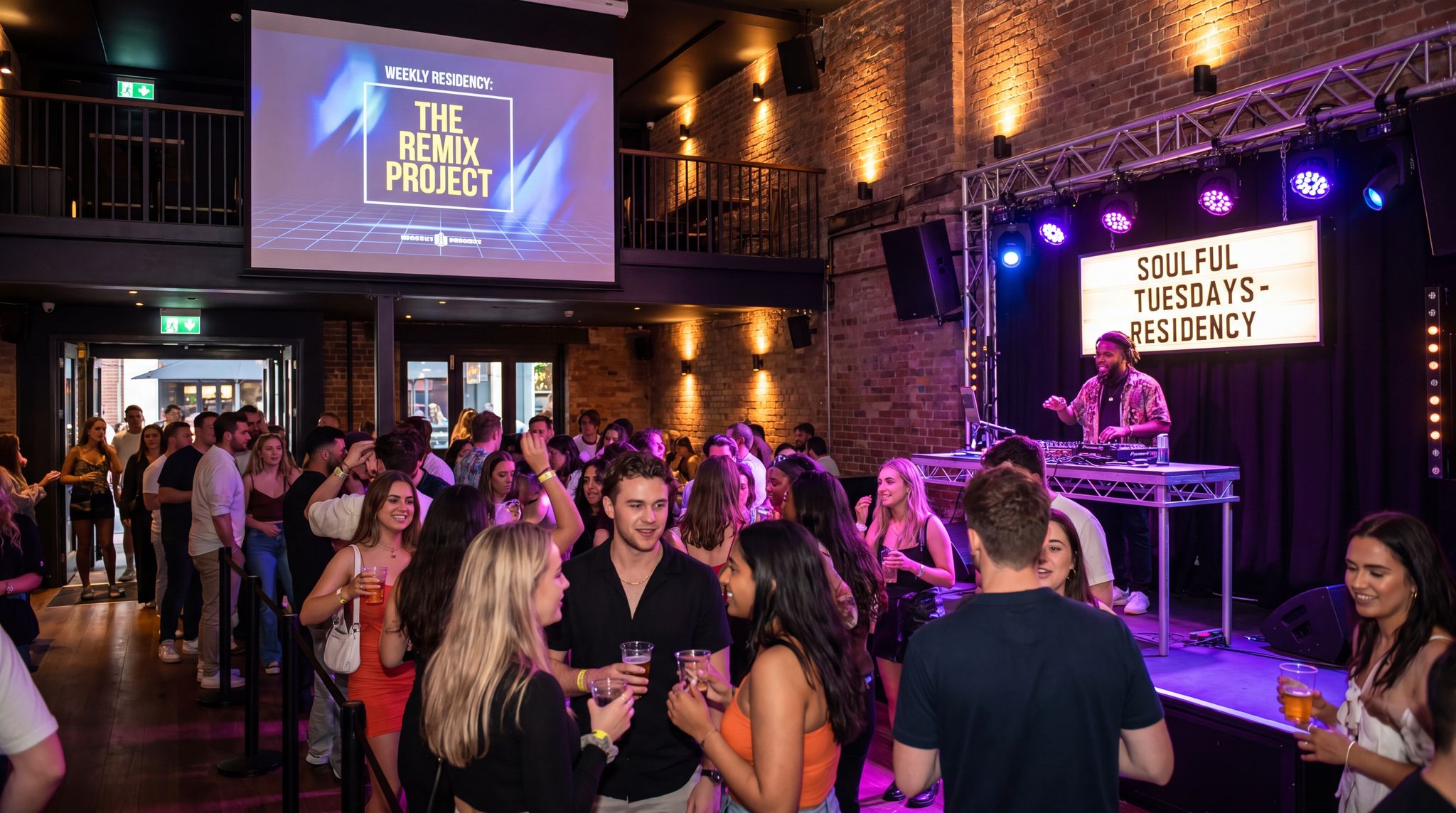
The overarching lesson is that successful venues anticipate audience behaviors and adapt accordingly. That might mean choosing the right event format too. If you have a culturally diverse calendar, you could schedule events that match certain audience norms – for example, a standing-room-only late-night DJ show geared toward an international student crowd on one night, and a cabaret-style seated gig with table service for an audience that expects a more formal atmosphere on another. In 2026’s competitive venue landscape, this kind of cultural agility is a real differentiator. As one article on rising venue competition noted, it’s hard to stand out just on gear and talent alone – creating an experience that “feels right” to different audience segments is what wins fans over, effectively managing international venue operations and earning loyalty for the long term, aided by navigating cross-border travel and cultural logistics. If you become known as the venue that “gets” a particular community’s culture, you’ll earn that community’s loyalty for the long term.
Amenities and Comfort Across Cultures
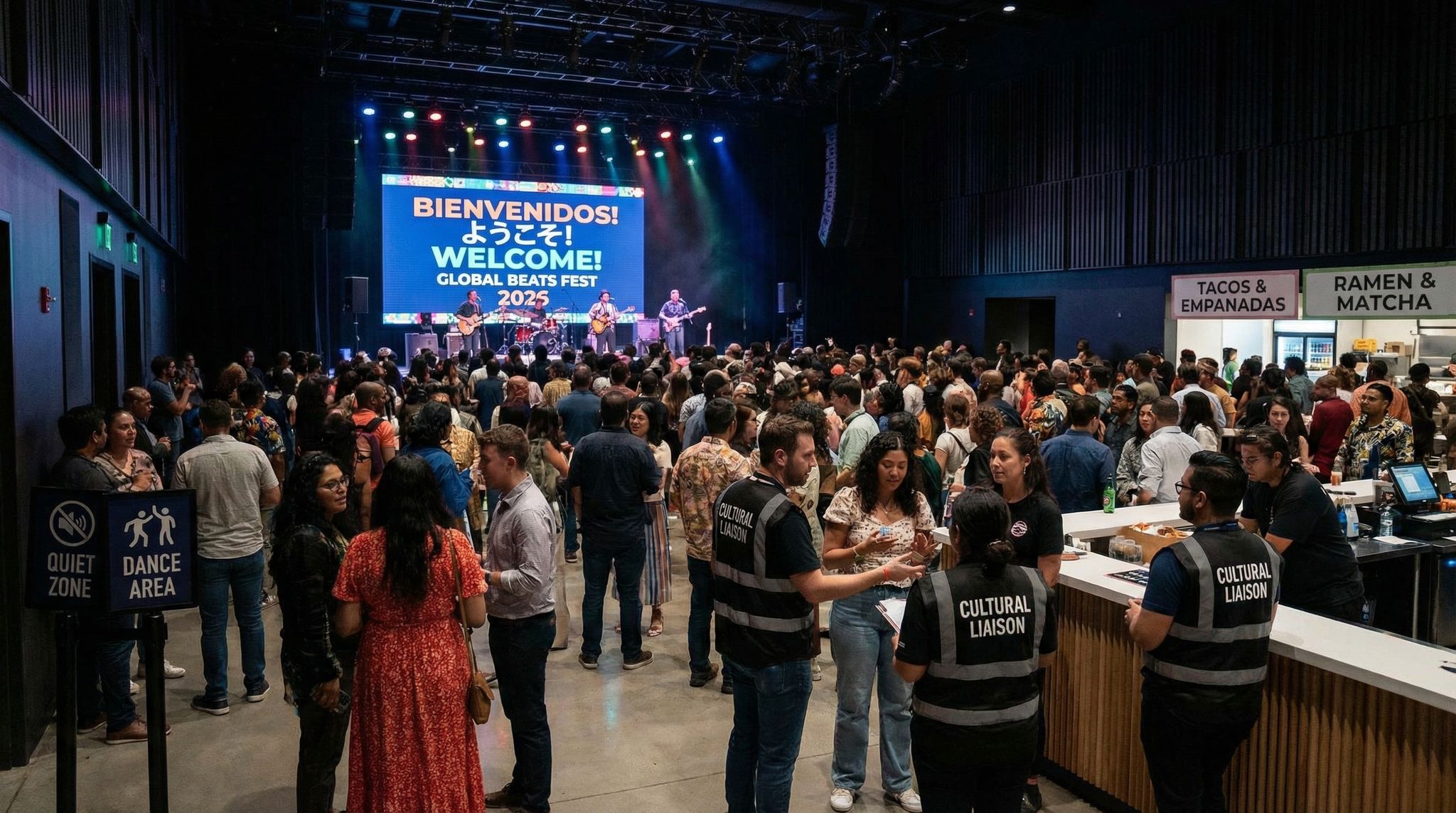
Beyond behavior, there are concrete amenities and services that different cultural groups value. Leading venues take a close look at their front-of-house offerings – from concessions to facilities – to ensure no cultural group feels unwelcome or overlooked. A classic example is food and beverage options for the audience. In a global city like London or New York, you might have a mix of guests from around the world at any given large event. Do your concessions cover a spectrum of tastes? Offering an international food selection (even if it’s just a couple of diverse items) can make a big difference. Something as simple as having a vegetarian or halal food stall at a festival can draw praise from attendees who otherwise feel their needs aren’t considered. According to 2026 venue trends, the industry is moving beyond the old “beer and burgers” menu to include more inclusive wellness and comfort options. This isn’t just health-consciousness – it’s cultural consciousness. If your venue in Sydney regularly hosts touring acts from India, for instance, having a flavorful vegetarian curry option or familiar Indian snack on the menu might delight the fans of that act who come from the Indian diaspora. Know your audience demographics and consider rotating specialty vendors for big shows (e.g. bring in a local Mexican food truck when a Latin rock band is playing, or a bubble tea stand for a K-pop concert). These touches signal to fans, “We see you and we want you to feel at home.” And often, they boost revenue by increasing F&B take-up from those guests.
Amenities also extend to facilities like restrooms, prayer rooms, and smoking areas. Cultural norms influence how people use these spaces. For instance, if you’re hosting an event with many Muslim attendees (or artists), providing a clean, private prayer room is extremely appreciated. During Ramadan season, savvy venues even set aside a quiet area and provide dates and water for attendees to break their fast in the evening – a small gesture that earns enormous goodwill from the community. On the flip side, if your event is in a country where religion isn’t a big factor for most attendees, you might focus more on other comfort zones like a sensory-friendly room for those who need a break from the noise (a feature that appeals across cultures and is becoming a venue differentiator for accessibility). It’s all about reading your audience: a daytime family event in Dubai might need both a prayer space and a women-only lounge area; a midnight techno party in Berlin might need ample coat check and rehydration stations instead.
Smoking is another cultural divergence. While most indoor venues worldwide are non-smoking by law now, outdoor events or designated smoking patios need managing based on expectations. European and East Asian attendees have historically higher smoking rates at events; if you host a festival with many Europeans, ensure the smoking areas are clearly marked and perhaps larger than you’d allocate for an American audience of the same size. In Japan, where rules around where you can smoke are strict but there are many smokers, having an orderly smoking section with proper signage (in Japanese and English) and even courtesy ashtrays can show respect for both smokers and non-smokers. Little operational details, like offering earplugs or hearing protection for audiences that might not be used to high decibel concerts, can also tie into cultural expectations around safety and comfort.
Accept Payments Across 13 Countries
Local currency processing via Stripe, Razorpay, Xendit, Paystack, and OXXO across 13 countries with region-specific payment methods.
One amenity that transcends all borders is access to free water and clean restrooms, but even here culture creeps in. Some audiences are used to free water stations at events (especially in countries where tap water is safe and frequently offered); others might not expect it but will love that you have it. It’s an increasingly standard practice in 2026 to provide hydration stations and comfort amenities – not doing so could be seen as backward or stingy. Likewise, ensure restroom provisions meet the cultural comfort of your guests. For example, Western audiences might expect ample toilet paper and soap; some Asian audiences appreciate bidet attachments or water for cleansing; at a minimum, keep everything extremely clean because standards of public restroom tolerance vary (what flies at a muddy American rock festival might draw heavy complaints at a more formally minded event in, say, Singapore).
Finally, consider customer service style as part of the audience experience. Cultural communication norms influence whether guests perceive staff as friendly or rude. In the US or UK, a very friendly, casual tone from event staff (“Hey folks, how’s it going tonight?!”) is pretty normal, even welcome, but customer service styles must adapt. But in parts of Asia and continental Europe, a more formal, polite-but-reserved tone is expected from service staff. An overly chatty or first-name-basis approach might unintentionally come off as unprofessional in those settings. Train your front-of-house team to match the service tone to the audience. If you’re hosting a show for a Japanese tour group, coach staff to use polite forms of address, perhaps bow or give a slight nod when interacting, and avoid loud, boisterous behavior. If your venue is in New York but you have a large number of international tourists at a Broadway show, instruct the ushers to speak a bit more slowly and clearly (many guests might not be native English speakers) and be prepared to point to signs or programs for clarity rather than relying only on spoken instructions.
Language accessibility is a huge part of customer service, which we’ll delve into next. But as a rule of thumb, the best venues treat every guest as a VIP – and when those VIPs come from a culture different than your own, it pays to adjust your approach. This might all sound like extra effort, but the payoff is substantial. Venues that successfully cater to diverse cultural expectations earn a reputation as welcoming, inclusive, and comfortable. In an era where online reviews and fan word-of-mouth can make or break your business, being known as “the venue that really knows how to take care of [X] community or [Y] fans” is marketing gold. It’s no surprise many independent venues surviving intense competition credit their community-focused, culturally sensitive touch as the reason artists and audiences choose them over cookie-cutter corporate halls, effectively managing international venue operations and earning loyalty for the long term, aided by navigating cross-border travel and cultural logistics.
Mind Your Language: Communication & Signage for a Global Crowd
When cultural and language differences collide, clear communication is your lifeline. Nothing makes international guests feel more lost than arriving at a venue where all the signage, announcements, and information are in a language they don’t understand. In 2026, there’s no excuse for that – especially not in major cities or tourist destinations. Even if your venue is in an English-speaking country, you should assume that a chunk of your audience (or crew, or artists) may not be fluent in English. Bridging language gaps is essential for both hospitality and safety, ensuring fans trust the venue and want to return.
Start with the basics: signage and printed materials. At minimum, ensure critical signage (entrances, exits, restroom labels, safety instructions) is using universally recognized symbols or pictograms alongside words. For example, the exit signs with the running man symbol, the classic icons for male/female/unisex restrooms, and so on, transcend language. Next, consider adding translations for key signs if you regularly host a particular international demographic. A venue in Miami that often hosts Latin American visitors might have Spanish-English bilingual signs for directions. In Europe or Asia, multi-lingual signs are even more expected. Large venues in the EU often include English plus the local language on informational signage, knowing that English serves as the lingua franca for many travelers. The Tokyo Olympics 2021 set a great precedent by using four languages on all venue signs (Japanese, English, Chinese, and Korean) – many Japanese venues kept those multi-language signs in place thereafter, finding they significantly improved foreign visitor navigation.
Be sure to extend this thinking to Tickets, websites, and customer emails. If you sell a significant number of tickets to overseas guests, your website and ticketing platform should accommodate multiple languages and currencies. Fans are far more likely to attend if buying a ticket doesn’t require decoding a foreign language or worrying about exchange rates. Consider offering translated event descriptions or an FAQ page in other common languages of your audience. Even automated translation is better than nothing (just include a disclaimer). Importantly, ensure the day-of-show info you send out (like gate opening times, prohibited items, etc.) is understandable to non-local attendees. This might mean a bullet-point summary in English (if your main market’s language is different) or vice versa. Seasoned international venue managers stress that providing information in the guest’s language dramatically reduces confusion at the door and cuts down ingress time, by addressing language, media platforms, and cultural nuances. When people know exactly where to go and what to expect (because you communicated clearly in advance), you avoid a lot of day-of chaos.
Boost Revenue With Smart Upsells
Sell merchandise, VIP upgrades, parking passes, and add-ons during checkout and via post-purchase emails. Increase average order value by up to 220%.
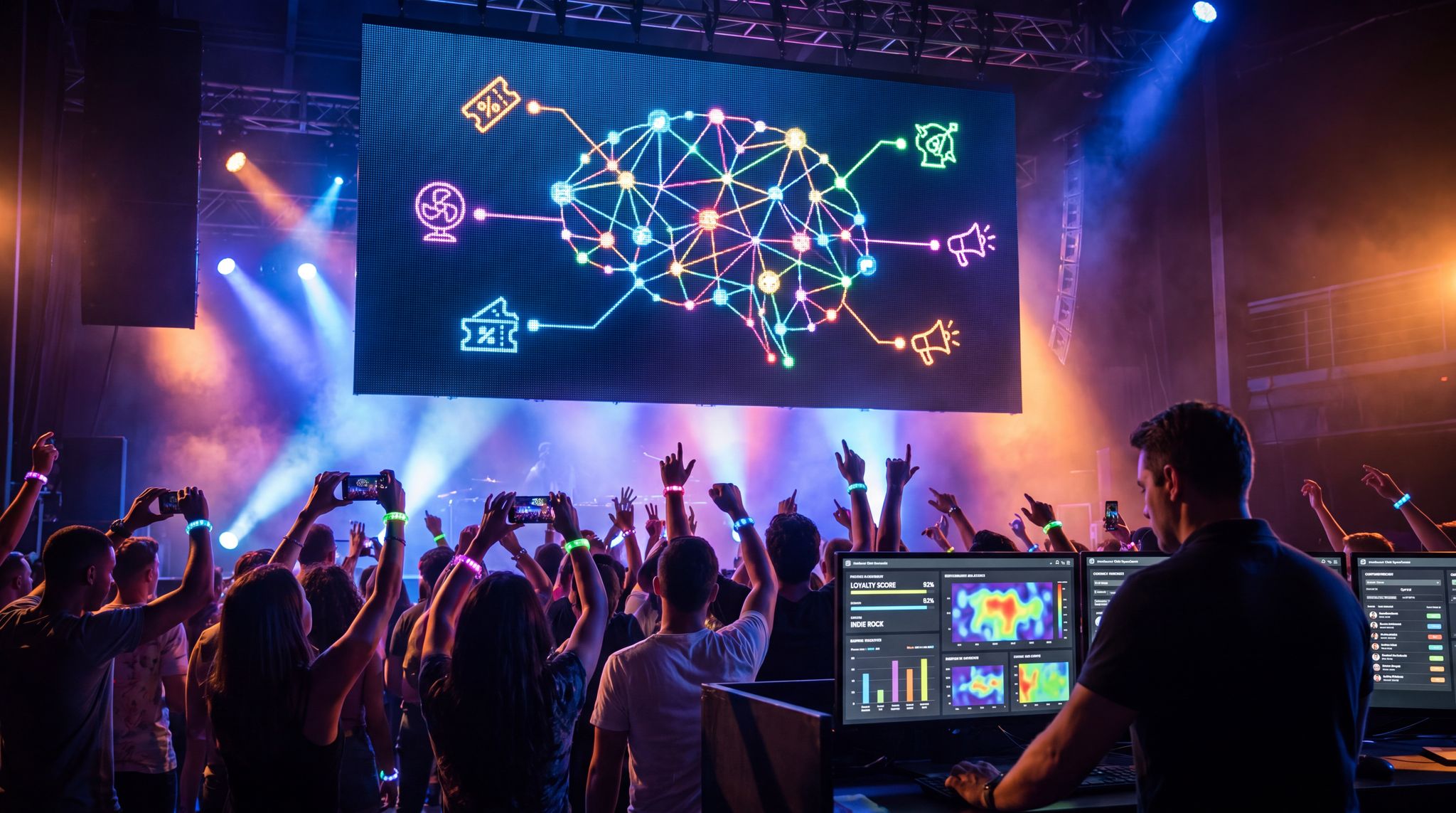
To truly master communication, a proactive venue operator relies on deep audience insights gathered during the ticketing process. Knowing the geographic breakdown of your ticket buyers allows you to adapt the visual culture for a global audience before they even arrive. This means moving beyond basic translations to incorporate culturally resonant imagery, color psychology, and universally understood digital wayfinding. When your production team understands the visual cues that make international guests feel secure and oriented, the entire front-of-house operation runs more efficiently.
Beyond pre-arrival data, capturing in-venue audience insights has become a game-changer for operators in 2026. By analyzing real-time behavioral metrics—such as which multi-lingual digital wayfinding kiosks get the most traffic, or how international attendees navigate the concourse via venue app usage—you can dynamically adjust staffing. If real-time on-site analytics show a surge of non-native speakers congregating near a specific merchandise stand, you can immediately dispatch bilingual guest services personnel to that zone, turning raw data into a seamless hospitality experience.
During the event, spoken announcements are another consideration. If you have the capability, it’s great to have a translator or bilingual MC make key announcements in a second language. For instance, at a world music festival in Singapore, the MCs would repeat all safety and schedule announcements in English, Mandarin, and Malay to cover the major language groups in the audience. Audiences really notice these efforts. If a translation isn’t feasible for every announcement, try to do at least the welcome greeting and the thank-you at the end in the prominent second language as a show of respect. And absolutely make sure any emergency announcements (e.g. an evacuation order) are communicated in a way that everyone can understand. This could mean having a script prepared in another language or simply training staff to guide non-local speakers to safety. (Here’s where visual aids – flashing lights, arrows on screens, etc. – become vital if language fails.) Modern emergency alert technology allows mass SMS or app notifications in multiple languages, following international standards for multilingual safety signage, so if you use a venue app, encourage international attendees to download it for real-time updates.
Don’t overlook the personal touch in communication. Have a plan for multilingual staffing: hiring bilingual front-line staff or volunteers can pay dividends. If you know a large tour group from France is coming to your Los Angeles venue, station at least one French-speaking staffer at the entrance or info desk. Even if they only end up helping a handful of guests, it turns what could have been a stressful interaction into a positive one. Many venues partner with local cultural associations (like a Chinese community center, a university international club, etc.) to source volunteers who can assist international visitors during big events. This not only helps with language but signals a sincere welcome.
One often forgotten aspect is artist communications to the crowd. Encourage and help facilitate your performers to acknowledge the local culture or language. Something as simple as the headliner saying “Gracias, mi gente!” at a show in Mexico City or “Arigato gozaimasu” in Tokyo can elicit huge cheers. If the artist is open to it, you can provide a few phonetic phrases or a local flag for them to use on stage – audiences love these gestures. (Of course, ensure any flag or symbol usage is appropriate; for example, avoid using national flags in ways that might violate local etiquette or laws.) If the artist’s team is international, consider supplying them with cheat sheets on local phrases or customs. Many top venues do this routinely now – providing a one-pager in the green room with notes like “Tonight’s crowd: ~40% are traveling from abroad, mostly Brazil and Chile; common local cheer: they will likely sing ‘Olé, Olé’ chant; encores are customary, so plan for at least one extra song.” This kind of info aligns the performers with the crowd culturally and makes the whole experience more cohesive.
Finally, let’s talk technology briefly. In 2026, there are plenty of translation tools and apps that can assist communication in real time. Some venues employ handheld translator devices at info desks, or have tablets where a guest can select their language and ask a question that auto-translates to the staff and back. Even having QR codes around the venue that link to information pages in multiple languages is a cheap, effective solution. Tech aside, the golden rule is to ensure every guest knows what’s going on and can easily find help if they need it, no matter what language they speak, which is critical when booking overseas talent and managing logistics. The better you communicate across language barriers, the more confident (and safe) your international audiences will feel.
Quick Comparative Snapshot: Different regions have distinct live-event norms. Here’s a quick overview of how audience behavior and expectations can vary, and what venues can do to adapt:
| Region / Culture | Typical Audience Behavior & Norms | Venue Tip: Operational Adaptation |
|---|---|---|
| Japan (East Asia) | Quiet, attentive audiences. Minimal cheering during songs; applause at formal cues. Very punctual – shows start and end on time. | Use polite, formal customer service. Emphasize punctuality (don’t run late!). Provide familiar comforts like hot green tea in concessions and light snacks. Avoid forcing crowd participation – let them enjoy quietly. |
| Latin America (e.g. Brazil, Argentina) | Boisterous, participatory crowds. Singing, dancing, and loud cheering are the norm; multiple encores expected. Shows often start later than scheduled (flexible timing). | Embrace the energy – allow dancing and singalongs. Schedule buffer time for encores and later start times. Bolster security and first aid to manage enthusiastic crowd surges (hand out water, watch for overheating). Consider local food vendors (tacos, empanadas) to cater to tastes. |
| Germany (Northern Europe) | Disciplined crowds with high respect for rules. Mix of seated and standing sections common; people don’t typically obstruct others’ views. Rare to see in-seat vendors – fans get food/drink during breaks. | Ensure clear organization: marked seating, punctual start/finish, and efficient queue management. Provide plenty of concession capacity for interval breaks (instead of roaming vendors). Staff should be friendly but not intrusive. Uphold noise ordinances and curfews strictly – local attendees expect compliance. |
| Middle East (e.g. UAE) | Audiences are enthusiastic but mindful of local customs (e.g. no overt public misbehavior). Many events are very international (expat-heavy crowds). Official rules on modesty and conduct can influence event (no profanity, etc.). | Brief all artists and crews on local laws (no swearing on stage, dress codes if any). Provide halal food and alcohol-free options at bars (and clearly label them). Designate private areas for prayer or relaxation. Security should be present but sensitive – e.g. mixed-gender crowd interactions are fine in most UAE venues now, but maintain respectful tone. |
| United States / UK | Loud and engaged audiences across genres. Fans are accustomed to crowd interaction, standing, and vocalizing (whoops, shouts) during shows. Customer service expectations are high (friendly, helpful staff). | Encourage staff to be warm and conversational with guests. Allow crowd movement (standing/dancing) in appropriate areas – over-securing can draw complaints. Monetize the high engagement: merch sales in-crowd, roaming vendors at big venues, VIP upgrades on the fly. But also enforce safety rules (Americans expect robust safety measures and quick response if issues arise). |
(The above are general tendencies; always research the specific audience demographics and event context for best results.)
Respecting Local Customs, Laws & Community Values
Cultural adaptation isn’t only about etiquette and preferences – sometimes it’s baked into local laws, regulations, or community expectations. A diligent venue operator will be well-versed in these factors to avoid costly missteps. Every region has its “unwritten rules” (and quite a few written ones) about what is permissible or frowned upon in live events. Your job is to align your operations with those local customs and legal requirements, while still delivering a great show. Here we cover how to navigate this balance.
Content and Conduct: Knowing Where the Line Is
One of the most critical areas is the content of the show itself. What flies in Los Angeles might get you shut down in Dubai. It’s essential to brief any international artists (and their crews) on local restrictions around speech, gestures, and performance content. Many Middle Eastern and Asian countries have strict laws on profanity, nudity, political speech, and even certain dance moves or lyrics. For example, a heavy metal band that casually swears on the mic in London could face hefty fines or even legal trouble for doing the same in Abu Dhabi. In Singapore, drug references on stage or obscene language can violate public decency laws. Veteran promoters share plenty of anecdotes of artists nearly getting in trouble – or having to apologize profusely – because they didn’t realize a particular rant or gesture was forbidden. The simplest solution is prevention: communicate with the artist’s team well in advance about any “red lines.” Most tour managers will then adjust the setlist or brief the artist. As a venue, having a written “local rules” addendum as part of your contract or advance packet is wise. List anything they should avoid (swear words in local language and English, sensitive political topics, religious symbols, etc.) – and don’t assume they already know. It’s far better to have what might be an awkward conversation upfront than a genuinely awkward (and costly) situation during the show.
These content considerations become even more complex for spoken-word performances. If you are hosting an international stand-up tour, you must account for the unique challenges of performing comedy in different global locations. Humor is deeply tied to local context, slang, and societal norms; a joke that lands perfectly in New York might be confusing or offensive in Tokyo or Dubai. As a venue operator, you can provide immense value by offering touring comics a brief cultural assessment of the local market—highlighting sensitive topics, current local events, and linguistic nuances—so they can adapt their setlist and build a stronger connection with the room.
When evaluating what the unique challenges are for a comedian performing in another country, venue managers must recognize that stand-up relies heavily on shared cultural touchstones. Unlike music, which can transcend language barriers, comedy requires precise timing, localized slang, and an understanding of regional taboos. A touring comic might struggle with pacing if the audience’s reaction time is delayed due to translation processing, or they might inadvertently cross a line with a seemingly harmless pop-culture reference. Proactive venues mitigate these hurdles by connecting the artist’s team with local cultural consultants who can review the material during the advance process, ensuring the humor translates effectively without losing its punch.
Turn Fans Into Your Marketing Team
Ticket Fairy's built-in referral rewards system incentivizes attendees to share your event, delivering 15-25% sales boosts and 30x ROI vs paid ads.
In addition, understand community sensibilities. Even if something isn’t illegal, it could be culturally offensive. For instance, in many Asian countries it’s frowned upon to disrespect elders – so an artist making a crass joke about “someone’s grandma” might land poorly. In some countries, showing excessive affection or sexuality on stage could upset portions of the crowd or draw negative media, even if not explicitly banned. Know the local audience makeup: if you’re in a very conservative town, maybe discourage the artist from too much swearing or provocation (without stifling their art – it’s a fine line). Conversely, if you’re hosting a traditionally marginalized community event (say, an LGBTQ+ pride show in a region where that’s sensitive), double down on communication with local authorities and ensure you’ve covered security and inclusivity to protect your patrons. Cultural adaptation can sometimes mean standing up for the culture of the audience or artist in environments where they aren’t the majority. Seasoned venue operators in 2026 emphasize being an ally to your performers and guests – which includes behind-the-scenes advocacy with local officials to let the show be authentic when it matters, and adjusting aspects of production when it’s prudent. Finding that balance is key to delivering an event that is both respectful and resonant.
The industry’s approach to these sensitivities has matured significantly over the past few years. If you look back at foundational industry discussions—such as a widely shared “respect for local norms and cultures” 2021 blog post that circulated among promoters during the pandemic downtime—the focus was largely on basic compliance and avoiding PR disasters. Today, that baseline respect has evolved into a proactive operational strategy. It is no longer just about avoiding fines; it is about actively integrating regional values into the production design to create a more authentic and welcoming environment for both the talent and the ticket buyer.
Local Calendars, Holidays & Community Relations
Adapting to cultural differences also means working with the rhythms of the local community. Every locale has its calendar of holidays, prayer times, and local traditions that can impact your event operations. Ignoring these is a classic rookie mistake that can reduce attendance or anger your neighbors.
Firstly, always check the local holiday calendar and festival cycle when scheduling shows. If you’re bringing an international tour to a country, make sure it’s not coinciding with a major cultural holiday unless your event is positioned as part of the celebration. For example, trying to stage a concert on the evening of Chinese New Year in Beijing or the first day of Diwali in India would be futile – people are with family or engaged in their own festivities. On the other hand, some holidays present opportunities: during India’s Holi festival or Brazil’s Carnival season, tailoring an event to the theme (or avoiding those dates if your event isn’t related) is just smart planning. In predominantly Muslim countries, Ramadan is a crucial consideration: many venues either avoid hosting concerts during Ramadan or adjust timing (late-night shows after fast-breaking, no food or drink service until sunset, etc.). Being sensitive to these patterns shows respect and also makes business sense.
Next, consider time-of-day and weekly rhythm differences. In some cultures, late-night events are standard (Spain’s clubs famously get busy at 1am, for instance), while in others late events might be restricted or just unpopular. If you’re an international act touring abroad, lean on local promoters’ knowledge for start times. Venue operators can help by explaining local norms to touring crews – like how in the UK, most gigs end by 11pm due to licensing and neighborhood noise rules, whereas in Argentina a headliner might only hit the stage at midnight. Even the concept of an “all-ages afternoon show” vs. a “21+ evening show” can vary by culture. Aligning event timing with local expectations will improve attendance and compliance with regulations (nobody wants a noise curfew fine because they assumed they could play past midnight when they can’t, a common pitfall in artist hospitality and logistics). Always double-check noise ordinances and curfews when operating in a new city, as emphasized in guides to artist hospitality – these often tie back to local community tolerance levels. Some cities (like Berlin) have legendary tolerance for late-night noise in entertainment districts, while others (like many small UK towns or even parts of Australia) enforce strict quiet hours. Your cultural sensitivity here earns trust with the local community and authorities, which is vital for your venue’s long-term survival.
Part of respecting local culture is also engaging positively with the community around your venue. Especially if you operate in a foreign country or a culturally distinct neighborhood, show that you value local customs and people. This can be as straightforward as coordinating with local residents’ groups to ensure your event doesn’t trample on a sacred day, or as involved as incorporating local cultural elements into your programming as a goodwill gesture. For instance, a city-owned venue in a multicultural area might host free community nights for different cultural groups – a Lunar New Year celebration, an Eid gathering, etc. (Many savvy municipal venue managers use this approach to balance public service with their commercial shows, helping to navigate international venue operations and respect labor laws and cultural expectations.) Even if you’re a privately run venue, consider inviting local cultural performance groups to open a show for an international artist. Did a famous metal band from the US come to town? Perhaps invite the local indigenous tribe’s drum group to bless the stage first – it’s a powerful moment for everyone and shows respect for the local heritage. These kinds of gestures embed your venue in the cultural fabric of the community.
Smooth Entry With Mobile Check-In
Scan tickets and manage entry with our mobile check-in app. Supports photo ID verification, real-time capacity tracking, and multi-gate coordination.
Lastly, build relationships with local cultural advisors and fixers. When you’re operating globally, you can’t possibly know every nuance of every culture – but you can consult those who do. Partner with local promoters, tap into venue alliances, and learn from fellow venue operators who have experience in that region. Many independent venues have formed alliances by 2026 to share knowledge and support each other in managing international venue operations. If you’re unsure how to handle something like gender-separated seating requests or a last-minute request from an artist for a local spiritual ritual, having a network of contacts to call is invaluable. Even local government cultural offices or tourism boards can provide advice on making international visitors feel welcome (since it aligns with their goals too). And don’t forget to involve local law enforcement and emergency services in your planning when appropriate. As mentioned earlier, local police or safety officials can clue you in to cultural crowd behaviors or concerns – whether it’s a known issue with pickpockets at big concerts or understanding that a certain fan chant always happens at soccer games and might at your show, so ensure your plan is executed with local expertise. These insights help you prepare accordingly (more CCTV and security for pickpockets, or extra barriers if fans might rush the stage at a specific song, etc.). By proactively embracing local knowledge, you demonstrate humility and respect, which goes a long way in foreign contexts.
In summary, aligning your operations with local customs and community values is about doing your homework, showing respect, and finding win-win opportunities. The result is fewer conflicts, happier neighbors, and a reputation as a venue that honors its host culture while hosting global talent.
Frequently Asked Questions
Why is cultural awareness important for live event venues?
Cultural awareness is crucial for venue success as international concert travel rose 32.6% in 2025. Adapting operations to diverse expectations prevents costly misunderstandings and elevates the guest experience. Venues that tailor hospitality and logistics to global audiences foster loyalty and avoid alienating fans or artists with insensitivity.
How should venues handle catering for international touring artists?
Venues must research specific dietary laws and religious restrictions, such as halal or kosher requirements, before sourcing catering. Operators should avoid culturally inappropriate items like beef or pork for certain groups and provide creative local substitutions, ensuring the tour manager is briefed on ingredients to build trust and comfort.
What is the proper etiquette for greeting international performers backstage?
Proper backstage etiquette requires briefing staff on an artist’s specific cultural background and formality levels. While some cultures welcome casual greetings, others expect formal titles or bowing. Staff should mirror the artist’s demeanor and observe customs regarding personal space, shoe removal, or gender interactions to show respect.
How does concert audience behavior vary across different cultures?
Audience behavior varies significantly by region, with Japanese crowds often remaining quiet and attentive while Latin American audiences are typically exuberant and vocal. Venue operators must adjust security protocols, show pacing, and crowd management strategies to accommodate these differences, ensuring safety without dampening the specific energy of the crowd.
What amenities should venues provide for diverse cultural audiences?
Venues catering to diverse crowds should provide inclusive amenities such as private prayer rooms, sensory-friendly zones, and dietary-specific concessions like halal or vegetarian options. Essential facilities also include clean restrooms with culturally appropriate hygiene features and clear, multi-lingual signage to ensure comfort and accessibility for all international guests.
How can venues improve communication for non-English speaking attendees?
Venues can bridge language barriers by utilizing universal pictograms for signage and offering digital information in multiple languages. Employing bilingual staff or volunteers and using translation apps for real-time assistance ensures safety and clarity. Critical emergency announcements must be accessible through visual aids or multi-lingual alerts to protect all attendees.
How do local laws impact international concert performances?
Local regulations regarding profanity, nudity, political speech, and noise curfews strictly dictate performance content in many regions. Venue operators must brief international artists on legal restrictions and community sensibilities to prevent fines or legal issues, ensuring the show complies with local standards while maintaining artistic integrity.
How do cultural holidays affect event scheduling and operations?
Cultural holidays significantly impact attendance and logistics, requiring venues to avoid scheduling conflicts with major observances like Diwali or Lunar New Year. During periods like Ramadan, operations may need adjustments such as later start times or specific food service modifications to respect local traditions and maximize community engagement.
What does it mean to gain cultural assent for a live event?
Gaining cultural assent means securing the informal approval, respect, and cooperation of the local community and its cultural leaders. For a venue operator, this involves proactive outreach, respecting local traditions, and ensuring that international event programming does not violate community norms, thereby building long-term goodwill and operational stability.
How can venue operators support international comedians facing the challenges of performing in different countries?
The unique challenges of performing comedy in multiple global locations revolve around translating humor, navigating local taboos, and understanding regional slang. Venue operators can support touring comics by providing detailed audience insights and a cultural briefing upon arrival, helping the artist tailor their material to resonate safely and effectively with the local crowd.
How can venues gather in-venue audience insights to improve international events?
Operators can utilize venue apps, digital kiosk interactions, and Wi-Fi login data to gather real-time on-site analytics. These metrics help managers deploy bilingual staff to high-traffic areas and adjust crowd flow dynamically based on attendee behavior.
Why should venue operators partner with cultural food heritage festivals?
Hosting or partnering with cultural food heritage festivals provides venues with valuable operational insights into diverse culinary logistics. These events allow managers to test specialized vendor infrastructure, which can inform permanent, culturally inclusive concession strategies for 2026 and beyond.