About Auckland War Memorial Museum
The Auckland War Memorial Museum (also called AWMM or Auckland Museum) is the city’s premier museum and war memorial. It sits atop the Auckland Domain (an extinct volcano crater) in Parnell and is one of New Zealand’s oldest and largest museums . The core of the building opened on 28 November 1929 as a neoclassical war memorial (originally funded by public subscription and government grants) . Its grand limestone façade and soaring copper-clad dome (nicknamed the “Temple on the Domain”) are decorated with carvings of WWI battles and poppy motifs, and fountains honour campaigns in Gallipoli and Palestine . Inside, the museum combines natural history and culture: it hosts huge collections of Māori and Pacific artefacts, New Zealand birds and fossils, and world-class historical galleries . The top-floor War Memorial Sanctuary bears over 7,000 carved names of Aucklanders lost in World War I, with a WWII annex added later . This dual role as a history museum and sacred memorial makes the venue unique: it’s a Category I heritage site and the focal point of Auckland’s ANZAC Day dawn services .
Events and Programming
AWMM is active year-round with exhibits, cultural programs and private events. Regular offerings include guided tours, school programmes, and interactive family exhibits (such as dinosaur fossils and live Kiwi feeds in the Kids Zone). Special exhibitions rotate frequently and have featured international shows as well as locally-curated displays. A recent highlight was a major Māori exhibition (often called the “Te Rā” exhibition) that reunited taonga like the historic sailing vaka Te Rā and the war canoe Te Toki a Tapiri in the redeveloped Māori Court . In addition, the museum hosts dozens of one-off events each year: university lectures, science workshops, community gatherings and gala dinners. For example, in 2023 the museum’s dome space was used for the “Breast Cancer in Māori, Pasifika and Indigenous Communities” conference , and a creative music event (“#TheSoundProjekt” beatmaker contest) took place in 2022 . The annual after-hours “LATE” series blends art, music and debate (past themes range from ocean conservation to futuristic dystopias ). The museum’s stunning Great Hall under the dome (often called the Event Centre) has seated up to 600 people theatre-style or 450 at banquets , making it a popular venue for awards galas and cultural ceremonies. In short, AWMM’s programming spans everything from solemn ceremonies (like ANZAC commemorations) to festive cultural performances and educational events, often with local Māori and Pacific content woven in.
Tickets and Booking
General museum admission is required for entry to the galleries, and tickets can be bought on-site at the entrance or in advance online. Adult tickets are typically in the low NZ$20 range, with discounts for seniors, students and children (child entry is usually free or heavily discounted). Special exhibitions may have separate or timed-entry tickets – it’s best to check the museum’s website for current pricing. Overseas visitors might save money by using a multi-attraction pass; for example the “Discover Auckland Pass” includes AWMM and five other Auckland attractions for $75 (per adult, 5 days) . For events or performances held at AWMM, tickets are often sold directly through the museum’s box office or official channels. Popular events can sell out, so members and affiliates often get early access. As a rule, purchase tickets only from the museum or trusted partners. For large functions (gala dinners, conferences, weddings), clients work with the museum’s events team and caterers (such as Collective Hospitality) to book well in advance. In practice, planning ahead is wise: check the museum’s events calendar and book online or by phone as soon as tickets go on sale. Finally, keep an eye out for special offers – the museum occasionally runs promotions or free-entry days for certain communities or anniversaries.
Seating and Layout
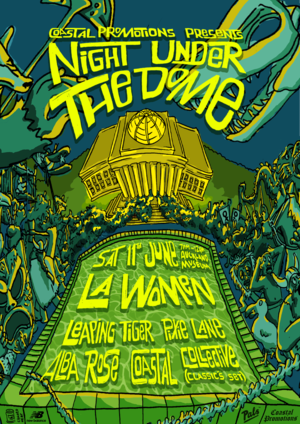
The museum’s historic hall under the copper dome is its largest event space. Known as “Under the Dome,” it can hold about 600 people seated (theatre-style) or roughly 500 standing . This open-plan hall has a raised stage area at one end and full audiovisual infrastructure, so it’s used for presentations and banquets alike. For smaller audiences, there is a dedicated auditorium (near the dome on the upper floors) with fixed tiered seating for around 199 people . Additional rooms like the Grand Foyer (with its stained-glass ceiling and columns) or themed galleries (e.g. the dinosaur-filled Origins Gallery) serve as atmospheric reception/cocktail areas. For instance, the Origins Gallery (with prehistoric skeletons on display) can be set for about 200 cocktail guests . In general, the best seats in any event are the front-centre rows of the main hall – these offer clear sightlines and the most balanced acoustics. The upstairs balcony also gives a panoramic view of the dome space below. For museum visits, there is no assigned seating; however, visitors should note that many key exhibits span several floors. It’s best to start on the top floor (the WWI and Māori exhibits) and work downward toward the ground level. Overall, AWMM has multiple room configurations: theatre style, banquet style, classroom style, or standing/cocktail depending on the event, so planners should consult the venue staff when finalizing seating plans.
Getting There and Parking
The museum’s official address is on Park Road (Auckland Domain) in Parnell, Auckland. By car, you’ll approach via Park Road or Domain Drive. There is an underground carpark with about 200 spaces (entrance on Maunsell Road, off Park Road). This on-site lot is pay-and-display – typically around NZ$7.50 for 2 hours – but note that street parking around the museum is free up to 3 hours (check signs) . Disabled parking bays are available close to the main entrances, and a wheelchair ramp leads from the carpark to the museum foyers . If you prefer public transport, the free CityLink bus (inner-city loop) stops within a 5-minute walk on Park Road outside the Parnell Community Centre . Route 781 (Mission Bay–Britomart) stops directly in front of the museum . Other frequent buses (for example from Mt Eden or downtown via routes 70/75) drop you a 10–15 minute walk away . The nearest major train station is Newmarket (about 15–20 minutes’ walk through the Domain), with onward buses or shuttles to Domain. For rideshares or taxis, drop-off is easiest on Park Road at either the main foyer (south side) or Parnell Road entrance (north side). In all cases, allow extra time for traffic or pedestrian crowds, especially on weekends and holidays.
Inside the Venue
As you enter the museum, you’ll find ticketing and information desks in a high-ceiling foyer with stone pillars. Security is minimal but expect a casual bag check (phones and small cameras are fine; large tripods or selfie-sticks may be restricted). Once inside, the atmosphere is grand yet relaxed – polished marble floors, Māori carvings and war memorial plaques create a respectful ambience. Restrooms (including accessible toilets) are available on each level near the lifts and stairwells. If you get hungry or thirsty, the museum’s flagship cafe (Tūī tūī Bistro in the new Te Ao Mārama atrium) offers full meals, coffee and snacks . There are also beverage kiosks for tea, coffee and quick bites adjacent to key galleries. Eating is not allowed in the exhibitions, but you can bring water or snacks to enjoy in the foyer or outdoor grounds. The museum shop in the foyer sells high-quality New Zealand-themed souvenirs and books – a good place to grab a gift. Free Wi-Fi is typically available in public areas, and a strong mobile signal helps if you need maps or camera. If attending a concert or private function, event staff manage coat-check (usually complimentary or a small fee). The general layout is mostly flat or gently sloped for easy movement between galleries; a wheelchair ramp at each main entrance and elevator access mean all public levels are accessible . Ushers or guides can point you to elevators, restrooms, and other amenities.
Nearby Amenities
The museum is surrounded by Auckland Domain parkland, but there are plenty of services within a short distance. Parnell Village (a 5–10 minute walk along the Domain Drive or Parnell Road) is the closest dining precinct. There you’ll find cafes and restaurants like Barzbar (Afro-fusion cuisine), Barbarbar bakery, plus casual bistros and pubs. The Domain itself has the Wintergardens cafe (inside the park’s glasshouses) for light meals and gelato. For evening entertainment, city red-light runs (K Road and Britomart) are a 5–10 minute drive away. Hotels are not immediately adjacent to the museum, but there are several motels and serviced apartments in Parnell (e.g. Parnell Pines) and many more lodging options in central Auckland. If you’re visiting from out of town, note that taxi and rideshare pick-up/drop-off works well on Park Road by the main entrance. Late-night return is mostly by car or taxi, as the Link buses stop service by 7pm. In summary: plan to arrive early to enjoy the Domain grounds, pick a nearby restaurant for pre- or post-visit meals, and line up evening transport in advance if you stay late.
What Makes This Venue Special
The unique character of AWMM comes from its blend of architecture, history and cultural significance. Architecturally, its 1920s neoclassical design (columns and friezes) combined with the dramatic glass-and-wood Te Ao Mārama atrium (opened 2020) is striking . This contemporary expansion won major design awards for embedding Māori art and mana whenua connections – judges praised it for bringing “balance to the original architecture” and reinforcing the museum’s role as a welcoming cultural meeting place . Likewise, the “Under the Dome” hall under its copper dome provides a sky-high 360° view of Auckland’s skyline during events, something few venues offer . Culturally, the museum is deeply woven into New Zealand identity: for instance, its annual Dawn Service on 25 April is one of the city’s largest ANZAC commemorations (a tradition launched by veterans in 1939) and it houses nationally important taonga (Maori treasures) such as the meeting house (wharenui) Hotunui and sacred waka canoe . In practical terms, artists and audiences love AWMM for its top-notch facilities (the dome and auditorium are highly versatile), its central park location, and the feeling of connectivity it imparts – the museum’s own mission is “telling New Zealand’s story and its place in the Pacific” . All these factors – grand setting, meaningful heritage, panoramic views and hospitality (manaakitanga) – combine to make Auckland Museum a beloved, one-of-a-kind venue in the local scene.
Visitor Tips and Information
The museum strives to be inclusive: ramps at both the north and south entrances and lifts make all public areas wheelchair-accessible . If you need extra assistance, free manual wheelchairs are available at reception. For Deaf or hard-of-hearing visitors, AWMM provides extensive support – many exhibit labels now offer New Zealand Sign Language via QR codes, helping navigate the galleries . There are also sensory maps and social story guides for visitors with autism or sensory sensitivities, which highlight quiet areas versus busy multimedia zones . Generally, visitors should dress comfortably and wear sturdy shoes, since the museum is large and some areas (especially the Memorial galleries) are climatized. Cameras are allowed for personal use (just remember not to use flash in sensitive exhibits). Food and drink from outside aren’t permitted in the galleries, but bringing a refillable water bottle is fine. If you’re attending a performance or formal event, check if there’s a dress code – daytime museum visits are casual. As a courtesy, remember this venue is also a war memorial: when visiting the Sanctuary or during commemorations, maintain a quiet and respectful demeanour. Finally, plan your timing: the museum is busiest around midday and on weekends, so weekday mornings are quieter. Photo ops are great from the museum’s upper levels (overlooking Auckland) or in front of the grand staircase. Avoid arriving just before closing (10–15 minutes beforehand is wise) so you can see the exhibits without rushing. By following these tips and utilising the accessible features, visitors can have a smooth and enriching experience at Auckland War Memorial Museum .
Frequently Asked Questions
How much is admission to Auckland War Memorial Museum?
General admission usually costs in the low NZ$20 range for adults. This fee covers access to all the main galleries (including cultural and natural history). Concessions and children’s tickets are discounted (in some cases, under-5s and Auckland museum members get free entry). Special exhibitions or events may have separate ticket prices. Always check the museum’s official pricing before your visit.
Where can I buy tickets for museum entry?
Tickets can be purchased online in advance through the museum’s website or at the door when you arrive. For popular exhibitions or timed-entry galleries, online booking is recommended to secure your slot. The ticket desk is located near the main entrance. Membership holders often get free entry, so if you plan multiple visits consider buying an Auckland Museum membership card at the entrance for next-year free visits.
Is parking available, and is it free?
There is a large museum car park under the building (enter via Maunsell Road) with roughly 200 spaces, but it is paid parking (about $7.50 for 2 hours) . Around the outside of the museum grounds, street parking is free for up to 3 hours (always check signs). Disabled parking bays are provided at the front and side entrances, and ramps lead from the car park to the building . If you plan to stay longer than 3 hours, using the museum lot or nearby metered parking is safer.
Which buses stop near Auckland Museum?
Several bus routes serve the Auckland Domain precinct. The free CityLink bus (route INN/105) loops around and stops outside the Parnell Community Centre on Park Road (about a 5-minute walk) . Regular AT Metro routes (for example, the 781 from Auckland City via Mission Bay) stop directly in front of the museum . Other frequent buses (such as routes 70 or 75 from downtown) drop you a short walk away on Domain Drive . Check the AT website or app for the best route from your starting point.
Are there accessible facilities (ramps, lifts, restrooms)?
Yes. Auckland Museum has ramp access at both the North and South front entrances, and elevators operate between floors, so guests in wheelchairs or with mobility aids can reach all public galleries . There are accessible restrooms (toilets) on the main foyer level and at least one on each floor. The museum also provides free manual wheelchairs for temporary use (just ask at the information desk). Disabled parking is available near the entrances. For special needs, the museum offers pre-visit planning and social story guides to make visits easier .
What are the best seats or viewing spots for events here?
For performances in the main Dome hall, front-center seats on the ground floor give the clearest view and best acoustics. Seating higher up (balcony area) offers a full view of the hall’s architecture but a more distant stage line-of-sight. In the smaller auditorium, any seat is good since sight-lines are clear everywhere. For informal events (cocktail receptions) consider spots with room to mingle. Note that sound can echo under the dome, so if you have hearing sensitivities, choose closer seats.
Can I bring a pram or stroller inside?
Yes, strollers and prams are allowed in the museum galleries. The main entrances have gentle ramps, and most exhibit areas have wide corridors for easy wheeling. (For events, check with staff—sometimes prams may need to be folded if an event room is crowded.) There are no storage lockers, so you’ll keep your stroller with you. Wheelchair users are also fully accommodated with level access.
Is food or drink allowed inside the museum?
Eating and drinking is only permitted in designated areas (like the entry foyer or cafe), not in the exhibition galleries. You may bring a sealed water bottle into the museum. For a meal or snack, visit the museum’s cafe (Tūī tūī Bistro in the atrium) or grab something before/after in nearby Parnell Village. If you have food allergies or dietary needs, the cafe staff can usually accommodate special requests.
Are cameras and phones allowed? What about photography?
Yes, personal cameras and smartphones are allowed for casual photography in most exhibition areas. Taking pictures of the displays is generally fine, but please turn off the flash and be mindful of other visitors. Filming or using large tripods may be restricted. For commemorative events (e.g. ANZAC services) or visitor privacy reasons, photography may be limited. Overall, feel free to take photos, just avoid using flash near delicate artifacts.
What is the capacity of the event centre and auditorium?
The main Dome event centre seats up to 600 people (theatre style) and about 450 for a banquet . Standing reception capacity is around 500. The smaller tiered auditorium holds about 199 seats . Several other galleries can each hold 100–200 people standing or at cocktail tables (for example, the Origins Gallery fits ~200 for drinks ). When booking private events, always confirm exact numbers with the venue coordinator.
Do I need to arrive early?
Yes, it’s best to arrive at least 15–30 minutes before a scheduled event or tour. For general museum visits, allow at least 1–2 hours (or more if you want to see everything). Peak visiting times are late morning through afternoon on weekends, so try a weekday morning if you prefer a quieter experience. For special events (especially anything ticketed or timed), arrive even earlier to check in or collect your tickets at the desk.
Is the museum open on public holidays?
The museum is generally open most public holidays from 9 am to 5 pm (as it is on Sundays) . The only exception is December 25 (Christmas Day), when it is closed. For example, it was open on Labour Day and on ANZAC Day (with special ceremonies in the morning). Always double-check the official website or phone line before a holiday visit in case hours change.
How can I get to the museum by train?
The closest train station is Newmarket, about 15–20 minutes’ walk south of the museum. From Newmarket, you can walk through the Domain (park) or catch a bus (e.g. the 781 turns onto Great South Road and stops near the Domain). Grafton station is also about a 15–20 minute walk northwest across the park. Once on foot, follow Domain Drive or Park Road up to the museum. Trains do not run directly into the Domain itself.
Can I visit with children? Any age restrictions?
The museum is family-friendly with no strict age limits for general visits. Children are welcome everywhere if accompanied by an adult. There are hands-on zones aimed at younger visitors. However, some evening programmes (like the adult “LATE” events) are 18+ only. In general, normal museum visits allow strollers and kids, and children under about 5 often enter free with supervision. Dress children for walking and be ready to explain the memorial aspects respectfully.
Where can I eat or get refreshments nearby?
Inside the museum, the main cafe (Tūī tūī) offers lunch meals, snacks and coffee. Outside, the closest eateries are in Parnell Village about a 5-minute walk away on Parnell Road. Here you’ll find a mix of casual cafes and restaurants. For example, there’s an artisanal brewpub and family bistro at Psion on Parnell, a popular bakery/cafe Barbarbar, and ethnic eateries. In the Domain itself there’s a cover-inside cafe at the Wintergardens (open daily). If you need just coffee or light snacks, the museum’s concession stands will suffice; for a full meal plan a short walk out of the grounds.
What time should I arrive for the Dawn ANZAC service?
Each Anzac Day (25 April) the museum grounds host Auckland’s Dawn Service. The service usually starts at first light (~6 am), but tens of thousands attend by 5 am. If you want a good spot by the Cenotaph, aim to arrive between 4 am and 5 am. It’s very well signposted and marshalled, but parking and nearby roads close early, so check local notices for any transport changes on that date. No tickets are needed, and the service is free and open to all.
Are there coat checks or lockers at the museum?
Auckland Museum typically provides a complimentary or low-cost coat/bag check service at the main entrance foyer. Visitors can check heavier coats or large backpacks here. (Policies may vary for large special events.) For everyday visits, you usually carry small bags with you. If you have bulky items, ask the front desk. Additionally, prams can be parked near entrances if needed. Always ask museum staff for any special storage needs when you arrive.
Can I use a smartphone or tablet in the museum?
Yes – personal mobile devices are welcome. You can use your smartphone to take photos, access digital guides (e.g. QR codes in exhibits), or navigate with maps. Free public Wi-Fi is generally available in the lobby areas. However, be considerate: keep your phone on silent or vibrate so as not to disturb others, especially in the war memorial galleries. Some visitors use audio guide apps on their devices. Just don’t stream loud videos or have calls in the quiet gallery areas.
What are the gender-neutral restroom and babycare facilities?
The museum’s public restrooms include family/ babycare rooms and accessible toilets on the ground and upper floors. These family toilets are gender-neutral spaces with changing tables. If you need one, look for the “All-Gender” or family restroom icons in the foyer or near the lifts. Parents and caregivers commonly use them. If you help is needed, staff at the information desk can point you to the nearest facility.
Is there anything special about visiting the Māori Court or heritage galleries?
Yes. The Māori Court (Tāmaki Herenga Waka) and Hall of Memories are solemn spaces. When entering these areas (usually on an upper floor), please be quiet and respectful – photography may be limited in some parts. The Court contains tribal meetinghouses and weapons; it’s encouraged to view behavioral. Often you’ll find museum educators or Māori cultural guides on hand to explain the taonga (treasures). It’s also increasingly common to trigger audio or video explanations in te reo Māori. If planning a visit, know that these sections are more like a cultural korero than a casual exhibit.