About Chewing Foil
Chewing Foil is an intimate arts-and-music venue located in Downtown Los Angeles (DTLA) . It occupies a converted loft/warehouse building, combining industrial charm with gallery-style presentation. The entrance may be subtle (often just a plain doorway or alley sign), adding to its hidden-gem feel. Inside is one large room with high ceilings and exposed brick or concrete walls, plus a small raised performance stage at one end. The space is decorated fluidly: many nights, painters or installation artists have hung canvases, taped up cutouts, or leaned artwork against the walls while music plays. Creatives often remix the décor — for instance, projection art or hanging sculptures are not unusual. Chewing Foil’s organizers emphasize community and DIY culture; the venue bills itself as “a home for artists of every medium” www.ticketfairy.com , reflecting its focus on blending music, visual art, and performance. Even though it’s called a gallery, the feel is rugged and casual, not fancy. Early shows date back to around 2019, and within a short time Chewing Foil became known as a special spot for underground and experimental scenes in L.A. Instead of mainstream pop acts, you’ll hear Psychedelic R&B jams one night and punk rock the next, all under the same low-hung Edison bulbs or club strobe lights. It matters to L.A.’s local arts scene because it gives artists room to innovate — one night it might host a band performing in beekeeper suits and the next night a poet accompanying a violin, all in the same space.
Chewing Foil opened in a renovated Hollywood-era loft building, so it retains some original features (large steel doors, garage-lift windows) alongside the gallery vibe. The atmosphere is very much DIY: posters and flyers from past events plaster the lobby walls, and there’s often a rack of local zines or hand-painted signs at the entry. This is not a corporate club with neon marquees. Instead, independent artists run it like a collective studio. One staffer might double as a bartender or guest DJ, and the crowd is encouraged to mingle and even contribute to the art on display. Acoustics can be raw (the high ceiling and hard floor make the sound lively), so audiences are usually close to the stage where they can feel the bass and appreciate the live vibe. In essence, Chewing Foil feels like a secret concert in an art gallery — its unique setting and ethos are exactly what local fans seek.
Events and Programming
Chewing Foil’s event calendar is eclectic. Concerts range from indie rock and punk to electronic, hip-hop and experimental music. For example, L.A. noise-rock band Sprain played the venue in September 2019 , and indie legend Calvin Johnson headlined a show in the same period . The venue frequently hosts multi-artist lineups. One regular series, often called the “Canvas” party, is an all-creative affair: multiple local bands perform in succession while visual artists paint or project images live on the walls. In fact, a February 2020 Canvas event featured five bands (King Shelter, Emael, Small Culture, Jewel Tones, and Synjin) along with four live painters (Gabe Mathews, Keenan and Hell, Saturated Filth, etc.) www.ticketfairy.com . It illustrates how Chewing Foil nights often blend music performances with art installations in the same show.
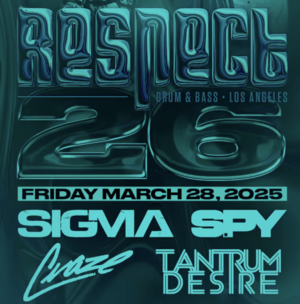
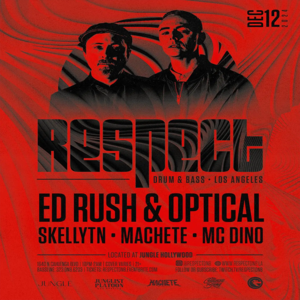
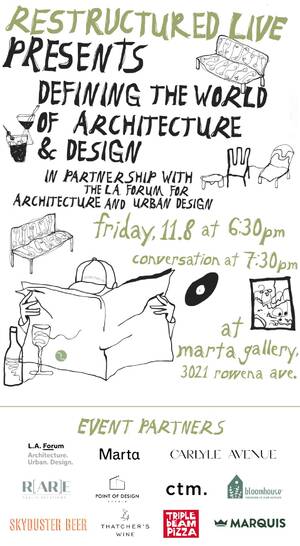
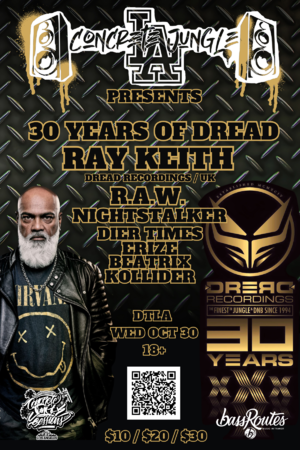
Shows vary in scale. Some are one-off concerts by touring indie acts, while others are community-driven parties or themed dance nights. Chewing Foil has seen everything from a punk rock Saturday to a serious vinyl listening party or a retro synthwave disco. Local promoters and collectives regularly book the space, so you might find hip-hop showcases, reggae nights, or even comedy and poetry slams in the schedule. Art exhibits and film-showing events also pop up (sometimes paired with music). Typically, two to three events might be held per week when active, and the programming is highly volunteer-run. Promoters will advertise shows on social media with creative flyers or videos, often noting age and ticket details. Tickets usually range from about $10 to $25 depending on the lineup. Some looser events – like community art nights or early evening film screenings – are free or donation-based.
Because Chewing Foil draws an artsy crowd, it’s known for surprise collaborations. At one X-mas party, a DJ set turned into an impromptu karaoke sing-along; at another show, a surprise guest poet would appear between sets. DJs at Chewing Foil often spin eclectic mixes (from Commodore 64 chiptune to lounge jazz) when bands aren’t playing. Audience participation is not unusual: one night attendees were invited to spray-paint a wall together, and another time partygoers danced on an inflatable art installation. This spontaneous spirit makes checking the schedule worthwhile: each week can bring a completely new experience.
Tickets and Booking
Chewing Foil does not have a permanent box office storefront. Instead, tickets stem from event-specific promoters, so you generally buy in advance online. The venue’s social media pages or event flyers typically link to a ticketing site (Eventbrite, TicketFairy, etc.) where you can reserve your spot. Often there are early bird or presale options. If tickets aren’t sold out, many shows also sell a limited number at the door on the night of the event. These “door tickets” are usually sold for the same price or slightly higher, so it’s safest to buy ahead if possible.
Prices depend on the event. Local band nights are usually inexpensive (often $10–$15). Shows featuring more prominent indie acts or elaborate productions might reach $20–$25. Exhibition openings and some art parties are often free-entry or “pay-what-you-can,” with an optional ticket for a guaranteed seat area. Whatever the cost, it’s common practice to bring a few dollars extra for on-site drink purchases and merch. Once you’ve bought tickets, you can simply bring the digital confirmation on your phone (paper printouts are rarely required) and have your ID ready.
In sum, plan ahead: bookmark the Chewing Foil or promoter’s event page, watch for ticket drops, and sign up for any mailing list they offer. On show day, arrive early to exchange your digital ticket for a wristband and grab a good spot.
Seating and Layout
The layout of Chewing Foil is intentionally informal. There are no reserved or numbered seats – it’s almost always general admission, meaning people stand during performances. The main floor is open, with a small stage at one end. You might see a scattering of stools or folding chairs pushed to the side when it’s relatively empty, but these fill up fast. Some attendees parkit on any steps, railings, or cushions if they appear, but for the most part you should be ready to remain on your feet.
Because it’s one big room, sound and sightlines are similar throughout. The stage is raised only a foot or two, so standing in the first few rows gives an up-close view (and louder sound). The center or rear of the space is quieter and provides a fuller mix of all instruments. Many locals suggest standing about halfway back for the best overall audio balance. During smaller shows, the room might feel spaced out; you can often walk from back to front quickly. However, at packed events, space near the stage can become tight. It’s common for the front row fans to become a de facto “dance area,” so if you’re there for dancing you’ll be in the thick of it. Meanwhile, thoughtful attendees who prefer to sit or lean often hang back or find a spot along the wall.
During particularly headlined shows, staff may set up a simple rail or block around the stage, but more often it’s an open floor. If any seating is arranged (for instance, some chairs at the back for an acoustic set), it’s always first-come. One good strategy: at sold-out shows, try arriving early to claim a front-middle spot and simply stay there through the night. Late-comers usually squeeze in at the edges or refreshment line. Note that in a small venue like this, your entire body will catch most of the sound, so ringing ears are normal — consider earplugs if needed.
Getting There and Parking
Chewing Foil is centrally located in Downtown Los Angeles , meaning it’s reachable via several options. Driving – The nearest freeways are the 101, 10 and 5. Exit toward Downtown, and use major cross streets (like 3rd or 4th Street) to navigate. There’s limited on-street parking: meters and permit zones apply, so look closely at signs. Some nearby paid lots or garages (often shared with other businesses) offer evening rates (usually $10–$15). If you plan to leave your car all night, research an overnight-rate lot or a ParkMe/SpotHero location in advance.
Public Transit – The 7th Street/Metro Center station (Red, Purple and Blue trains) and the Pershing Square station (Red line) are within walking distance (about 5–10 minutes). Several DASH and Metro buses run along 7th St, Broadway or 3rd St nearby. Transit runs at least until midnight, so a late show is often still covered. If you come by bike or scooter, there are usually plenty of rental scooters on the street and bike racks around DTLA.
Rideshare/Taxi – Rideshare apps are a popular choice. Set the dropoff point a block or two from the exact address (for example, “Third Street and Main Street”) so the driver isn’t blocking traffic. Early in the night sharing is easy; after the show, surge pricing can occur, so it may help that the central location allows multiple drivers to come quickly.
Walking – Downtown is dense but be aware of safety, especially late at night. Stick to well-lit sidewalks (Main, Broadway, Spring Streets, etc.) if you’re on foot. Some attendees walk from the Arts District or Little Tokyo, which is about 1–2 miles away – doable in good weather but a fairly long trek. Generally, a combo of transit and ride services offers the quickest access to Chewing Foil.
Inside the Venue
Chewing Foil’s vibe inside is friendly and unpretentious. As you enter, staff typically check your ticket and ID (if required) at the door. Once inside, you will immediately notice the artistic details – perhaps the bar is flanked by painted panels or the ceiling has strings of lights and hanging art. A DJ or music will often be playing soft beats before any live act, so there’s no dead silence between sets.
The bar area is modest. You’ll find taps for a couple of local craft beers, a simple wine list, and a few basic mixed drinks (like vodka soda, rum and Cola). Don’t expect a cocktail lounge – no elaborate drinks menu or full kitchen. Snack-wise, sometimes there are chips or candy at the counter, but generally you should eat beforehand. There is usually one larger communal restroom each for men and women (signs indicate them clearly), but space is tight so expect short waits at busy times.
Look around and you might see artworks for sale or flyers for future shows posted on walls or pinned to a corkboard. A merchandise table (if the headlining band brought merch) often sits near the stage. It’s customary to tip the bartender if you’re buying multiple drinks – keeping the venue running often relies on these small contributions.
During performances, house lights are dimmed. The stage is lit by colored LEDs or spotlights, so performers stand out. The back of the room typically has brief reprieves of light so you can see your surroundings if you step back. Music volume is high but not deafening; the sound engineer may move around making small tweaks, so audio balance can shift slightly when bands change.
One quirk: many phones don’t get great reception inside. If solo, let the bartender know someone else is on the way if you need to leave the bar area to make a call. There is no public Wi-Fi – a deliberate choice to focus on the “live” experience – so plan meetups beforehand. Charging station? There usually isn’t one, so go into the night with charged devices.
Nearby Amenities
The neighborhood around Chewing Foil is filled with eateries and bars to fit any preference. To the east is the trendy Arts District with breweries and coffee shops (for example, a block away you might find a craft coffeehouse that stays open late, or a pizza place where local artists hang out). On 3rd Street in the Historic Core, you’ll find more restaurants – perhaps a ramen shop, a gastropub and even a taqueria or two. Local attendees often grab food at spots like Grand Central Market (a short rideshare or 10-minute drive away) or Little Tokyo if they arrive very early.
For after-show drinks or additional nightlife, nearby bars include everything from casual dives to cocktail lounges. If you plan to extend the evening, rideshares remain plentiful downtown. Keep in mind: DTLA can be busy late, and auto traffic out of the city center can back up. To avoid the rush, locals sometimes walk a couple blocks to a different street corner to hail a ride, or catch the early train back if it’s still running.
If you need lodging, multiple downtown hotels fit walking or a quick drive distance. The Ace Hotel, The Standard, or Level Furnished Apartments are examples within a half-mile or so. Many of these cater to a hip crowd and have artsy decor. If you park in a hotel garage, ask if they allow concert-goer parking (sometimes they have event rates). Alternatively, downtown Airbnbs in converted lofts are popular. On busy nights it’s wise to reserve accommodation in advance due to conventions or events that occasionally pack the area.
Finally, some practical tips for the area: there are bike and scooter rentals available (look for Lime, Bird, etc.) if you prefer not to walk. The venue is also near several city rental car drop-off points. ATMs are not guaranteed on-site, so if you expect to spend cash, run one in advance (plenty are around 7th St and Broadway). Overall, Chewing Foil’s central location means you’re surrounded by LA’s creative food and nightlife scene – just give yourself extra time to navigate and explore it.
What Makes This Venue Special
Chewing Foil stands out in L.A. because it breaks the mold of a typical club. It truly feels like a living art space: posters, paintings and sculptures decorate the stage area, and the crowd itself can become part of the art. People often comment that nothing is predictable here – a random jam session or pop-up workshop can happen mid-show. Famous indie musicians are willing to play here precisely because the crowd is small and passionate. For example, Calvin Johnson of Beat Happening took the same unglamorous stage here as a brand-new indie act , showing how artists appreciate Chewing Foil’s authenticity and proximity to the audience.
The community vibe is another special factor. The venue is known to draw a creative, inclusive crowd: you'll see artists, students, and longtime scenesters side by side. It’s especially welcoming to LGBTQ+ and alternative communities, so themed nights or benefit shows often have a strong social component. Chewing Foil even hosts family-friendly art events during the day (some Sunday markets or kids’ screenings have been run by local nonprofits).
Because it’s so DIY, Chewing Foil has a kind of legendary status. Locals trade stories about memorable shows (like a surprise new song debut or an impromptu crowd singalong) as cherished lore. In a music industry run by big corporate promoters, Chewing Foil feels like L.A.’s little rebellion: it’s a space where creativity rules over commerce. Artists return again and again to a place that values experimentation, and audiences love it precisely because it’s offbeat and personal. In short, Chewing Foil is special because it is a raw, living expression of the city’s underground art and music culture – a hands-on sandbox for artists and fans alike.
Visitor Tips and Information
When planning your visit to Chewing Foil, keep in mind it’s more like visiting an artist’s studio than a polished casino. Confirm the event details ahead of time: promotional posts will note door time, cover charge, and age limit. Most shows are 21+ (especially if alcohol is served) www.ticketfairy.com , so carry a valid photo ID. Artists occasionally host all-ages or 18+ events, but these are clearly labeled all ages. Always get there at least 30 minutes before your show if possible. The door checklist is ID and ticket, and lines can form quickly.
Dress code is very casual – jeans, T-shirts, artistic prints, or cosplay-like attire are all fine. Since you’ll mostly be standing for the show, wear comfortable shoes. If you’re sensitive to noise, bring earplugs – once the band starts, it can get very loud. No need for fancy wardrobes or high heels. Phones and cameras without flash are usually allowed; however, avoid large professional gear unless pre-approved. Smoking is not allowed inside the venue by law (including vaping), so if you smoke, do so outside before you enter.
Food-wise, eat in advance. Chewing Foil sells drinks (beer, wine, and a few mixed cocktails) but only snacks at best. Outside food and drinks aren’t permitted (with rare exception for sealed water bottles, but it’s better to drink from the bar). If it’s a special diet or you need a full meal, dine beforehand. Local late-night tacos or pizza spots (a block or two away) are frequent recommendations by attendees.
Finally, a few etiquette and miscellaneous tips: Be mindful of the equipment and art; don’t grab instruments or break art pieces. The staff and even the bookers are often volunteers, so be polite and tip well if you can (tips keep such small venues running). Keep your personal conversations low so others can enjoy the music. If you need to leave the main area (for air or calls), do it quietly in a break between songs. In summary: arrive prepared (ID, ticket, cash/card), respect the creative space and crowd, and immerse yourself in the creative vibe of this unique venue.
Frequently Asked Questions
Where is Chewing Foil and how do I get there?
Chewing Foil is located in downtown Los Angeles, in or near the Arts District/Historic Core. The exact street address is usually provided to ticket buyers or in event listings rather than advertised publicly. Public transit is easy: the 7th Street/Metro Center and Pershing Square stations (Red and Purple Metro lines) are both within about 10 blocks. Several local buses also drop off on nearby 7th, Broadway or Spring Streets. If driving or taking a rideshare, set your dropoff for a nearby cross-street (for example, “3rd Street and Main Street”) and then walk or look for venue signage. Being a dense area, it’s best to plan your route a bit in advance and allow walking time from a major landmark or station.
Is Chewing Foil an indoor or outdoor venue and what is its capacity?
Chewing Foil is entirely an indoor venue housed in a converted warehouse/gallery. It’s a single large room with high ceilings and a stage at one end. The space is fairly small and intimate – seating capacity is usually on the order of around one hundred people (exact figures aren’t published). Because of this, many shows sell out at low attendance counts. Inside, events are general admission (standing room); there’s no outdoor performance area.
How can I purchase tickets for an event at Chewing Foil?
Tickets are typically sold online by the event promoters. Chewing Foil doesn’t have a regular box office window, so you should look for a link on the show’s Facebook or Instagram page. Common ticket platforms (like Eventbrite or Ticketfly) are often used. If tickets haven’t sold out, some events also allow purchase at the door. It’s best to buy online in advance if possible, and then simply show the ticket on your phone when you arrive. Keep an eye on the event page for last-minute notices (sometimes final tickets or free passes are given out just before showtime).
Is there a box office at Chewing Foil, or can I buy tickets at the door?
There is no permanent box office outside Chewing Foil. For each show, organizers usually collect payments at the door if tickets are still available. Sellers may accept cash and often cards on site. If an event is announced as “door only”, you can pay when you arrive. However, for popular events, many tickets are sold in advance, so we recommend purchasing early. If you do plan to buy at the door, arrive early (sometimes an hour before) to avoid running out.
How much do tickets typically cost for Chewing Foil events?
Ticket prices vary by event. Local band nights or art community events at Chewing Foil tend to be inexpensive (often $10–$15). Concerts with bigger indie acts or touring artists can cost more (often in the $20–$25 range). Some art openings or dance parties are even free or operate on a donations/custom cover basis. General admission stands are most common; occasionally there are tiered or VIP options (these would be listed on the ticket page). Always check the posted price when buying tickets, and remember to budget for drinks and any merchandise purchases.
What are the age restrictions at Chewing Foil?
Age restrictions depend on the specific event. Many Chewing Foil shows are 21+ due to alcohol being served; for example, a recent event listing was explicitly labeled “Ages 21+” www.ticketfairy.com . However, some daytime events, benefit concerts or family-oriented shows may be all-ages. It is always clearly stated in the event description. If it isn’t stated, assume 21+ and bring an ID. When in doubt, contact the event promoter or venue to confirm.
Are minors or children allowed at Chewing Foil?
Children and teens are only allowed if the specific event permits it. Most nighttime shows at Chewing Foil are adult-oriented (21+) and not open to minors. However, the venue occasionally hosts daytime or special events (like community fundraisers or art workshops) that welcome all ages. If you plan to bring someone under 18, make sure the event listing explicitly says “all ages” or “18+”. Note that policies are strictly enforced, so underage guests without an event listing stating otherwise will be turned away.
Is Chewing Foil wheelchair accessible?
The venue is in a renovated industrial building, which can have some accessibility limitations. The main performance room is on ground level, so wheelchair users can usually enter the show area without climbing stairs. The entrance may have a small threshold or step, and some older locations can have a short ramp. Accessible restrooms are not specifically advertised. If accessibility is a concern, it’s best to contact the venue or event organizer ahead of time to clarify the layout. The inclusive staff is generally accommodating and can help you find the clearest pathway.
What items are allowed or prohibited at Chewing Foil?
Standard small-venue rules apply. You may bring a small purse or backpack (subject to bag check). Large bags, suitcases, or professional photo/video equipment are not allowed. Non-professional cameras, phones and tablets (without flash) are typically fine for personal photos. Outside alcohol or illegal substances are strictly prohibited. If medical items or personal needs are required, inform staff. Umbrellas should be folded up at the door to avoid poking anyone. In general, travel light and securely keep your valuables on you or in a small bag.
Does Chewing Foil have a dress code?
Chewing Foil has a very casual, artsy atmosphere – there is no formal dress code. Most patrons wear everyday attire like jeans, T-shirts, sneakers, or bohemian/alternative styles. Comfort is key, since you’ll likely be standing. The dress quality is not a concern; staff won’t turn you away for casual clothes. If anything, feel free to express yourself creatively: musicians and artists sometimes wear costumes or flamboyant outfits. Just be prepared for a crowded, energetic setting rather than a black-tie vibe.
Are food and drinks available inside Chewing Foil?
Chewing Foil’s setup includes a small bar or drink counter. Beer, wine, and basic mixed drinks are typically sold during shows. There is usually no full kitchen or meal service. Outside food is generally not allowed (with bottled water often being the only exception if you need it). To avoid hunger, plan to eat beforehand or grab quick snacks on your way in. Some nearby tacos and pizza joints can be good options. During longer events there might be light snacks available, but don’t count on it – eating ahead is safest.
Is there a bar or can I purchase alcohol at Chewing Foil?
Yes. Most shows have a bar area where you can purchase alcoholic beverages. The selection is modest: typically a couple of beers on tap or in bottles, a few wines, and standard mixed drinks (e.g. vodka-soda, rum-and-cola). Prices are reasonable compared to bigger clubs, but bring cash or card – some events may prefer cash-only, while others accept credit/debit. Bars usually open when doors open, so you can buy a drink before the show or between bands. Just note that during popular events, lines can form at the bar quickly—sometimes a smart idea is to grab your drink early or use chillout time to top up.
Are restrooms available at Chewing Foil?
Yes, Chewing Foil has restroom facilities on-site. There are typically one or two single-occupant toilets (for example, one for men and one for women). Space is limited, so during full-capacity shows you might wait a bit. Because the venue is a converted space, restrooms are modestly sized. It's a good idea to use them during breaks or before performances begin. If you’re coming with children or someone with mobility needs, you should plan extra time for restroom lines. In any case, basic restroom amenities (toilet paper, sinks) are provided.
How early should I arrive before my show starts?
It’s best to arrive 30–60 minutes before the advertised showtime. Doors often open about an hour early. If seating is open (it usually is), arriving early lets you choose a good spot in the crowd. For ticketed events, arriving early also helps avoid long entry lines and ensures you don’t miss support acts. If the show is likely to sell out, some people even arrive 45 minutes before doors to secure front-row positions. That said, if you’re not in a hurry, the front row sometimes frees up after intermission or door closing (people leaving for drinks). Just watch the event page or social media for door and first-act times so you aren’t left outside unexpectedly.
What should I expect when I come to Chewing Foil?
Expect a very casual, creative environment. The venue will likely be decorated with artwork and dim lighting, and the crowd will be up close to each other and the performers. The atmosphere is inclusive and laid-back, so you might make new friends or chat with the artists between sets. Music can be loud – it’s a tenant of the space to turn up the volume once the show starts. Unlike a big club, there’s no VIP area or heavy security presence, but staff do keep an eye on safety. Overall, think of Chewing Foil like being at an intimate art party – the focus is on enjoying the performance and the art community rather than fancy trimmings.







![KAZBAH California [11PM-6AM] flyer](/uploaded/thumbnails/db_file_img_122585_300xauto.jpg)