For music aficionados, music festivals are magical realms or life-defining experiences where melodies turn into memories. The breathtaking stage setups, rumbling sound systems, and flashy lights and visuals transport you to another world amidst the impressions marked by an array of musicians and their pulsating beats. But if we were to take a peek behind the glitz and glamour that encompasses a music festival, have you ever wondered about the environmental effect that a gathering this large and grand invokes?
More than half the waste collected from music festivals ends up in a landfill and accounts for abandoned tents, food, paper, plastic bottles, cans, and more. As per a report from AGF with data collected from 40 festivals across sixteen countries, recycling has seen an increase from 38% in 2022 to 49% in 2024, 70% of the festivals have completely banned single-use plastics, and there has been a significant increase in attendees taking electric cars to the festivals.
With the advancement in technology, music festivals are finding creative ways to keep sustainability at the forefront of their operations. Some are recycling waste, encouraging attendees and food vendors to use reusable or compostable containers/materials, while others use public transport or carpool to reduce carbon emissions. We take a look at what steps music festivals are taking or could implement to help save our planet while also keeping the party going!
Utilizing Renewable Energy Sources
Glastonbury is one of the prime examples of music festivals using renewable energy to power its events. Setting a wonderful benchmark for other music festivals, concerts, and shows, the 2023 edition of Glastonbury was completely run on renewable energy. The UK-based festival used solar PV or fossil fuel-free sources and palm oil-free HVO made from waste cooking oil.
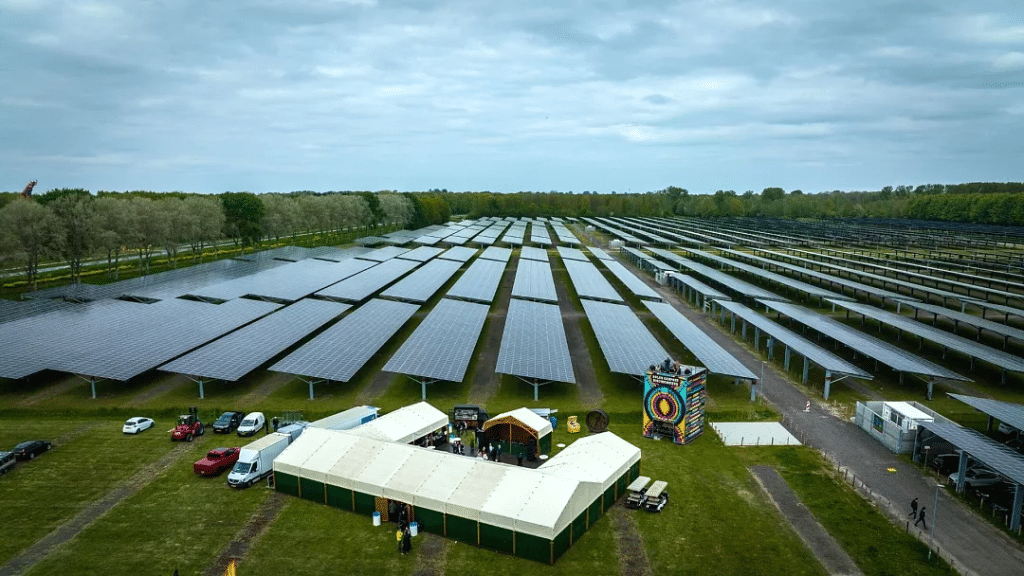
Similarly, the USA’s Bonnaroo uses solar energy and biodiesel fuel, Shambala Festival in the UK employs waste vegetable oil biodiesel to power the festival, while Japan’s Fuji Rock switches to biodiesel generators. Lowlands Festival in the Netherlands has a massive solar car park spreading across 350,000 square meters, featuring 90,000 solar panels, and Slovakia’s Pahoda works in tandem with its local energy provider to set up a mobile solar power station.
The Process of Waste Management
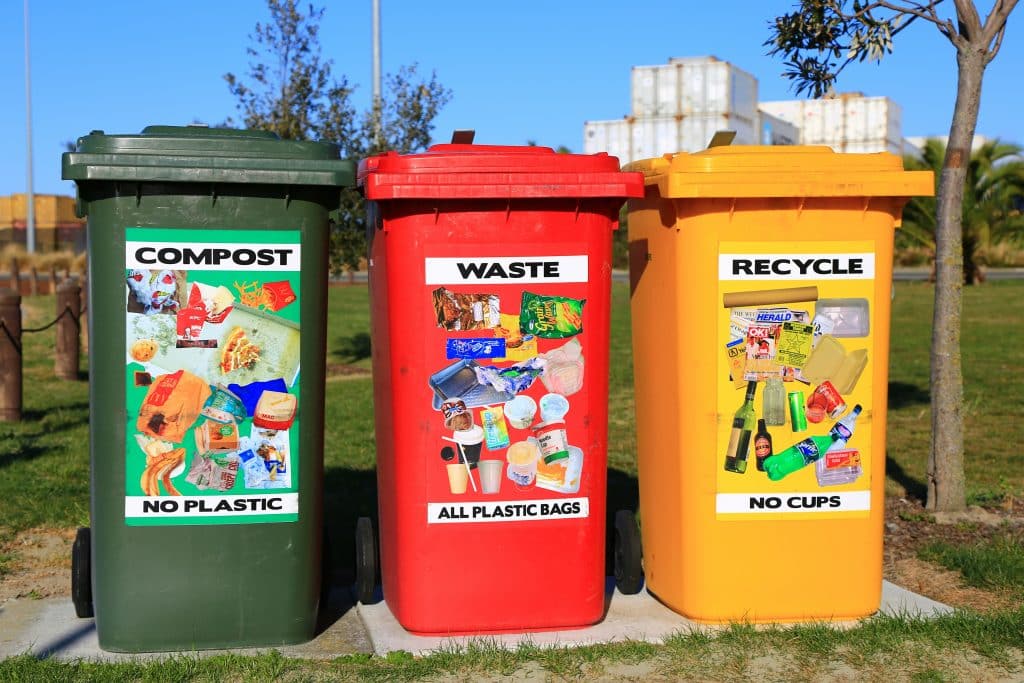
Litter and belongings are often left behind at music festivals. Every year, about 250,000 tents are found at music festivals across the UK, as per Waste Managed. Two million plastic bottles and 1.3 million food containers were discarded, while 875,000 plastic cups were picked up from a single music festival in the UK. Reducing greenhouse gas emissions is another one of the objectives of music festivals. Reducing waste, recycling, banning single-use plastic and waste management are the first and crucial steps taken to minimize the rubbish in the landfill.

Skrap – a zero-waste and sustainability service for businesses – sorts out waste for Mumbai’s Mahindra Blues Festival. They sorted out over 5500 pounds of waste before it was sent for composting, reusing, and recycling. Their efforts prevented 98.4% of waste from going into the landfill. Implementing reusable dishware or biodegradable containers is a great way to be plastic-free. The Mahindra Blues Festival used dishware made of sugarcane, areca leaves, and wood.
Music festivals like Coachella also require food vendors to use compostable serving ware and containers, while major festivals, including Creamfields and Tomorrowland, recycle waste. Those who return a bag full of correct waste per Creamfields’ instructions can win exciting prizes like an exclusive side-of-stage experience, festival merch or two tickets to next year’s edition. Scotland’s Belladrum Tartan Heart Festival composts food waste, Lollapalooza India and Pleasantville Music Festival use reusable food containers, and WinterWonderGrass even gives attendees a reusable cup along with their festival ticket.
Some music festivals also work with organizations to donate objects that are in good condition to those in need, thereby focusing on reusing the items left behind instead of dumping them in a landfill or harming the environment.
Encouraging Carpooling, Using Public Transport or Offering Shuttle Services
Public transport, carpooling or shuttle services help reduce the carbon emissions that hike up with the large number of people attending music festivals. Rewarding carpooling or using public transport can also increase the number of people who opt for sustainable transportation. Coachella gives a prize to a random vehicle of people who carpooled to the festival with four or more attendees in it. Prizes include $50 merchandise vouchers, a $50 Coachella food + Ferris wheel ride, VIP upgrades, guest “backstage” passes, an outstanding in the field dinner, and a VIP for life grand prize! Belgium’s Paradise City Festival teams up with Brussels Airport and offers free electric shuttles between Vilvoorde Station and the festival.
Reusing Materials for Art Installations or Stage Designs
Many festivals have begun recycling and refurbishing materials to make use of waste and scraps to transform them into beautiful art installations or as a part of the stage setup. India’s Echoes of Earth repurposes materials such as bamboo, metal, and all kinds of scrap to design its music festival to raise awareness and educate attendees about sustainability.
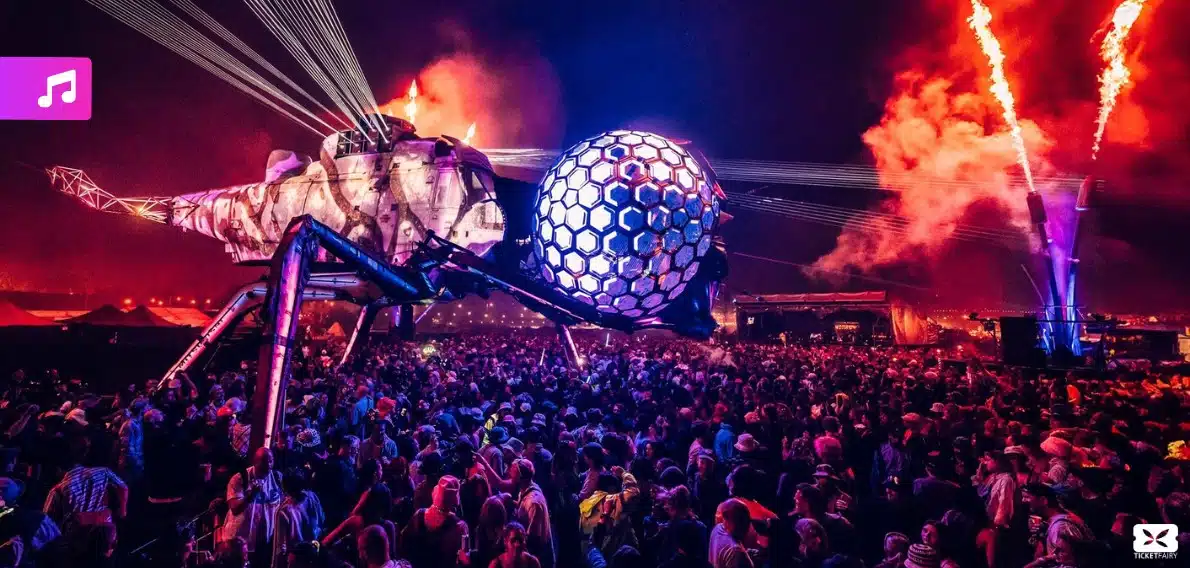
Last year, Glastonbury’s dance music space Arcadia, where the energy is sourced from solar power and mostly reuses old material and scrap, debuted a new stage, The Dragonfly. Made from an ex-Royal Navy helicopter and enveloped in LED lights, Glastonbury presented its festival-goers and stellar DJ line-up with a magnificent spectacle.
Kinetic Dancefloors
Music gatherings require excessive amounts of electricity to power their lights, sound systems and more. With the help of a kinetic dancefloor, all the energy generated from ravers dancing, attendees walking or jumping can be utilized to run certain elements of the festival. Most commonly witnessed at Coldplay’s Music of the Spheres World Tour, the kinetic dance floor was also adapted and helped power the in-house charging station at the Heineken House at Coachella. This feature, if implemented by other major music festivals, can have revelers contribute to the event by generating energy to power sound, charging stations, lights, and more.
Featured image adapted via Mixmag
You May Also Like:
5 Carbon-Neutral Festivals You Should Know About
Sustainable Brands by Artists That You Should Know
Workforce Kicks off Conversation on Streaming Algorithms via His Latest EP