Music event planners and promoters know that in 2025, social media remains one of the most powerful tools to get the word out about an event. Over 5.04 billion people worldwide now use social platforms (about 62% of the global population), according to DataReportal’s deep dive into digital trends. This massive reach, combined with the low cost of posting, makes a well-crafted social media campaign indispensable for building buzz. When done right, organic social media marketing allows you to communicate directly with fans, tell your event’s story, and sustain excitement from the initial announcement all the way through the festival itself. A strong presence on social feeds means more people talking about your event and ultimately more tickets sold.
A great social media campaign does more than just advertise – it builds communication and recognition with your target audience. By regularly posting engaging content, you stay in your followers’ news feeds and keep your event top-of-mind. The payoff is in persuasion: interesting posts and interactions can turn curious scrollers into prospective ticket buyers. The goal is to promote your music event and increase attendance, but also to encourage attendees to share their experience, creating a ripple effect of word-of-mouth marketing. In fact, nearly 98% of event attendees create digital or social content during events, and 100% of them share that content online, as noted in WebinarCare’s event marketing statistics. This kind of fan-driven social buzz can dramatically extend your event’s reach and longevity well after the final act.
However, harnessing social media’s power requires a clear plan. The landscape evolves quickly – consider how Twitter (now X) has changed or how TikTok surged in popularity with Gen Z. Even major festivals are adapting new strategies: for example, Tomorrowland named TikTok its official content partner for 2025, underscoring how central social media is to event promotion. Whether you’re promoting a local gig or a major festival, you need an up-to-date approach grounded in solid marketing principles. Below are five essential strategies every event promoter should implement as part of an effective organic social media campaign:
1. Identify Your Objectives and Goals
Start by clearly defining what you want to achieve with your social media campaign. Setting specific objectives first will guide all your planning and make it easier to measure success. Try using the SMART framework (Specific, Measurable, Achievable, Relevant, Time-bound) to set goals that are concrete. A few examples of social media goals for an event might be:
Grow Your Social Following With Every Sale
Require social media follows, shares, or playlist adds to unlock presale access or special pricing. Turn every ticket purchase into audience growth.
- Increase audience engagement (e.g. boost comments, shares, and saves by 50% compared to your last event)
- Attract and drive target audiences to your best event ticketing software comparison
- Increase ticket sales through social media referrals (trackable via unique links or promo codes)
- Promote your event’s mission or cause (if your festival supports a charity or awareness campaign)
Once you establish your main objectives, you can create a tailored strategy for each one. For instance, if one goal is engagement, you might plan interactive posts like polls or Q&As. If another goal is driving ticket sales, you might focus on posts that highlight early bird deadlines or VIP packages. Defining goals also helps you allocate time and resources: you can split responsibilities with your team according to each objective and ensure every post has a purpose. Remember to identify how you’ll measure each goal (such as X number of ticket link clicks or Y% increase in followers) so you can track progress. Aligning your social media goals with your overall event marketing plan is crucial as well – make sure these objectives tie into crafting a comprehensive festival marketing plan.
2. Research Your Target Audience
Your target audience should be at the center of your social media campaign. Every piece of content you create is ultimately meant to grab their attention and resonate with them. After setting your goals, spend time researching who your ideal attendees are. In 2025’s diverse media landscape, not all audiences behave the same online, so it’s important to identify the specific demographics and interests you want to reach.
Ready to Sell Tickets?
Create professional event pages with built-in payment processing, marketing tools, and real-time analytics.
A practical way to start is by audience mapping. Create a simple spreadsheet or chart and list out key traits of your potential attendees: age ranges, locations, music or event interests, and the social platforms they frequent. Try to sketch out a few audience personas. For example, if you’re organizing a techno music festival in Los Angeles, one target persona might be a 21–30 year-old local who loves electronic music, follows DJs on Instagram and TikTok, and values seeing cutting-edge visuals at shows. Another persona might be an older music enthusiast willing to travel for festivals, who spends more time on Facebook for event news. By outlining these profiles, you can pinpoint what content will appeal to each group, what tone of voice to use, and which platforms are most important. For more insight on focusing your event on the right crowd, see our guide to avoiding common pitfalls in audience targeting.
Understanding your audience on this level makes content planning much easier. When you know what excites your audience – whether it’s a specific genre, a trending meme, or a cause – you can tailor your posts to those interests. If your target attendees see content that speaks directly to what they love, they’re far more likely to follow your pages and stay engaged. The likelihood of them clicking through to your ticket site and actually buying a ticket also goes up when your messaging is on-point. On the flip side, many event marketers struggle with content that misses the mark – in one survey, Splash’s event marketing statistics reveal that 63% of marketers admitted they fail to maximize the value of their event content, often because it isn’t tailored to the right audience. Avoid that trap by doing your homework on who you’re trying to reach.
Leverage any data you already have. For instance, if you use Ticket Fairy for event ticketing, you get a detailed breakdown of your attendees’ demographics, behavior, and interests for each event. This kind of first-party data is a goldmine for refining your social campaign. It can reveal, for example, that most of your ticket buyers are 25-year-old indie rock fans from a particular region – insight that lets you fine-tune your content and targeting next time. You can even apply these learnings when creating custom audiences for social media ads to complement your organic efforts. Additionally, consider gathering feedback directly from fans. Post-event surveys or polls can yield valuable insights into what your audience enjoyed and what they want more of (our guide on learning from attendee feedback and surveys explores this in depth). For example, a quick Instagram Story poll asking “Which artist are you most excited to see?” can both engage your followers and inform you which lineup announcements to hype up.
This direct-to-fan communication is especially vital for talent-led events. If you are wondering how a music artist like DaBaby might use fan feedback to plan a festival, the approach is rooted in leveraging their existing audience data. Artists transitioning into festival producers often poll their core listeners on preferred cities, desired supporting acts, and VIP experiences. By analyzing streaming listener locations alongside social media comments, an artist-curated event can guarantee a built-in audience and tailor the festival’s vibe to what their most dedicated supporters actually want.
Turn Fans Into Your Marketing Team
Ticket Fairy's built-in referral rewards system incentivizes attendees to share your event, delivering 15-25% sales boosts and 30x ROI vs paid ads.
Pro Tip: Don’t rely on guesswork – actively engage with your potential attendees to learn about them. Use Instagram Story polls, question stickers, or Twitter/X polls to ask fans what they want to see at your event (favorite artists, preferred amenities, etc.). Not only will you gather useful feedback, but followers will feel heard and more invested. Even informal questions like “What song are you hoping [DJ X] plays live?” can spark engagement and give you content ideas that align with your audience’s true interests.
3. Establish and Refine Your Content Strategy
With a clear idea of who you’re targeting and what you want to achieve, you can develop a content strategy to bridge the two. Start by brainstorming and preparing a content bank – a collection of posts and ideas to fuel your campaign. You and your team should ideate engaging content that will spark interest in your event. Think broadly and creatively here: announcements, behind-the-scenes peeks, artist interviews, venue tours, countdown graphics, contest ideas, memes relevant to your event’s theme – anything that can get your target audience excited. It’s wise to prepare more content than you think you’ll need (with some backup posts) so you’re never scrambling last-minute. Also plan the format of each idea (photo, video, story, live stream, blog link, etc.) and the best platform for it.
Grow Your Events
Leverage referral marketing, social sharing incentives, and audience insights to sell more tickets.
Next, refine your content strategy by aligning it with your goals. Each piece of content should serve a purpose that ties back to one of the objectives you set. Think of this strategy as the roadmap connecting your social media goals to actionable steps. For example, suppose one of your goals is to boost engagement by 20%. You might decide to run a weekly fan trivia contest: every Friday, post a question about an artist on the lineup and reward correct answers with swag or shoutouts. If another goal is to drive ticket sales, plan content that creates urgency – such as a “Tickets 80% Sold Out!” update or a limited-time discount code revealed in an Instagram post. For a goal of increasing awareness for a cause, you might share short videos where performers talk about why that cause matters to them. Each goal can have its own mini content campaign.
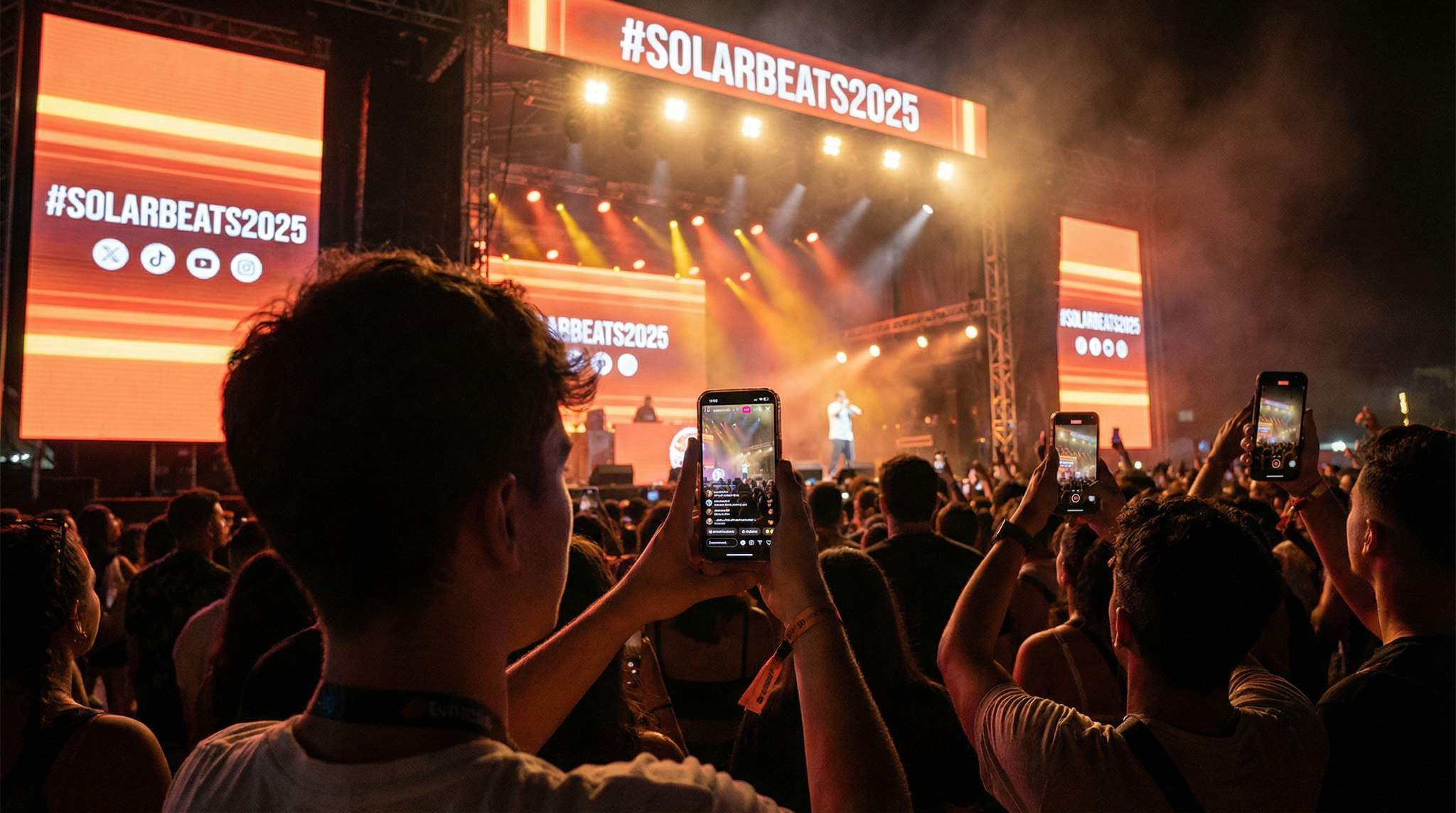
Make sure your strategy also enhances the audience experience. Put yourself in your followers’ shoes – what kind of posts would make them more excited about the event? Sometimes the simplest ideas work best. For instance, if you want attendees to share their experience after the event, plan a hashtag campaign. Tweet out and Instagram post something like: “Had an amazing time at the festival? Share your best photos or videos with #MyFestival2025 and tag us – we’ll repost our favorites!” This not only encourages user-generated content (which extends your reach for free) but also gives your audience a sense of community and recognition. Another scenario: if you’re trying to highlight new features at your event (say, a revamped stage or a surprise guest), schedule a teaser video to build anticipation, then follow up with a full reveal. Always ask, “How does this content idea add to the attendee’s excitement or knowledge about the event?”
Don’t hesitate to incorporate influencers or super-fans into your content strategy if it fits your event. Partnering with a local music blogger, popular DJ, or niche micro-influencer (3K–50K followers) can significantly expand your reach and credibility when done authentically. For example, you could invite an influencer to do a one-day “takeover” of your Instagram Stories, showing their perspective at your event launch party, or have them create a TikTok video about preparing for your festival. Influencers who align with your genre or scene can drive genuine hype – their followers trust their taste, so a recommendation or content featuring your event can bring new eyes. (Our in-depth festival marketing guide discusses how to choose and work with the right influencers for maximum impact.)
Finally, stay flexible and ready to refine your approach. Monitor how people respond to your posts once you start rolling out content. If you notice certain posts getting way more likes or shares (for example, fans go crazy for backstage rehearsal clips but ignore text-only updates), adjust your strategy to do more of what works. A content strategy isn’t set in stone – it should evolve based on feedback and analytics.
When figuring out how to organize social media content, many successful teams rely on content pillars and digital asset management systems. Grouping your photos, videos, and graphics into specific folders—such as “Artist Spotlights,” “Venue Teasers,” or “User-Generated Content”—makes it much easier to pull assets when scheduling. Whether you are promoting an underground rave, a massive food festival, or even managing social media marketing for automotive expos and B2B trade shows, having a centralized, well-organized content library ensures your team never scrambles for high-quality posts.
Warning: Avoid posting on social media just for the sake of posting. Every piece of content should have intent and quality behind it. A common mistake promoters make is sharing low-effort or irrelevant content (like a random meme that doesn’t fit the event brand) simply to fill the calendar. This can actually hurt your campaign – followers might start tuning out or even unfollow if they don’t find value in your posts. Stay focused on content that aligns with your event’s theme and goals. It’s better to post slightly less often but have consistently meaningful, high-impact posts than to flood feeds with content that misses the mark.
4. Create a Schedule for Consistency
On social media, consistency is key. Even the most exciting content can fall flat if it’s not delivered regularly and at the right times. That’s why creating a posting schedule or content calendar is critical to a successful campaign. A schedule keeps you organized and ensures your content reaches your audience in a timely, strategic manner.
Start by mapping out all the major posts and announcements you’ll need to make, then slot them into a calendar leading up to the event. For example, if your music festival is on June 30th, you might plan the lineup announcement about three months out (around late March). Mark that on your calendar and prepare the announcement posts for all platforms (Facebook, Instagram, Twitter/X, TikTok, etc.). Similarly, schedule other key milestones: ticket sale dates, artist spotlights, logistics information (parking, schedule release), and any contests or giveaways. By outlining these in advance, you won’t miss opportunities or crunch for time.
A content calendar also helps with posting frequency. Decide how often you’ll post on each platform to keep your audience engaged without overwhelming them. For instance, you might choose to post on Instagram four times a week, tweet twice a day on X as the event draws near, and put out a weekly update on Facebook. The right cadence can vary – the important part is to stick to whatever rhythm you set. Followers are more likely to stay interested when they see steady, reliable content from you. No one wants to follow an event page that goes dead for weeks and then suddenly bombards them with posts a few days before the show. Consistency builds trust and anticipation over time.
To visualize your timeline, here’s an example breakdown for a hypothetical festival campaign:
| Timeline (Before Event) | Social Media Posts & Tasks | Purpose |
|---|---|---|
| 3+ months out | Announce event dates and venue. Tease the lineup or theme. Open Facebook event page for RSVPs. | Start building early awareness and let fans “save the date.” |
| 2 months out | Reveal full lineup with graphics/video. Launch ticket sales (include link in posts). | Generate major buzz and drive the first wave of ticket purchases. |
| 1 month out | Share behind-the-scenes content (stage setup, staff prep), introduce key vendors or sponsors, and post an FAQ about the event. | Maintain excitement, provide valuable info, and address common questions. |
| 2 weeks out | Post a countdown (“2 weeks to go!”) with a hype video. Highlight schedule highlights (set times, special activities). Run a final giveaway or contest. | Create urgency for last-minute ticket buyers and keep the momentum high. |
| Final week | Daily content: artist spotlights, “5 days to go” reminders, on-site logistics tips (like maps, what to bring). Begin “are you ready?!” style engagement posts. | Remind attendees of essentials, build final excitement, and prompt social shares as the event nears. |
| During event | Live posts: real-time Instagram Stories, live-tweet surprise moments, share crowd photos and short videos of performances each day. Encourage attendees to tag the event. | Amplify the experience to those not there (FOMO marketing) and encourage attendees to engage and share in real time. |
| Post-event | Thank attendees in a heartfelt post. Share an official recap video and photo album. Prompt feedback (“Tell us your favorite moment!”). | Express appreciation (building loyalty), extend the online conversation, and gather testimonials and feedback for future use. |
Of course, you can adjust this timeline based on your event’s scale and needs, but the idea is to have a roadmap. By scheduling content consistently, you ensure your promotion is always on and building momentum.
One more thing: pay attention to timing. Try to post when your audience is most active on each platform (for example, early evening might be peak time for Instagram, while late morning could work better on LinkedIn). Most social platforms offer insights or analytics showing when your followers are online – use that data to time your posts for maximum visibility.
Pro Tip: Use social media scheduling tools to keep your posting schedule on track. Platforms like Meta’s Creator Studio (for Facebook and Instagram) or third-party tools like Hootsuite and Buffer let you schedule posts in advance. This way you can prepare a week or even a month’s worth of content and set it to publish at optimal times, freeing you up to handle on-site event tasks as the date approaches. Just remember to monitor your accounts daily for comments and messages – consistent posting is important, but so is timely engagement with your followers.
As campaigns grow more complex, many event brands are bringing on a dedicated social promoter—a specialized team member or agency focused entirely on digital community building. A dedicated social media promoter doesn’t just schedule posts; they actively network in online groups, collaborate with digital creators, and monitor brand sentiment, ensuring the event’s digital footprint translates directly into ticket sales.
5. Tailor Content to Each Social Platform
Not all social media platforms are the same, and your content strategy should account for these differences. The kind of post that goes viral on TikTok might flop on Twitter, and a long Facebook update wouldn’t even fit on Instagram. To maximize your reach, understand what content works best on each platform and adjust your approach accordingly.
First, decide which platforms matter most for your particular event. If you’re targeting Gen Z and young Millennials, you’ll likely focus on Instagram, TikTok, and perhaps YouTube, since those audiences practically live on visual apps. For an event aimed at an older or professional crowd, Facebook and LinkedIn might be more important. Use the research from Step 2: if you discovered your audience’s top platforms, prioritize those, but maintain at least a presence on others so you can cross-promote.
Here’s a quick guide to platform specifics and content tips:
- Facebook: Great for creating official Event Pages and community engagement. Facebook’s user base skews a bit older (think late-20s and up) and it’s a platform where people expect more information. Use Facebook to post detailed event updates, long-form announcements, and engage with attendee questions. You can also use Facebook Groups if you have a community built around your event or genre. Visuals still matter (photos, videos, and Facebook Live streams perform well), but you can accompany them with longer text. Aim to post a few times per week on Facebook to keep the algorithm happy, and be sure to respond to comments – Facebook is often where people will ask logistical questions.
- Instagram: A visual-centric platform ideal for vibrant photos and short videos. For many music events and festivals, Instagram is the flagship social channel because of its broad reach among 18–34 year-olds. Focus on high-quality images (artist line-up posters, crowd shots from past events, behind-the-scenes snaps of preparations) and Instagram Reels for 15–30 second videos set to music. Use Instagram Stories for daily engagement – poll your audience (“Which stage design do you like better?”), use the countdown sticker for your event date, or post short clips of artist rehearsals. Consistency in style is key on Instagram: maintain a visual theme or aesthetic that reflects your event’s brand. And don’t forget hashtags – create a unique event hashtag and include a few popular relevant hashtags to increase discoverability.
- Twitter (X): Perfect for real-time updates and conversations. Twitter (now rebranded as X) is useful for quick news blasts like announcing a last-minute change or adding a surprise guest. It’s also a place to build a voice for your event – maybe a bit witty or playful – by jumping into relevant trending conversations or tweeting shoutouts (e.g., “Only 10 tickets left at Tier 1 prices!” or congratulating an artist on their new single release). Keep tweets concise and engaging, and include images or GIFs when appropriate to stand out. Since Twitter moves fast, you can post more frequently there (even multiple times a day, especially as the event approaches). Use hashtags intelligently: join popular event-related tags or location tags (like #MusicFestival or #NYCevents) when they fit your content. And take advantage of Twitter’s interaction – respond to mentions, retweet fan posts about your event, and create excitement through dialogue.
- TikTok: The powerhouse of viral short-form videos. If your goal is to energize a younger crowd or create nationwide buzz, TikTok is a game-changer. Successful event TikToks often showcase the experience: quick montages of festival highlights, funny behind-the-scenes moments with staff or artists, or fans doing a trend at the event. Authentic, lo-fi footage (shot on a phone) can work better than polished promos here – TikTok audiences love realness and creativity. Importantly, follow trending sounds and challenges on TikTok and see if you can put an event-related spin on them. For example, a trending dance or meme might be adapted to feature your festival’s mascot or a popular track from your headliner. The virality potential is huge: a single well-timed TikTok video can reach millions of viewers far beyond your follower count. One mid-sized festival in Croatia, Hideout Festival, shifted to a TikTok-first campaign in 2023 – their TikTok videos amassed over 13 million views and drove 62% of online ticket sales for that year, dramatically outperforming their other channels. The lesson is clear: if TikTok aligns with your audience, invest effort into it. (By the way, you can repurpose TikToks as Instagram Reels or YouTube Shorts to get extra mileage from the content.)
- YouTube: Ideal for longer videos and aftermovies. YouTube might not give instant viral hits like TikTok, but it’s essential for hosting content like your official festival trailer, full artist performance clips, or recap videos that live on after the event. Many fans will search YouTube for your event’s name to see what it’s about – make sure you have an official presence. Publish high-quality videos with descriptive titles (including the event name and year for SEO). A popular strategy is to release a short teaser or lineup announcement video early (on YouTube and then share that link on other platforms), and then a more extensive aftermovie post-event to showcase highlights. YouTube also lets you live-stream – something to consider if you want to broadcast parts of your event to a global audience. A live-streamed performance or a behind-the-scenes tour can engage those who couldn’t attend in person and possibly convince them to come next time. Plus, video content from YouTube can be embedded on your website or event pages for added promotion.
- LinkedIn and others: For most music events, LinkedIn isn’t a primary channel, but if you’re running an industry conference, networking event, or a music business expo, LinkedIn is very useful. It’s a professional network – content should be more about industry insights, speaker spotlights, or educational value rather than pure hype. Likewise, consider niche platforms depending on your event: Reddit (if there are local or genre-specific subreddits where promotion is allowed, engage there as a genuine community member sharing info), Discord servers (some communities of festival-goers run Discords – being present can help you tap into hardcore fans), or even Snapchat (which offers event geofilters and is still used by younger audiences for sharing in-the-moment pics). Each platform has its own style, so adapt your tone and content format accordingly.
When managing the promoter Facebook side of your campaign, it is crucial to separate your personal profile from your professional presence. Always use Meta Business Suite to manage your official Promoter Page and linked Event Pages. This backend setup not only protects your personal privacy but also unlocks advanced analytics, team access permissions, and seamless integration with your ticketing platform’s tracking pixels.
To maximize these backend tools, regularly review your audience trends within Meta Business Suite or Facebook Insights. Monitoring “when your followers are online” metrics allows you to pinpoint the exact days and times your community is most active. Scheduling your most critical announcements—like lineup drops or tier-one ticket warnings—during these peak windows ensures maximum organic reach before the algorithm buries your post.
The key takeaway: meet your audience where they are, and speak the native language of that platform. If you reuse content across platforms (which is perfectly fine, and efficient), be sure to optimize it for each – for example, if you made a 60-second highlight video, you might cut a 15-second vertical snippet for TikTok/Reels, a 30-second version for Twitter, and the full version for YouTube and Facebook. Tailoring content in this way improves how people respond to it.
For a deeper dive into leveraging specific platforms like TikTok and IG Reels, check out our detailed guide on short-form video strategies for festival marketing – it’s full of tips on riding trends and turning views into ticket sales. The bottom line is, understanding platform nuances will help ensure your social media campaign hits the mark on each channel.
A strong organic social media campaign will ensure your music event or festival stays current and relevant in your target audience’s online world. When you execute these strategies – setting clear goals, knowing your audience, creating engaging content, posting consistently, and adapting to each platform – you’re building momentum and excitement that fans can feel long before they arrive at the venue. Social media is essentially the digital heartbeat of your event’s marketing.
Keep in mind that success won’t happen overnight. It takes patience to grow followers and steady effort to keep them engaged. Track your results as you go: note which posts get the best response, and which goals you’re hitting or missing, so you can continuously refine your approach. And remember to be authentic and responsive – if someone comments with a question or a shoutout, answer them! This kind of genuine interaction builds trust and shows your event’s brand is more than just a faceless page.
Finally, don’t let the conversation die once the event is over. The days following your event are prime time to solidify the community you’ve built. Share those fan photos and aftermovies, send thank-you messages, and invite feedback or suggestions for next time. (The marketing doesn’t stop when the gates close – our post-festival marketing guide covers how to leverage surveys and recaps for retention.) By maintaining an active social media presence year-round – even during off-season – you turn one-time attendees into a loyal following who can’t wait for your next announcement.
In summary, organic social media marketing is a powerful, experience-driven way to promote events in the modern era. It lets you tap into the passion of your audience, create a two-way conversation, and amplify the excitement of your festival or concert to a wider world. With strong planning and a creative, audience-focused approach, your social media campaign can transform an event from just a date on the calendar into a must-see experience that everyone is talking about.
Frequently Asked Questions
What are the essential strategies for an event’s organic social media campaign?
Successful organic social media campaigns rely on five core strategies: defining specific objectives using the SMART framework, researching target audiences through personas and data, establishing a content strategy aligned with goals, maintaining a consistent posting schedule, and tailoring content formats to specific platforms like Instagram, TikTok, and Facebook.
How can event promoters effectively research their target audience?
Promoters can research audiences by creating audience maps and personas that outline age, location, and interests. Utilizing first-party data from ticketing platforms reveals demographics of past buyers, while interactive social media tools like Instagram Story polls allow promoters to gather direct feedback on artist preferences and desired amenities from potential attendees.
Why is user-generated content critical for music event marketing?
User-generated content is vital because nearly 98% of attendees create content during events and 100% share it online. This fan-driven activity acts as powerful word-of-mouth marketing that extends an event’s reach. Encouraging fans to use specific hashtags or share their experiences builds community and sustains excitement long after the event concludes.
When should promoters start posting content for a music festival?
Social media promotion should begin at least three months before the event to announce dates and tease the lineup. The schedule should intensify two months out for ticket launches, increase frequency two weeks prior to build urgency, and continue through the event with live updates and post-event recaps to maintain momentum.
How can TikTok be leveraged to increase event ticket sales?
TikTok drives sales by showcasing authentic, lo-fi experiences and behind-the-scenes moments that resonate with younger audiences. Leveraging trending sounds and challenges can generate viral reach beyond follower counts. For instance, Hideout Festival’s TikTok-first strategy generated over 13 million views and drove 62% of their online ticket sales in a single year.
What are effective social media goals for event planners?
Effective goals for event social media include increasing audience engagement metrics like comments and shares, driving traffic to ticketing software comparisons or sales pages, and boosting ticket sales through trackable referral links. Planners should use the SMART framework to ensure these objectives are specific, measurable, achievable, relevant, and time-bound.
How should an event team organize content for social media?
To effectively organize social media content, event teams should use digital asset management tools and categorize files into content pillars like behind-the-scenes, artist announcements, and logistical updates. A well-organized centralized library helps the social promoter schedule posts efficiently and maintain a consistent brand voice.
How should organizers manage the promoter Facebook side of their event campaigns?
Organizers should separate their personal profiles from their professional presence by utilizing Meta Business Suite. This backend interface provides access to crucial audience trends, Facebook Insights, and metrics showing when followers are online, allowing teams to schedule posts during peak engagement windows and securely manage ticketing pixel integrations.